
.jpg)









Parametricism is the architecture "of neoliberalism itself"
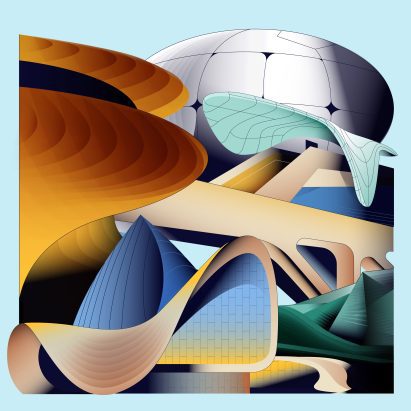
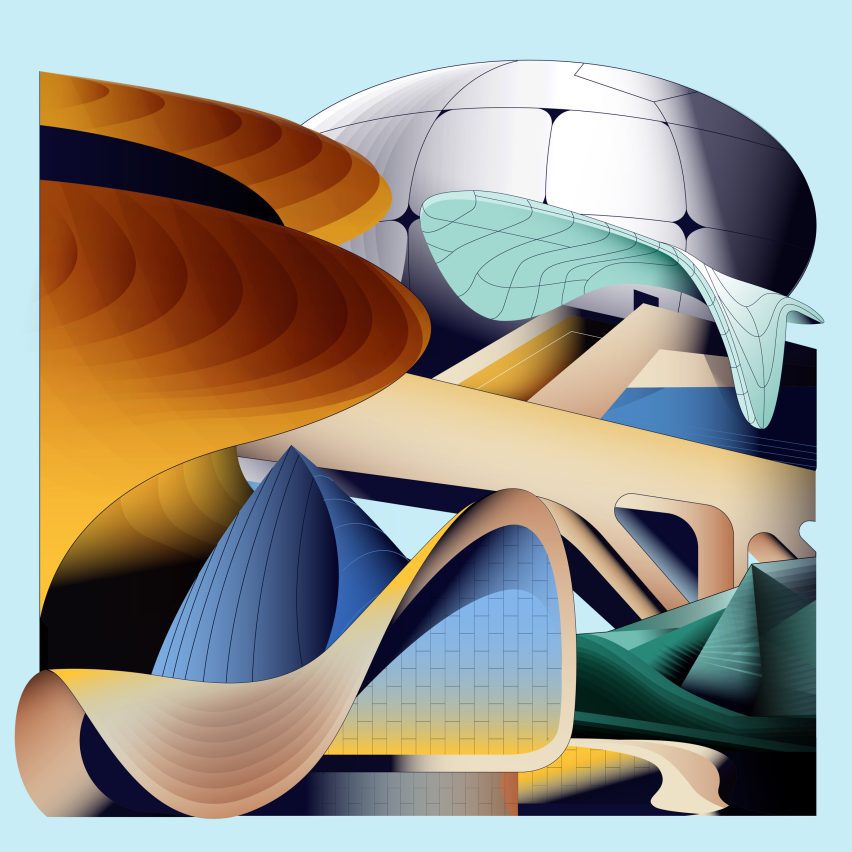
Parametricism has been billed by its originator as the defining architecture style of the 21st century. To kick off a new Dezeen series on the controversial and famously complex theory, Owen Hopkins provides an overview.
Johann Wolfgang von Goethe called architecture "frozen music". Although the German polymath was apparently referring to the Baroque – both in built and symphonic form – with its sweeping rhythms and harmonies, drama and emotion, it's an analogy that has haunted architecture ever since.
At its root is a decidedly 19th-century view of architecture as a set of styles to be deployed according to certain aesthetic principles – and today it's red meat to traditionalists and the "beauty" brigade.
Yet, paradoxically, it's this analogy that always comes to mind when thinking about a style – and its self-characterisation as a style is important here – that claims the advanced technological mantle, that consequently sees all other forms of architecture as obsolete, and which aims to channel the chaos and disorder of the contemporary world into its own formal and structural complexity.
That style is, of course, parametricism.
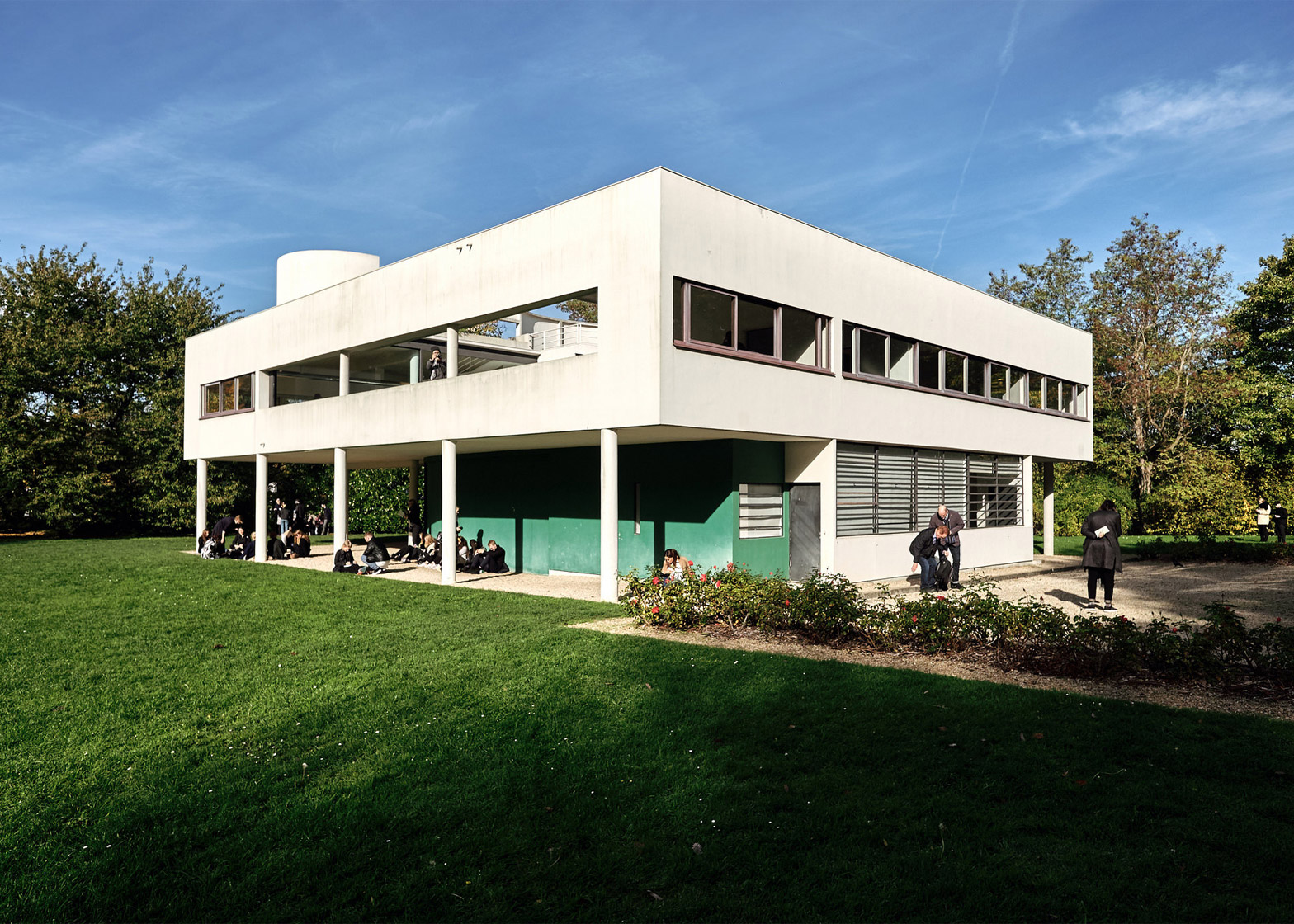
Most architectural styles emerge through the advent of new building technologies. And so it is with parametricism, although with some important differences. Because it's not the technology of building from which parametricism emerges – as it was with modernism, for example, as the architecture of steel, glass and concrete – but how its designs are modelled.
Put simply, rather than a design being determined directly by an architect – either on paper or on screen – with parametric design, it is formulated by an algorithm working from a set of input parameters. And as those parameters – which could be materials, site topography, live loads, wind, movement of vehicles or people – are manipulated, so the design itself changes in response.
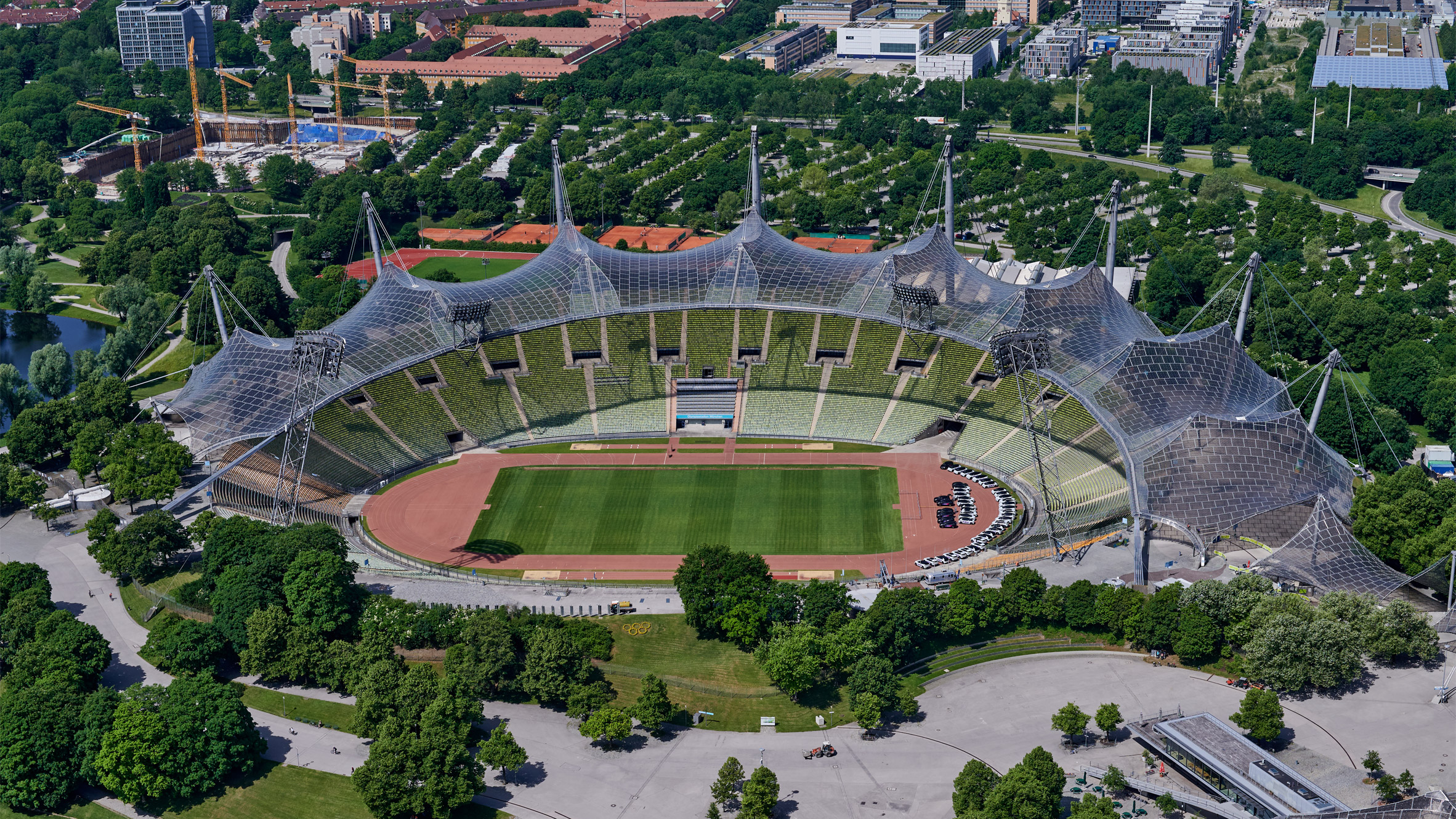
Parametric design – if not parametricism itself, and we'll get to the difference shortly – constitutes a fundamental shift in how buildings (or indeed anything) can be designed. Nevertheless, it does have several antecedents, among them the tensile structures of Frei Otto and maybe surprisingly Antoni Gaudí, who apparently used a kind of analogue parametric modelling.
But it was the deconstructivism of the late 1980s and 90s that directly spawned parametricism, with its experiments in fragmented forms and early computer-assisted 3D modelling. Although there are, again, some decisive differences. Because rather than using these tools to realise what in effect are pieces of urban sculpture, with parametric design the building's form is determined by and in accordance with data sets informed by the requirements of the brief.
In this way, parametric design is closer to the functionalism of, say, Hans Scharoun's Berliner Philharmonie than the form-making of Frank Gehry's Guggenheim Bilbao.
So if this is parametric design, then what makes it an "-ism"? Some styles are created retrospectively by historians – the Baroque was one – others are christened by their practitioners, and parametricism is indisputably that: indelibly associated with its chief proponent, Patrik Schumacher, and the work he did in partnership with the late Zaha Hadid from the early 2000s, and more recently as the sole leader of the practice still known as Zaha Hadid Architects (ZHA).
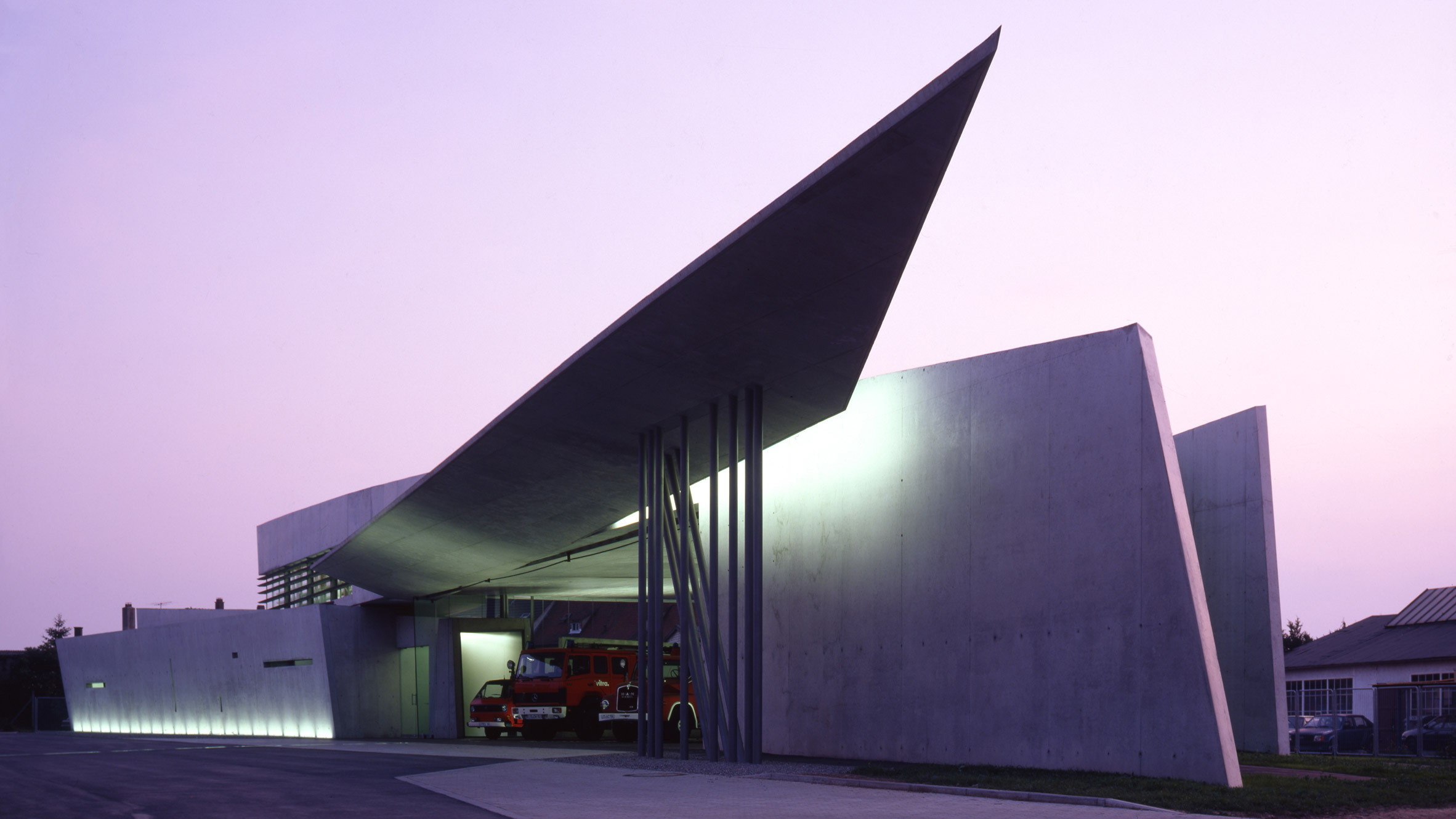
The advent of parametricism is usually seen in the shift in ZHA's work in the early millennium, from the angular and spiky early projects like the Vitra Fire Station and Cardiff Bay Opera House to the fluid, curving forms of the MAXXI museum in Rome and, even more so, the Heydar Aliyev Center in Baku.
Parametric design tools naturally produce complex, curving and often sinuous forms, and, on one level, parametricism is simply about allowing them to be true to themselves, to express their inherent formal possibilities and the advanced engineering required to build them.
ZHA was far from the only studio pushing these ideas around that time: Greg Lynn's experiments in "blobitecture", Future Systems, Studio Fuksas and others were all advancing the architectural possibilities of parametric design. But it was Schumacher who sought to codify a design philosophy emerging from them, launching parametricism to the world at the 2008 Venice Architecture Biennale.
"Architecture finds itself at the mid-point of an ongoing cycle of innovative adaptation – retooling the discipline and adapting the architectural and urban environment to the socio-economic era of post-Fordism," Schumacher declared.
This retooling with parametric design systems, he claimed, addressed a "demand for an increased level of articulated complexity" and had therefore "achieved pervasive hegemony within the contemporary architectural avant-garde". Ramming the point home, he concluded: "Parametricism is the great new style after modernism."
The timing of this manifesto was significant and not a touch ironic, taking place as the global financial system imploded, saved only through the actions of governments and vast amounts of public money. Because in retrospect, parametricism appears as the architecture of those pre-crash boom years – indeed, of neoliberalism itself.
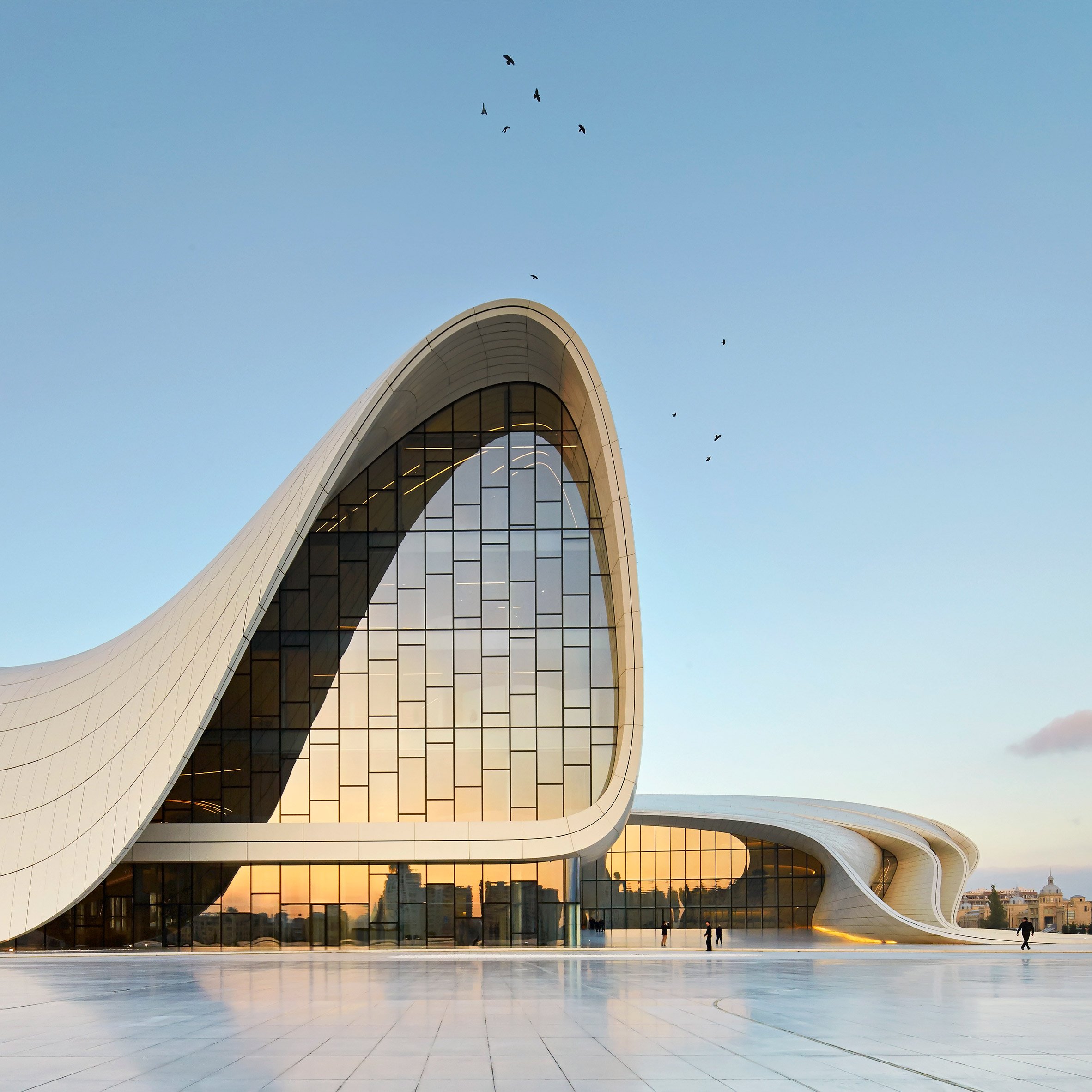
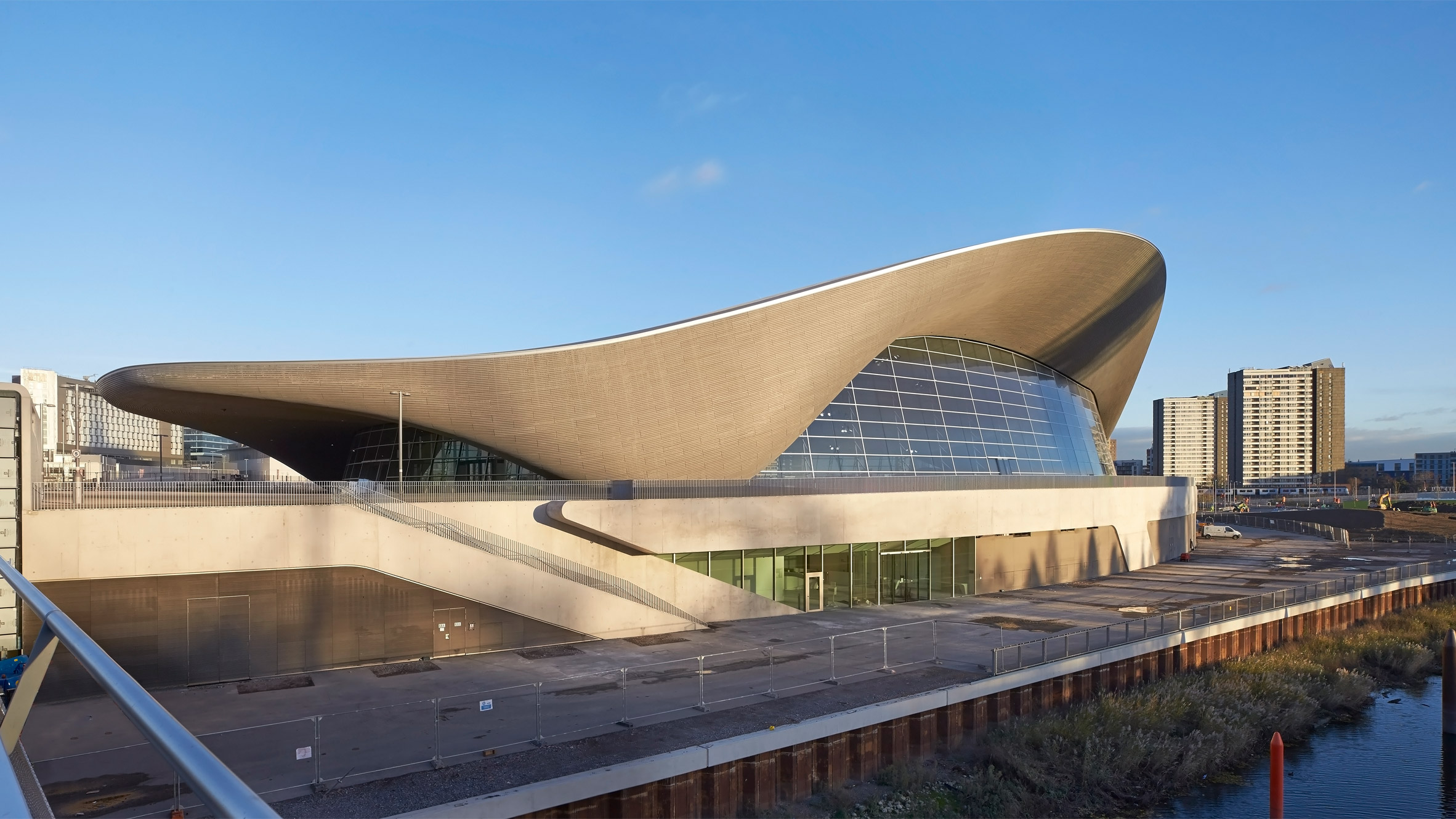
This at least was the thesis put forward by Douglas Spencer in his 2016 book The Architecture of Neoliberalism, in which he argued that parametricism wasn't just remote from the labour conditions required to create it, but actively served to widen the gap. To take an example, the flowing forms of ZHA's 2012 London Aquatics Centre were enabled by a massive, almost unbelievable amount of steel that was hidden behind smooth white panels so as to make it appear effortless.
Despite a number of notable parametricist buildings being unveiled in the 2010s by ZHA and others, it did not become the "hegemonic" style that Schumacher had hoped. Rather than retreat, he marched on, announcing even more stridently in a special issue of Architectural Design in 2016 the advent of Parametricism 2.0: "Parametricism is architecture's answer to contemporary, computationally empowered civilisation, and is the only architectural style that can take full advantage of the computational revolution that now drives all domains of society."
By now, Schumacher was not just promoting parametricism but a radical libertarian political agenda. In this guise he soon became the bête noire of architecture's left-leaning opinion formers, a position only hardened by his involvement in the creation of Liberland – a bizarre libertarian micro-nation in the Balkans that would become a citadel of parametricist architectural and urban design.
Meanwhile, the 2.0 appendage revealed a convergence of parametricism with the anti-government ideologies and technological solutionism of Silicon Valley. Both were united in seeking the reduction of the individual to a data point, and of social processes to just another set of parameters to enter into the algorithm.
Unsurprisingly then, parametricism has its critics. There is its association with, shall we say, morally dubious clients with the necessarily deep pockets to realise its outlandish creations. Even they are not always able to realise its complex visions, which have been known to look great from afar, but clunky and unresolved close up. It's easy to blame the builders, but when complexity borders on the irresolvable, mastic only goes so far.
Then there is the even more fundamental paradox that lies at the heart of parametricism's claims to resolve the age-old tension between formal expression and structural efficiency. While parametricism gets its energy and vitality from the fluidity of its modelling, this is by definition, to go back to Goethe, "frozen" when built.
This is partly why parametricism is well-suited to train stations, airports and other transport infrastructure, but also opera houses and maybe even Silicon Valley corporate HQs – where people are required to perform in predictable ways and can be modelled accurately. But it's next to useless when things get messy.
And, of course, an ever-more complex and fragmented society requires architectures that reflect this variability, as opposed to convergence around a single master "style". Parametricism can certainly create great buildings. But I wouldn't want to live in a parametric world.
Parametricism
This article is part of our series on parametricism, the theory of architecture developed by Zaha Hadid Architects principal Patrik Schumacher that lays claim to becoming the 21st century's defining style.
The post Parametricism is the architecture "of neoliberalism itself" appeared first on Dezeen.