






















The Death of the Masterplan (and What Replaced It)

Do you have an outstanding image that tells a compelling architectural story? The 2026 Vision Awards has a range of categories, from hyperrealistic or artistic renderings to expressive drawings or hybrid digital mediums. Start your entry >
For over a century, architects have drawn and imagined cities as if they could be finished. The reality, however, is that the world refuses to hold still; development is an inherently ongoing process that does not move toward an elusive final product.
The term “masterplan” first appeared in the early 20th century, shaped by the confidence of the industrial age and a context of relatively slow economic and political change. As the Modernist Movement gained speed, cities were imagined (and drawn) as complete, legible wholes, controlled by the respective architect who sought permanence and a promise of an ideal urban future.
Examples of such cities include Brasília by Lúcio Costa and Oscar Niemeyer, conceived almost entirely on paper before being built, or Le Corbusier’s Chandigarh city planning, driven by order and rational systems. These architects acted as authority figures, crafting totalizing masterplans not only to organize space, but to prescribe how the city would function and, ultimately, grow. Albeit influential and pivotal for urban planning, these works always projected a singular vision of urban life that left little room for deviation, subtly insinuating an illusion of control over the city’s political, economic and geopolitical future.
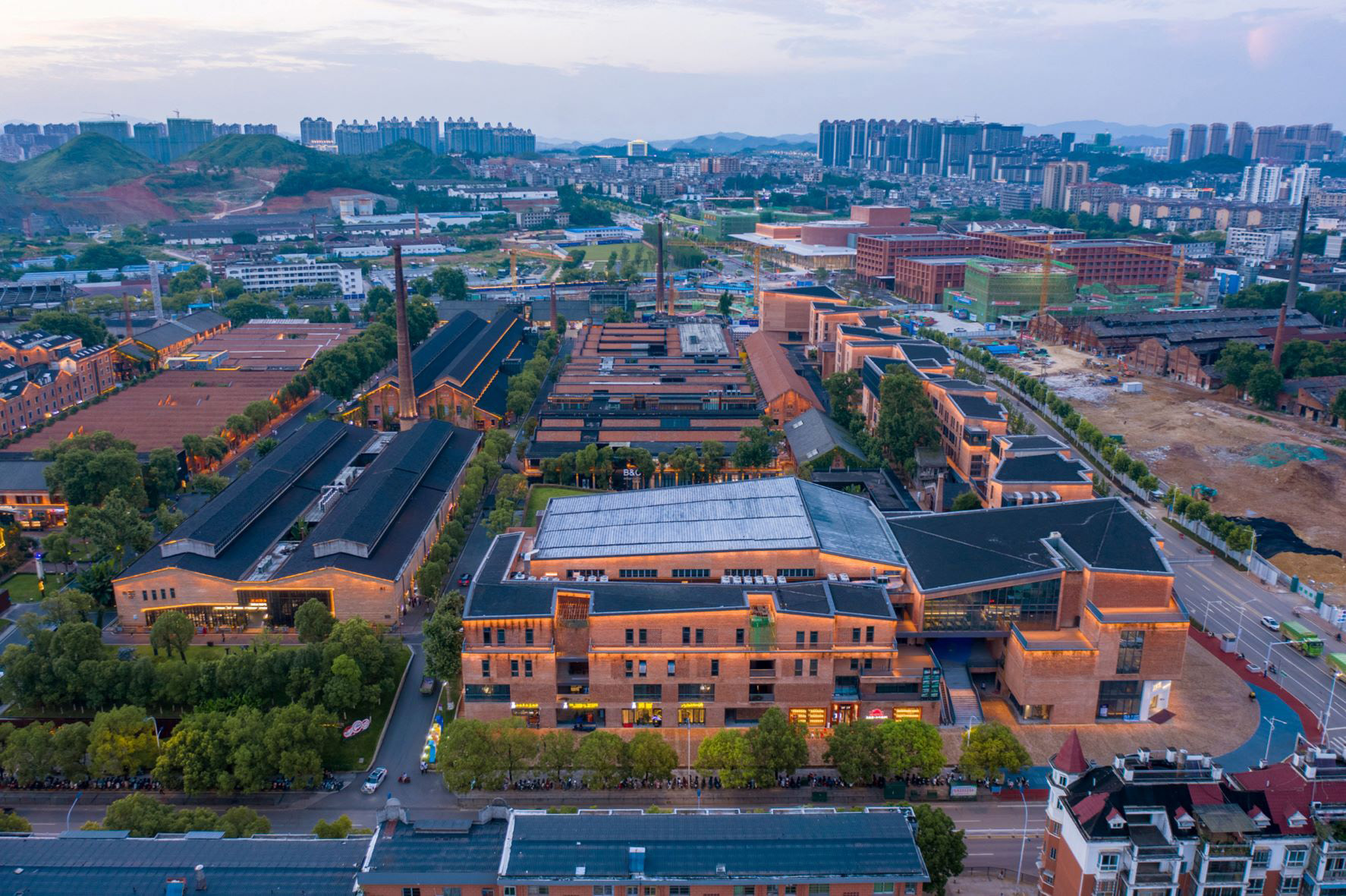
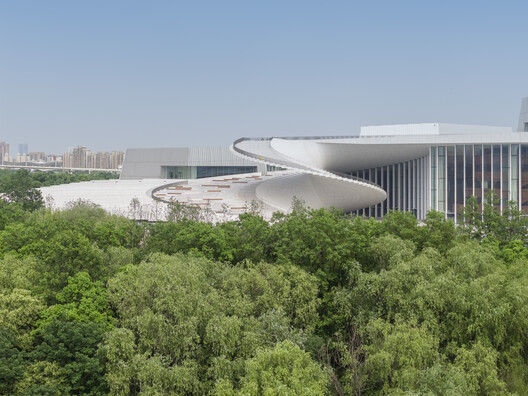
Taoxichuan Ceramic Culture Industrial Park by Beijing AN-Design Architects, Jingdezhen, China | Jury Winner, Urban & Masterplan, 12th Architizer A+Awards
Cut to the present, and the world is suffering from constant political turnover, financial crises, environmental challenges and changing social demands. Cities have become moving targets, trying to keep up with contemporary strains. In this context, the idea of the ultimate masterplan does not seem either plausible or useful. Instead, the architect’s role has shifted to being the orchestrator — the one who mediates between order and unpredictability, managing a process that never fully resolves.
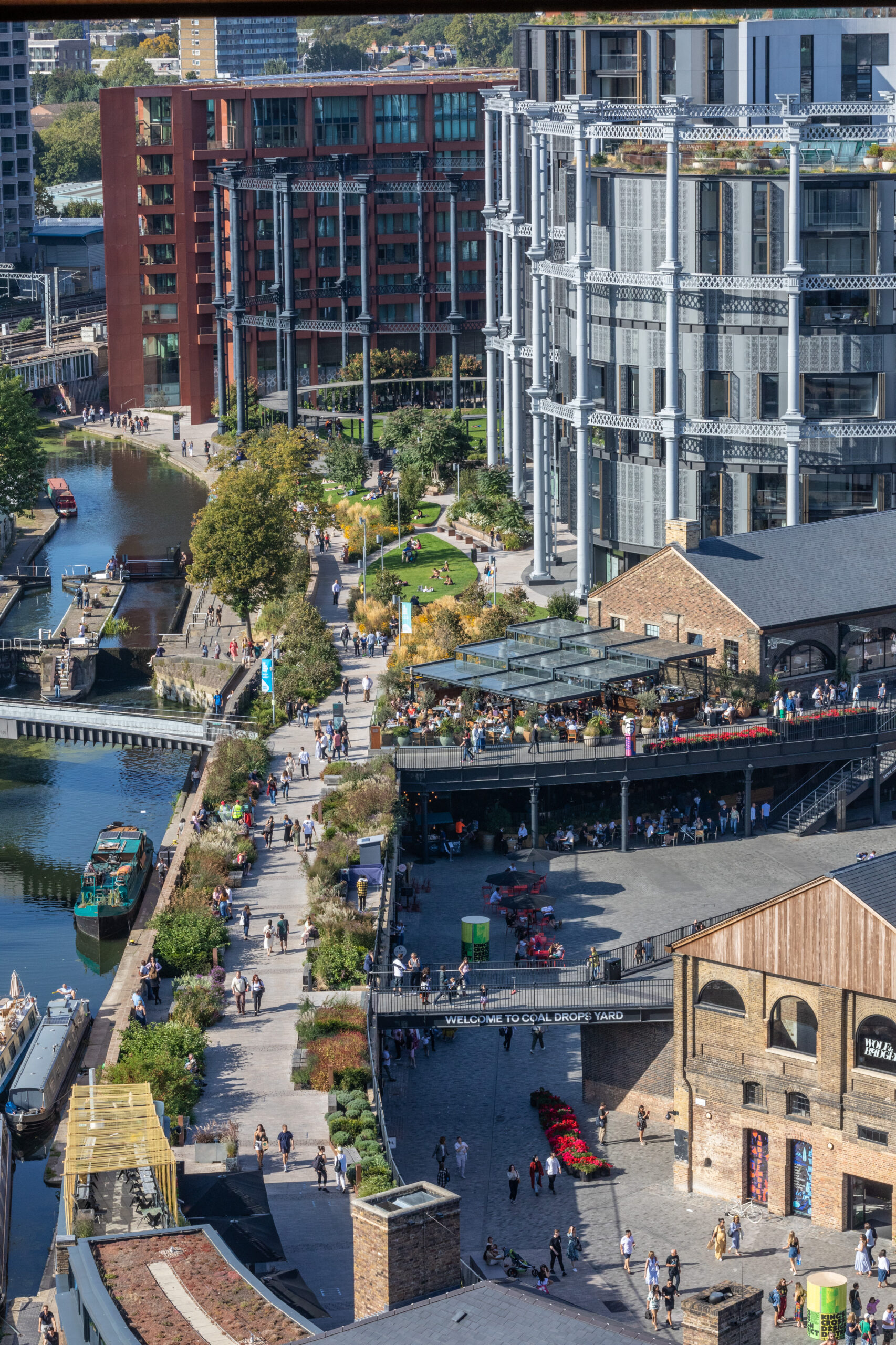
King’s Cross Masterplan by Allies and Morrison, London, United Kingdom | Jury Winner, Urban & Masterplan, 13th Architizer A+Awards
King’s Cross redevelopment, for instance, is a major urban regeneration project in central London, first approved in the early 2000s, with major phases completed in the past couple of decades. The urban planning strategy aimed to reconfigure the former railway and industrial lands into housing, public spaces, parks and commercial infrastructure. Another example is HafenCity, Europe’s largest inner-city urban development scheme, located in Hamburg, Germany.
The project began in 2000, aiming to turn the city’s former docklands on the River Elbe into a modern mixed-use waterfront district and expand Hamburg’s city center by approximately 40%. In both cases, urban design plays the long game, evolving over decades by following a framework that is phased and open to revision.
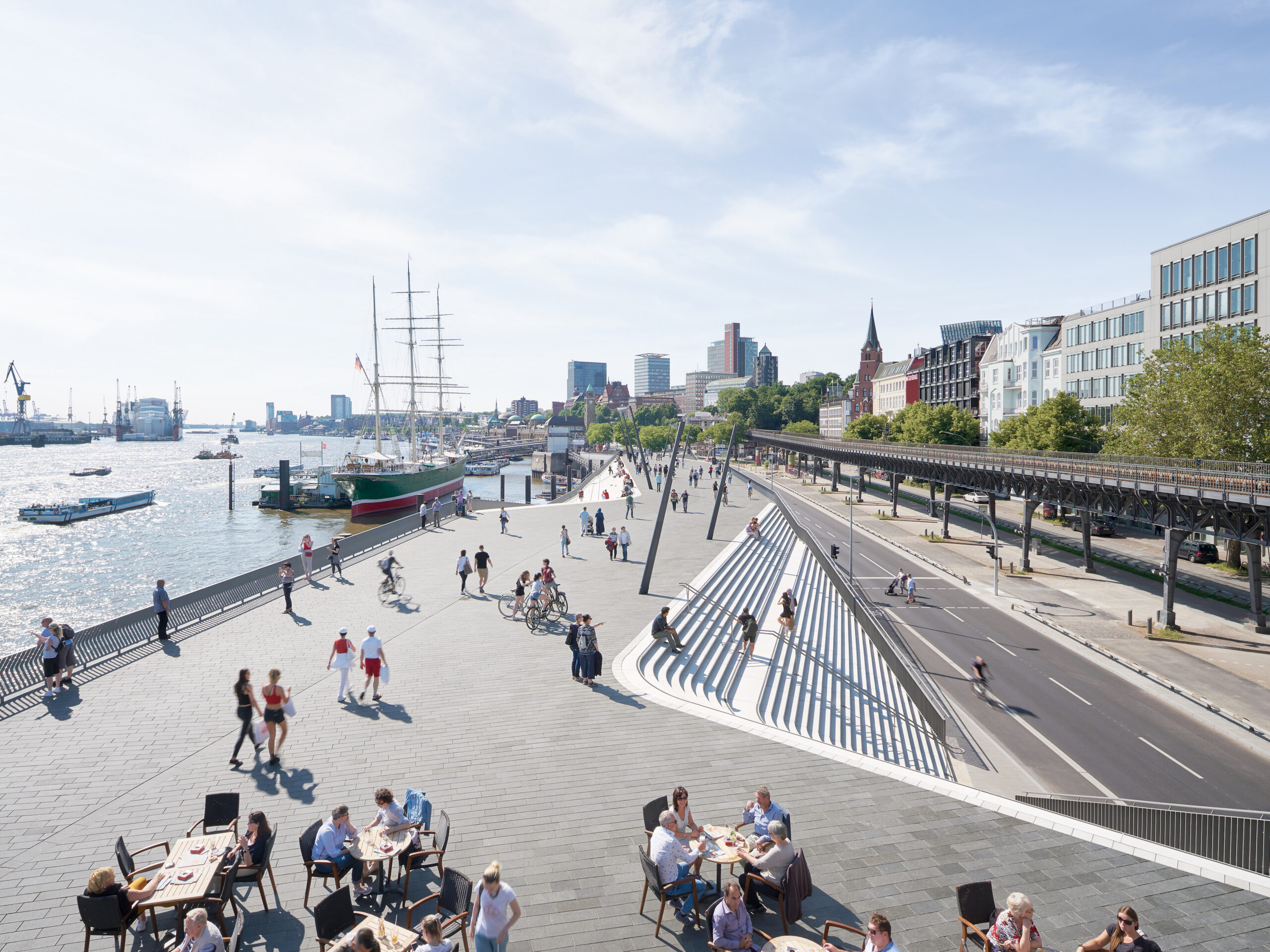
Niederhafen River Promenade by Zaha Hadid Architects, Hamburg, Germany
Even if this condition can appear chaotic, it is less a sign of disorder than a reflection of how cities are actually made today (and, really, have always developed, historically speaking): incrementally, collaboratively, and in response to forces that cannot be fully anticipated. There are, in fact, numerous redevelopment projects that demonstrate that fragmentation does not equate to a lack of planning. Rather, some of the most compelling contemporary urban environments emerge precisely from this layered, open-ended approach.
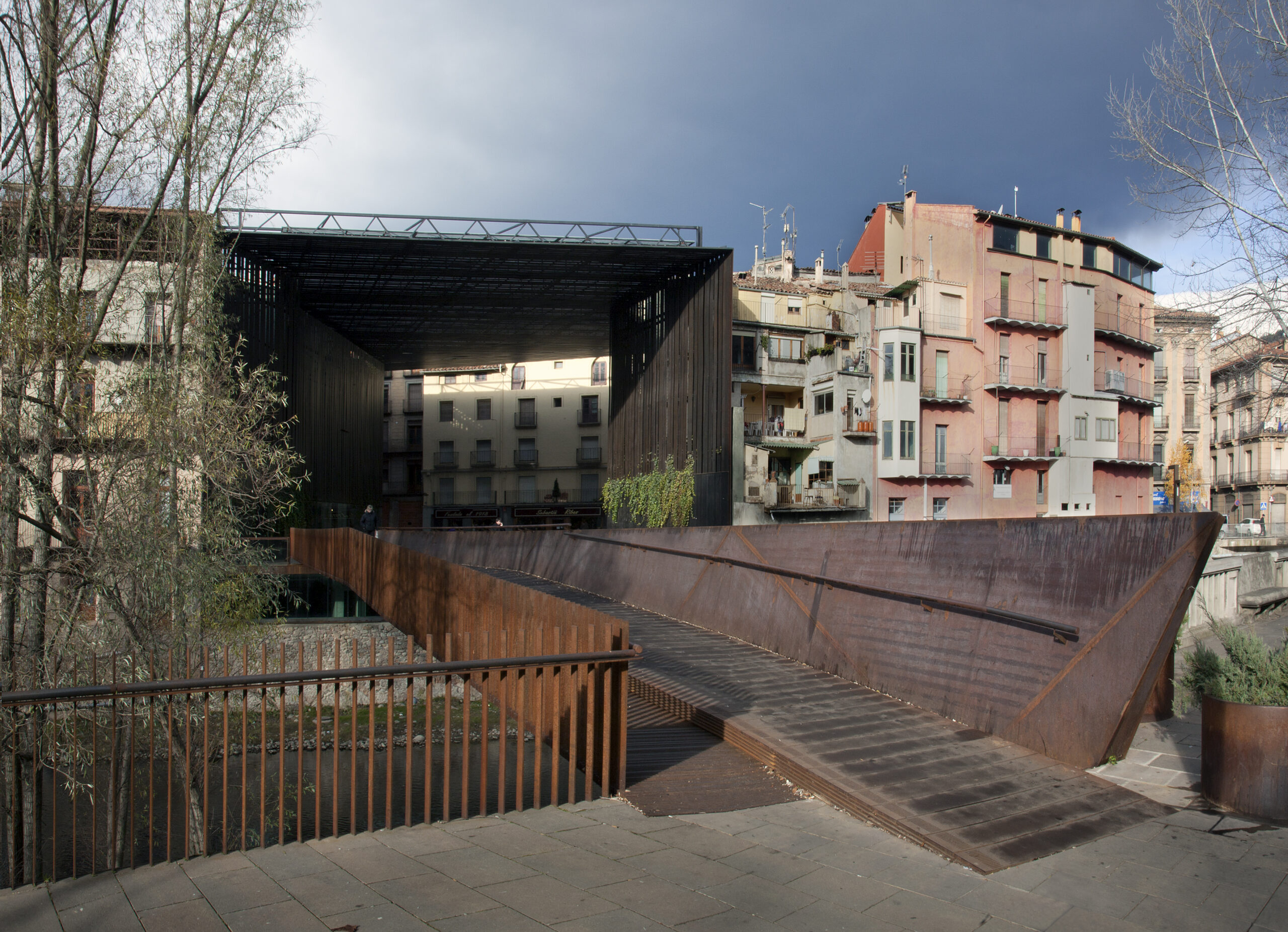
La Lira Theatre. Public Space by RCR Arquitectes, Ripoll, Spain
To name a few, the Barcelona Waterfront was stitched together over time, gradually remaking that edge of the city; the Hudson Yards project was a hyper-coordinated and yet fundamentally phased and heavily finance driven endeavor; and finally, the Docklands in London, is a massive — and still ongoing — transformation of the former industrial shipping docks, progressively reforming that part of the English capital.
It is not arbitrary that most cities in the world resist completion, or that utopian visions such as Ebenezer Howard’s Garden City, as well as the radical proposals of the 20th century, were never fully realized. These projects relied on a fictional level of control, where certain conditions, as well as human behavior, remain consistent. The truth, however, is that cities have unswervingly refused to yield to such control. What has changed is not the ambition to plan, but the recognition of its limits. Fragmentation, therefore, is not the opposite of the masterplan, but the form it takes once it dissolves into process.
Do you have an outstanding image that tells a compelling architectural story? The 2026 Vision Awards has a range of categories, from hyperrealistic or artistic renderings to expressive drawings or hybrid digital mediums. Start your entry >
Featured Image: Karen Blixens Plads by Cobe, Copenhagen, Denmark
The post The Death of the Masterplan (and What Replaced It) appeared first on Journal.