












Why Design Function Matters: A Look at High-Performance Materials
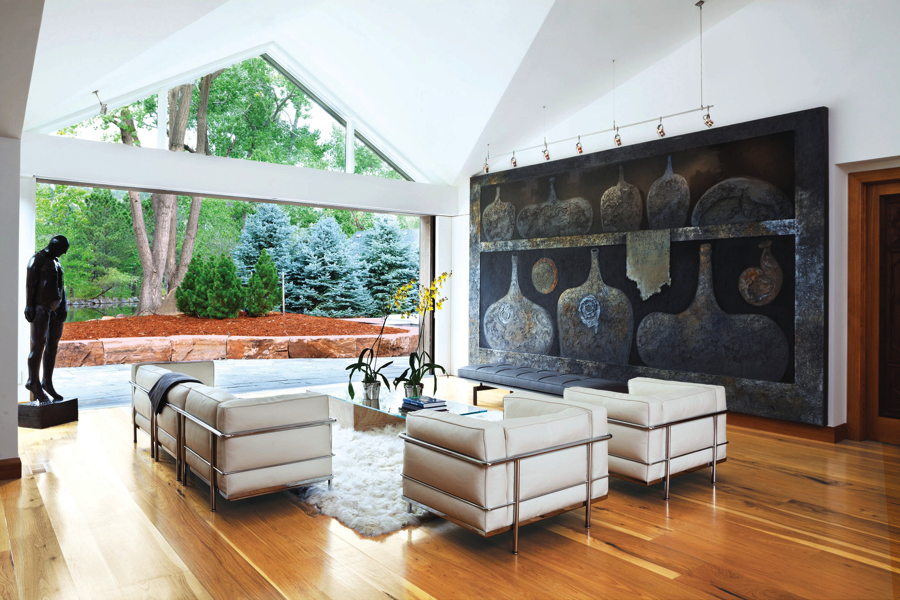
The term “design” inherently elicits aesthetic sentiments. Whether its fashion or interior home furnishings, the design is meant to yield a stunning aspect.
No argument there. However, it would be remiss to overlook the fact that modern design, especially that associated with commercial facilities, has a much deeper, functional element. Safety. Productivity. Acoustic performance. These are just a few of the diverse considerations modern architects must weigh. With this in mind, keep reading as we take a look at some high-performance materials that promote functional concerns in modern commercial structures.
Architectural Louvers: Visually-Stunning Ventilation
Indoor air quality has topped the public consciousness in the days since the pandemic. How can commercial buildings reduce toxicity and improve ventilation throughout the structure? Enter architectural louvers.
Specialized, slatted vent systems installed in the exterior walls of mechanical rooms and other potentially-stale commercial interiors, architectural louvers are a crucial component of high-performance building envelopes. They allow air into the structure while blocking out debris and wind-driven rain. Advanced assemblies also have acoustic benefits. Commonly made from aluminum, steel, or specialty metals, they are the epitome of durability. They yield a striking dimension of architectural intrigue to an otherwise drab commercial facade.
Living Walls: Direct Biophilic Design
Biophilic design. You may have heard of it. Architects continue to explore ways to integrate mood- and cognitive-boosting natural elements into their design. Many of these attempts rely on the implied. Colors. Textures. Artificial plants.
While these efforts are better than nothing, they may not have the same impact as direct biophilia. As such, architects are building real, actual nature into their designs. Rooftop gardens. Connected patios. A living moss wall installation.
To this last point. Don’t get it confused with a preserved moss wall. A preserved moss wall is technically made of real moss. However, it has been treated with glycerin to limit the ongoing need for water and sunlight.
Living systems, on the other hand, use the real thing. This makes them an ideal option for exterior walls and temporary interior exhibits. Beyond aesthetics, they help absorb and diffuse sound. This makes them effective acoustic moderators in open-plan and high-traffic environments. Moss systems can also contribute to indoor humidity balance and capture airborne particulates–a boon for indoor air quality. With no need for mowing, and in many cases minimal irrigation or soil, they offer a low-maintenance pathway to integrating greenery into dense urban projects.
Hurricane-Grade Storm Windows: Premium Optics in All Conditions
If architectural louvers are the backbone of a high-performance building envelope, hurricane-grade storm windows are there for the assist. They are designed with impact-resistant glazing and reinforced framing. They protect against wind-driven debris and water infiltration in extreme weather events. Beyond safety, advanced assemblies improve thermal insulation and reduce air leakage. This strengthens overall energy efficiency. Many systems also provide acoustic attenuation. In short, hurricane-grade storm windows turn a potential vulnerability into a high-performance safeguard for occupants and assets alike.
Composite Roofing: Resistance in the Face of Diverse Conditions
Composite roofing illustrates how engineered materials can outperform traditional options under real-world stress. Formulated from advanced polymers and recycled content, these systems deliver a bevy of benefits to a commercial facility. Elite impact, fire, and resistance. UV stability. Long-term color retention. Minimal maintenance requirements. Furthermore, their lightweight fabrication reduces structural load demands. This simplifies installation for retrofit applications.
ICF Framing: Premier Thermal Mass for Stable Interiors
By pairing reinforced concrete with continuous rigid insulation, insulated concrete forms (ICF) deliver exceptional airtightness and reduced thermal bridging for the building’s framing. The mass of the concrete core enhances sound attenuation and provides inherent fire resistance. This supports both occupant safety and comfort. ICF walls also offer superior resistance to:
- Wind
- Impact
- Moisture intrusion
These benefits work together to strengthen resilience in extreme climates. A durable, energy-efficient envelope that lowers operational costs? ICF framing is the answer.
Acoustic Wall Panels: Low-Profile Sound Absorption
Sound control is a performance imperative. Not a nice little upgrade. Case in point: acoustic wall panels. Engineered with high NRC ratings and tested assemblies, they absorb reverberation and reduce unwanted sound transmission in:
- Offices
- Healthcare
- Education
- Hospitality
Many systems also integrate fire-rated cores and durable, cleanable facings suited to demanding environments. Lightweight and modular, they simplify retrofits while supporting flexible space planning. The payoff is measurable: better concentration, reduced stress, and environments calibrated for occupant well-being.
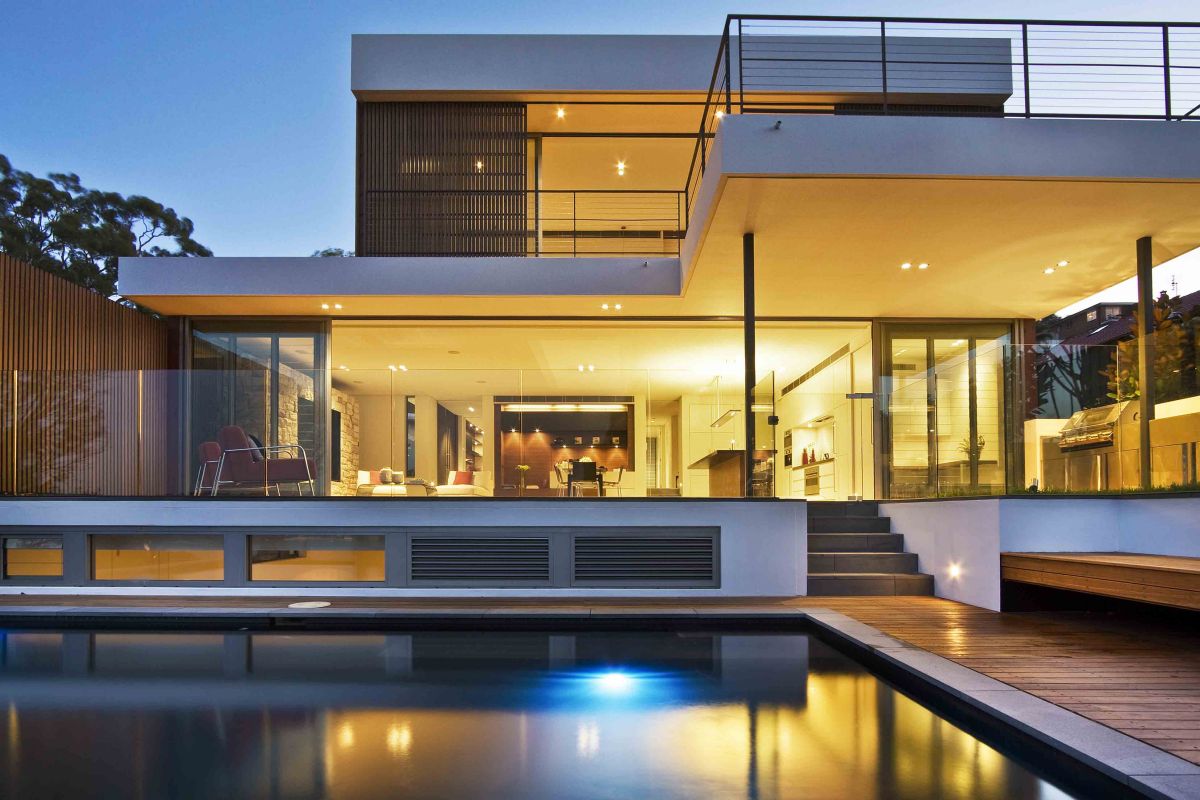
Glass Railings: Secure Perimeters, Uninhibited Views
Glass railings underscore how transparency can be a performance strategy, not just an aesthetic choice.They are engineered with laminated or tempered safety glazing. They provide robust fall protection while maintaining sightlines that enhance daylight penetration and passive surveillance. Their nonporous surfaces resist corrosion and simplify maintenance in high-traffic environments. When detailed correctly, glass railing systems can also mitigate wind loads and integrate seamlessly with waterproofing and edge protection assemblies for commercial exteriors. Safety. Durability. Spatial quality. Glass commercial railings cover all bases equally for safe, low-profile perimeters.
Design for Form and Function with High-Performance Materials
Design to impress. True. However, “wow” extends beyond aesthetics alone. From architectural louvers to low-profile glass railings, consider any of the high-performance materials listed above for the utmost in design function. For more of the latest trends in commercial architecture, explore the content at Modern Architecture Concept for ideas and inspiration today!