








The Precedent Starter Pack: 10 Projects Every Architect Has Referenced at Least Once

Do you have an outstanding image that tells a compelling architectural story? The 2026 Vision Awards has a range of categories, from hyperrealistic or artistic renderings to expressive drawings or hybrid digital mediums. Start your entry >
Architects love their precedents.
The ability to pull a reference from the proverbial hat and anchor a concept in something familiar is almost second nature to the discipline. Yet, the same handful of projects tends to surface again and again, both within architecture school as well as later in practice. This over-reliance on a narrow canon has, in turn, flattened their meaning, with shorthand labels such as “minimalism” or “adaptive reuse” standing in for far more complex ideas and contexts. Consequently, while these references remain esteemed, their repeated use often obscures the richness and nuance that made them significant in the first place.
But what if we expanded the reference pool? Below are ten familiar precedents, and a set of alternative projects that offer a different, less obvious lens through which to approach common themes and architectural gestures. It is not about comparison or replacement, but about opening up the conversation towards additional possibilities.
1. The Barcelona Pavilion by Ludwig Mies van der Rohe
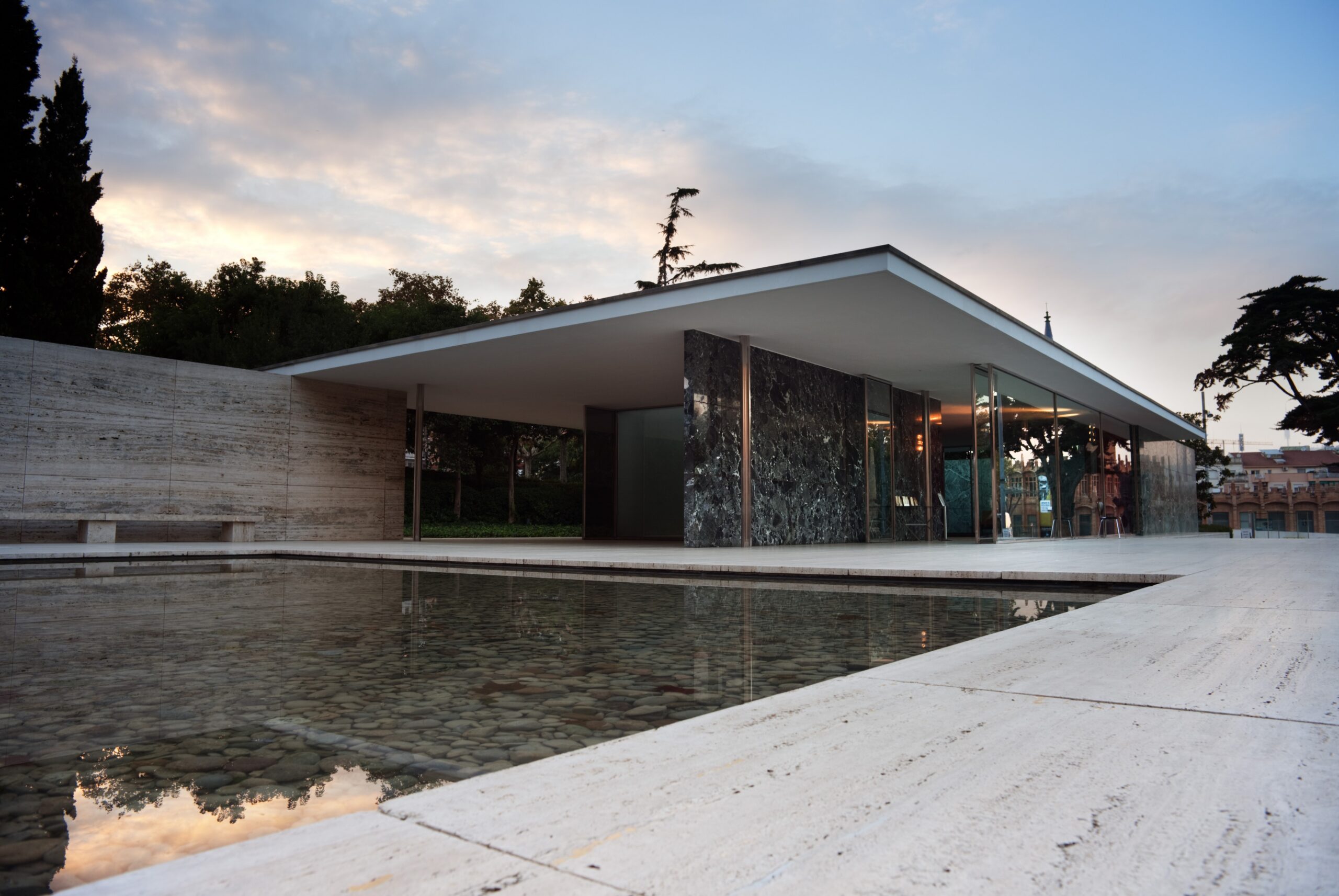
Few projects have come to define an architectural movement as completely as the Barcelona Pavilion has come to represent Modernism. The project is often invoked as the ultimate expression of “less is more,” designed in a highly legible architectural language and material precision. The plan, in particular, is a drawing that every architecture student has traced at least once in their life.
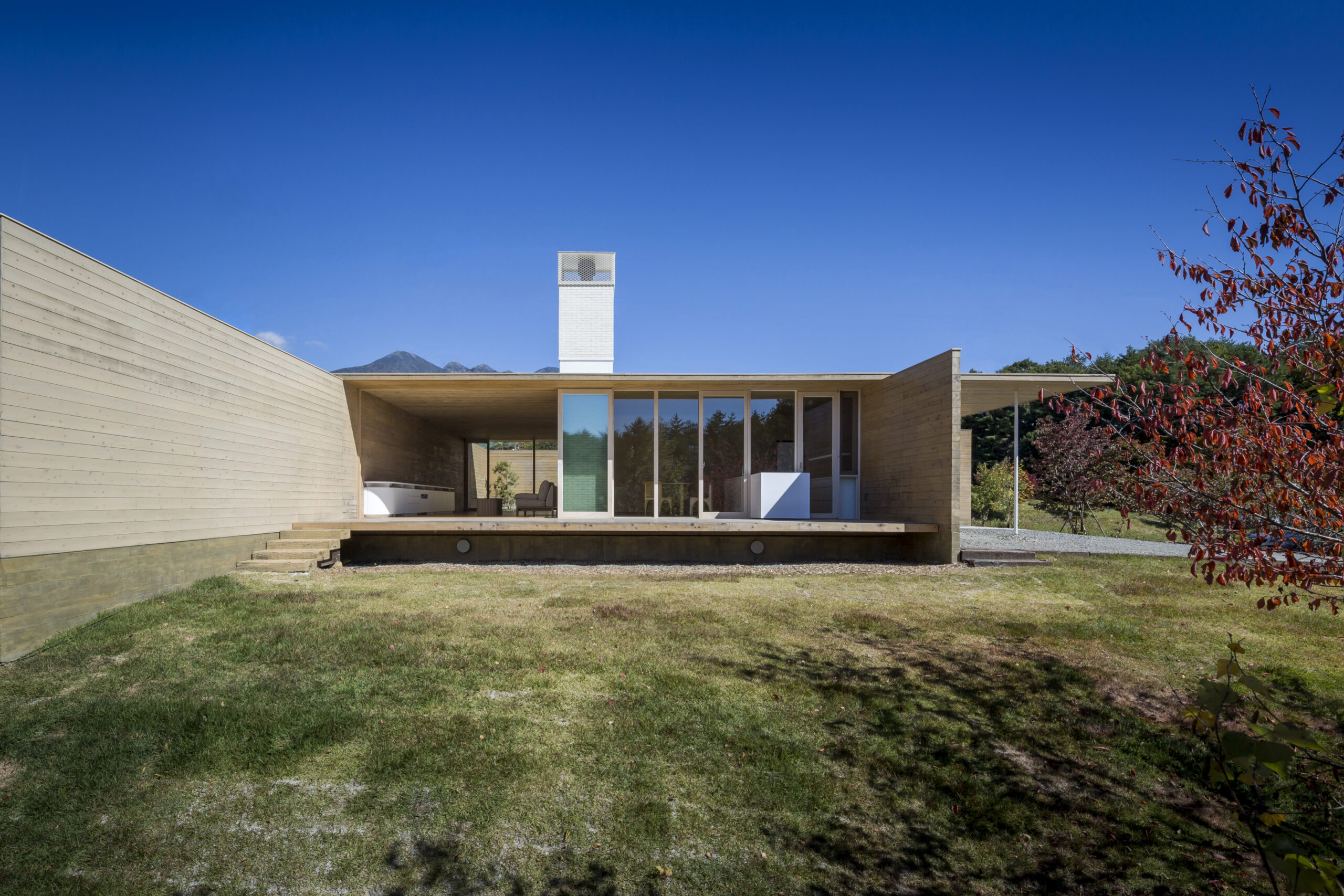
The Solid Cedar House by Shigeru Ban Architects, Yamanashi Prefecture, Japan
The Solid Cedar House rereads Mies’ work, maintaining the uninterrupted spatial flow and open-plan layout, where walls are treated as free-standing planes rather than load-bearing structures. Additionally, the use of cedar as the primary material introduces a deeply tactile experience of inhabitation.
2. Farnsworth House by Ludwig Mies van der Rohe
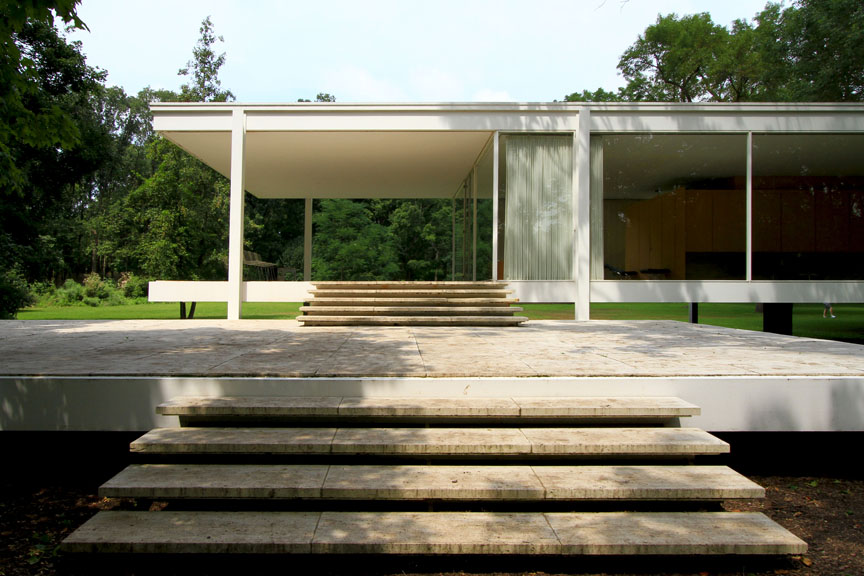
Farnsworth House by Ludwig Mies van der Rohe, Plano, Illinois
The Farnsworth House is frequently referenced when discussing the concept of transparency in architecture. Its elevated glass volume, delicately framed in steel, is seen as embodying an architecture of openness, where the clarity of the structure complements the surrounding landscape instead of antagonizing it.
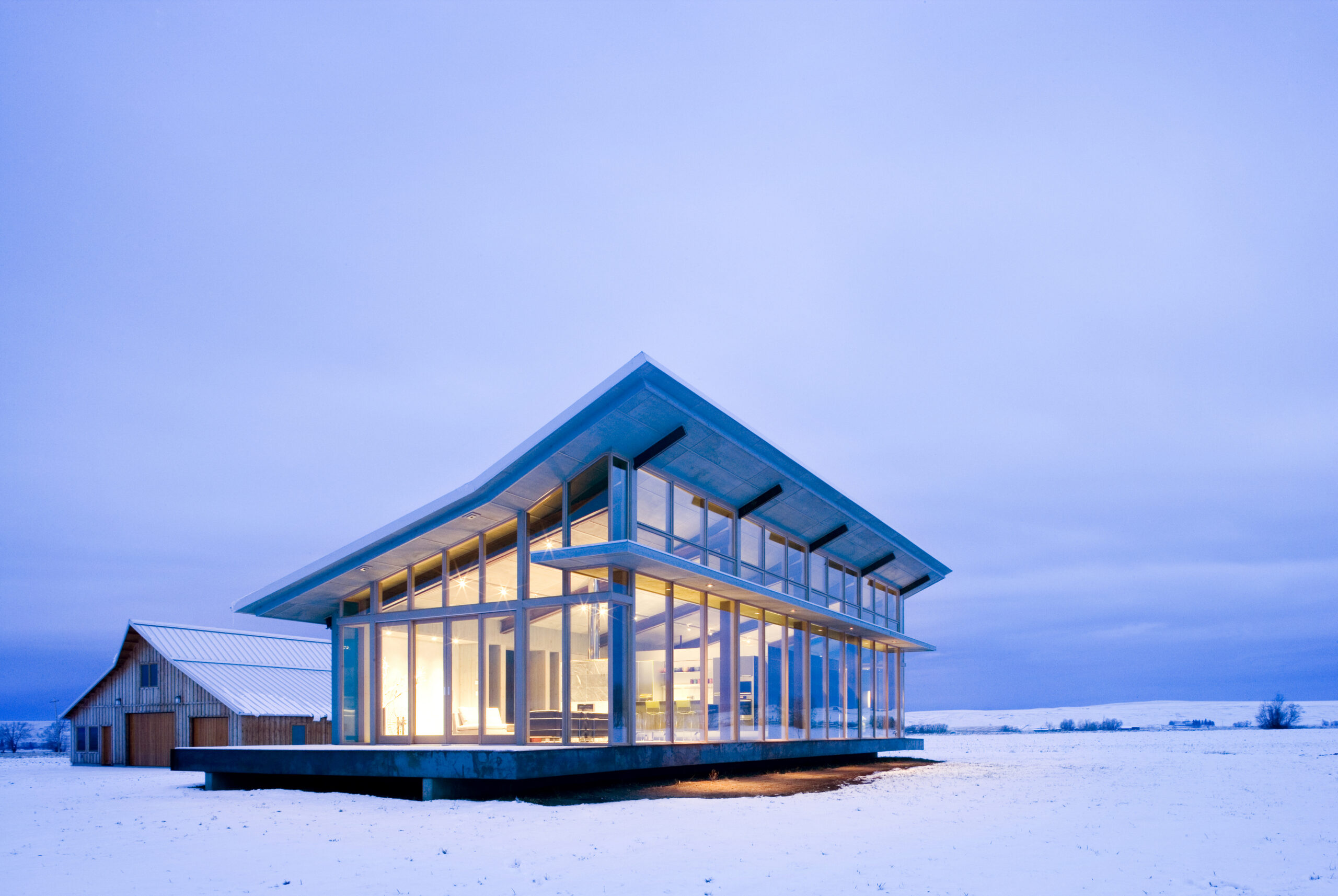
The Glass Farmhouse by Olson Kundig, Oregon
The Glass Farmhouse offers another grounded interpretation of architecture and terrain. Here, transparency is interwoven with elements of enclosure, framing views rather than fully dissolving boundaries. These newly introduced thresholds shift the project from static purity towards active inhabitation.
3. The High Line by Diller Scofidio + Renfro & Field Operations
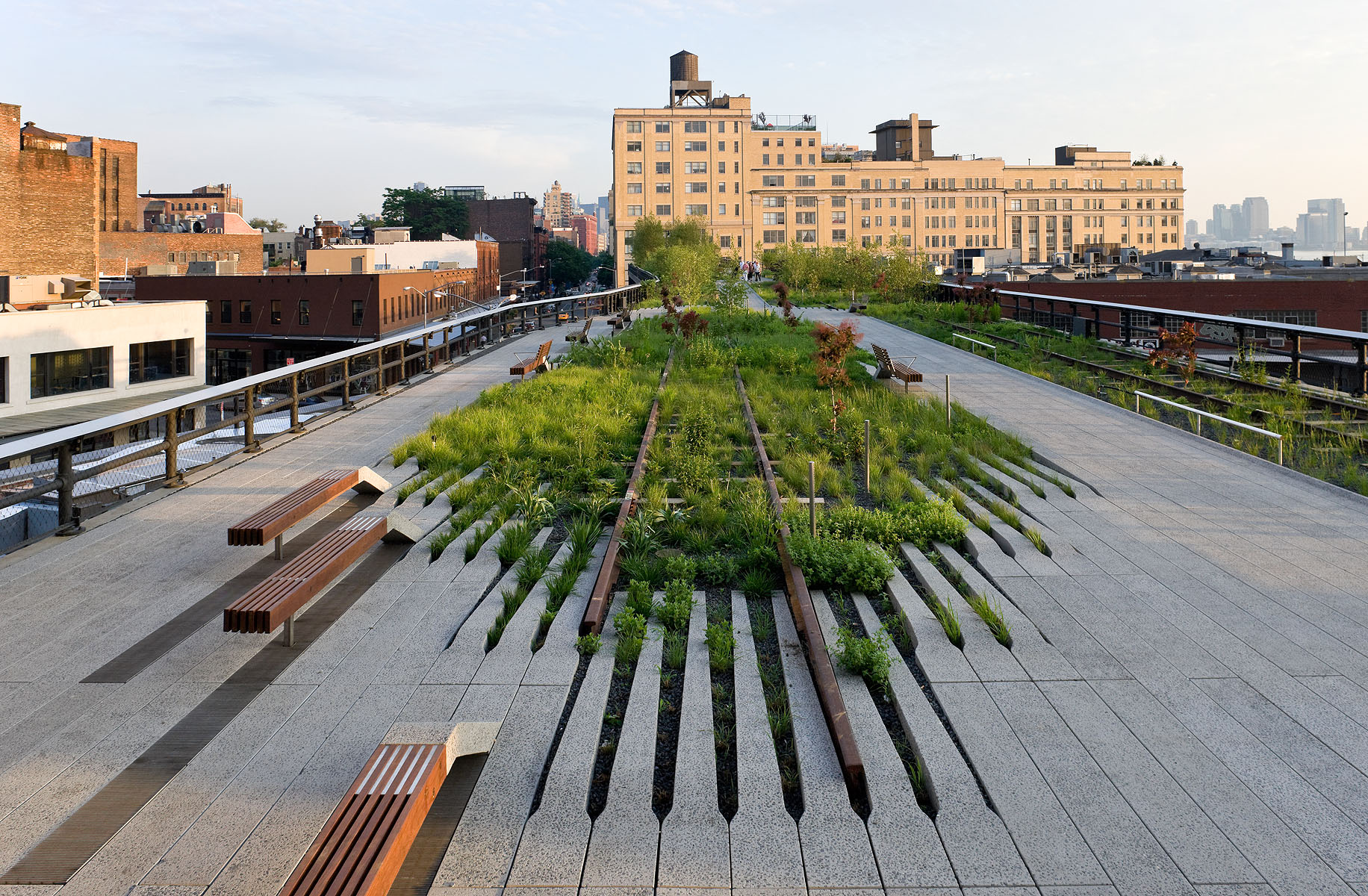
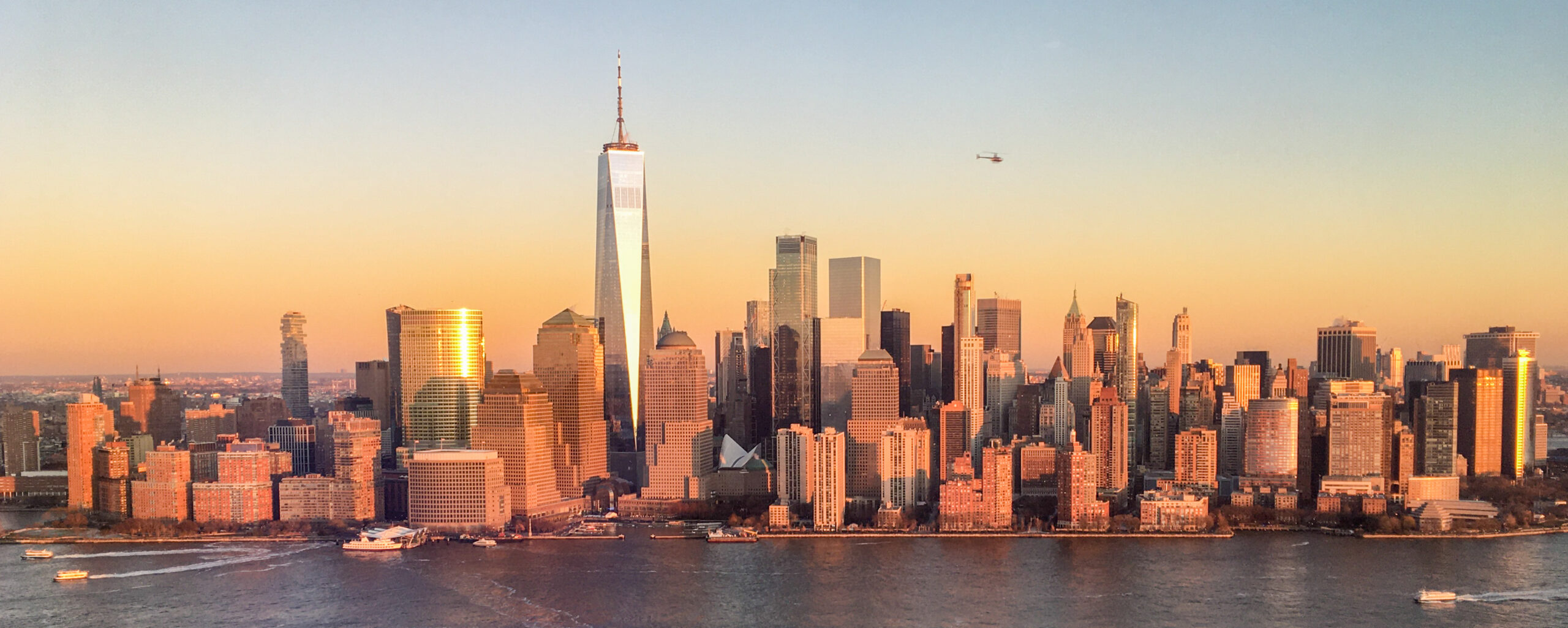
The High Line by Diller Scofidio + Renfro & Field Operations, New York
Not a lot of projects have reshaped the perception of post-industrial infrastructure as decisively as the High Line in New York. The project showcases how an abandoned freight rail line was recast as a public park, while also catalyzing urban regeneration at a metropolitan scale.
![The Luchtsingel Pedestrian Bridge by [ZUS] Zones Urbaines Sensibles - architizer](https://blog.architizer.com/wp-content/uploads/14859672247592_Luchtsingel_BridsEyeView_East__Ossip_van_Duivenbode-scaled.jpg)
The Luchtsingel Pedestrian Bridge by [ZUS] Zones Urbaines Sensibles, Rotterdam, Netherlands
4. Church of Light by Tadao Ando
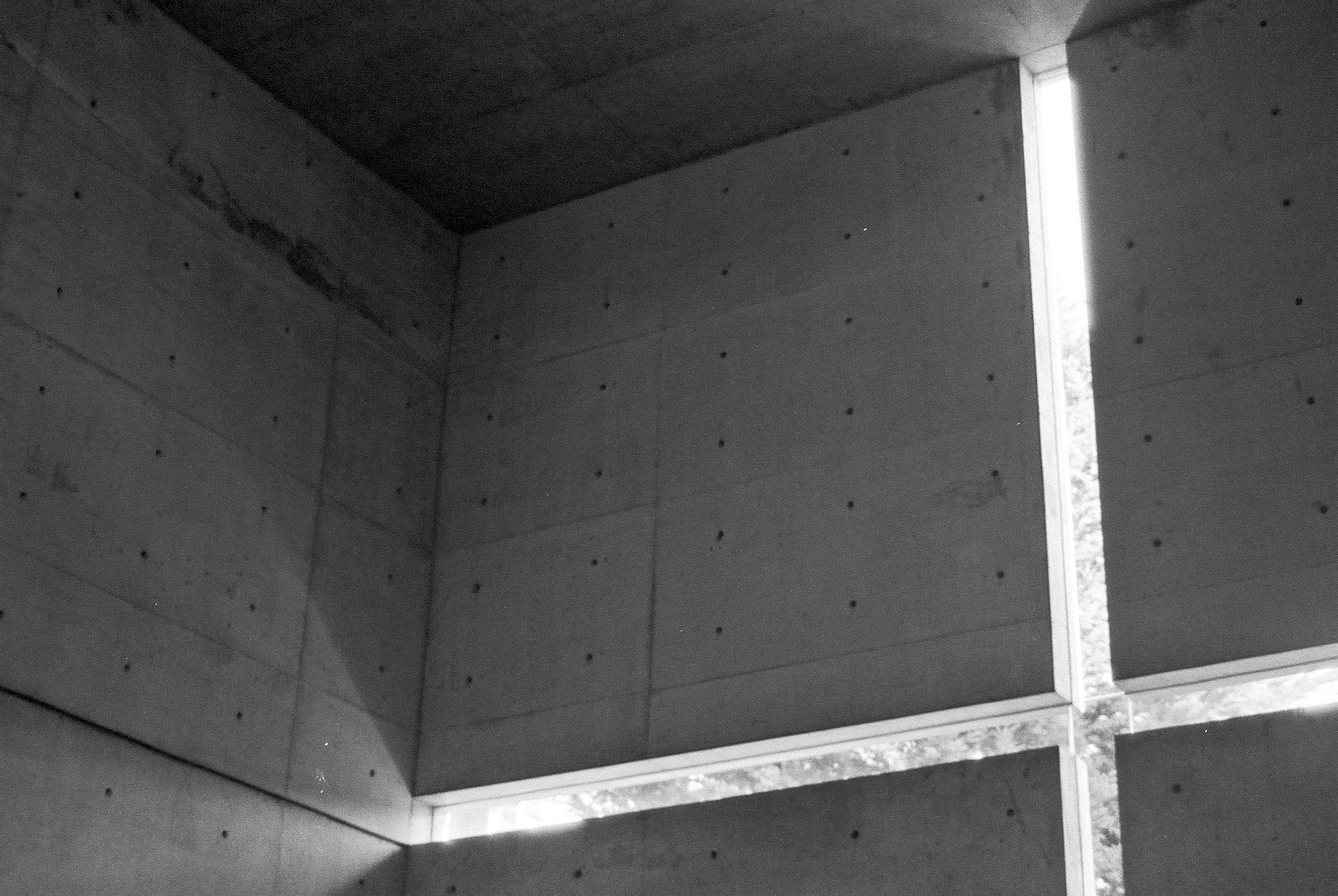
The project’s precise concrete enclosure, punctured by a luminous cross, has come to represent a moment where architecture is distilled into a single, powerful gesture — one in which light is both structure and symbol. The contrast between openness and enclosure, as well as darkness and light open a broader discussion regarding architecture and atmosphere.
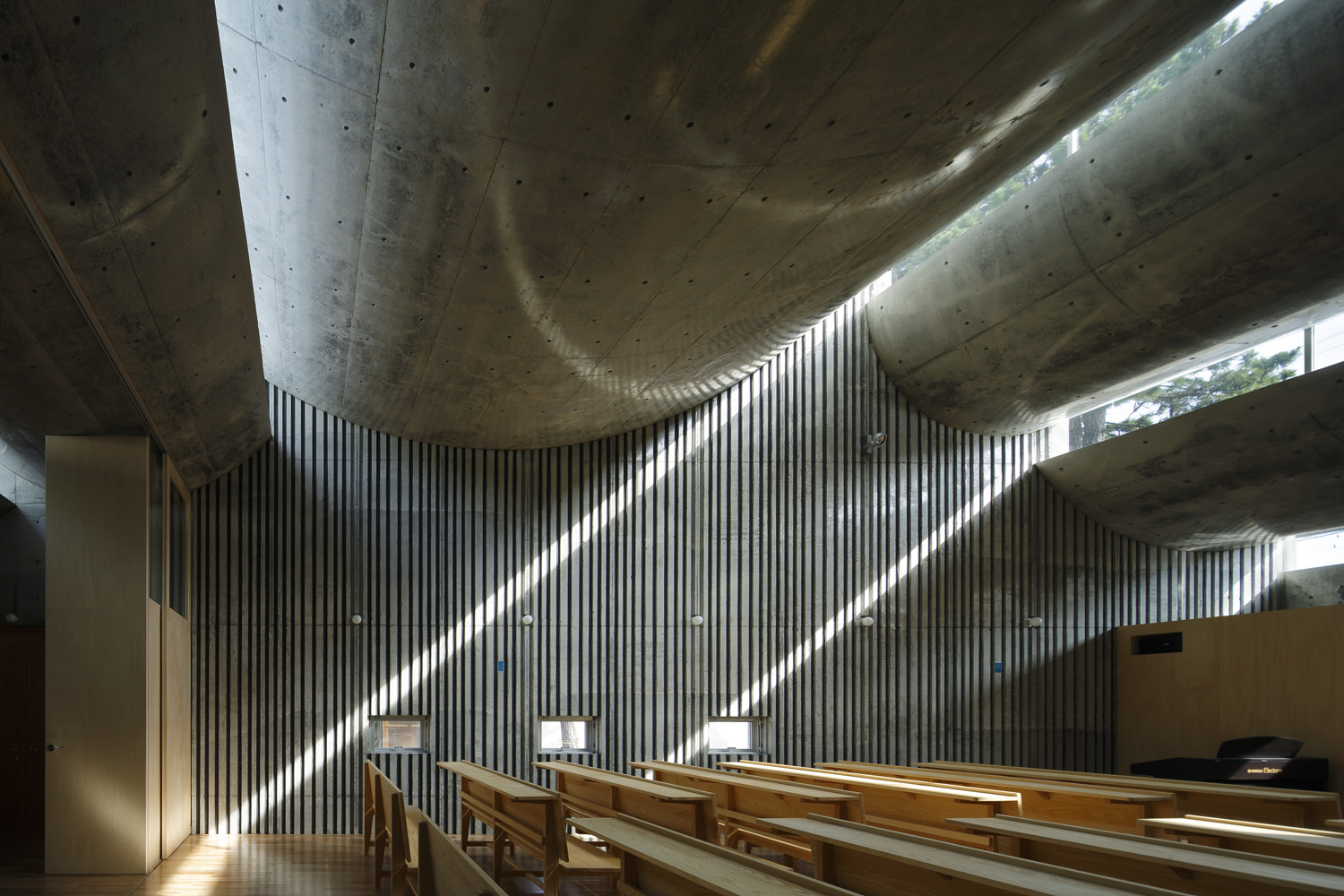
Shonan Christ Church by Takeshi Hosaka architects, Kanagawa Prefecture, Japan
A more diffused approach to light emerges in the Shonan Christ Church, where illumination is not concentrated into a singular gesture, but dispersed throughout the space. Yet, by moving away from a fixed, symbolic opening, the project reframes light as an ongoing spatial condition rather than a moment of emphasis.
5. Heydar Aliyev Center by Zaha Hadid
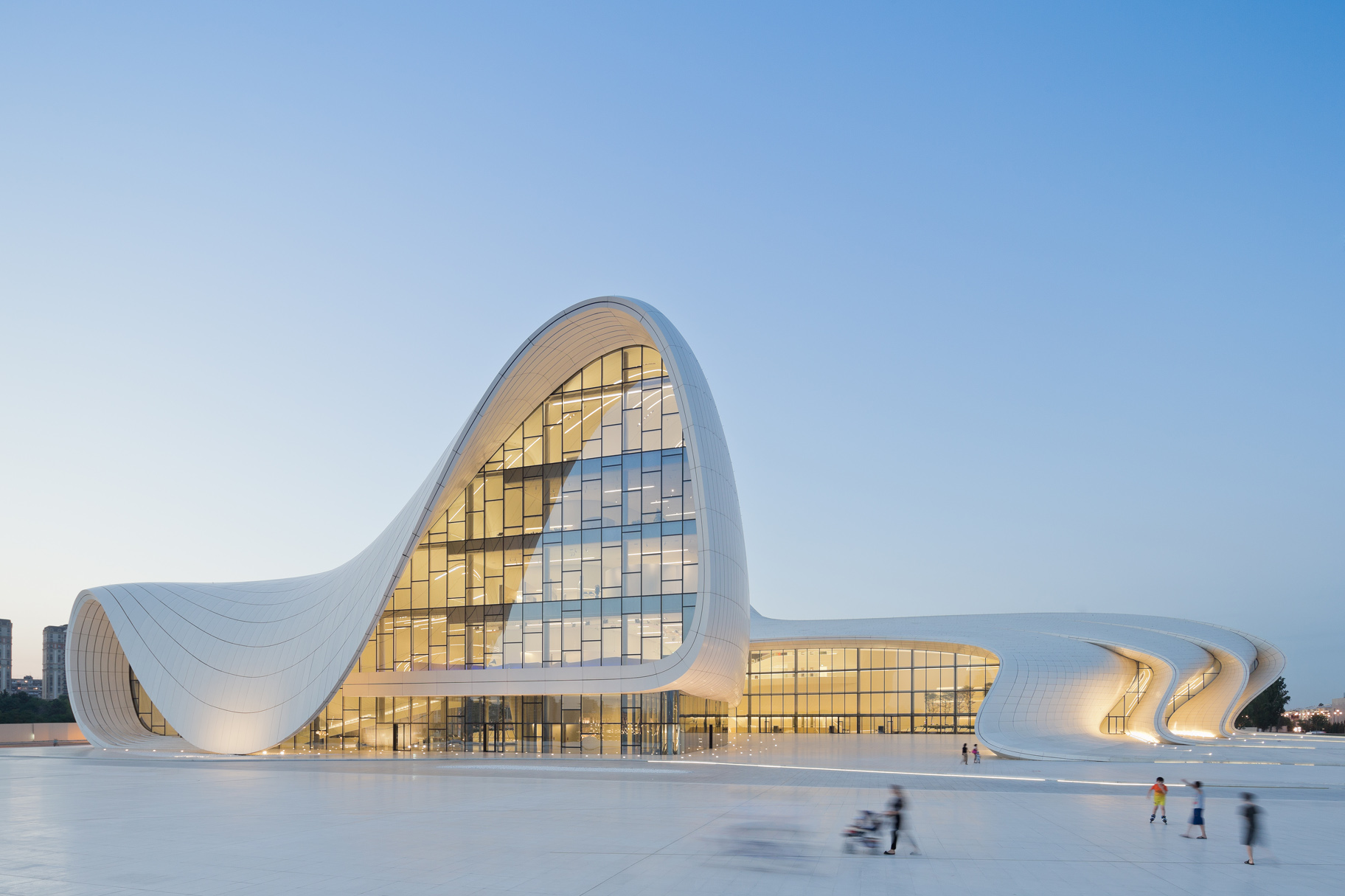
Heydar Aliyev Center by Zaha Hadid, Baku, Azerbaijan
The Heydar Aliyev Center demonstrates how a structure, its exterior skin and interior space can be resolved as a single, continuous expression. The building is understood through an uninterrupted gesture, making it an easy reference point for architects seeking to evoke dynamism and formal complexity through their designs.
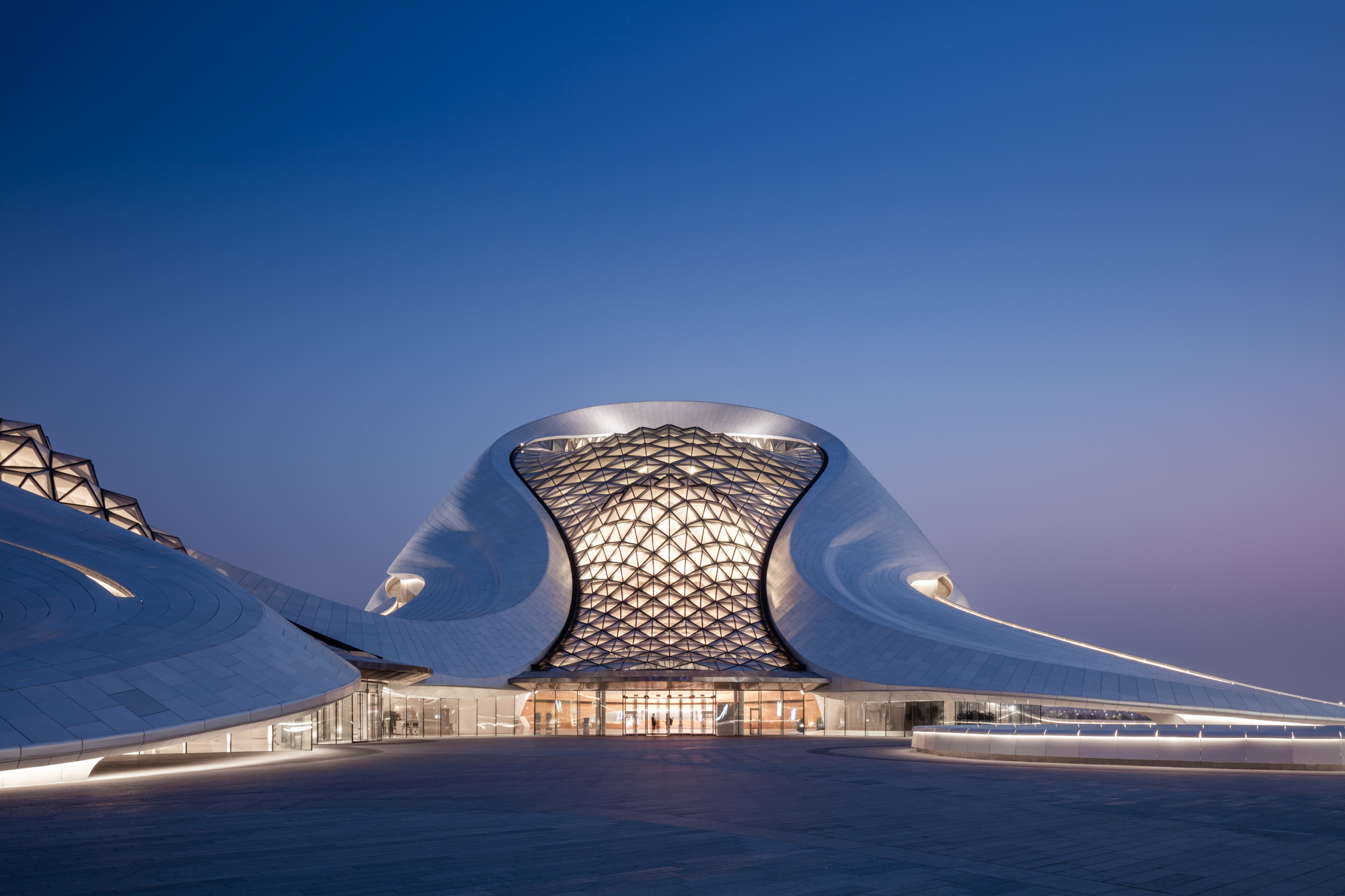
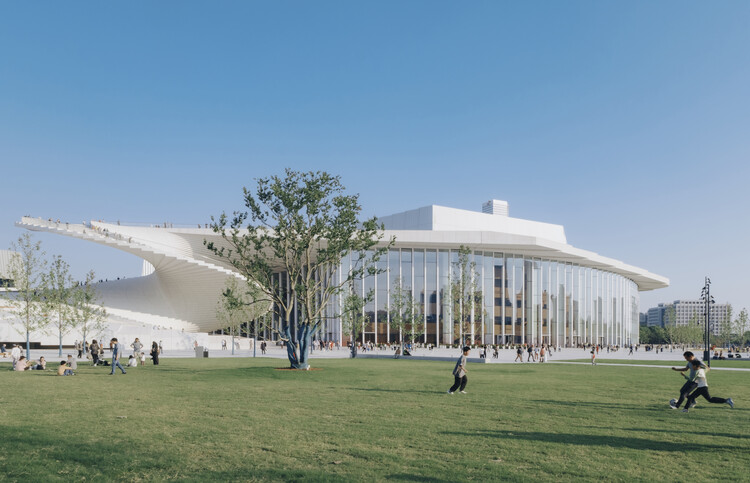
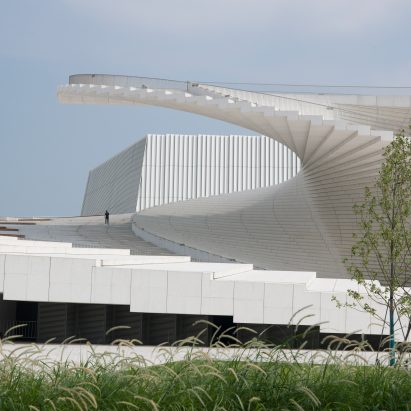
Harbin Opera House by MAD Architects, Harbin, China
The Harbin Opera House by MAD Architects offers another “fluid reading,” where the building is treated less as an isolated object and more as an extension of the surrounding context. The structure mirrors the topographic contours, suggesting that complexity can operate both through autonomy as well as mediation — between building and site, object and terrain, architecture and atmosphere.
6. Unité d’Habitation by Le Corbusier
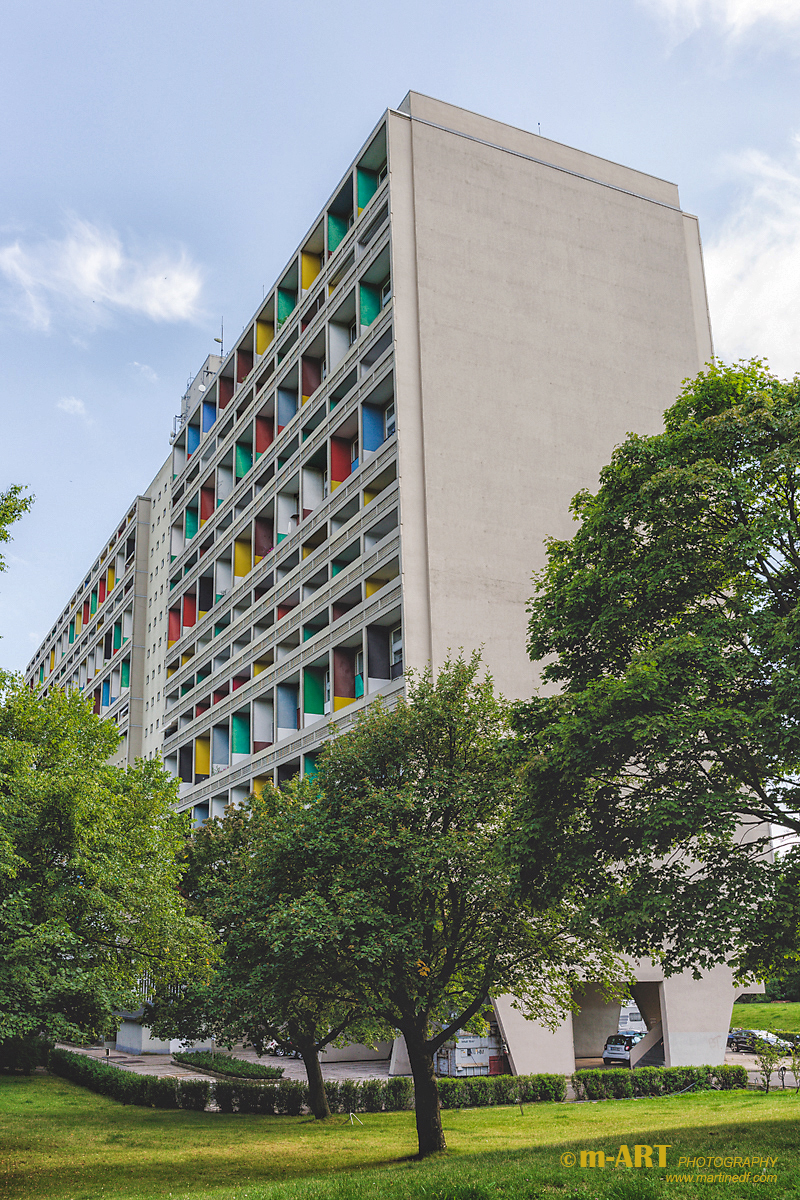
Unité d’Habitation by Le Corbusier, Berlin, Germany
Conceived as a self-contained vertical community, the building integrates apartments, circulation “streets” and shared amenities into a single monumental structure. Le Corbusier’s ambition was to translate the logic of the city into a unified architectural form, offering a comprehensive model of density and shared life.
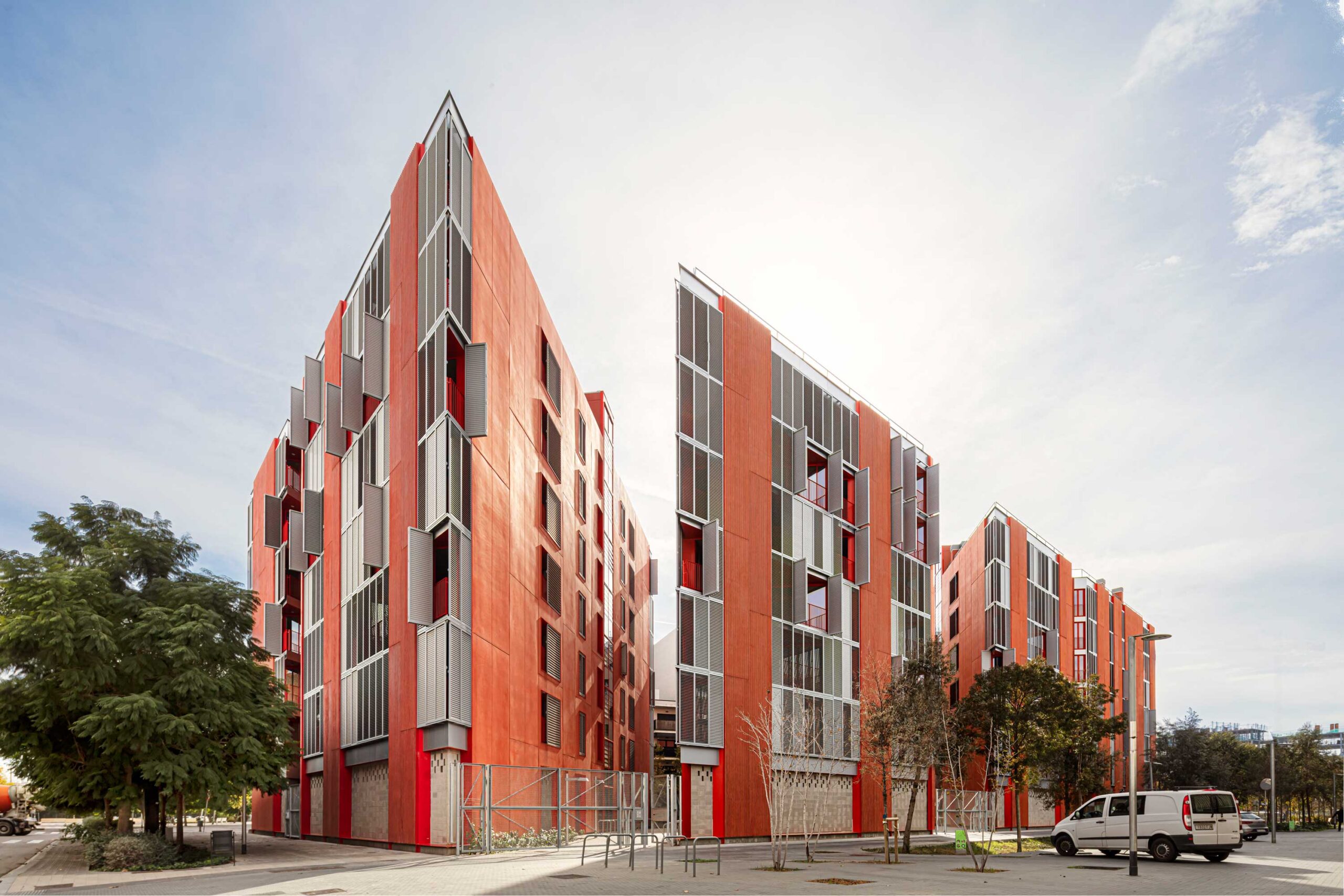
72 Social Housing Units at the Marina del Prat Vermell by MIAS ARCHITECTS, Barcelona, Spain
A more contemporary reading of collective housing can be found in 72 Social Housing Units at the Marina del Prat Vermell, where the building modulates its mass, openings and circulation to establish a more direct dialogue with the city. While still operating within a clear formal system, the project introduces a greater degree of permeability and variation, establishing a level of porosity that further aids communal living.
7. Linked Hybrid by Steven Holl Architects
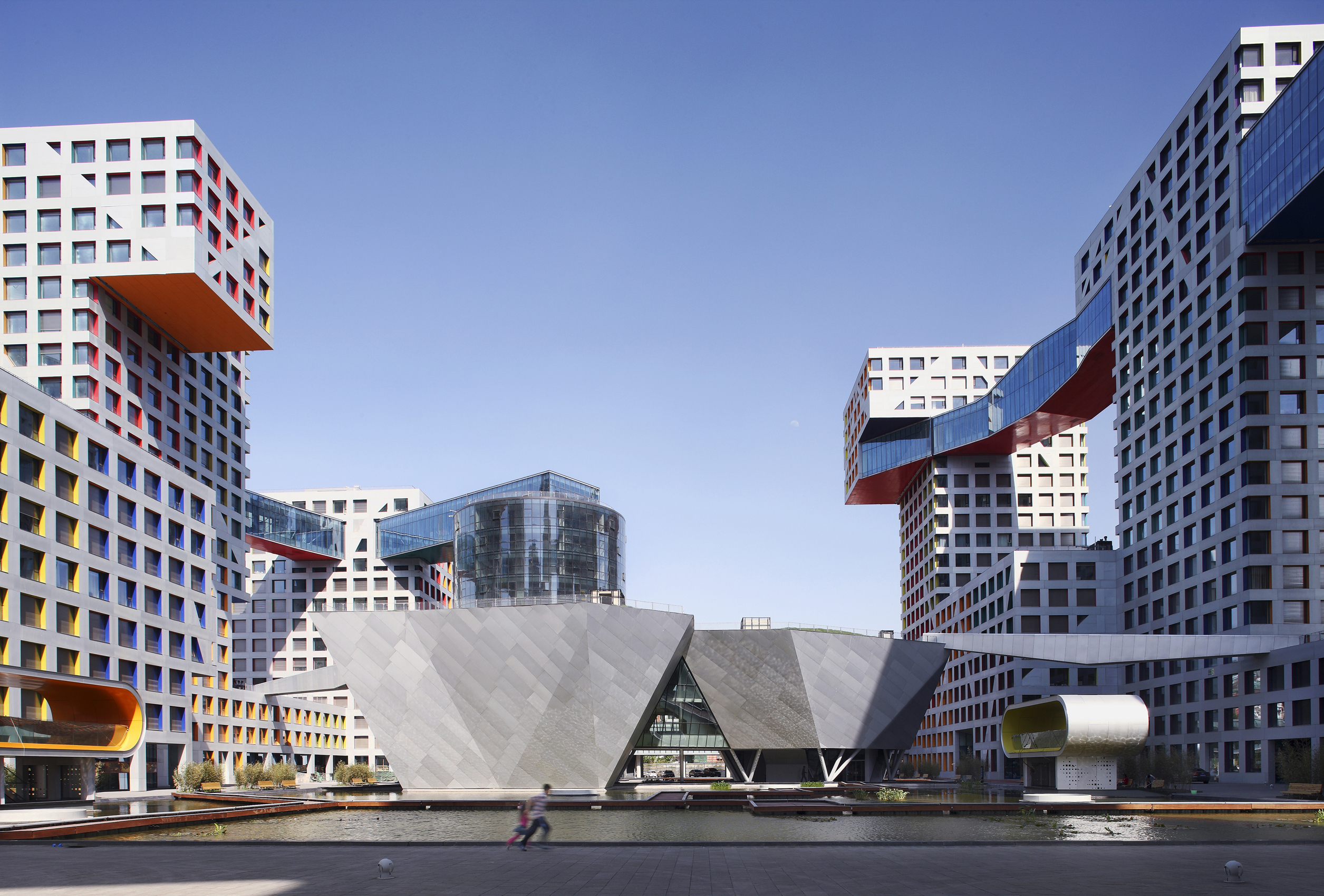
Linked Hybrid by Steven Holl Architects, Beijing, China
The project has become a recurring reference when discussing large-scale urban development. Its network of towers, linked by elevated bridges, proposes a vision of the city as a continuous system and a mixed-use typology that advocates for density and integration.
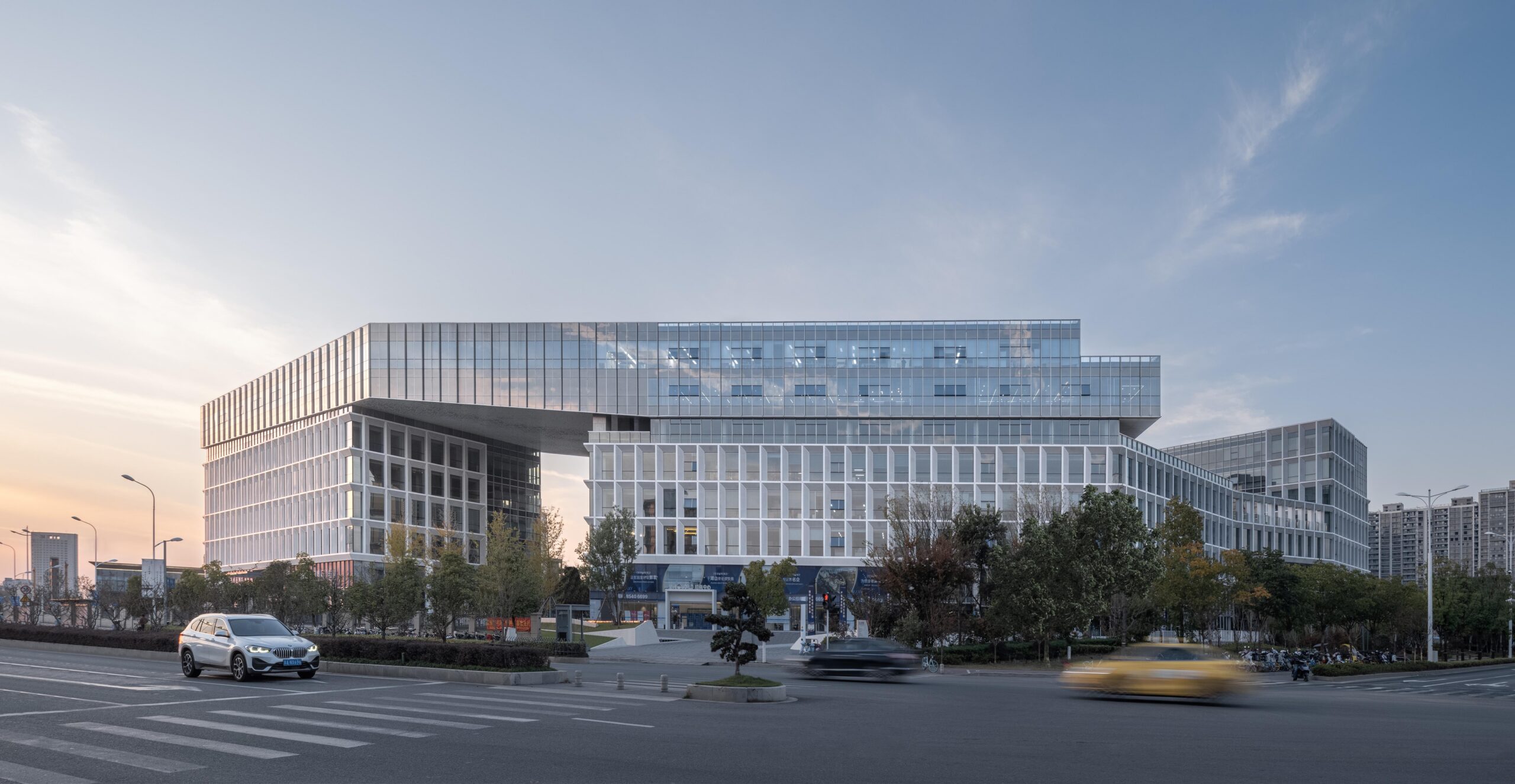
Nanjing Galaxy World Industrial Park by Lacime Architect, Nanjing, China
A similar model of urban cohesion emerges in the Nanjing Galaxy World Industrial Park, where connectivity is established at the level of the ground rather than through elevated interventions. The project is organized as a series of distributed volumes, woven together by a continuous landscape of paths, courtyards and open spaces. It reframes the gesture of interconnection by proposing links through ground proximity and showcases how large-scale developments can engage with the city.
8. Fallingwater by Frank Lloyd Wright
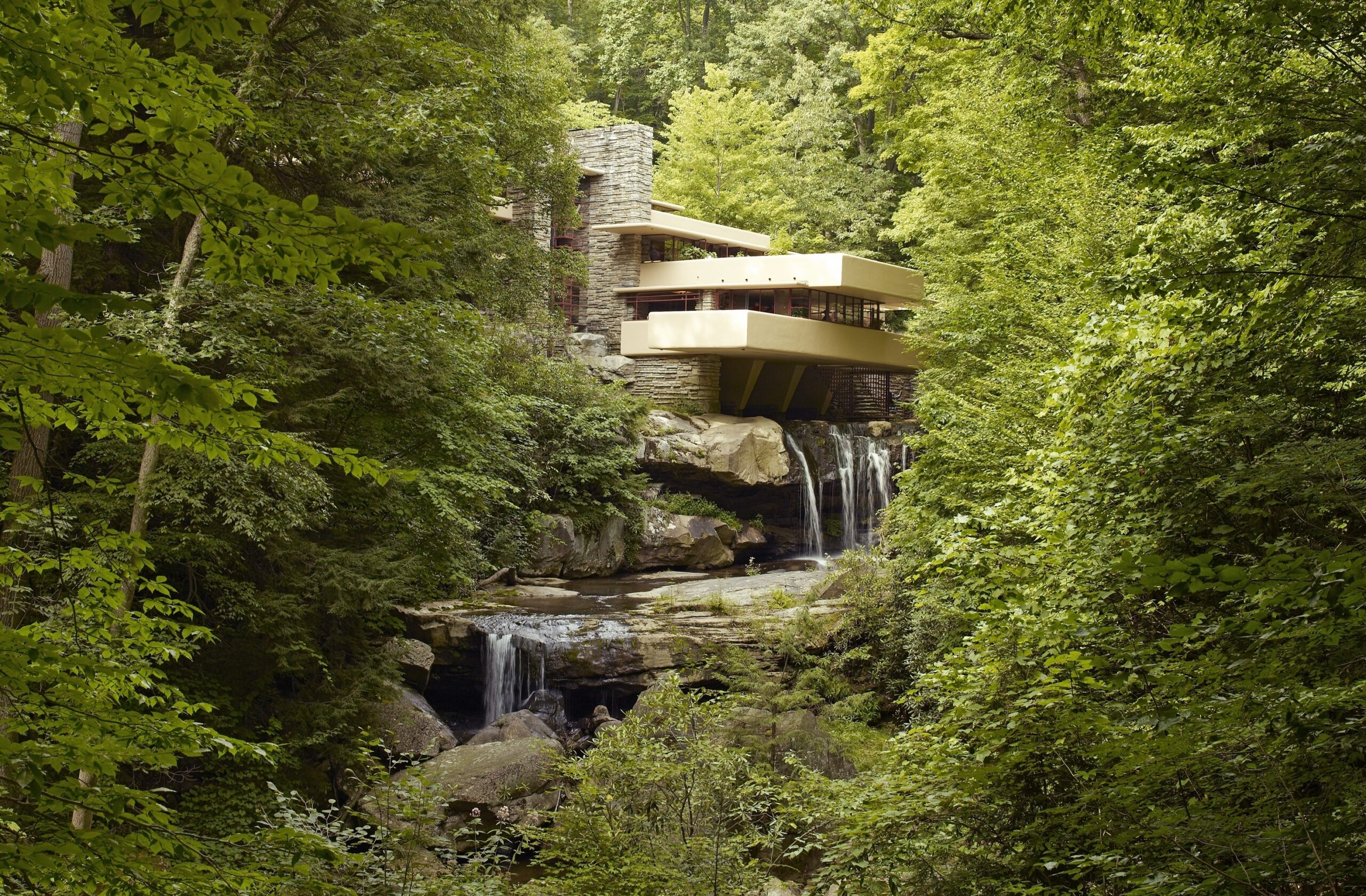
Carol M. Highsmith creator QS:P170,Q5044454, Fallingwater 2007, marked as public domain, more details on Wikimedia Commons
The house is often cited as a seamless fusion of building and landscape. The characteristic cantilevered terraces, the building’s positioning within the site, as well as the layered stone, make Fallingwater an easy reference for projects that aim for contextual integration. Each space carefully frames a specific dialogue with the immediate landscape, occasionally extending the relationship beyond the building itself and into the broader territory.
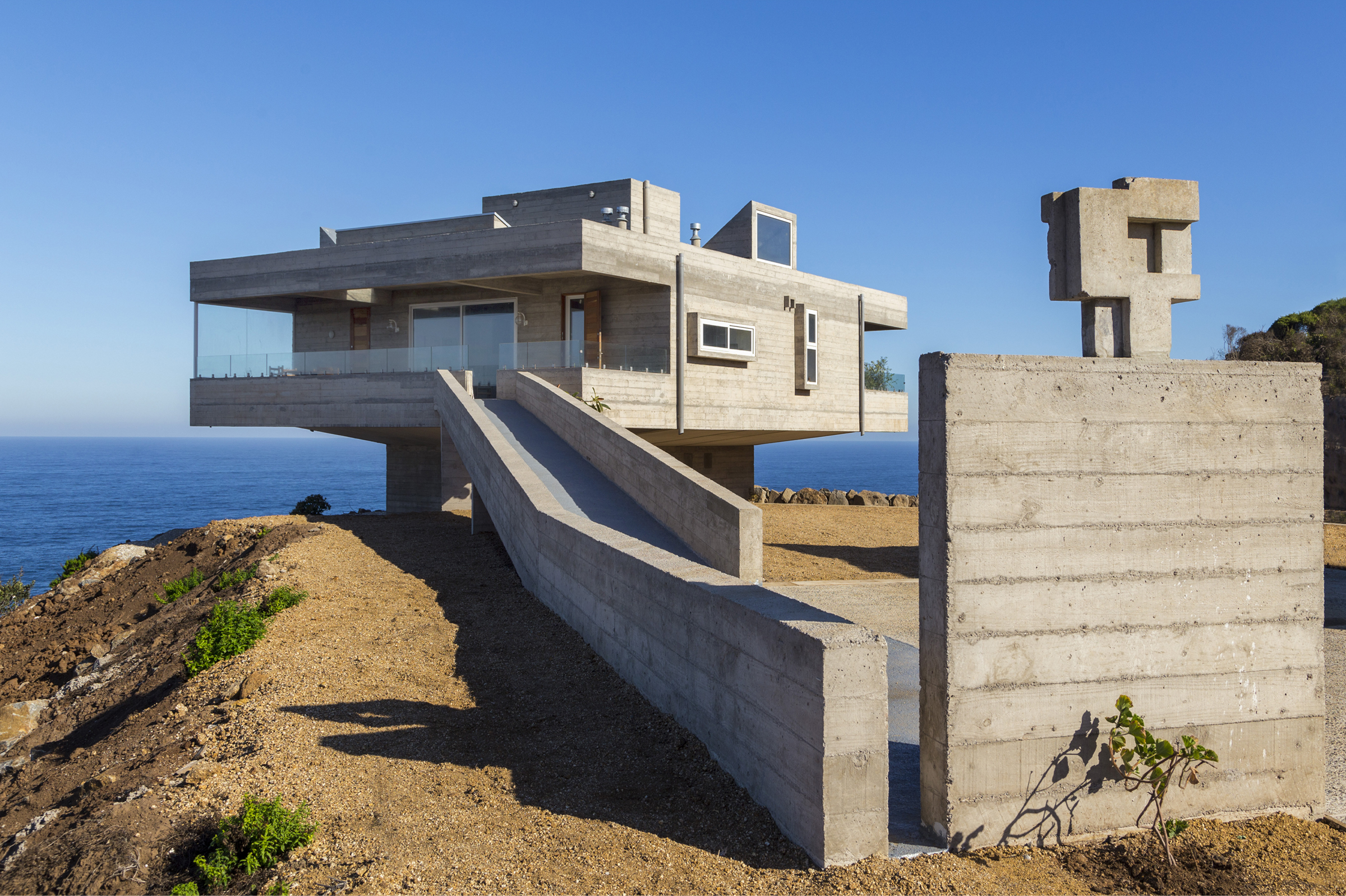
Casa Mirador Tunquén by GUBBINS POLIDURA ARQUITECTOS, Tunquén, Chile
Casa Mirador Tunquén is also situated within a challenging context, acting as a quiet observer that systematically frames the surrounding terrain. Specifically, the architecture unfolds gradually, guiding the inhabitants through a curated spatial sequence. Ultimately, the building does not seek to merge with the site, but to establish a measured dialogue with it.
9. Centre Pompidou by Renzo Piano & Richard Rogers
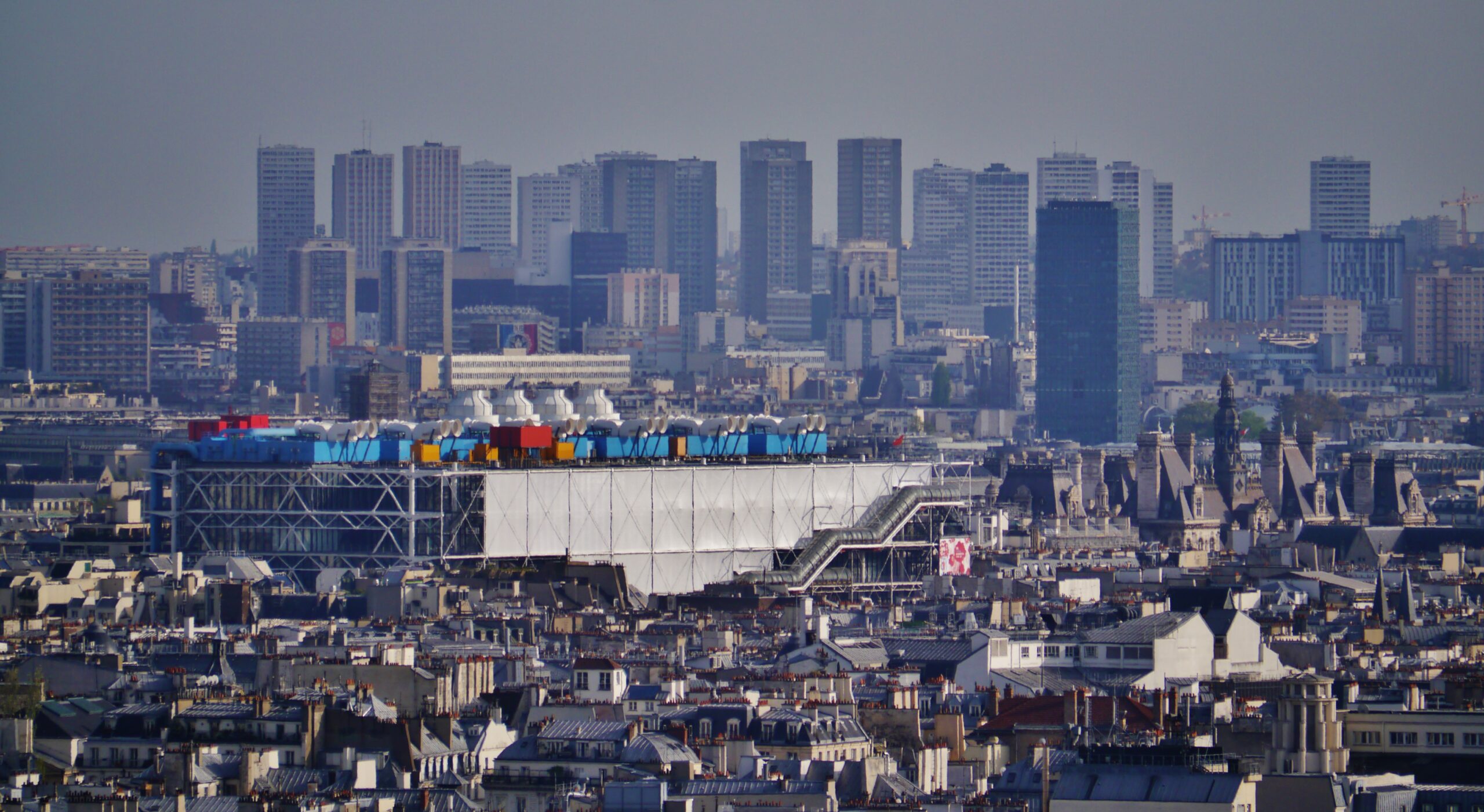
View of Centre Pompidou from Montmartre, Paris, France. | Photo by Zairon via Wikimedia Commons under CC BY-SA 4.0.
Centre Pompidou showcases the expression of structure and services by turning the building inside out. Mechanical systems, circulation routes and the structure itself are externalized, exploring an architecture where visibility becomes an end in itself.
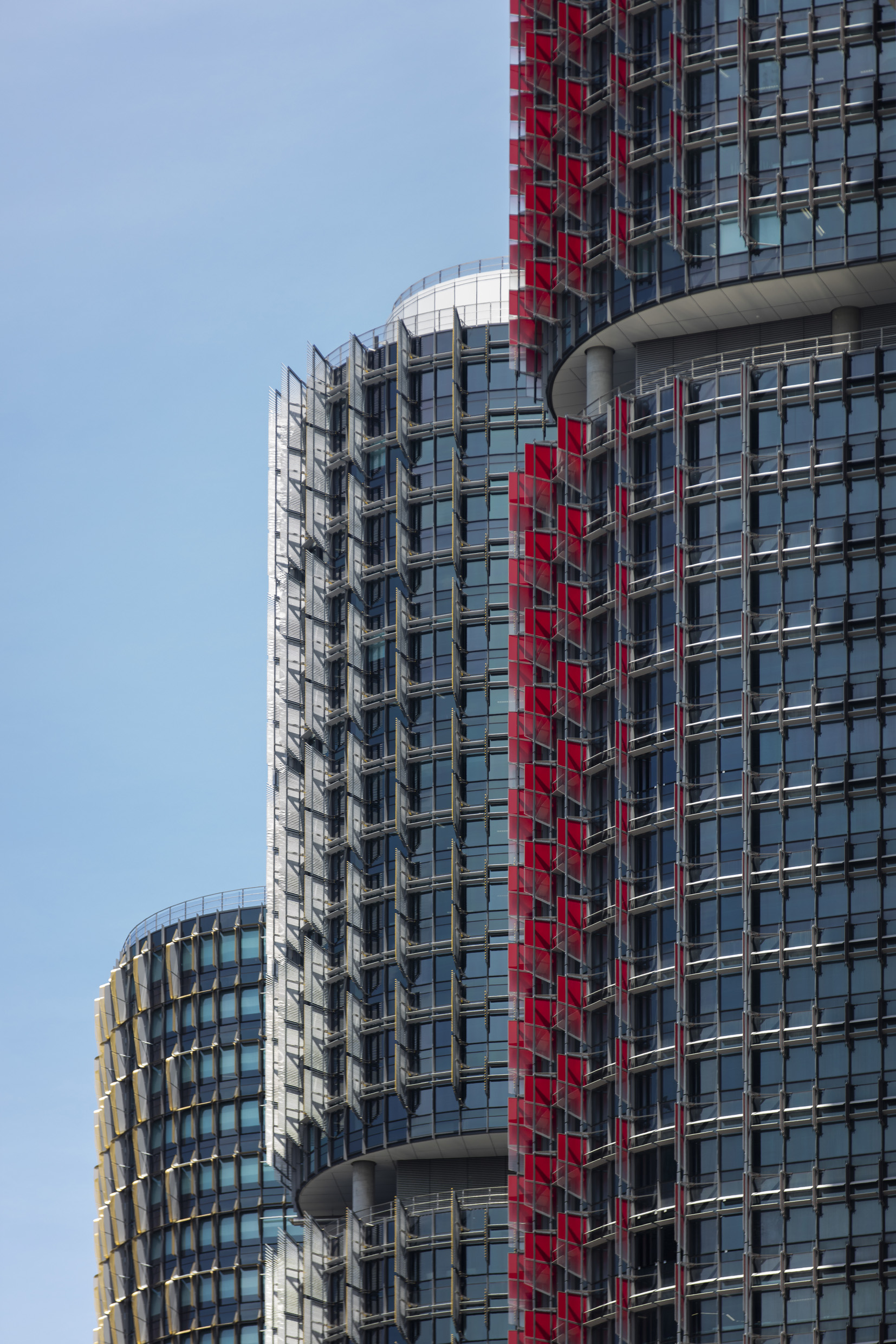
International Towers Sydney by Rogers Stirk Harbour + Partners, Barangaroo, Australia
Another approach to structure and systems can be found in the International Towers Sydney, where the building envelope becomes an accumulation of the project’s environmental systems and structural logic. The façade is deliberate — albeit less expressive — embedding the project’s performative aspects within its outer skin.
10. Santa Caterina Market by Miralles Tagliabue EMBT
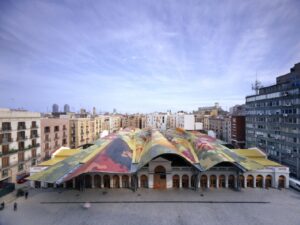
Santa Caterina Market by Miralles Tagliabue EMBT, Barcelona, Spain
The Santa Caterina Market is an excellent precedent in relation to layering programs, activating the urban plane and inserting new structures into historic contexts. Its undulating roof and open market hall offer a highly recognizable image of how architecture can host public life.
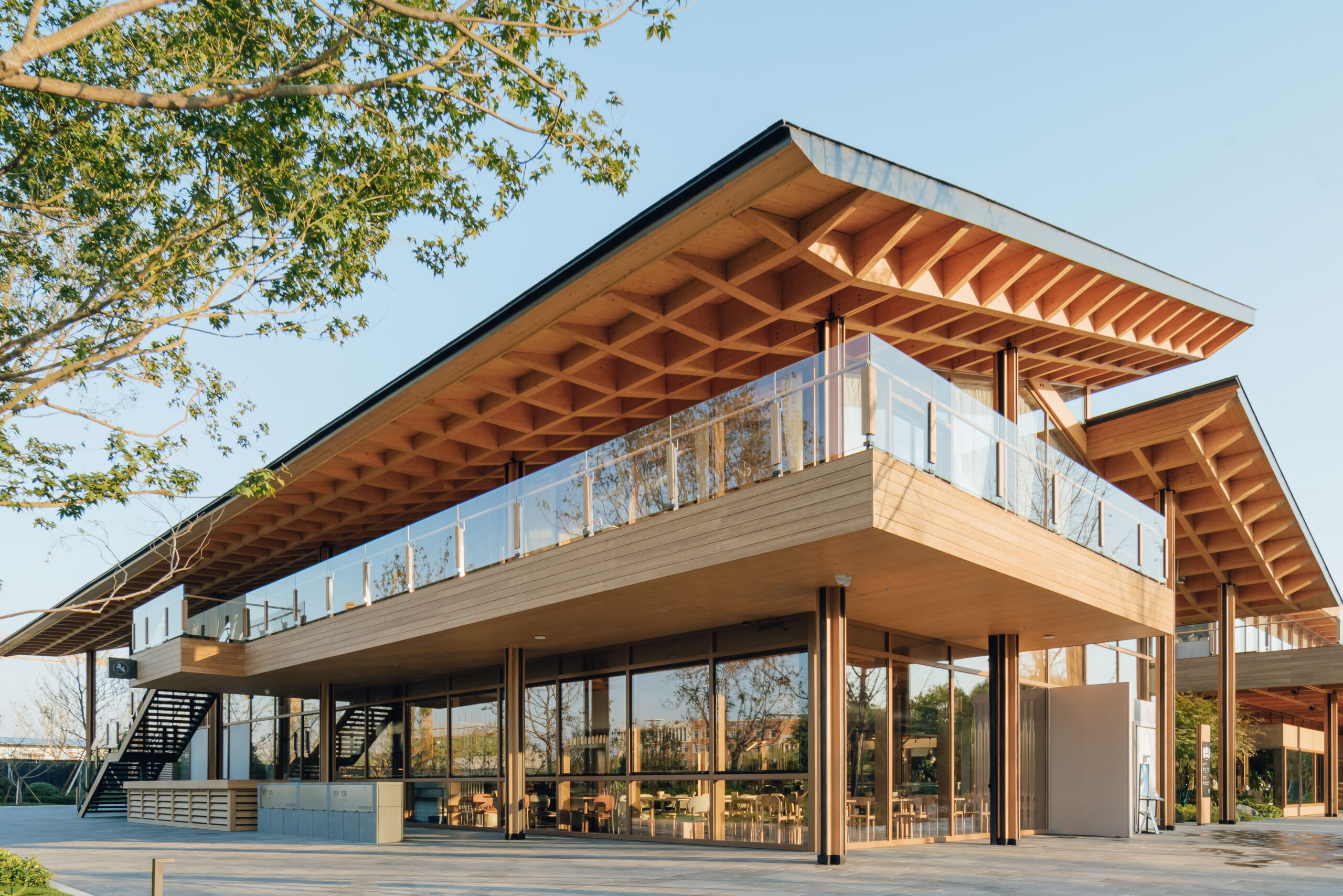
Pulo Market by a9 architects, Zhengzhou, China
Similarly, the Pulo Market by a9 architects reactivates an urban site through an array of lightweight structures and open frameworks. Rather than a fixed composition, it operates as a flexible system, which, in time, can evolve alongside the community it serves. By reducing the architectural gesture to a minimum, the project reframes public space as something that remains inherently unfinished, suggesting that public occupation is equally influential as design intent.
Learnings
To close, the usual “precedent suspects” remain essential for a reason; they have each pushed the architectural discipline further and opened up different avenues of design possibilities. But expanding the reference pool to include less obvious projects can only deepen and enrich how we think, design and eventually build.
Do you have an outstanding image that tells a compelling architectural story? The 2026 Vision Awards has a range of categories, from hyperrealistic or artistic renderings to expressive drawings or hybrid digital mediums. Start your entry >
Featured Image: The Luchtsingel Pedestrian Bridge by [ZUS] Zones Urbaines Sensibles, Rotterdam, Netherlands
The post The Precedent Starter Pack: 10 Projects Every Architect Has Referenced at Least Once appeared first on Journal.