









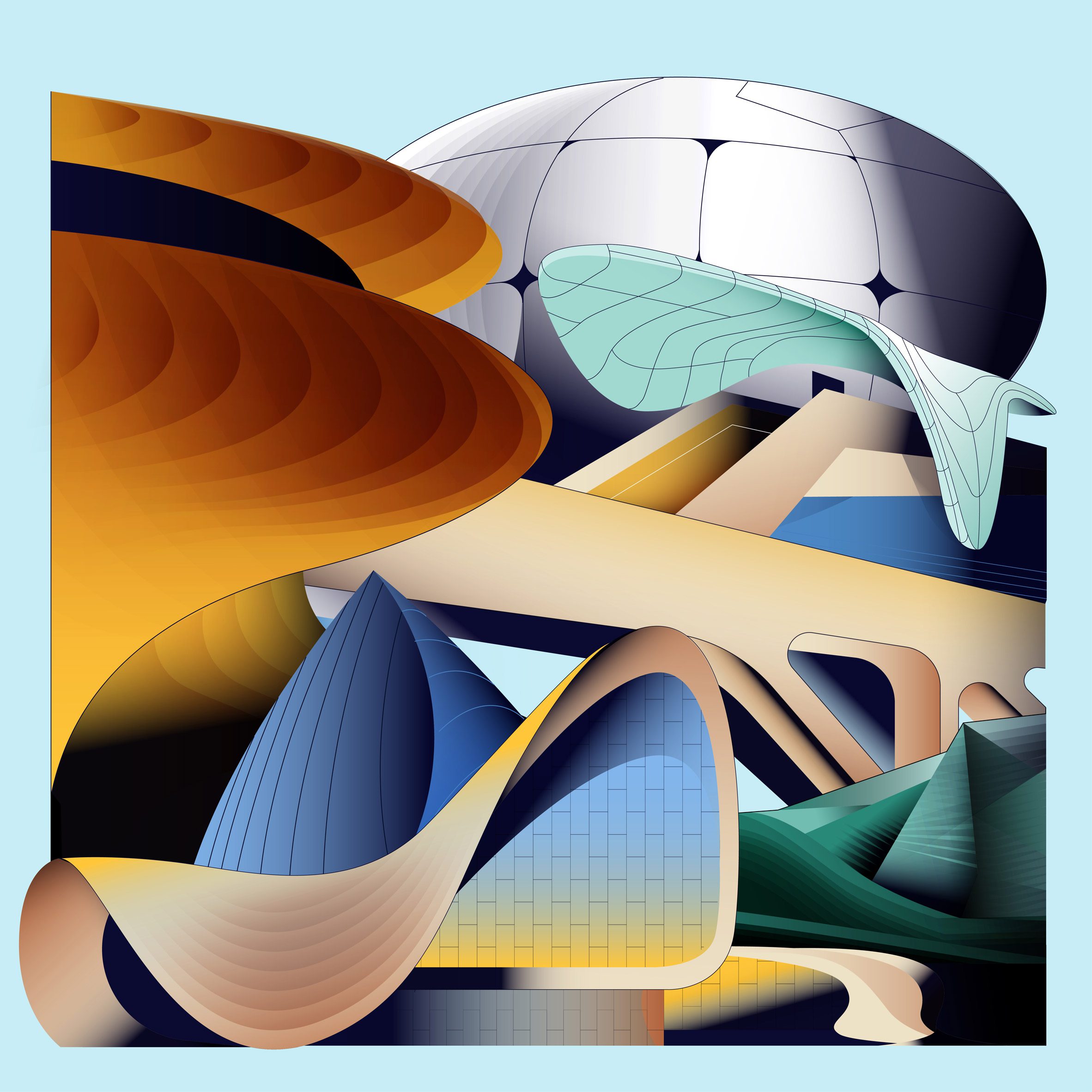
Heydar Aliyev Centre is the ultimate expression of parametricism's "seamless fluidity"

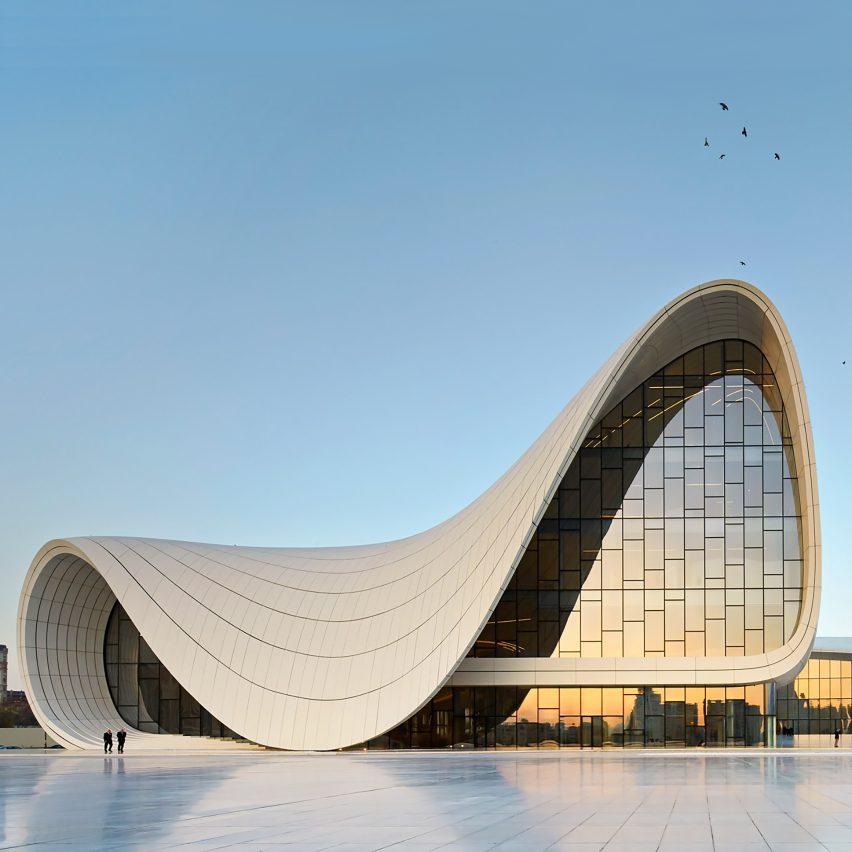
Our parametricism series launches with a look at the Heydar Aliyev Centre in Baku, Azerbaijan. Designed by Zaha Hadid, the project was described by the architect as the "closest thing" to translating her theoretical visions into a built reality.
Completed by Zaha Hadid Architects in 2012, the 57,000-square-metre centre contains a 1,000-seat auditorium alongside exhibition and conference spaces, all enveloped by a flowing roof designed to appear as a seamless extension of the surrounding plaza.
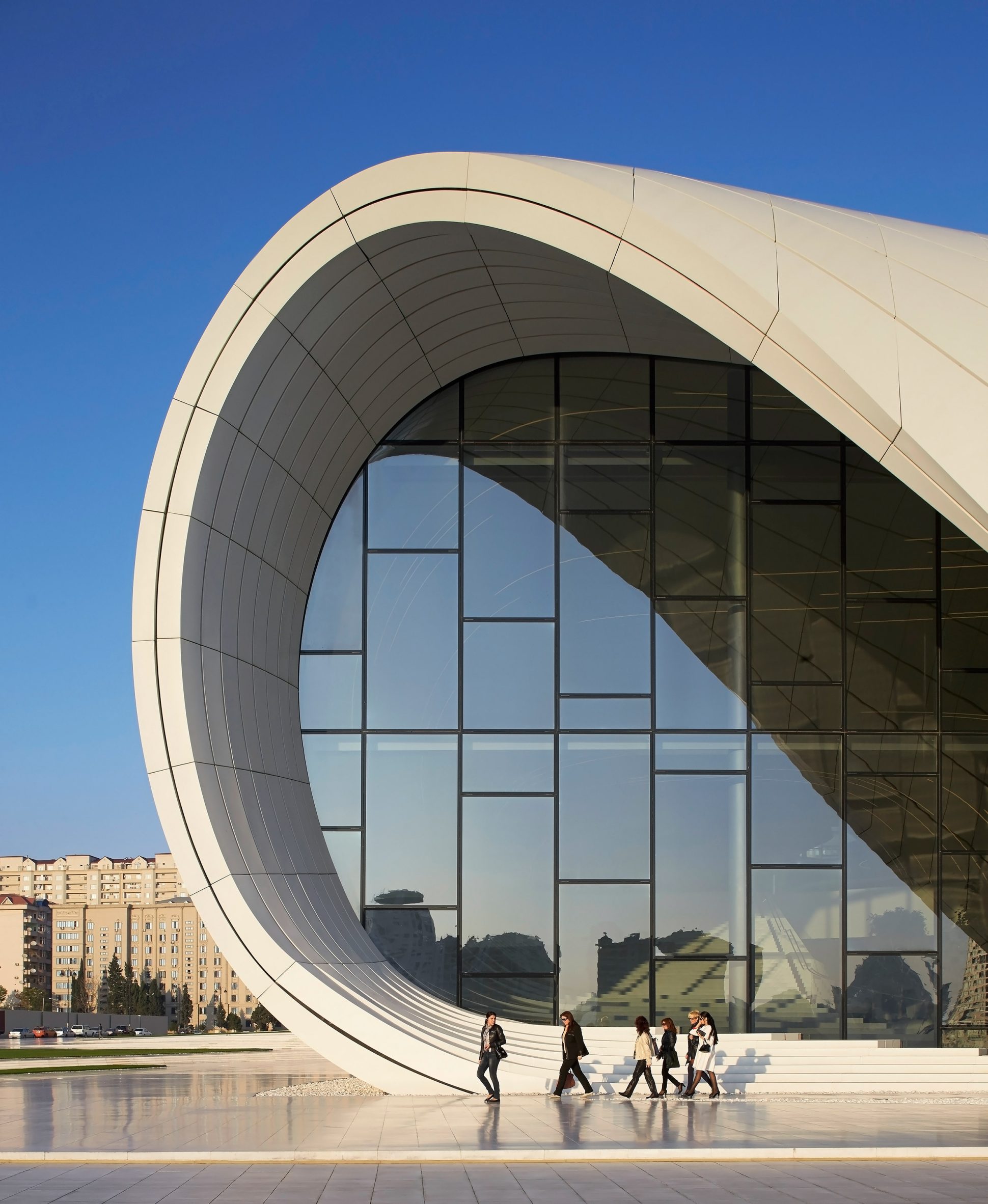
The Heydar Aliyev Centre's futuristic form saw it become a poster project for the emergent style of parametricism, coined in 2008 by Patrik Schumacher – then a partner and today principal at Zaha Hadid Architects.
It represented an era in which Hadid's rapidly growing studio cast off its reputation for "unbuildable" designs, with increasingly complex forms made possible through parametric software and – in this instance – the big budgets of oil and gas-rich Azerbaijan.
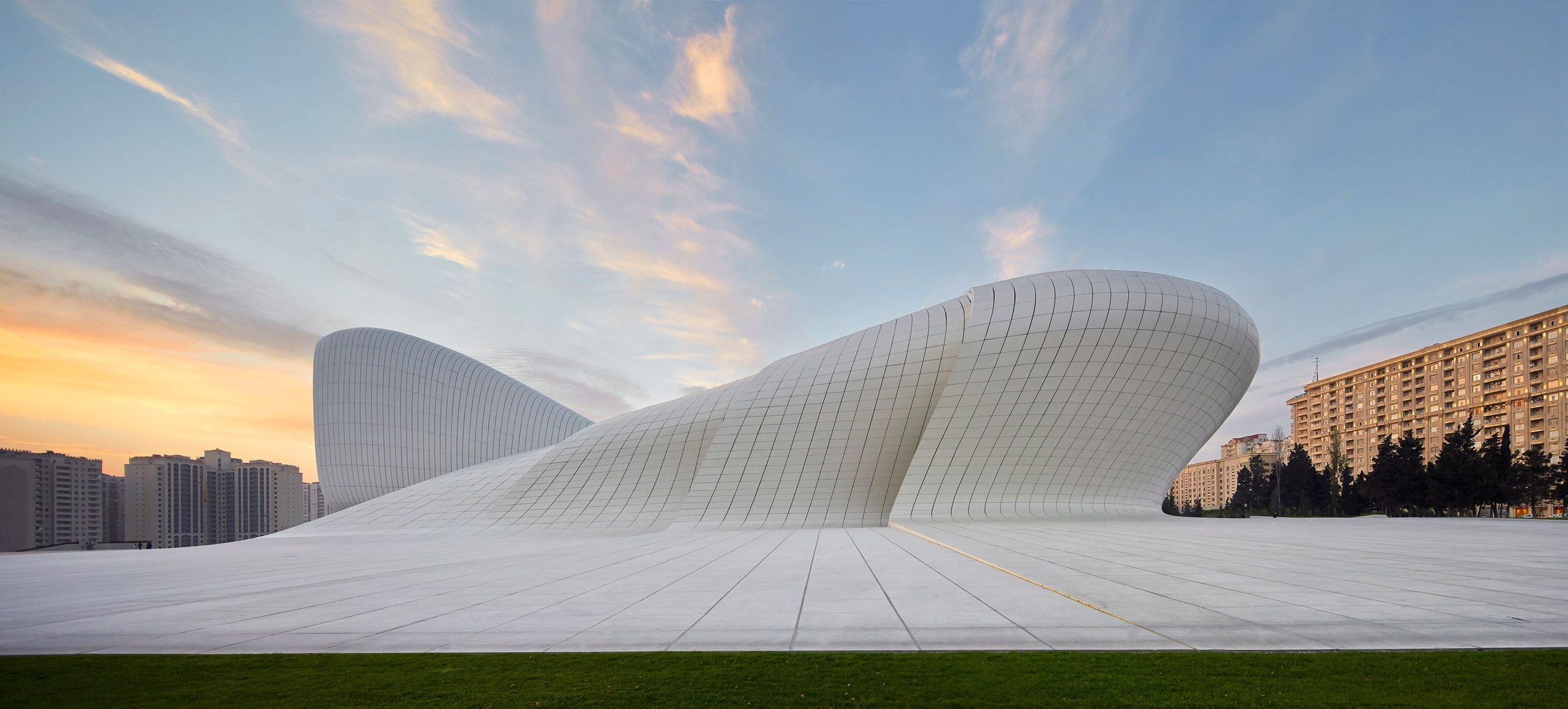
When the centre became the first architectural project to be named Design of the Year by London's Design Museum in 2014, the jury described it as the "pinnacle moment" in Hadid's career, with juror Piers Gogh calling it "as pure and sexy as Marilyn's blown skirt".
In her acceptance speech, Hadid said "it was always my dream to design and build the theoretical project, and that was the closest thing to achieving that".
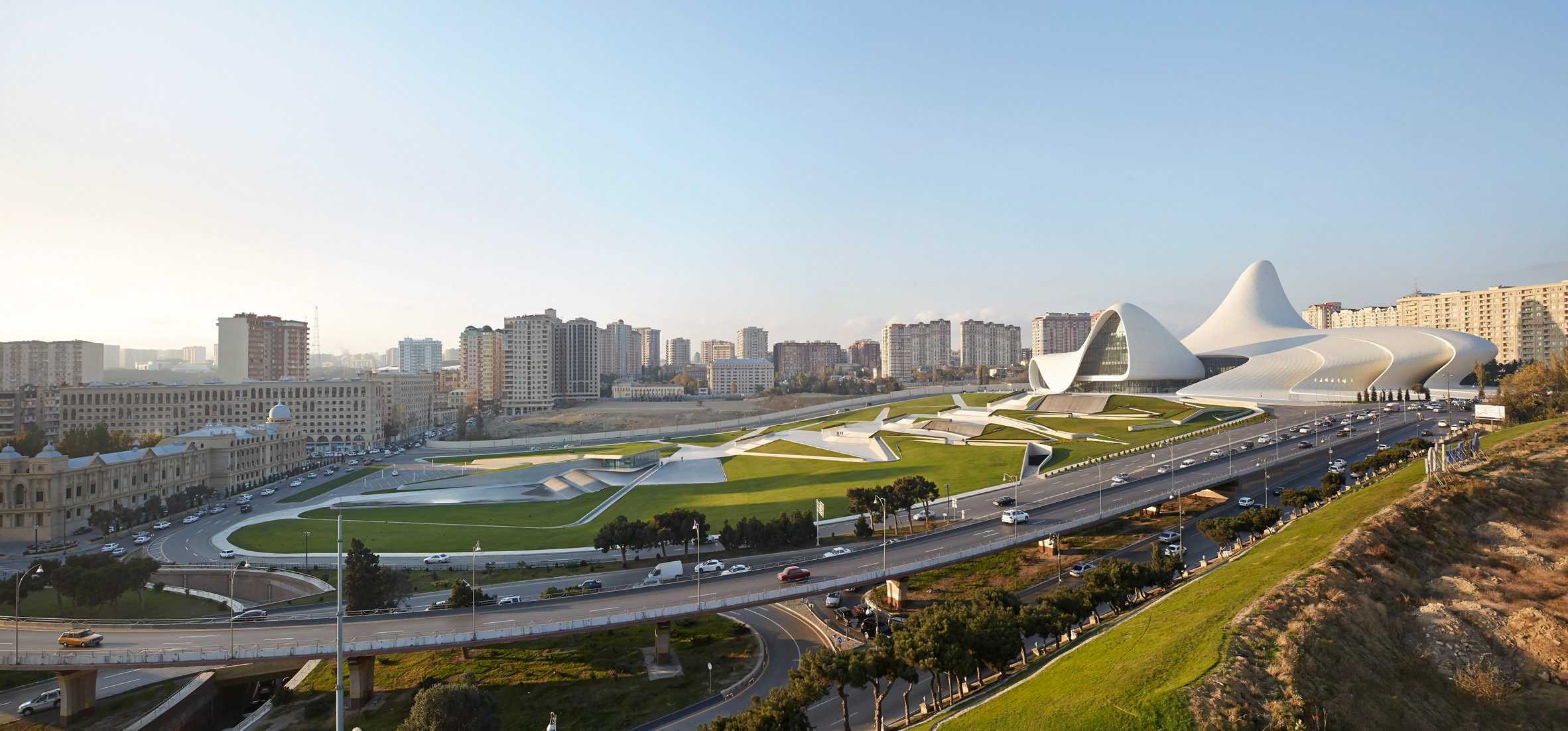
Zaha Hadid Architects was awarded the Heydar Aliyev Centre project in 2007 following an international competition organised by the Azerbaijani government, which formed part of an extensive construction boom in Baku driven by the country's oil and gas revenues.
The centre sits alongside Heydar Aliyev Avenue, between Baku's city centre and Heydar Aliyev Airport, all named after the Soviet party boss and subsequent president of the post-Soviet republic until 2003.
Besides its auditorium, the initial programme of the Heydar Aliyev Centre was relatively vague, with its value lying not in its function but in its role as a symbol of a modern, progressive Azerbaijan under the leadership of Heydar's son and current president Ilham Aliyev.
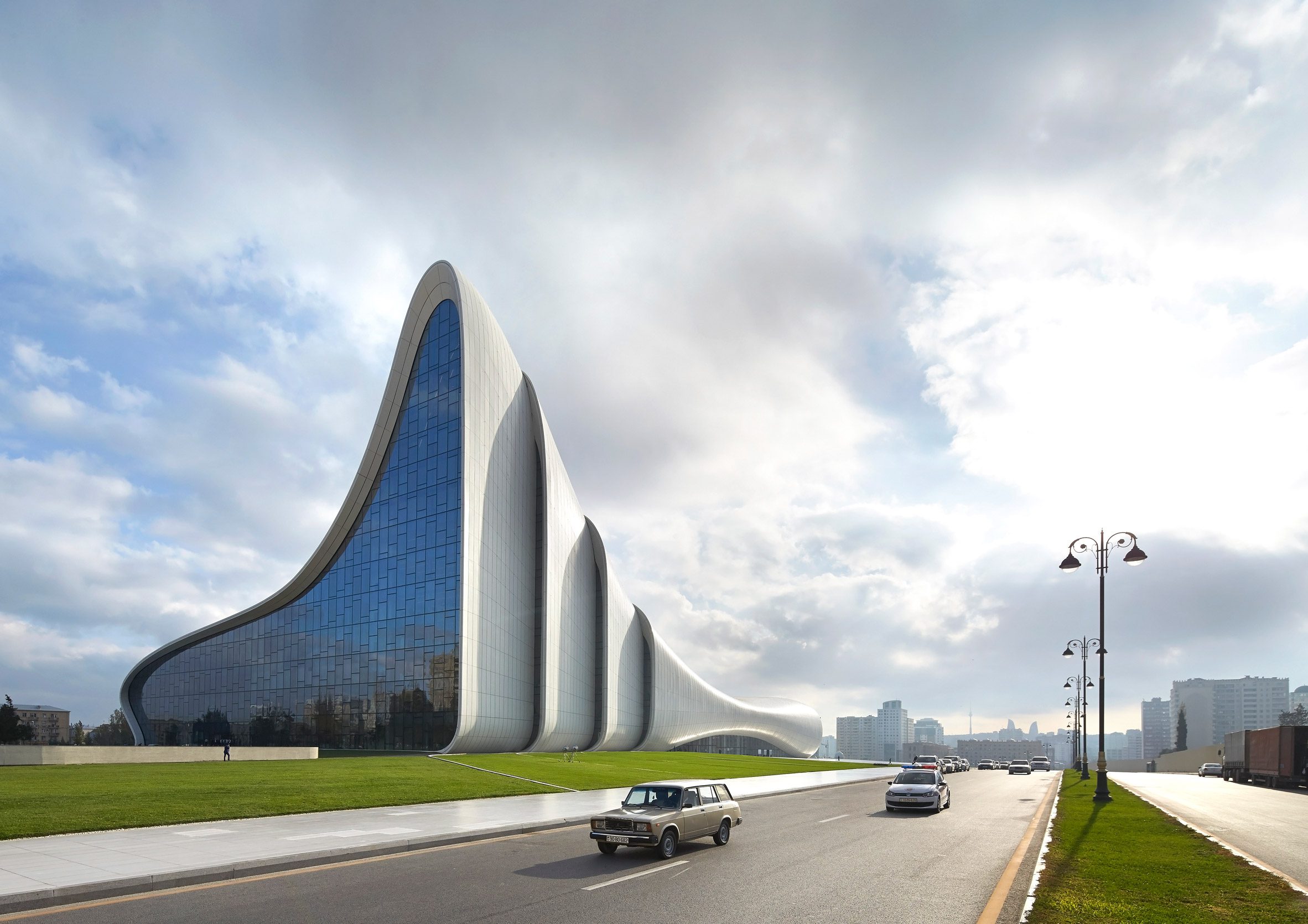
It was this message that the centre's fluid design sought to underscore, with Saffet Kaya Bekiroglu, a former associate at Zaha Hadid Architects who led on the project, describing it as an attempt to "soften" Baku's Soviet-era urbanism.
"When you look at Soviet era [architecture in Azerbaijan], it's more like monumental internalised authoritarian buildings," he told Dezeen in a 2014 interview. "So, this, we wanted to use this building as an opportunity to soften it up and totally depart from that."
"There's a fluidity in that region that always existed. If you look at the region's architecture and its art: calligraphy, carpets," he continued.
"They have floral patterns and all this ornamentation [that] runs from the flooring to the walls and to the dome. So we wanted to that in a contemporary way."

The resulting approach was to make it seem as though the site itself had been lifted, curved and folded into an undulating form, where the boundaries between floor, wall, ceiling and roof were all blurred.
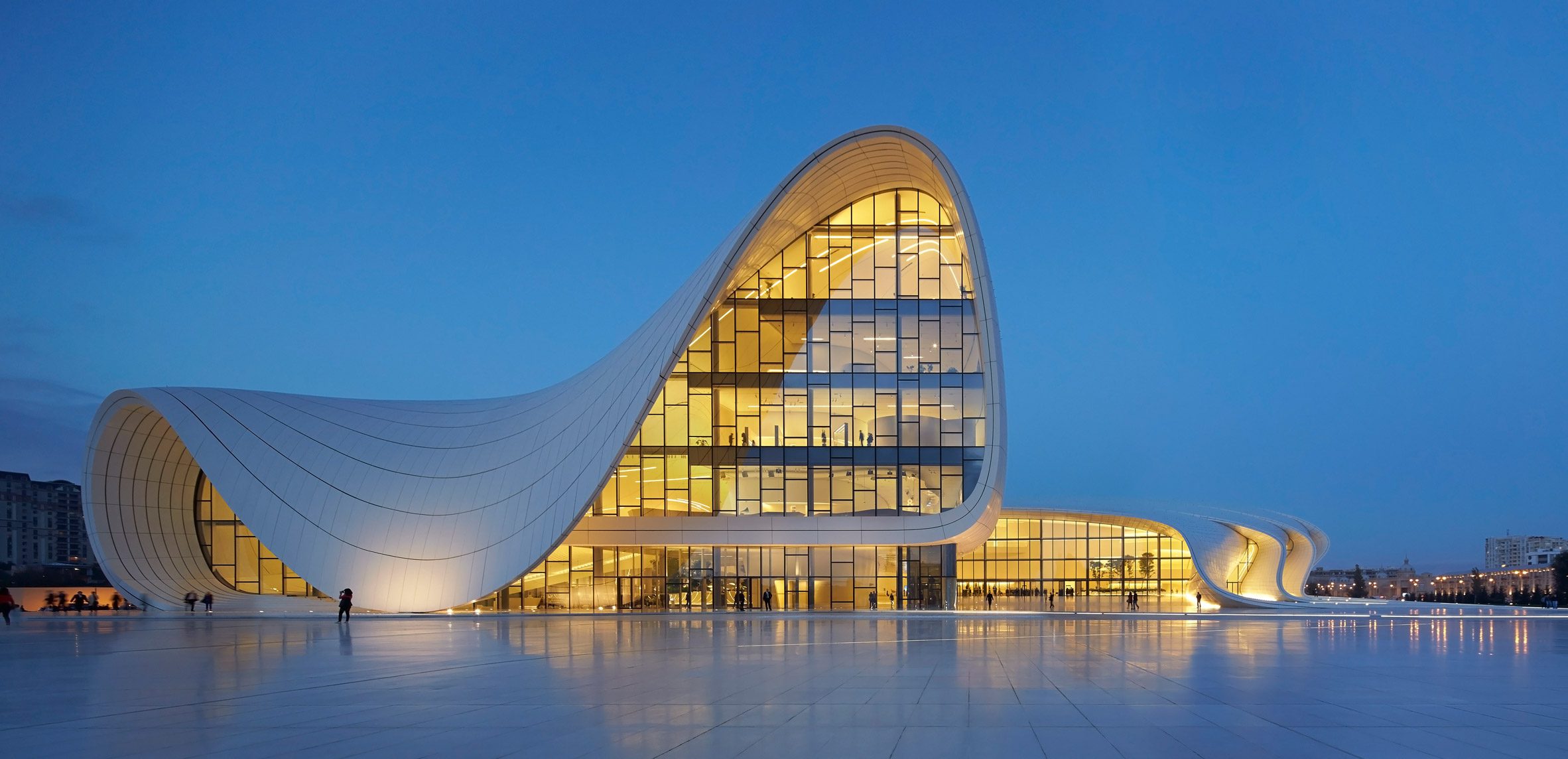
Facing those entering the city from Heydar Aliyev Airport to the northeast, the centre presents a fully glazed facade that rises to an eight-storey peak.
To the southwest, its form ripples downwards towards a large, zigzagging plaza with concrete steps and planters, into which the grid of its tiled roof blends.
This was a meeting point between Hadid's interest in the planes and lines of a site, visible from her first major project, the Vitra Fire Station, and the more fluid, parametric style that would define the studio's later and ongoing work.
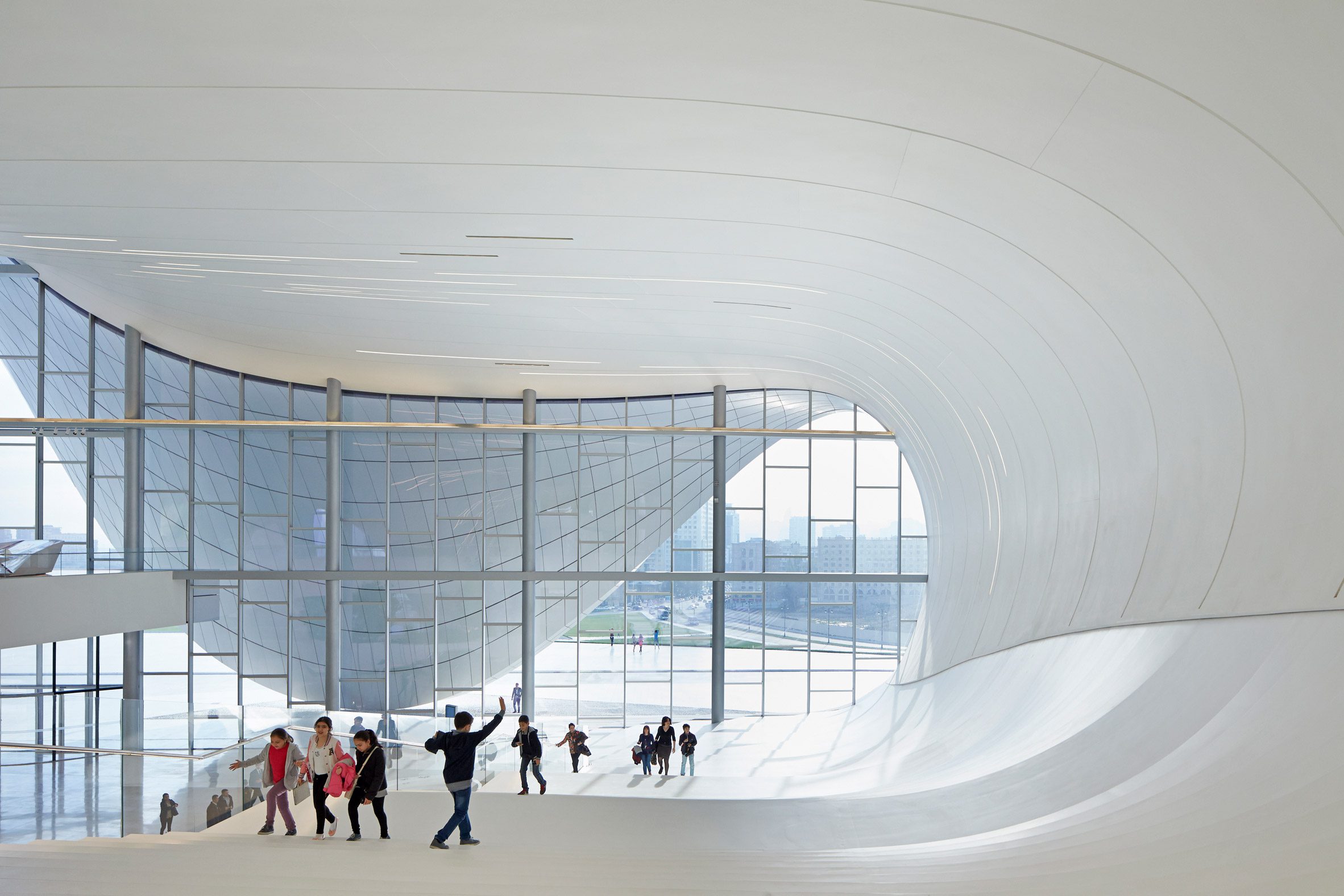
Indeed, the pursuit of a homogenous, fluid surface aligned perfectly with Schumacher's definition of parametricism's aesthetic, which he described as possessing a "seamless fluidity, akin to natural systems".
To realise this ambitious form, Zaha Hadid Architects worked with engineers AKT II to develop a structure that used both concrete and a steel space frame, allowing for the creation of vast, column-free spaces.
Steel trusses are positioned at nine-metre centres across the building's length, and given individual curving geometries to create the centre's changing form, at the time of construction resembling a giant, twisting rollercoaster.
This framework was clad in a combination of glass fibre reinforced concrete (GFRC) panels for the lower sections and lighter, glass fibre reinforced polyester (GFRP) panels for the roof sections.
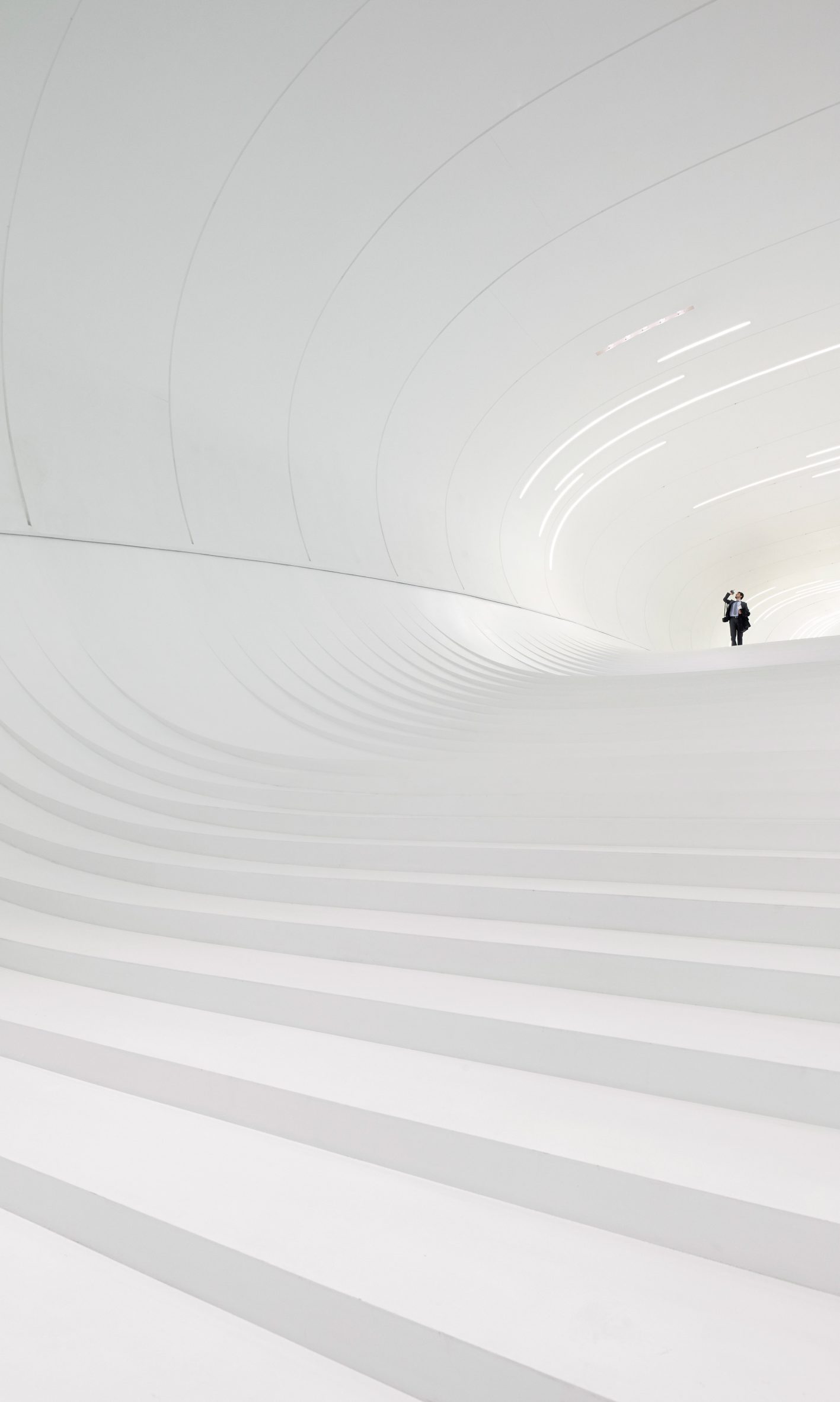
The seams between these panels were designed to follow and emphasise the flowing curves of the centre's form, with numerous modelling studies carried out to configure their arrangement.
Depending on their position in the building each of these cladding panels had either a single, double or triple curvature, and each was moulded and fitted with a microchip to ensure it was positioned correctly.
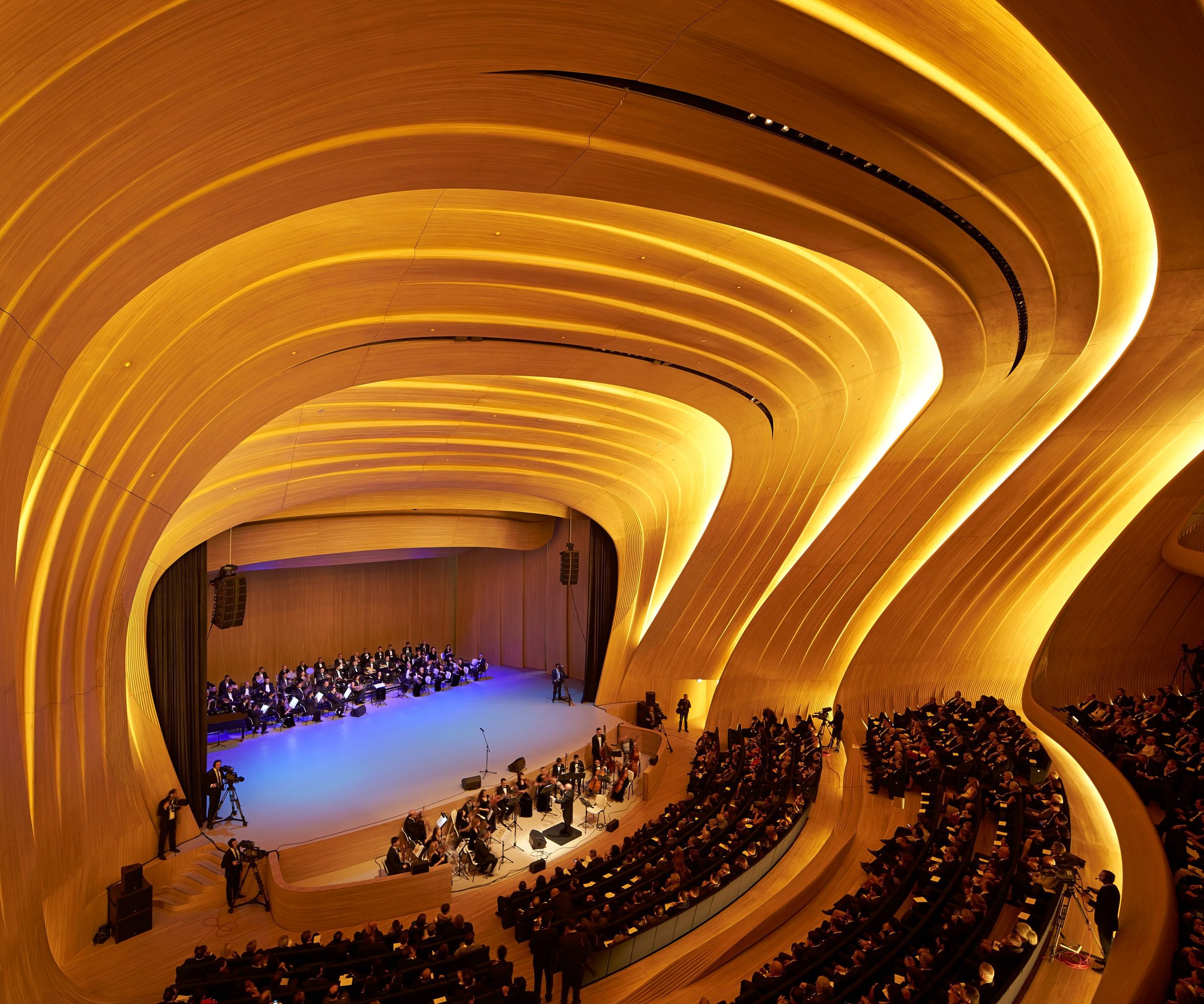
Narrow strips of lighting running from the floors up to the ceiling emphasise the seamless nature of the centre's interiors, while in the main auditorium the centre's clean white aesthetic is contrasted by a warm lining of curved timber panels.
While the building's formal and structural achievements were lauded when it opened, it soon became the subject of criticism due to the studio's collaboration with a regime responsible for human rights abuses, with a backlash taking place after it was awarded Design of the Year.
Critics pointed to a Human Rights Watch report that detailed how former residents of the centre's site – and the sites of many other boom-era projects in Baku – had been forcefully evicted by having their homes bulldozed or their electricity, gas and water cut off.
They also pointed to wider human rights abuses by the country, including election rigging and the torture of prisoners, and concerns over the working conditions of construction workers in the region.
Defending the prize, director Deyan Sudjic said that it was "about architecture rather than politics", with a statement from the institution saying "there is no doubt that Zaha Hadid is a hugely talented architect, and this is what the Design of the Year award recognises".
Despite the building's clearly political role from the outset, a stance of political indifference is something that Schumacher himself had made central to Parametricism's ethos, writing in 2014 that "architecture has no capacity to resolve political controversy".
Parametricism
This article is part of our series on parametricism, the theory of architecture developed by Zaha Hadid Architects principal Patrik Schumacher that lays claim to becoming the 21st century's defining style.
The post Heydar Aliyev Centre is the ultimate expression of parametricism's "seamless fluidity" appeared first on Dezeen.