





Toyo Ito picks eight favourite Andrea Branzi projects from Continuous Present exhibition

Italian museum Triennale Milano has unveiled the Continuous Present exhibition in Milan, which showcases works by architect Andrea Branzi. Here, curator Toyo Ito chooses his favourite projects on show.
The exhibition features drawings, installations and objects by Branzi, who was one of Italy's leading names in contemporary design.
Its full name, Andrea Branzi by Toyo Ito: Continuous Present, reflects the fact that his work is seen through the eyes of its curator Ito, who was a friend and collaborator of Branzi.
Below, together with co-curators Michela Alessandrini and Nina Bassoli, Ito chooses his eight favourite works from the exhibition:
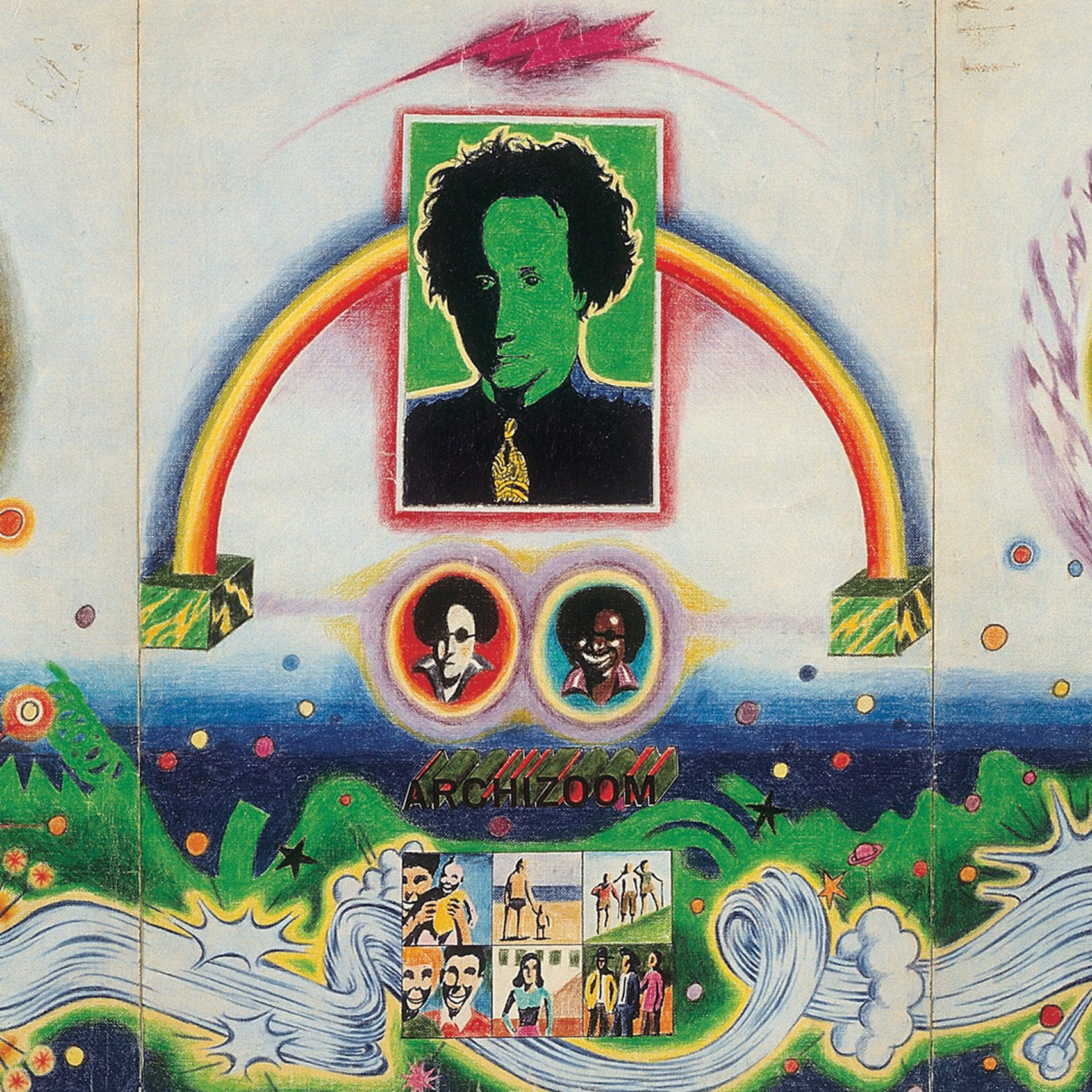
Self-portrait, 1968
"Andrea Branzi's 1968 self-portrait signals the beginning of a practice rooted less in making than in questioning. Emerging at a moment when he was already challenging the relevance of modernist cities, the work reflects a designer more interested in asking 'what is design?' than in producing objects.
"Rather than a fixed identity, it introduces a position that would define his career: design as a critical and philosophical act, unfolding within what he later described as a 'continuous present'."
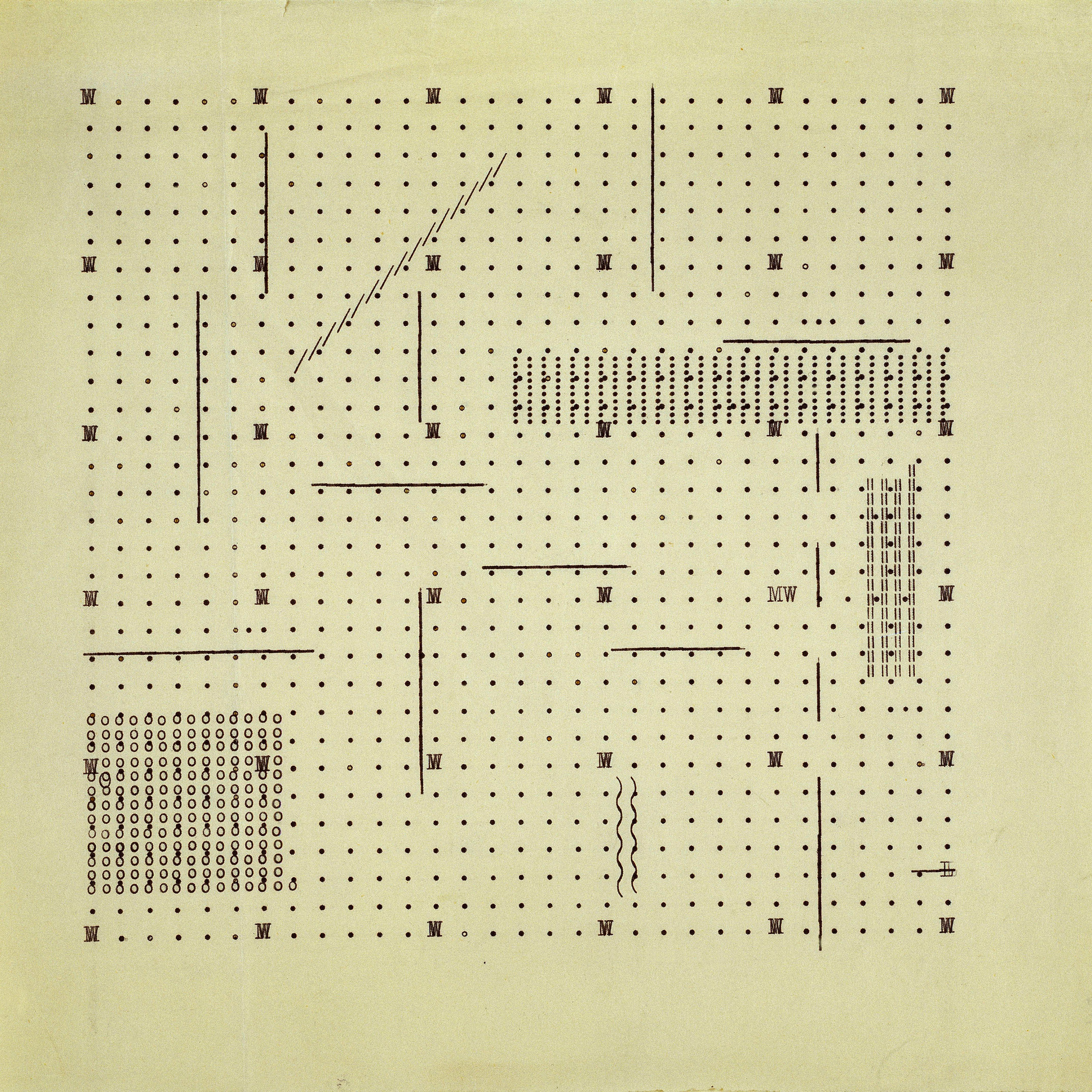
No-Stop City, 1969
"No-Stop City, 1969 to 72, is Branzi's most radical critique of the contemporary metropolis, proposing an urban condition defined by infinite, homogeneous space. In this vision, the city requires no architecture, only the infrastructures of production and consumption.
"Developed through drawings and models, the project does not offer a solution but a conceptual framework, exposing the logic of a city that endlessly expands, transforms, and dissolves traditional boundaries."
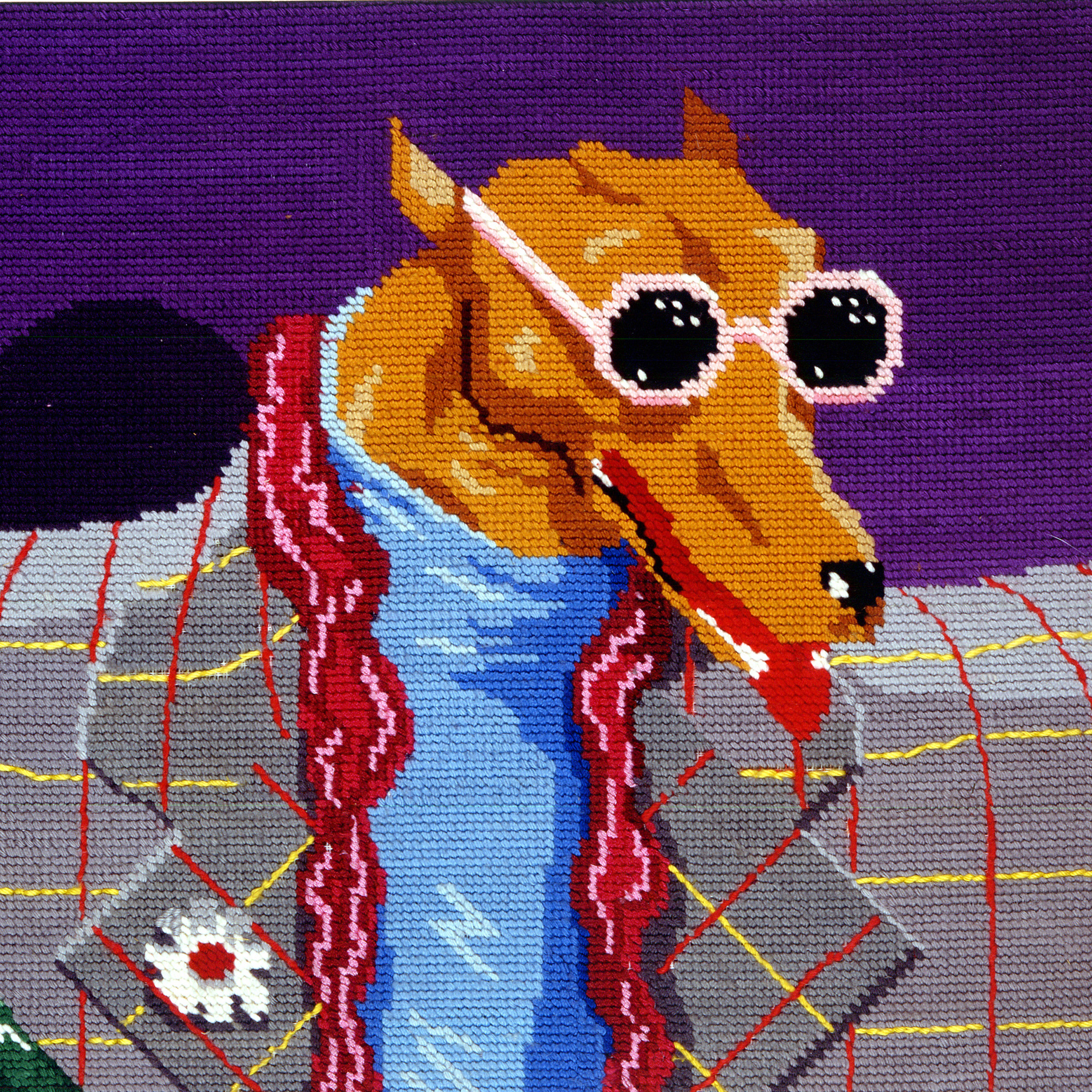
Animali Vestiti, 1973
"Animali Vestiti continues Branzi's exploration of animism and hybridisation, expanding his ideas beyond objects into forms that engage directly with the body.
"Like much of his work, these pieces resist clear categorisation, existing between design, art, and anthropology, and reinforcing his view of design as a critical practice rather than a purely functional one."
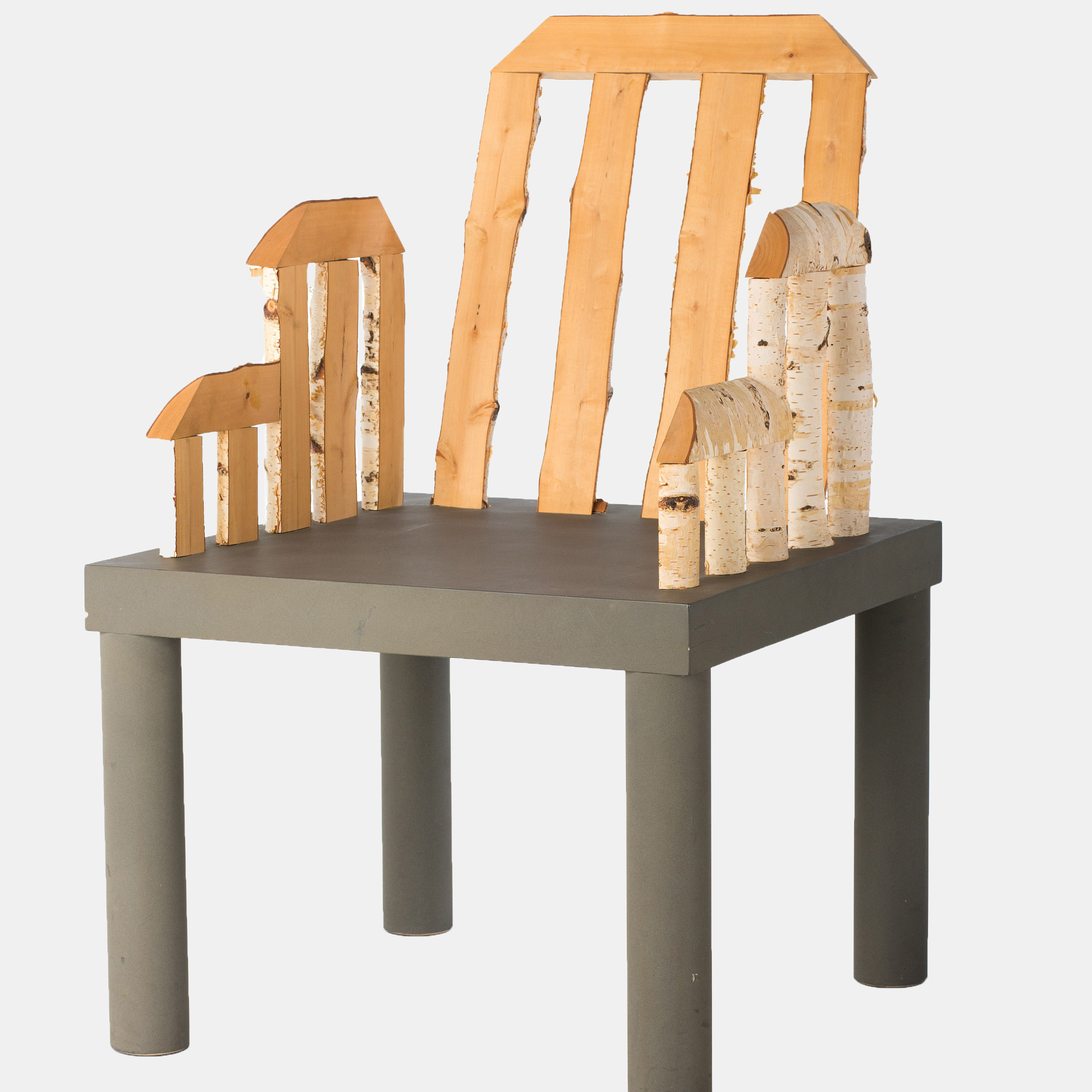
Animali Domestici, 1985
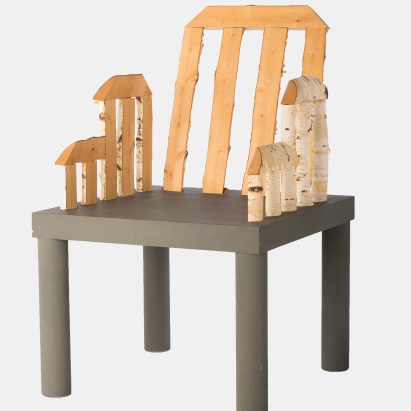
"With Animali Domestici, Branzi turns away from the city toward a more primitive and symbolic understanding of living. Using raw, unprocessed wood, the project reintroduces materials excluded by modernity and proposes a domestic environment where humans coexist with natural and technological elements.
"These objects resist conventional function, instead acting as 'design as criticism,' questioning the role of furniture and the relationship between people and their surroundings."
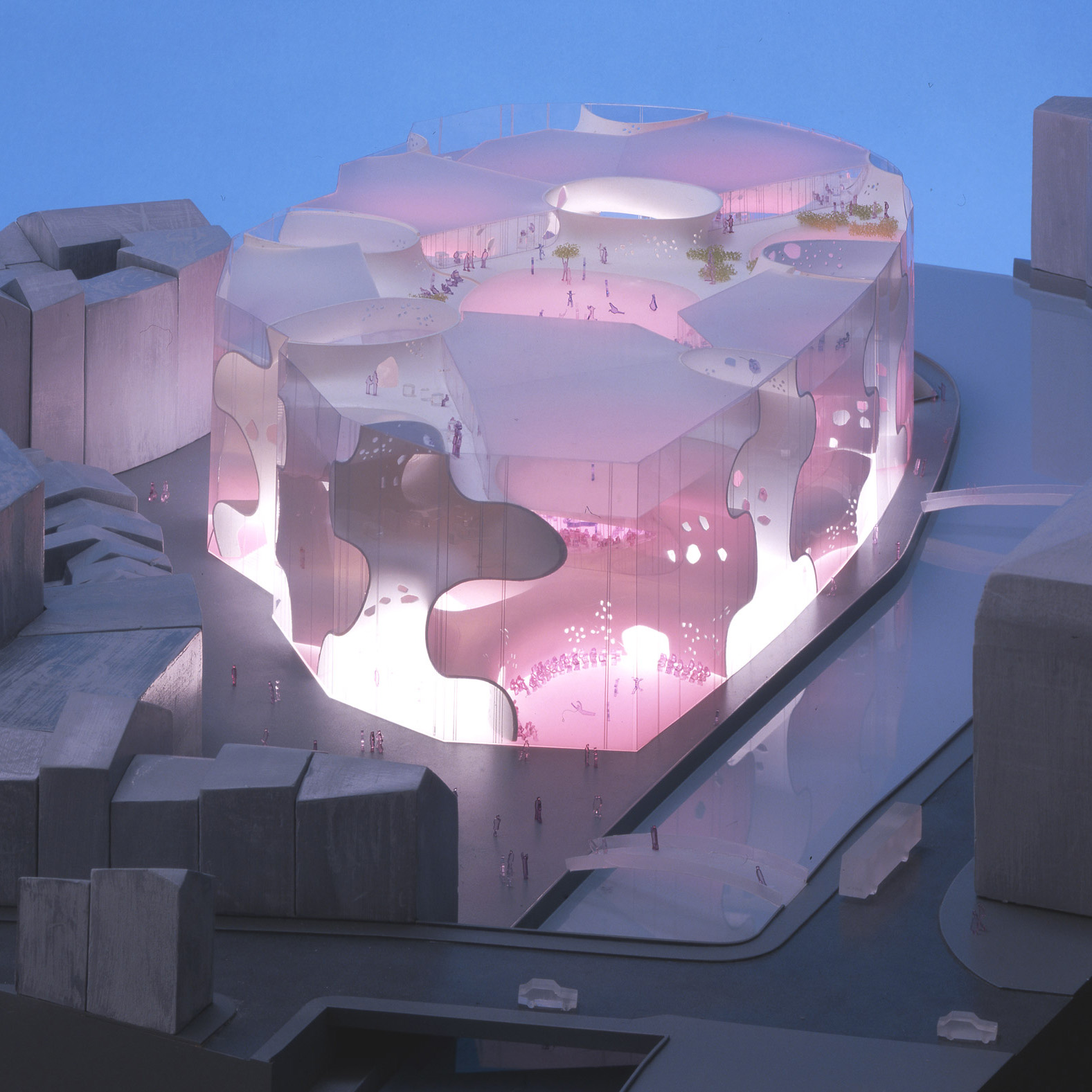
Forum for Music, Dance and Visual Culture, Ghent, 2004
"Branzi's project for the Forum in Ghent embodies his interest in architecture as an experiential and sensorial condition rather than a fixed form.
"Aligned with his broader thinking on cities as fluid and continuously evolving, such projects explore how space can support interaction, perception, and cultural exchange without relying on rigid structures or hierarchies."
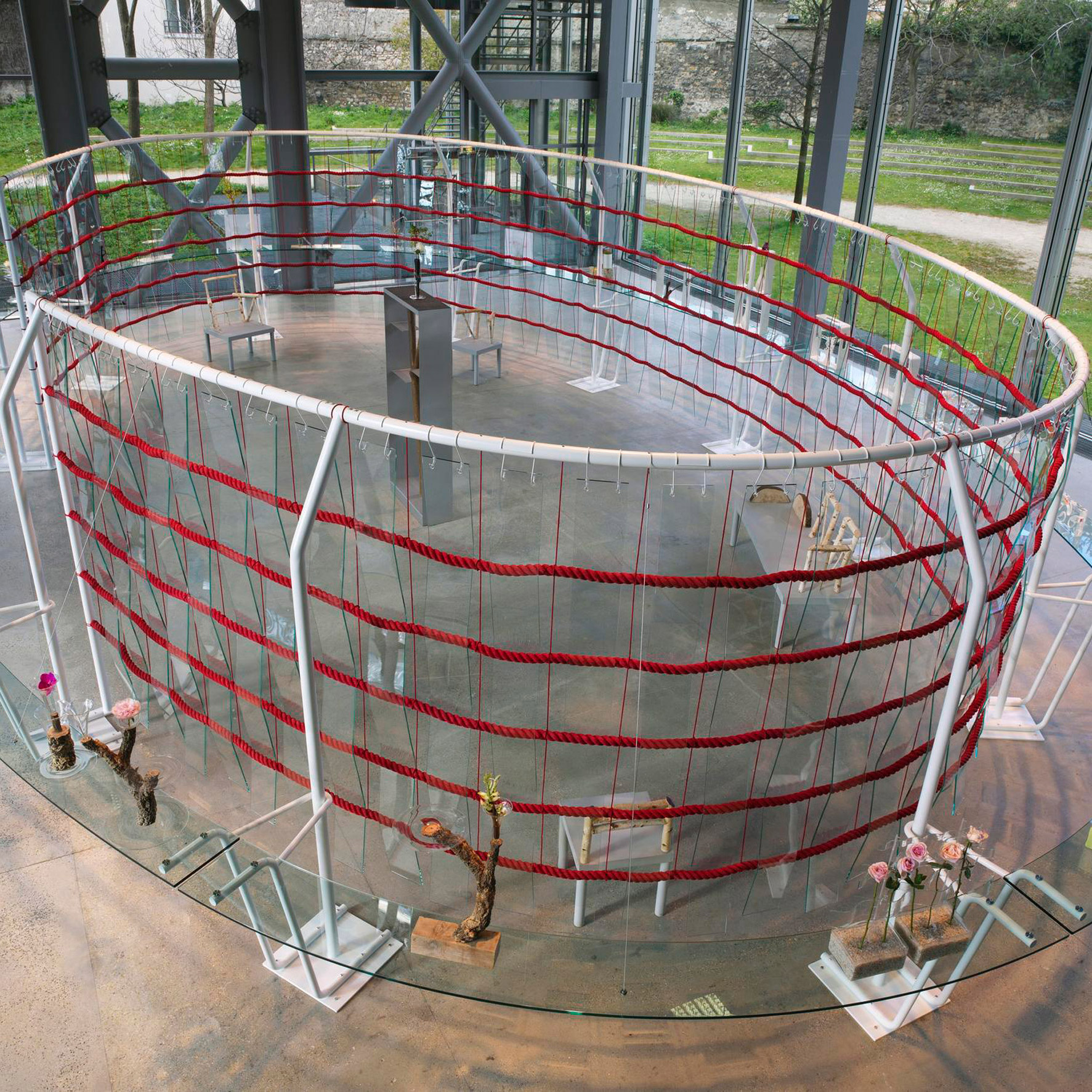
Open Enclosures, Ellipse + Gazebo, 2008
"Open Enclosures (2008) presents architecture as a porous and non-functional system. Comprising the structures Ellipse and Gazebo, the project proposes small-scale environments without clear boundaries or defined uses.
"Constructed from natural and industrial materials, these works suggest a form of 'useless but hospitable' architecture – an alternative to the rigid, functionalist spaces of the modern city."
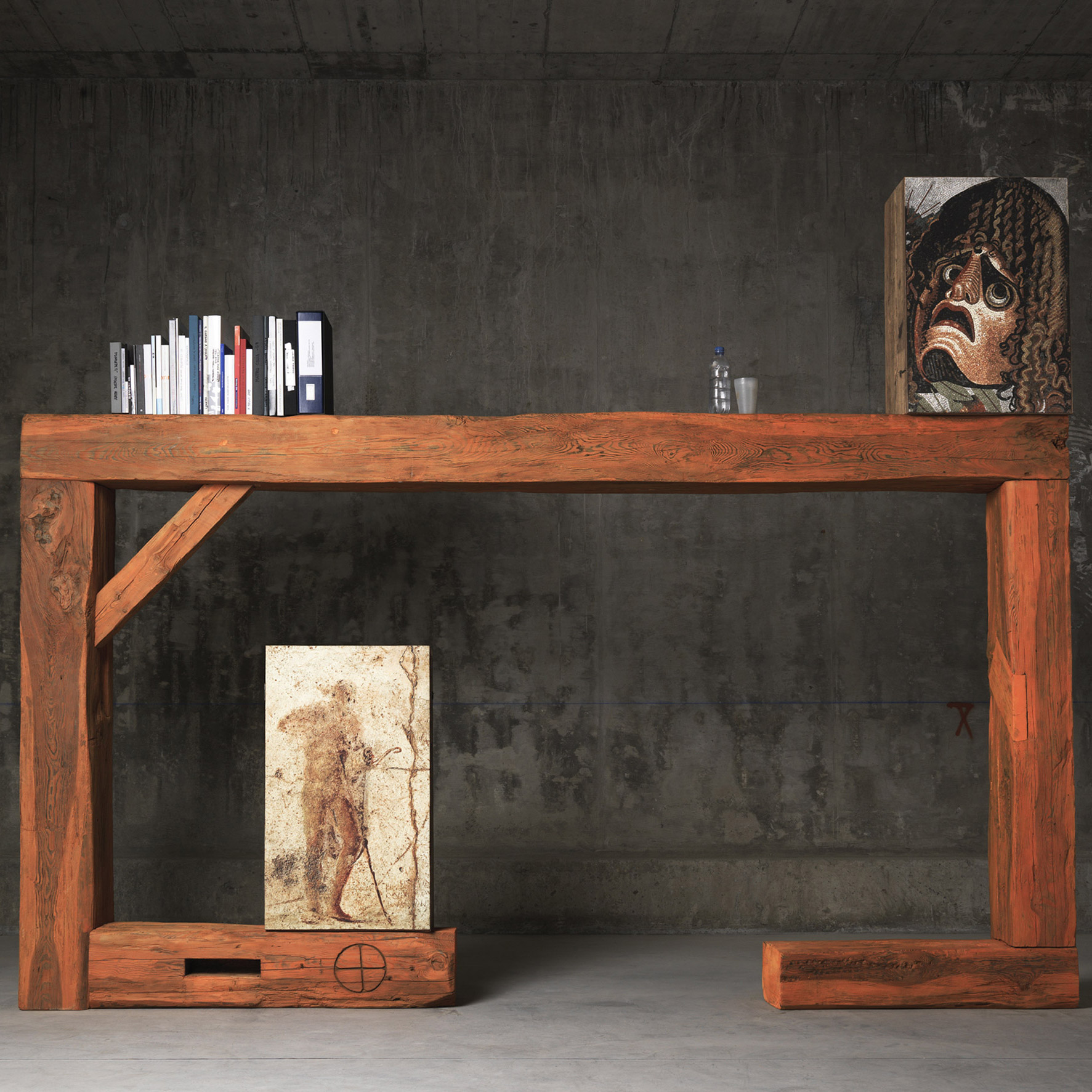
Grande Legni, 2009
"Grande Legni reflects Branzi's ongoing exploration of objects as carriers of ideas rather than purely functional elements.
"Positioned between design and art, such works demonstrate his broader approach: creating objects that operate as critical statements, challenging the conventions of use, value, and meaning within design culture."

10 modesti consigli per una nuova Carta di Atene, 2010
"Branzi's New Athens Charter radically rethinks the principles of modernist urbanism, proposing a city without rigid zoning, boundaries, or hierarchies.
"He imagines urban space as a condition of 'cosmic hospitality,' where humans, animals, technologies, and environments coexist within a shared system, and where distinctions between public and private dissolve. The project reframes the city as fluid, continuous, and experiential rather than fixed or formally defined."
The main image is by Emanuele Zamponi.
Continuous Present is on show until 4 October at Triennale Milano, Viale Alemagna 6, 20121, Milan, Italy. See Dezeen Events Guide for more architecture and design events around the world.
The post Toyo Ito picks eight favourite Andrea Branzi projects from Continuous Present exhibition appeared first on Dezeen.