









Eight-room Tokyo hotel designed to feel like staying "at the home of a tasteful friend"
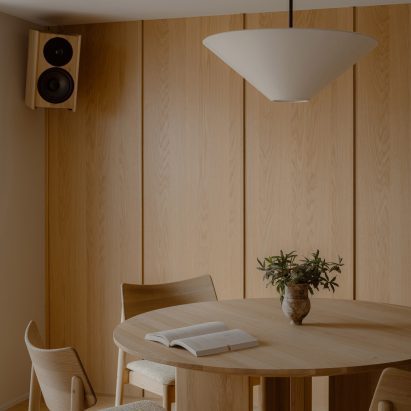
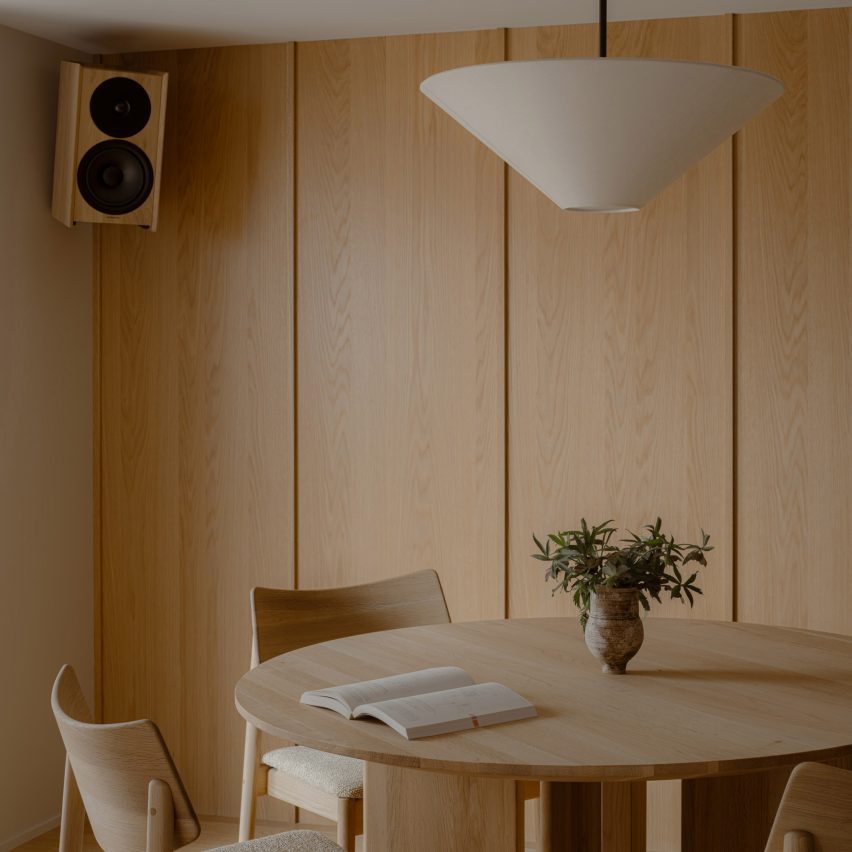
Designer Keiji Ashizawa has turned a former hostel in Shintomicho, Tokyo, into the Tomi Hotel Ginza, a boutique hotel with a single suite on each of its floors that was designed to fulfil a need for group accommodation in the city.
The 750-square-metre hotel is located in a ten-floor building close to both the Tokyo and Ginza stations.
It was previously a hostel with multiple rooms on each of its eight floors, but Ashizawa's studio, Keiji Ashizawa Design, changed the layout so that each floor now has just one self-contained suite.
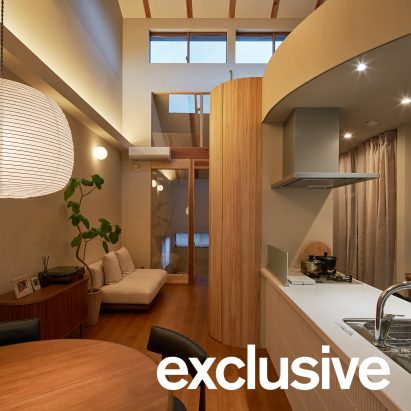
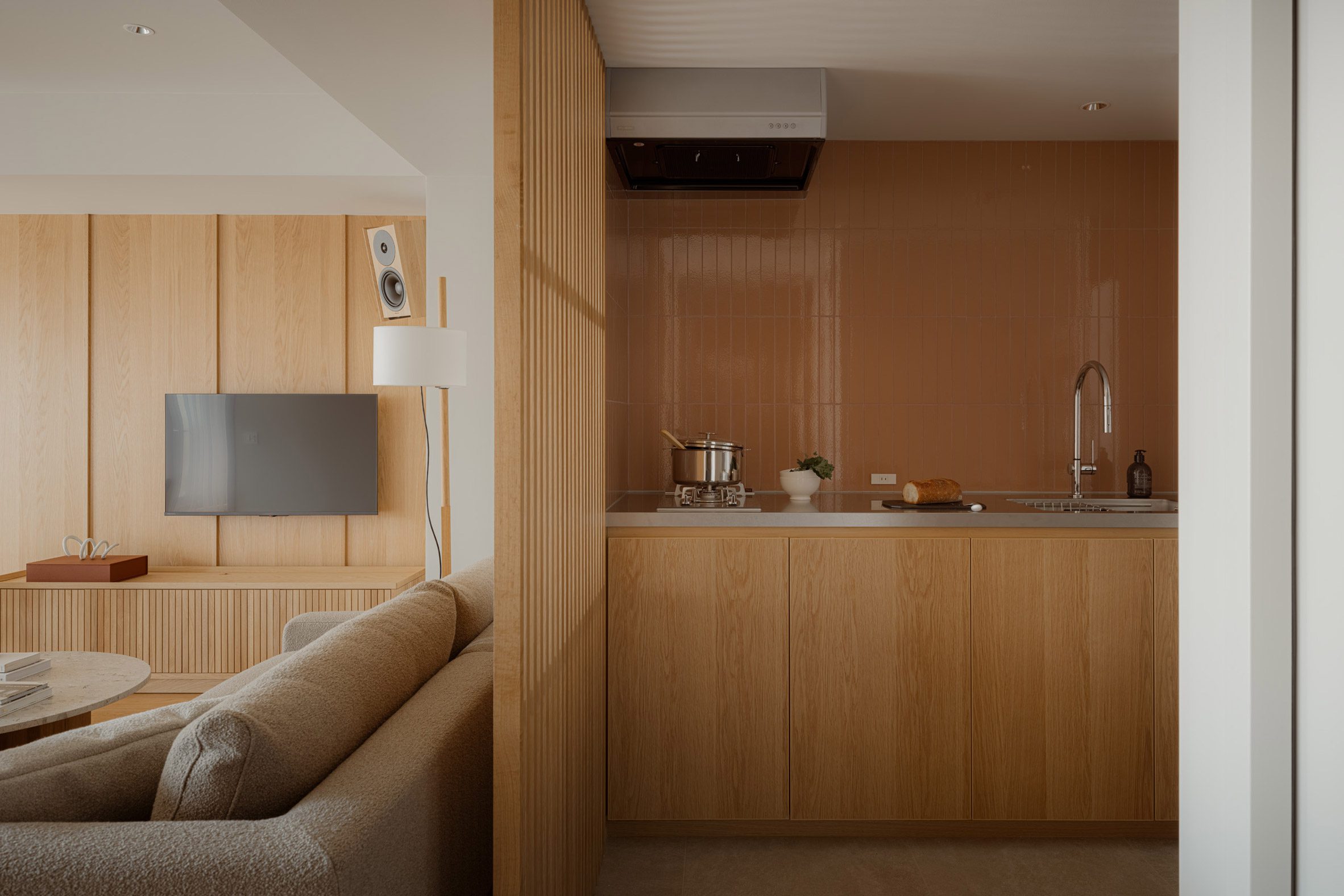
Natural wood and beige hues were used for the suites, most of which have a living area and two bedrooms as well as a kitchen and laundry facilities. A top penthouse suite has a larger living area and just one bedroom.
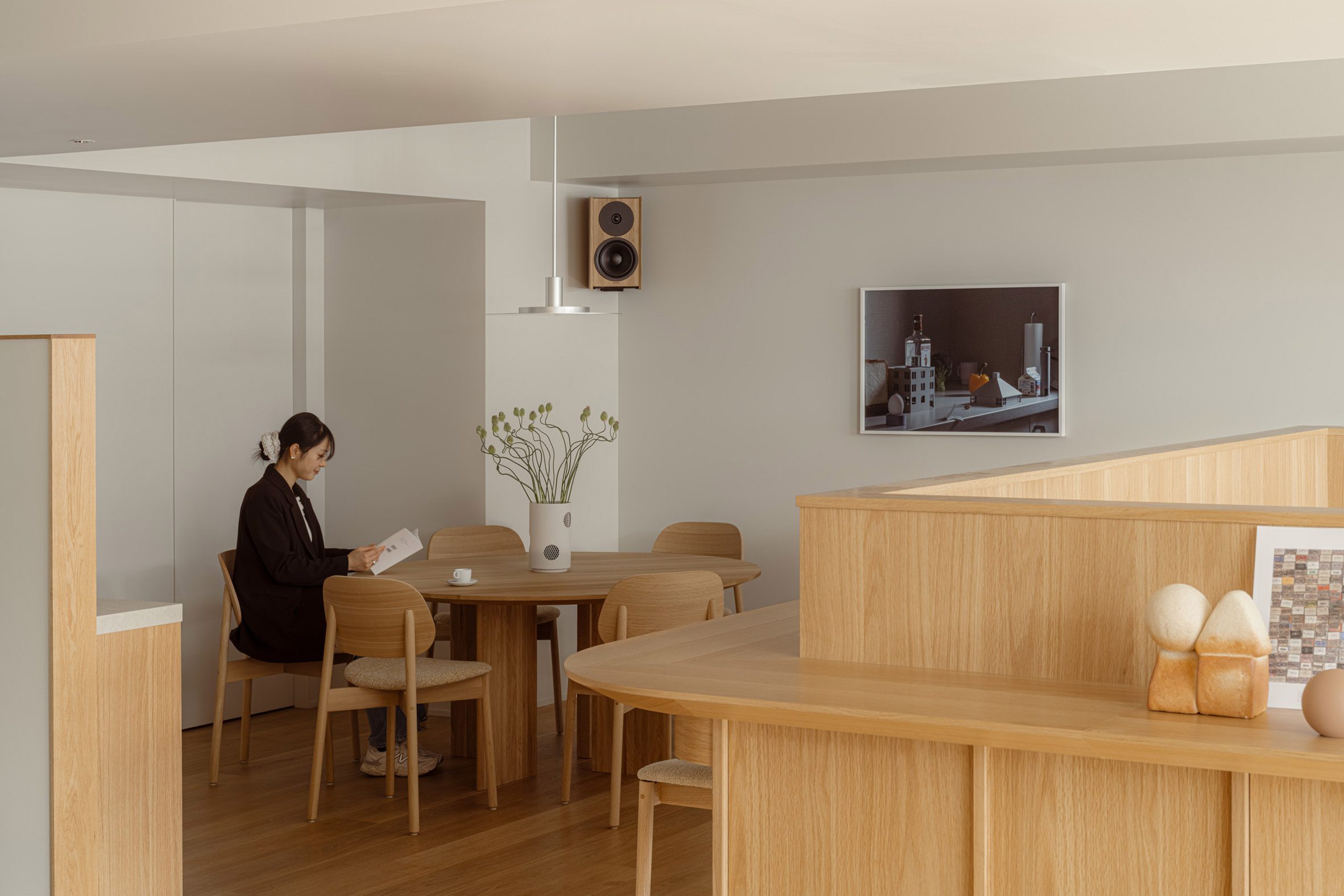
The aim was to design a space that would be suitable for families or groups of people to stay together, something the designer says Tokyo currently lacks.
"In Japan, which is increasingly becoming a major tourist destination, it can still be surprisingly difficult to find hotels that are truly suitable for families or groups," Ashizawa told Dezeen. "We felt this idea made a lot of sense."
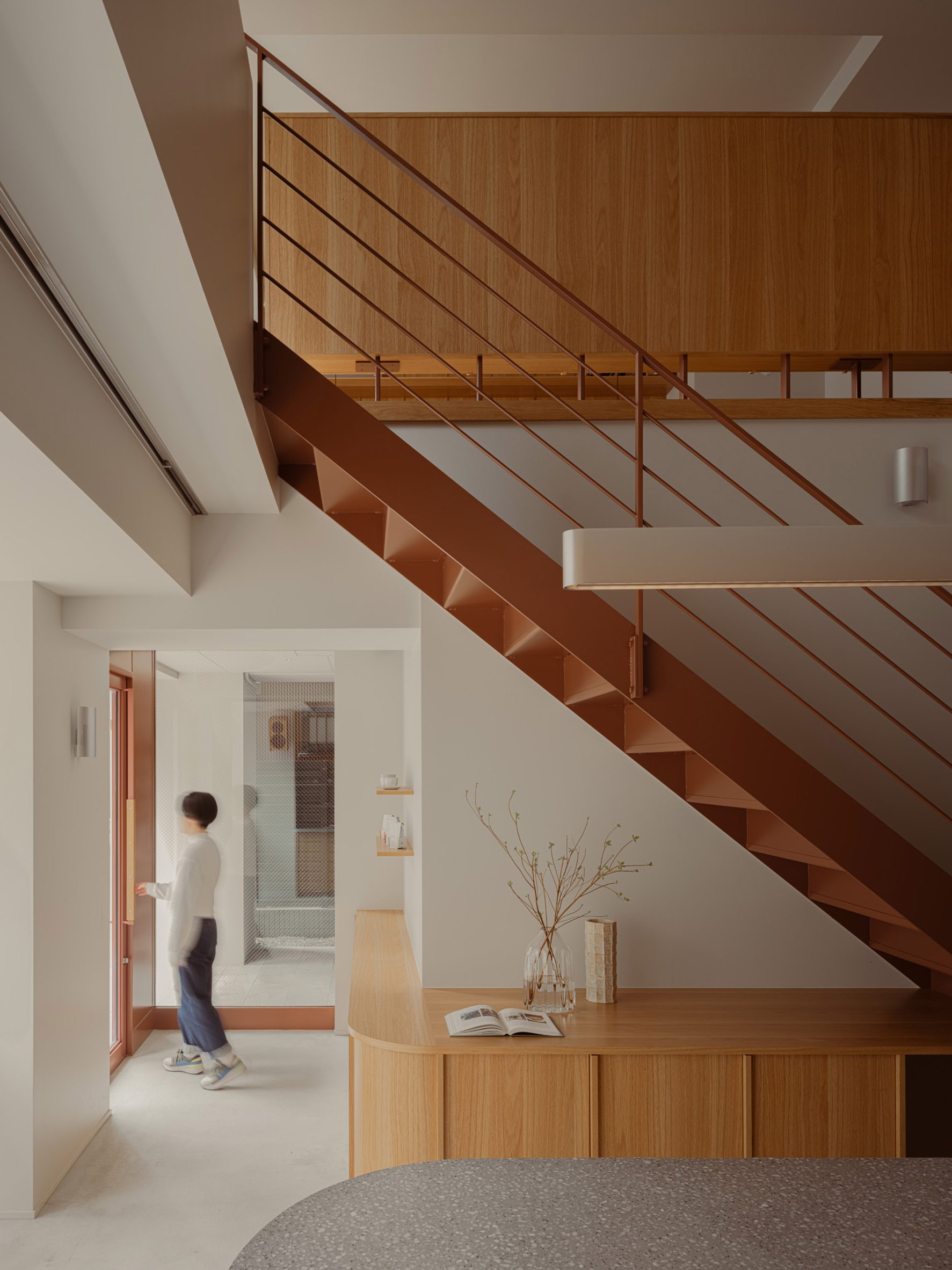
He also aimed to create a hotel that would let guests experience the everyday side of Tokyo in a way that they might in an Airbnb, while still taking advantage of the "comfort and reliability" of a hotel.
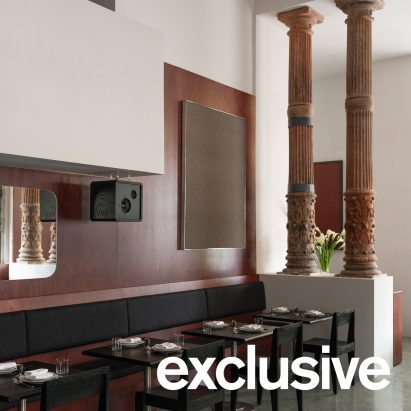
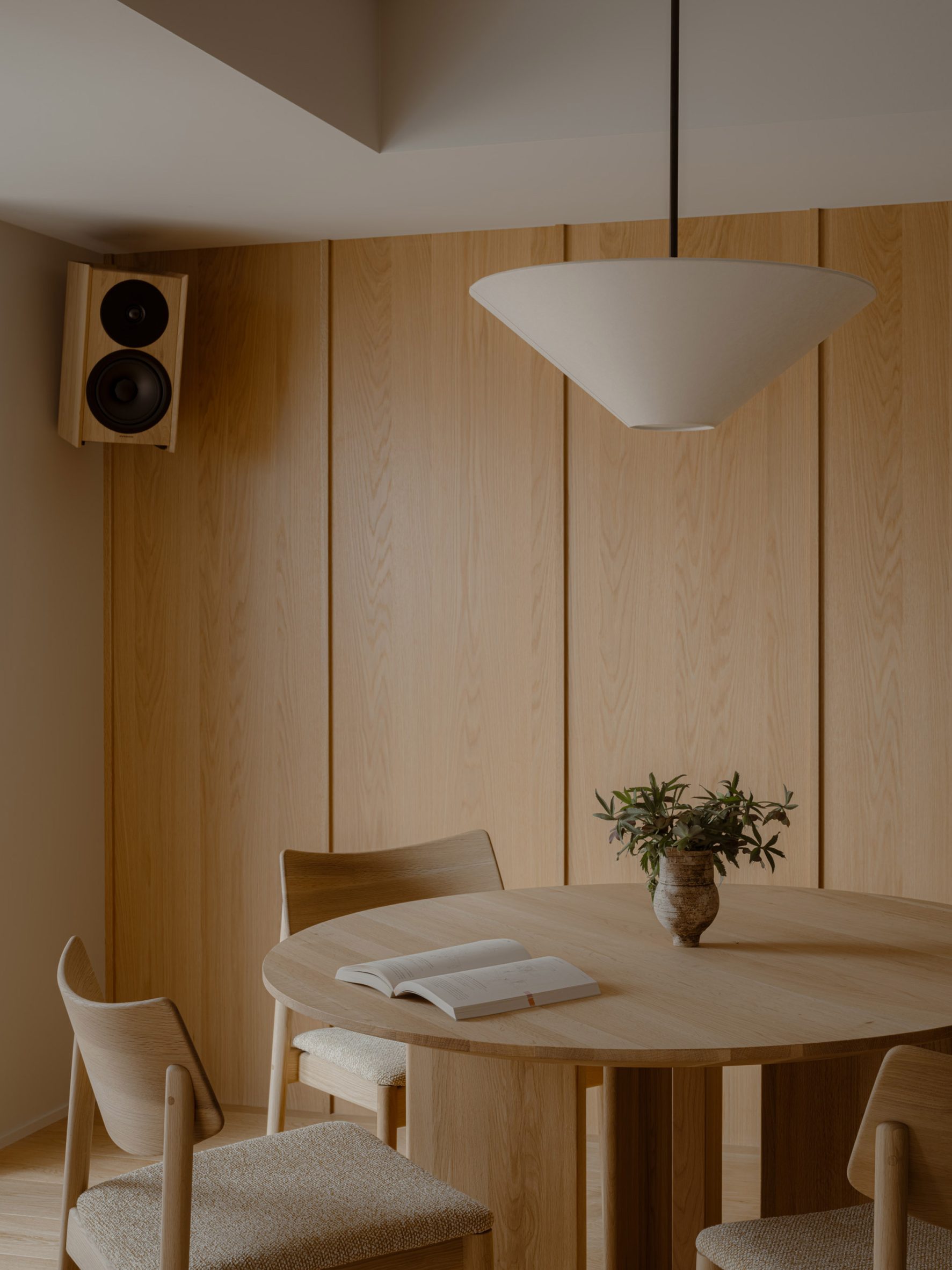
"Our aim was to create rooms that feel as if you are staying at the home of a tasteful friend in Tokyo," Ashizawa explained. "We introduced art, careful styling, and high-quality speakers through a collaboration with an audio brand."
"The location in Shintomicho was also important," he continued. "It is not a typical tourist area or entertainment district, but it is still very central in Tokyo. This combination made the concept feel very natural and meaningful."
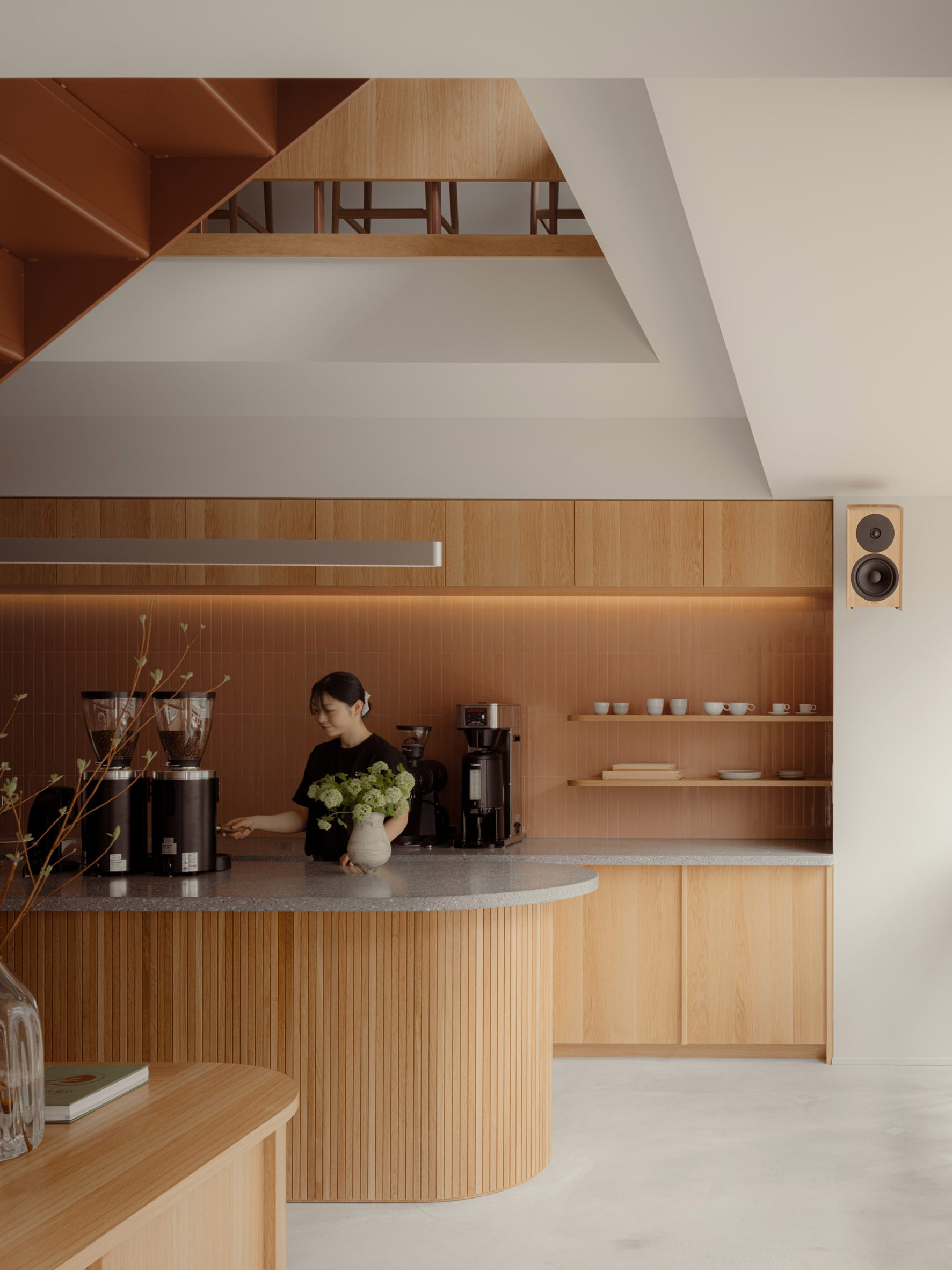
The two floors below Tomi Hotel Ginza were turned into a cafe for Dotcom coffee, which also helps to connect the hotel to the surrounding area as it is open to everyone.
Ashizawa has previous experience with the concept – he also designed a cafe for the same company in the building where he has his studio.
"Hotel lobbies can often feel closed and isolated," he said. "Since the hotel is located in a neighbourhood that is quietly developing, we felt it was important to have a public space on the ground floor that could open the building to the city."
"Having a small hotel with a cafe on the ground floor may sound like a simple idea, but the fact that it was a cafe we knew well was a key reason for the success of the project."
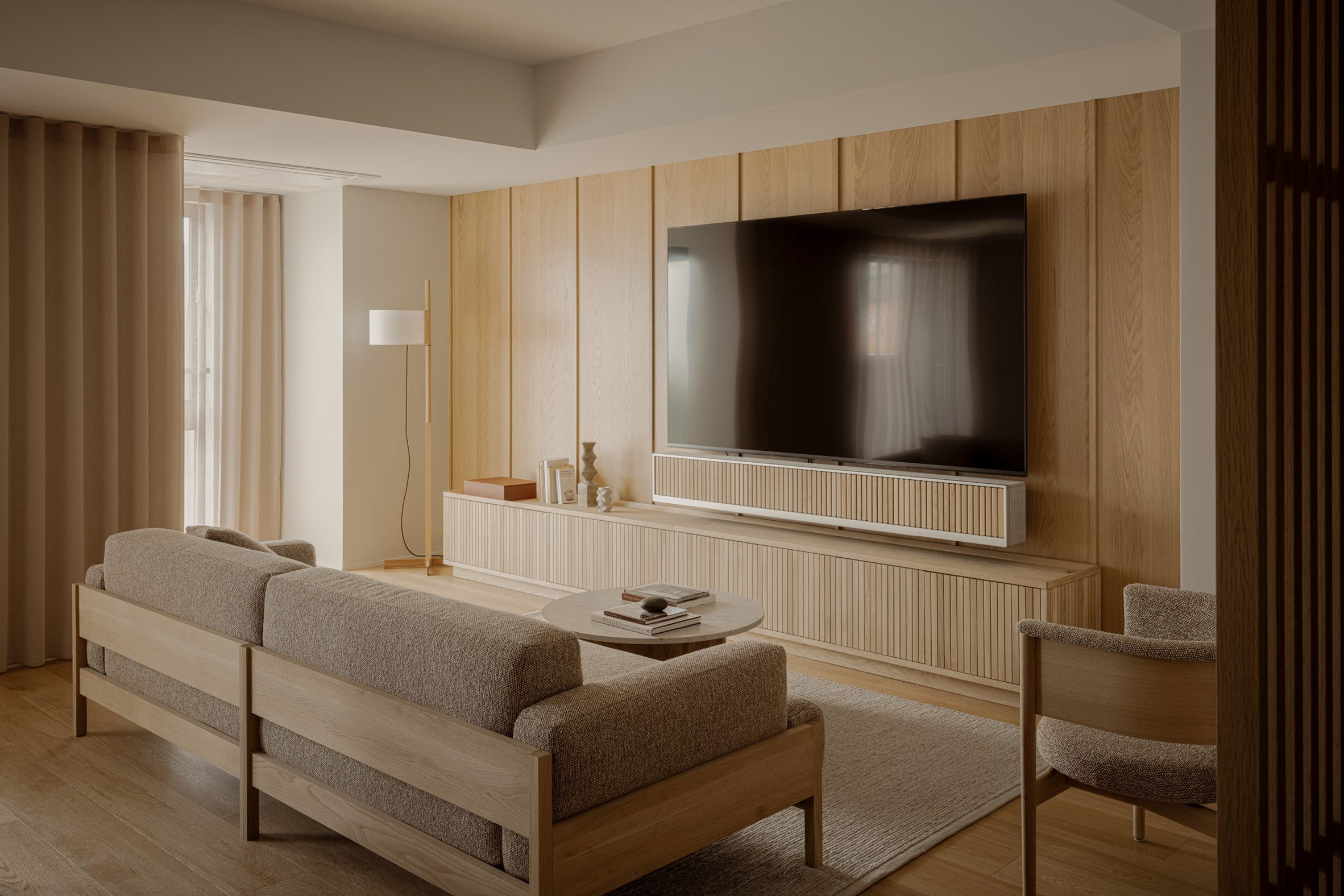
In the hotel itself, the architect chose oak wood as the dominant material, using it to clad the walls, cover the floors and create furniture.
"Oak has warmth, strength, and a beautiful quality that develops over time," Ashizawa explained.
"In Japan, different types of wood are sometimes mixed within one space," he continued. "This can work well when there is a high level of skill and control, but in a simple space like this, we felt it was better to keep the material palette unified."
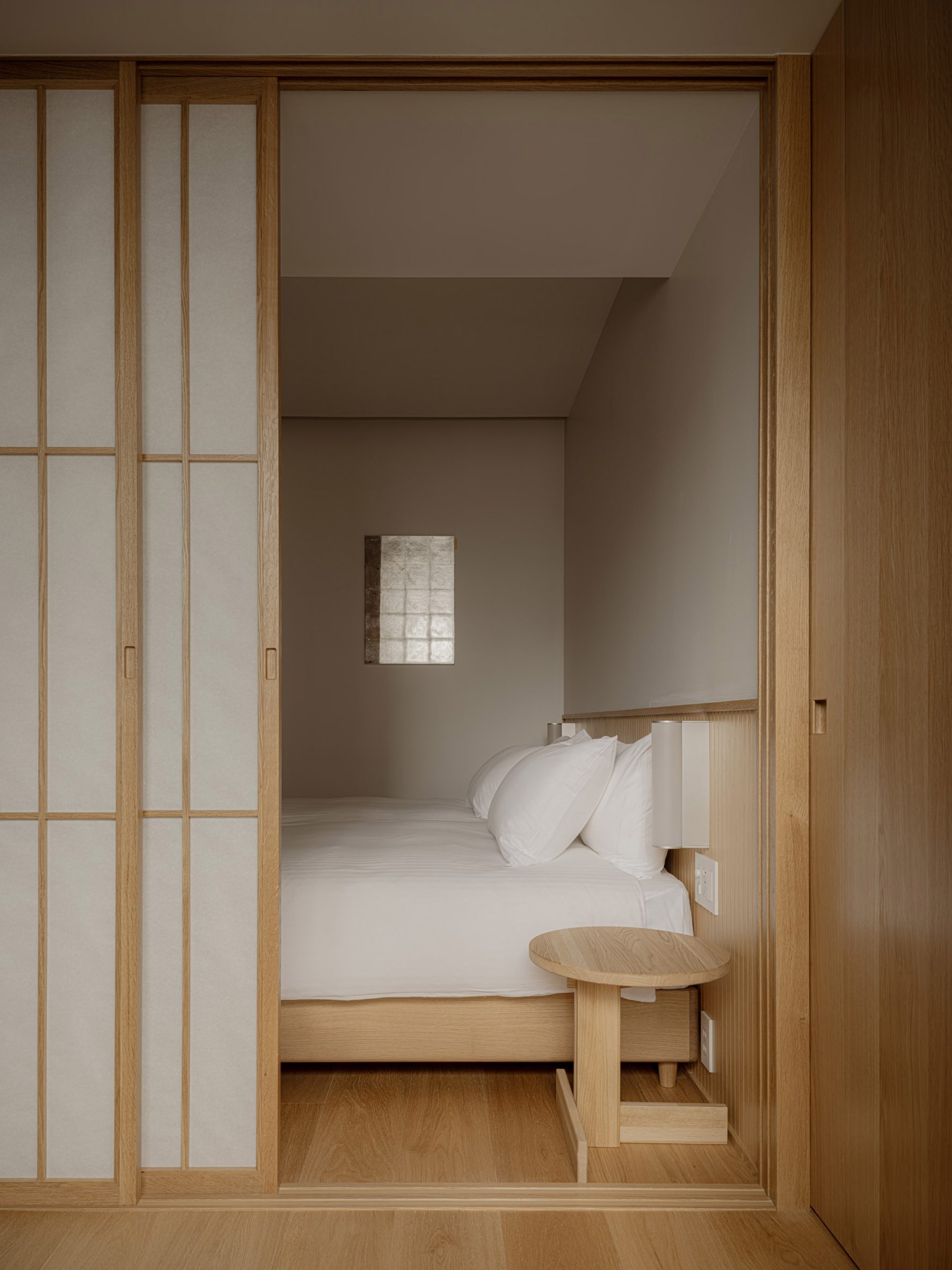
In some of the bedrooms at Tomi Hotel Ginza, Japanese shoji screens add privacy and help control the light to create a calm atmosphere.
"For us, shoji is not only a way to express 'Japaneseness', it is a light and delicate architectural element that allows us to bring soft light into the space," Ashizawa said.
"In this project, some of the openings are located beyond the corridor, so shoji was also a practical solution for controlling light, privacy, and the relationship between spaces."
The screens, which are made from oak-lattice frames and washi paper, are also a rational choice for Japanese interiors, according to Ashizawa.
"It is a construction method that craftspeople are very familiar with, which means the cost can be reasonable, and it is also easy to repair," he said.
"In that sense, I believe shoji should be used more often in contemporary Japanese architecture and interiors. It is not simply traditional; it is still very useful today."
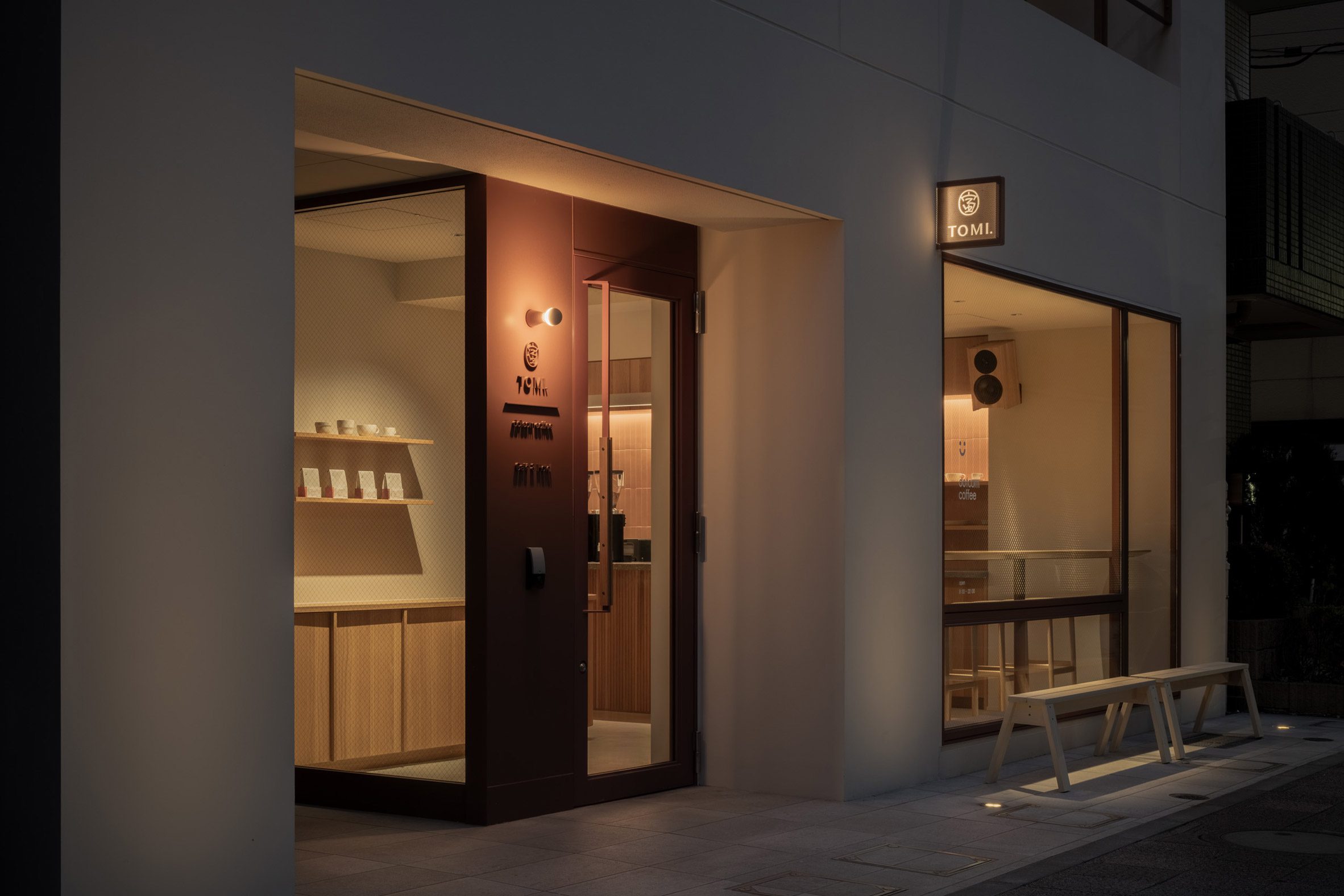
Keiji Ashizawa Design worked with design studio 6D on the brand identity for the hotel, which ended up playing a role in the interior design, informing the design of the lamps used in the hotel.
"6D is a rare team that can think about graphics for architecture together with architects," Ashizawa said. "When they first proposed the use of perforated metal, we felt that it should not only be used for signage, but also for lighting."
Ashizawa used primarily furniture designed by his studio for brands including Karimoku and Ariake for the interior, customising some of it to better suit the space.
Other Tokyo hotels recently featured on Dezeen include SOIL Nihonbashi, which has an undulating facade clad in donated plants, and the skyscraper hotel Fairmont Tokyo.
The photography is by Tomooki Kengaku.
Project credits:
Architect: Keiji Ashizawa Design
Project architect: Keiji Ashizawa, Kanae Muramatsu, Ryota Maruyama
Construction: Lifone, Boushakeikakukoubou Inc
Furniture: Karimoku Case, Ishinomaki Laboratory, Ariake
Branding: Keiji Ashizawa Design, 6D-K
Lighting plan: Aurora Inc, Yoshiki Ichikawa
Tile: Alternative Artefacts Danto
The post Eight-room Tokyo hotel designed to feel like staying "at the home of a tasteful friend" appeared first on Dezeen.