



























Five everyday products that are leading the self-repair revolution

As countries drag their heels on adopting right to repair legislation, designers are forging ahead and reimagining some of our most used products – from sofas to whole electric cars – so they can be fixed by anyone.
The European Union currently has some of the most stringent rules recognising customers' right to repair, meaning their legal right to access spare parts, tools and information or independent repair services to fix their products, instead of being forced to replace them.
But even here, the law only covers certain product categories like white goods, smartphones, TVs and tablets.
In the absence of more stringent regulation, pioneering designers and brands are taking matters into their own hands.
Together, they're redesigning essential everyday items for easy DIY repair, ultimately extending their lifespan, cutting out waste and moving us one step closer to a circular economy.

Kibu headphones by Morrama and Batch.Works
These Dezeen Award-winning children's headphones were designed to be assembled and repaired by the kids in the hope of teaching the next generation how products are made – and crucially, that they can be fixed.
According to the designers, the headphones were made from the smallest number of parts possible, which were 3D printed locally from recycled bioplastic and snap together without screws, glue or complex fixings.
This allows the headphones to be easily taken apart so that individual components can be repaired or replaced. Any broken parts scan be sent back to the manufacturer to be recycled and reprinted into new parts.
Spoke Sofa by Anderssen & Voll for Takt
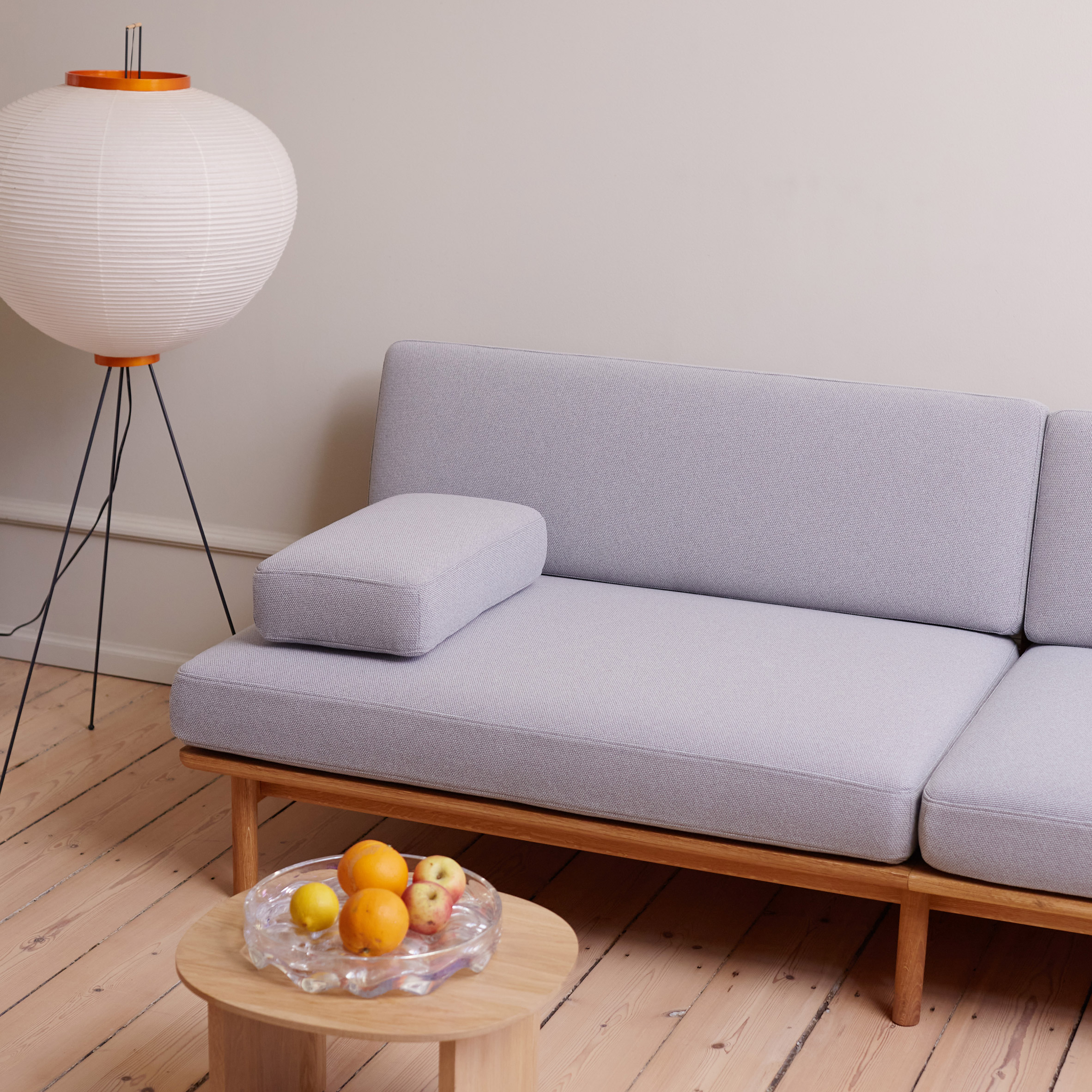
Sofas are notoriously wasteful. Not only are they held together using glue and staples that are tricky to prise apart. But their polyurethane foam upholstery is nigh on impossible to recycle.
With Spoke, Danish furniture brand Takt hoped to offer a vision of how things could be done differently. The couch is explicitly "designed for repair" and uses only mechanical joints that are left exposed so they can be taken apart. This was coupled with removable upholstery made from recycled polyester.
Users can order replacement parts from the company's website and repair the sofa at home using simple tools. According to Takt, this helps to extend the lifespan of the sofa "indefinitely".
Find out more about the Spoke Sofa ›

Repairable Flatpack Toast by Kasey Hou
Small appliances like toasters, kettles and coffee machines are currently excluded from the Right to Repair regulations in the EU.
But University of Edinburgh graduate Kasey Hou has envisioned a toaster that's both fixable and flat-packed for self-assembly, which comes complete with IKEA-style instructions.
"If the user can assemble the toaster from scratch, then they will feel more comfortable and confident to repair it because they are familiar with the structure of the toaster and how it works," she told Dezeen.
Find out more about the Repairable Flatpack Toaster ›

ARIA concept car by TU/ecomotive
Anyone should be able to fix the ARIA concept car using only its built-in toolbox, an instruction manual and a diagnostics app that provides detailed information about the car's status.
Designed by the TU/ecomotive research group from the Eindhoven University of Technology, the prototype electric vehicle is constructed using standardised components that were designed to be easily repaired or replaced without specialist knowledge.
"We want to show the automotive industry that sustainable and practical design really is achievable," said TU/ecomotive team leader Taco Olmer. "If we can build this within a year, there are opportunities for the industry."
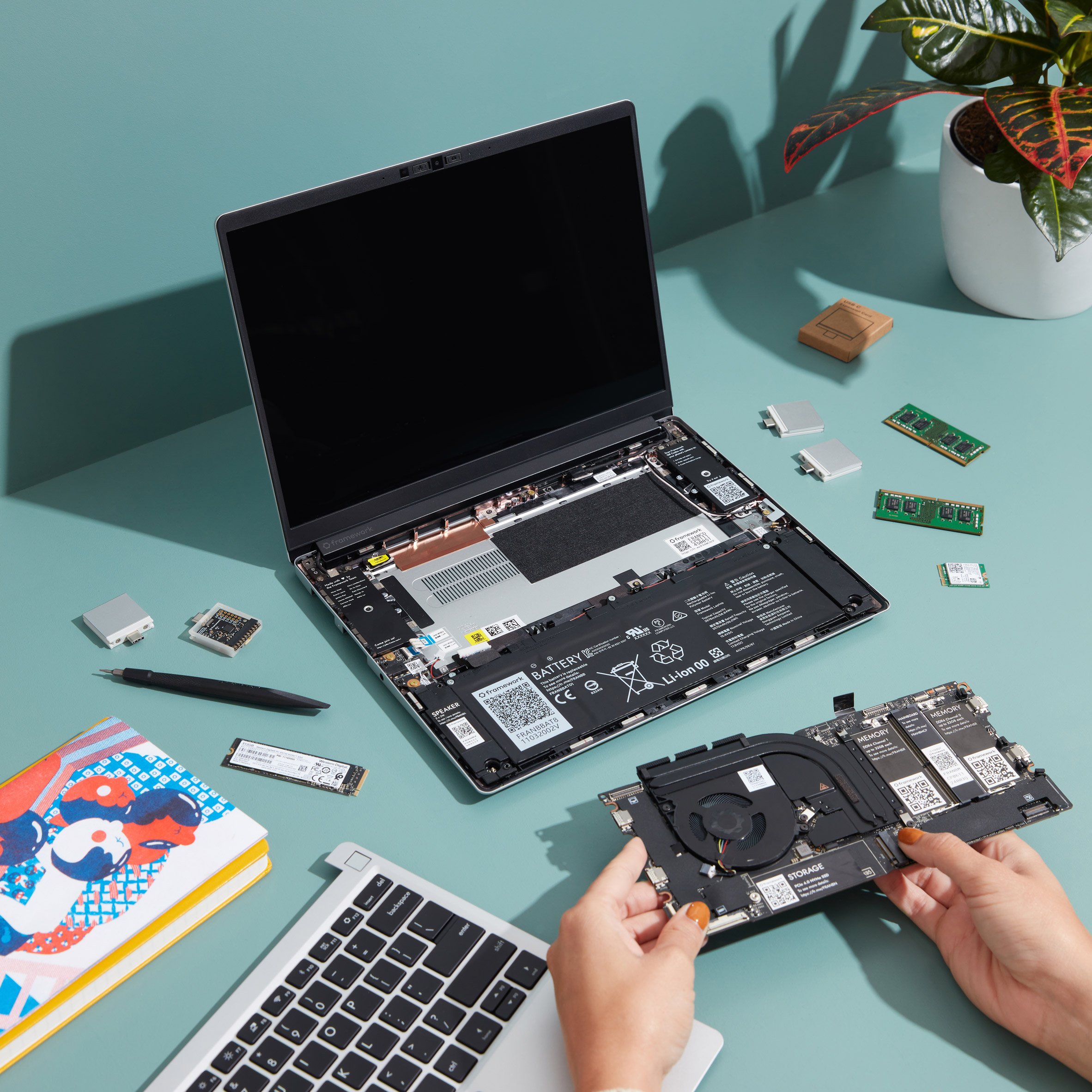
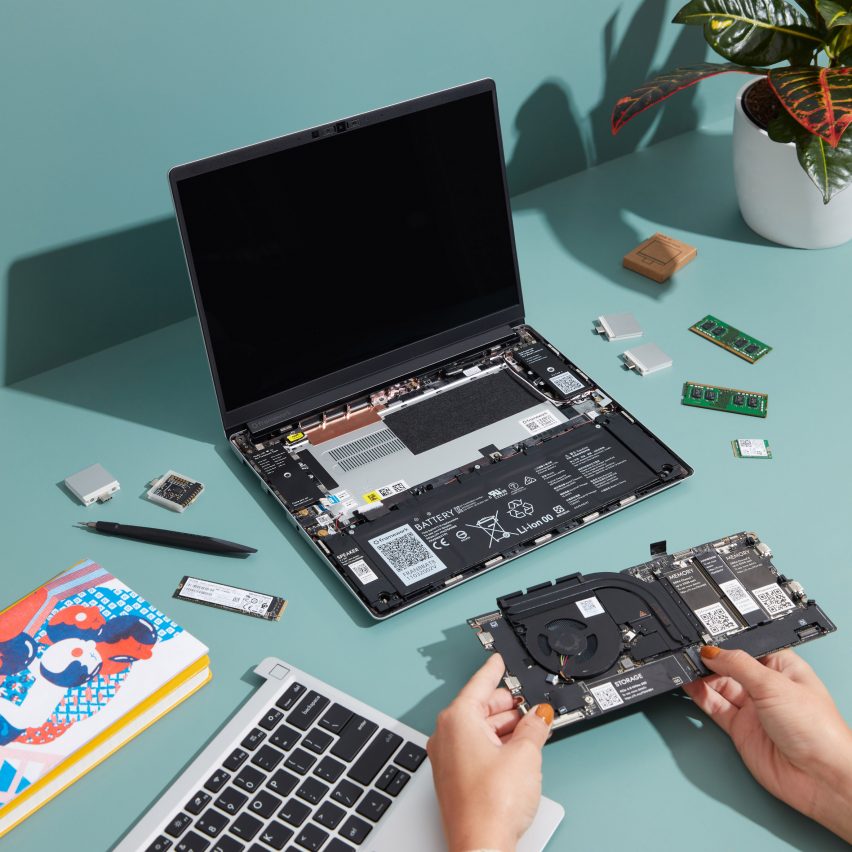
This modular laptop from San Francisco start-up Framework comes in two versions – a preassembled one and a DIY model that customers can assemble themselves.
Both come complete with screwdriver and spudger so they can be easily customised, upgraded and repaired.
Loosening five small screws on the underside of the laptop allows the keyboard to be removed to reveal the device's insides. Here each component is emblazoned with a QR code linking to step-by-step instructions for repair or replacement.
Find out more about Framework ›
The post Five everyday products that are leading the self-repair revolution appeared first on Dezeen.