







Cold Calculations: 6 Times Architects Built at the Ends of the Earth
Architects: Want to have your project featured? Showcase your work by uploading projects to Architizer and sign up for our inspirational newsletters.
Upon first glance, frozen terrains do not seem very enticing for construction. The inhospitable landscape, the area’s remoteness, as well as the challenging weather conditions, make it extremely difficult to design for long-term inhabitation. However, there are certain architectural typologies that not only endure but actually thrive in such contexts. Arctic observatories and viewpoints, along with data and research centers, are buildings framed as instruments of science and innovation, while often acting as long-term infrastructural claims within a cold terrain.
Albeit frequently presented as neutral or purely scientific endeavors, these structures are also great strategic political assets for those who establish them. This dual role becomes evident in examples where scientific function is deliberately intertwined with strategic geographical positioning. Below are six projects that showcase impressive research infrastructures that prosper amidst arctic landscapes, acting as observation stations, pushing research forward, and even transforming these icy territories into “frozen assets.”
Apart from shaping political and scientific agendas, these six projects demonstrate how harsh arctic conditions can push architectural innovation forward. They showcase solutions for zero-carbon emission buildings, state-of-the-art insulation practices and even advancement in structural foundation logic.
Holt Watters Field Camp
By Colorado Building Workshop / University of Colorado Denver, Antarctica
Popular Choice Winner, Sustainable Institutional Building, 12th Architizer A+Awards
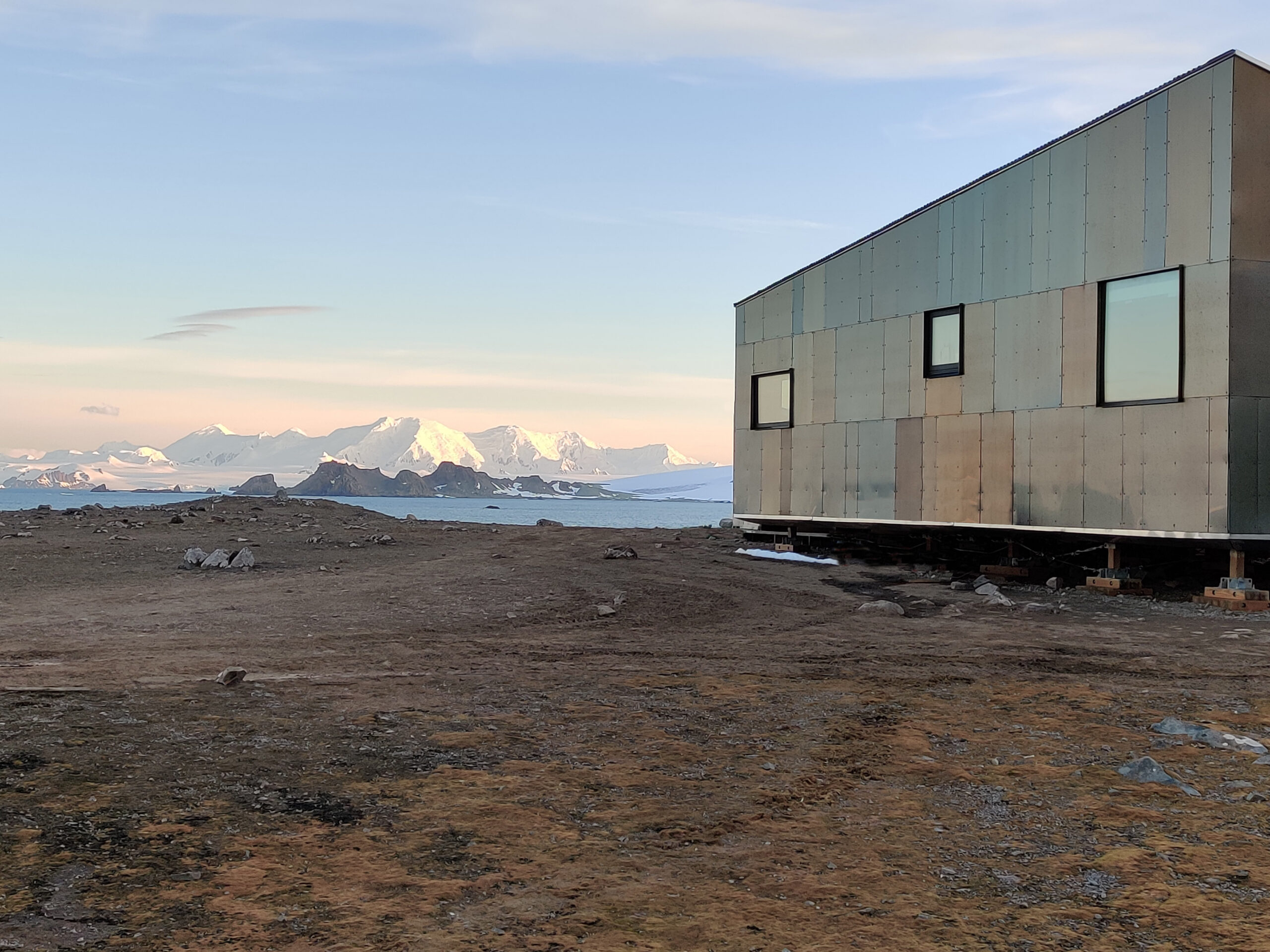
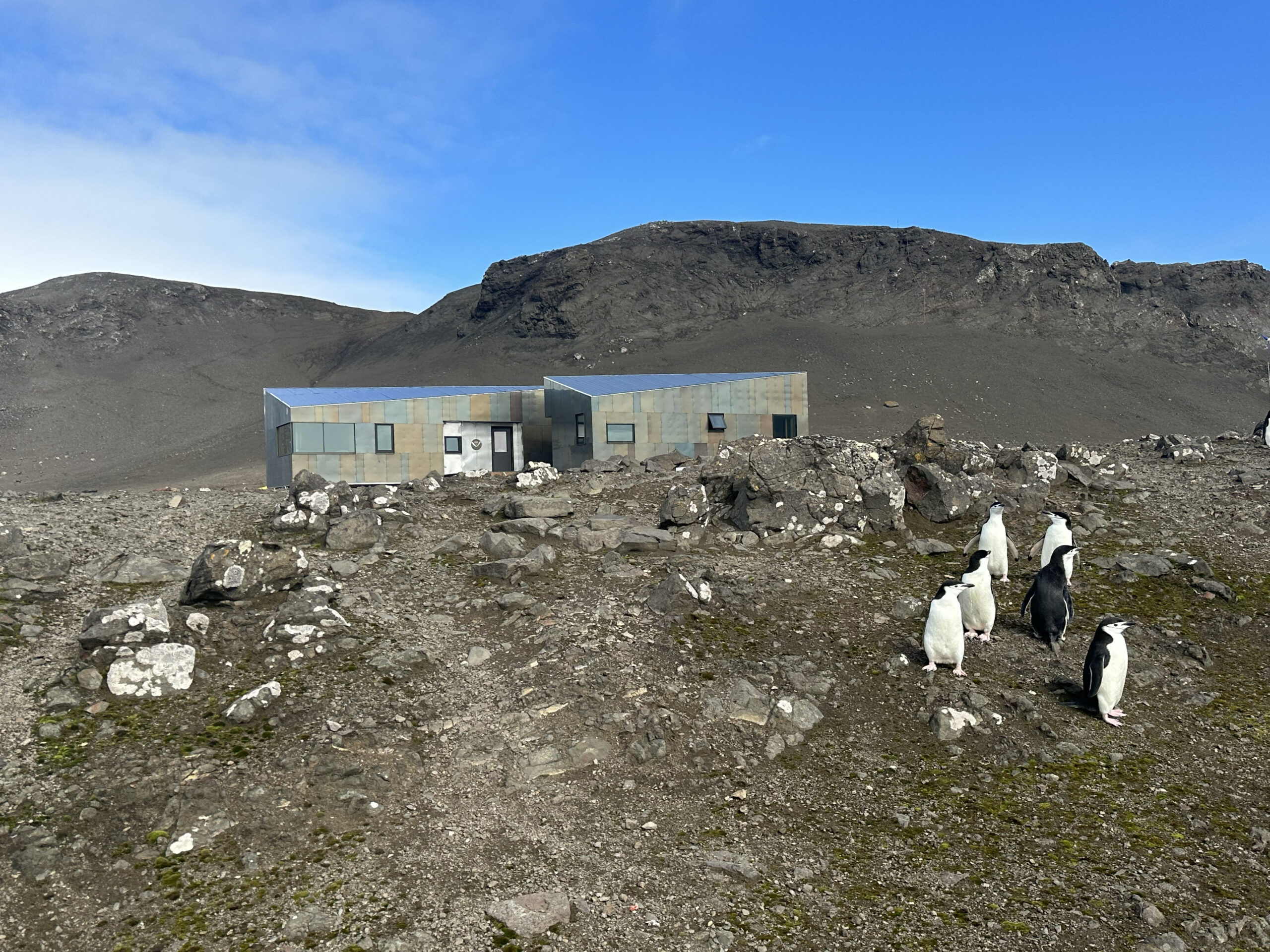 The project hosts the Antarctic Ecosystems Research Division of NOAA Fisheries that conducts research on the population dynamics, behaviour, diet, and survival of Antarctic seabirds and pinnipeds on Livingston Island. The Holt Watters Field Camp is a new research facility that replaces the previous deteriorating structure (operational for twenty years) and is comprised of three separate buildings.
The remote location necessitated prefabricated, lightweight, highly insulated and nearly maintenance-free building solutions that could be easily transported. Building elements, such as the roofs and walls, double as “weather taming” devices, where the offset gable roofs collect water and a series of thin walls act as wind fences that also keep snow from accumulating in the courtyard. Finally, the buildings are heavily insulated, clad in stainless steel and fitted with triple-panel windows.
Juan Carlos 1 Spanish Antarctic Base
By Hugh Broughton Architects, Antarctica
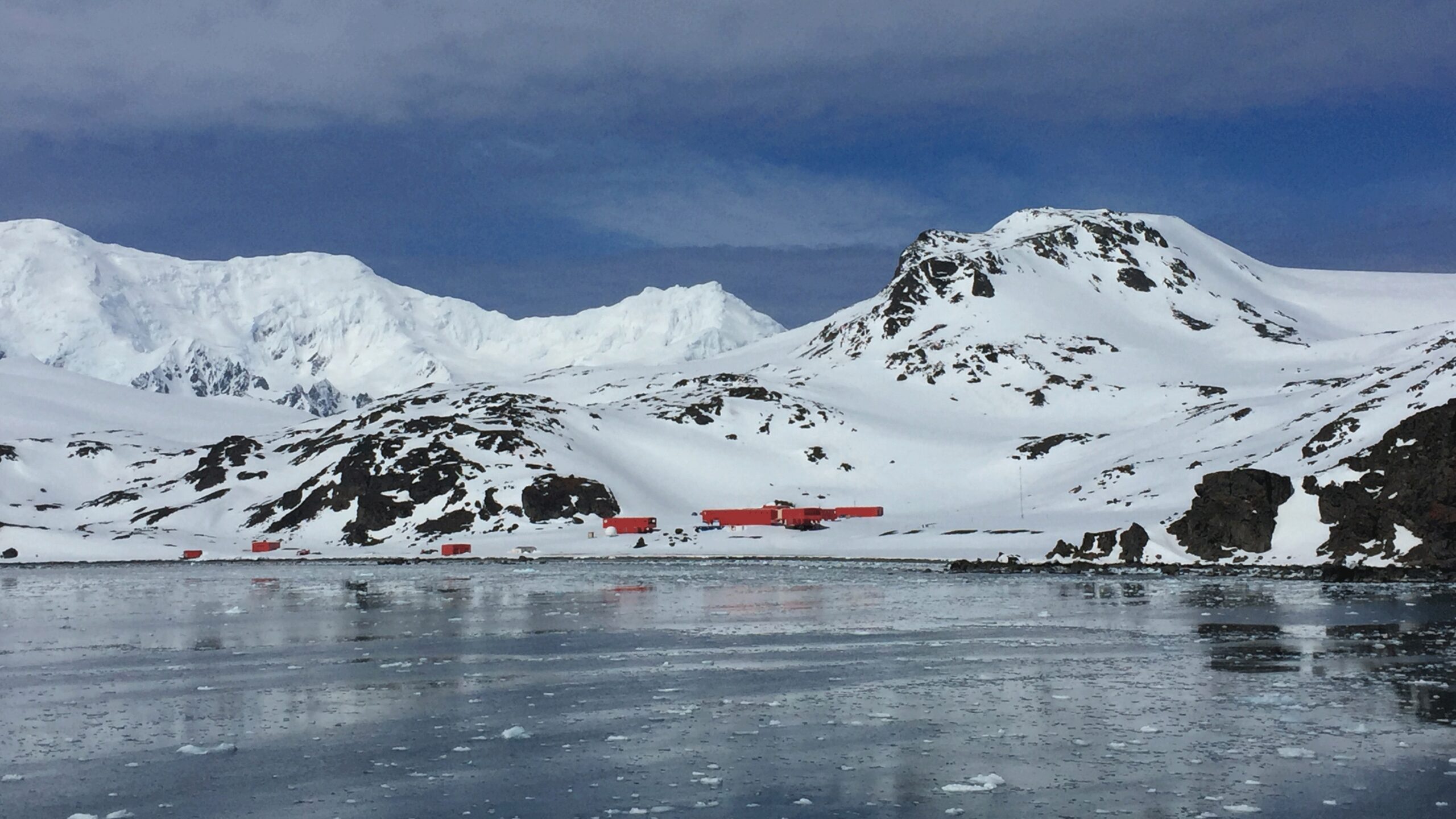
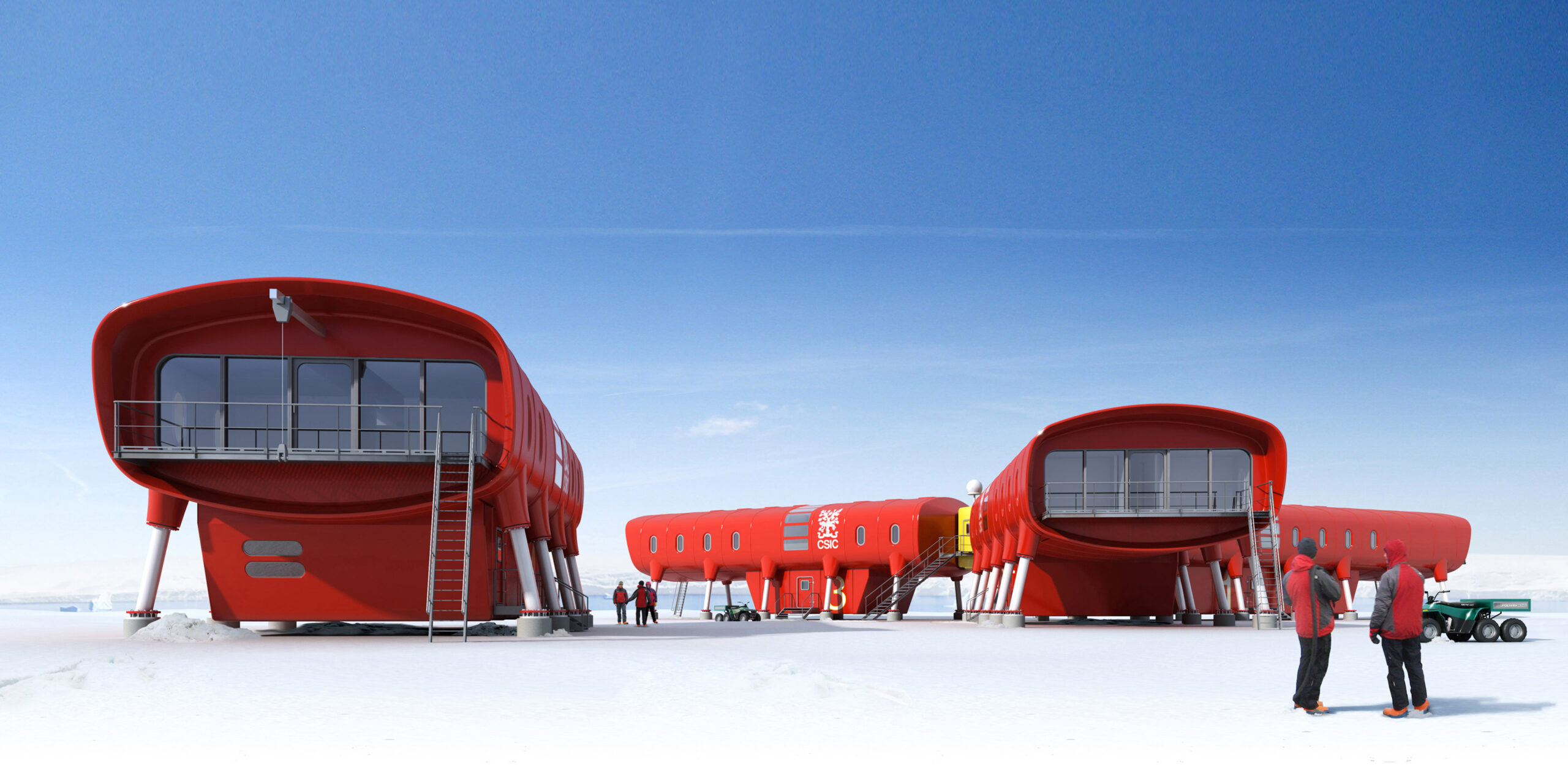 Located on Livingstone Island, the structure is comprised of a three-winged habitat module that features a research centre, a series of inhabitation areas and services, as well as ample storage spaces. The three units are positioned cyclically around a central core that encourages social interactions, while the science building sits separately for safety purposes.
Propped up on legs, in order to protect it from the rare mosses and lichens found on site, the structure is made from a durable steel frame clad with red, fibre-reinforced plastic panels. In parallel, albeit its dominant presence on site, the research centre’s orientation coordinates with the surrounding topography, with windows framing specific views towards the sea.
Icelandic Institute of Natural History
By ARKÍS Arkitektar, Gardabaer, Iceland
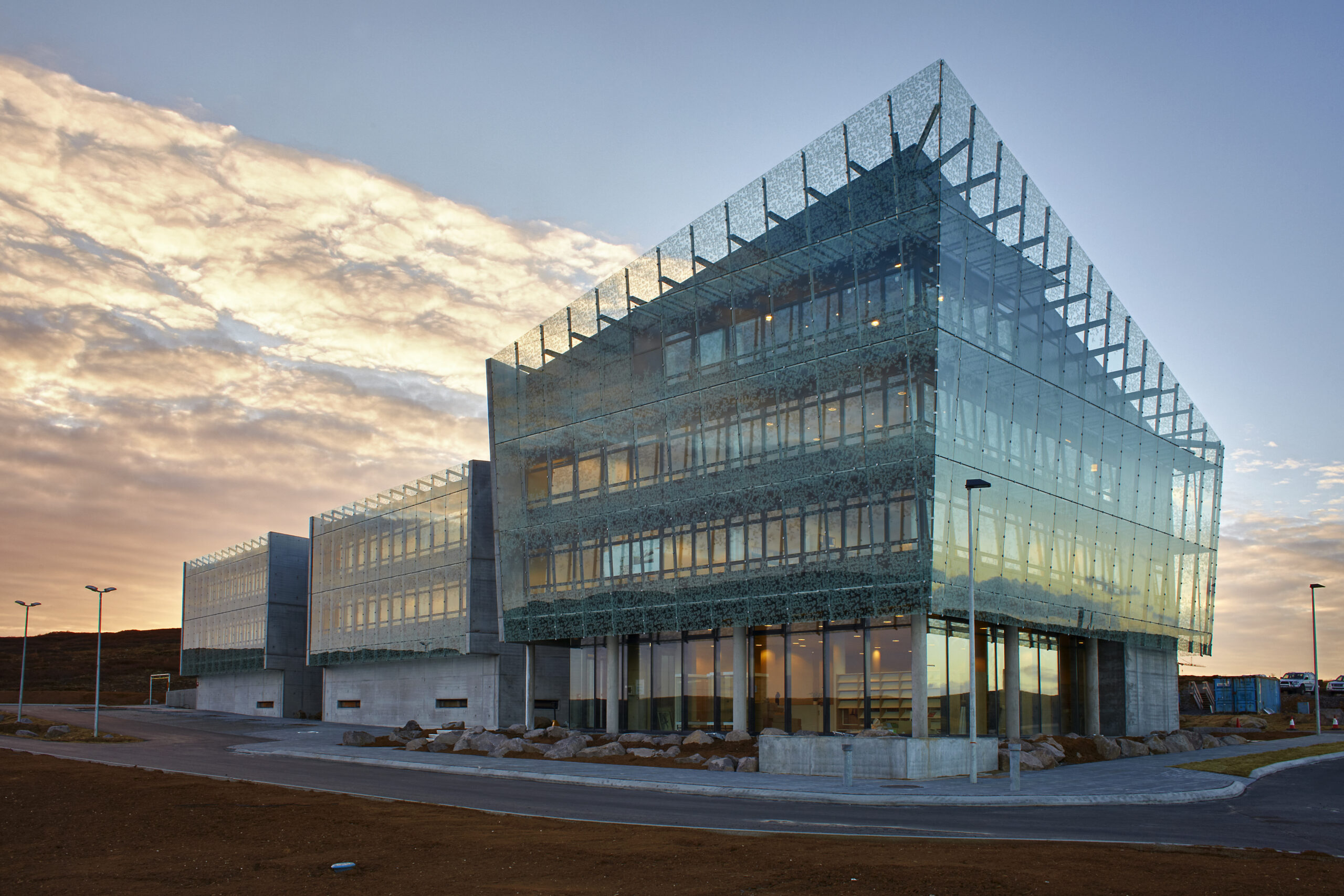
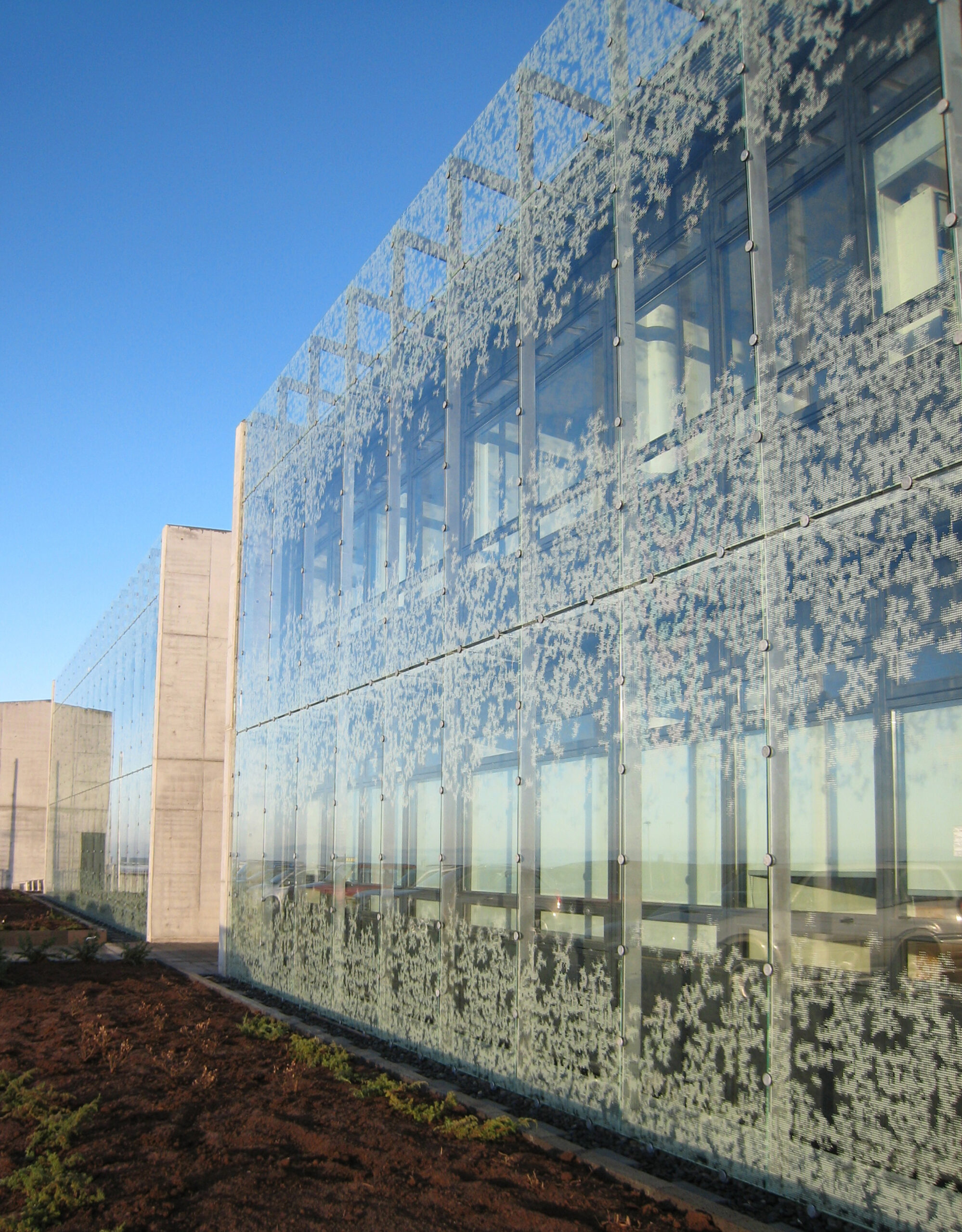 The project is a public institution, carrying out diverse research and monitoring of nature. Situated in a rather remote landscape, the centre carries out research on botany, ecology, taxonomy, geology and zoology and houses the Institute’s research specimen collections and scientific library. The building is comprised of three square volumes, all unified via a glass façade that doubles as a protective skin for the harsh climate conditions.
In parallel, vertical concrete walls provide rhythm and structure to the design, which in turn follows advanced sustainability principles. Specifically, the project incorporates surface drainage systems that have been specially designed to protect the ecology of the Urridaholtsvatn lake.
Tverrfjellhytya: Snohetta Viewpoint
By Snøhetta, Hjerkinn, Norway
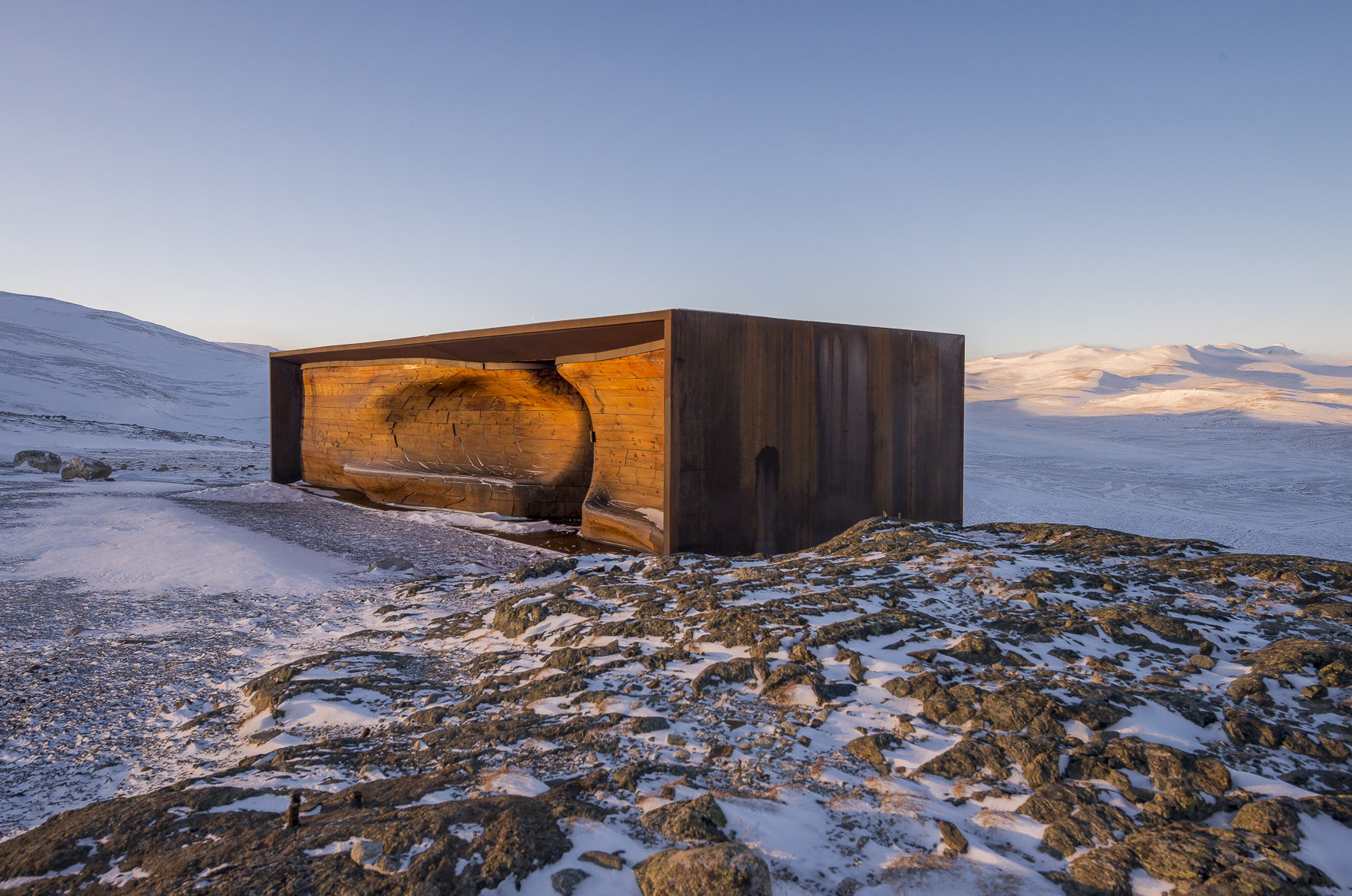
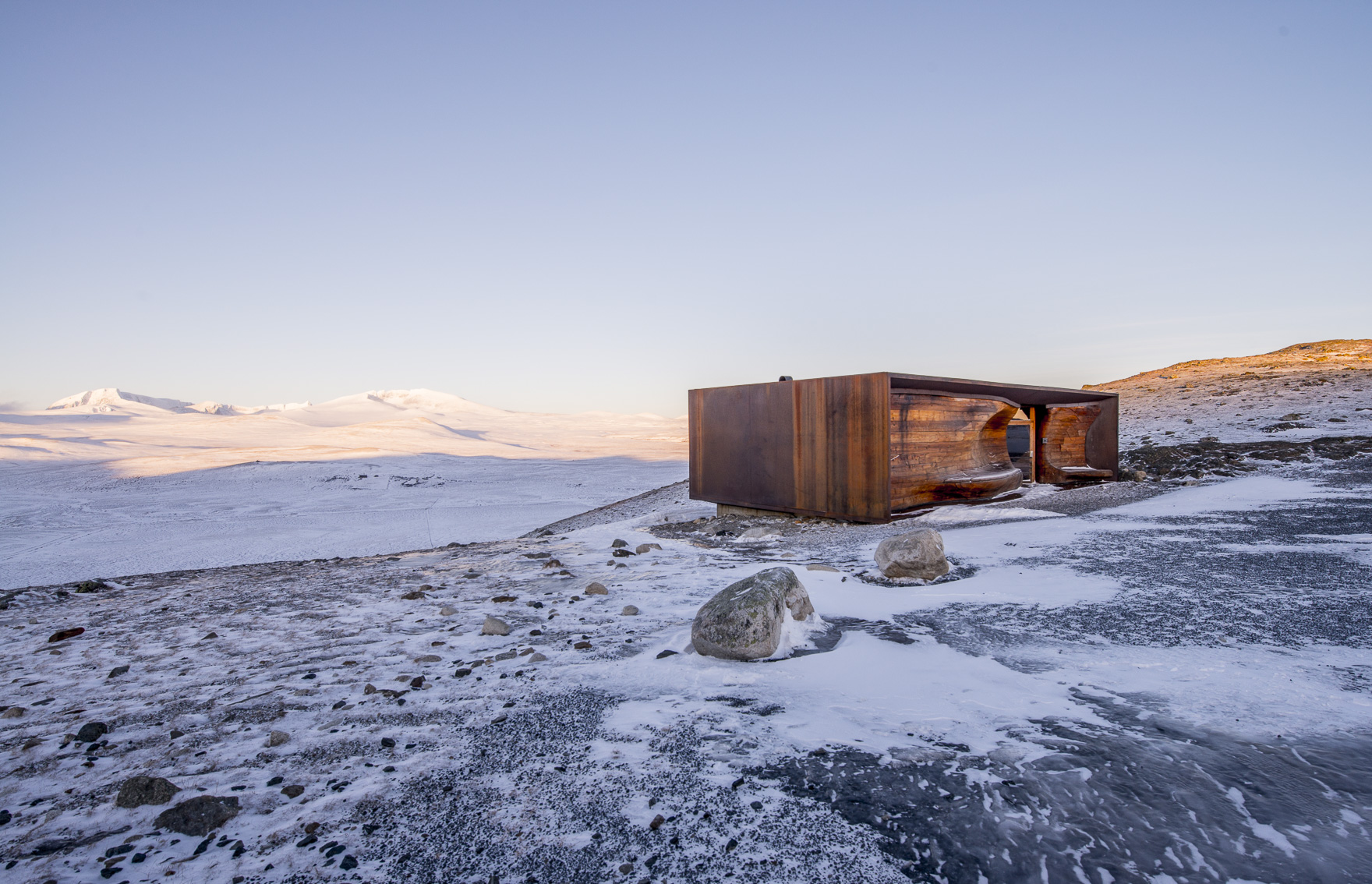
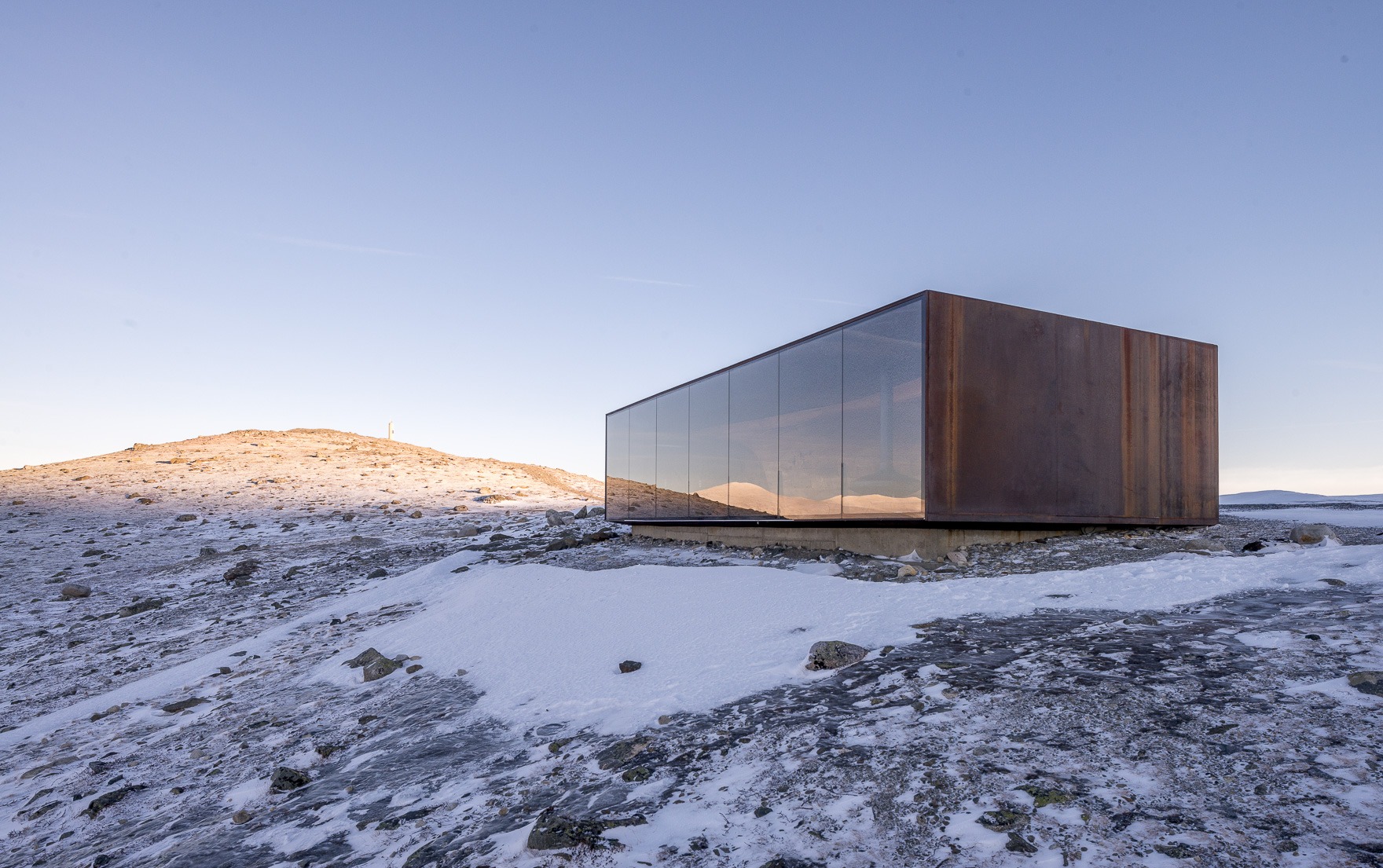 The project acts as an observation cabin, located high on the edge of a valley that is traversed by migratory wildlife, looking out towards Mt Snohetta. The structure is essentially a hollowed-out square, made of thin metal sheets on top of a concrete flat base. The side that is most concealed from the wind is open, leading the visitor to the interior of the space via two elegantly carved wooden walls that double as benches. In contrast, the opposite side is clad in glass, offering breathtaking views of the landscape.
Belgian Antarctic Base: Princess Elisabeth
By Philippe SAMYN and PARTNERS, architects & engineers, Antarctica
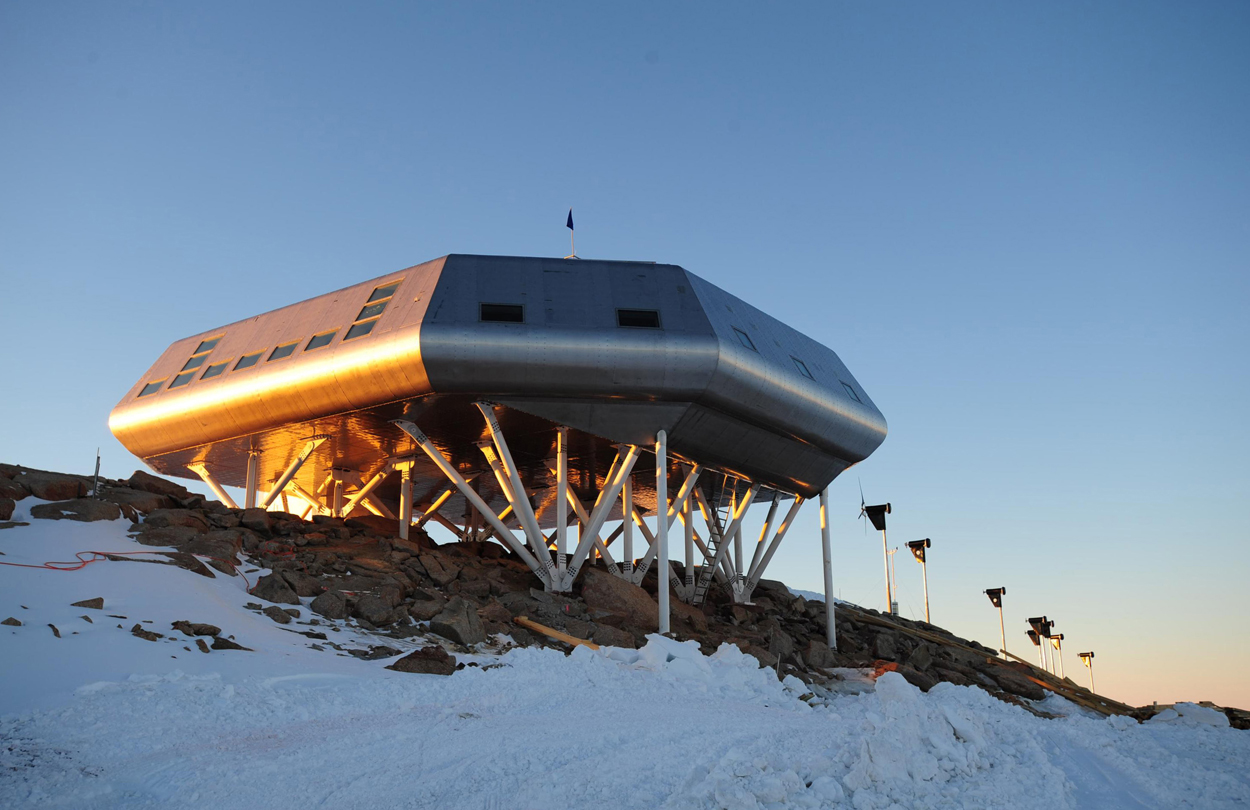
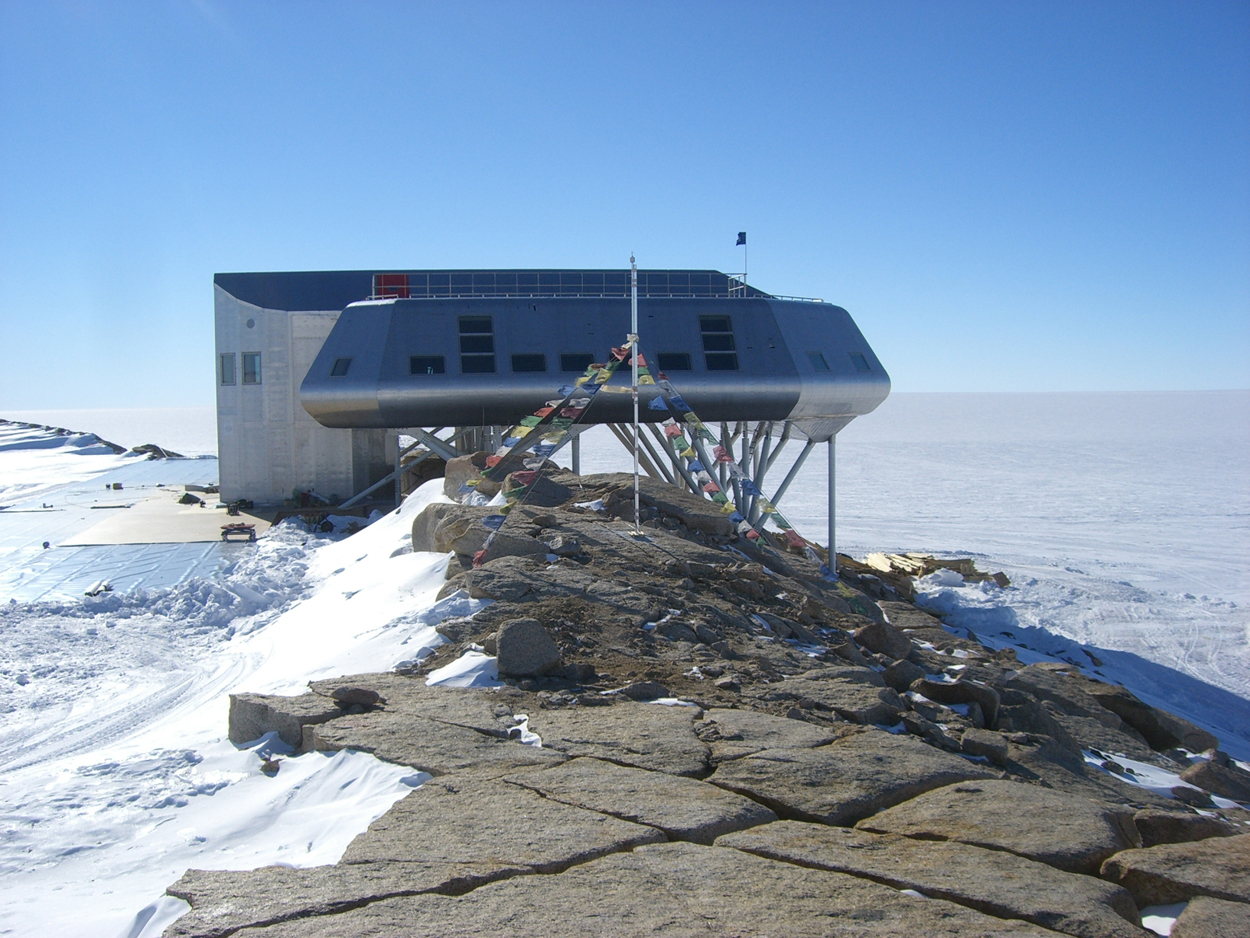 The research station was funded by the Belgian Federal government and is the world’s first “zero emission” polar station, standing on top of a granite ridge, north of the Utsteinen Nunatak in the Sør Rondane Mountains. Situated on a site with extreme weather conditions, the design adopted a very structurally sound and sustainable approach. Specifically, it integrated renewable energy sources running entirely on wind and solar power. Additionally, the building was built upon a sub-structure made from steel trestles that can expand and contract independently to match the shifting ground. Additionally, the structure’s skin is comprised of a series of layers made from wool felt, wood, polystyrene blocks, and thick stainless steel plates for maximum insulation.
Halley VI Antarctic Research Station
By Hugh Broughton Architects and AECOM, Antarctica
Jury Vote and Popular Choice Winner, Higher Education Institutes & Research Facilities, 2nd Architizer A+Awards
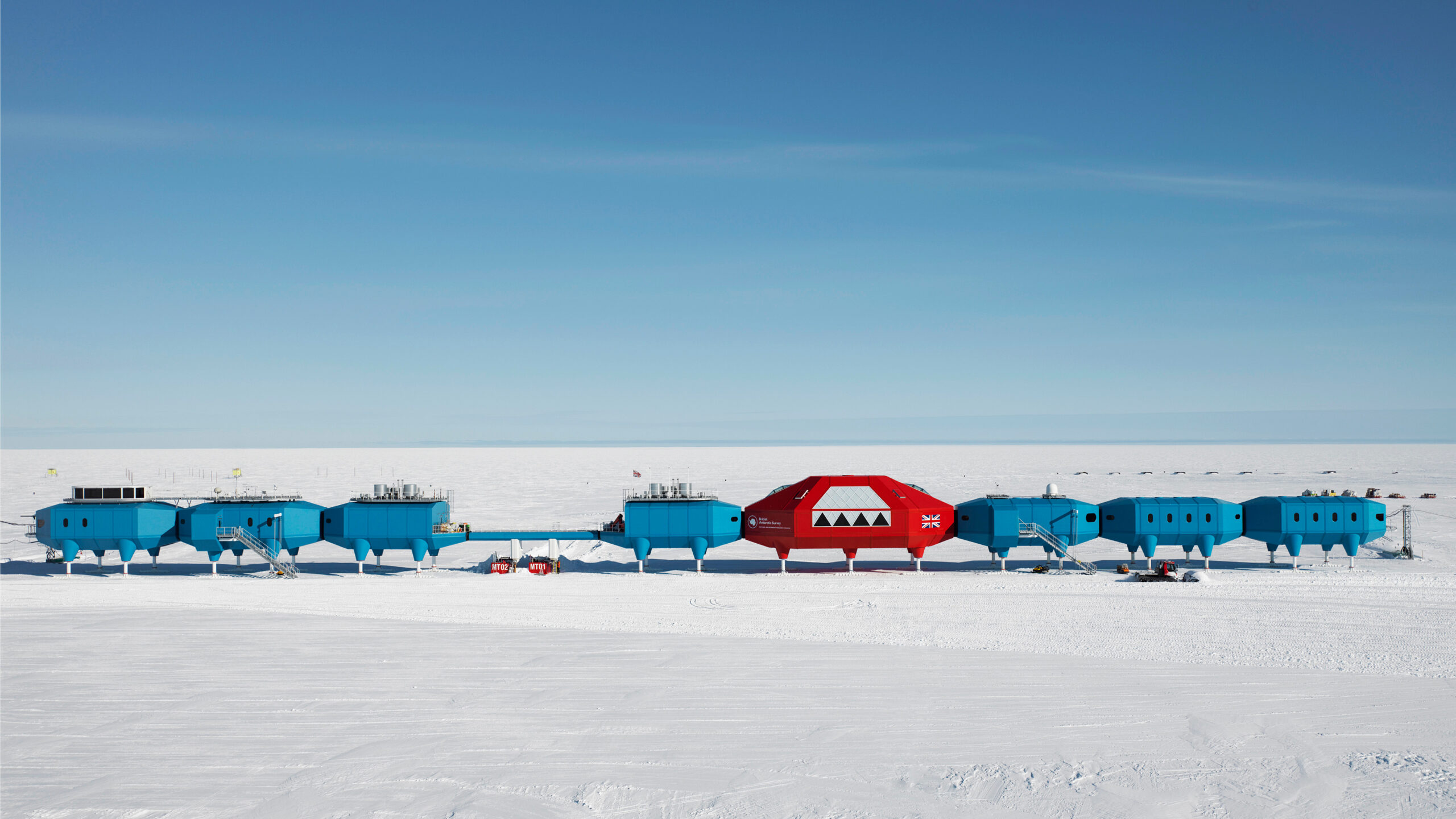
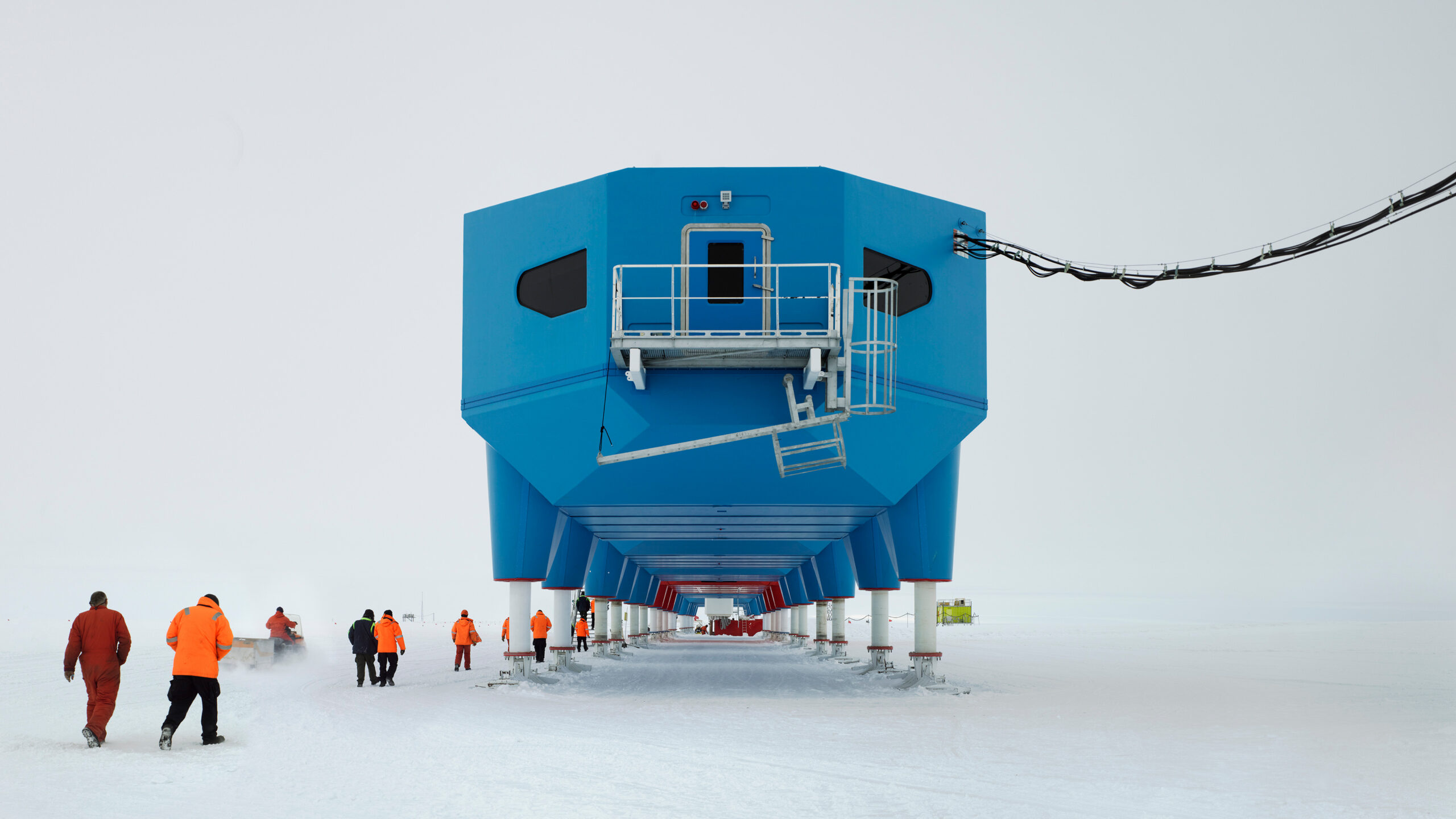 Halley is the UK’s most southerly Antarctic research station, located on a wind-swept, freezing, floating ice shelf. The station is a temporary structure, whose modules are supported on giant steel skis and hydraulically driven legs that allow the station to mechanically “climb” up out of the rising snow, as well as allow the modules to be towed inland in the case of the ice fracturing.
The building is comprised of highly insulated steel-framed GRP-clad components, used for laboratories, operational areas, bedrooms and energy centres, with the red one acting as the centre’s social hub. Ultimately, Halley VI is a great example of impermanent architecture made to survive in constantly shifting, harsh environmental conditions.
Architects: Want to have your project featured? Showcase your work by uploading projects to Architizer and sign up for our inspirational newsletters.
Featured Image: Tverrfjellhytya: Snohetta Viewpoint by Snøhetta, Hjerkinn, Norway
The post Cold Calculations: 6 Times Architects Built at the Ends of the Earth appeared first on Journal.