

















Emeco sues Zara Home over chairs designed by Norman Foster
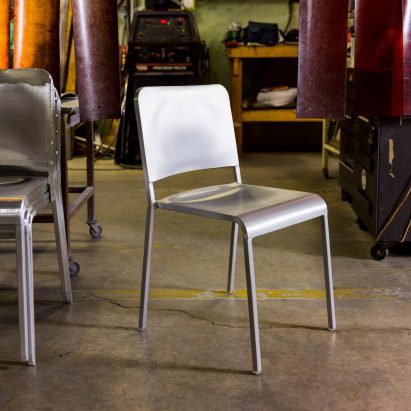
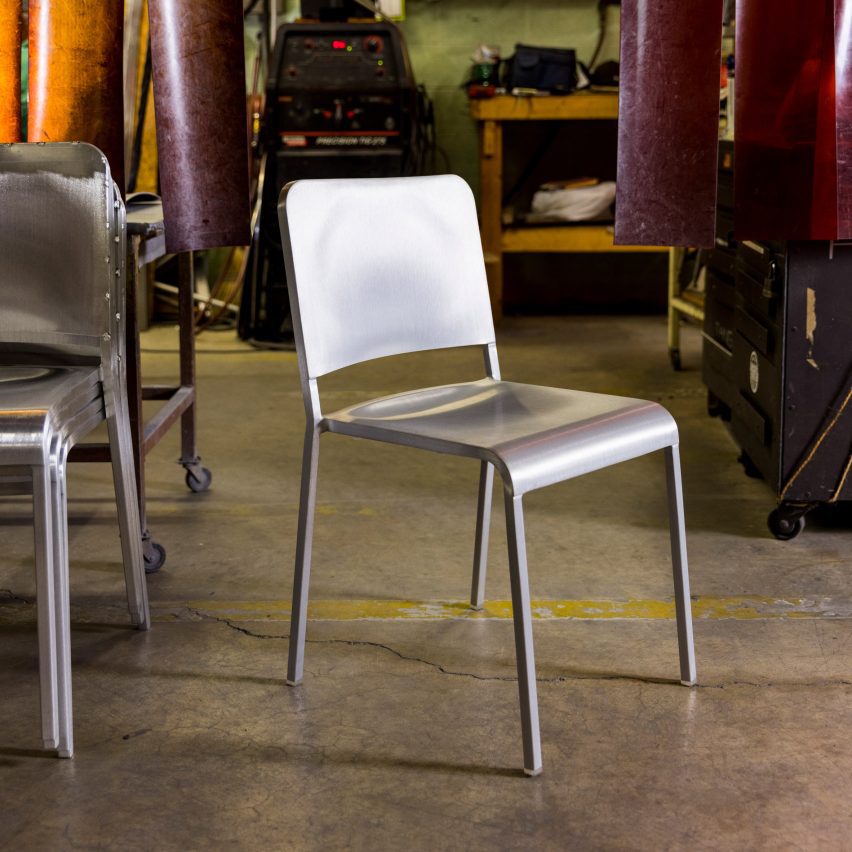
US furniture brand Emeco has begun legal action against Zara Home for allegedly copying a chair and a stool designed for the brand by architect Norman Foster.
Emeco filed the lawsuit in the Hamburg District Court, Germany, earlier this year, alleging that Spanish brand Zara Home had "unlawfully copied the appearance and protected design language" of pieces in its 20-06 collection.
The furniture brand alleges that Zara Home's Stainless Steel Structure Chair and Stainless Steel Bar Stool infringe on the design of its 20-06 Chair and 20-06 Stool.
"We are committed to protecting original design and the integrity of the creative and manufacturing process," said Emeco chairman Gregg Buchbinder.
Dezeen has contacted Zara regarding the accusation, but the brand declined to comment.
Lawsuit seeks production halt and damages
Released in 2006, the Emeco pieces were designed by Foster + Partners founder Foster as a modern version of the brand's 1006 Navy Chair, which was developed in 1944 for the United States Navy.
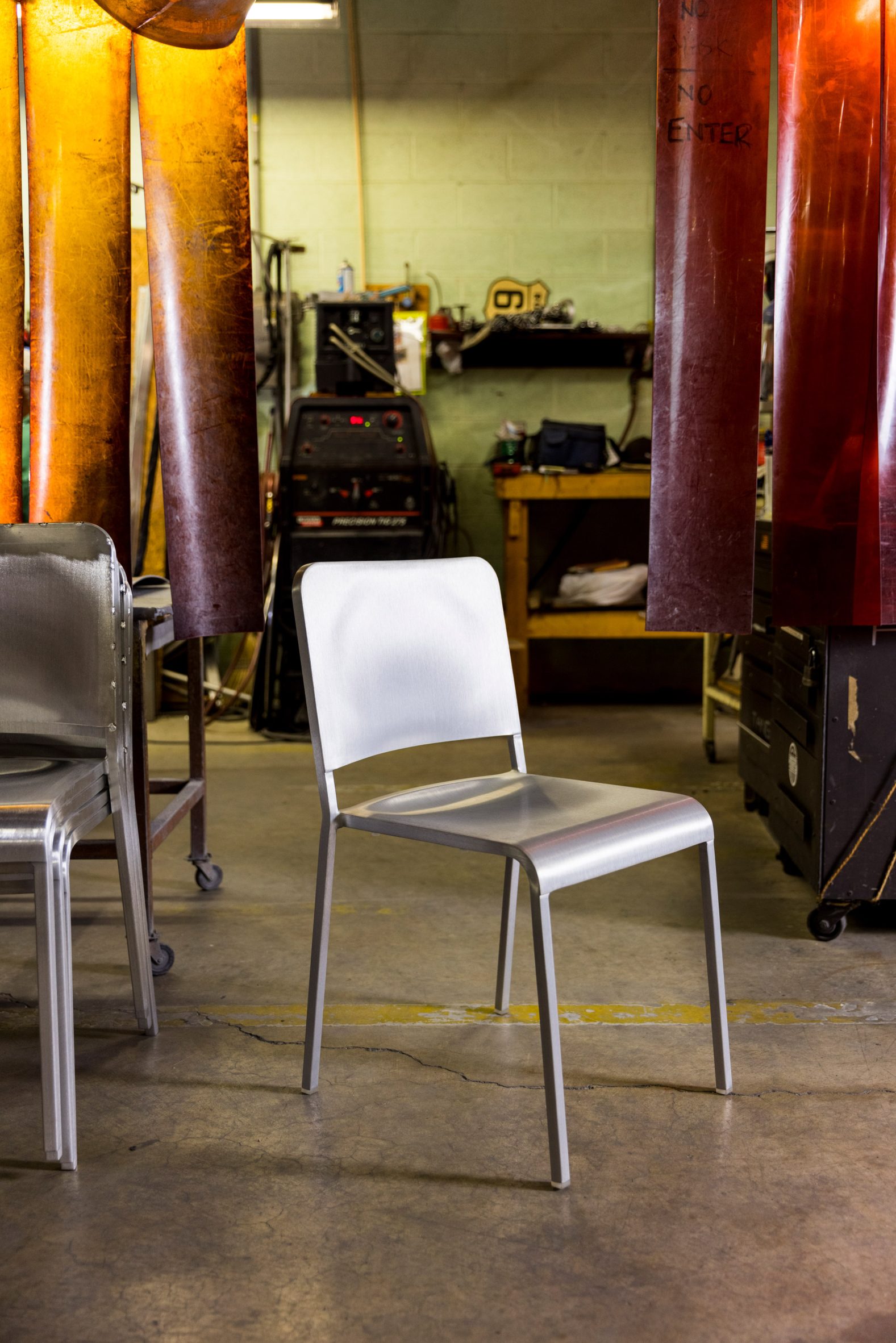
Both the Emeco and Zara Home pieces include a chair and a stool in a metal finish with a seat that curves over the legs at the front.
The legs and frame of Emeco's 20-06 collection pieces are constructed from square tubes made from 80-per-cent-recycled aluminium, while the Zara Home pieces are made from round stainless-steel tubes.
Zara Home Stainless Steel Structure Chair was made from stainless steel
According to Emeco, it issued cease-and-desist and damages claims to Zara Home before filing the lawsuit. However, the brand said that Zara Home declined its request to cease manufacture of its pieces.
The lawsuit seeks damages and to stop Zara Home from selling the Stainless Steel Structure Chair and Stainless Steel Bar Stool.
"Companies like Emeco become unpaid research and development laboratories"
Emeco said that the practice of large companies producing versions of well-selling design pieces exploits smaller brands.
"Massive international chains often appropriate the intellectual property of smaller companies to reduce risk, accelerate speed to market, and avoid the enormous investment required for innovation," said Buchbinder.
"Large retailers often wait until a design has already proven itself in the marketplace before copying it," he continued.
"By doing so, they avoid the uncertainty, development costs, and years of market education required to establish an original product. In effect, companies like Emeco become unpaid research and development laboratories for global chains."
The photography is courtesy of Emeco.
The post Emeco sues Zara Home over chairs designed by Norman Foster appeared first on Dezeen.