

.jpg)







Traditional wooden townhouses inform interiors of Kengo Kuma-designed Capella Kyoto hotel
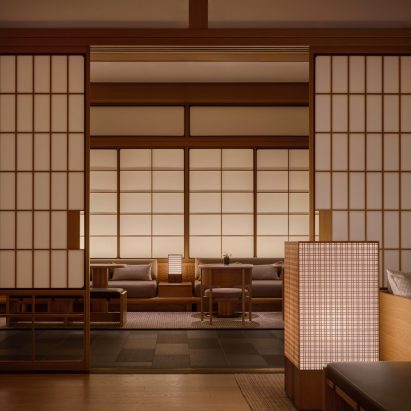
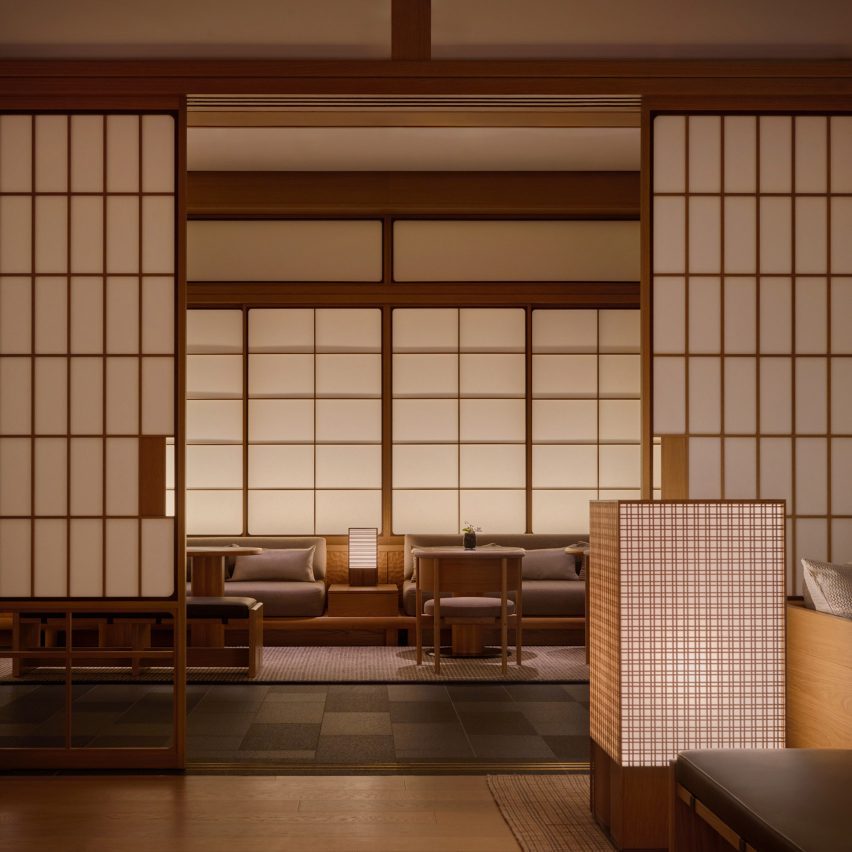
The unique "rhythm and progression" of Japanese machiya townhouses helped Brewin Design Office devise the interiors of this hotel in Kyoto designed by Kengo Kuma.
The Capella Kyoto hotel was built by Kengo Kuma and Associates on the grounds of an old primary school in Gion, a historic district of the city that's home to a number of traditional wooden townhouses known as machiya.
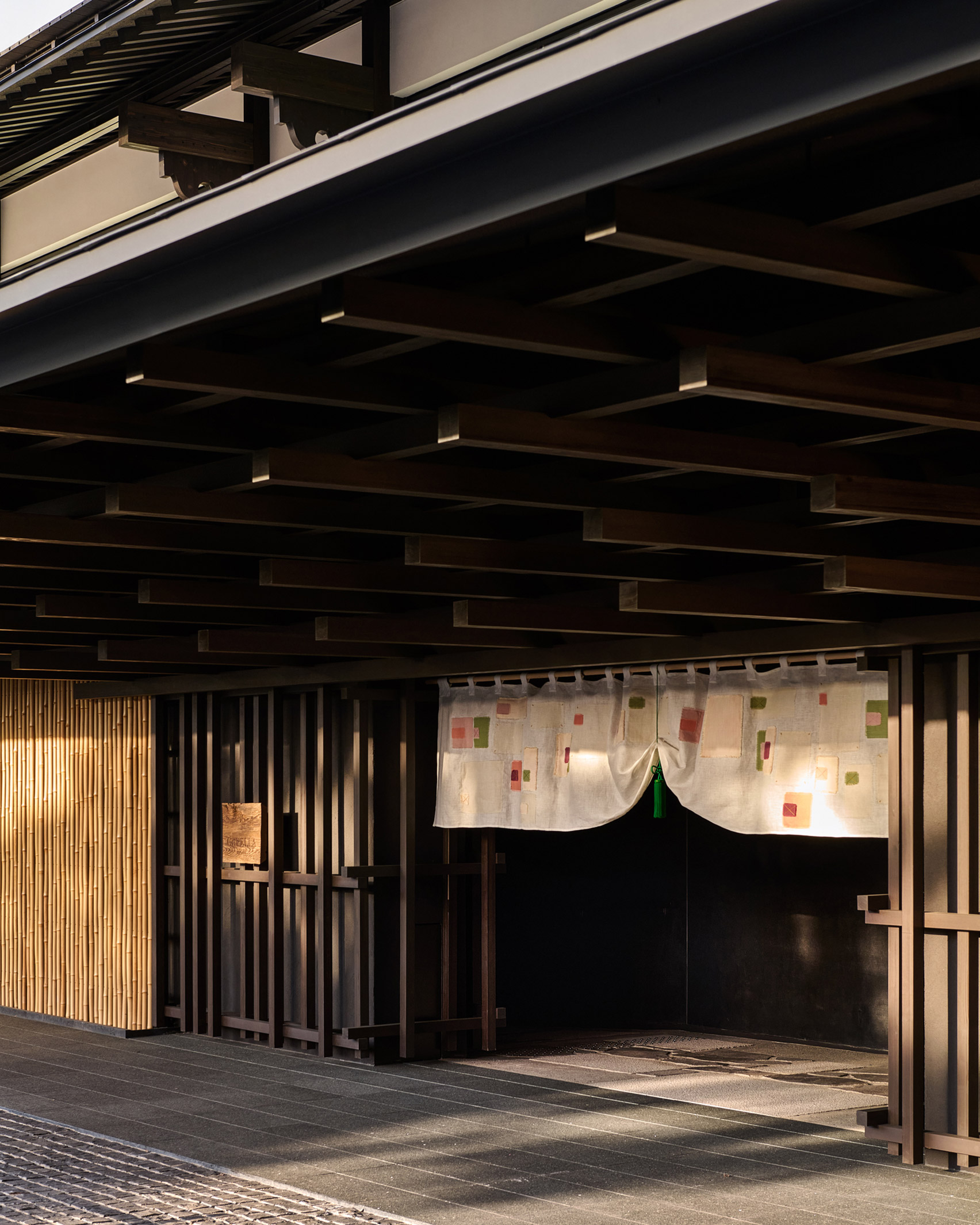
Machiya typically have a deep yet narrow footprint with a small shop at the front and living spaces nestled further towards the back, interspersed by gardens or courtyards.
Inspired by this layout, Singapore-based firm Brewin Design Office (BDO) decided to give the hotel's interior a similarly staggered composition.
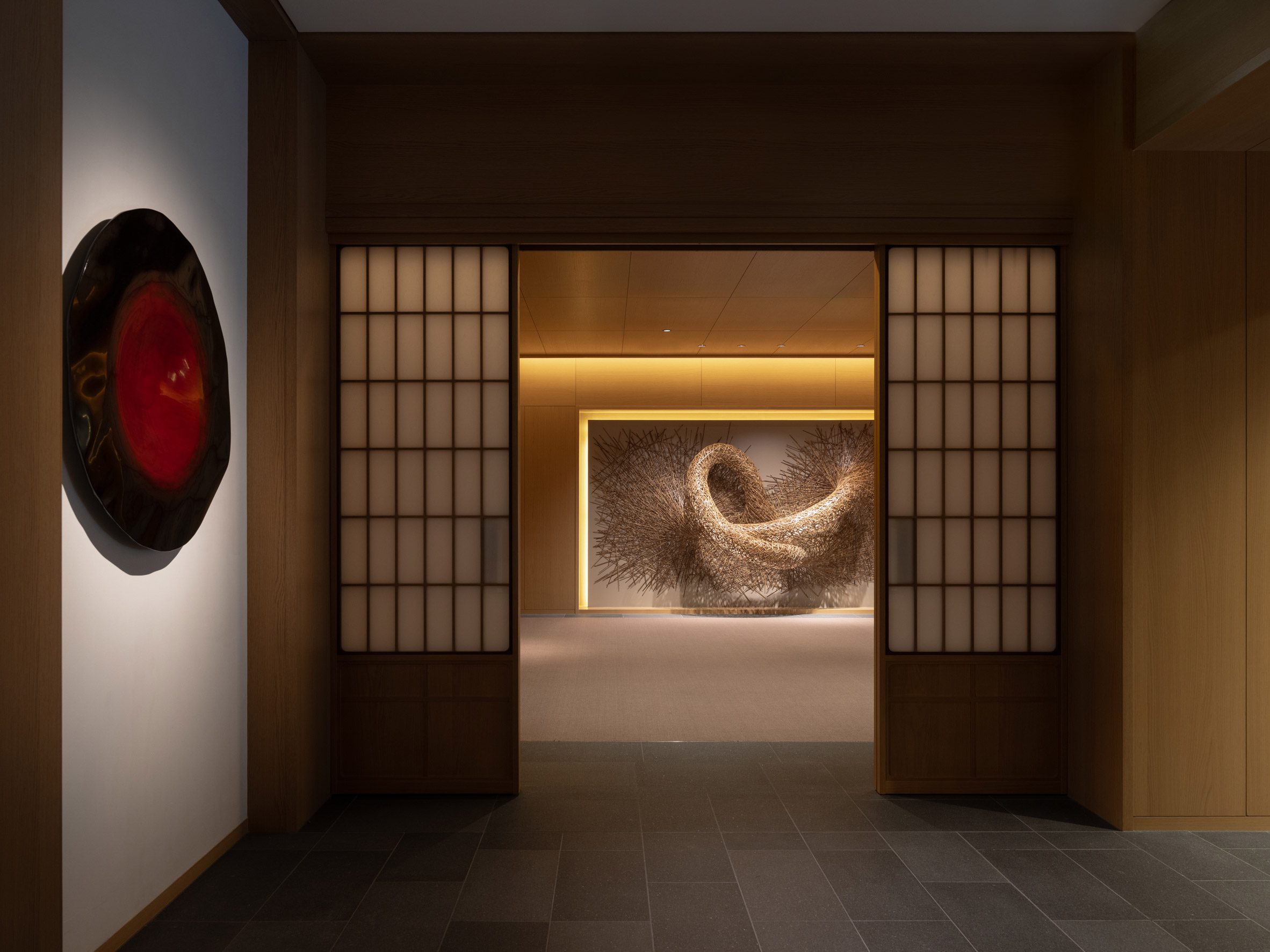
Guests enter the hotel via a lengthy walkway flanked by shoji screens, eventually coming to a wood-lined reception lobby. From one wall protrudes a large, twisted sculpture that's meant to resemble shimenawa – a kind of rope that's used in Shinto purification rituals.
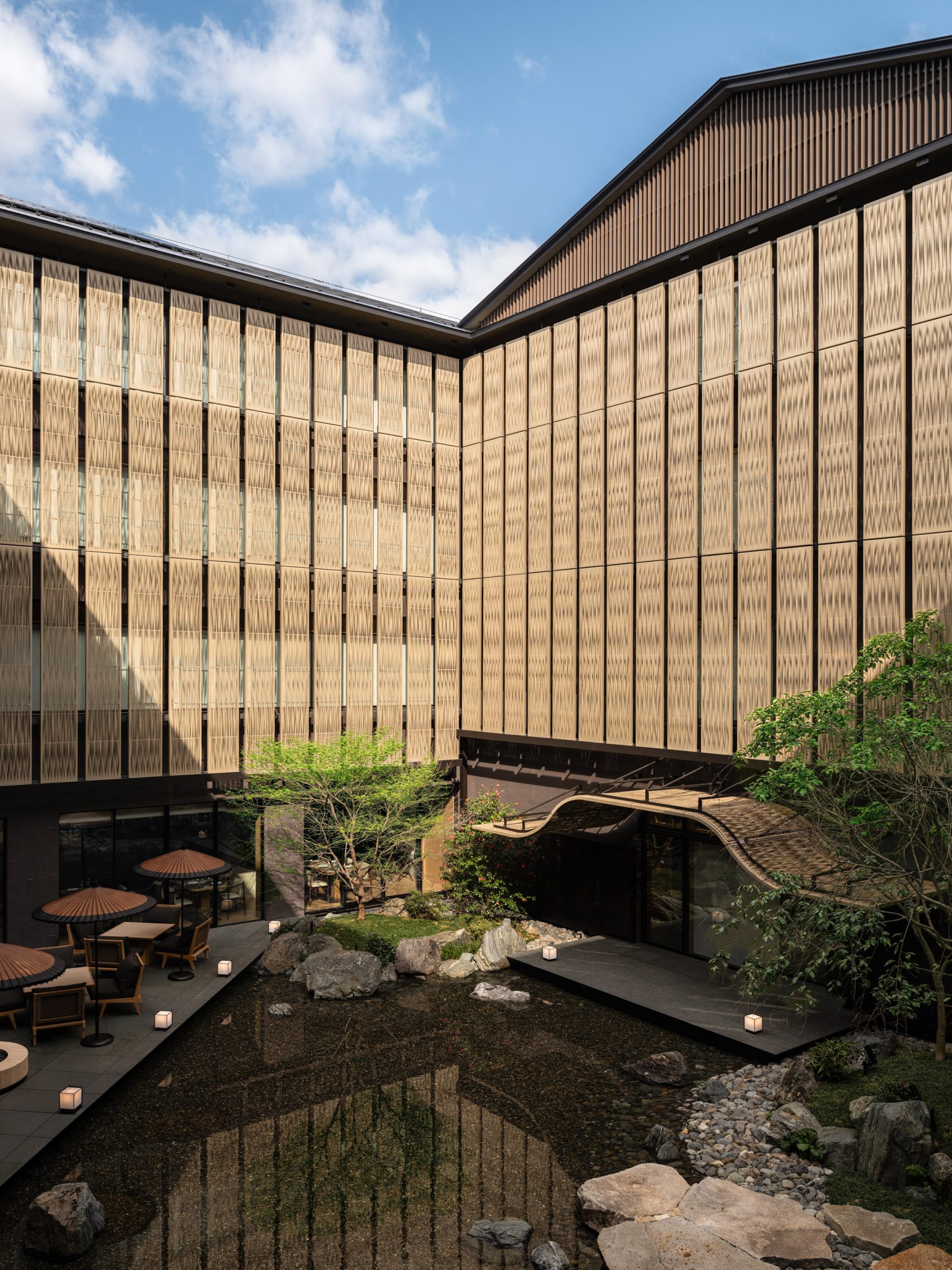
Just beyond is an expansive courtyard that's meant to be the nucleus of the hotel; at its centre is a shallow pond, fringed by rocks and some trees.
"What is compelling about the machiya is that its characteristics are not isolated ideas, but part of a coherent spatial logic," BDO founder Robert Cheng told Dezeen.
"We were particularly inspired by the machiya's sense of rhythm and progression, expressed through a sequence of spaces that transition from more public, open areas into increasingly private and contemplative zones."
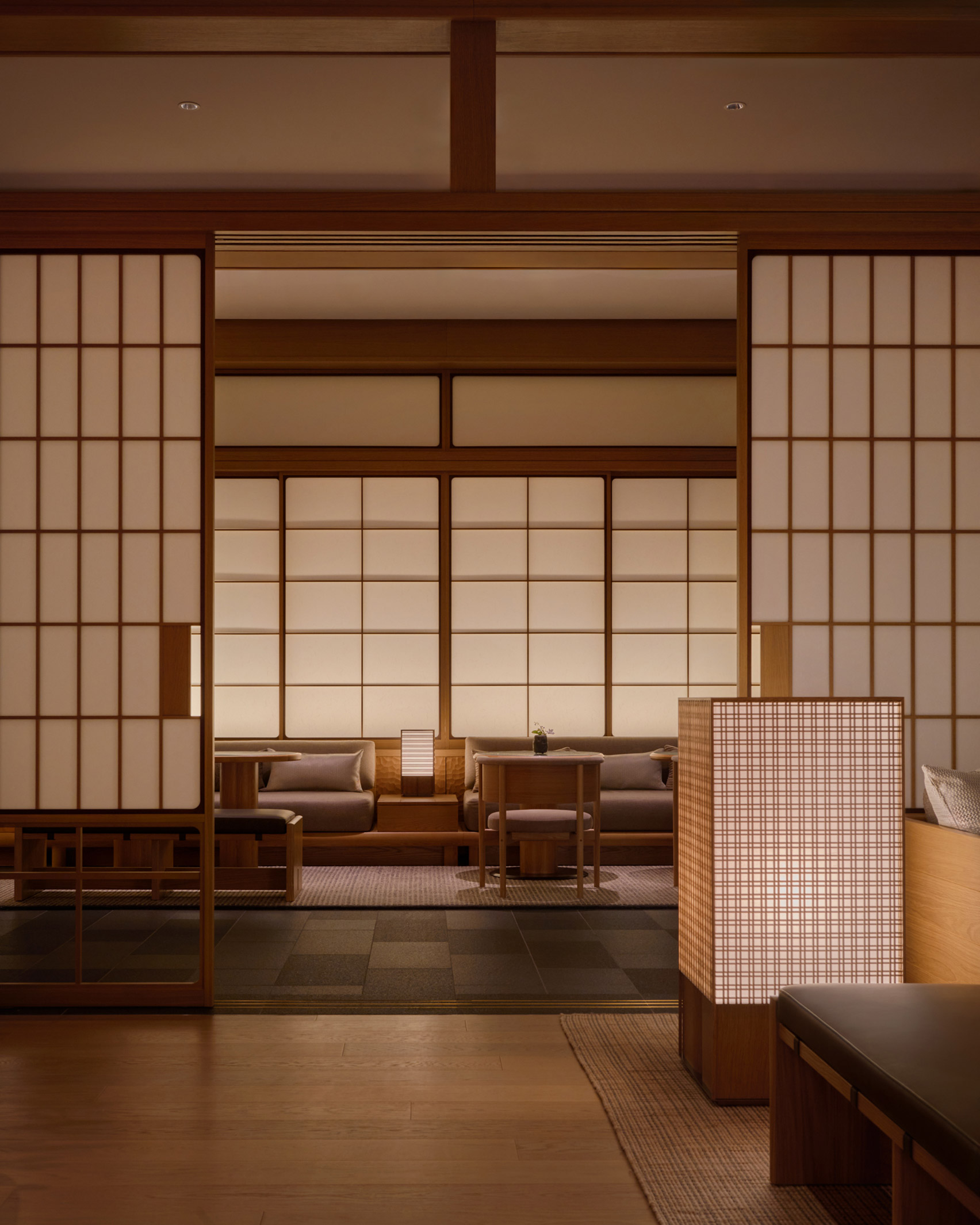
"Rather than a direct entry into reception, we designed the arrival to extend through layered thresholds – screens, vestibules, and controlled sightlines – to reveal the space gradually," he continued.
"This introduces moments of pause, allowing the transition from city to interior to slow and settle."
In the hotel's communal spaces, BDO implemented features it felt were synonymous with machiya and Kyoto craftsmanship, from hand-washed plaster walls to timber joinery and delicate woven textures.
"Working in Kyoto was both a privilege and an enriching experience," explained Cheng. "It is a city where history is not preserved as a static artefact but actively lived and practiced in everyday life."
"This presented both an opportunity and a responsibility – to design something contemporary while being respectful of the cultural context and heritage."
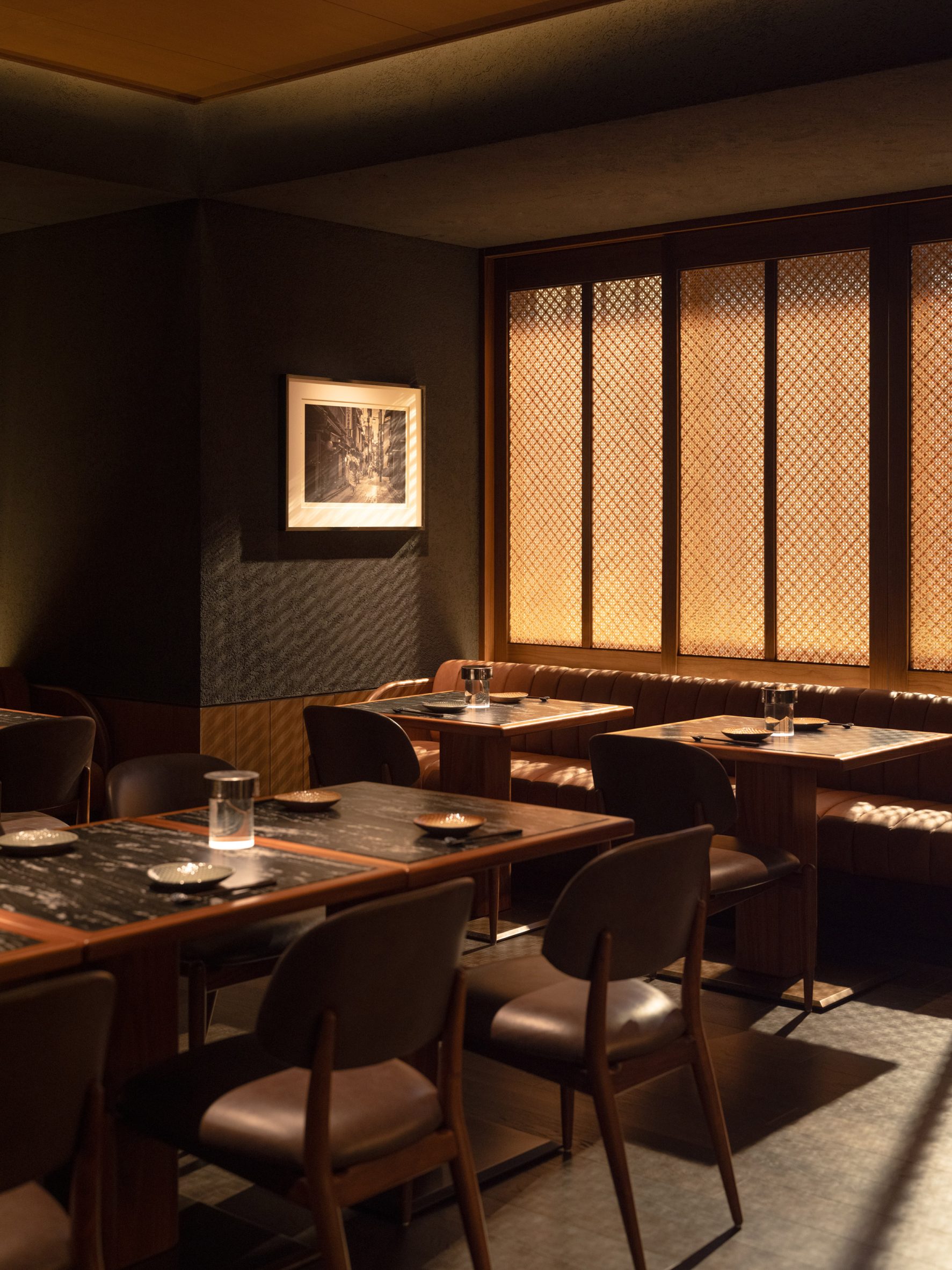
Capella Kyoto's guest lounge is boxed in by latticed screens so that, once lights are switched on within, the room mimics the appearance of a Japanese andon lantern.
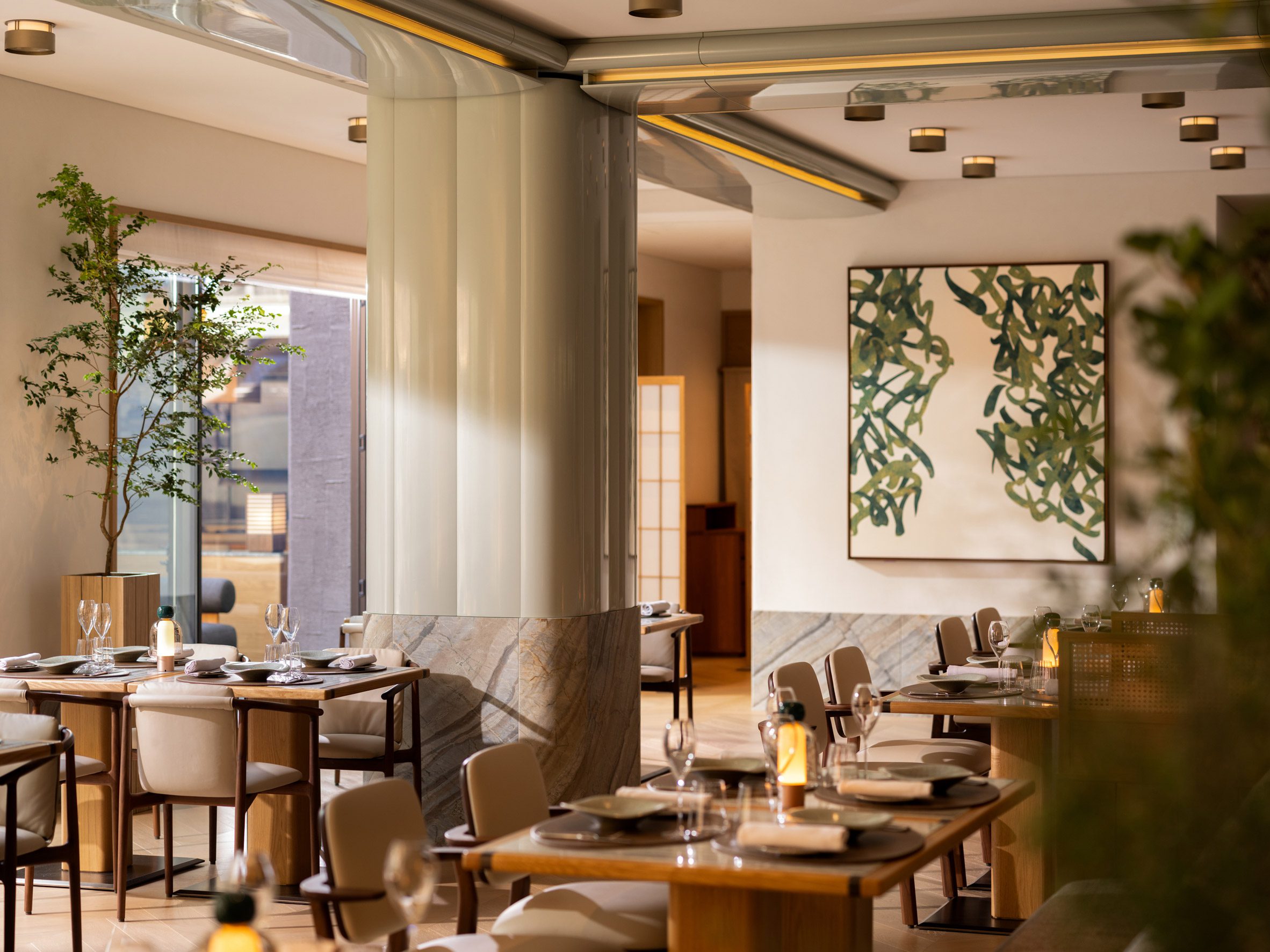
Guests also have the option of dining at three different restaurants. Sonoma features a regional menu and open kitchen, while Yoi is a more casual late-night venue decked out in reclaimed wood from the school that once stood on site.
Finally, there's Lanterne, a French brasserie that's been finished with elements BDO thought were distinctly Parisian, including marble columns and herringbone floors.
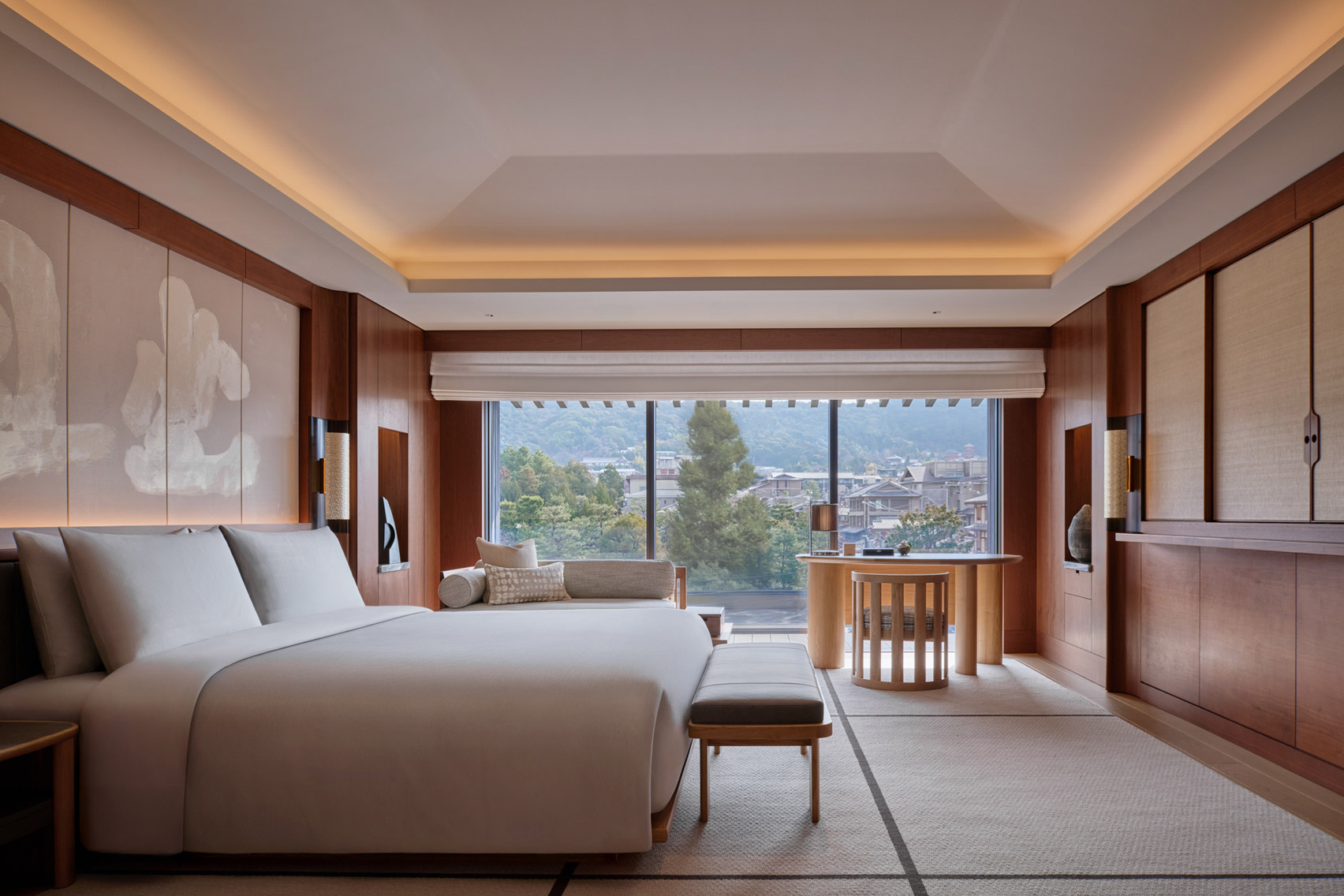
Wood-lined surfaces and shoji screens continue to appear throughout the hotel's 89 bedrooms, most of which have views of the nearby Kaburenjo Theatre or Kennin-ji, the oldest Zen Buddhist temple in Kyoto.
Six suites were given their own soaking tub in a nod to Japanese onsen hot springs.
Last year, Kengo Kuma and Associates completed another Kyoto hotel called Banyan Tree.
Nestled in the foothills of the city's easterly Higashiyama mountains, the lush site includes stepped gardens, a bamboo grove, and a timber-skeleton stage dedicated to the Japanese theatrical art form of Noh.
The post Traditional wooden townhouses inform interiors of Kengo Kuma-designed Capella Kyoto hotel appeared first on Dezeen.