

.jpg)








Tirana Architecture City Guide: Negotiating Identity Between Socialism and Urban Reinvention

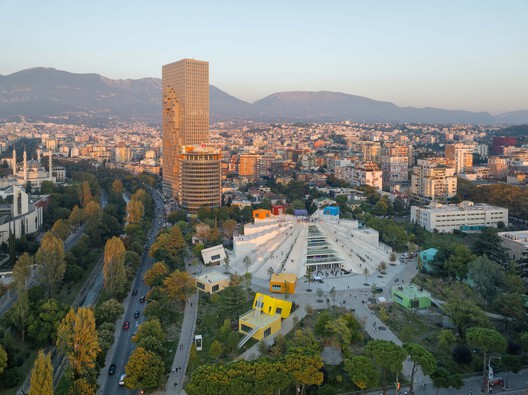
 Pyramid of Tirana / MVRDV. Image © Ossip van Duivenbode
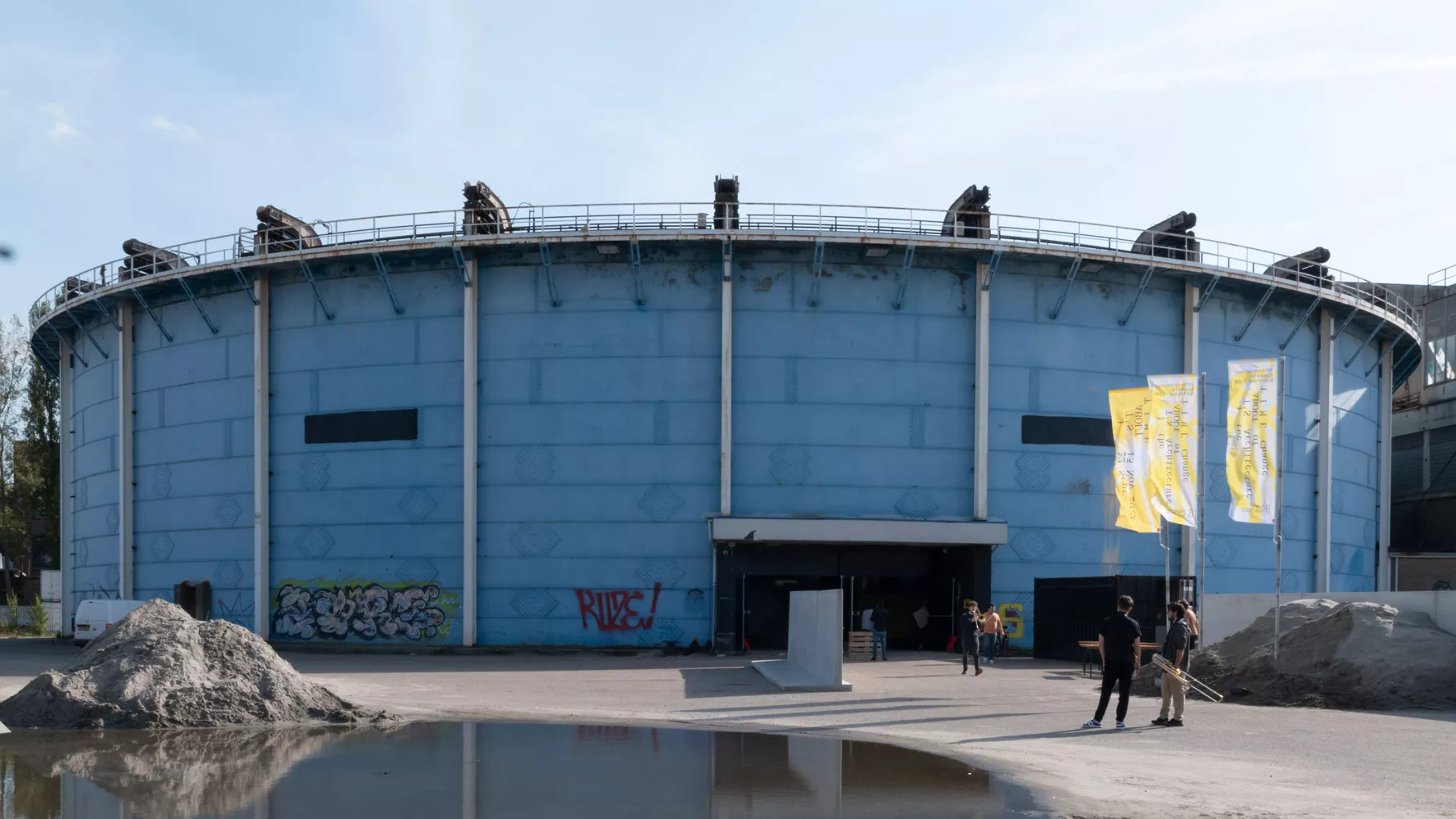
Located at the intersection of Adriatic landscapes and Balkan geopolitics, Tirana has undergone one of the most accelerated urban transformations in Europe over the last three decades. Once defined by rigid socialist planning and political isolation, the city has progressively reoriented itself through a combination of informal growth, international investment, and strategic urban interventions that seek to redefine its public image and spatial structure.
Since the early 2000s, a series of urban policies, most notably those initiated during the mayoral tenure of Edi Rama (now Albania prime minister), have promoted the use of color, public space, and architectural experimentation as tools for civic reactivation. Rather than relying solely on masterplans, Tirana's development has operated through interventions, where individual buildings and public spaces act as catalysts within a fragmented urban fabric.