












Landscape Architecture Is Still Treated as Decoration — and Cities Are Paying the Price
Deadline extended! The 14th Architizer A+Awards celebrates architecture's new era of craft. Apply for publication online and in print by submitting your projects before the Extended Entry Deadline on February 27th!
Landscape architecture has long occupied an ambiguous position within architectural culture. In its early European lineage, landscape design was closely aligned with aristocratic display. Far from being a shared civic system or public right, formal gardens such as Versailles used landscaping as an expression of power, a microcosm of political hierarchy and territorial control. Even as public parks emerged in the nineteenth century, they were often framed as relief from the city, not as structural components of it. Buildings and roads defined urban order; the landscape was treated as an amenity, often seen as an urban tool aimed at increasing real estate value.
That hierarchy reflected the priorities of its time. Industrial expansion and rapid urbanization placed emphasis on construction, density and permanence. Architecture appeared to shape the city’s identity, while landscape softened its edges or added a decorative flair. The ground was something to decorate or escape to, not something that organized urban life. Today, those assumptions are increasingly untenable.
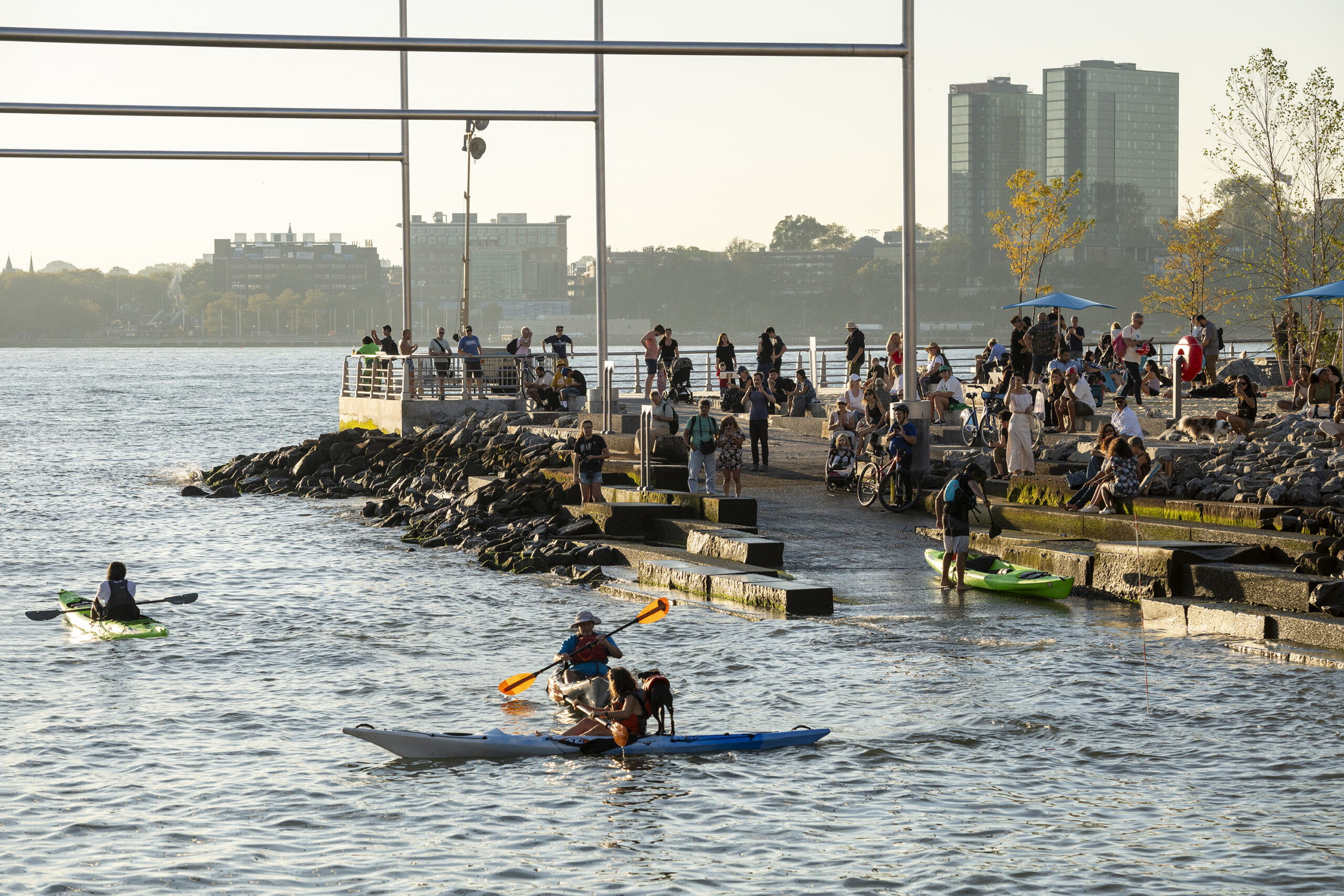
Hudson River Park’s Gansevoort Peninsula by Field Operations, New York City, New York | Project of the Year & Jury Winner, Public Parks and Green Spaces, 13th Architizer A+Awards
Yet, as cities confront c confront dual-prong issues of climate volatility and intensifying patterns of urban growth, the performance of the ground itself has become central to how cities function. Heat mitigation, flood management, biodiversity and public health are now negotiated through landscape systems as much as through buildings. What was once considered embellishment has become infrastructure.
And yet, architectural and societal discourse have been slow to adjust. In the broader culture, landscape architecture continues to be described in the language of activation and beautification, even as it quietly carries responsibilities that determine whether cities can endure. Meanwhile, in architecture, it still sits somewhat uncomfortably, as a somewhat separate discipline.
Landscape as Urban System
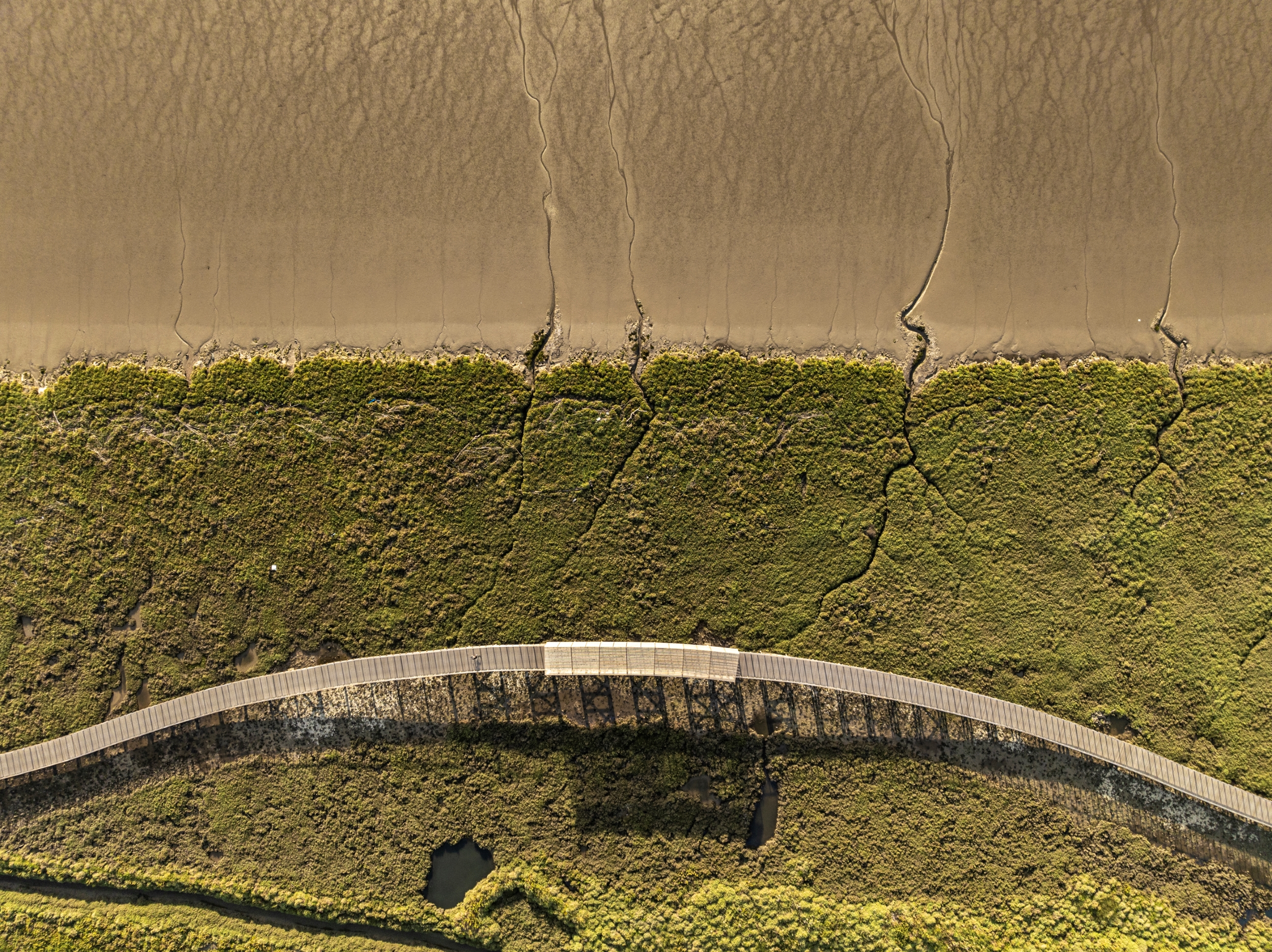
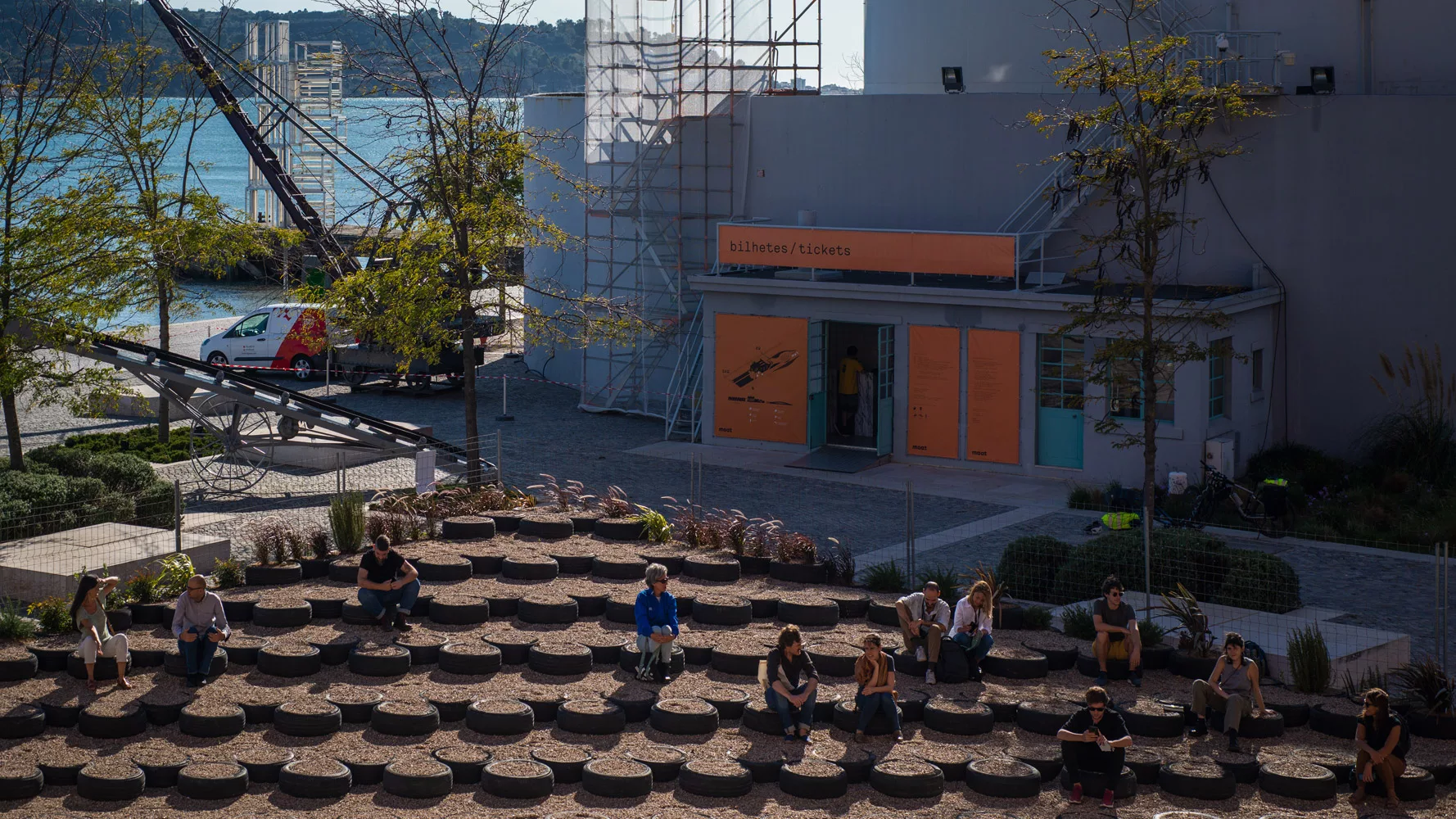
Loures Riverfront by TOPIARIS Landscape Architecture, Loures, Portugal | Popular Choice Winner, Public Parks and Green Space, 14th Architizer A+Awards
Meanwhile, across contexts, landscape architecture now carries responsibilities that extend well beyond aesthetics. For example, projects such as New York City’s Hudson River Park’s Gansevoort Peninsula, by Field Operations, illustrate how coastal landscapes can operate simultaneously as public space and flood defense. Here, grading, planting and shoreline design absorb environmental risk while sustaining recreational use. The landscape is not applied to infrastructure — it functions as infrastructure, while still improving the quality of life for the city’s residents.
Similarly, TOPIARIS Landscape Architecture’s Loures Riverfront demonstrates how flood-prone territory can be reimagined as a resilient civic landscape. Restructuring access to a mosaic of natural ecosystems found along with highly urbanized zones (think mudflats, salt marshes, and native reed beds — all just minutes away from densely populated neighbourhoods), the project transforms environmental vulnerability into longterm spatial asset. A unique wooden walkway invites visitors to immerse themselves in the marsh in a variety of ways, raising public awareness of the importance of estuarine ecosystems and ocean management, while preserving a crucial and complex natural flood barrier.
These projects signal a broader shift: landscape architecture is increasingly responsible for the long-term performance of cities.
Planning From the Ground Up

Masterplan Begbroke Innovation District by OKRA, Oxford, United Kingdom | Popular Choice Winner, Unbuilt Master Plan, 13th Architizer A+Awards
The most consequential landscape work today does not exist as isolated parkland. It operates at the scale of districts and master plans, shaping growth patterns before buildings define them.
Planned for the Oxford University campus, the Masterplan Begbroke Innovation District by OKRA positions landscape as the organizing framework for development by coordinating circulation, ecological networks and public space — all of this before architectural objects are resolved. Put differently, this is a landscape-led masterplan, reversing the traditional sequence of urban design. Buildings respond to landscape logic, not the other way around.
A similar inversion occurs in MASS Design Group‘s The Rwanda Institute for Conservation Agriculture, where productive landscapes structure academic life and environmental stewardship simultaneously. Here, landscape is not an ornamental setting; it is pedagogical and ecological infrastructure.
In both cases, landscape architecture operates as planning intelligence — establishing durable frameworks that not only structure new ways of living but also are capable of accommodating change.
Public Life, Structured
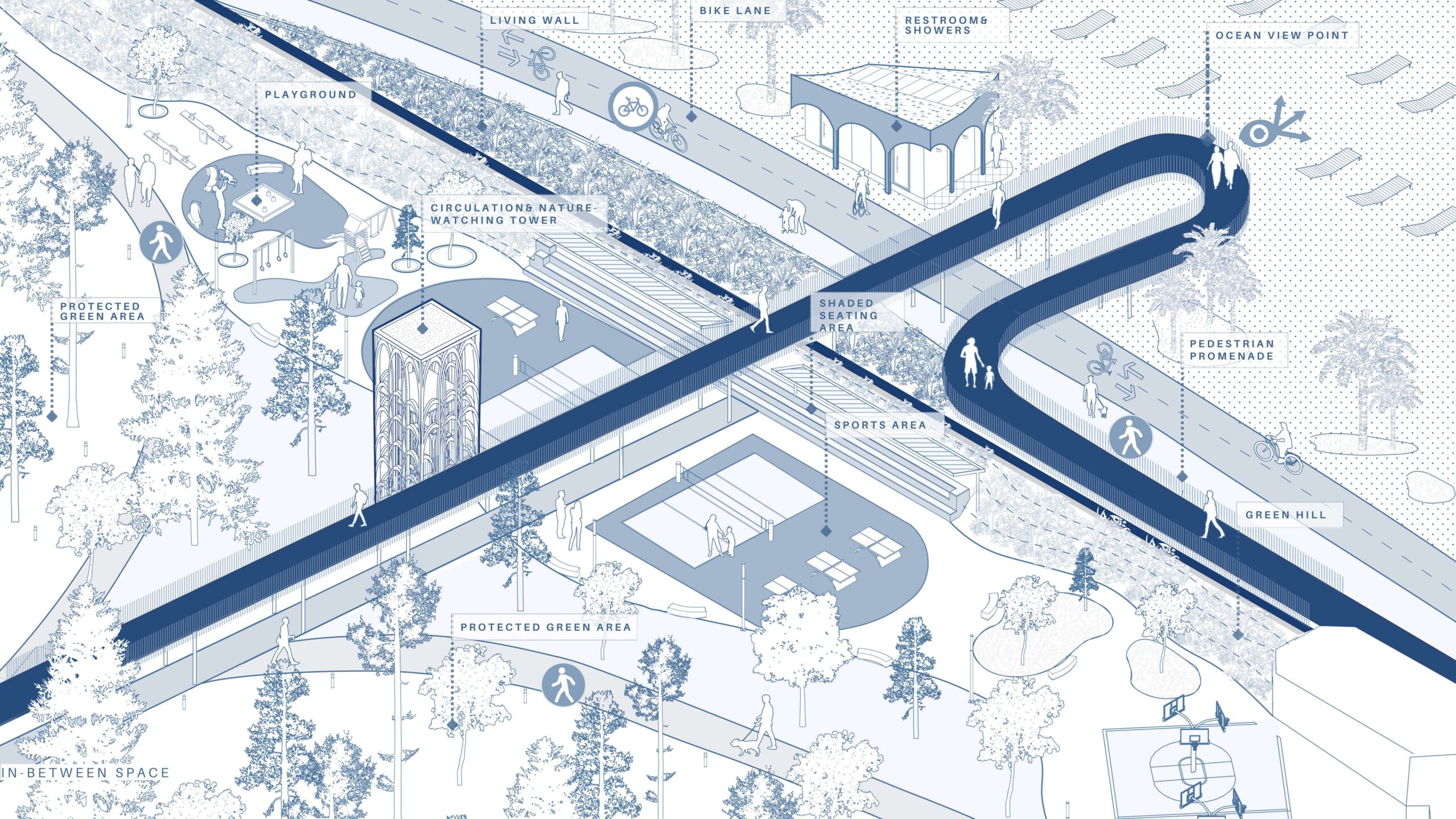
Lignano 2.0 : Embracing Nature, Celebrating People by STUDIO VI [studio six], Lignano Sabbiadoro, Italy | | Jury Winner, Unbuilt Masterplan, 13th Architizer A+Awards
Landscape architecture’s evolving role is equally visible in projects that reconcile heritage with both ecology and daily use. Take, for example, Lignano 2.0: Embracing Nature, Celebrating People by STUDIO VI [studio six], which reconsiders coastal urbanism through landscape-led strategies. The design goes beyond aesthetics, aiming to boost social interaction and community engagement by providing new community spaces and public sports areas while promoting environmental awareness and sustainable practices.
Likewise, Bedford Heritage Park by Lemay demonstrates how landscape can mediate between memory and movement without relying on monumentality. The monumental land reclamation project transforms an area one beridden by limestone extraction byproduct, transformed into a thriving regional greenspace. Crucial to the design is spatial sequencing, which supports public gathering while maintaining ecological continuity.
These projects succeed not through spectacle, but through sustained usability and environmental logic. What unites them is not stylistic cohesion, but structural clarity. Landscape is the driver of the design, organizing movement and supporting social exchange — roles traditionally attributed to architecture or engineering.
Advancing the Discipline
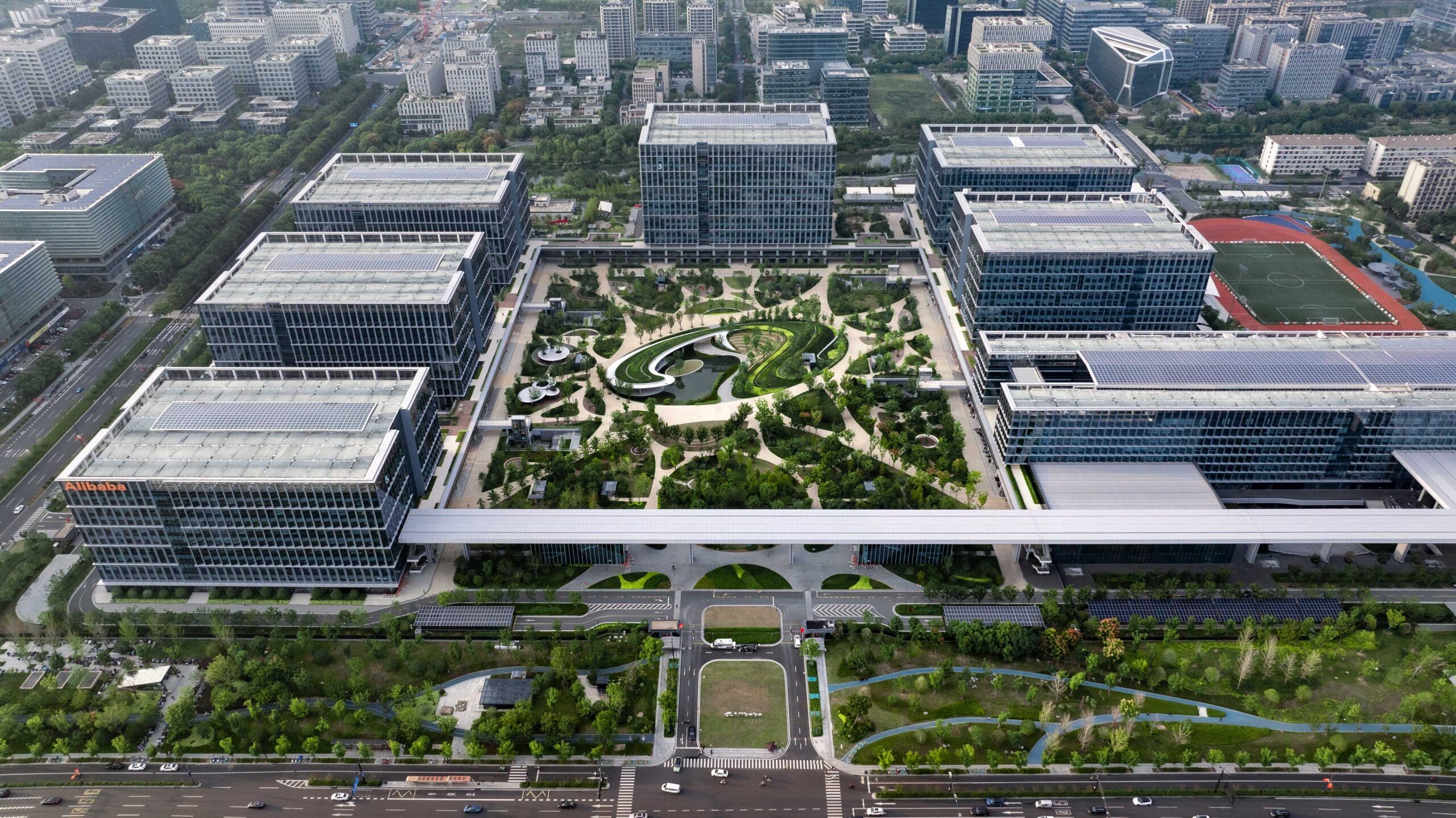
Alibaba Xixi Campus (Park C) by ASPECT Studios, Hangzhou, China | Jury Winner, Best Landscape Design Firm, 13th Architizer A+Awards
The evolution of landscape architecture is being advanced by practices that reject ornamental expectations in favor of systemic thinking.
Firms such as ASPECT Studios, which have offices across multiple countries, consistently position landscape as an operational framework at the metropolitan scale. This big-picture thinking is reflected in the scope of their team’s skills, which span from landscape architects and urban designers to wayfinding specialists, strategists, and graphic designers. Their work underscores that landscape architecture can carry authorship, complexity and long-term ambition equal to any building project.
Likewise, Change Studio approaches landscape as a mediator between climate systems and urban form, foregrounding adaptability rather than fixed outcomes. Landscape architecture has always been about shaping land systems — hydrology, ecology, public space, spatial sequence. What’s changing isn’t the discipline’s scope, but the urgency and scale at which those capacities are now required.
Recognition and Responsibility
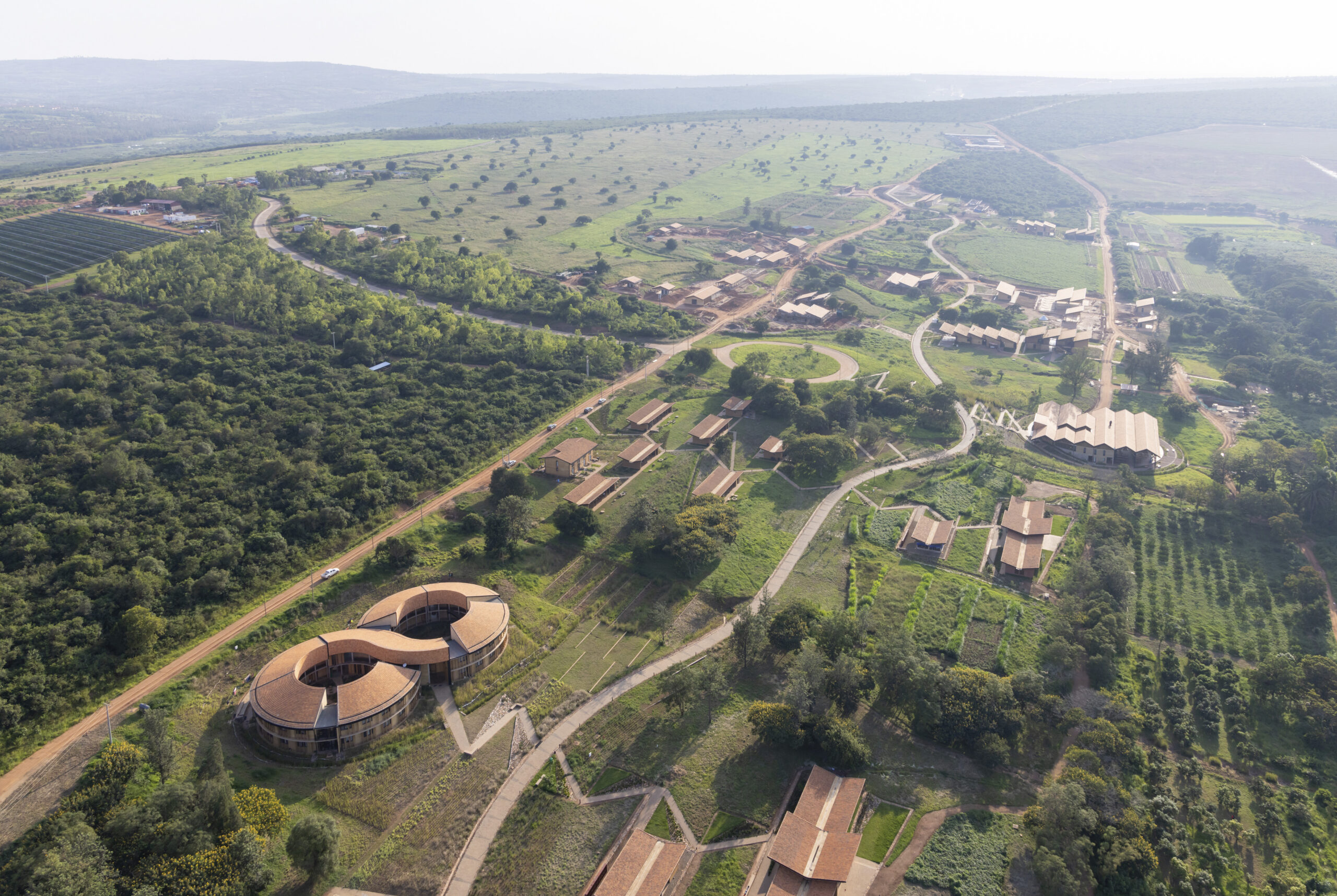
The Rwanda Institute for Conservation Agriculture by MASS Design Group, Rwanda | Jury Winner, Architecture +Landscape & Jury Winner, Sustainable Landscape/Planning Project, 13th Architizer A+Awards
Recognition plays a quiet but influential role in shaping professional priorities. Awards programs, publications and institutional frameworks signal what counts as architectural excellence. When landscape architecture is treated as supplementary — or judged primarily on visual qualities — its infrastructural contributions risk being underappreciated.
Aligning recognition with the discipline’s expanded responsibilities is not a matter of disciplinary competition. It is a matter of urban capacity. As cities confront climate risk and spatial inequity, landscape architecture increasingly determines whether public environments can endure.
Celebrating landscape projects that uphold environmental intelligence, planning rigor and long-term adaptability reinforces the idea that resilience is designed — and that this type of thinking is something that should be valued.
Recalibrating Urban Priorities
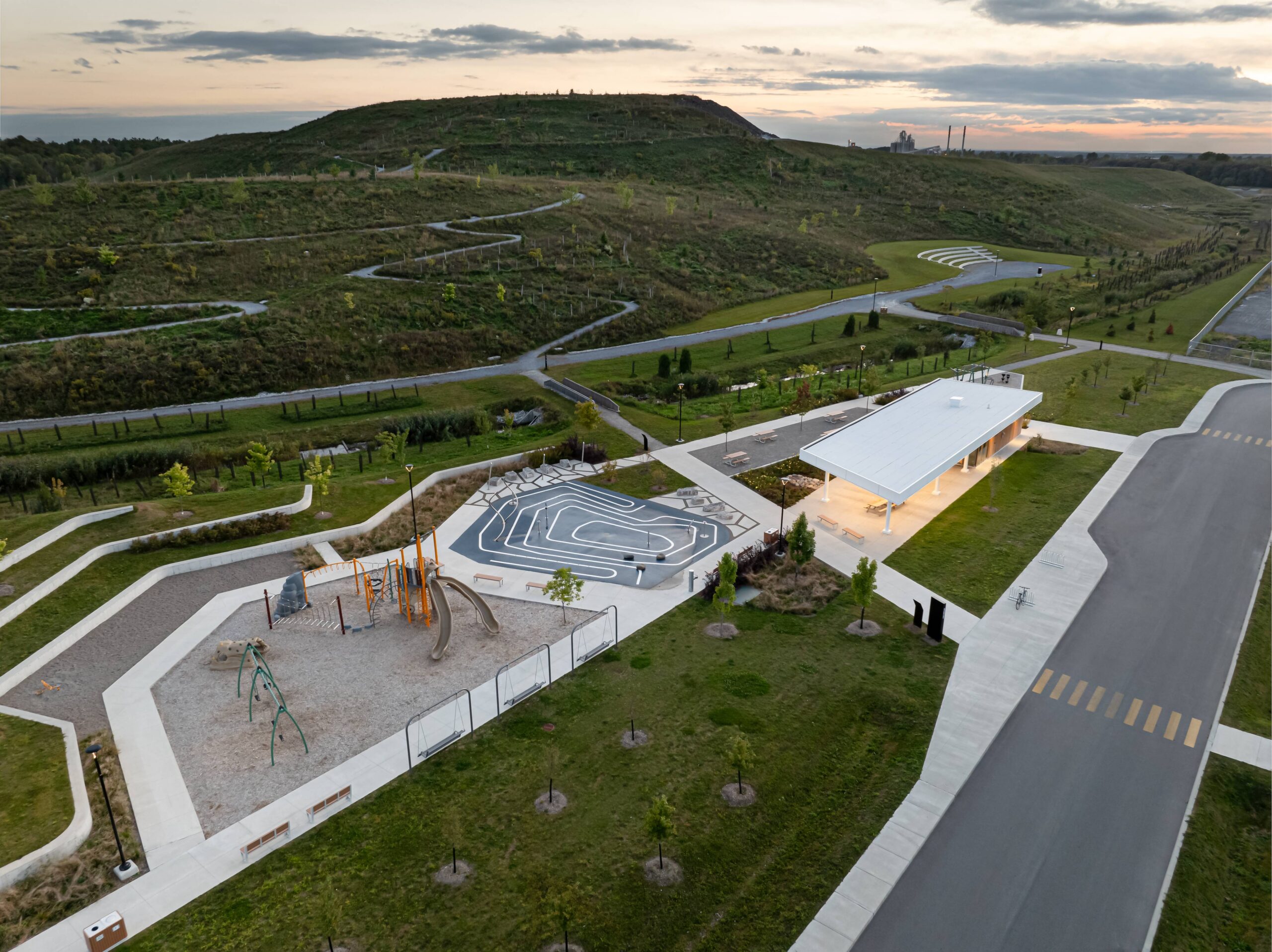
Bedford Heritage Park by Lemay, Bedford, Canada | Popular Choice Winner, Sustainable/Landscape Project, 13th Architizer A+Awards
The historical marginalization of landscape architecture was shaped by different urban conditions. Buildings once appeared to define cities more clearly than ground systems did. That balance has shifted.
Today, the success of urban environments depends as much on how land absorbs water and mitigates heat as on how buildings perform. Landscape does not simply complement architecture. It sustains it. Repositioning landscape architecture within architectural discourse is not about correcting an oversight. It is about acknowledging where urban performance now resides.
As climate pressures intensify and cities continue to densify, the most consequential design decisions may not be those that rise above the skyline, but those that shape the ground beneath it.
Deadline extended! The 14th Architizer A+Awards celebrates architecture's new era of craft. Apply for publication online and in print by submitting your projects before the Extended Entry Deadline on February 27th!
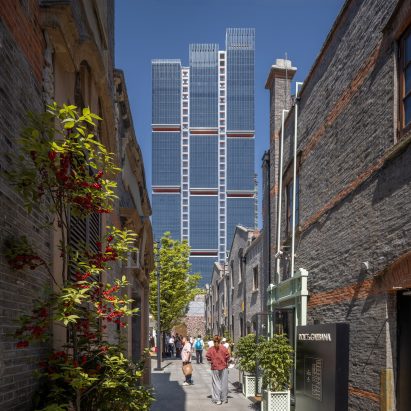
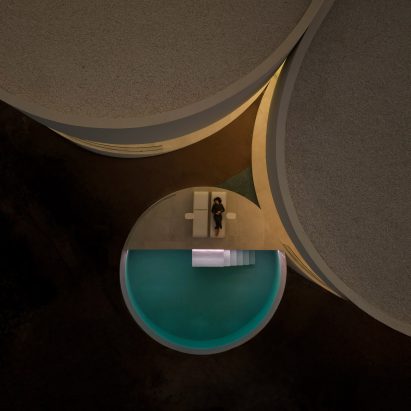
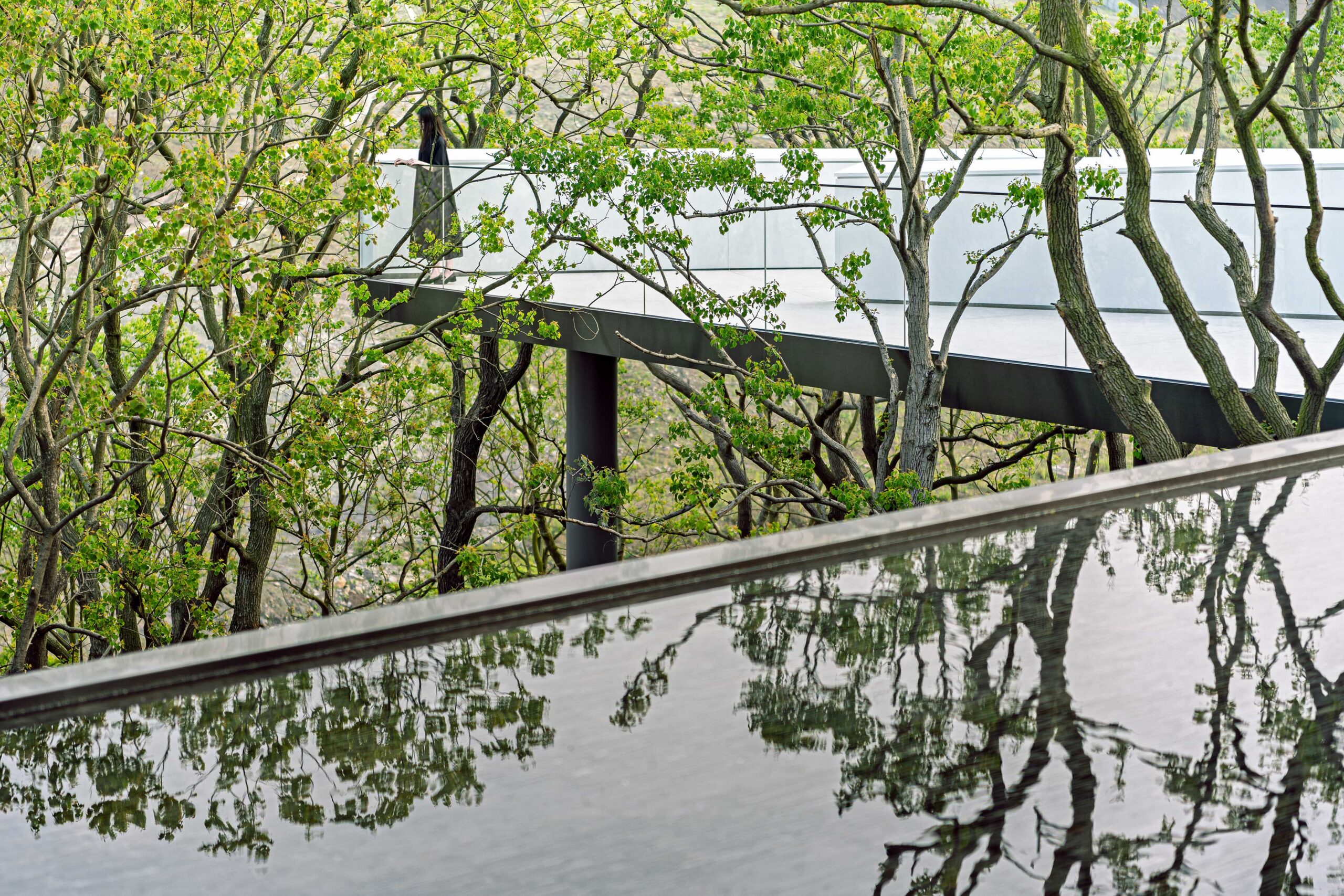
Top image: Floating Cloud | Jade Carvings of Long for Chongqing by Change Studio, Chongqing, China | Jury Winner, Best Landscape Design Firm, 13th Architizer A+Awards
The post Landscape Architecture Is Still Treated as Decoration — and Cities Are Paying the Price appeared first on Journal.