



















How to Measure the Life Cycle of a Construction Material?

 © Agustina Iñiguez
As a major driver of natural resource consumption, energy use, and greenhouse gas emissions, the construction industry has a significant impact on the environment, consuming 32% of global energy and contributing to 34% of global CO₂ emissions. Building materials play a crucial role in shaping the built environment. Through principles of circular economy, renewable and self-sufficient solutions, and technological innovations, analyzing the environmental performance of each material highlights the opportunity to review and assess the different stages of its life cycle.
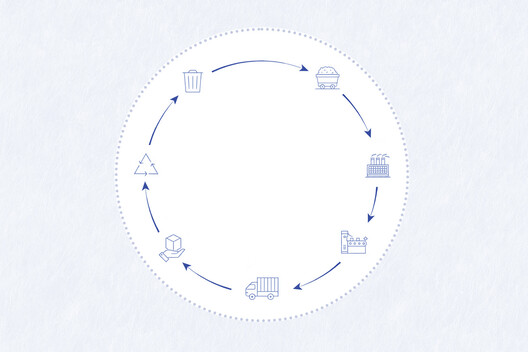
By establishing a common framework for measuring and managing the environmental impact of building materials, Life Cycle Assessment (LCA) emerges as a key approach. This methodology provides a comprehensive evaluation of the environmental impacts associated with products, processes, or activities throughout their entire life cycle. From raw material extraction, manufacturing, and transportation to construction, use, and end-of-life treatment, the analysis considers the environmental burdens linked to each stage. In the context of building materials, LCA offers a holistic and systematic approach to assessing environmental performance and identifying opportunities for design optimization, among other improvements. In this way, it quantifies impacts such as carbon emissions, energy consumption, water use, air pollution, waste generation, and ecosystem depletion.