










Hospitality as Heritage Catalyst: 5 Adaptive Reuse Strategies Across Diverse Latitudes

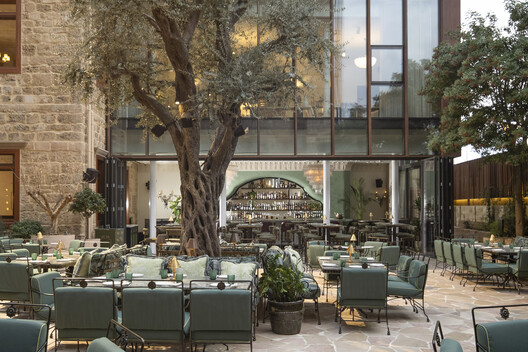
 Outdoor lounge and bar space at Beihouse in Beirut. Image © Marco Pinarelli
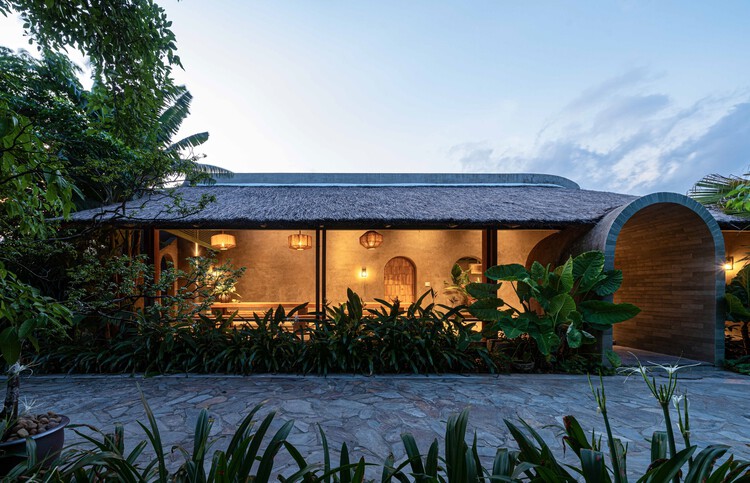
Hospitality-driven programs, specifically coffee shops and social hubs, are partly defined by their role as "third places": social anchors that bridge the gap between private and public life. Unlike residential or commercial office programs that require rigid partitioning for privacy and utility, they rely on expansive, open-plan environments. This allows for an architectural strategy of minimal intervention, allowing the structural envelope to remain intact. By avoiding the subdivision of space, architects maintain uninterrupted sightlines to original masonry, timber frames, or decorative ceilings, ensuring the building's historical narrative remains the protagonist. Simultaneously, the commercial activity provides the necessary maintenance and public engagement to ensure the site's continued existence.