



.jpg)






















Dyson toothbrush updates "a cleaning routine that has remained largely unchanged for decades"
Following the unveiling of Dyson's CameraJet, the brand's Niamh Turney explained why it decided to redesign the toothbrush.
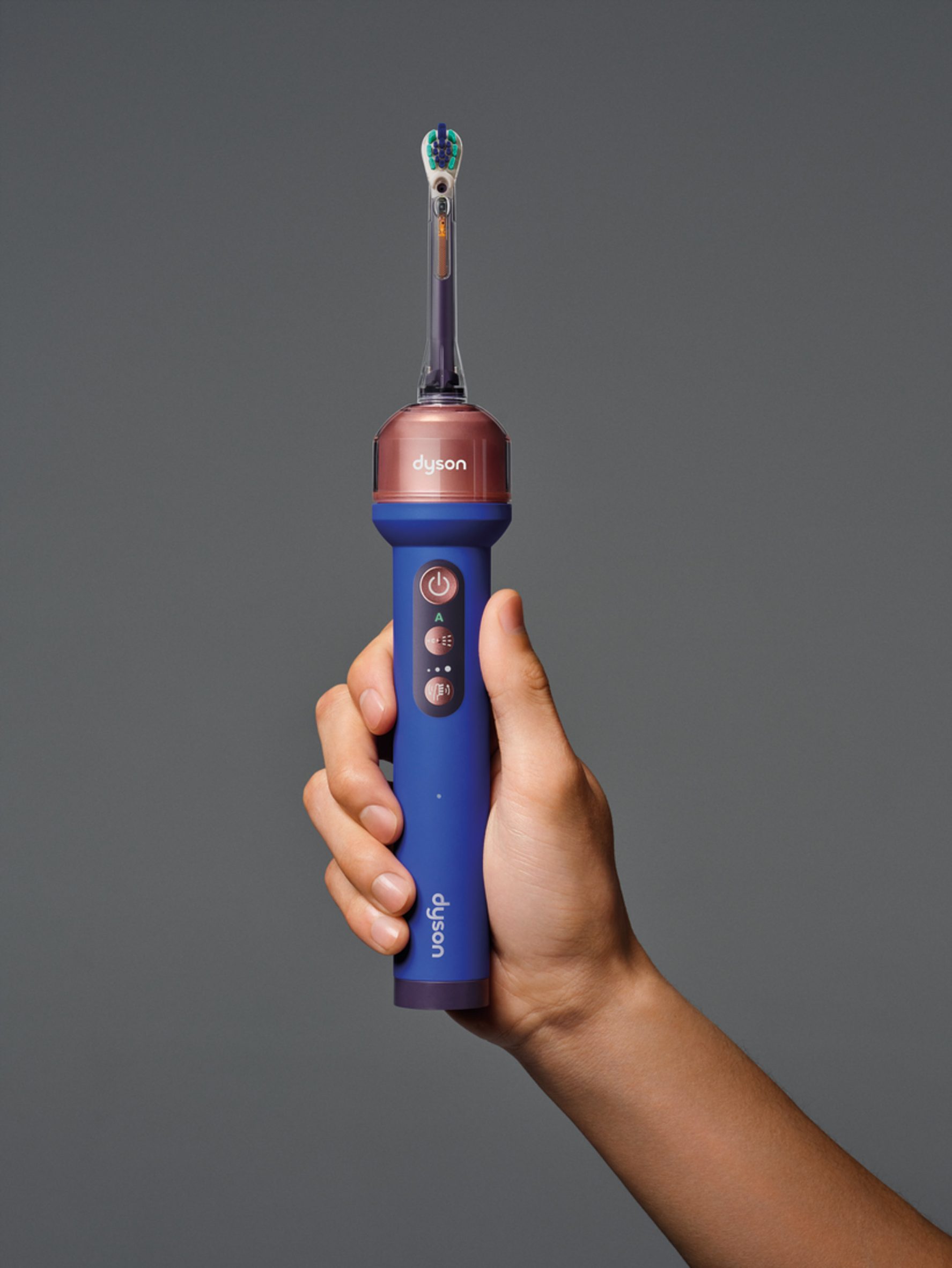
Revealed earlier this week, the Dyson CameraJet toothbrush includes a mouthwash jet directed by a camera to remove plaque between teeth.
According to Niamh Turney, senior commercial manager at Dyson, the brand made the move into dental hygiene as it aims to disrupt areas of technology that have not been developed for a long time.
"Every Dyson technology begins with identifying a problem that people have largely accepted and asking whether it can be solved differently," Turney told Dezeen.
"Dyson enters categories where there is a clear unmet need and where its engineering, software and fluid dynamics expertise can deliver a meaningful improvement in performance."

Dyson became a household brand after its founder, James Dyson, developed the bagless vacuum cleaner. Subsequently, the company has overhauled the design of other appliances including hand dryers, fans and heaters, while it recently unveiled its first headphones.
The brand viewed electric toothbrushes as another device that had not seen a major development leap for years.
"With oral care, we saw a routine that has remained largely unchanged for decades despite persistent challenges around flossing compliance and plaque removal between teeth," said Turney.
"Our ambition is to bring a new level of technology, precision and performance to oral care, helping people achieve better oral health outcomes through a more effective daily routine," she continued.
"As with many Dyson innovations, our goal is not simply to improve an existing product, but to rethink the category and challenge conventional approaches."
According to Turney, electric toothbrushes were seen as an area with potential for improvement, since the majority of people do not clean their teeth as effectively as dentists suggest.
"Oral care stood out because, despite decades of innovation elsewhere, people continue to struggle with effective routines," said Turney.
"Flossing compliance remains low, many people miss the areas where plaque first forms, and oral health issues affect billions of people globally," she continued.
"We saw an opportunity to rethink the category from first principles and develop a technology-led solution to help improve everyday oral care habits."
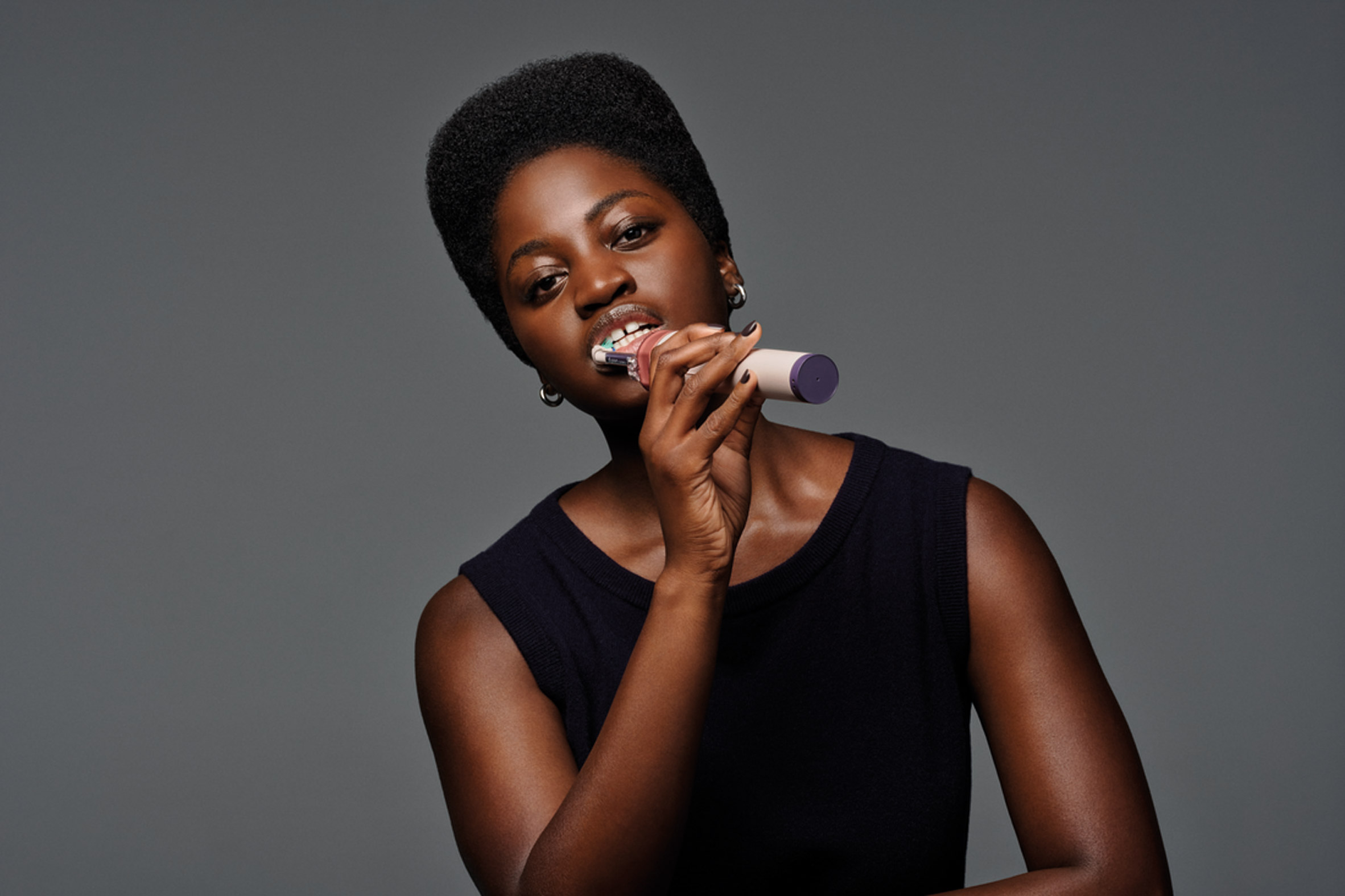
The brand, which has been developing the toothbrush for six years, aimed to shift the process of teeth cleaning by combining brushing and flossing into one action.
To do this, a jet was included in the head of the toothbrush, which sprays mouthwash into gaps between teeth directed by a camera.
"Most electric toothbrushes focus solely on brushing and leave interdental cleaning, the gaps between teeth where plaque often accumulates, to a separate flossing step," said Turney.
"The Dyson CameraJet is designed to do both simultaneously," she continued.
"Rather than asking users to add another step to their routine, it combines brushing and interdental cleaning in one device. Our goal is to make effective oral care easier and more consistent by helping users clean the areas most commonly missed during brushing."
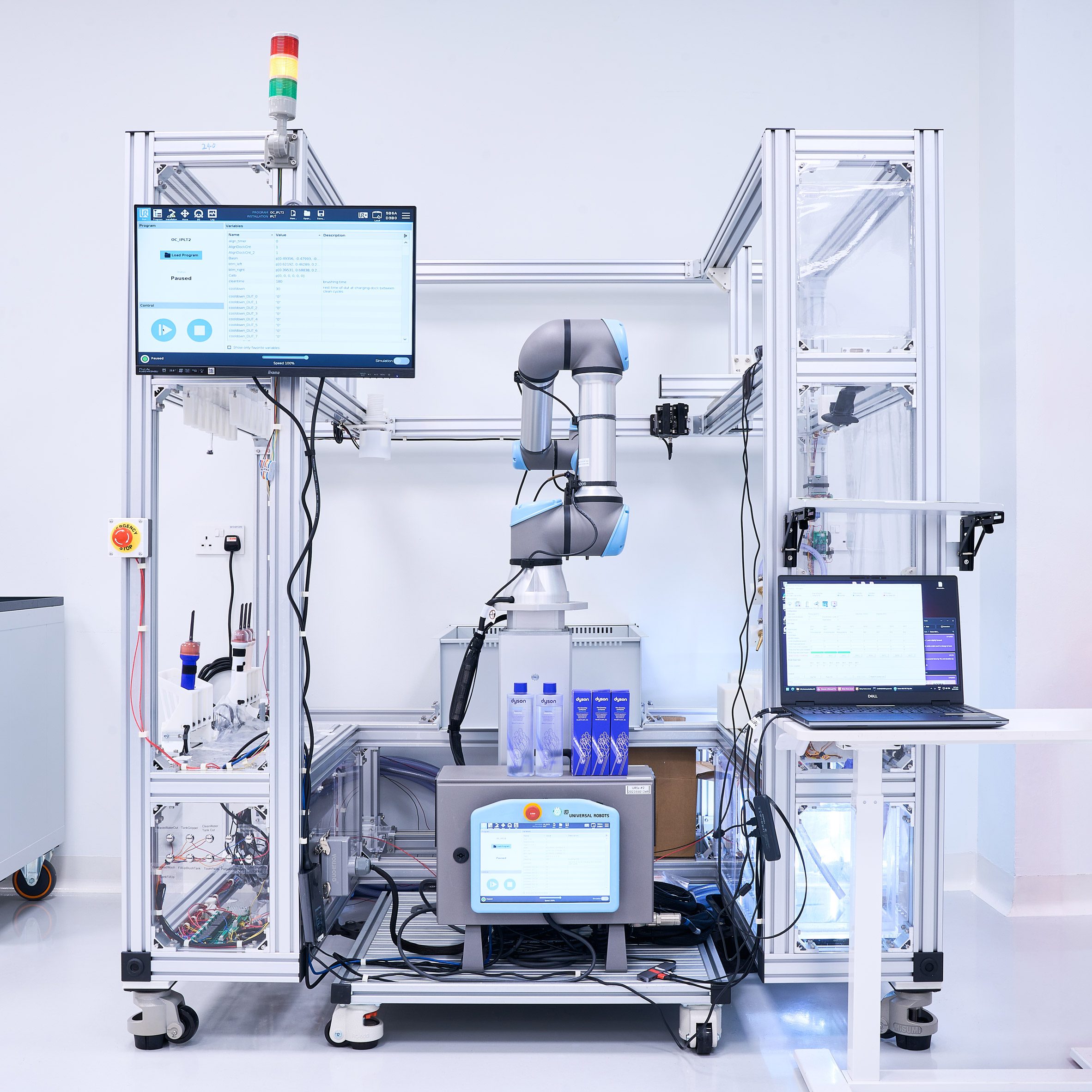
According to Dyson, the camera system was trained on 470,000 dental images to recognise gaps between teeth. Using an artificial intelligence-powered algorithm, it takes 28 images per second to track the teeth and predict gaps.
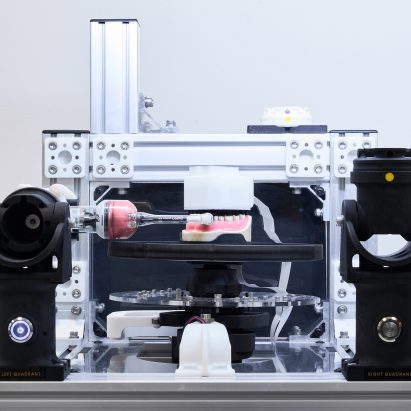
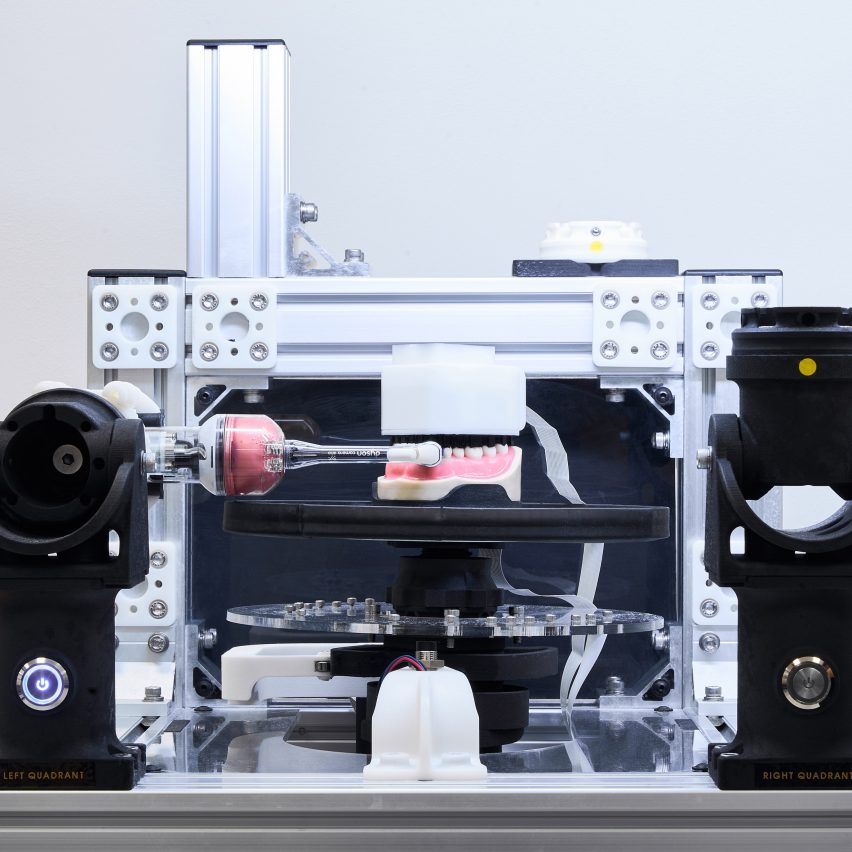
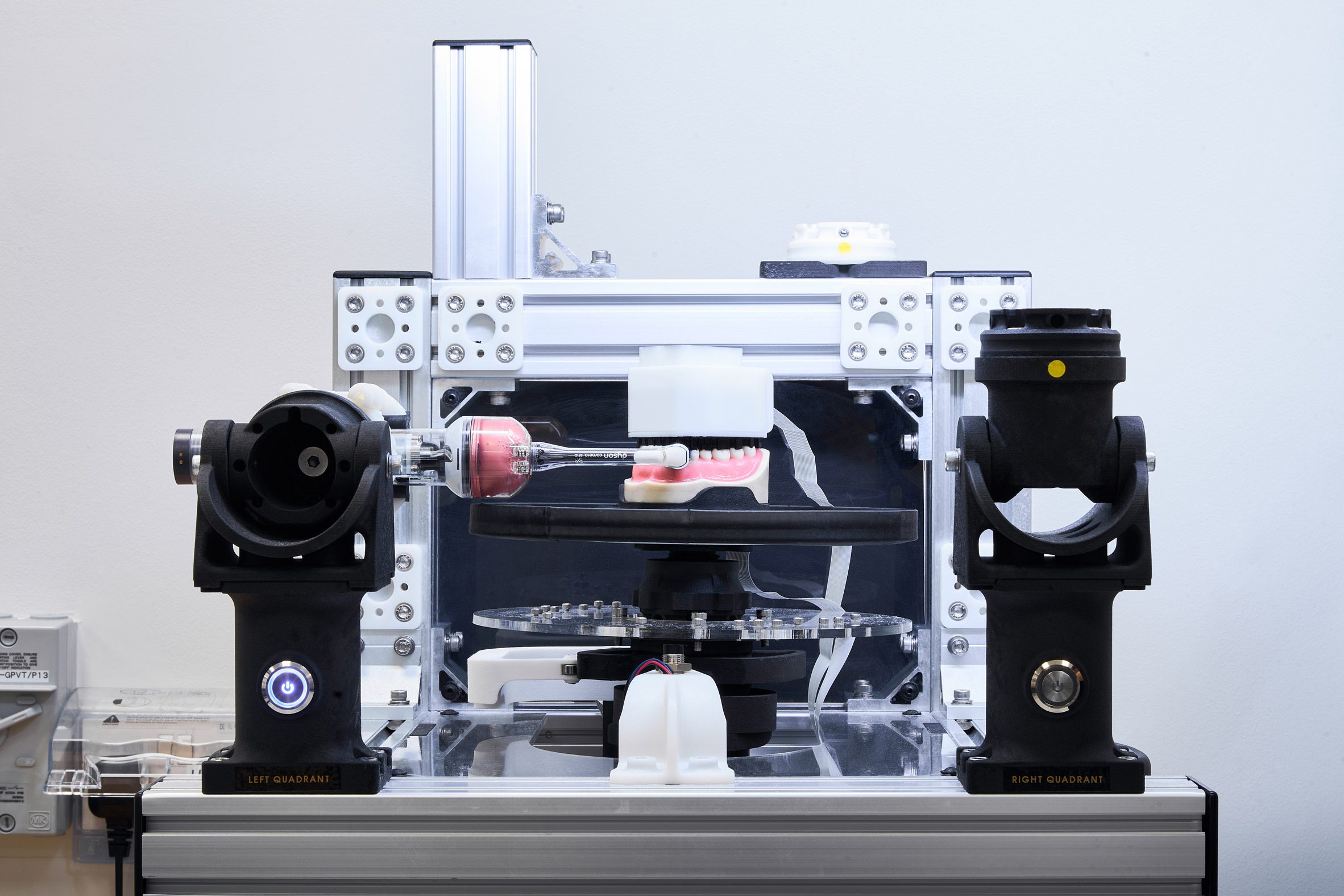
Dyson said that 661 engineers worked on the project over its development, with the toothbrush tested using a proxy plaque that was developed in collaboration with the National University of Singapore's dentistry faculty.
Along with headphones, Dyson recently created the "world's slimmest vacuum cleaner".
The post Dyson toothbrush updates "a cleaning routine that has remained largely unchanged for decades" appeared first on Dezeen.