













Circular Composites: Designing for a Sustainable Future

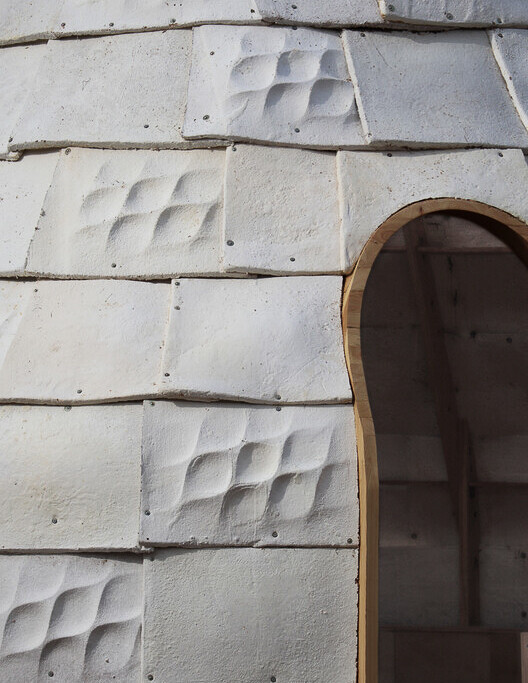
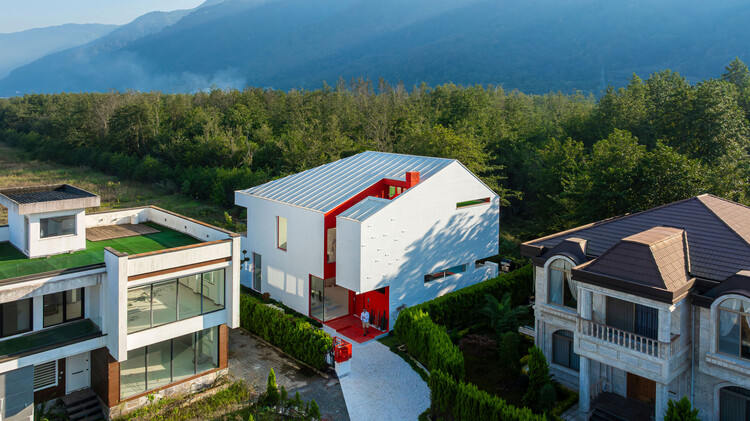
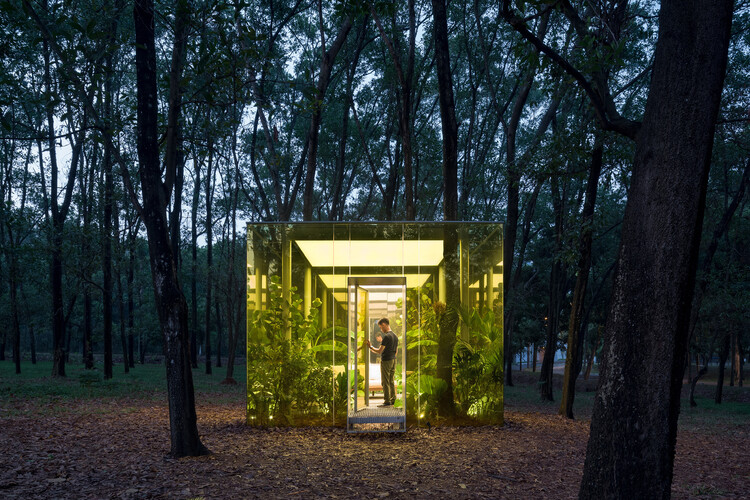
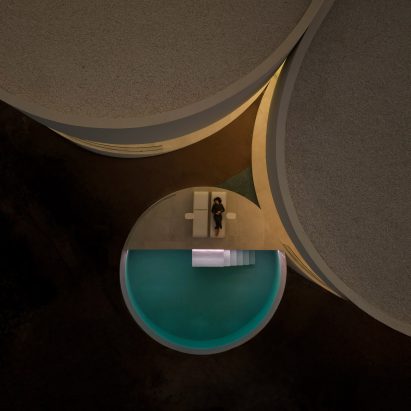
 Mycelial Hut by Yong Ju Lee Architecture. Image © Yong Ju Lee Architecture
The pursuit of stronger, lighter, and more durable materials has guided architecture long before polymers or carbon fibers existed. One of the earliest large-scale examples of composite materials can be found in the Great Wall of China, where stone, clay bricks, and organic fibers such as reeds and willow branches were blended to create a resilient and lasting structure. These early techniques reveal a timeless intuition: distinct materials, when combined thoughtfully, produce properties unattainable by any single element. As the construction sector faces urgent ecological pressures, this intuition is being revisited through the lens of sustainability, with architects and engineers exploring bio-based, recycled, and hybrid composites designed not only for performance but also for circularity and environmental responsibility.