





























AIA calls ROAD to Housing Act an "important step" in housing affordability
The American Institute of Architects has "celebrated" the enactment of the 21st Century ROAD to Housing Act, a recently passed bill aimed at speeding up the building and access of affordable housing in the US, saying it may "expand the pipeline of projects" for architects
The 21st Century ROAD to Housing Act went into law on 11 July, which the AIA is stipulating may be a boon for architects.
"There are several wins for the architectural community and AIA members that will likely expand the pipeline of projects, particularly in housing preservation, adaptive reuse, and new multifamily development," said the AIA.
The bill contains a spectrum of legislation that's aimed at streamlining the broader administration of federal housing policies, as regulations ultimately fall under the jurisdiction of states and localities.
This includes everything from the creation of a pilot program to help local governments convert vacant commercial or industrial buildings into affordable housing, to incremental changes to the mortgage loan process and addressing delays in inspection processes by the US Department of Housing and Urban Development (HUD).
Ultimately, the bill is aimed at expanding housing supply, lowering building costs and speeding up building to increase access to housing across the country.
The American Institute of Architects (AIA) said that "these reforms will help communities deliver more housing while creating new opportunities for architects to put their expertise to work".
"For too many Americans, finding an affordable home has become increasingly out of reach," said AIA 2026 president Illya Azaroff. "This law is an important step toward changing that."
"Architects are essential partners in creating housing that is safe, resilient, and designed to meet the needs of every community. AIA has long advocated for policies that make it easier to build more housing, and we will continue working with policymakers and federal agencies to help turn these reforms into homes people can live in."
According to the New York Times, the bill's existence and enactment are impressive, but, in a recent article, it said the legislation is "unlikely to do much anytime soon".
One major criticism is that it does not address the urgency of the current housing shortage embroiling the US. It is aimed at addressing policy, rather than providing funds immediately.
Another is that, in streamlining the production of supply, it also means expedited supply for the "high-earners and the whole world's ultra-wealthy", according to non-profit media outlet Next City.
"When every corporate executive wants a third vacation home, and every foreign oligarch wants a pied-a-terre, developers will create new supply to meet their needs and budgets."
"The developers don't care about affordability. They build for profitability."
Still, the bill is the "largest housing effort in a generation", according to the New York Times.
President Trump refused to sign the bill after he called it of "minor importance" in a Truth Social post.
Other policies aimed at addressing the housing crisis across the US include the streamlined building of accessory dwelling units across New York City and the exemption of infill housing from environmental review in California.
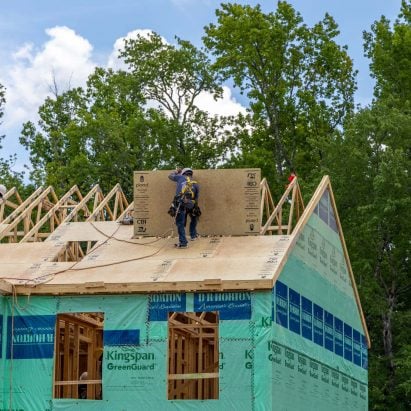
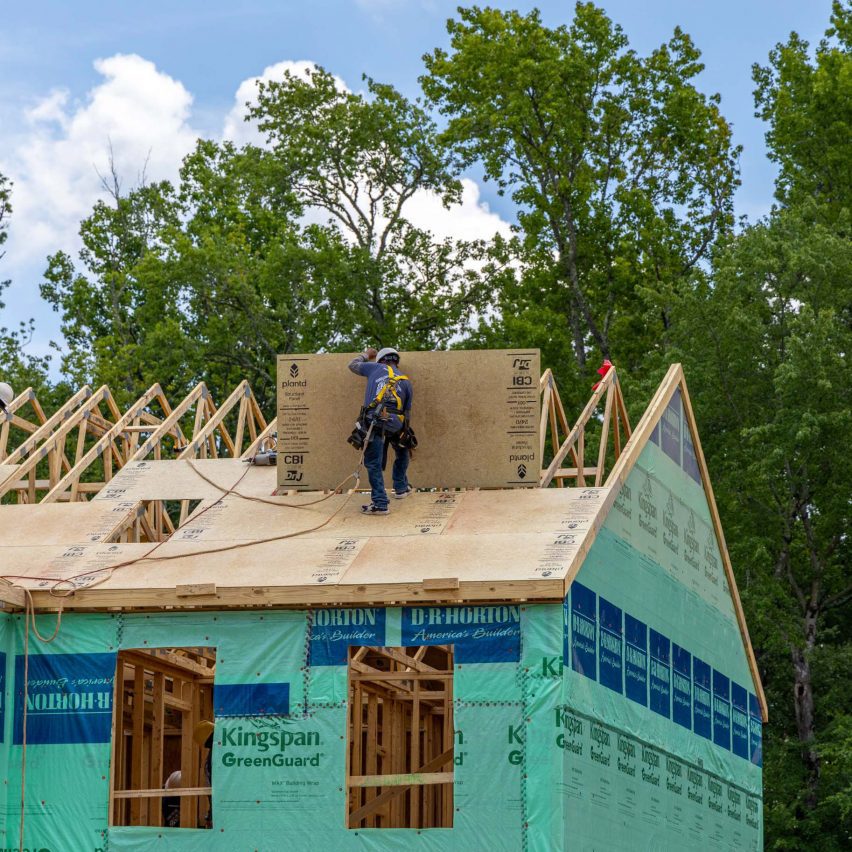
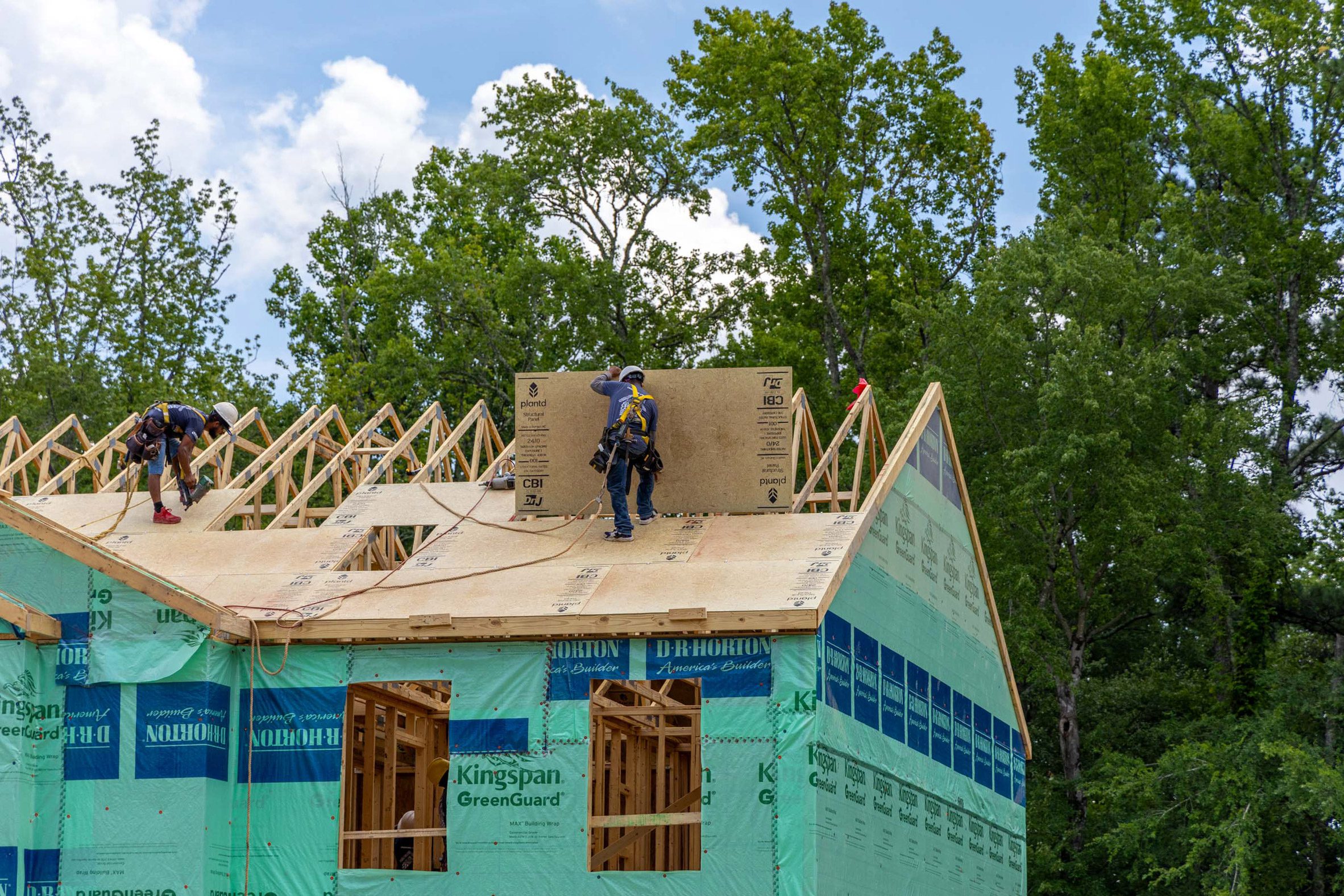
The photography is of a North Carolina home being constructed by DR Horton using plywood made with plant materials. Courtesy of Plantd.
The post AIA calls ROAD to Housing Act an "important step" in housing affordability appeared first on Dezeen.