








Dress made of living mycelium can renew and repair itself

Researchers in China have created a textile from living mycelium that is self-cleaning, near self-repairing and can be coloured or made UV protective through "plug-and-play" add-ons of different fungi or yeast.
The breakthrough from the researchers at the Shenzhen Institutes of Advanced Technology is a type of engineered living material (ELM) – a material built off living organisms that stay active even after they're fabricated into their final form.
This distinguishes it from most contemporary uses of mycelium, which involve drying and effectively killing the fungus to produce a stable, non-growing material that has become a popular emerging alternative to plastic packaging and vinyl.
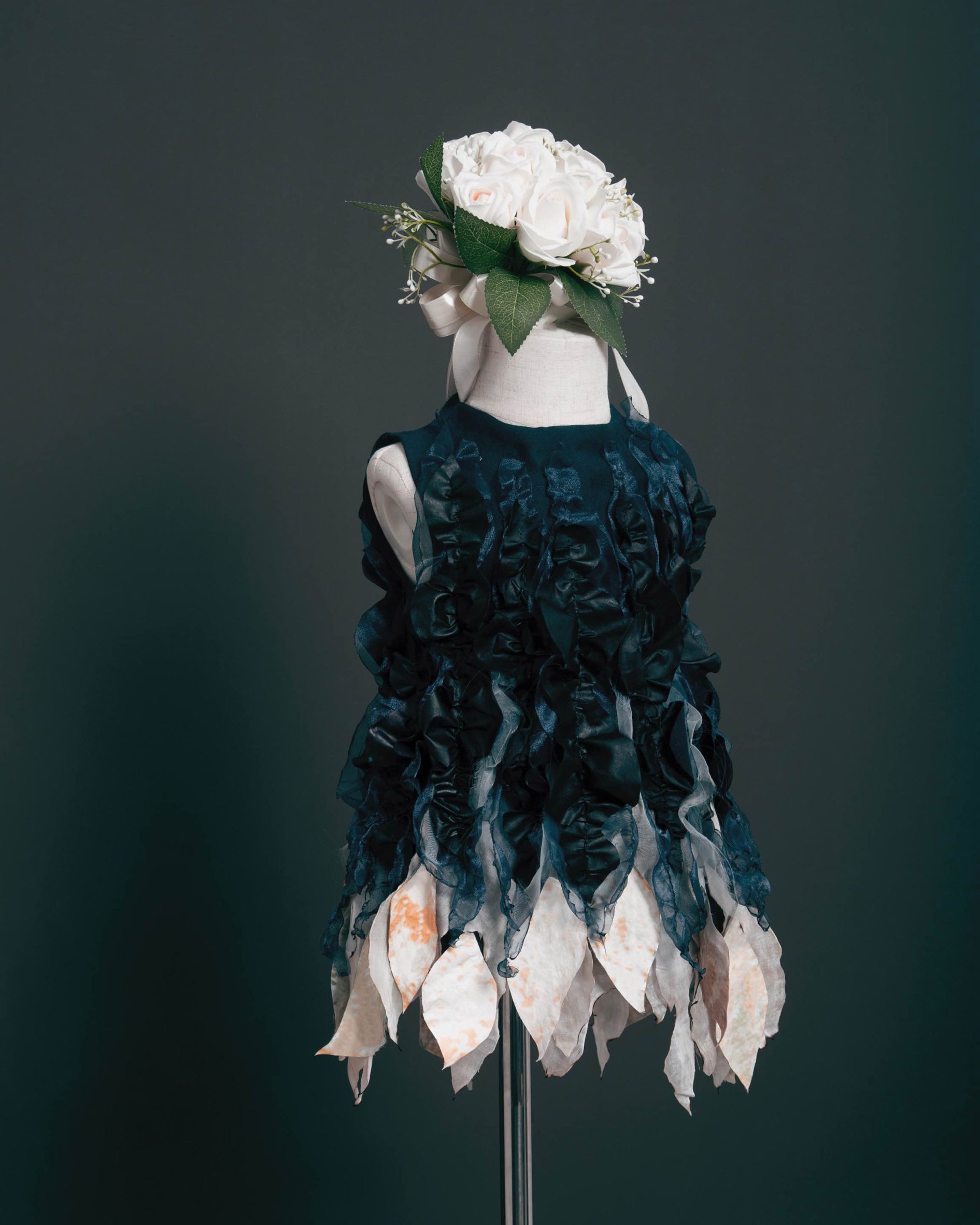
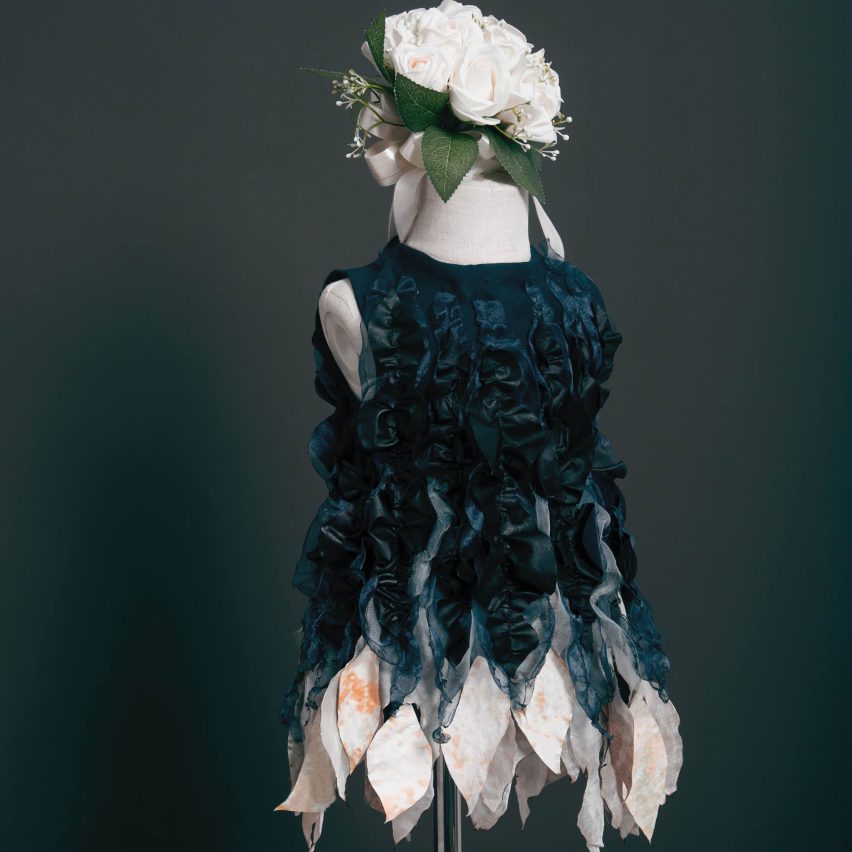
By working with living but dormant cordyceps militaris fungus instead, the researchers have been able to take advantage of its biological functions. The result is a material that is self-renewing and responsive to its environment, in ways that could one day transform architecture and clothing – as seen in a prototype dress created together with material innovation company Peelshere.
It can also be adapted by mixing in other fungi or yeast, lead researcher Ke Li and her team detail in a paper in the peer-reviewed journal Science Advances.
In it, they describe a "programmable fungal platform" where mycelium is treated like a modular system, with the sheet material forming a base structure and extra biological abilities, such as colour and UV resistance, becoming "plug-and-play" add-ons via other organisms.
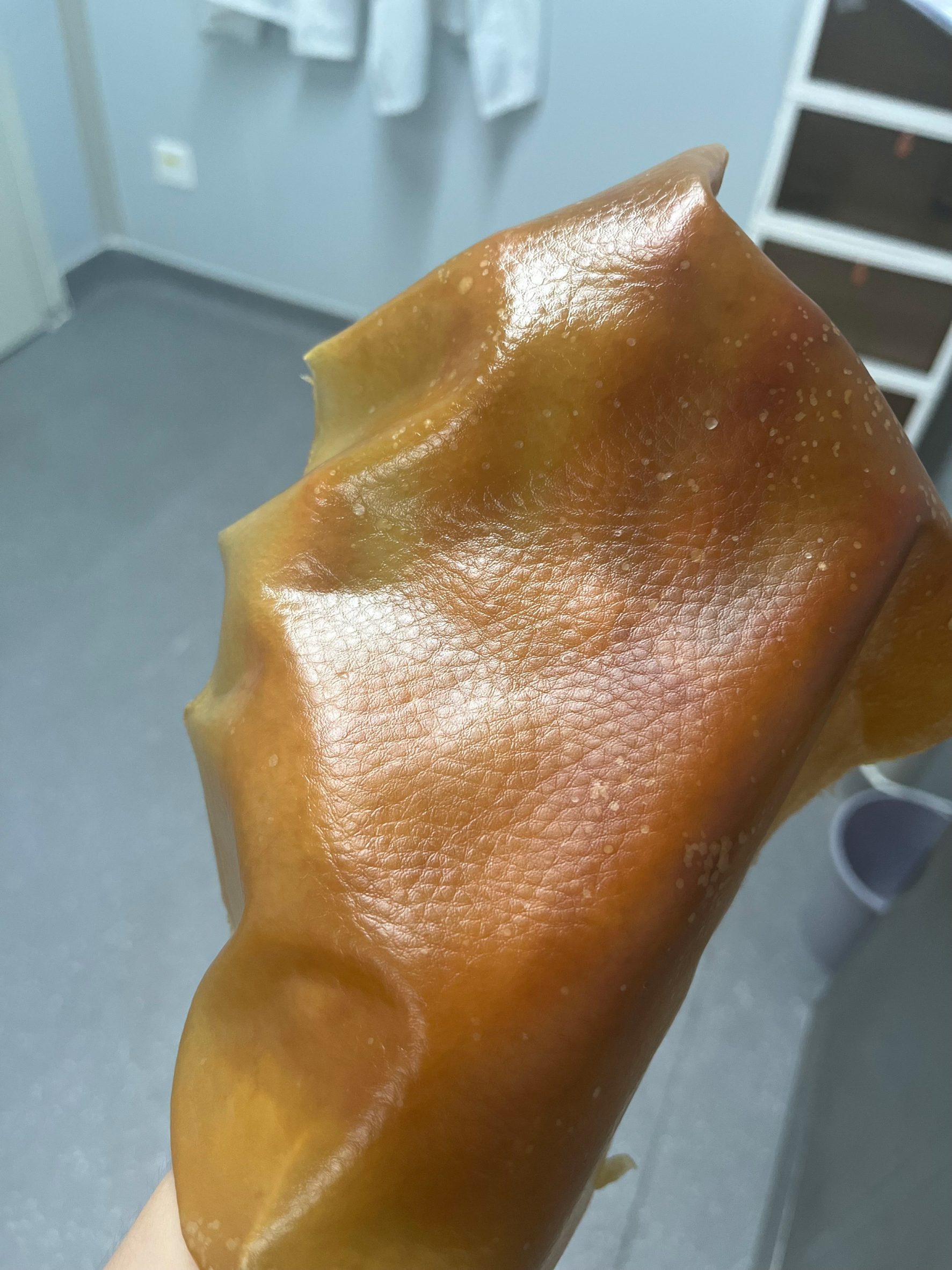
This gets their textile closer to the self-repair, environmental responsiveness and controllable functionality that is the promise of engineered living materials, they argue.
"While synthetic biology has greatly expanded the functional capabilities of ELMs, a persistent challenge lies in integrating autonomous structural assembly with sustained biological activity at macroscopic scales," the scientists write.
"Achieving such integration is essential for practical applications, from adaptive textiles to architectural biomaterials, where mechanical robustness, spatial uniformity and scalable fabrication must converge with engineered biological function."
The ELM's self-renewing and semi-repairing functionality comes from the mycelium base structure. Following drying at 45 degrees, the material is not quite living and not quite dead, but instead in a "low-metabolic, dormant-like state", Li told Dezeen, meaning it is not actively growing.
However, new growth can be triggered by applying a nutrient solution of potato water, leading the dormant mycelium to germinate, send out new fungal filaments and renew the material's surface.
When this nutrient solution is applied over a hole, along with a small patch of fresh fungus, it triggers the living cells to grow across the gap, seamlessly repairing the surface without any adhesives or stitching. The material is also naturally self-cleaning, as it is hydrophobic.
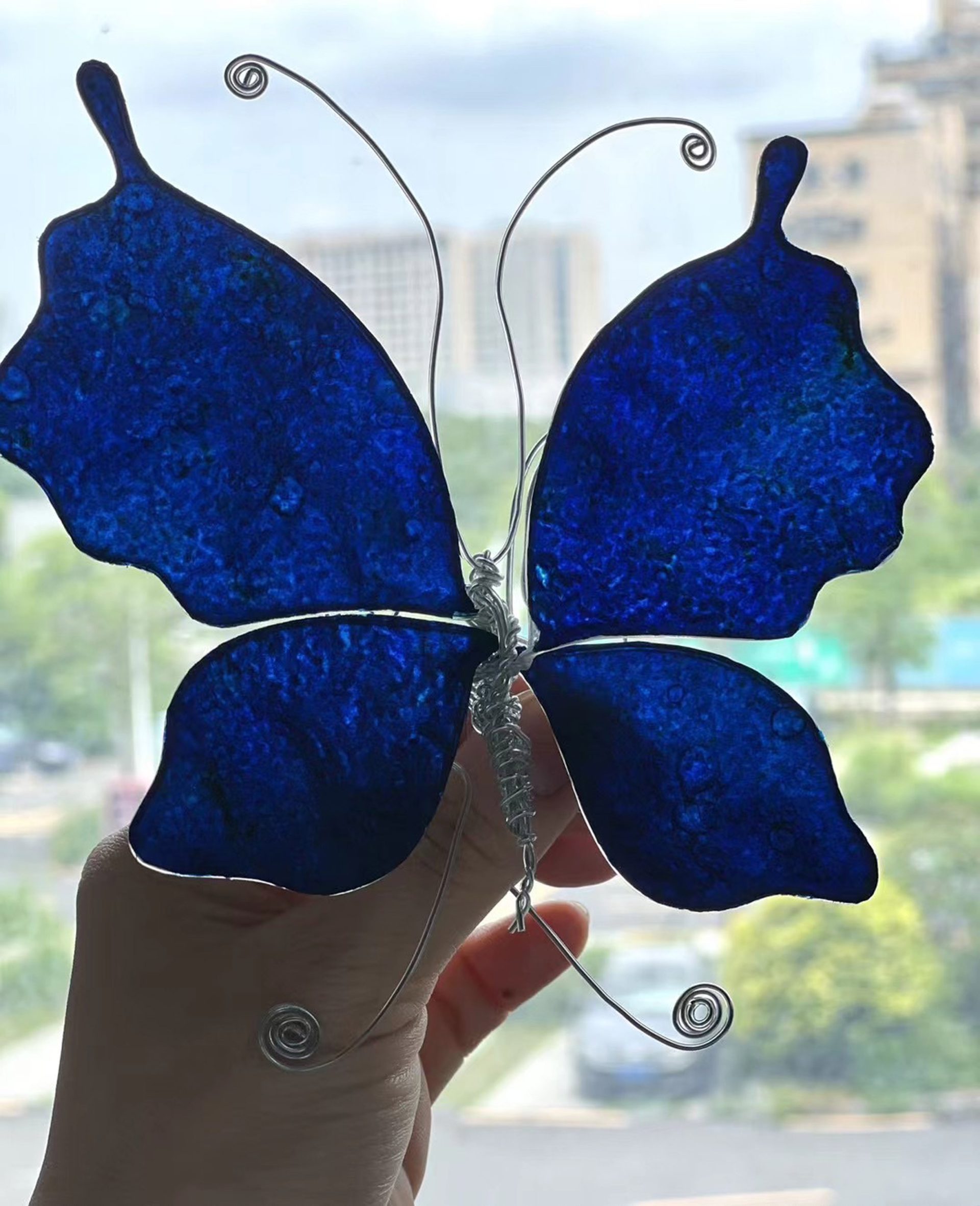
The blue colour and UV resistance, meanwhile, come from brewer's yeast – also known as saccharomyces cerevisiae – and aspergillus niger fungus, respectively. These are mixed in with the cordyceps militaris at the beginning and simply co-cultured, avoiding the need for genetic engineering.
A prototype dress has been made out of the scientists' material by Berlin-based Peelshere, whose founder YouYang Song is a friend of Li's. Song developed the conceptual and aesthetic design of the dress, while her China-based colleague Ruochen Wang took care of the cutting and construction.
The dress features several versions of the material, including some co-cultured with brewer's yeast for the consistently self-pigmented blue shade in the body of the garment.
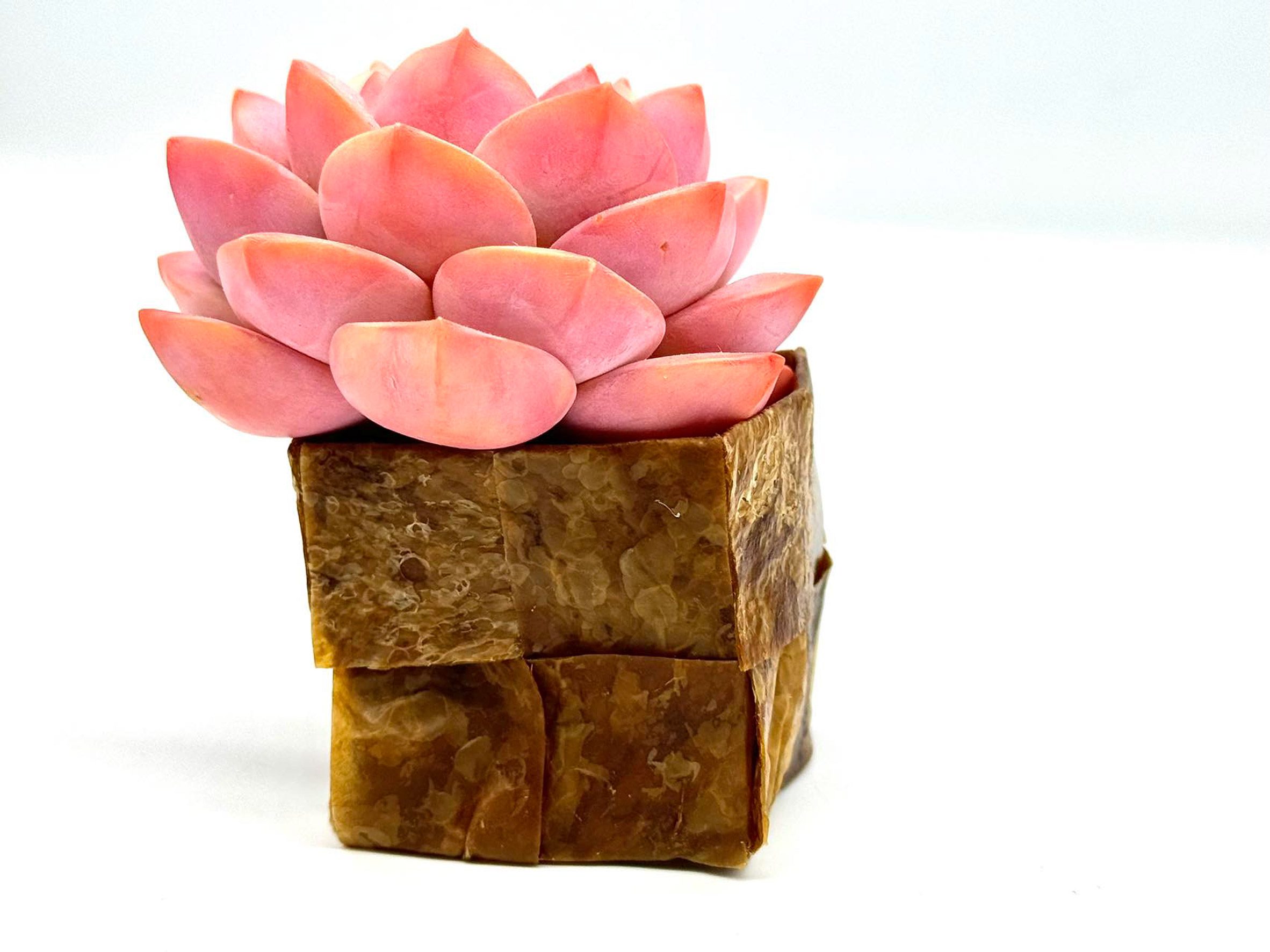
Li told Dezeen that the material is suitable for applications such as conceptual fashion, accessories, decorative textile surfaces, exhibition pieces and biodegradable packaging.
"Its distinctive surface texture, biological colouring, controlled repair and biodegradability may be particularly useful in applications where visual expression and a defined product lifetime are important," she said.
"Further improvements in durability, moisture resistance, safety and manufacturing consistency would be needed before it could be considered for routine clothing or permanent architectural use."
Peelsphere's main product is a plant-based and waterproof leather alternative made of fruit peels and algae.
Photography by Ke Li.
The post Dress made of living mycelium can renew and repair itself appeared first on Dezeen.