


















What Cladding Systems Reveal About Local Production in Architecture

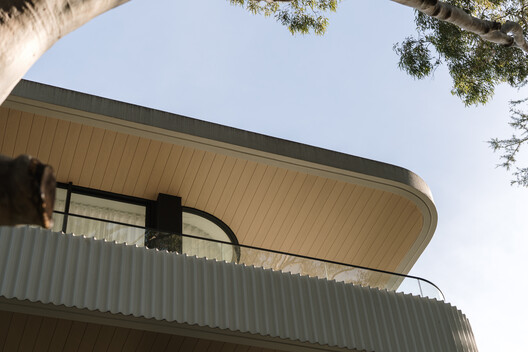
 Courtesy of Knotwood
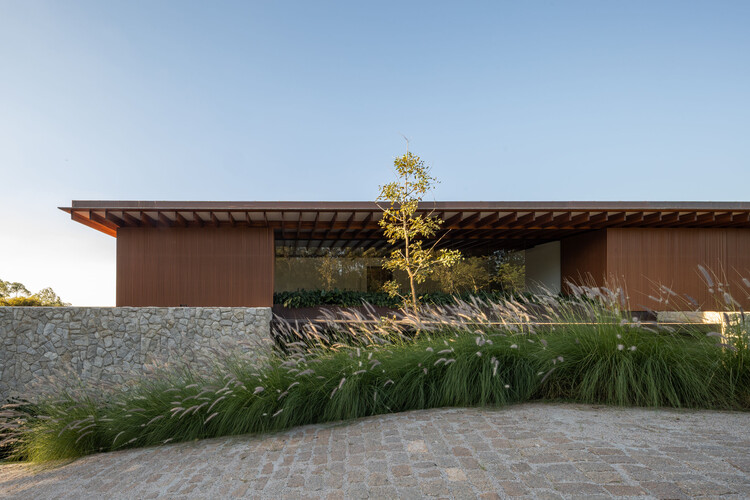
Between the moment a material is specified in a project and the moment it is installed, there is an invisible layer that plays a decisive role in the final outcome: fabrication, logistics, and coordination. These factors shape timelines and costs, but more critically, determine whether the original design intent is preserved or diluted in execution. Cladding systems, especially those that function as visible and expressive components of the building envelope, make this gap particularly evident, as they are the most outward-facing layer of a project.
Selecting a cladding system is never a purely aesthetic decision. It activates a chain of dependencies: profile availability, fixing systems, tolerances, sequencing, and compliance with local codes. When elements are misaligned, the fallout is rarely subtle. Integrated cladding systems—those that anticipate assembly as much as appearance—tend to close this gap, embedding coordination into their logic and reducing the need for on-site improvisation.