



















UNESCO adds works of Aino, Elissa and Alvar Aalto to World Heritage List
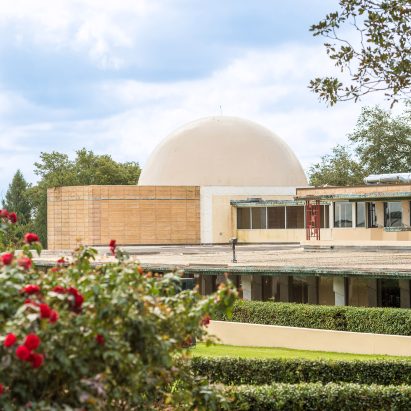
UNESCO has updated its World Heritage List with 13 modernist buildings in Finland designed by architects Aino, Elissa, and Alvar Aalto.
Collectively known as Aalto Works, the group of buildings is one of 25 sites added to this year's World Heritage List, which also included a collection of 10 significant modernist buildings in Tashkent.
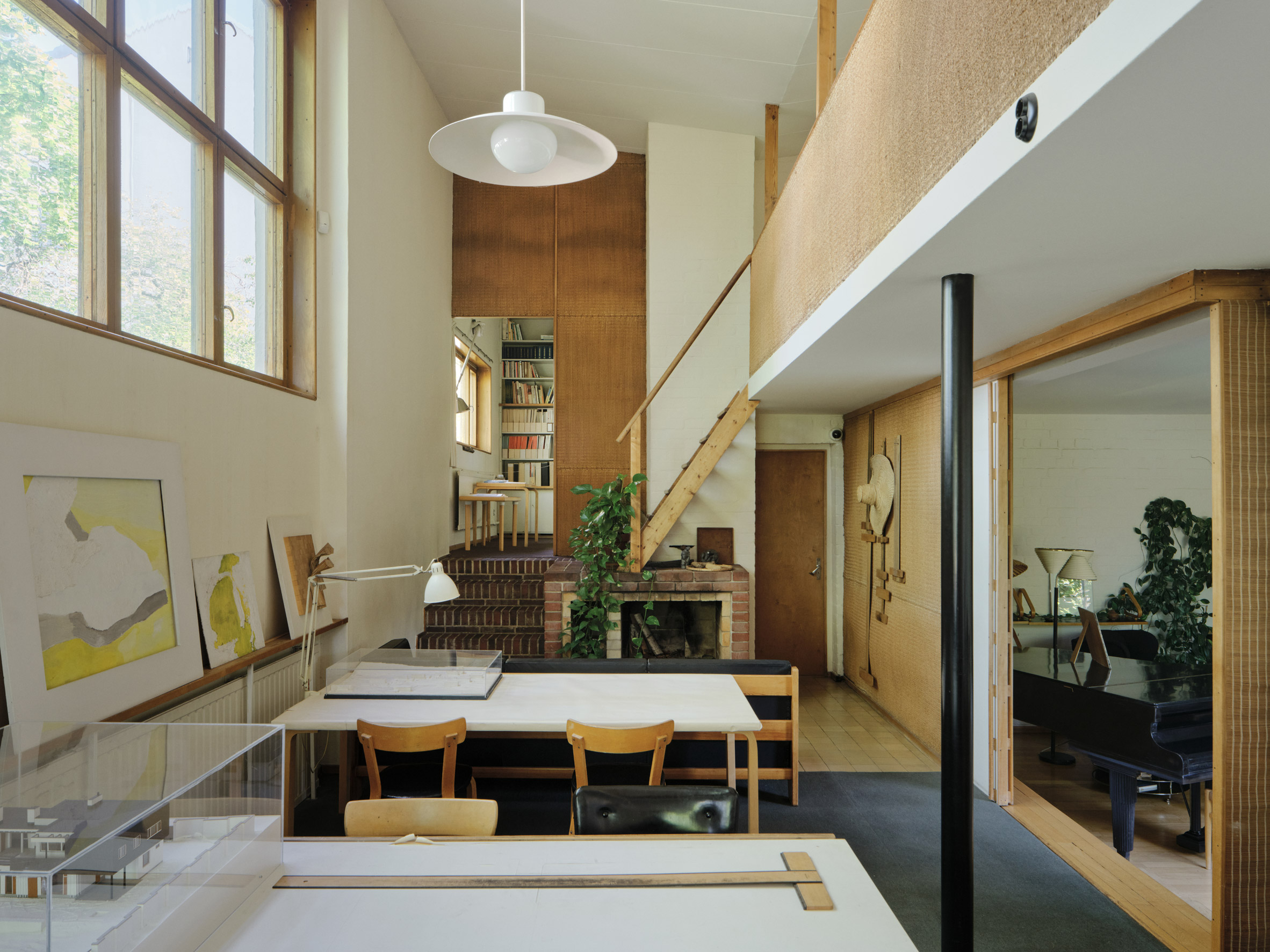
The Aalto Works buildings were selected for their contributions to shaping modern architecture globally and their approach to designing for wellbeing.
Five of the buildings are located in Helsinki, including The Aalto House, which was completed by husband-and-wife duo Aino and Alvar Aalto in 1936.
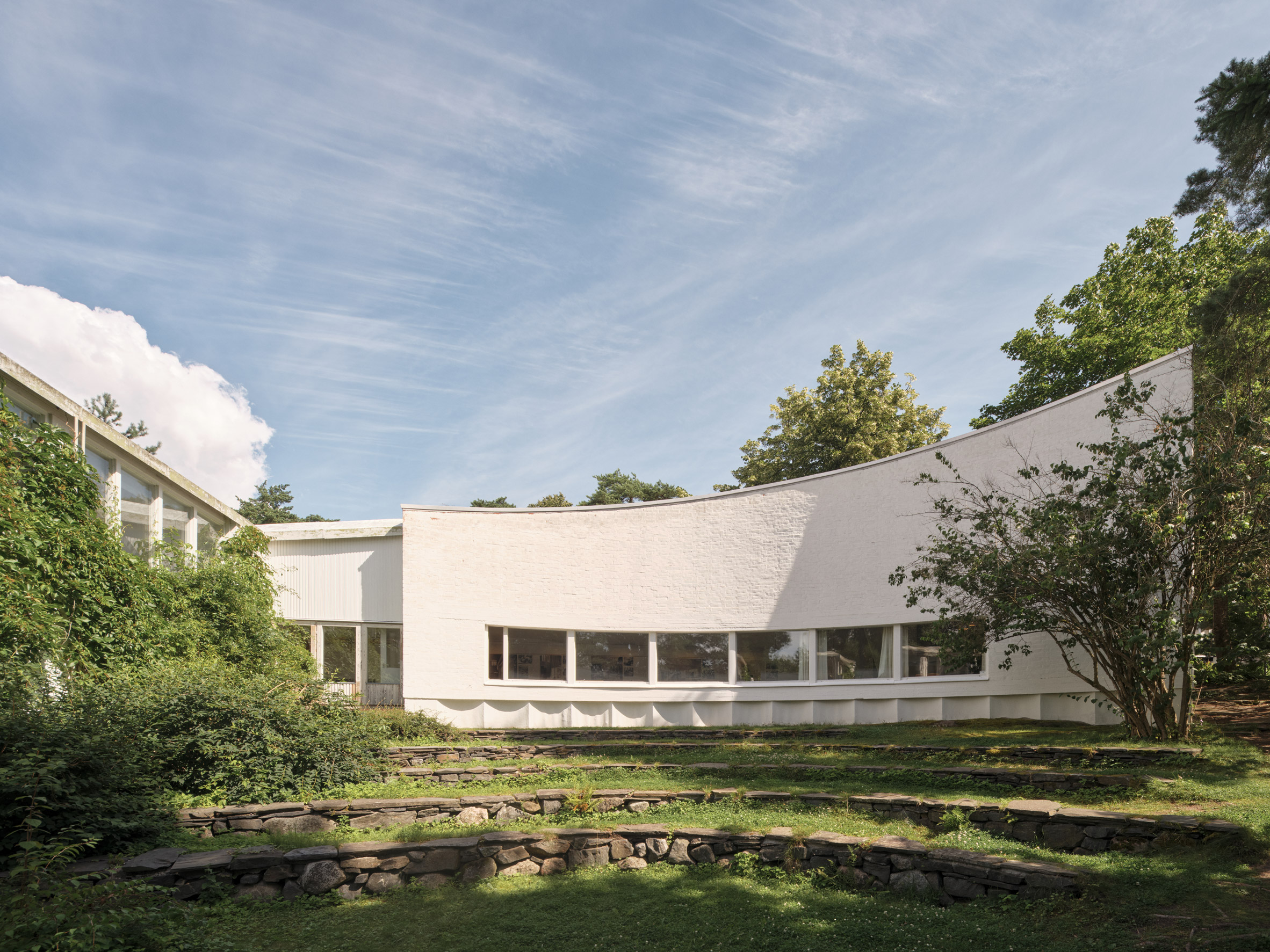
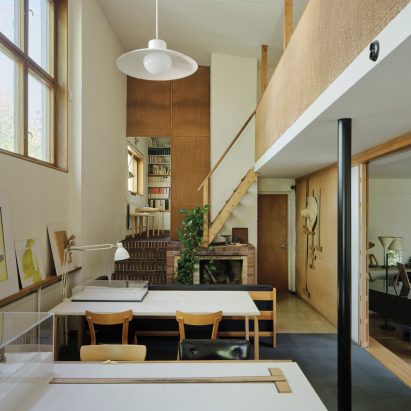
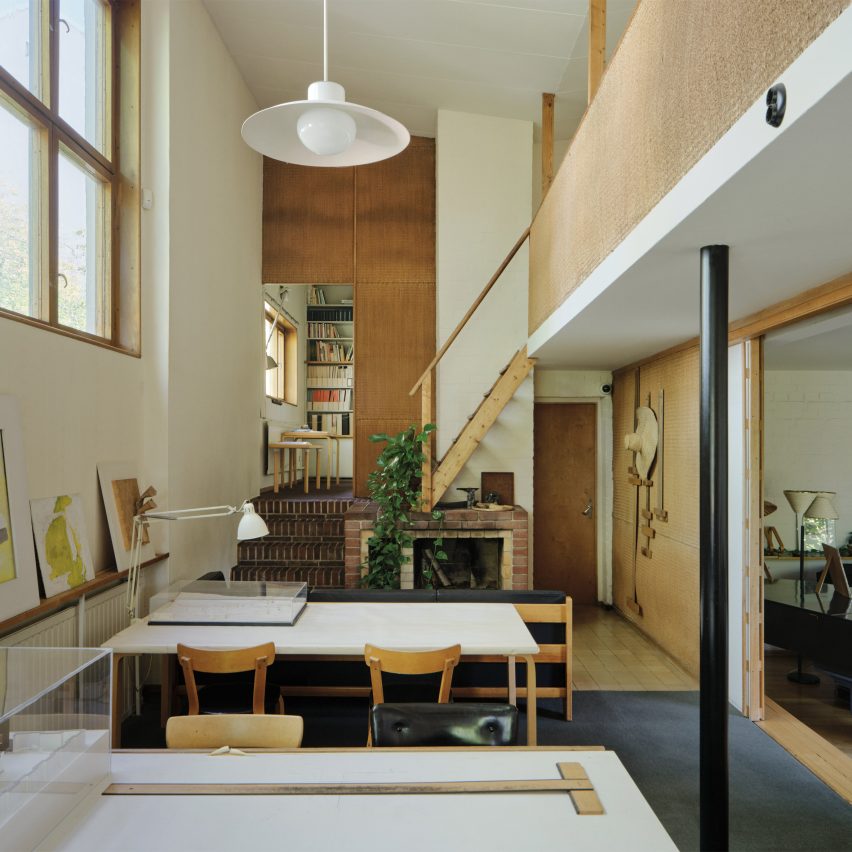
Buildings by Alvar Aalto and Elissa Aalto, who married after Aino's death, are also among the Helsinki-based buildings on the World Heritage List, including the architects' office, Studio Aalto, which was completed in 1955.
Completing the buildings in Helsinki that are on the list are the National Pensions Institute KELA, House of Culture and Finlandia Hall.
The list of Aalto World Heritage buildings is completed by eight significant projects elsewhere in Finland: Sunila Pulp Mill residential area, Paimio Sanatorium, Säynätsalo Town Hall, Seinäjoki Civic Centre, Muuratsalo Experimental House, the Aalto campus at the University of Jyväskylä, Church of Three Crosses and Villa Mairea.
"The Aalto Works series is unique from both a national and an international perspective," said Alvar Aalto Foundation CEO Tommi Lindh. "Until this designation, Finland had no sites of modern architecture on the UNESCO World Heritage List."
"These sites demonstrate the universal value of the Aaltos' human-centred approach to architecture and design, which brought together functionality, beauty and a deep understanding of people's everyday lives," he continued.
"Their inscription recognises the Aaltos' lasting influence on modern architecture worldwide and the enduring importance of creating environments that support human wellbeing, community and cultural identity across generations."
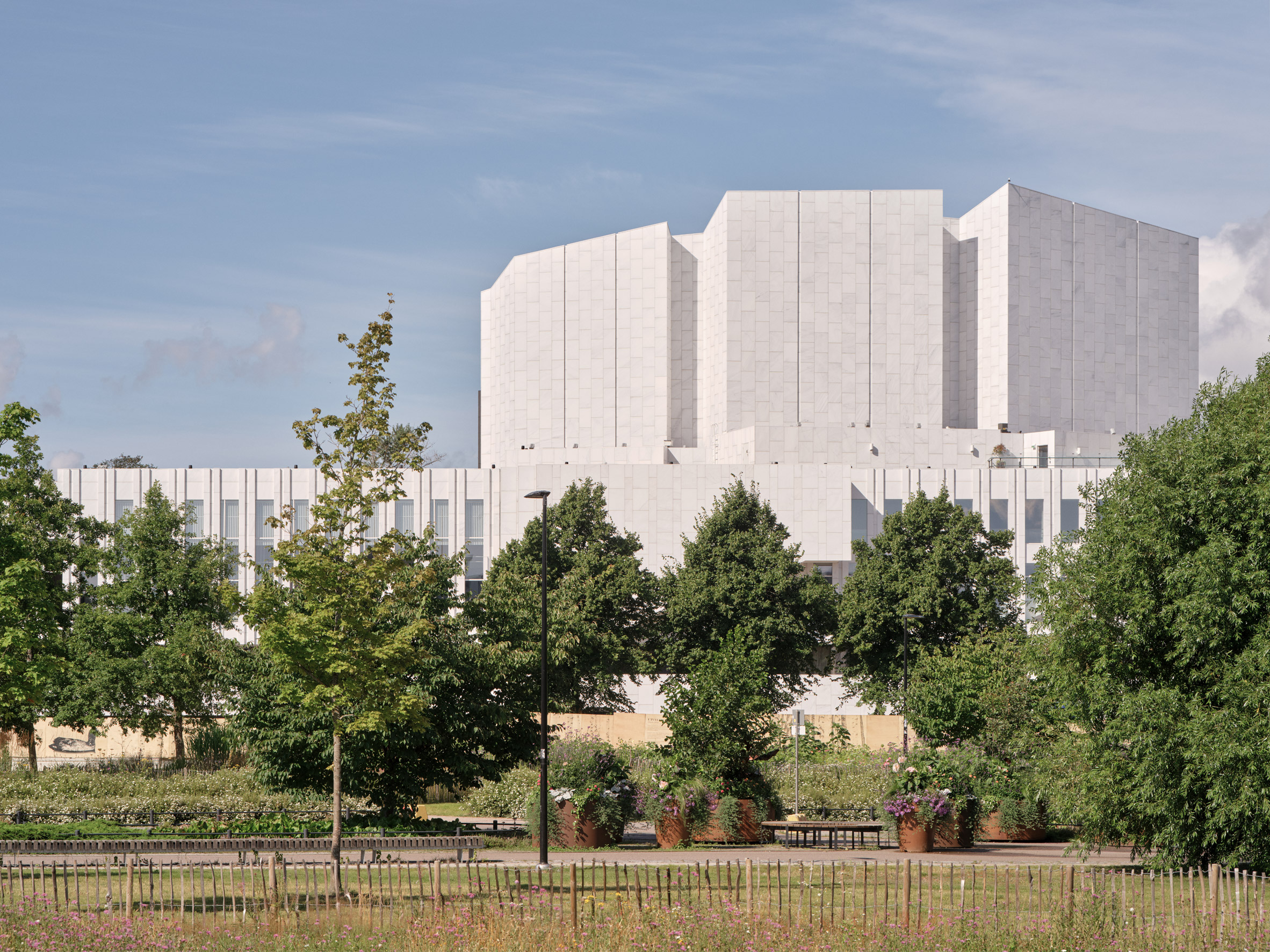
The Aalto Works was one of 25 new entries to the UNESCO World Heritage List this year, which encompasses human-built cultural locations and natural sites.
Also added to the list was the modernist architecture of Tashkent, Uzbekistan, represented by 10 buildings constructed between the 1960s and early 1990s.
Featuring museums, exhibition halls, hotels, residential developments and science facilities, the buildings demonstrate Tashkent's unique style of modernism, which was influenced by large-scale reconstruction efforts following the 1966 earthquake.
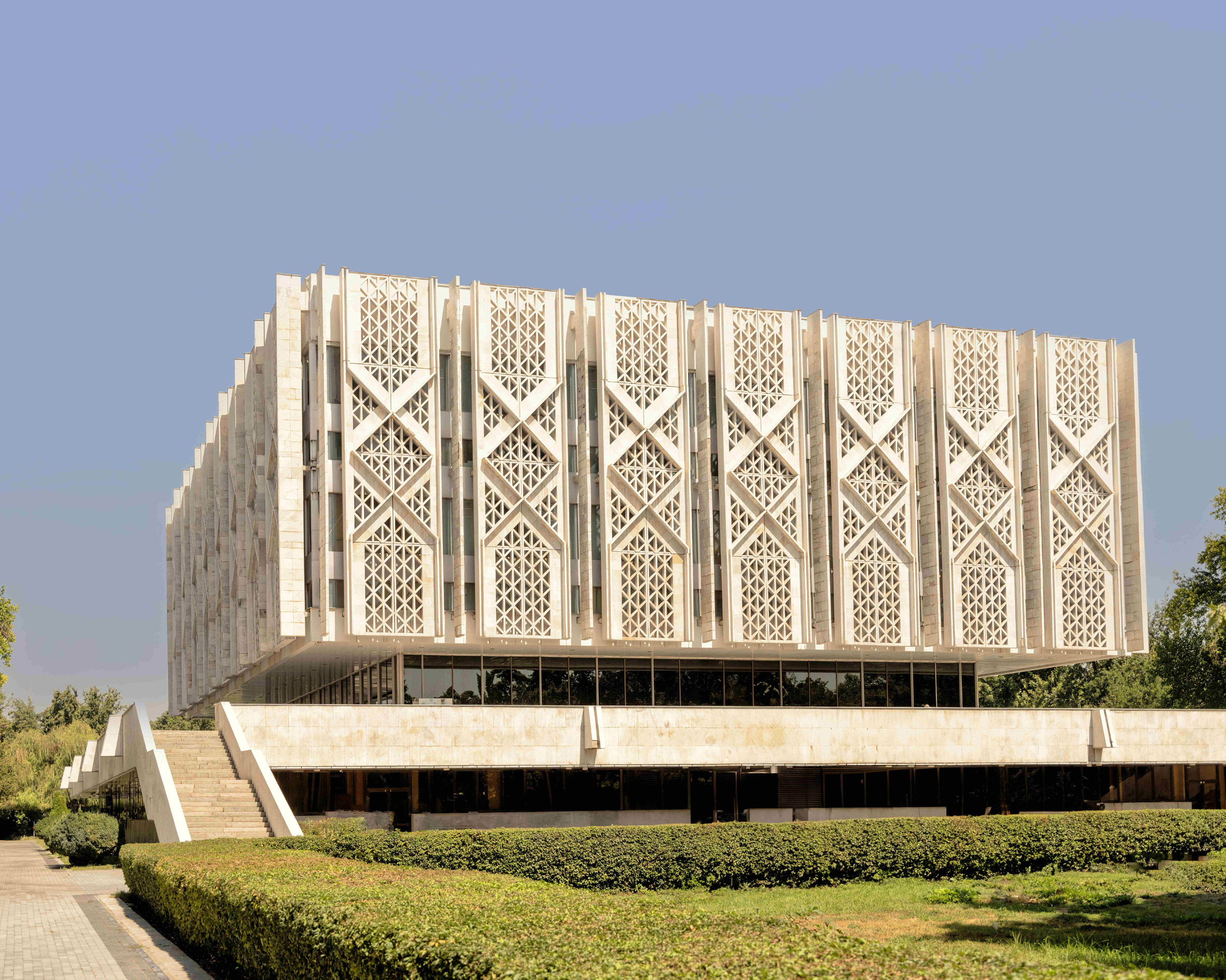
Other modernist buildings that made the UNESCO World Heritage List include the modernist city centre of Gdynia, Poland, and Berlin's Waldsiedlung Zehlendorf housing estate.
Several UNESCO-listed buildings have been damaged this year in ongoing wars. Tehran's 400-year-old Golestan Palace sustained damage following a nearby US-Israeli airstrike, the 17th-century Bernardine Monastery in Lviv was damaged by nearby Russian drone strikes and Kyiv's Dormition Cathedral was set alight during a Russian attack.
The photography is by Tuomas Uusheimo and Helsinki Partners unless stated.
The post UNESCO adds works of Aino, Elissa and Alvar Aalto to World Heritage List appeared first on Dezeen.