








The 9% Problem: Why Architecture Must Move Beyond Synthetic Waste
Architizer's diverse jury of global experts is currently reviewing submissions to the 14th A+Awards! Sign up to receive updates on Public Voting and spring winner announcements.
The global plastic crisis is accelerating. According to the OECD (2022), plastic production doubled from 234 million tonnes (Mt) in 2000 to 460 Mt in 2019. This massive increase in production led to a waste explosion: plastic waste rose from 156 Mt to 353 Mt in that same period.
A circular economy is still a long-term dream. Globally, only 9% of plastic waste is actually recycled. The rest is either burned (19%), sent to landfills (50%), or ends up polluting the environment (22%).
But what is happening in the building world? The numbers are even tougher. While we are good at recycling metal, construction plastics like PVC pipes and insulation have a recycling rate of only about 3%. This is because buildings are usually demolished rather than deconstructed, making it nearly impossible to separate plastic from rubble.
As we all know, recycling is when we take a waste product, break it down and turn it into a raw material to make something new. This usually applies to metals like steel and aluminium. Steel is the gold standard of recycling because it can be melted down over and over without losing its strength. For plastics, recycling is harder. Every time you melt plastic, it gets a little weaker. European Court of Auditors (2020) notes that complex multi-layer materials used in modern buildings are almost impossible to separate, which is why the EU’s circularity rate is stuck at just 12.2%.
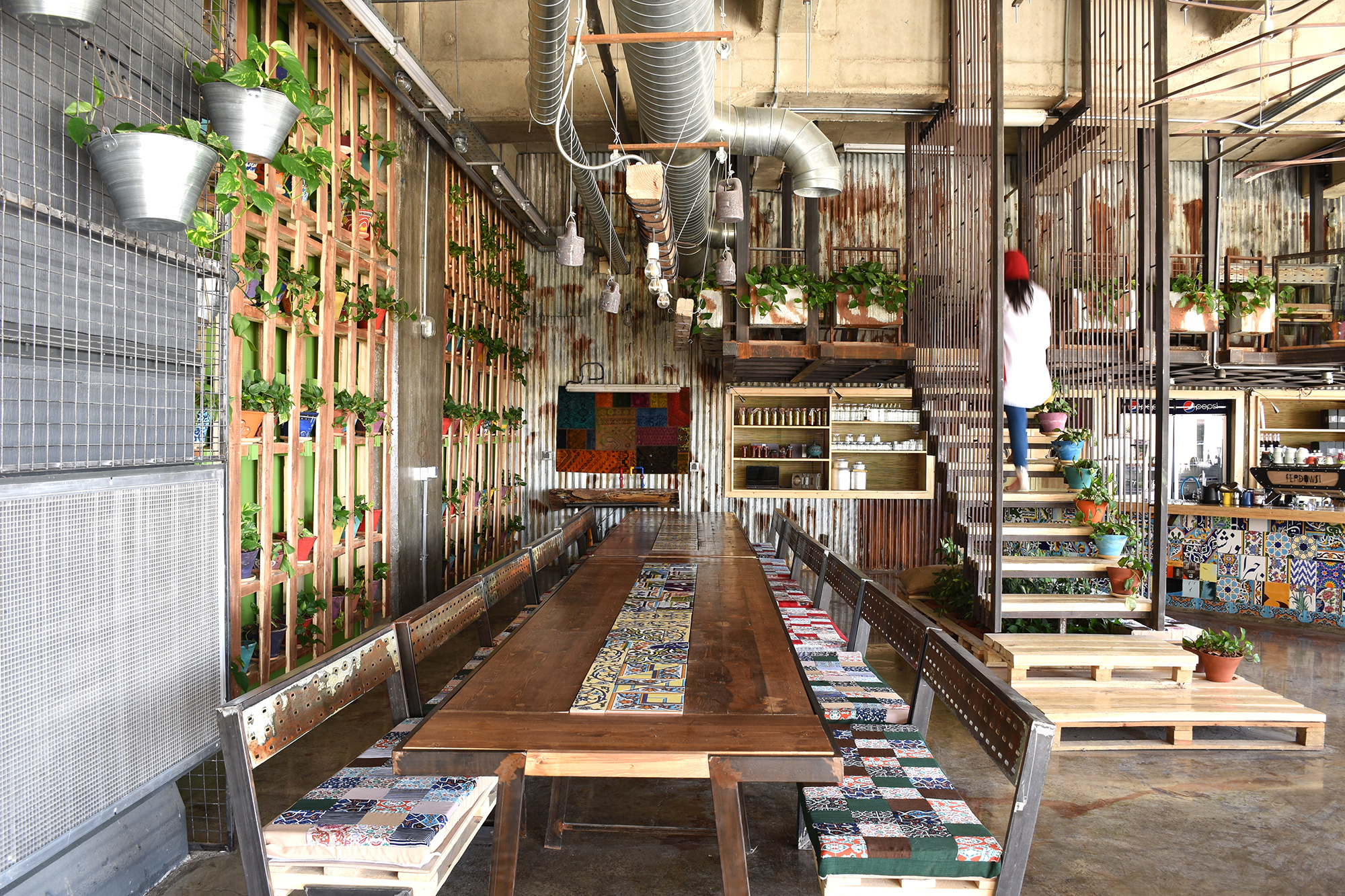
UPCYCLE CAFE (FERDOWSI CAFE) by AshariArchitects, Shiraz, Iran
Upcycling is a creative approach to tackling waste. It means taking an old item and using it for a new purpose that is more valuable or beautiful than the first. You aren’t breaking the material down into liquid; you are keeping its shape and character. A famous example is turning old shipping containers into trendy offices or cafes. Upcycling saves embodied carbon. As noted by the World Green Building Council (2021), the energy already used to make a material is wasted if we throw it away. Basically, upcycling keeps that energy locked in the building.
Downcycling is what happens to most construction waste. It’s when we recycle something, but the new product is of lower quality or weaker than the first. It “cycles down” the value chain. This is very common with concrete. When a building is knocked down, the concrete is crushed. However, you usually can’t use that crushed powder to make a new building; instead, it is used as rubble or fill under new roads. For example, the UK recovers about 91%–93% of construction waste, much of which is actually downcycling.
Building to Take Apart: The Lego Method
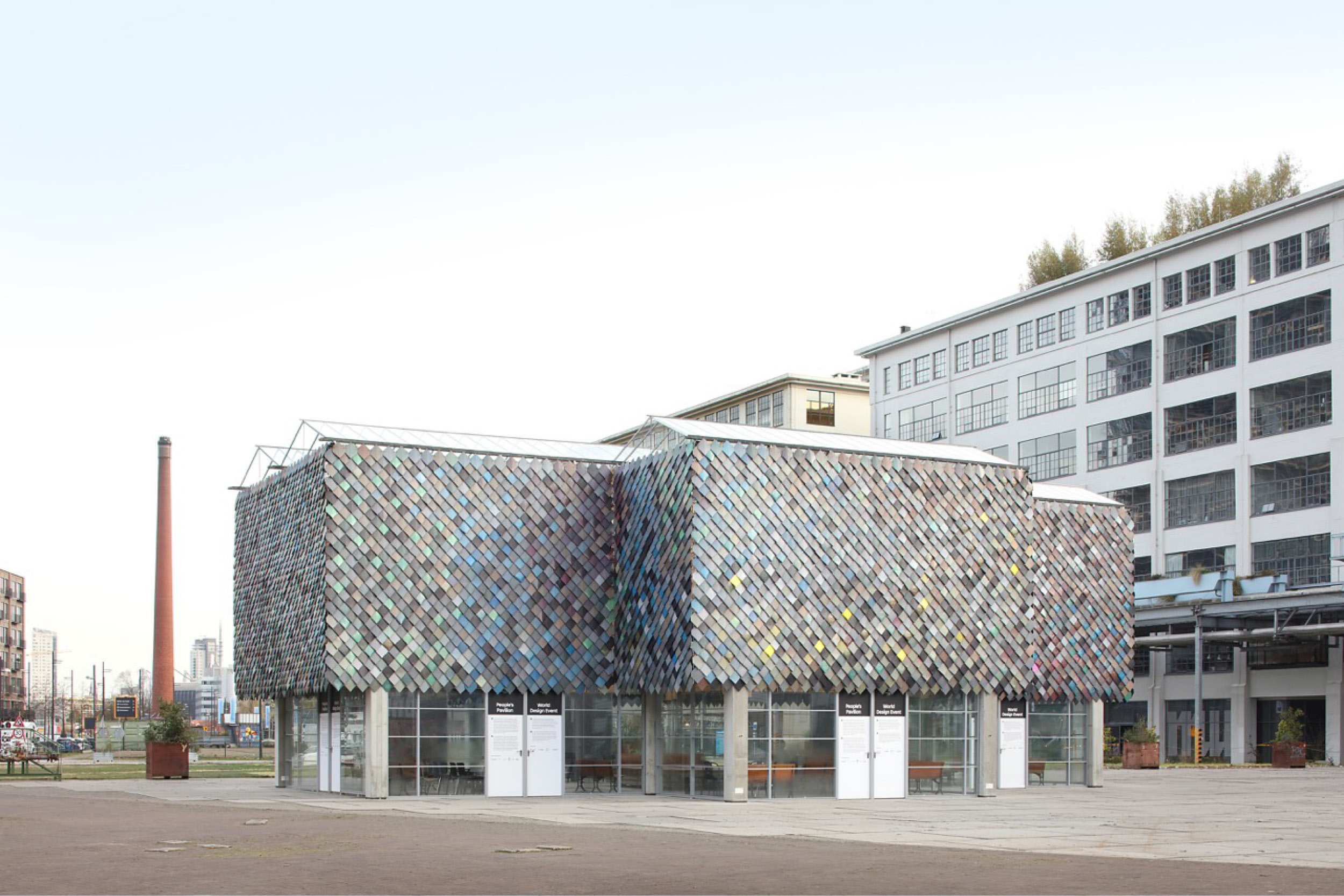
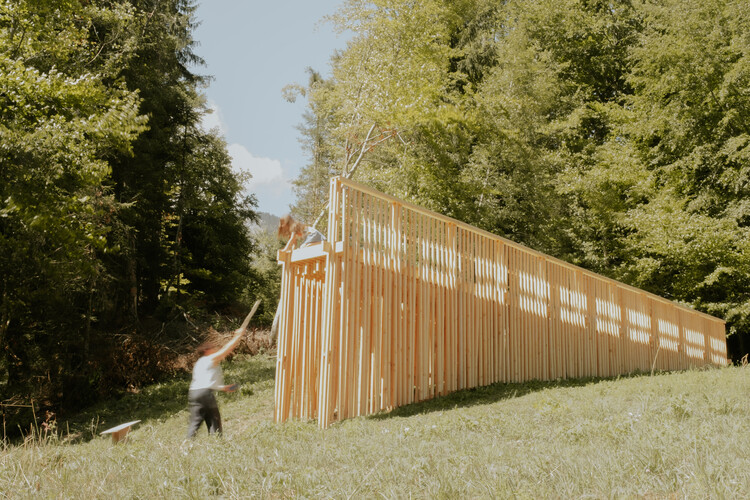
People’s Pavilion – 100% Borrowed by bureau SLA, Eindhoven, Netherlands
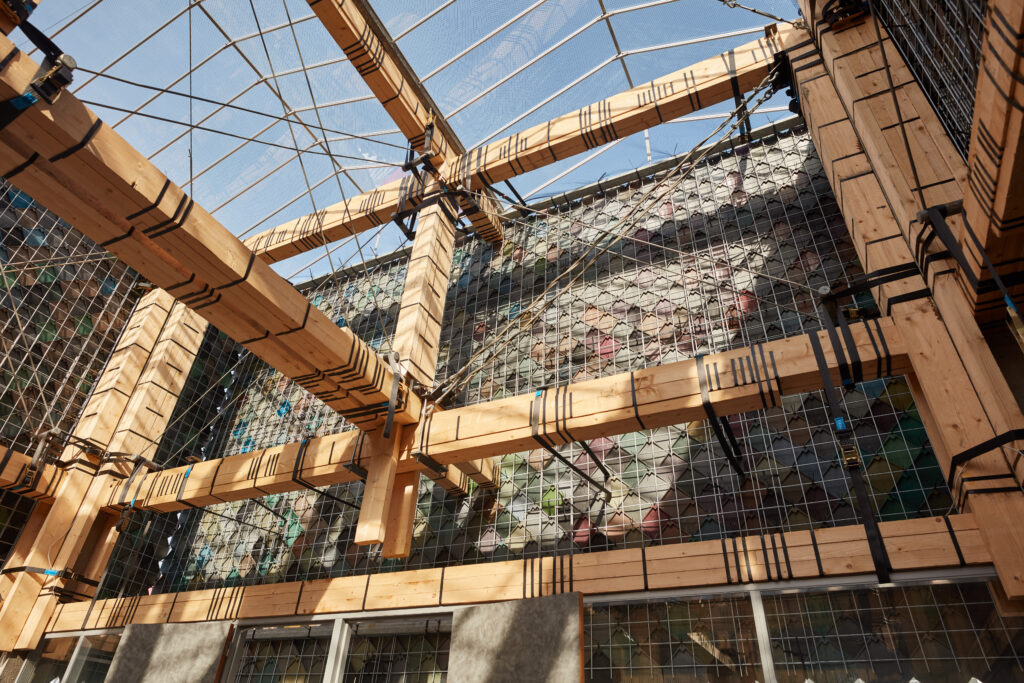
While the waste data sounds rough, there is actually a clever way architects are starting to fix this. Did you know there is a method called Design for Disassembly (DfD)? It’s a simple idea that changes everything. Right now, we usually glue and cement buildings together, which is why we have to smash them to pieces when they aren’t needed anymore. DfD treats a building more like a giant Lego set. Instead of using permanent glues, architects use things like bolts, screws, and straps. This means the building can be deconstructed, carefully taken apart, so every piece can be used again in a new project without being ruined.
A really cool example of this in action is the People’s Pavilion in Eindhoven. The architects, bureau SLA, did something almost unheard of: they “borrowed” the materials. They got wooden beams and concrete piles from local companies, but they had to give them back in perfect condition once the building was taken down. To do this, they couldn’t use a single nail or a drop of glue. Instead, they used steel tensioning straps (the same kind used to tie down heavy boxes on trucks) to literally tie the building together.
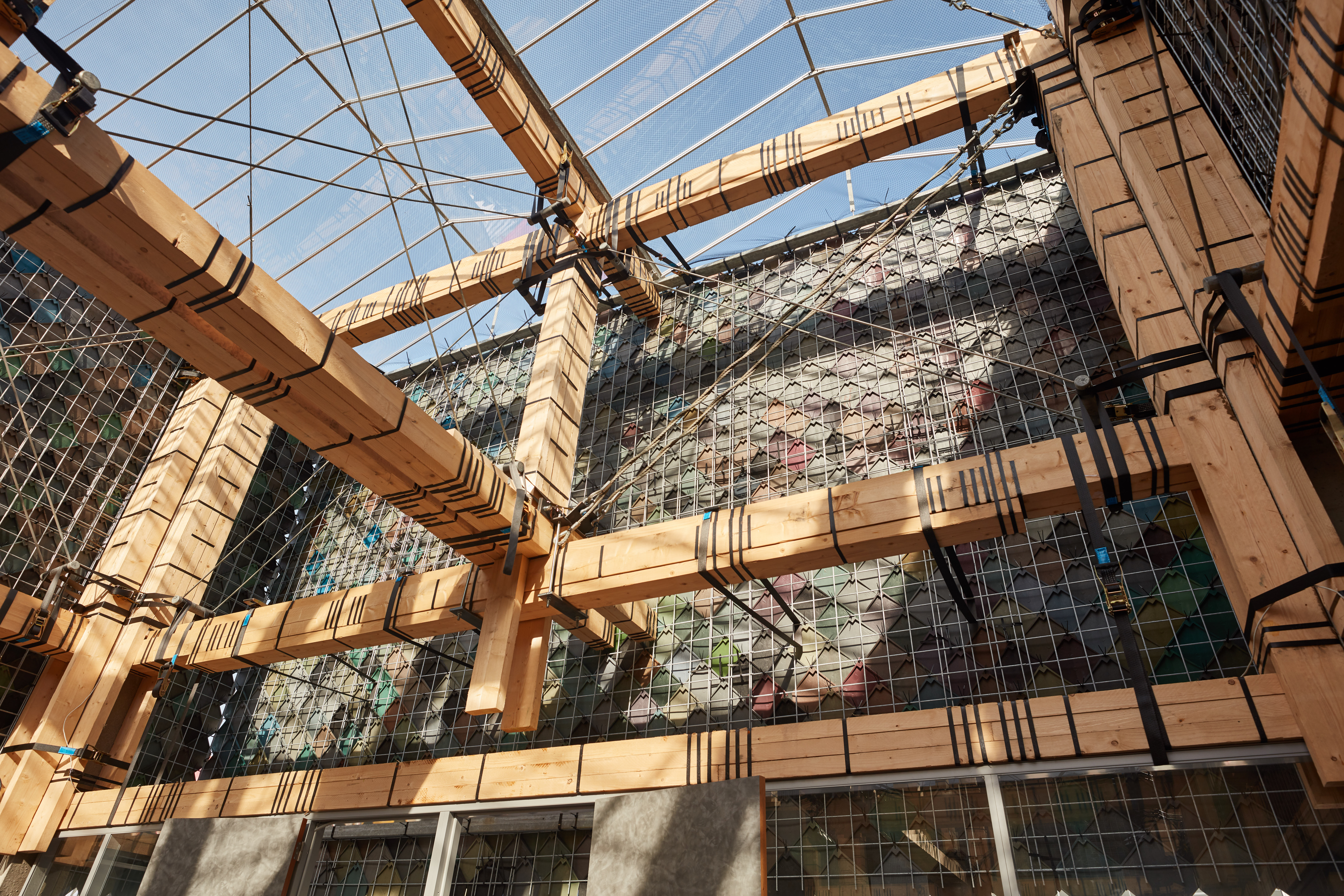
People’s Pavilion – 100% Borrowed by bureau SLA, Eindhoven, Netherlands
Then there is the issue of all that plastic waste we talked about. The People’s Pavilion found a way to handle that, too. The outside of the building was covered in 9,000 colorful shingles. If you look closely at them, you’ll see they are made from 100% recycled plastic waste, like old shampoo bottles and things that local neighbours collected. This is actually a perfect example of upcycling.
If anybody is interested, there is also a new tool called a Material Passport. It’s basically a digital ID card for every piece of a building. It tells future builders exactly what a plastic pipe is made of or how strong a wooden beam is. This stops materials from being downcycled into road filler because the next builder knows exactly how to reuse them. Projects like this prove that a building doesn’t have to be the end for a material; it can just be a temporary home before the material moves on to its next job.
Product-as-a-Service (PaaS): The Business of Upcycling
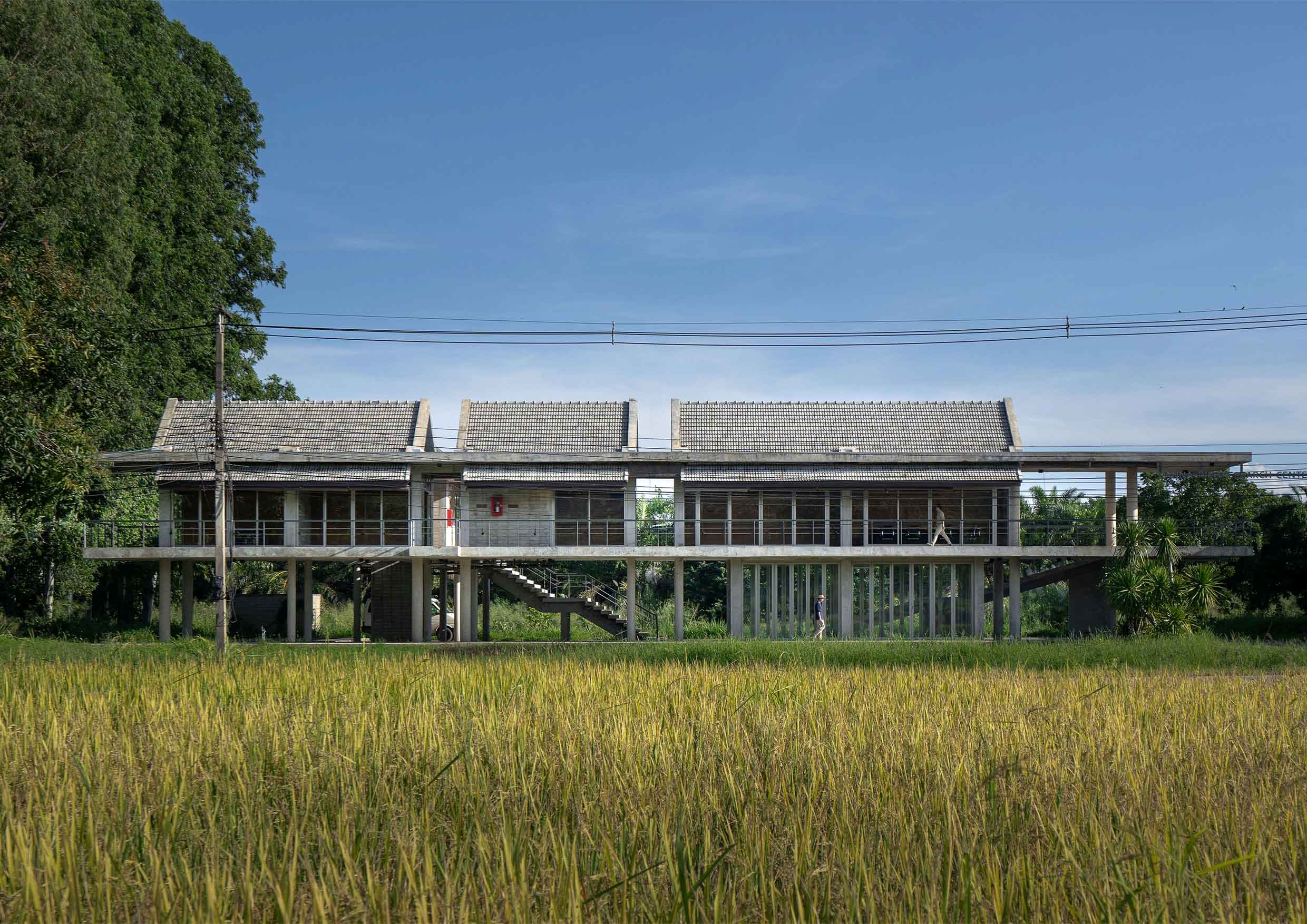
Lanna Rice Research Center, Chiang Mai University by Hanabitate Architects, Chiang Mai, Thailand
There is a new way of thinking where we don’t even have to own the parts of our buildings, a concept known as Product-as-a-Service (PaaS).
In a normal economy, a company sells you a lightbulb or a carpet, and then they don’t care what happens to it. But in a circular economy, you might just rent the light or the floor. The manufacturer keeps ownership, so they are suddenly very motivated to make sure that the product lasts a long time and is easy to fix. This shifts the focus from selling as much stuff as possible to keeping materials in use for as long as possible.
Actually, and surprisingly, this shift is creating a massive new market. Data from Grand View Research (2025) shows that the global circular construction market is already worth over $167 billion and is expected to more than double by 2033. Builders are realizing that throwing away materials is literally throwing away money. This is where Urban Mining and Agricultural Upcycling come in, the idea that our surroundings are mines full of valuable resources.
A beautiful example of this mindset is the Lanna Rice Research Center in Chiang Mai, designed by Hanabitate Architects. While earlier examples focused on mining old buildings, this center focuses on the rice production chain. The center was built specifically to help farmers develop upcycling processes for rice farming by-products, turning what was once agricultural waste into value-added products.
The building itself follows this circular logic. Inspired by the vernacular rice barn, it uses an open, barrier-free plan and durable materials like concrete blocks, polished floors, and bamboo blinds that require very low maintenance. By designing the center as a research hub, it acts as a material bank for knowledge and resources, where local farmers and international scholars exchange ideas on how to keep rice by-products out of the waste stream.
By using tools like material passports, the parts of a building (or even the by-products of a farm) are transformed from trash to tracked assets. Whether it is a recycled plastic tile or a structural bamboo element, these materials can be returned to the loop or sold to a new project. This turns architecture into a storage unit for valuable resources.
Upcycling the “Heavy” Stuff
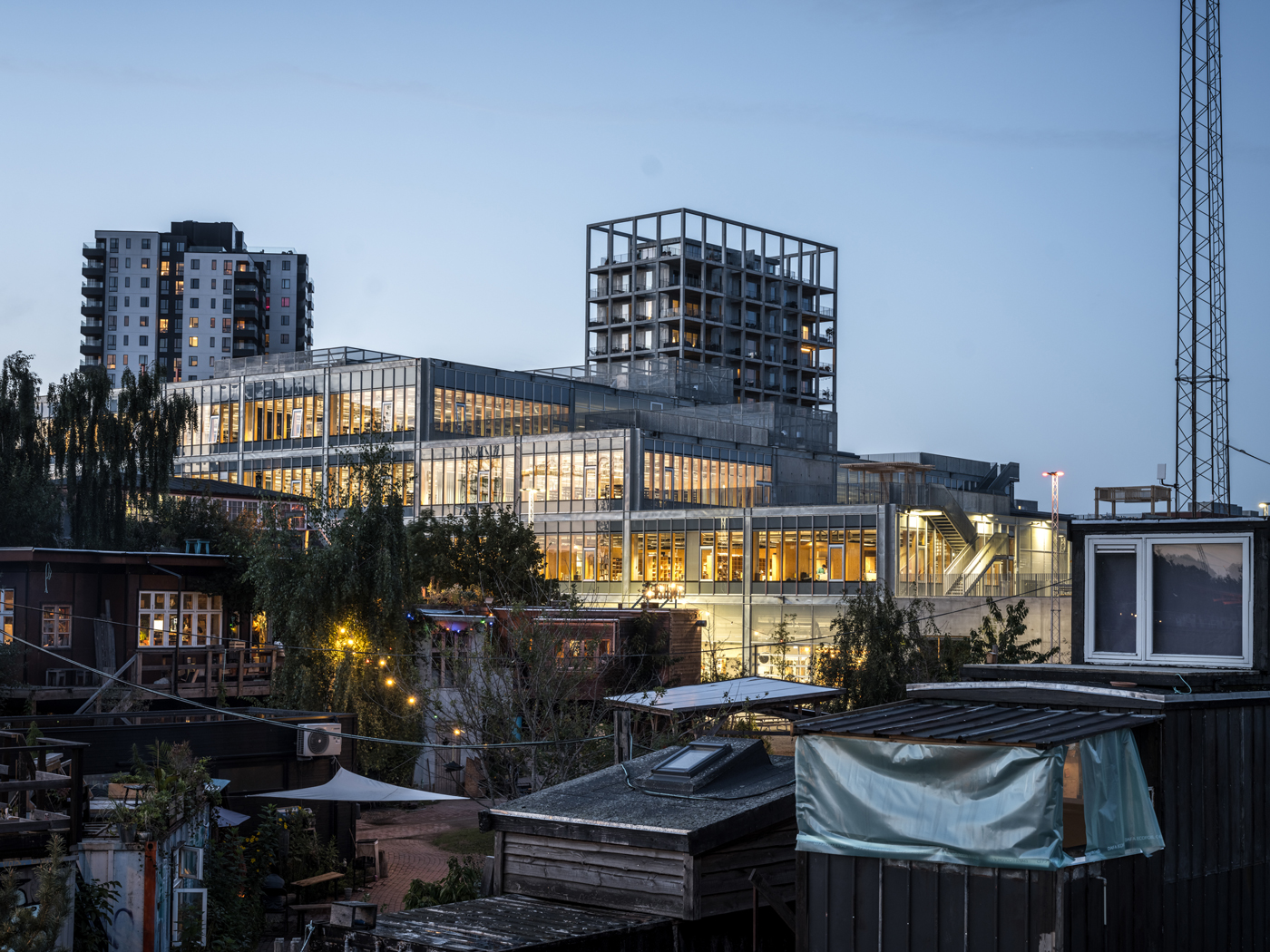
Upcycle Studios by Lendager Group, Copenhagen, Denmark
A powerful way to close the circle on these concepts is to look at the “heavy” structural elements that usually end up as waste, which we actually have a problem with. Upcycle Studios in Copenhagen, designed by Lendager Group, shows that even the most difficult materials like concrete and glass can be saved from being downcycled.
The architects behind this project realized that the 62% of construction waste generated globally is a hidden gold mine. Instead of letting concrete from old buildings be crushed into road filler, they found a way to reuse it as a primary material for new permanent homes. They also recovered thousands of square meters of double-glazed windows from old buildings that were scheduled for demolition. These windows weren’t melted down or crushed; they were cleaned and fitted into new frames, keeping their high value and thermal properties intact.
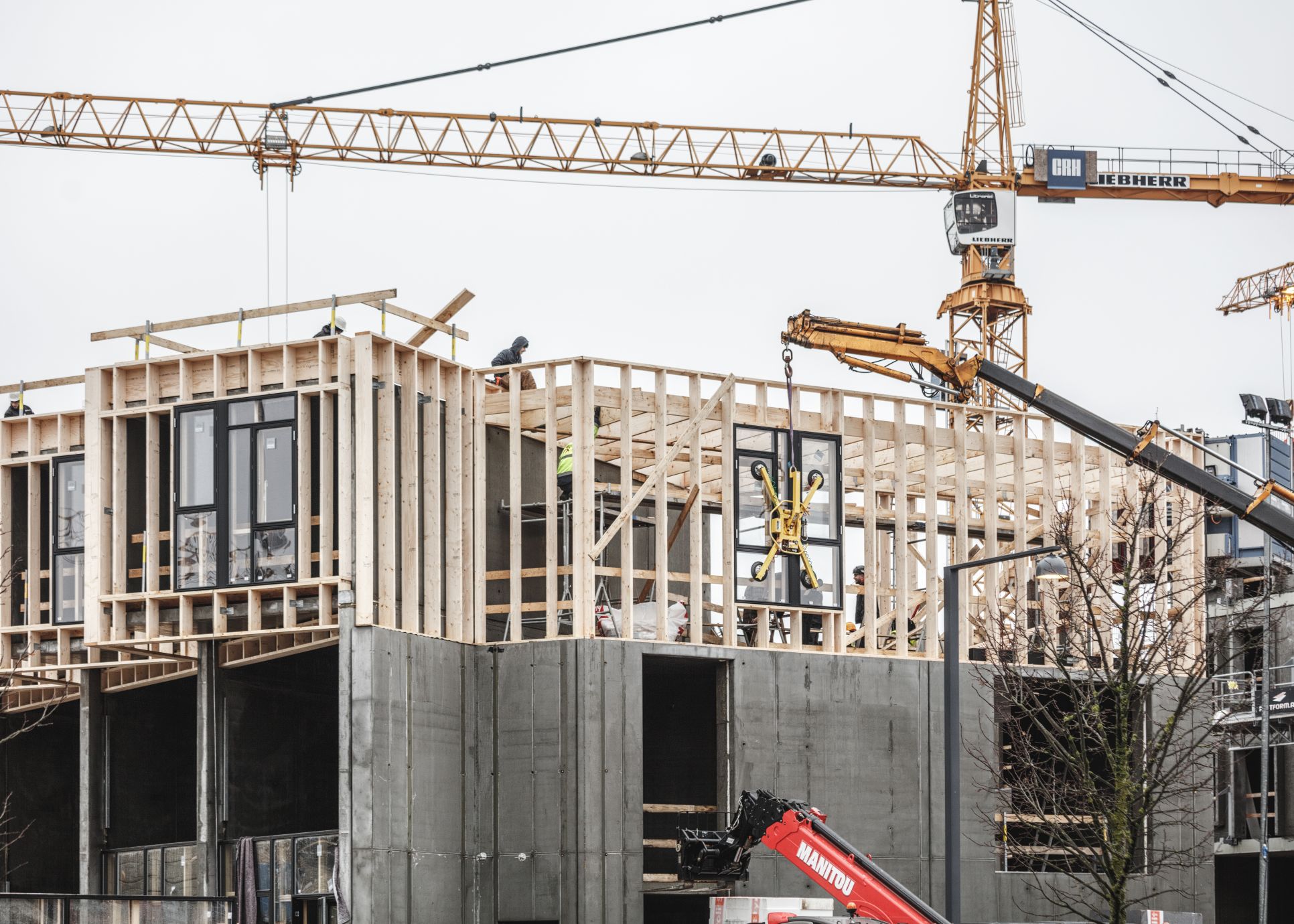
Upcycle Studios by Lendager Group, Copenhagen, Denmark | Photo by Rasmus Hjortshøj
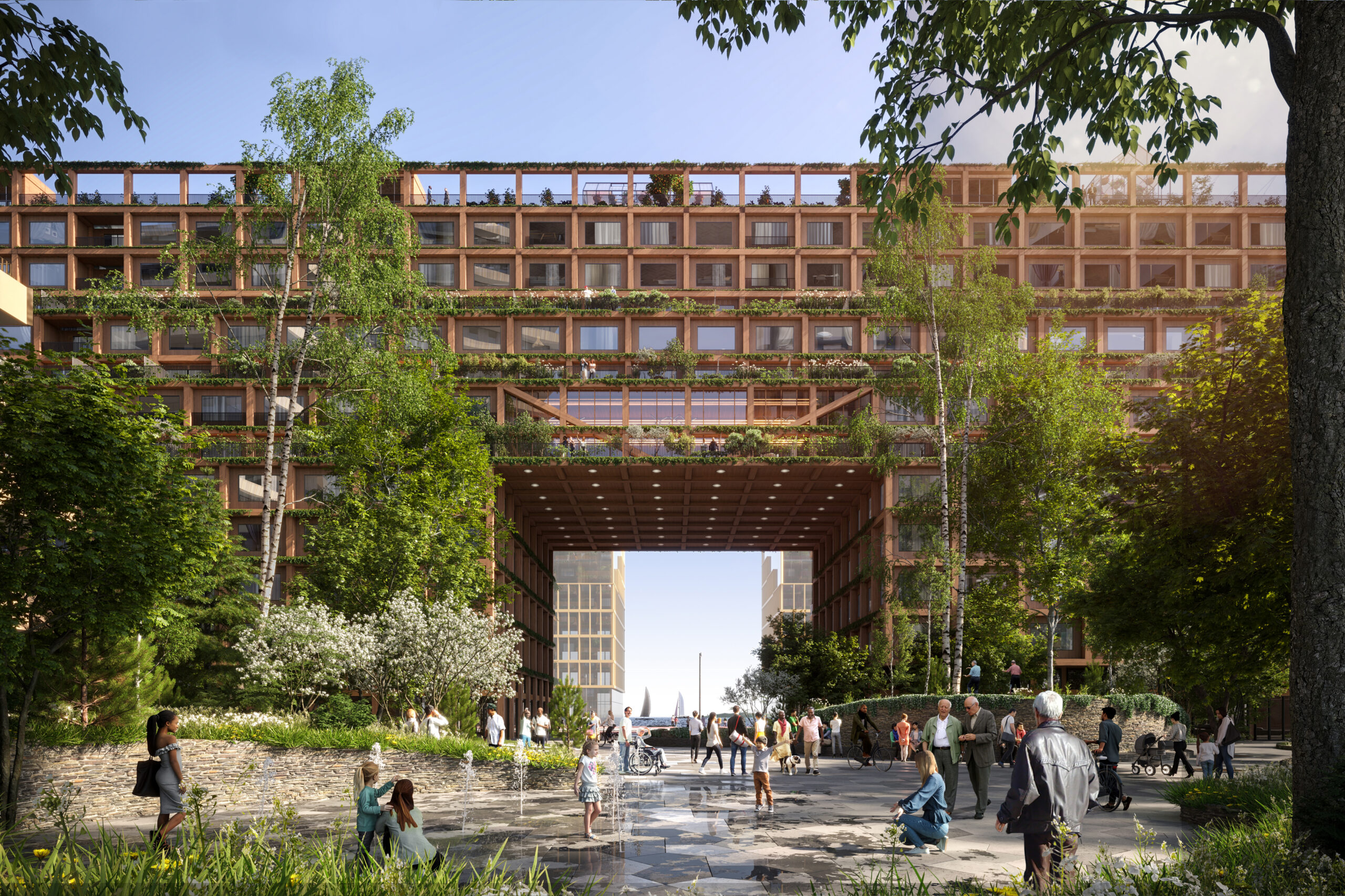
In a similar way, ADEPT designed The Braunstein Taphouse with a design for disassembly strategy that treats the building as a kit of parts. Because the building is located on a temporary harbor site, it was constructed using only mechanical joints. Every component — from the massive timber structure to the polycarbonate facade panels — can be unbolted and moved to a new location. By choosing durable, simple materials that are easy to take apart, ADEPT ensured that the taphouse would never become waste, even if the site changes.
Using these heavy materials this way addresses a major issue: embodied carbon. According to the World Green Building Council (2019), a huge amount of pollution is created just by manufacturing new concrete and glass. By upcycling these heavy elements, the Lendager Group was able to reduce the CO2 emissions of the construction process by a massive margin.
This approach proves that the circular economy isn’t just about small-scale experiments or temporary pavilions. It shows that by treating the 353 million tonnes of global waste as a resource, we can build permanent, high-quality housing that is actually part of the environment rather than a burden on it.
Beyond Synthetic
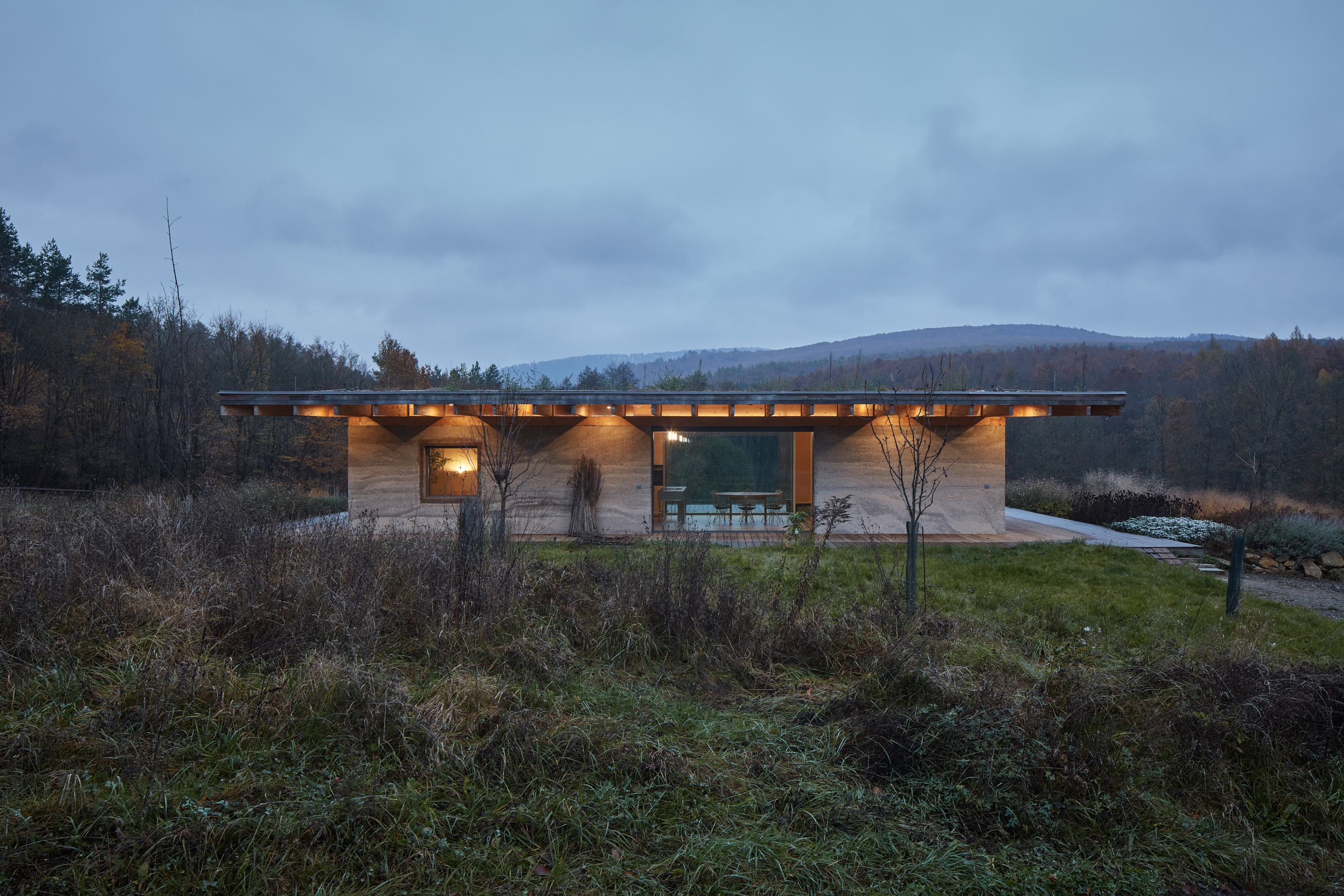
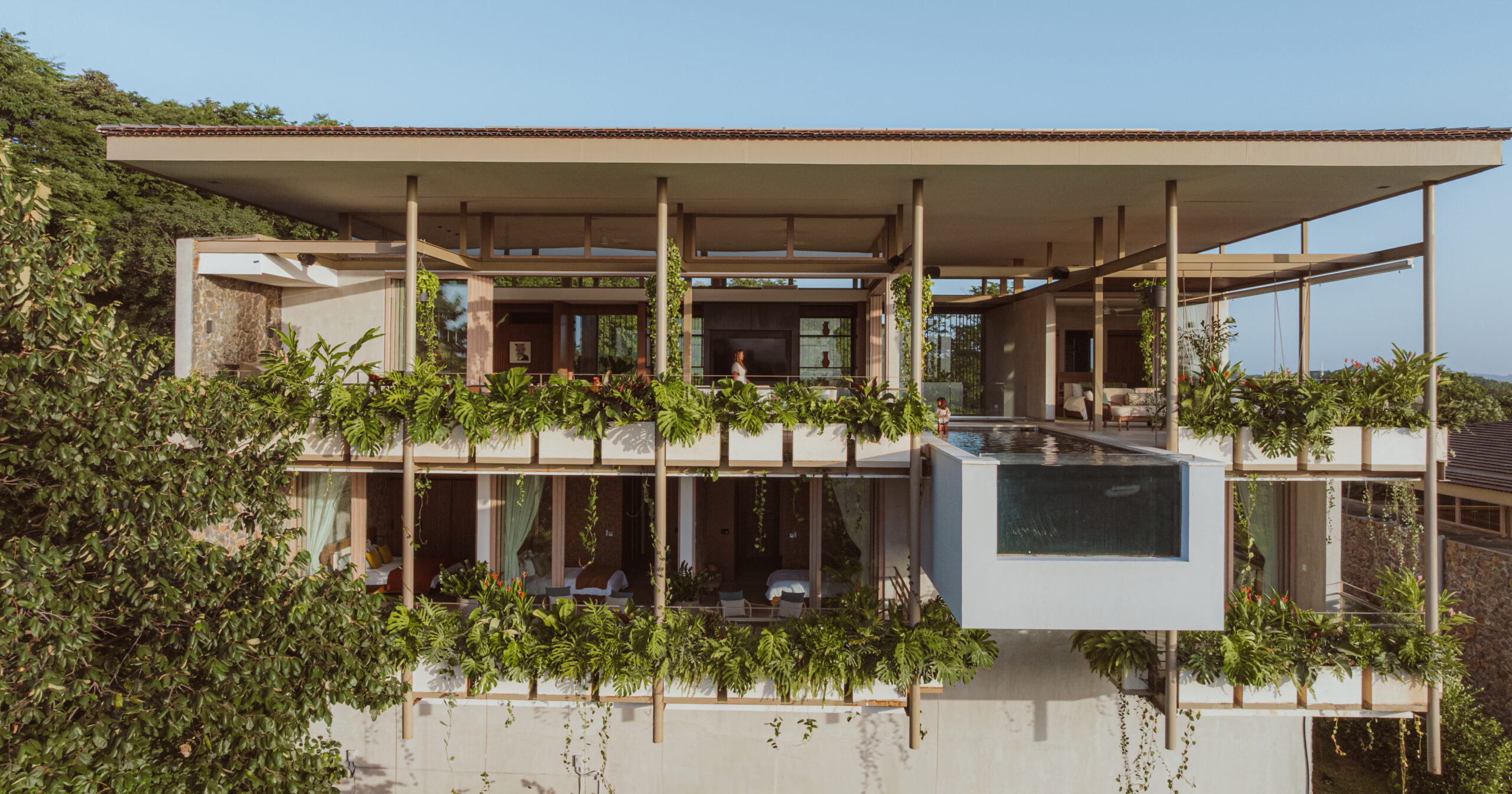
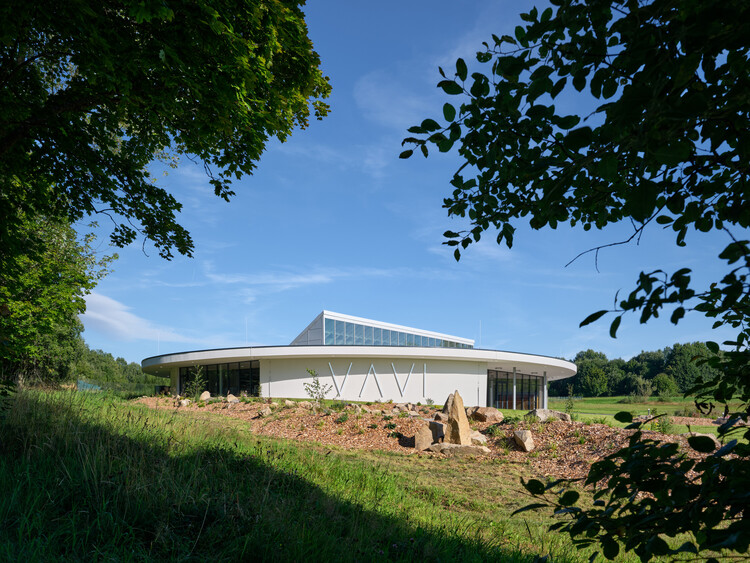
House LO by Atelier Lina Bellovičová, Czechia
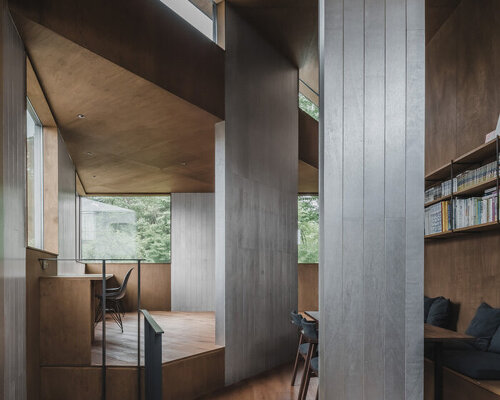
While fixing the plastic crisis is a priority, many architects are now looking to move away from synthetic materials entirely. If we replace plastic insulation and PVC pipes with bio-based materials, we don’t just solve the waste problem; we start to heal the environment. Materials like hempcrete, cork and timber are naturally circular because they grow using solar energy and eventually return to the earth as nutrients rather than pollution.
The shift toward a plastic-free construction site relies on the same design for disassembly principles we’ve discussed. By using wood-to-wood joinery and natural fibers, we ensure that a building’s end-of-life isn’t a toxic event for a landfill, but a biological one. This approach turns the building into a carbon sink, locking away CO2 in its walls for decades.
By combining the material passports of the digital age with the natural wisdom of traditional building, the industry is finding a new balance. The goal is to reach a point where we aren’t just managing “trash” more efficiently, but building with materials that never become trash in the first place. This transition proves that the most advanced architecture of the future might actually be the one that leaves no trace behind, treating the planet as a partner rather than a source of raw, disposable ingredients.
Architizer's diverse jury of global experts is currently reviewing submissions to the 14th A+Awards! Sign up to receive updates on Public Voting and spring winner announcements.
The post The 9% Problem: Why Architecture Must Move Beyond Synthetic Waste appeared first on Journal.