








Tectonic Veils: 5 Advanced Timber Systems and Breathable Wood Envelopes
Deadline extended! The 14th Architizer A+Awards celebrates architecture's new era of craft. Apply for publication online and in print by submitting your projects before the Extended Entry Deadline on February 27th!
In contemporary architecture, the boundary between “inside” and “outside” has evolved beyond the rigid binary of solid walls and open air. Modern designers are increasingly exploring semi-transparency to cultivate a “third space” — a sensory threshold that filters light, air and sightlines. By manipulating the tectonics of timber, woven branches, and skeletal frames, these structures disassemble the traditional concept of a building as a static enclosure.
This approach balances high-performance engineering with an evocative atmosphere, also reflecting the shift away from the “glass box” modernism of the last century. Technically, these “breathable envelopes” are sophisticated bioclimatic tools that utilize material porosity for passive thermal regulation and natural ventilation. But also, emotionally, they dissolve the interior’s isolation, encouraging a profound connection to the site.
From Costa Rica to Iran, these winning projects of the 13th A+ Awards show that transparency is not just about visibility, but also about how architecture can become a mediator rather than a barrier, where wind, sun and the landscape kind of invite and are part of the experience.
No Footprint Wood House
By A-01, Uvita, Costa Rica
Popular Choice Winner, Architecture +Prefab and Modular, 13th Architizer A+Awards
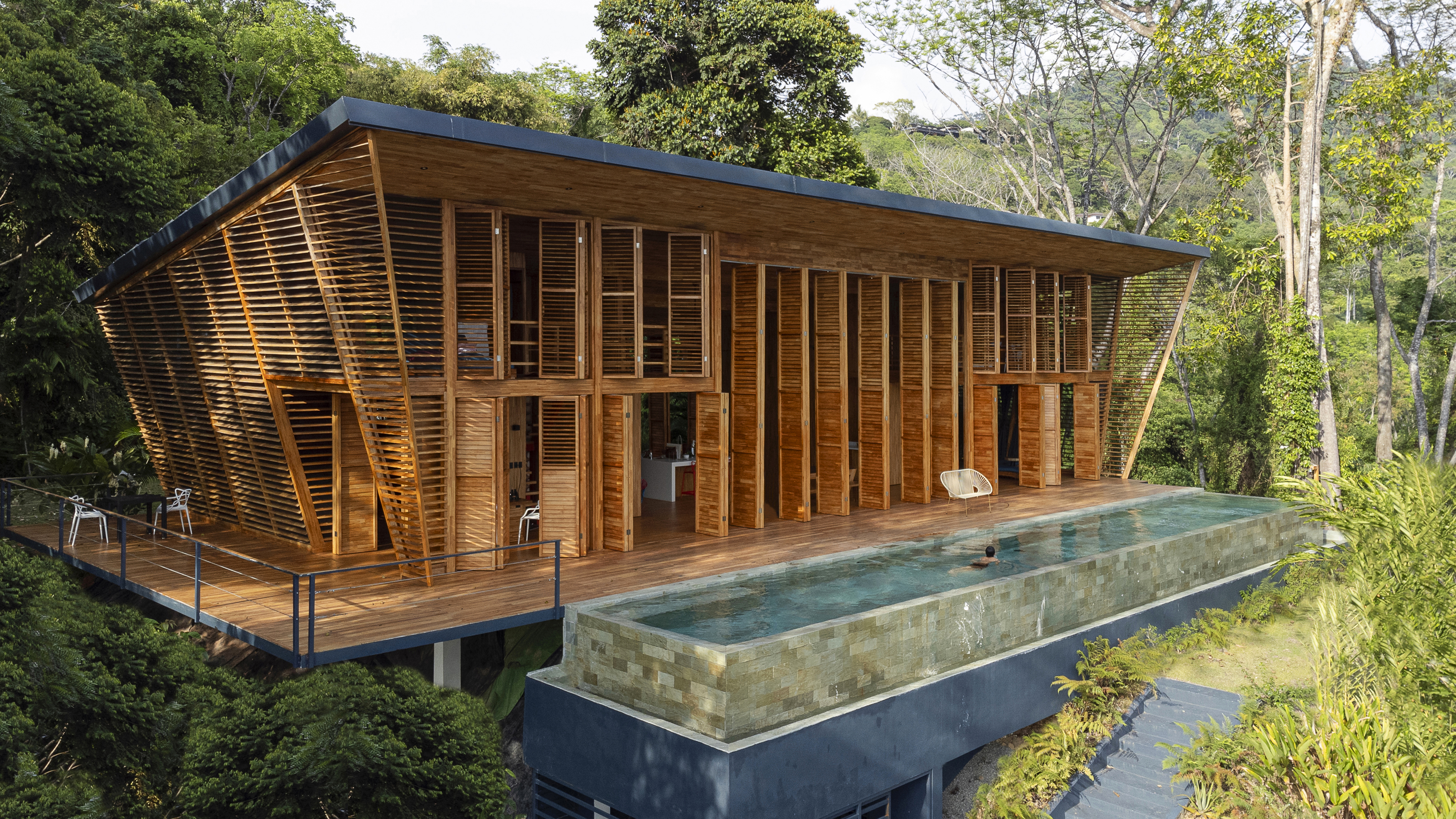
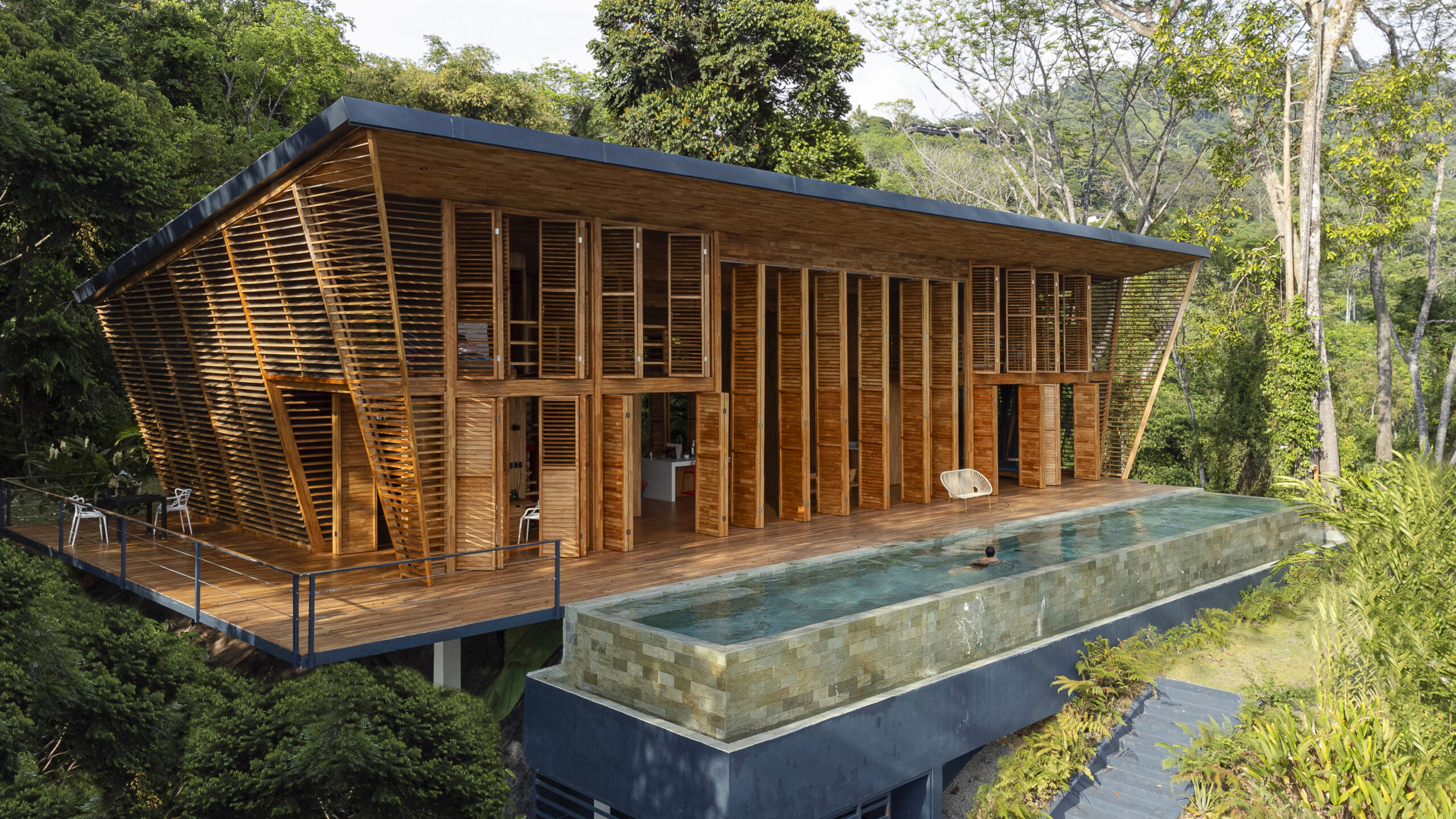
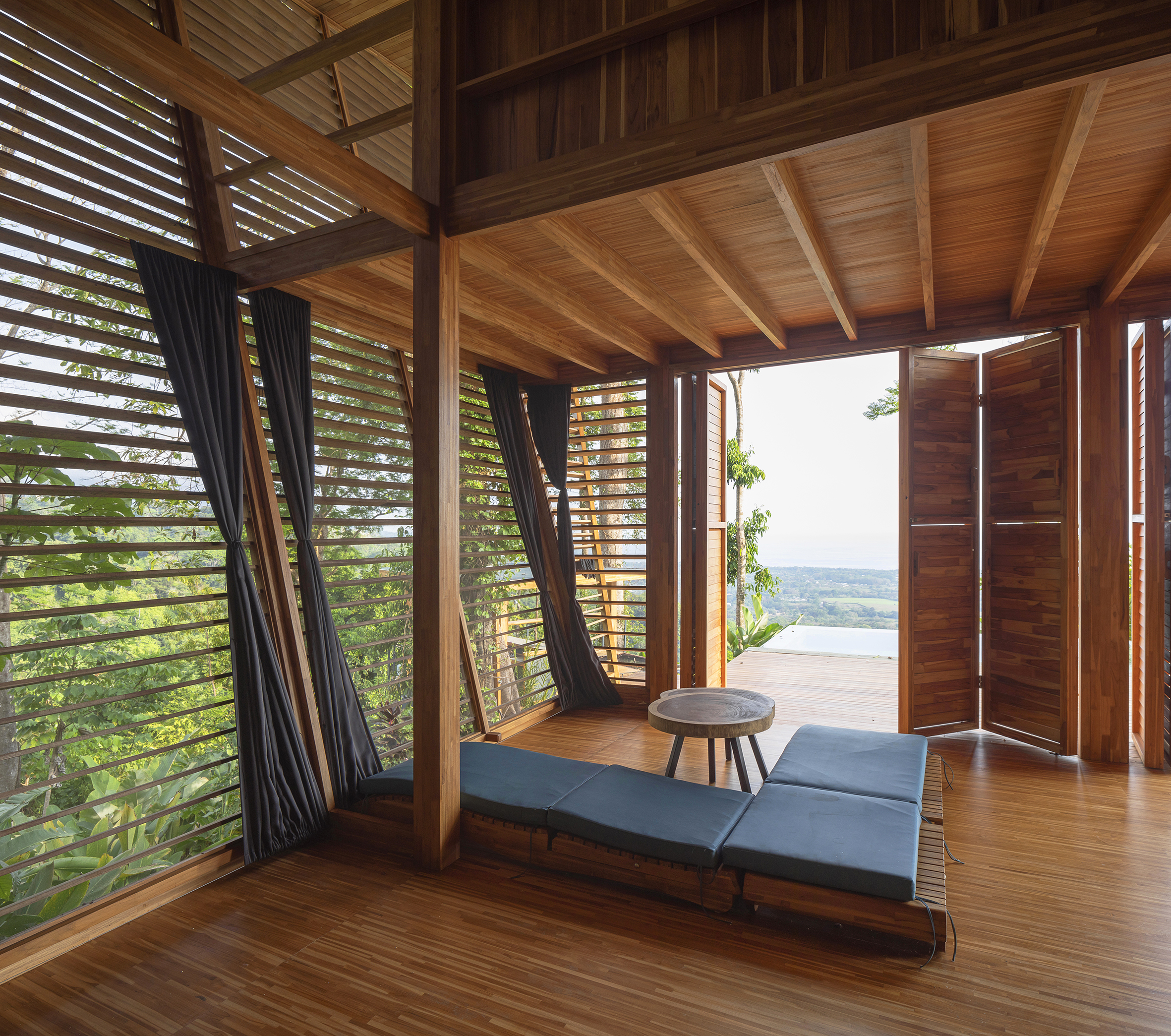 No Footprint Wood House in Costa Rica is a high-performance “breathing” lung within the tropical rainforest. Designed by A-01, the residence is defined by its semi-transparent skin, a dual-layer system of inclined timber slats and operable panels that replace traditional solid walls. According to its architects, this envelope is the key to its bioclimatic success, as the precise spacing of the regenerative wood slats facilitates 360-degree passive ventilation to regulate humidity and temperature.
By balancing industrial efficiency with the tactile warmth of locally harvested wood, the house achieves a peaceful existence that feels like a structured extension of the jungle canopy rather than an intrusion upon it.
Diffuse Mirror
By António Costa Lima Arquitectos, Portugal
Jury Winner, Architecture +Light, 13th Architizer A+Awards
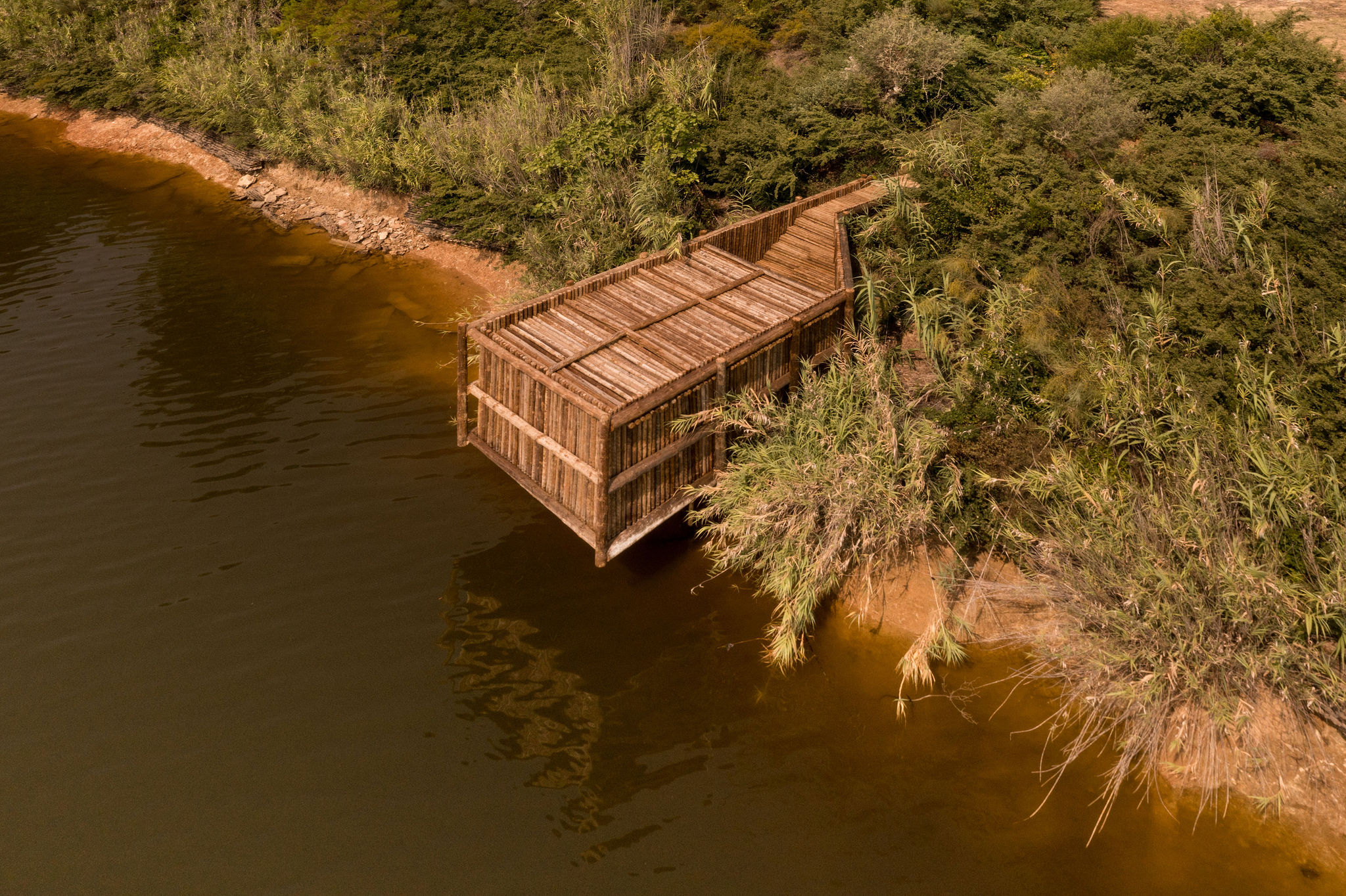
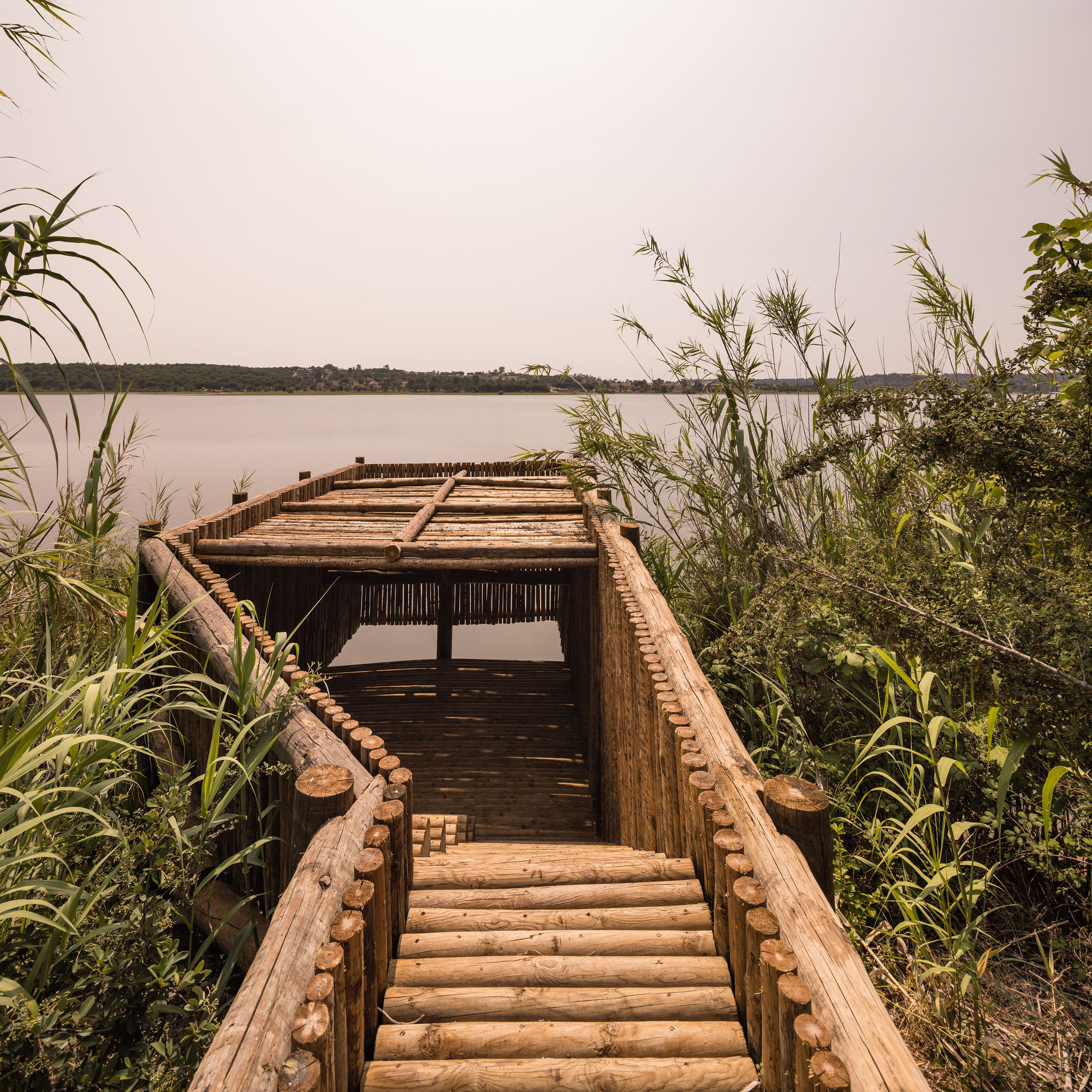 Diffuse Mirror by António Costa Lima Arquitectos is a sanctuary on the edge of a Portuguese dam that redefines transparency through raw, rustic materiality. The chapel has around 215 square feet (20 square meters) of floor area and is enclosed by a semi-opaque palisade of conical pine poles, spiked directly into the water bank. The vertical gaps between these imperfect wooden posts create a “diffused” visual effect, where light pierces the interior in shifting glitters that change with the seasons.
The timber’s density creates a sacred, shaded refuge, acting as a sensory resonance chamber where the smell of the water bank and the moving reflections of the dam are filtered through a rough, tactile wooden veil. Architects also mention that the place relates to the healing harbors of Galilee, where the large surface of the water reminds us that, “For now we see a reflection as in a diffused mirror; then we shall see face to face. Now I know in part; then I shall know fully, even as I am fully known. So faith, hope, love remain, these three; but the greatest of these is love.” (St. Paul’s First Letter to the Corinthians, Chapter 13). So the third column of the tripod building, the thicker one, the cross, is subtly carved with the name “Agape” (“love” translated from Greek).
The Arghavan (Cercis) Commercial Project
By 13 Degrees Architecture Studio, Yazd, Iran
Popular Choice Winner, Architecture +Innovation, 13th Architizer A+Awards
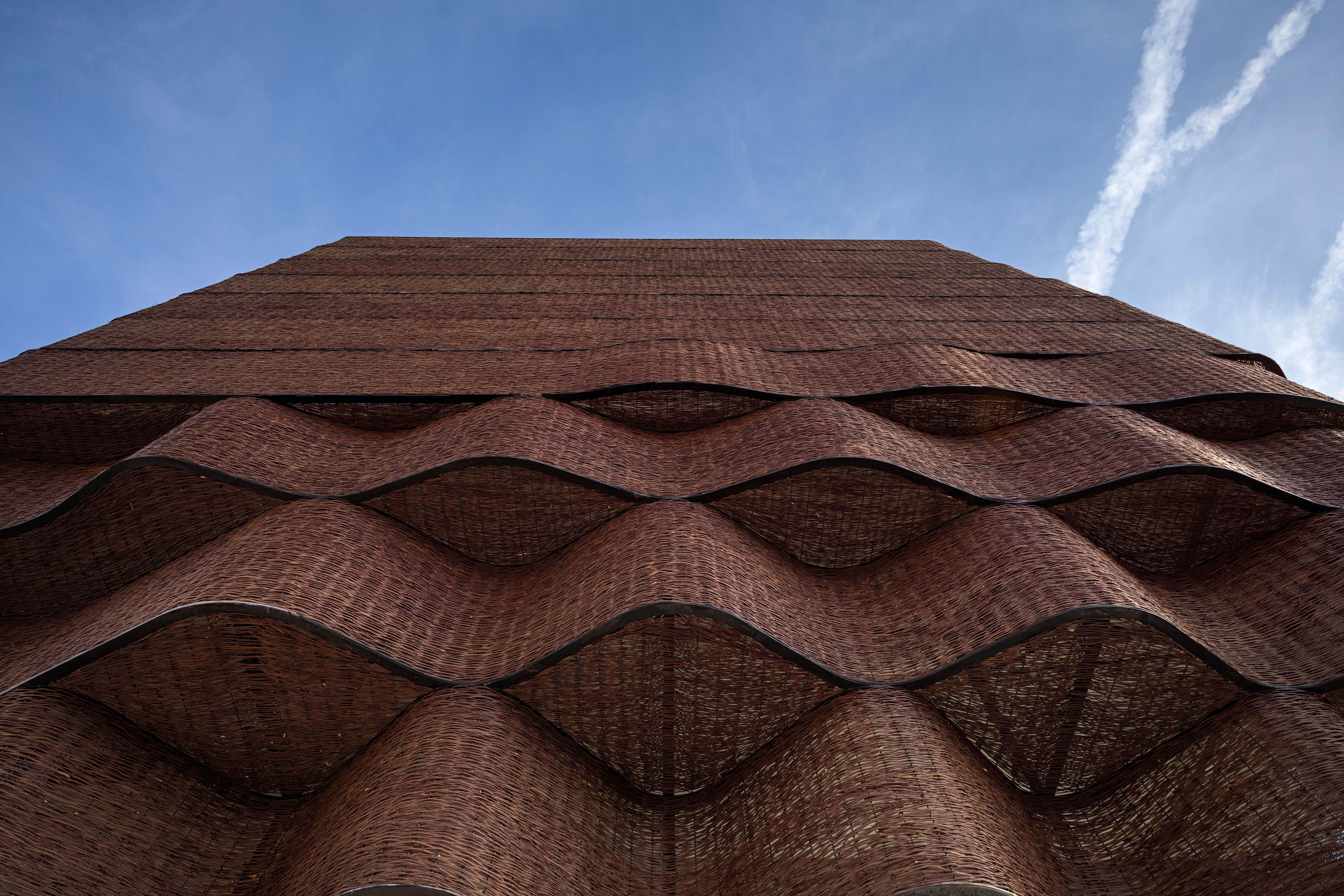
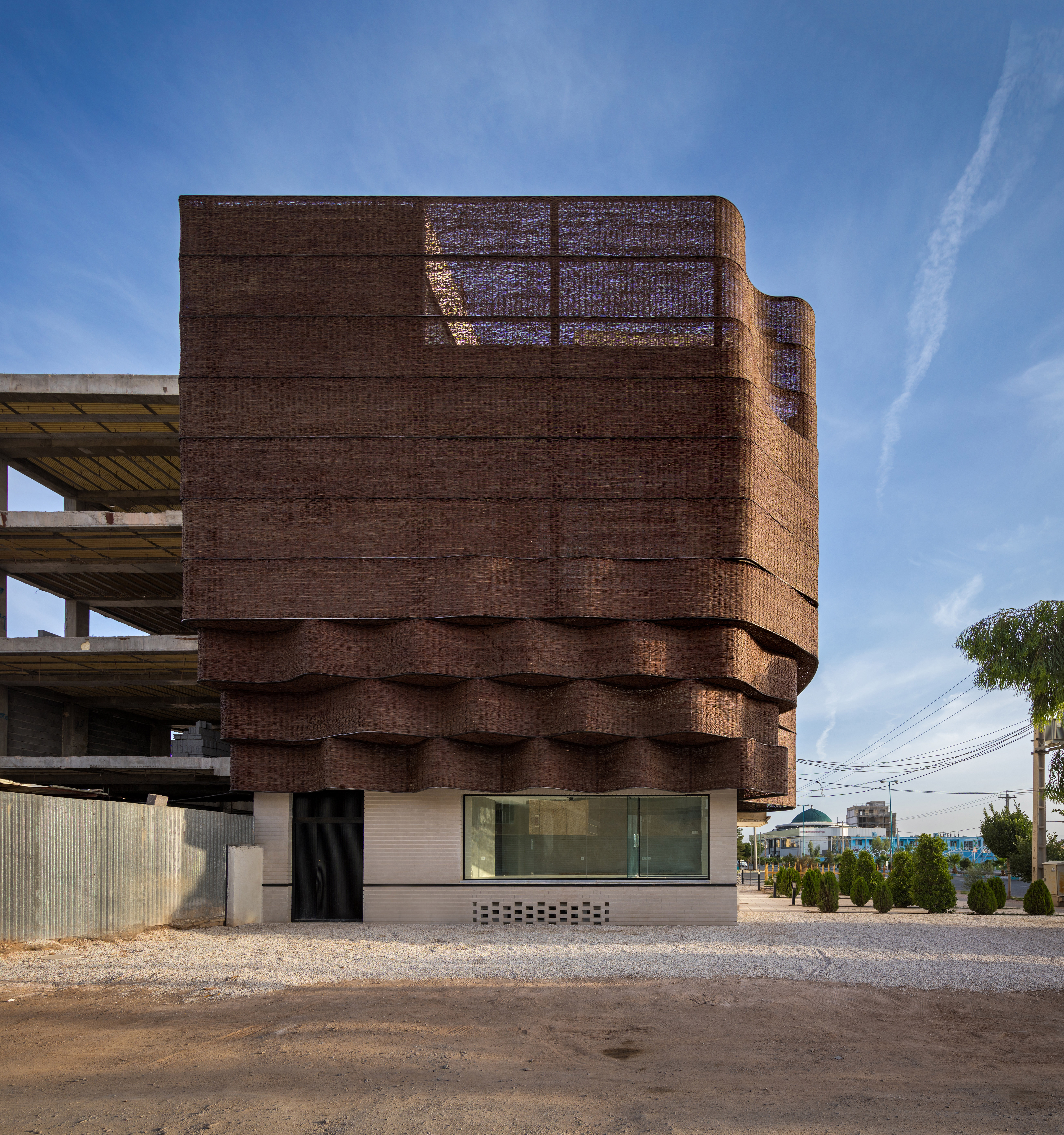 In Yazd, Iran, the Arghavan Commercial Project by 13 Degrees Architecture Studio acts as an empirical study in “weaving” architecture. The studio used discarded branches of the Cercis (Arghavan) tree, applying traditional wicker-weaving techniques to create a modern architectural skin. This organic, semi-transparent facade serves as a tactile alternative to glass or stone, filtering the extreme desert sunlight into soft, patterned illumination.
By evolving an indigenous craft into a contemporary tectonic solution, the project creates a “living” texture that is both rooted in the local landscape and functionally responsive to the region’s environmental needs through its porous, hand-crafted weave.
Sky Concert Hall
By Yike Architects, Zhejiang, China
Jury Winner, Architecture +Wood, 13th Architizer A+Awards
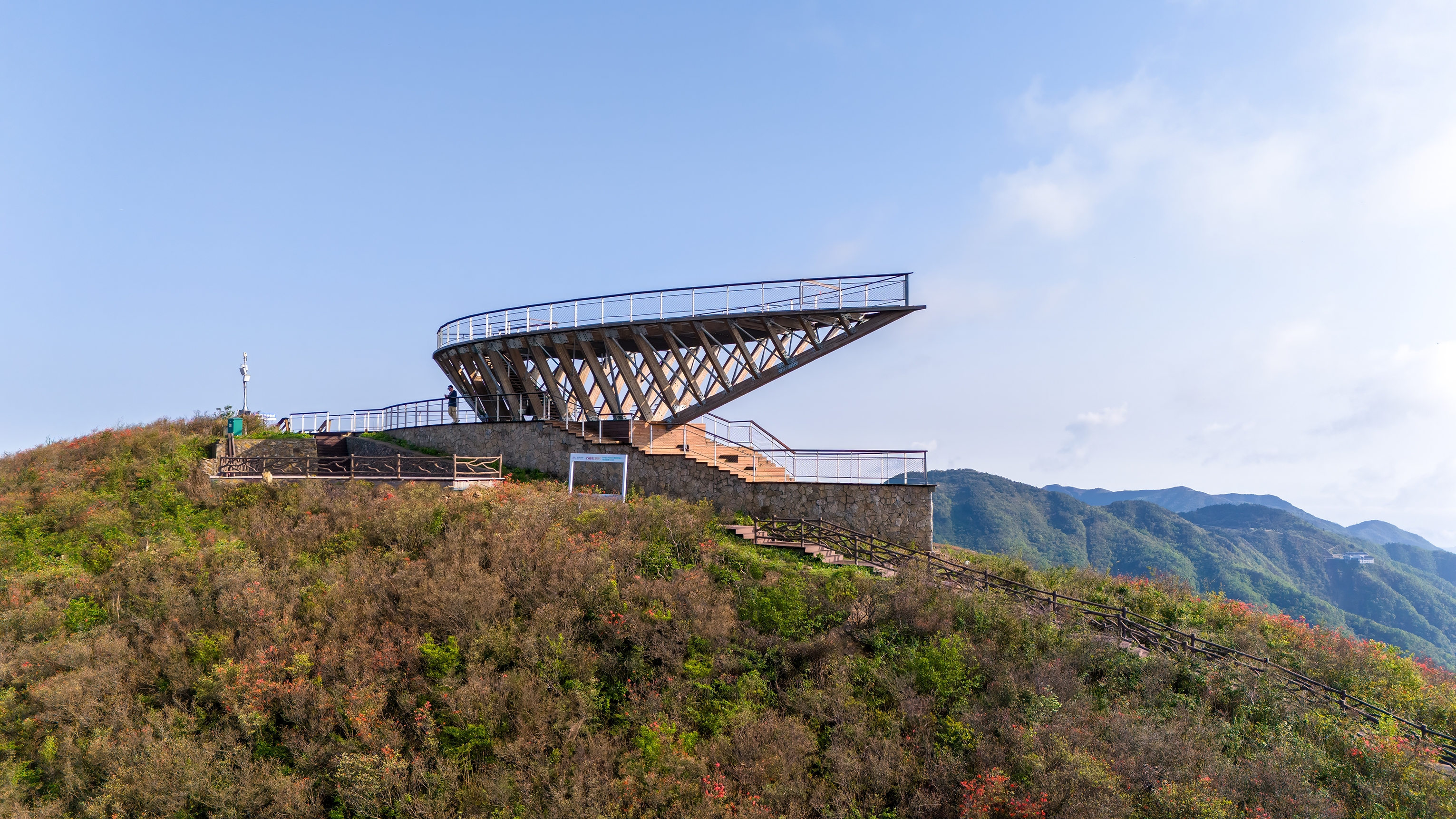
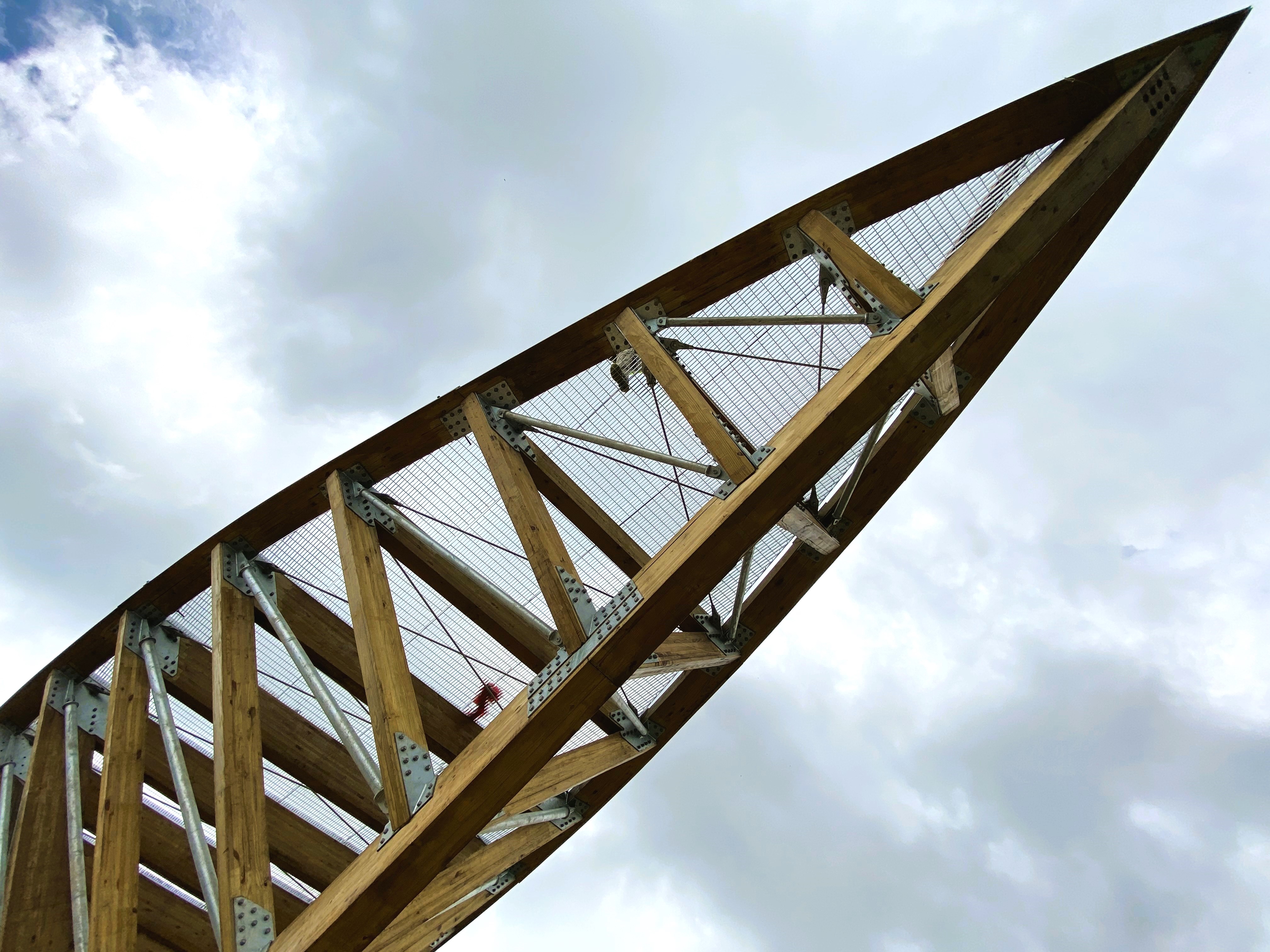 Located at approximately 4,692 feet (1,430 meters) in Zhejiang, China, the Sky Concert Hall by Yike Architects is a semi-transparent structure achieved through structural timber. The pavilion’s form is made from the rhododendron leaf, executed via an approximately 42.7 feet (13-meter) cantilevered southern pine glulam structure (grade TCT32). According to its designers, the project’s biggest challenge was the difficult transport and construction conditions at the top of the mountain, and the dimensions and construction methods of the components were fully considered in the design.
The “hollowed” design of the timber ribs has a dual purpose; the strategic gaps between the glulam members significantly reduce wind pressure and snow loads at high altitudes while creating a permeable envelope. This allows visitors on the lower deck to feel sheltered by the warmth of the wood.
Sandstone Wood Pavilion
By LUO studio, Longyou County, China
Popular Choice Winner, Architecture +Wood, 13th Architizer A+Awards
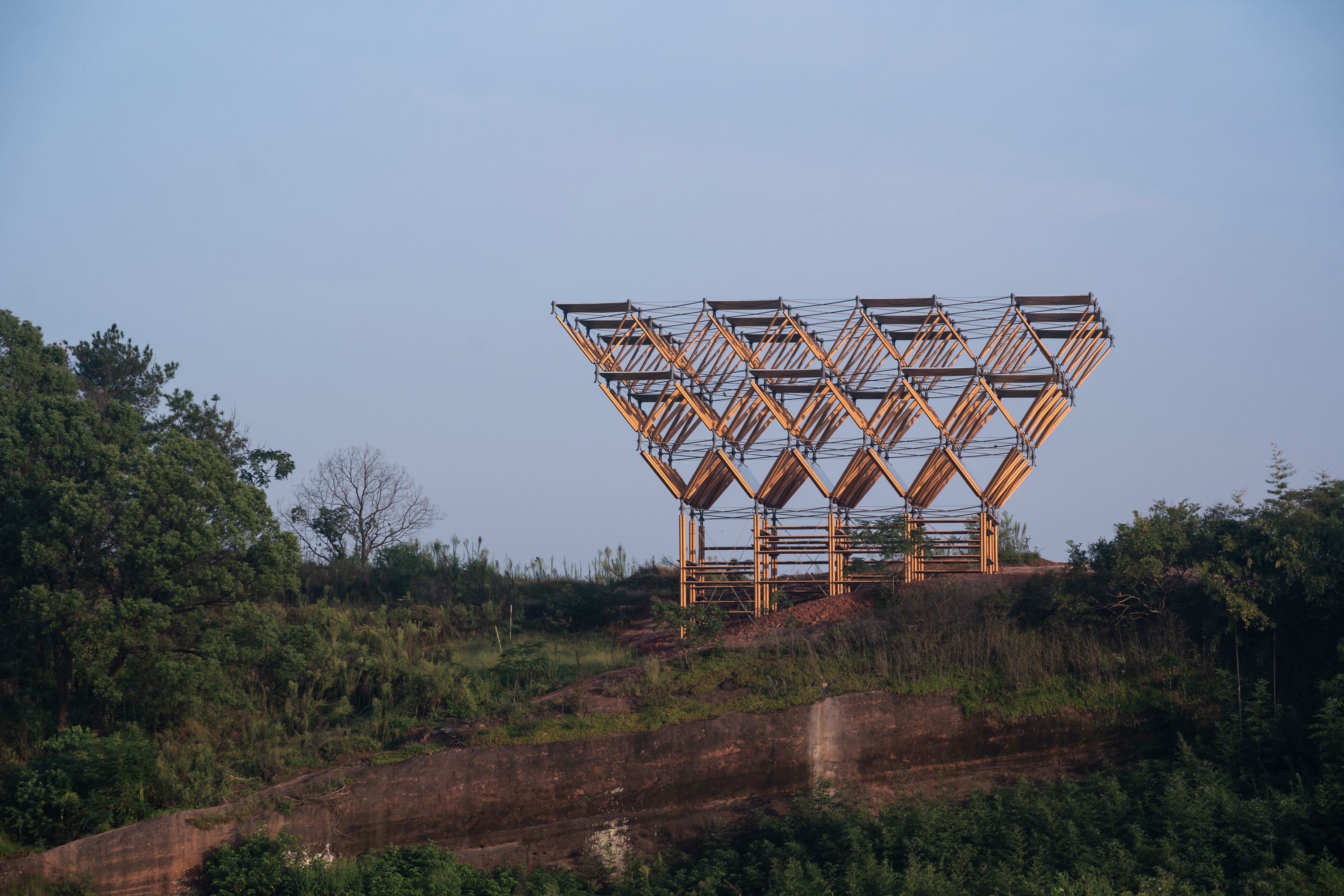
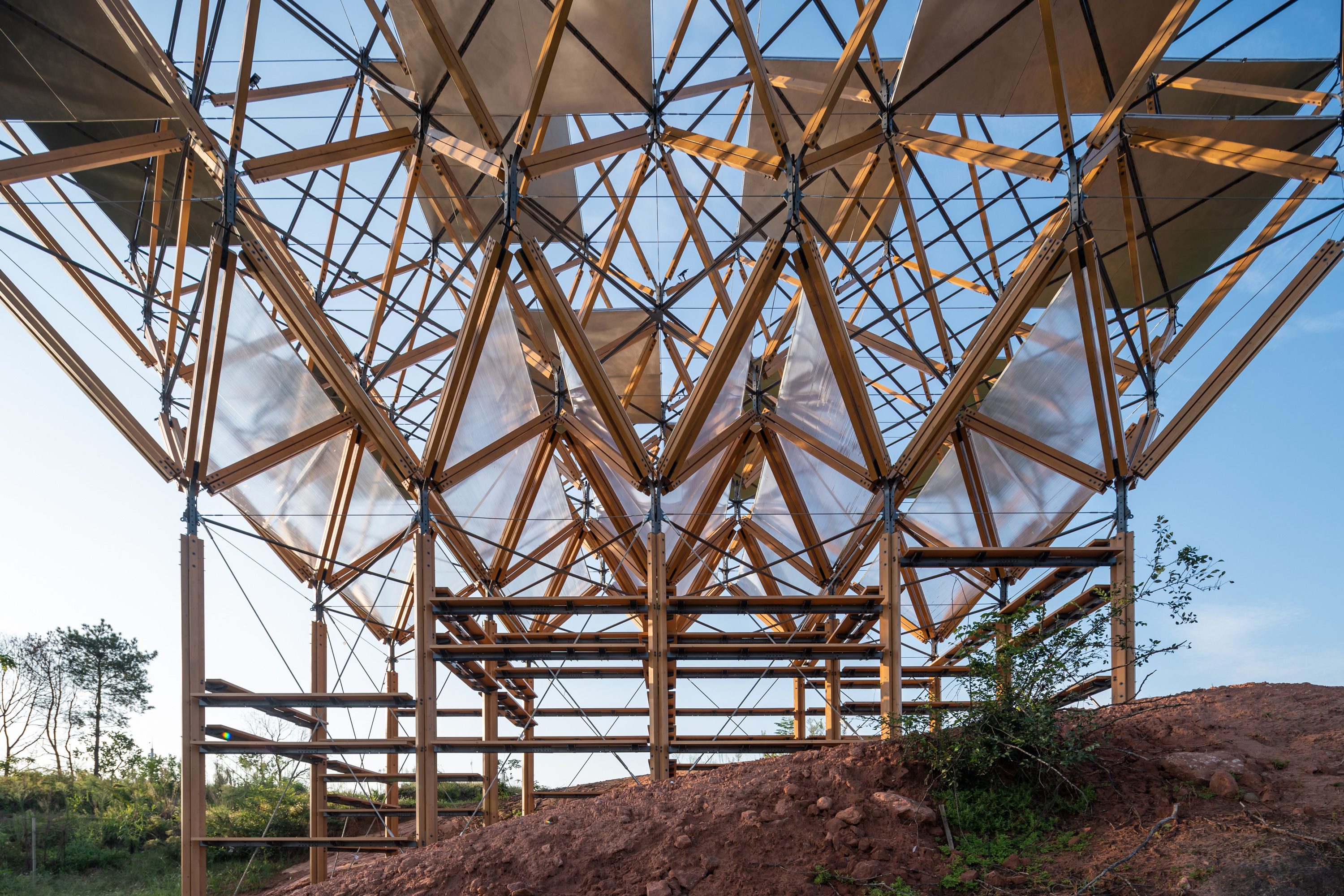 Located on a red sandstone highland in Longyou County, Sandstone Wood Pavilion by LUO studio explores “natural growth” through modular construction. The design draws inspiration from the geometric logic of plants, abstracting upward-reaching stems into a prefabricated steel-wood hybrid structure.
The pavilion’s semi-transparency is a direct result of its skeletal frame, which allows light and wind to flow into the interior. This “breathing” quality ensures that the heavy red sandstone site is balanced by a light, permeable installation, keeping visitors intimately connected to the surrounding sea of fields and the shifting patterns of rural daylight through a repetitive, open-grid timber logic.
Deadline extended! The 14th Architizer A+Awards celebrates architecture's new era of craft. Apply for publication online and in print by submitting your projects before the Extended Entry Deadline on February 27th!
The post Tectonic Veils: 5 Advanced Timber Systems and Breathable Wood Envelopes appeared first on Journal.