






















Six open-source gadget designs that tinkerers can DIY


From a gorpcore navigation tool to a blender that works with household jars, these six open-source gadgets let makers build and customise to their heart's delight.
2026 is shaping up to be the year DIY electronics goes near mainstream, as dissatisfaction with big technology companies and a doomerism-tinged interest in self-sufficiency drives more people to experiment with making their own gadgets.
This is enabled by the open-source community, which makes software code, hardware documentation and step-by-step assembly instructions freely available for their inventions rather than commercialising them.
Here are six open-source gadgets by designers and makers that might inspire others to pick up the soldering iron:

Terra by Modem and Panter & Tourron
With a customisable 3D-printed shell informed by worry stones and the gorpcore aesthetic, Terra is a digital "compass" designed to enable people to go on walks without their phone so that they can more deeply relax and explore.
Users employ AI to create a bespoke route through prompts such as "Kyoto architecture tour, back by 4pm" before they leave the house, and then set off with just the compact, palmable object in their pocket, following its haptic feedback and subtle arrow interface to find their route.
Terra was created by design studios Modem and Panter & Tourron and is made from eight simple electrical components including an ESP32 microcontroller chip. The software, CAD files and assembly instructions are on GitHub.
Air-It-Yourself air purifier by Jihee Moon
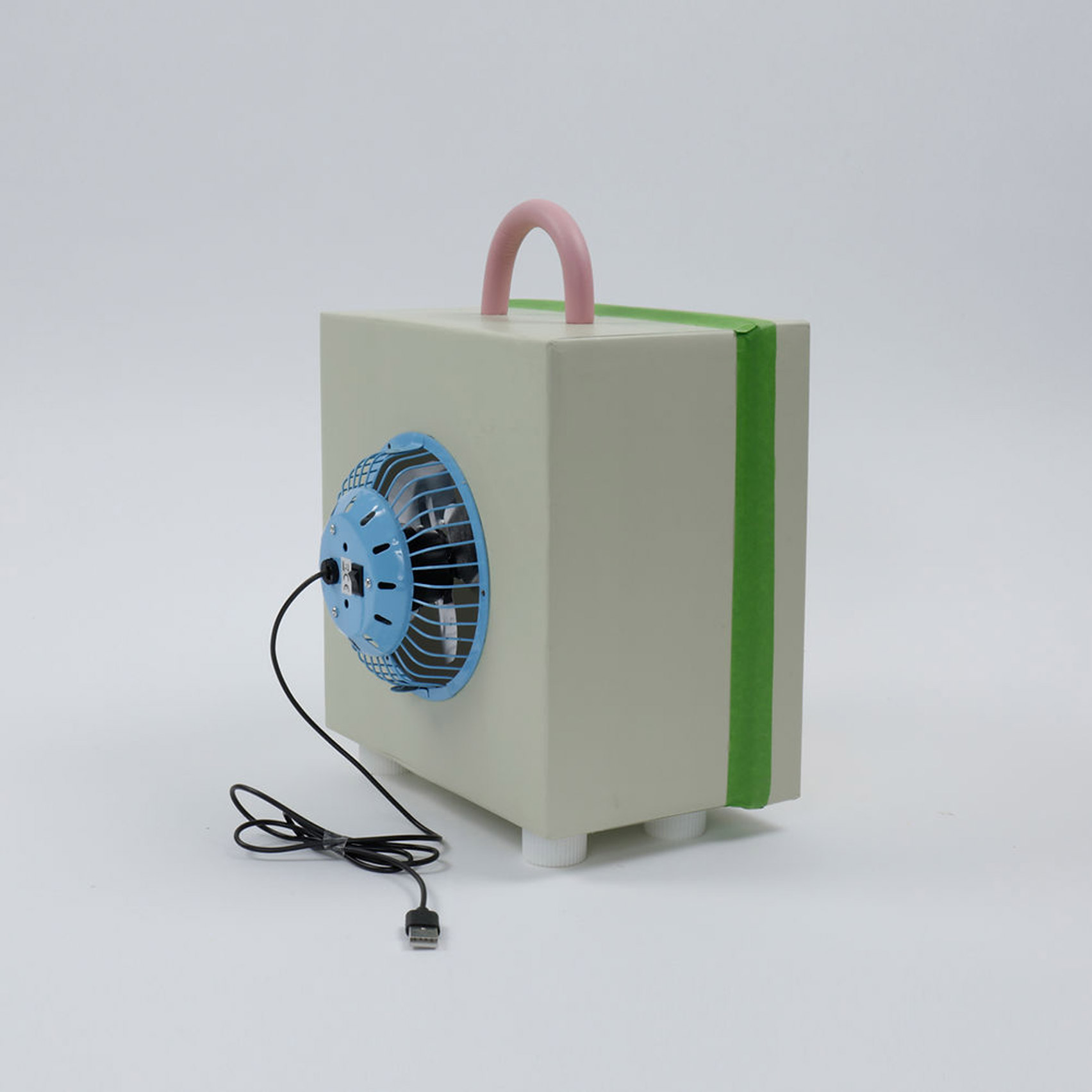
The Air-It-Yourself system uses household waste from shoe boxes to plastic plant pots for parts and combines them with a small USB fan and a HEPA filter sheet.
It was designed by Jihee Moon of South Korean design studio Newtab-22, who wanted to show how air purifiers could be made using items that people already have at home, bypassing high-cost store-bought products.
The air purifier is the easiest build on this list. Moon says that anyone from children to the elderly can make the device and she provides an IKEA-style manual.
Find out more about Air-It-Yourself ›
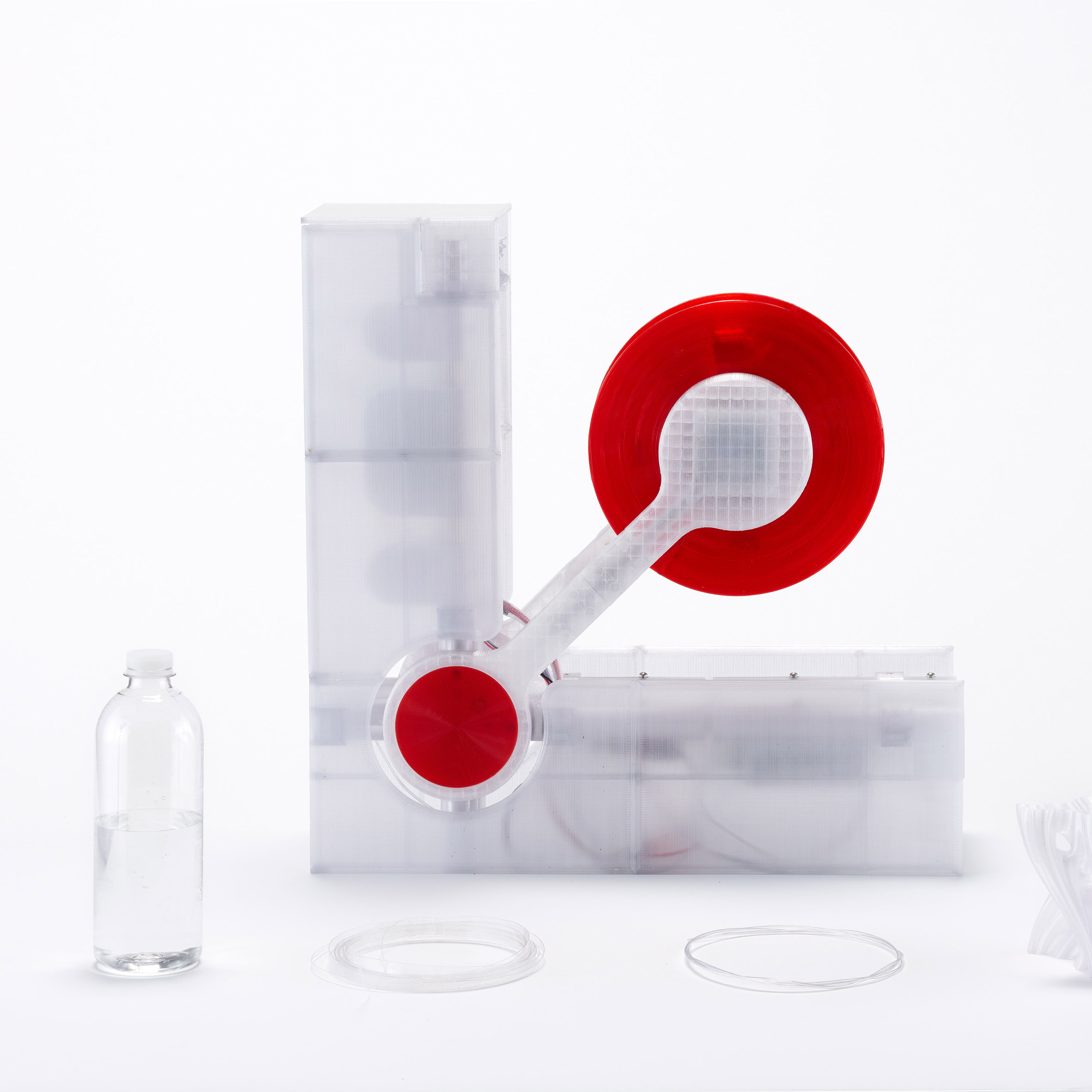
Polyformer is a 3D-printed machine that enables further 3D-printing. Specifically, it recycles PET bottles, turning them into filament for additive manufacturing.
California-based industrial designer Reiten Cheng developed Polyformer to make it cheaper and easier for independent makers to create products from repurposed waste materials instead of relying on virgin plastic.
The machine is made from 3D-printed parts combined with a few off-the-shelf components found in traditional 3D printers, and the files for the build are all on GitHub.
Find out more about Polyformer ›
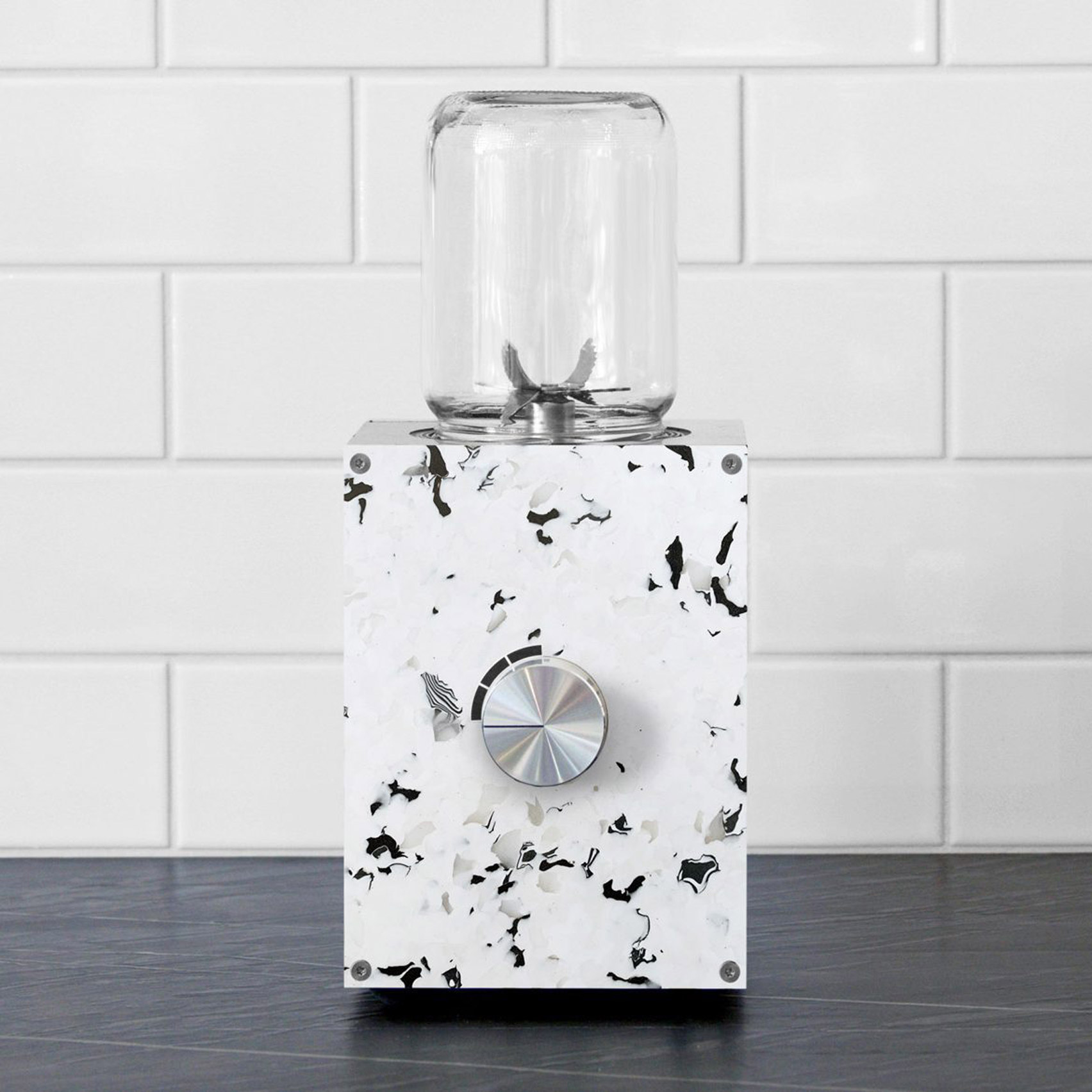
German tech company Open Funk aims to create a new approach to kitchen appliances by open-sourcing the design, making repair easy and allowing people to utilise everyday items they already have in their cupboards.
The company makes and sells its Re:Mix blender, which is compatible with everyday jars, but it also makes its documentation available in GitHub so that people can build their own – especially designers from outside of Europe who the company encourages to adapt the product for their own markets.
As of writing, the files for the entire body are available, with those for the blender head to come in summer 2026.

Dream Recorder is another project by Netherlands-based studio Modem, which favours open sourcing as a way to democratise access to technologies and offer an alternative to corporate-led visions of AI.
Their Dream Recorder is made from 14 electronic components including a Raspberry Pi computer and LCD Display, and fulfils the role of a modern dream journal, allowing users to record their recollections of the night's unconscious wanderings and see them played back as AI-generated video.
The files and instructions are all on GitHub.
Find out more about Dream Recorder ›

Smart Citizen Kit by Fab Lab Barcelona
Smart Citizen Kits are designed to empower citizens with affordable tools to monitor environmental data such as urban air quality, noise, temperature and humidity, with custom sensor configurations enabling specialised air and water monitoring.
The kits can be purchased from Seeed Studio, but the documentation is also open-sourced so that users can make their own, adding customised 3D-printed enclosures and expanding sensors as they wish.
The files are on GitHub.
The post Six open-source gadget designs that tinkerers can DIY appeared first on Dezeen.