






Six civic projects by Kashef Chowdhury that put people first

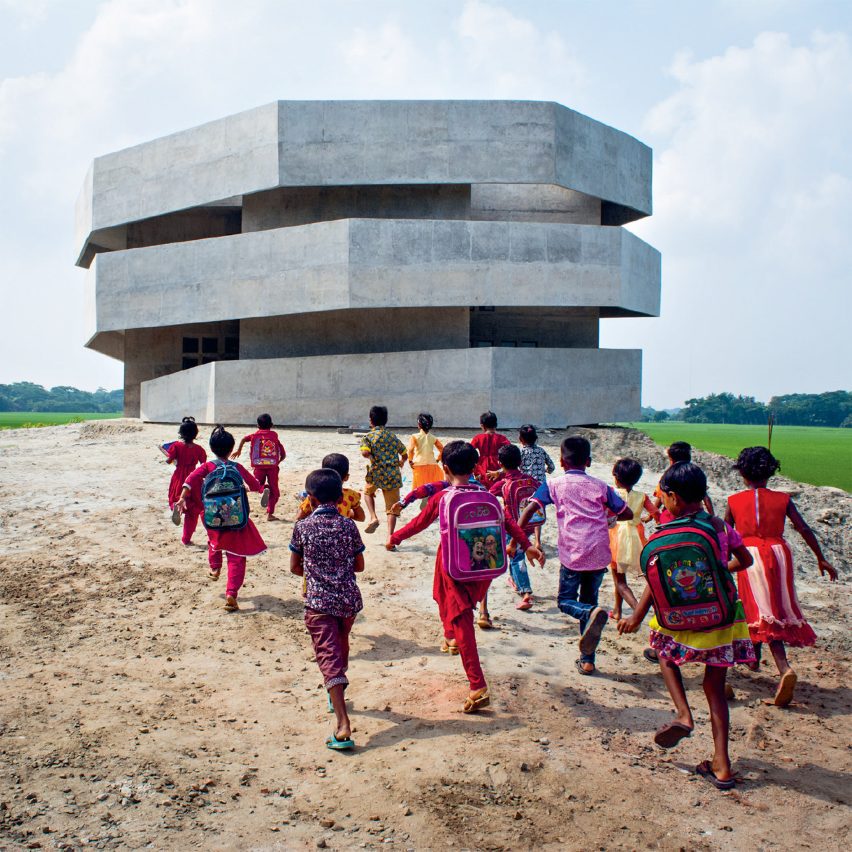
Bangladeshi architect Kashef Chowdhury has published a monograph collating works from his three-decade-long career. In this roundup, we spotlight six key examples.
Published by Park Books, the Meditations in Entropy monograph sees the architect recount his years focused on creating sustainable infrastructure for those who need it most with his studio Urbana.
"I don't want to give service to people who have enough," the architect told Dezeen.
"I don't want to build highly secured personal private properties," Chowdhury reflected. "Those who cannot afford an architect, I think they are in need of an architect the most."
"My simple condition is I don't want to design a building where people cannot just walk in."
Book conceived as a "cultural document" for research
This dedication to creating shared community spaces is exhibited throughout Chowdhury's book, which features 18 projects realised by the architect.
Complimented by essays from architecture critic Kenneth Frampton and architectural historian William J R Curtis among others, the book presents each project as an independent case study.
"I wanted to make this a cultural document," the architect said. "I wanted to talk about not just the finished projects, but why we did it. The book should say why, how, when, where, for whom."
"All those answers should be very clear instead of one trying to find them."
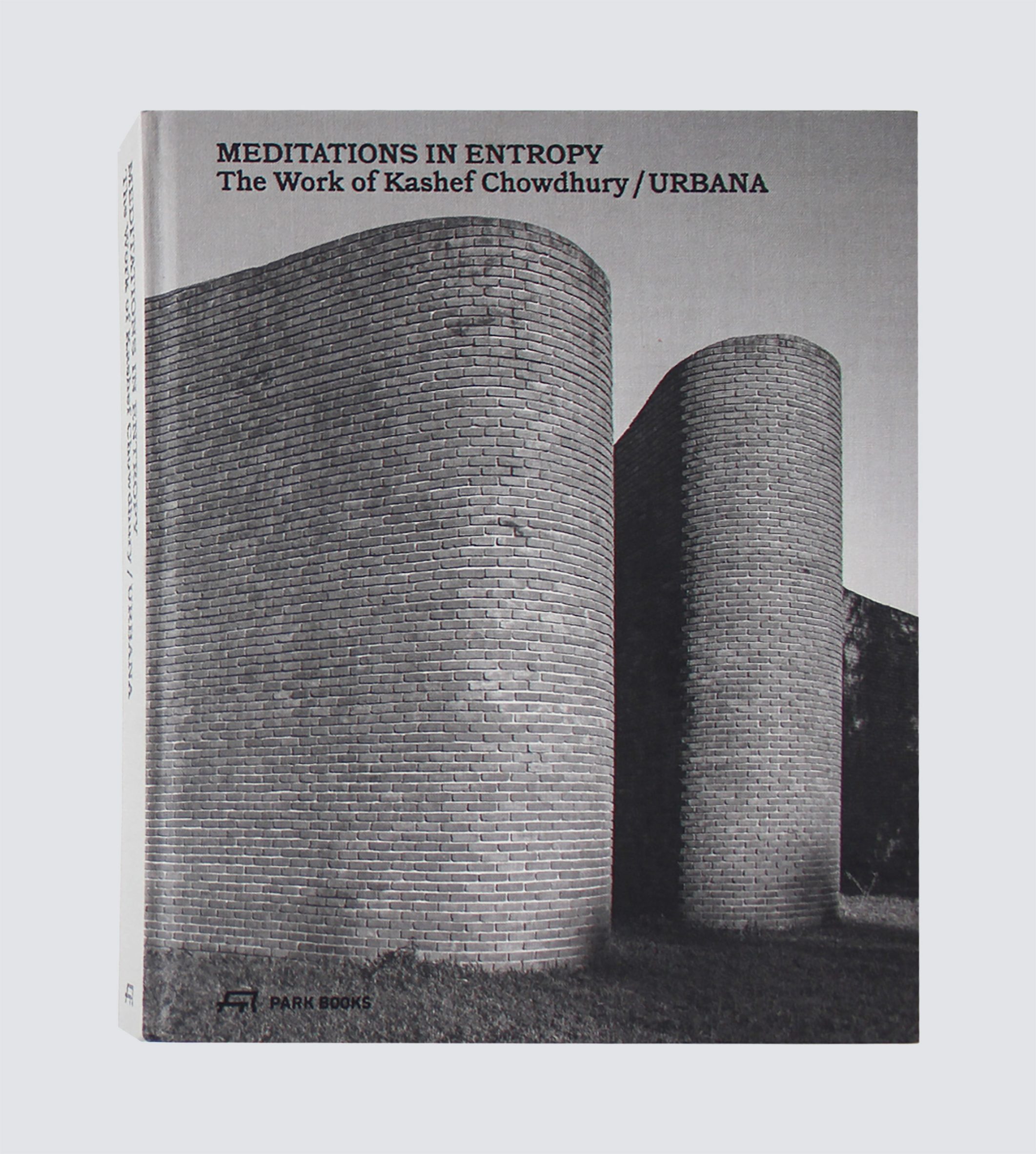
Chowdhury's extensive portfolio consists largely of public buildings from community centres to cyclone shelters, driven by his personal commitment to serve the people and a reluctance to design for the wealthy.
He said another priority of his studio is designing good-quality buildings that focus on sustainability. This goes beyond low-carbon building, and also means ensuring affordability.
Project cost "very important part of sustainability"
"For me, cost is a very important part of sustainability," Chowdhury said.
"Many of our clients are NGOs and let's say somebody who really needs a good building at a nominal budget, so we have to be very careful that we address all their needs within that given budget."
With many of his projects in the geographical region of Bengal, designing in this way has led him to utilise and specialise in local materials such as load-bearing masonry walls. In turn, this has given rise to buildings that he believes respond appropriately to local climatic and social context.
"We have to be careful about history and culture because we are in the region of Bengal, which has a very distinct culture," he explained. "We don't want a building to be alien."
"We try to optimise cost wherever we can, and bricks are locally available – they're handmade, they have these beautiful imperfections, and I love to use them," Chowdhury added.
Read on for a closer look at six civic projects by the studio:
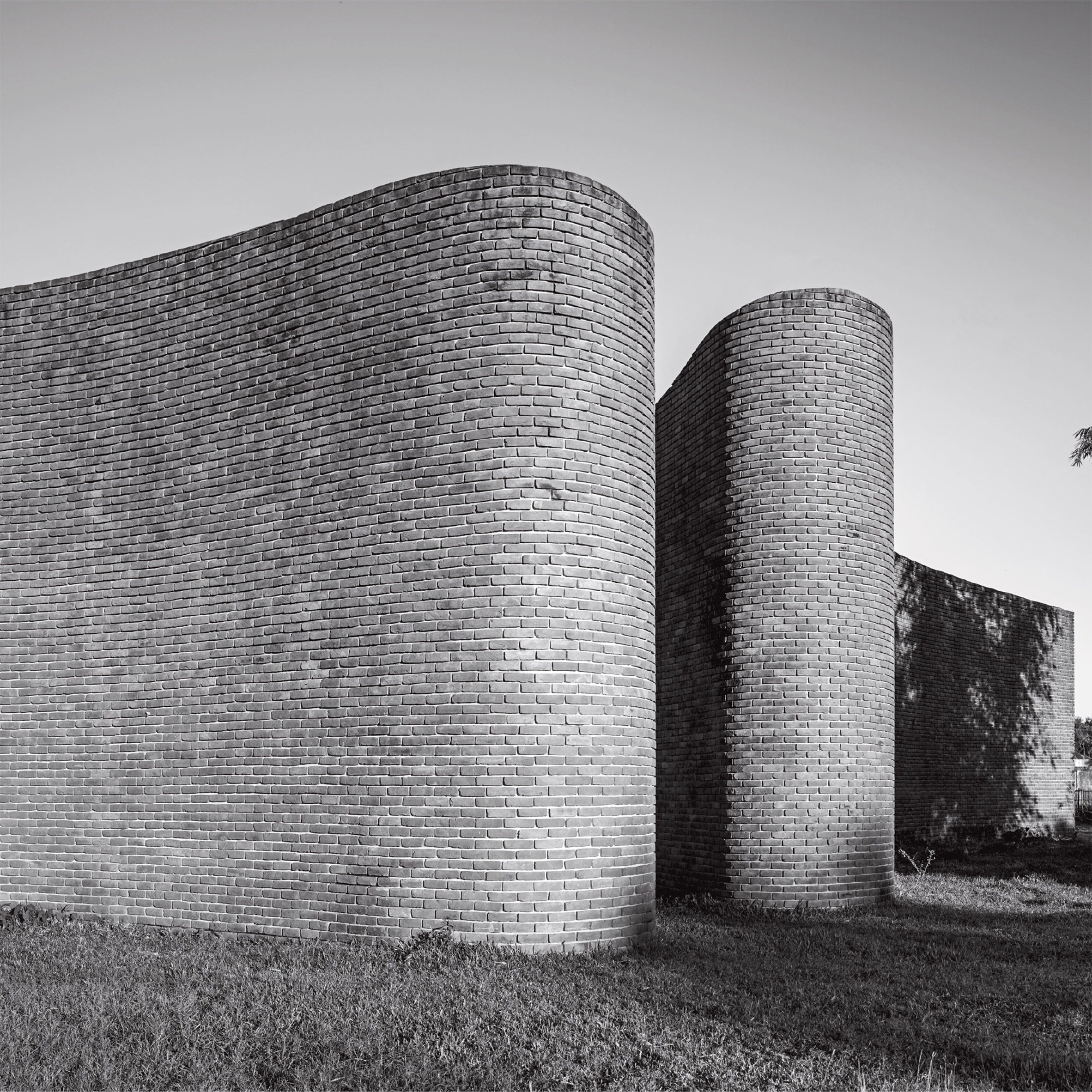
Srihatta – Samdani Art Centre and Sculpture Park, 2018
Meandering brick walls envelop this arts complex in rural Sylhet, a city in Bangladesh. It was completed by Urbana as a home for the cultural institution Samdani Art Foundation.
Containing artist residences, its programmes are divided across a series of volumes and courtyards nestled into the surrounding rural landscape
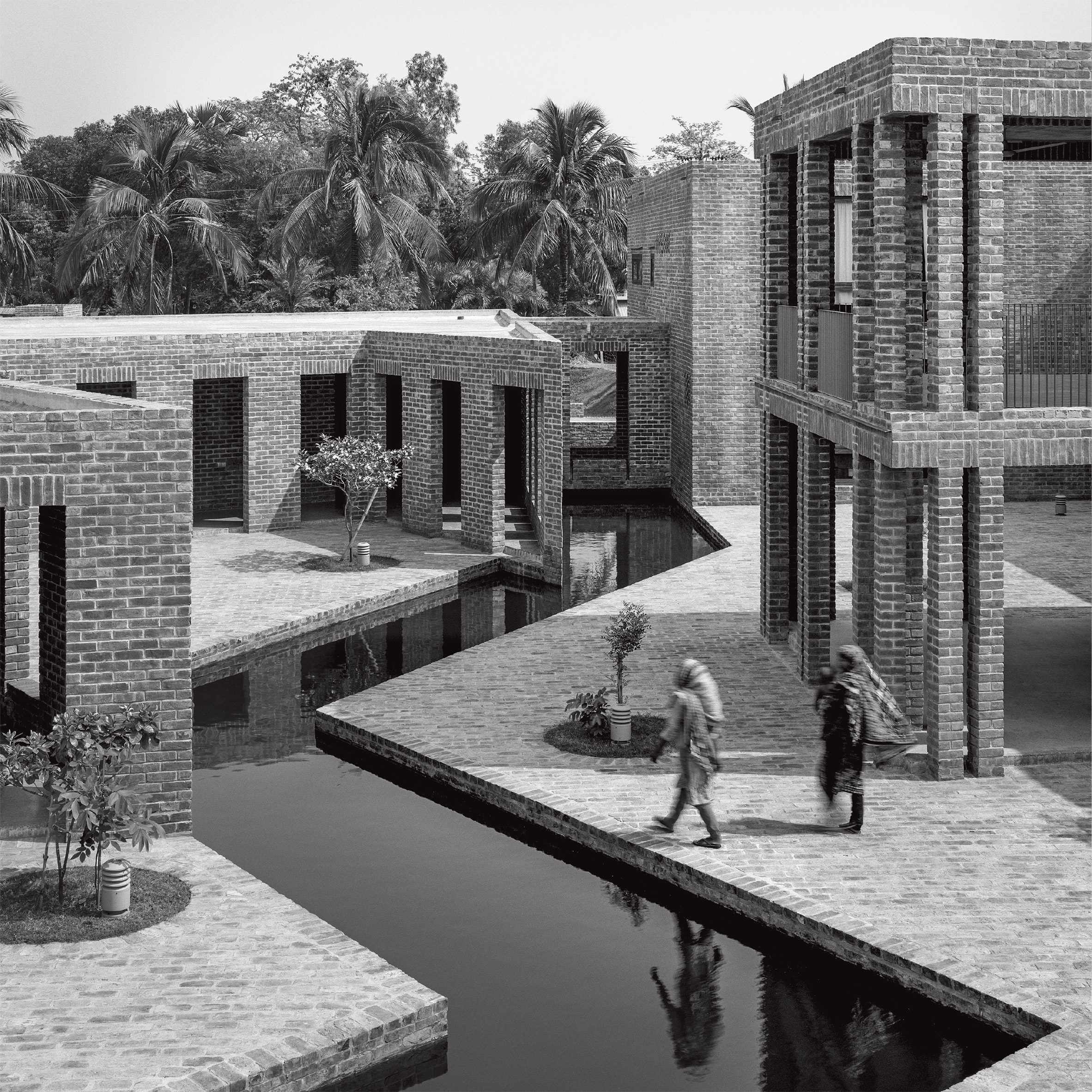
Friendship Hospital, 2018
The Friendship Hospital is a low-cost and remote medical institution composed of a series of low-lying brick pavilions, located in Bengal, southwest Bangladesh.
Awarded the RIBA International Prize in 2021, it was created for Friendship, a non-governmental organisation, and provides healthcare services for people living in the region.
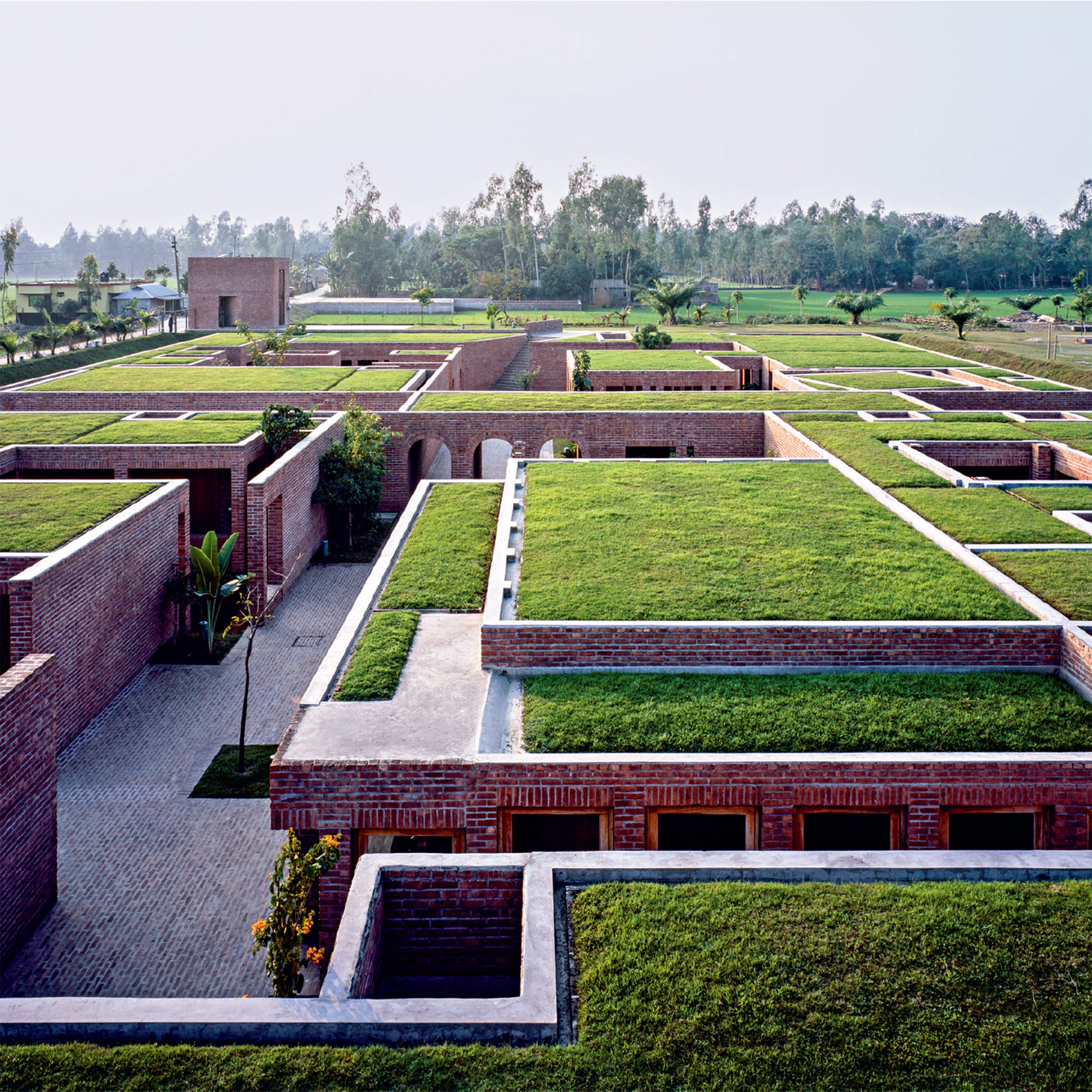
Also created for Friendship, Chowdhury designed this open-air community centre with a man-made embankment to protect its low-lying structure from flooding.
Completed in 2012, the complex accommodates training programmes for the charitable organisation within the building's labyrinth of brick walls, arches and courtyards.
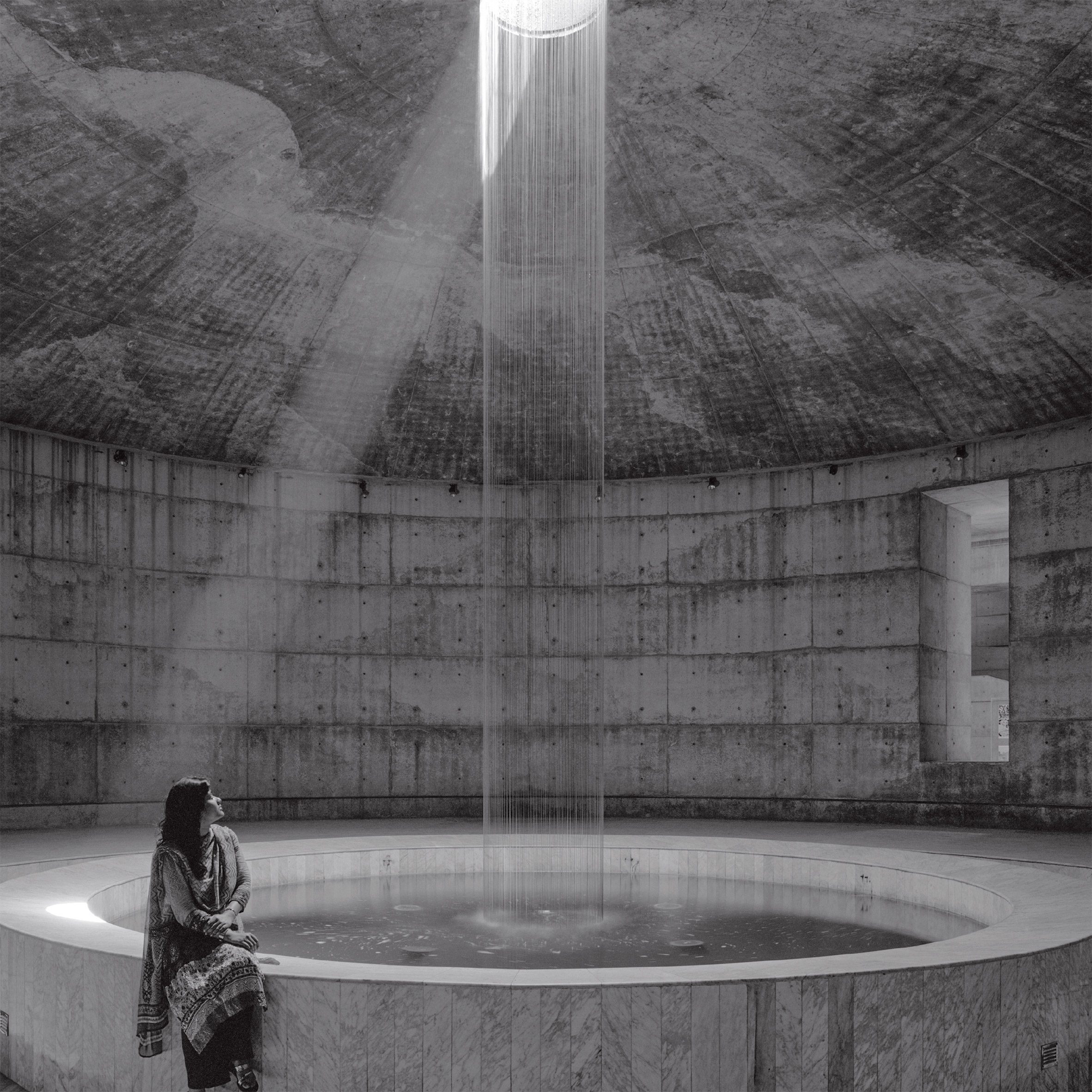
Museum of Independence and Independence Monument of Bangladesh, 2013
An underground museum topped with a public square and an adjacent, glass-covered tower make up this national memorial complex in Dhaka.
Urbana won the national design competition for the complex in 1997, with the project's construction spanning over a decade before being completed in 2013.
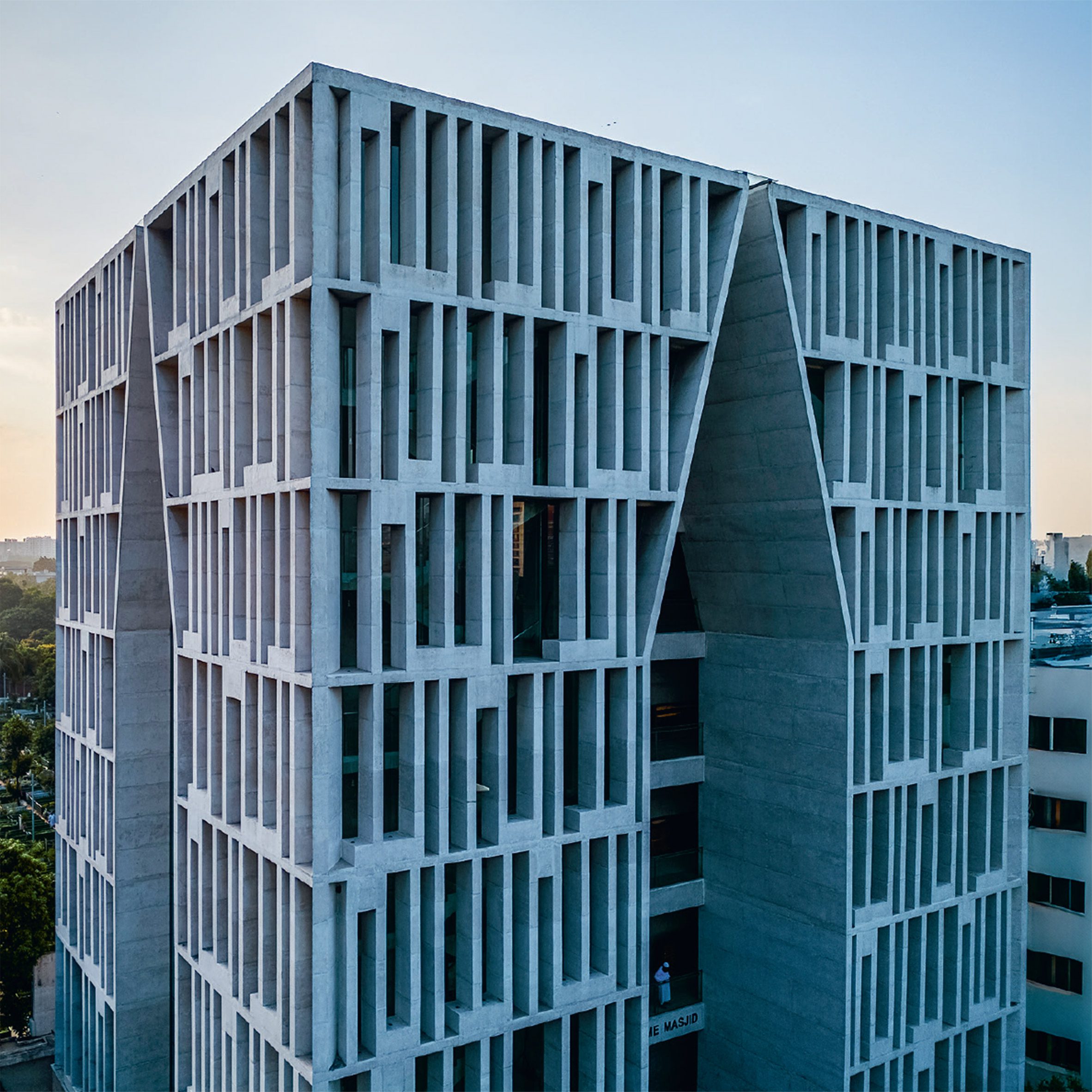
Gulshan Mosque, 2017
White-coloured concrete forms the stacked, six-storey volume of this mosque, designed by Chowdhury to accommodate a large congregation on an urban plot in Dhaka.
Informed by jali screens, its patterned, open-air facade draws light and ventilation into the mosque's interior while also shielding it from rain.
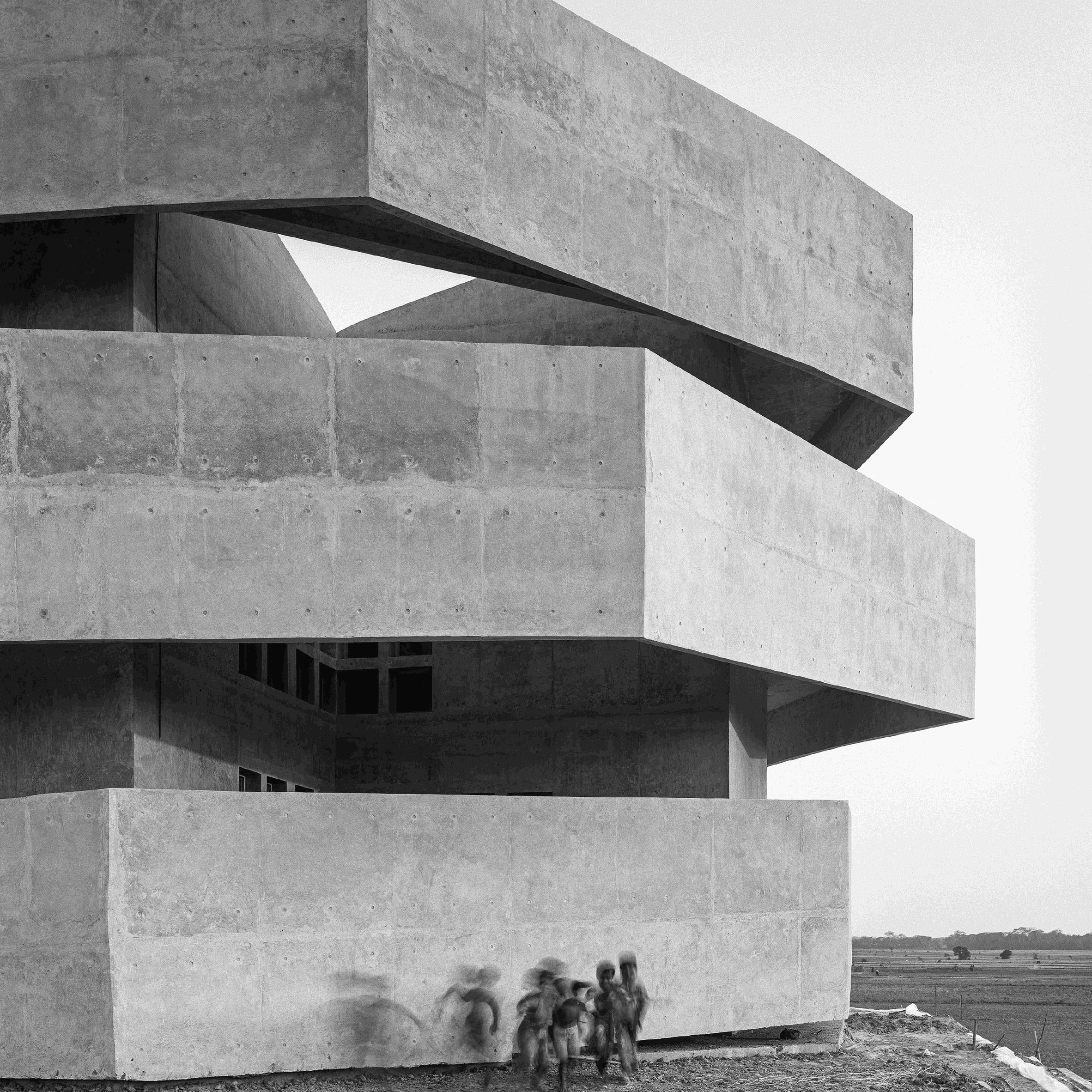
Cyclone shelter, Kuakata, 2018
After Cyclone Sidr hit Bangladesh in 2007, Urbana designed this concrete shelter to help mitigate the impact of future disasters. After 11 years of trying to source funding for the shelter, the project was eventually realised in 2018.
The structure is designed as a two-storey cruciform, wrapped with a circulation ramp, which protect four light and ventilation wells from high winds and flying debris.
The post Six civic projects by Kashef Chowdhury that put people first appeared first on Dezeen.