






















How AI “Seamlessly” Pushes Architecture Marketing Into a Sea of Sameness

Tyler Suomala is the Founder of Growthitect, where he helps architecture firm owners increase fees, build consistent lead flows, and win high-quality clients.
Everyone has the same tools now. AI can write your project descriptions. It can draft your blog posts. It can generate social captions, email sequences, website copy and thought leadership articles before your morning coffee gets cold.
And so the temptation is obvious. If it used to take you four hours to write a single LinkedIn post, and now you can publish 30 in the same time, why wouldn’t you? Volume wins, right? Not exactly.
Volume isn’t inherently bad. If your firm has been posting once a month (or worse, once a quarter), then yes, more content is going to help. Going from near-invisible to consistently present makes a real difference. Nobody’s arguing that. But there’s a tipping point, and most firms blow right past it without noticing.
That tipping point is when volume starts replacing quality instead of amplifying it. When the bar for “good enough” drops because publishing is easier. When you stop asking “Does this sound like us?” and start asking “Is this enough to post?”
That shift is subtle. You won’t see it in any single post. But over weeks and months, you start losing the thing that made a potential client stop scrolling and think, “I want to work with these people.” Your voice. Your point of view. The personality behind the work. And once that’s gone, it’s really hard to get back.
AI Produces the Perfect Average

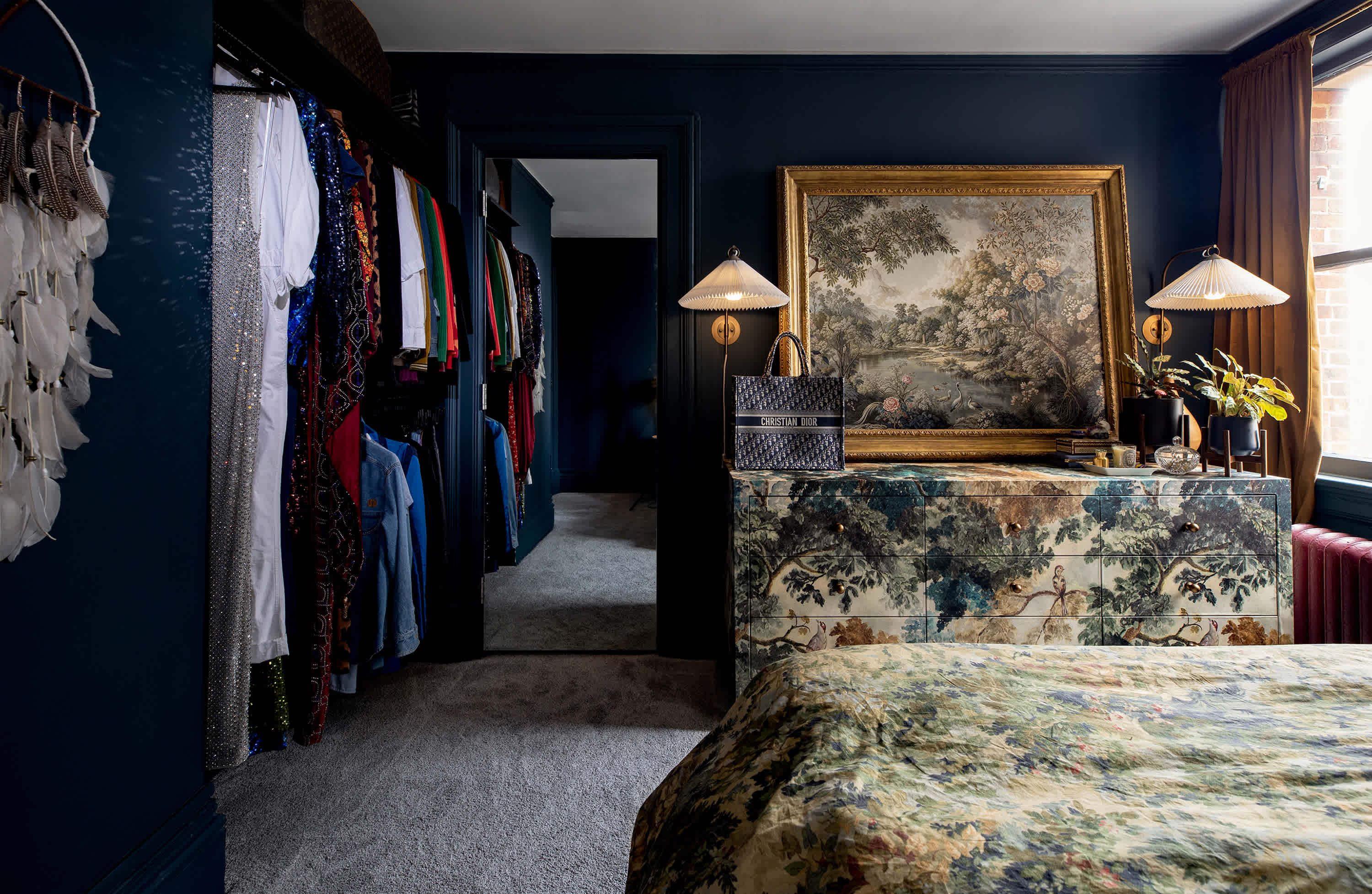
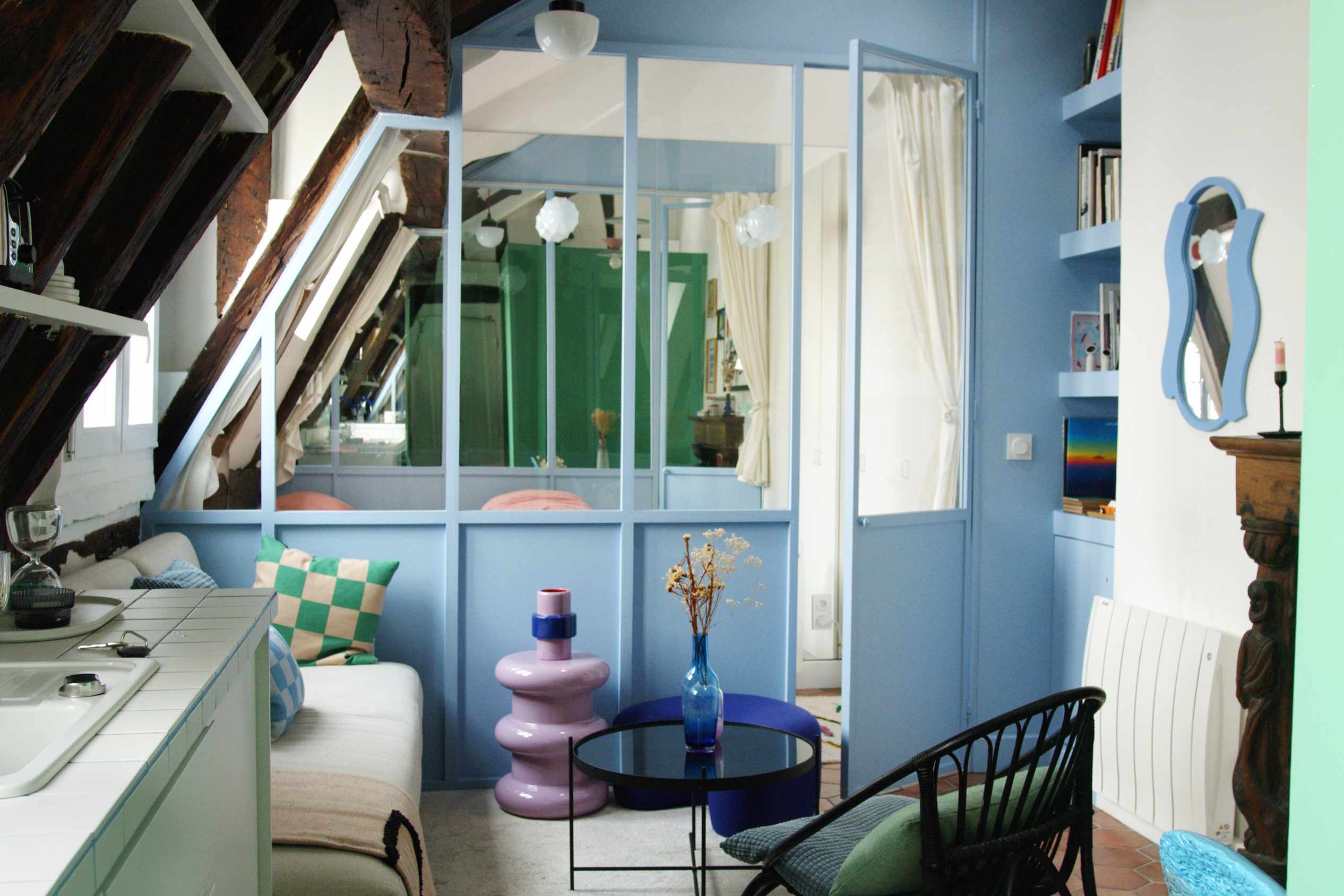
Black Ocean Firehouse by Rafael de Cárdenas / Architecture at Large, New York City, New York
Here’s what happens when you hand your marketing over to AI:
By design, AI generates the best possible average of everything it knows. The best average.
That means if you prompt it to write a project description, you get one that sounds like every other project description it’s ever been trained on. Polished, competent, and completely forgettable. If you’re using AI the same way everyone else is (same prompts, same workflows, same “write me a LinkedIn post about sustainable design”), then your content is going to converge with everyone else’s.
When 90% of firms are using AI the same way, the output looks, sounds and feels the same. You think you’re differentiating when you’re actually converging.
Architecture already struggles with differentiation. Most firm websites could swap logos, and you’d never know the difference. The “About” pages all read the same, and project descriptions check the same boxes. The same goes for social posts. And that was before AI entered the picture. Now take that existing sameness and add a tool that, by its very nature, pushes everything toward the center. You can see where this is heading…
When clients can’t tell firms apart, they default to the only differentiator left: price. That’s commoditization. That’s the race to the bottom that every architect says they want to avoid, but few are actively doing anything to prevent. And the irony is that the tool many firms are adopting to “improve” their marketing is the very thing making it harder to stand out.
AI isn’t causing this on its own, but it is accelerating it. And most firms don’t even realize it’s happening because the content looks good. It reads fine. It’s grammatically correct and professionally polished. But “professionally polished” and “distinctly yours” are two very different things.
Better Is Better

Black Ocean Firehouse by Rafael de Cárdenas / Architecture at Large, New York City, New York
So how do you use AI without losing yourself in the process? You flip the sequence.
Most firms are doing it backwards. They start with AI and hope the output is good enough. They let the tool define the voice, the tone, the message. Then they tweak a few words and hit publish. And they do this over and over, week after week, until one day they look at their website and their socials and their proposals and realize none of it sounds like them anymore. It all sounds like AI. Which means it all sounds like everyone.
The firms that will actually stand out are doing the opposite. They define what “better” looks like for themselves first, and then they make that version of better repeatable with AI. The distinction and order of events make a huge difference.
If you start with AI and work backwards, you end up at the mean. You end up in the middle of the pack. You end up sounding like every other firm that took the shortcut. But if you start with yourself (your actual voice, your actual perspective, the way you actually talk to clients when you’re at your best) and then use AI to scale that? Now you’ve got something worth scaling.
Before you ever open ChatGPT or Claude or whatever tool you’re using, you need to get clear on a few things. What does your firm actually sound like? What you sound like in a pitch, in a client meeting, in a conversation with a colleague you trust. What’s your point of view on architecture, on how buildings should serve people, on what makes a project worth doing? And where are the boundaries? Where does AI help, and where does it need to stop?
If AI can’t pull those answers from your prompt or its memory, it’s going to fill in the blanks with the average. And you won’t even notice it happening until it’s already happened.
Once those things are defined (really defined, not just vaguely understood), AI becomes an amplifier instead of a replacement. It takes your voice and makes it more consistent, more scalable, more efficient. But the voice is still yours. That’s the whole point; without that foundation, you’re just generating content.
You have to know who you are and what you believe before you AI or automate anything. Your experience. Your perspective. Your taste. Your conviction about what good architecture actually means. Those things have to come from you. They have to be defined by you. And they have to be protected by you, especially as the tools get more powerful and the temptation to hand over the keys gets stronger.
More content isn’t the answer; better content is. And better starts with you, not with a prompt.
The post How AI “Seamlessly” Pushes Architecture Marketing Into a Sea of Sameness appeared first on Journal.