










Eight converted power stations that show the power of reuse
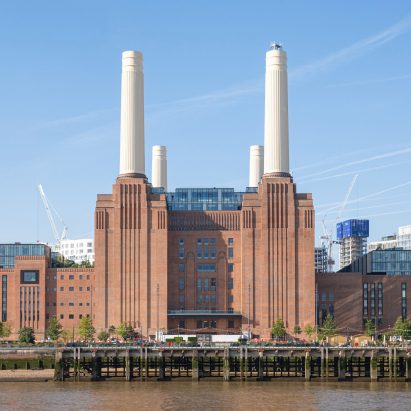
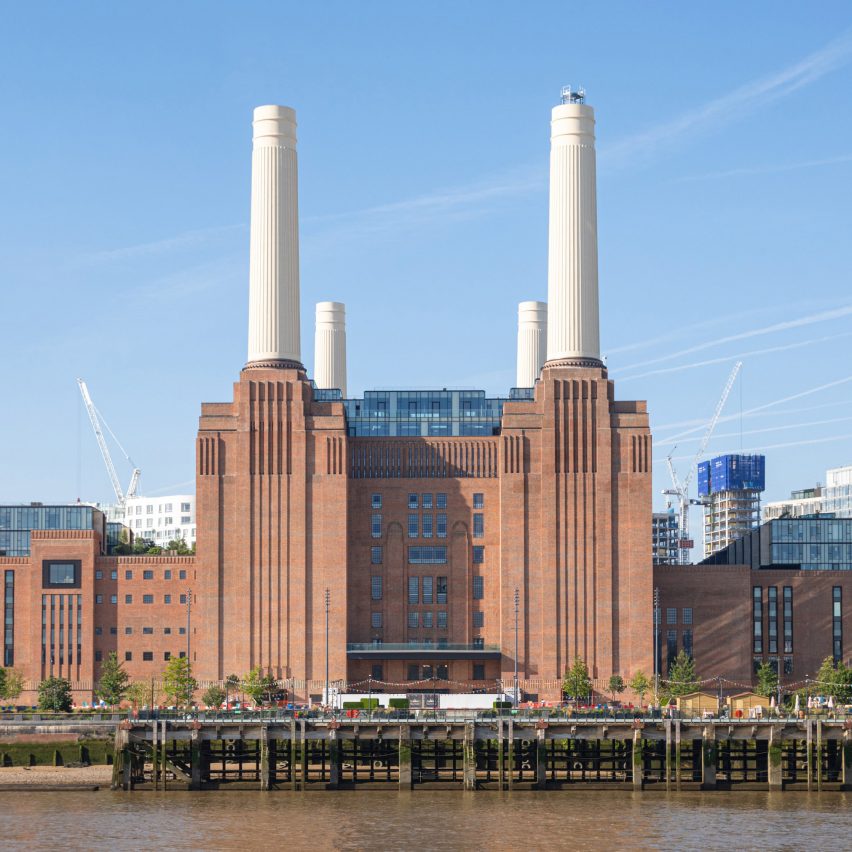
In this roundup, we take a look at decommissioned power stations that have been given a second life, from the Tate Modern museum in London to the Dyson headquarters in Singapore.
Originally built to generate electricity, these industrial buildings typically have expansive interiors with tall ceilings, giving architects plenty of flexibility for conversion.
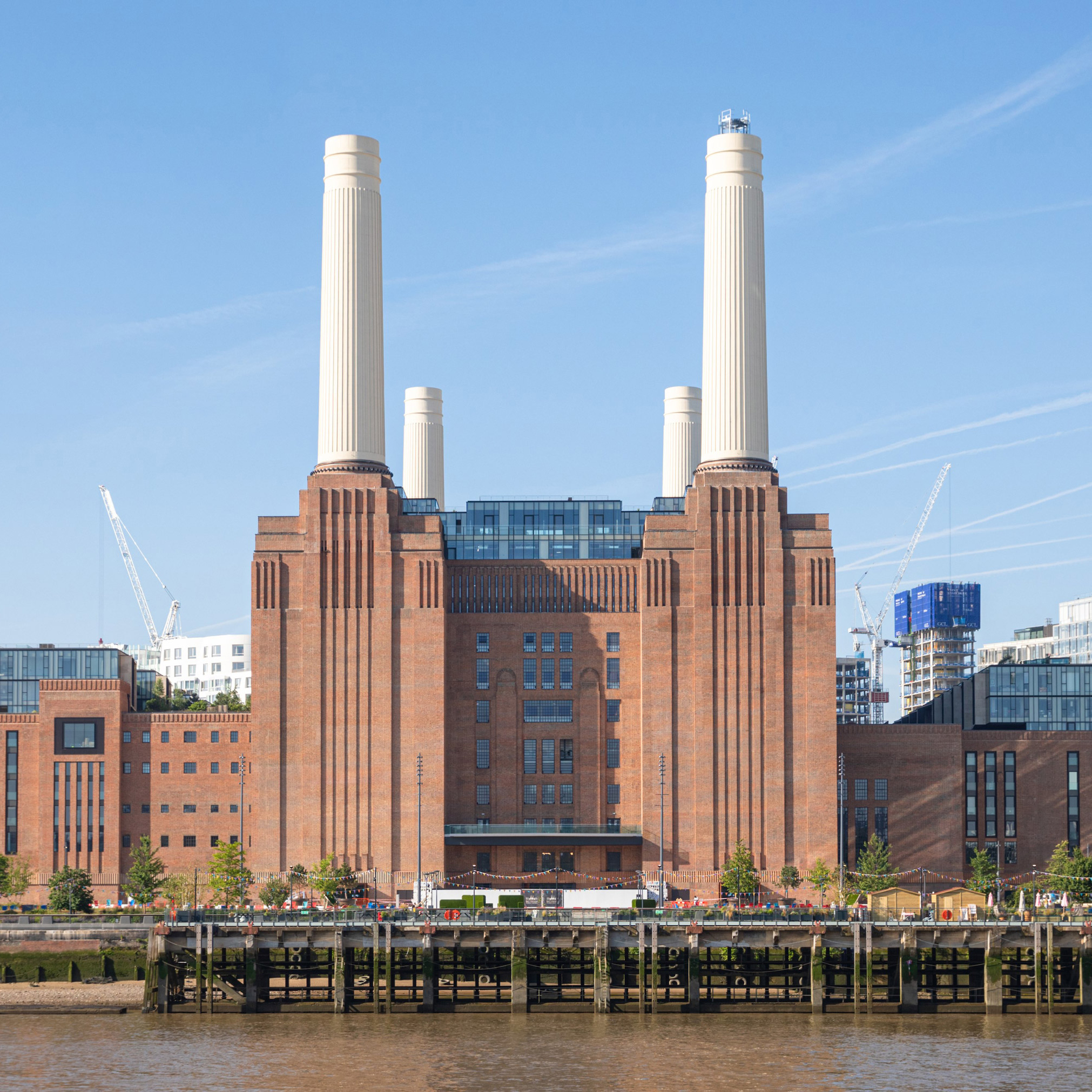
Battersea Power Station, UK, by WilkinsonEyre
The Grade II*-listed Battersea Power Station in London stood decommissioned for 39 years before architecture studio WilkinsonEyre's transformation reopened it as a shopping, office and residential building in 2022.
Originally built in the 1930s, a bustling shopping centre is now located in the building's restored turbine halls and glazed apartments were built atop the roof.
Find out more about Battersea Power Station ›

Ballers, USA, by Good City Studio and Hexagon Studio Architects
Local firms Good City Studio and Hexagon Studio Architects revamped the main turbine hall of Delaware Power Station in Fishtown, Philadelphia, into a sports club with indoor pickleball, soccer and squash courts.
Named Ballers, the sports club formed part of the wider plan to transform the 1920s power station into The Battery, a mixed-use complex containing apartments, offices and a hotel.
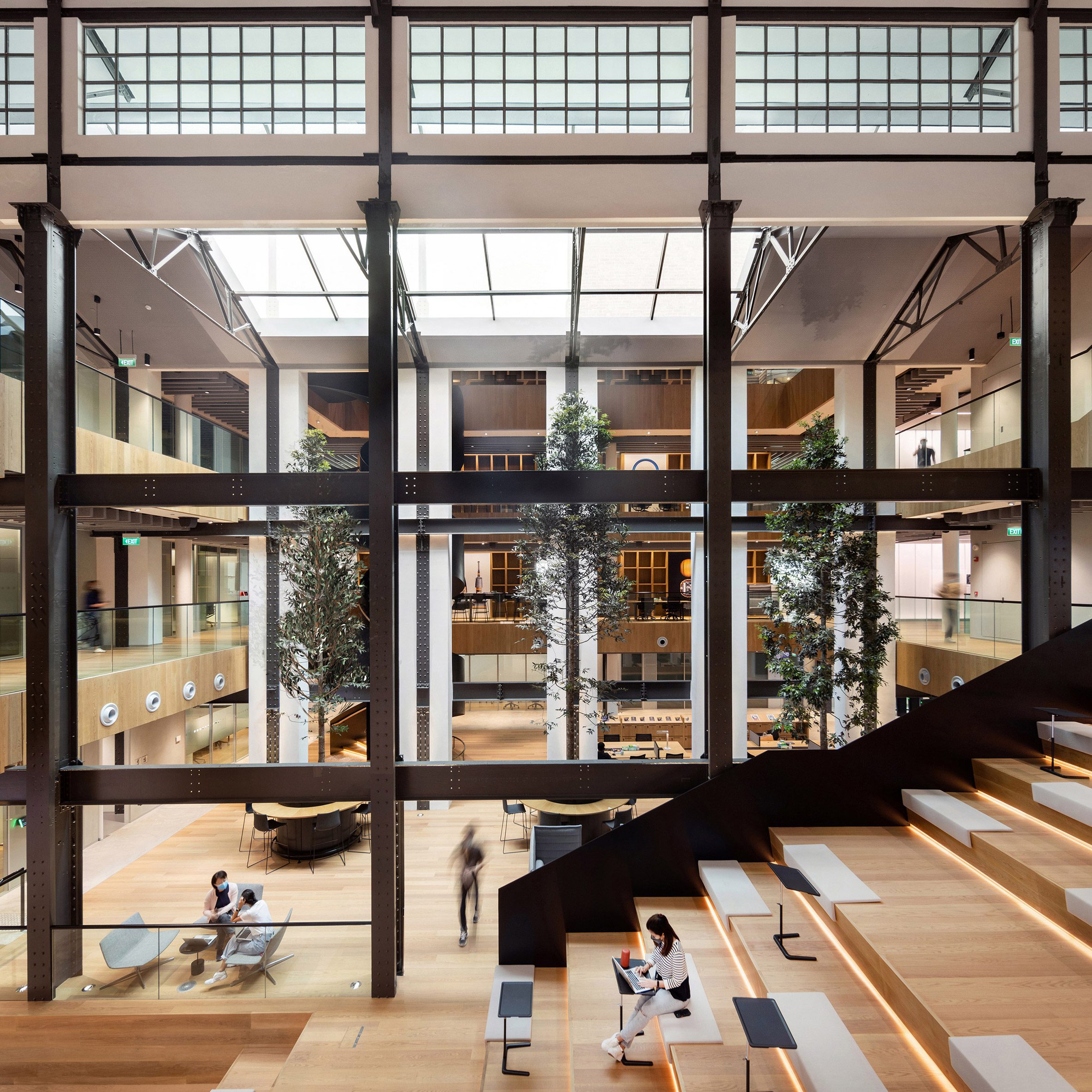
Dyson headquarters, Singapore, by M Moser Associates, W Architects and Studio Lapis
Technology company Dyson established its global company headquarters inside Singapore's St James Power Station, which was transformed by local studios W Architects and Studio Lapis, with interior fit-out by architecture studio M Moser Associates.
The turbine hall of the 1926 building was reimagined as a four-storey atrium framed by exposed black steelwork and a sculptural spiral staircase, while an area of amphitheatre-style seating provides gathering space next to a cafe.
Find out more about the Dyson headquarters ›
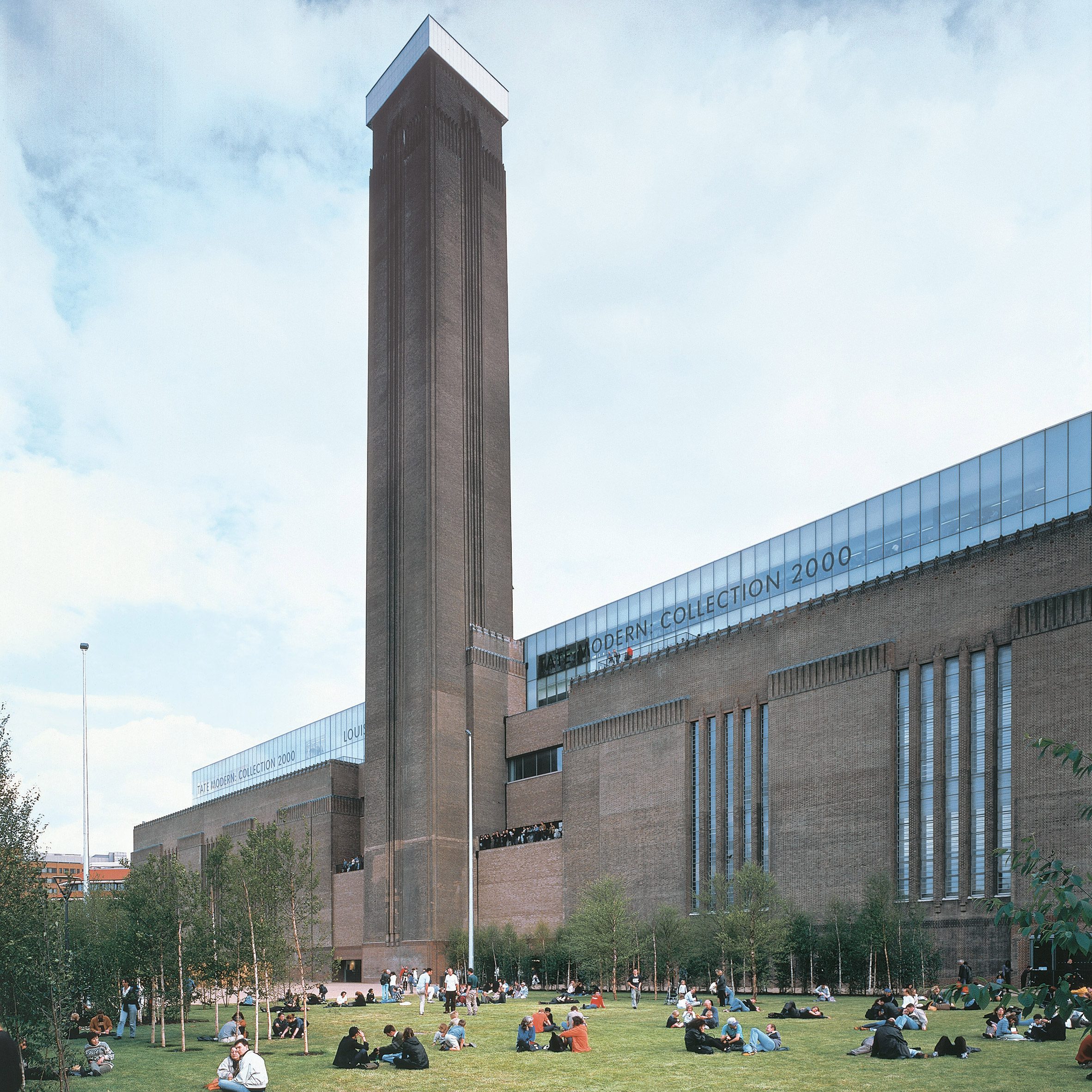
Tate Modern, UK, by Herzog & de Meuron
Iconic London landmark the Tate Modern was once the Bankside Power Station, originally designed by Giles Gilbert Scott, who also designed Battersea Power Station.
Swiss studio Herzog & de Meuron's pioneering transformation of the building opened in 2000, complete with a cathedral-like gallery space in the turbine hall, and ignited a global trend of converting disused power stations into hubs of art and culture.
Find out more about Tate Modern ›
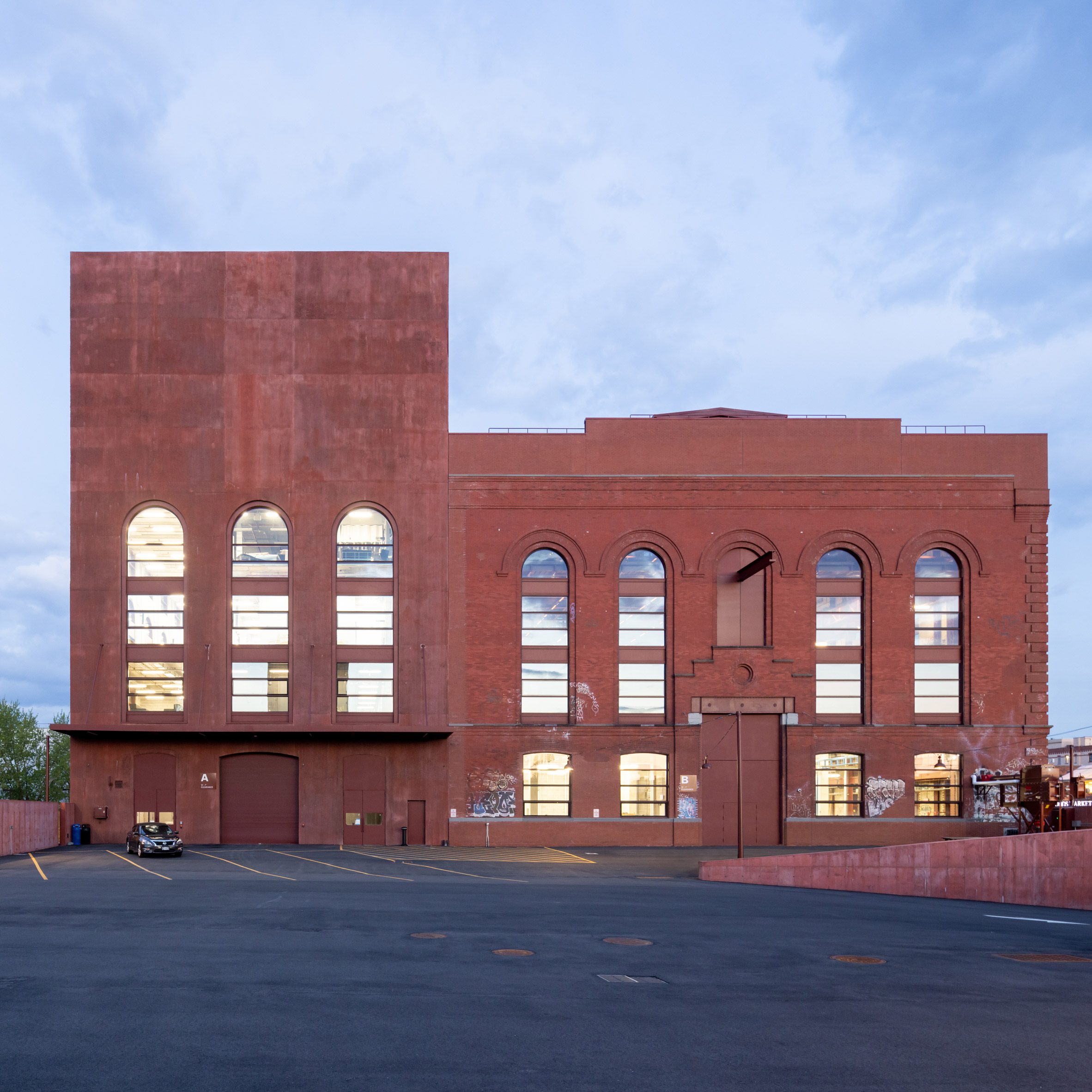
Powerhouse Arts, USA, by Herzog & de Meuron
In more recent years, Herzog & de Meuron converted the remains of a 115-year-old power plant in Brooklyn into an art manufacturing hub called Powerhouse Arts.
The studio refurbished the brick-clad turbine hall, the only part of the original building left standing, and converted it into an art production centre, while the demolished Boiler House was rebuilt in red concrete.
Find out more about Powerhouse Arts ›
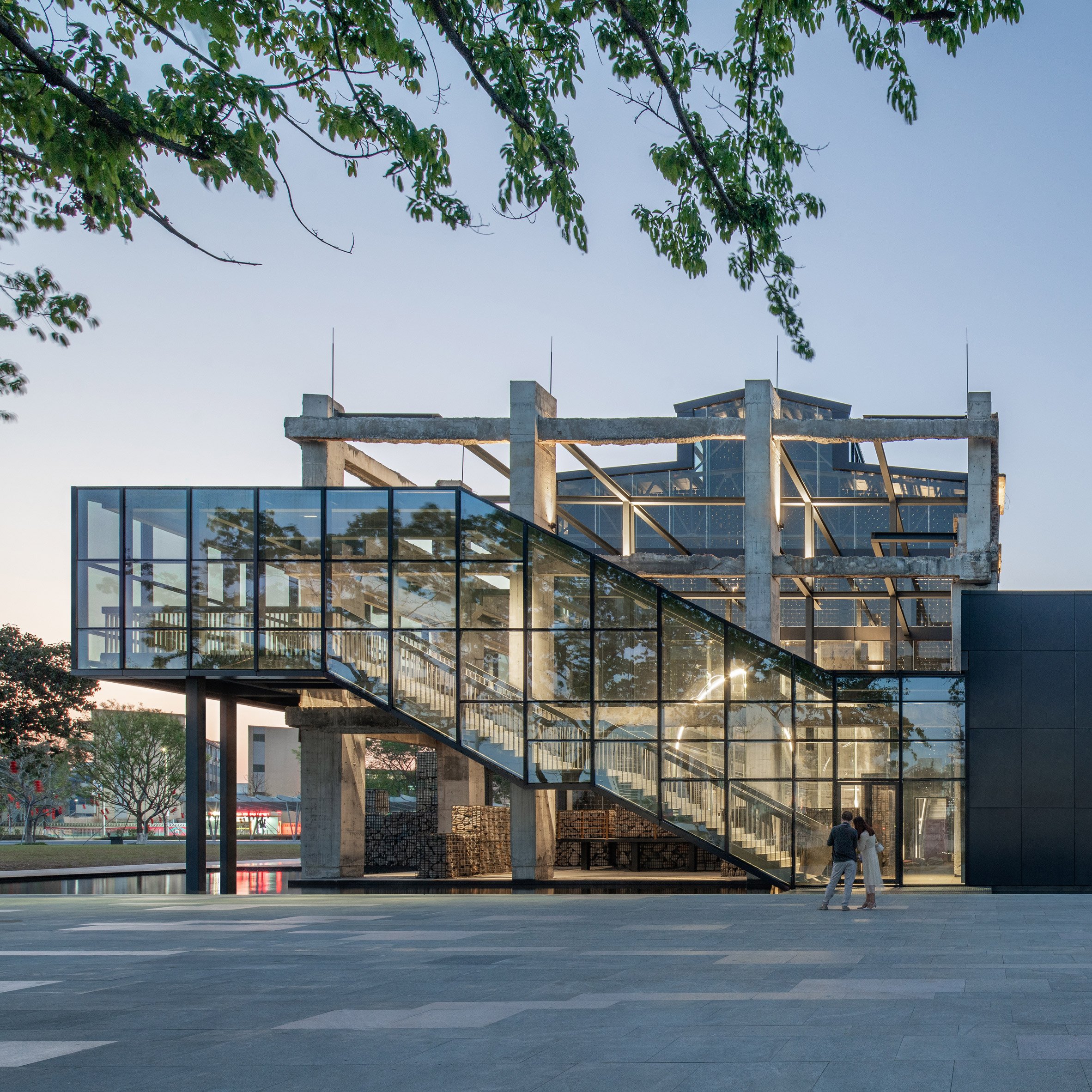
Shajing Village Hall, China, by ARCity Office
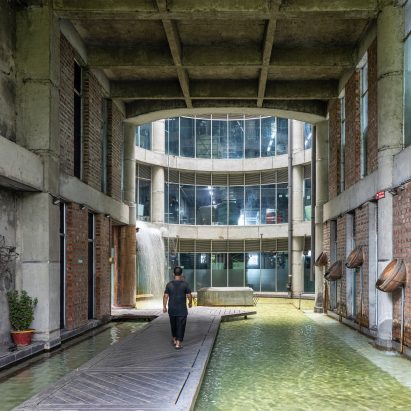
As part of wider plans to transform an industrial site into a public wetland, architecture studio ARCity Office restored and extended a 1980s power plant in Shenzhen, China, converting it into a community hub.
The studio left the building's concrete remnants as-found, using its structural shell to support a series of new steel and glass volumes that draw upon the spaces found in traditional ancestral halls.
Find out more about Shajing Village Hall ›
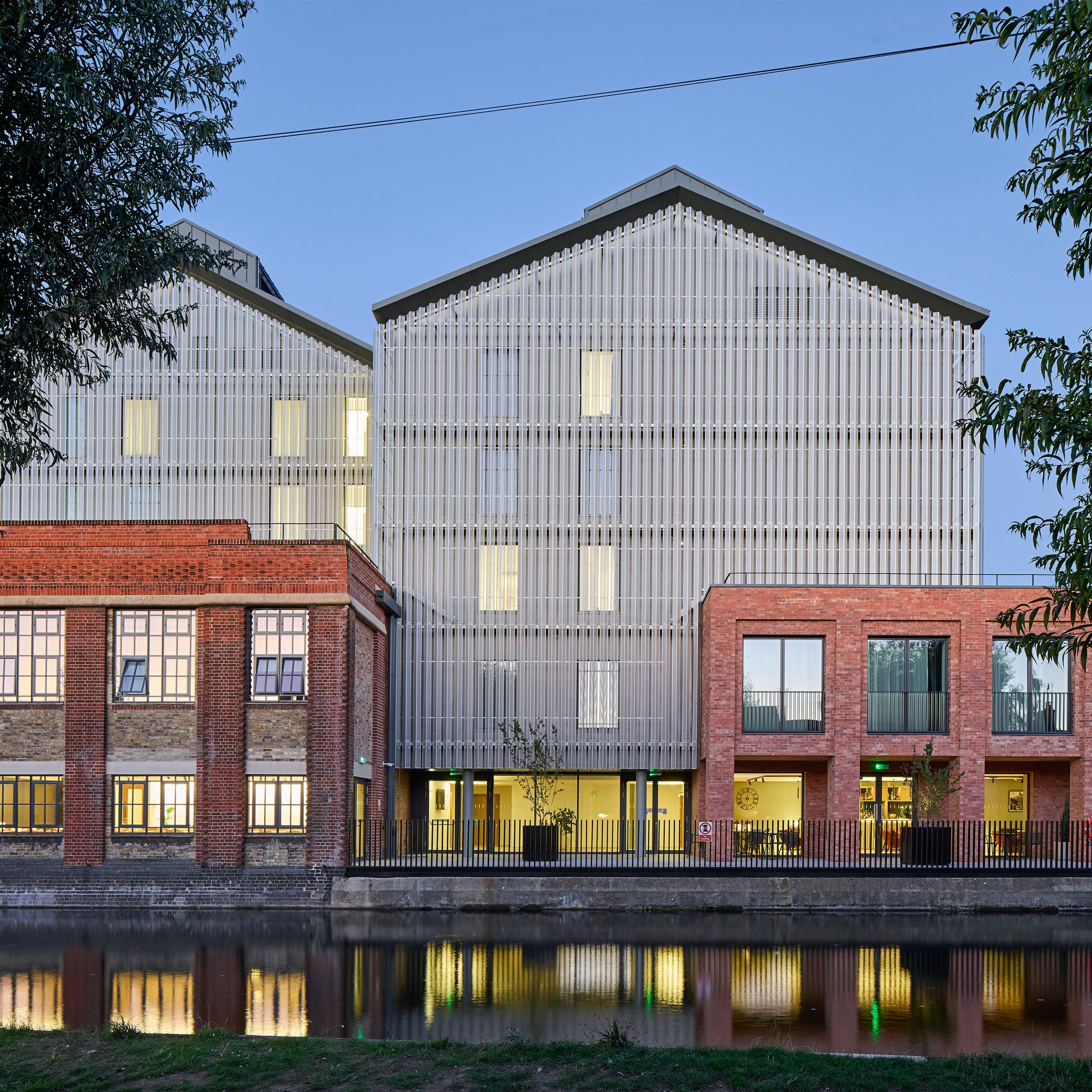
Global Leadership Centre, UK, by John McAslan + Partners
British studio John McAslan + Partners added learning space and accommodation to Oxford's first electrical power plant to form the Global Leadership Centre, designed for the University of Oxford's Saïd Business School.
John McAslan + Partners created a triple-height entrance and shared space in the turbine hall, restored the 1890s brick facades and rebuilt and extended the metal-clad upper levels.
Find out more about Global Leadership Centre ›
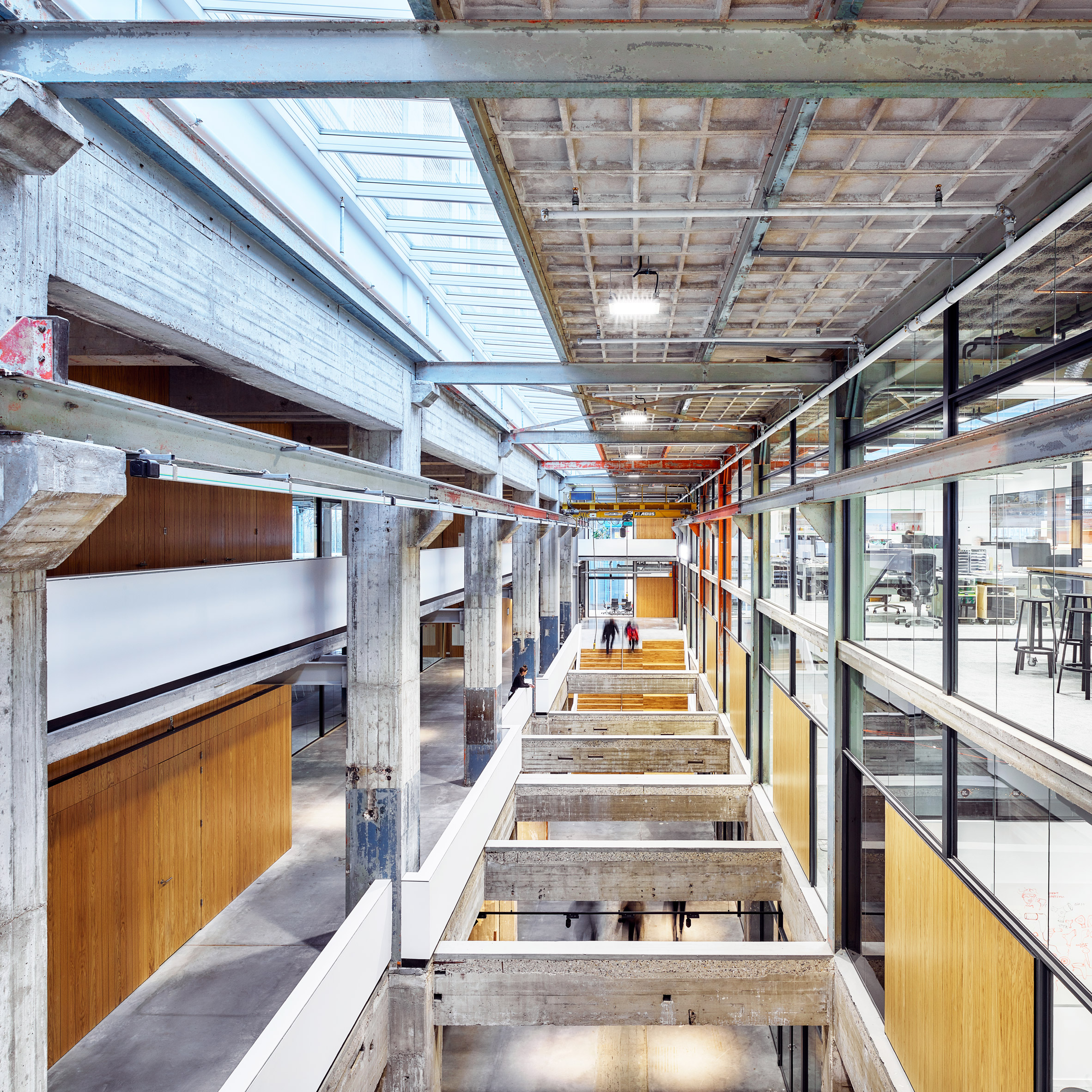
The former Philips power plant in Eindhoven was converted into an innovation hub housing a dozen businesses, with offices arranged along a communal street-like passage.
Rotterdam-based Atelier van Berlo worked with Eindhoven-based studios Eugelink Architectuur and De Bever Architecten on the project, aiming to celebrate the building's original features by preserving its structure and coal chutes.
Find out more about Innovation Powerhouse ›
The post Eight converted power stations that show the power of reuse appeared first on Dezeen.