






.jpg)





















1X Technologies designs humanoid hand to "match or surpass human capability"


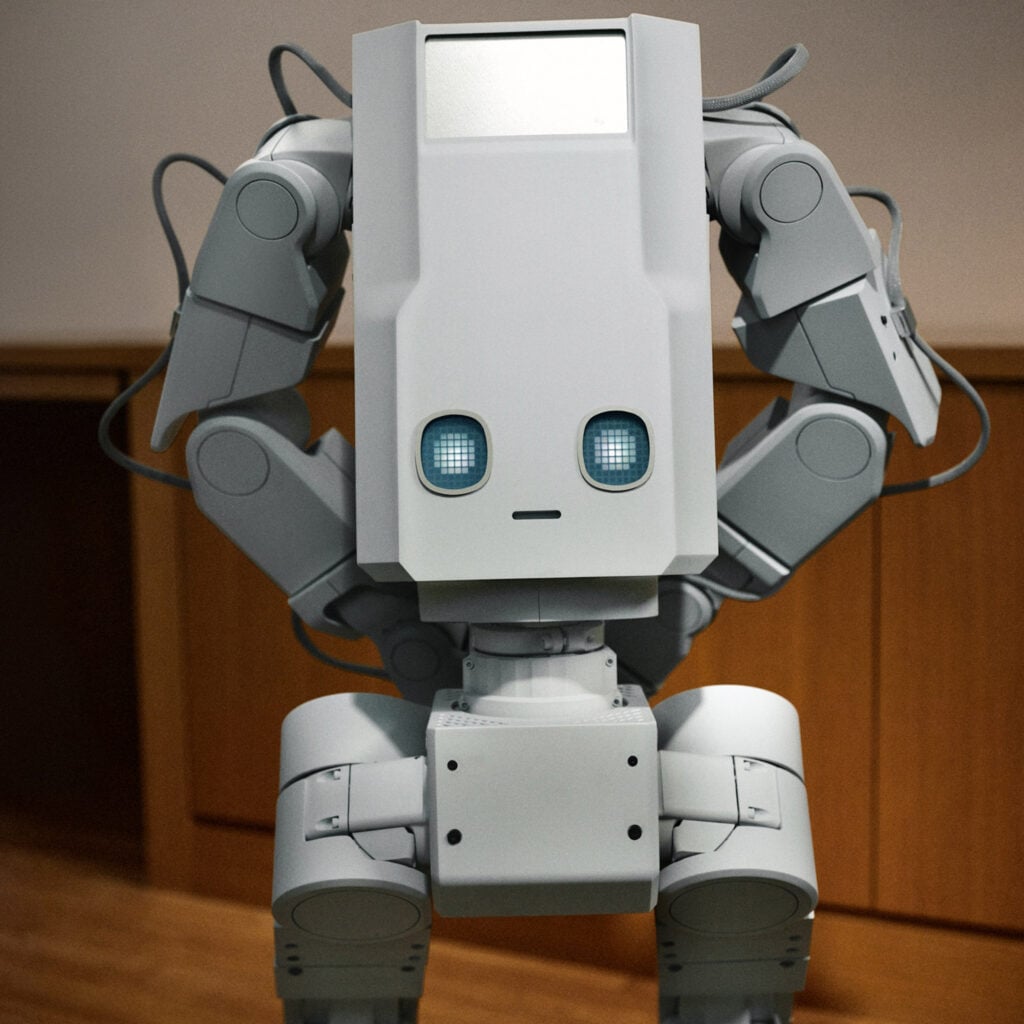
California-based company 1X Technologies has updated the hands of its humanoid robot Neo to "perform virtually any task a human can do with their hands".
The hands will be installed on the first Neo robot model to be delivered to households, which are to ship this year, according to the company. The 5-foot-6-inch (167 cm) humanoid robot is designed to perform household tasks.
Neo's hands were in development earlier this year, as 1X Technologies (1X) continues to develop Neo's design and functionalities before it ships out.
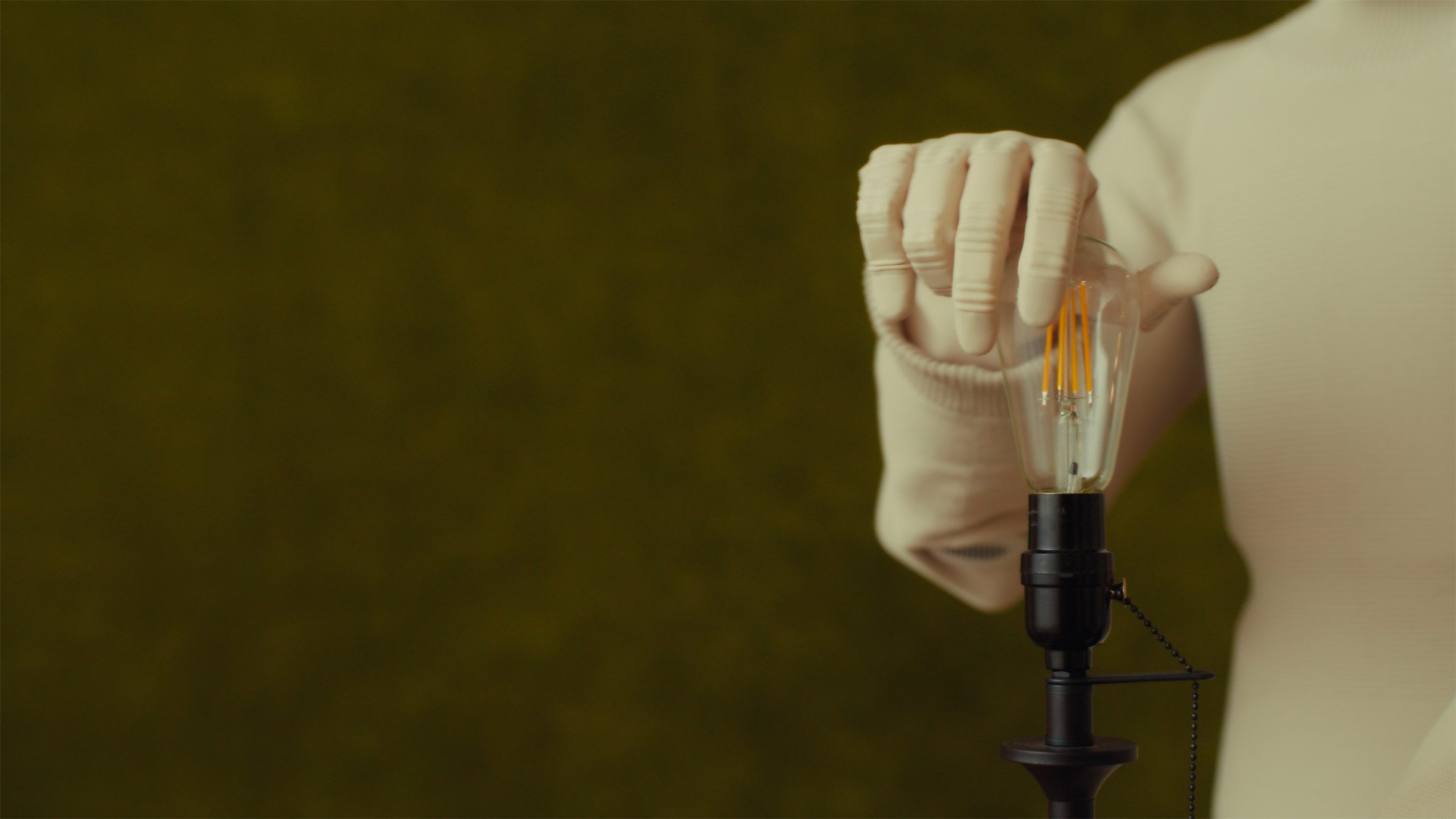
The hand is fitted with 25 joints, thus granting it 25 degrees of movement. Built with an in-house tendon system created by the 1X engineering team, videos show it grabbing objects or waving with its "fingers".

"Our goal was never a hand that just looks impressive on paper," said 1X founder Bernt Børnich. "These hands are the culmination of intensive engineering focused on making humanoids truly useful."
"We built them to match or surpass human capability across every dimension that matters. With these hands, Neo crosses a critical threshold. The robot can now do the things humans do with their hands, every day. This is what the industry has been waiting for."
1X looked to mimic the biological structure of a human hand and fingers for the design. For instance, it placed motors in the structure's forearm, where most of a human's hand dexterity is powered from.
The decisions allow for increased "precision" and "gentleness".
"These new hands match or exceed human performance in fine manipulation," said the team.
"Neo can assemble LEGO structures, pick up individual screws and coins from a wallet, spin and install light bulbs, use a screwdriver, rotate objects in-hand, zip a jacket, plug in a USB-C charger, grab a wine glass, wipe surfaces with a paper towel and spray, and communicate via sign language, and infinitely more."
The robotic hand is also covered in a "skin" that has been outfitted with sensors across the fingertips and surfaces, which allow it to detect pressure and contact with an object.
"It is a functional material, not a cosmetic one," said the team.
Tesla also recently relocated the motors in its Optimus humanoid hand to the forearm with its newest Gen 3 model.
Both companies are also working on manufacturing capability for humanoid hands, which can prove costly.
1X says it can produce "10,000 hands this year" completely in-house, while Tesla is looking to take its Optimus robot to mass production, recently announcing that it will dedicate former Model S factory lines to produce its humanoid robot.
Neo's most recent hands mark another notch in the incremental advancement of humanoid robots, which are now being integrated with artificial-intelligence programmes.
"For seventy years, robotics worked around the hand problem," said 1X. "The humanoid bet is the reverse."
Earlier this year, Dezeen visited the 1X Technologies campus in California, while the company announced the launch of Neo last year.
The photography is courtesy 1X Technologies.
The post 1X Technologies designs humanoid hand to "match or surpass human capability" appeared first on Dezeen.