


.jpg)








"The serpent is something that provides protection" says Lanza Atelier
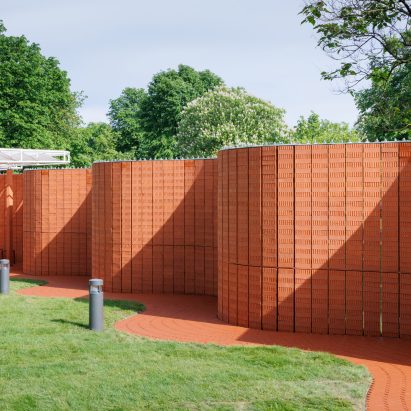
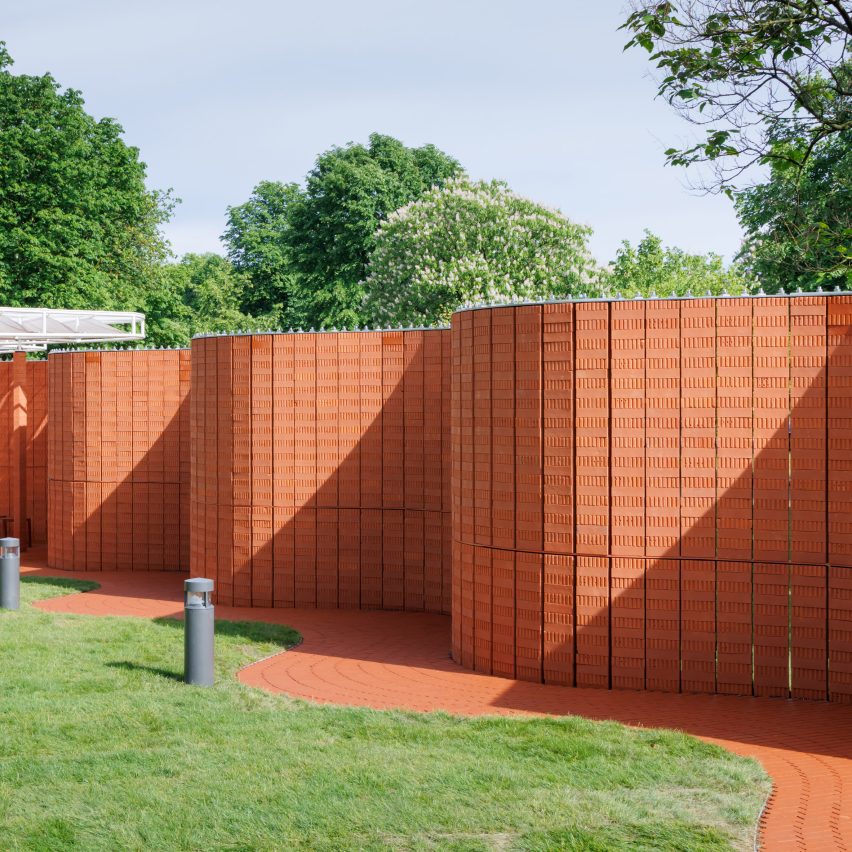
Mexican studio Lanza Atelier drew on contrasting British and Mesoamerican interpretations of the serpent when designing this year's Serpentine Pavilion, said the architects in an exclusive video interview with Dezeen.
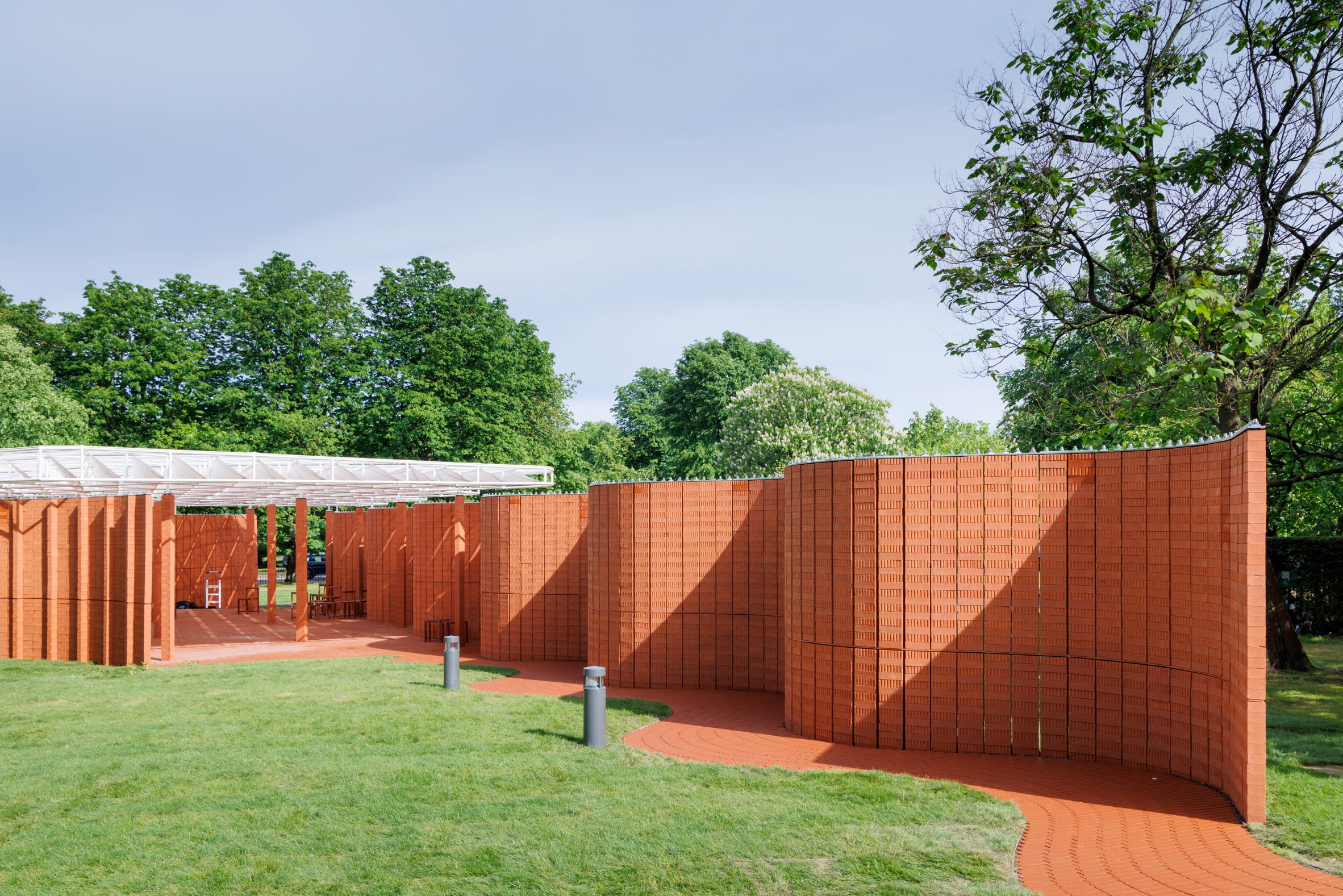
The pavilion was informed by the winding geometry of historic crinkle-crankle walls found across parts of rural England.
But according to founders Isabel Abascal and Alessandro Arienzo, the project was also shaped by the serpent's symbolic meaning within Mesoamerican culture.
"In the UK, usually the serpent is related to the dragon that St George killed, so it somehow has negative meaning," Abascal told Dezeen.
"Otherwise, in Mesoamerican cosmogony, the serpent is a very positive force – it's a protective energy," she continued. "It's a creature that connects earth with water, with air, and ultimately with heaven."
"We like to subvert things, we like to question things," she continued. "For us, to work around the notion of the serpent as something that provides protection was very interesting."
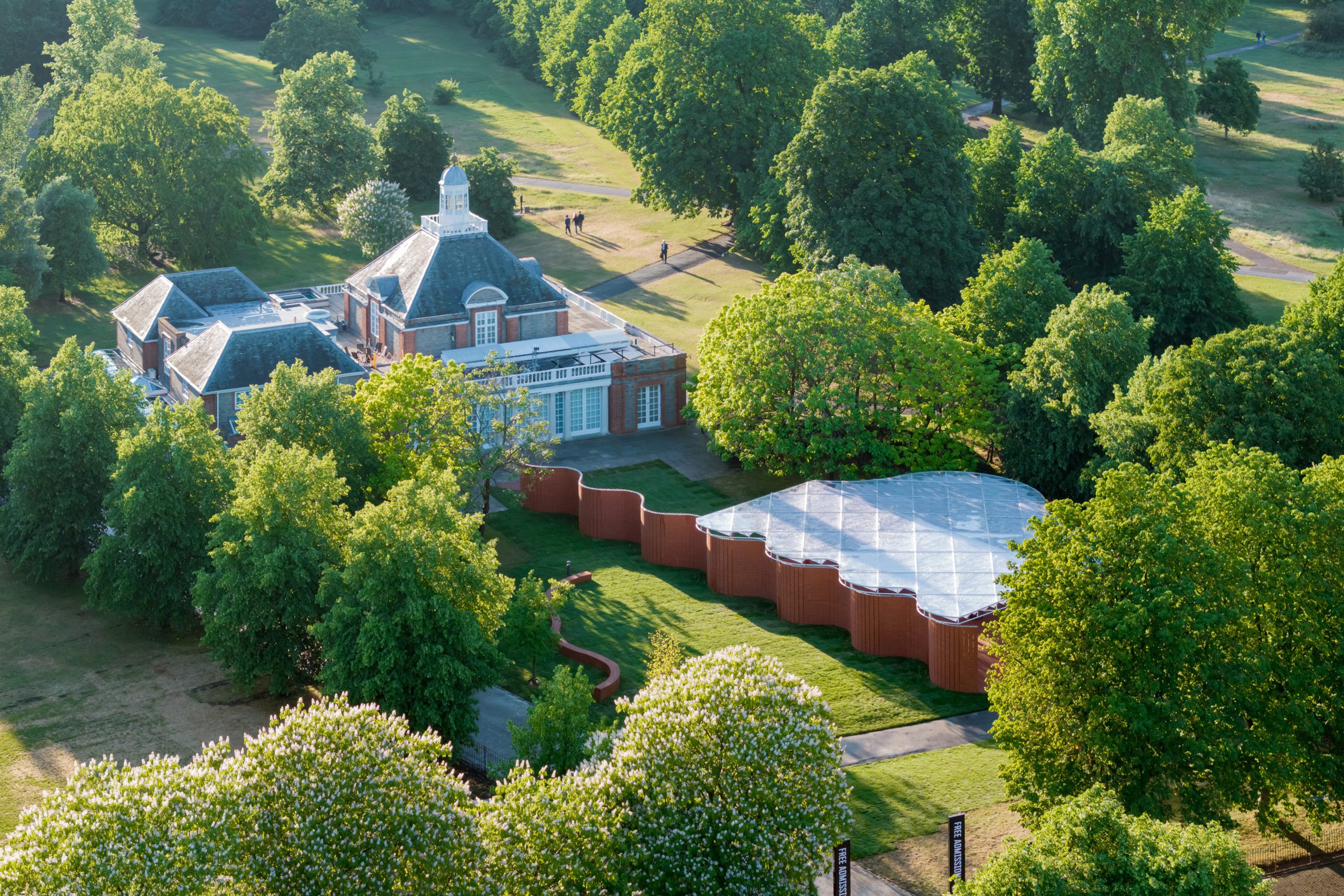
According to the architects, bringing the historic wall typology into Kensington Gardens became a way of connecting the pavilion to Britain's rural architectural traditions while reinterpreting them through a contemporary lens.
Abascal and Arienzo said they became interested in the geometry of historic serpentine walls during the research process.
"Bringing the crinkle-crankle walls to London, it's a way of connecting with the rural environment," Abascal said.
The architects said they were particularly interested in the ingenuity behind the historic structures, whose curved form allowed builders to reduce the amount of brick required while maintaining stability.
"There was a very strong tax on bricks, so people were looking for ways to use as little bricks as possible," Abascal said.
"While a straight wall uses at least two lines of bricks to make them very stable, serpentine or crinkle-crankle walls use only one line of bricks, but the waves of the wall make it very stable," she continued.
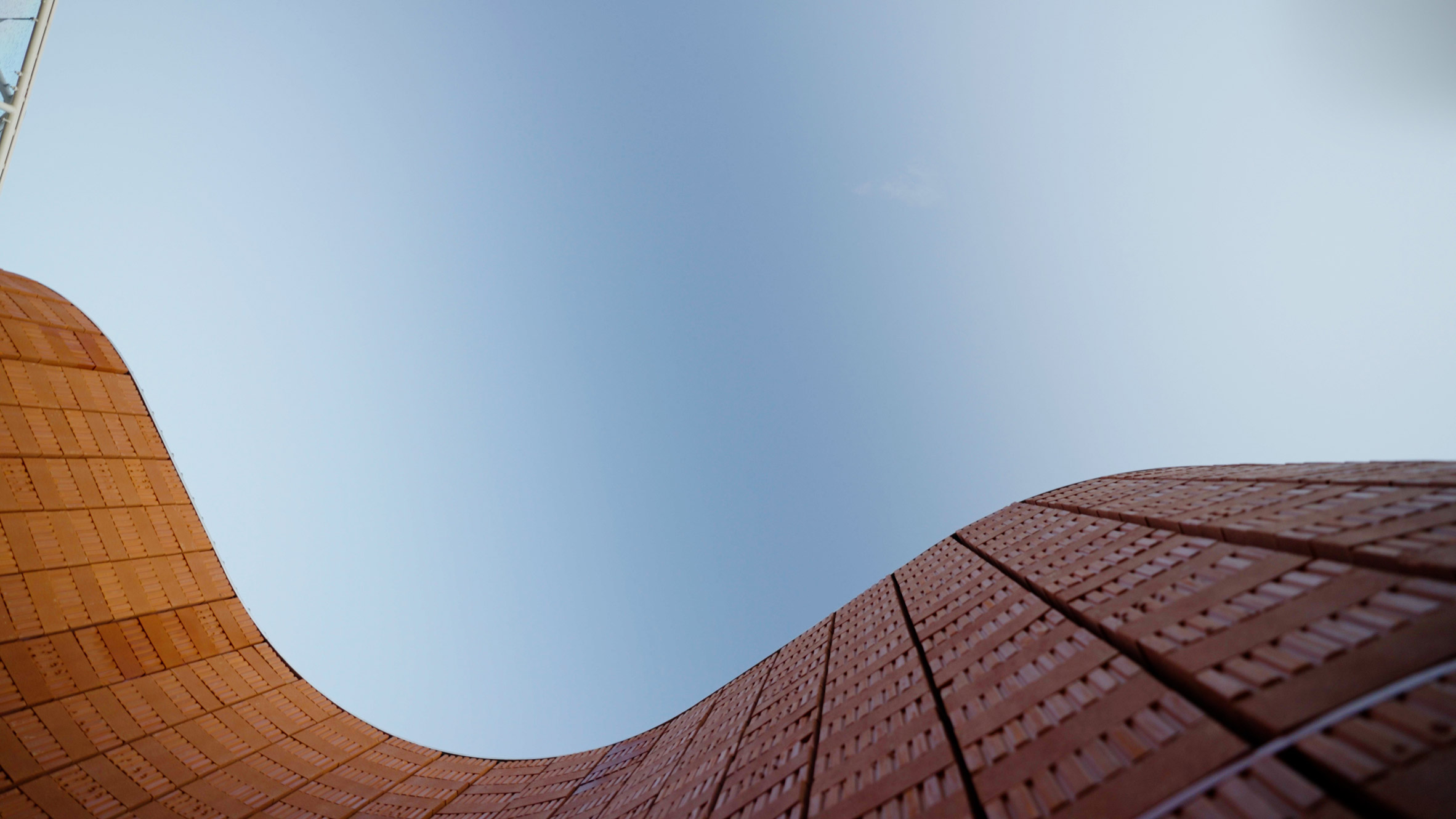
Rather than directly reproducing the traditional wall type, Lanza Atelier said the pavilion "reenacts" it through contemporary construction methods.
"We are directing the attention towards these vernacular ways of construction, but at the same time we are giving them a twist," Abascal said.
"We are reenacting the serpentine wall in a way in which it has never been built before."
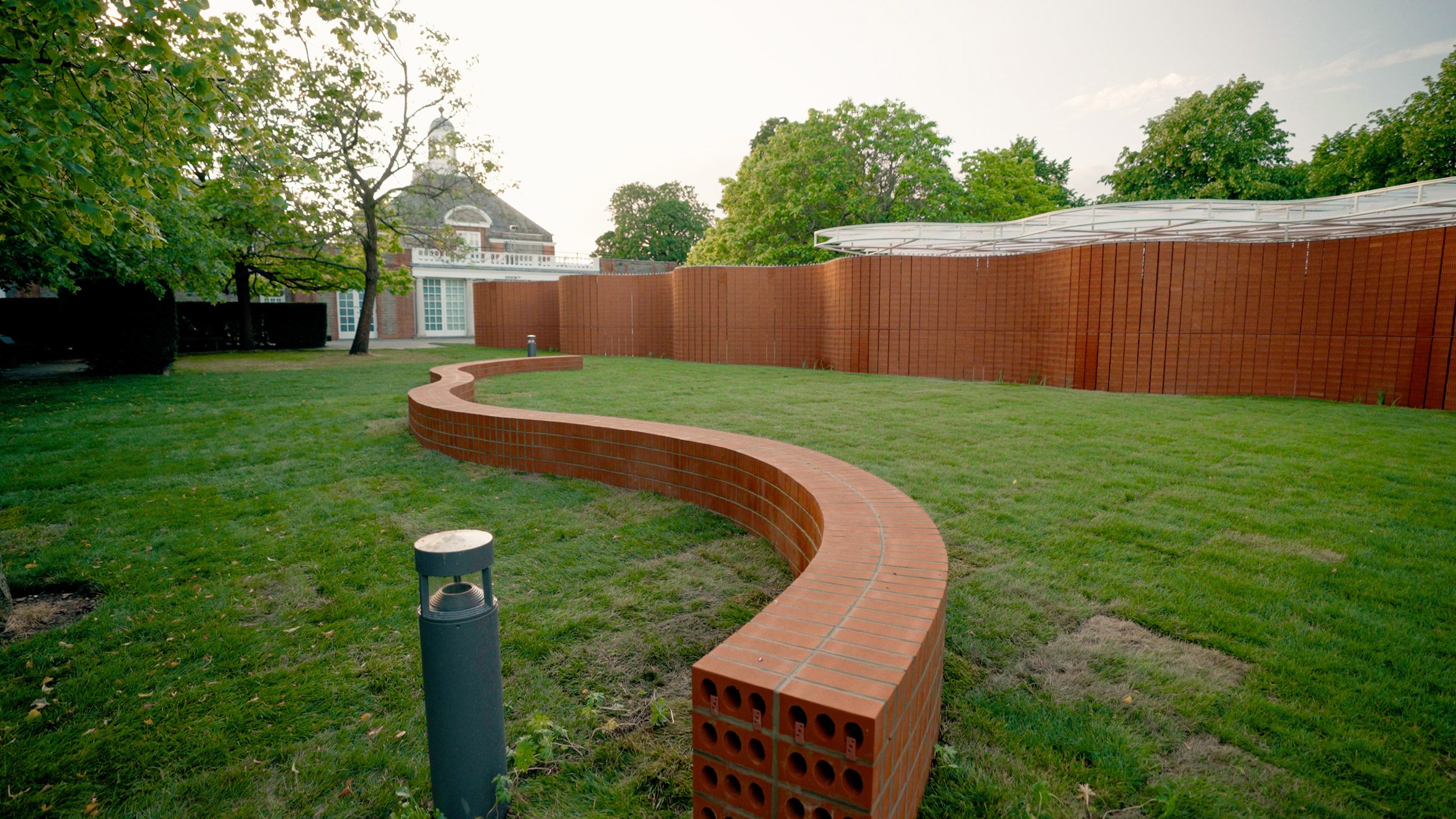
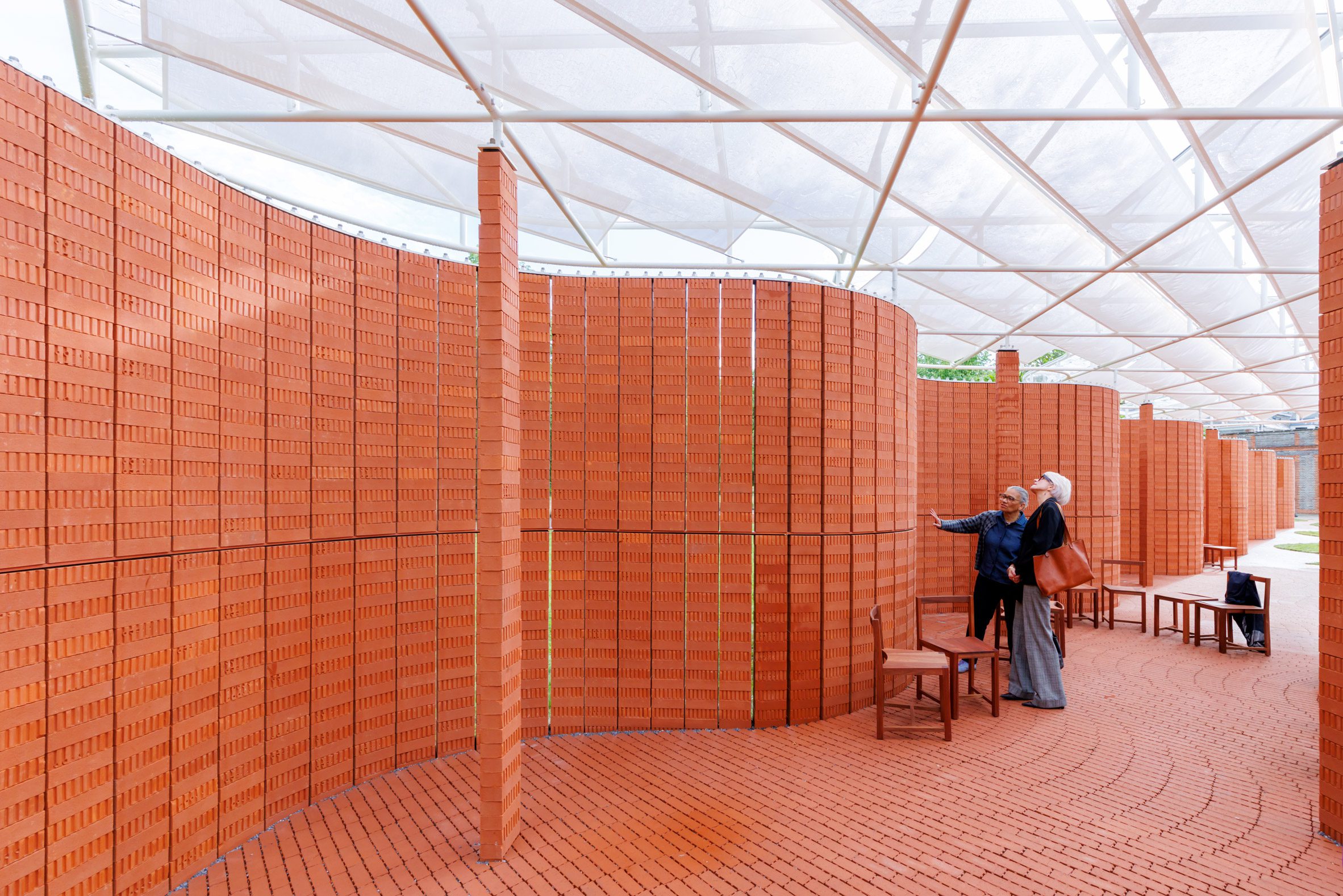
Arienzo said the pavilion was designed to balance openness and shade through a lightweight white canopy fitted with projecting fins.
"We decided to have this wide-structure roof with fins towards the south, so you can block direct sunlight," Arienzo said. "We always wanted to have a very bright atmosphere for this pavilion."

The structure is composed of rhythmic brick columns arranged beneath the canopy, which the architects said was designed to establish a dialogue with the adjacent Serpentine South building.
"While the brick walls connect to the facade of the Serpentine South, the white roof connects to the white handrail," said Abascal. "So we are establishing this dialogue with the pre-existent building."
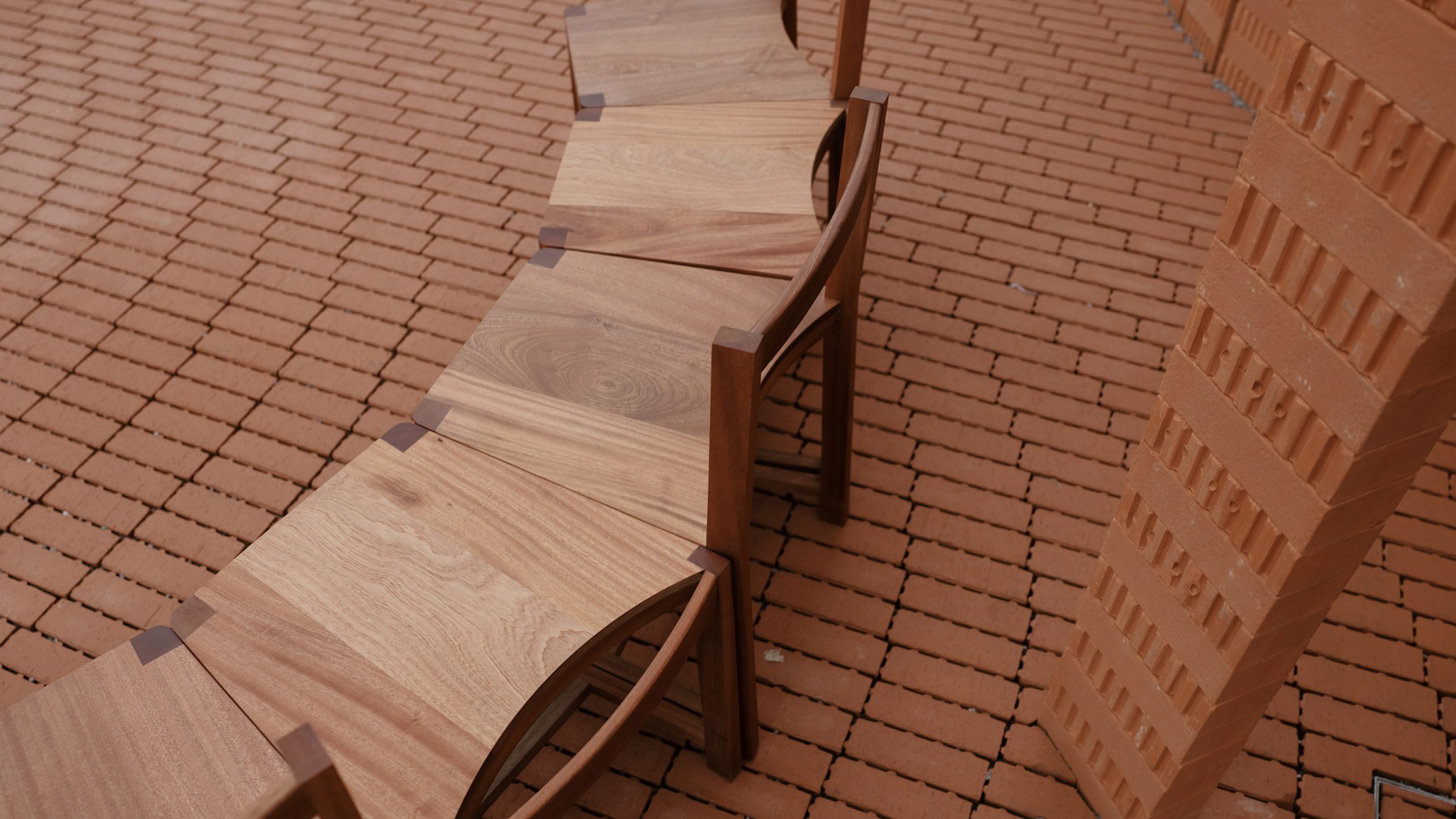
Lanza Atelier also designed furniture for the space, including stools and chairs that can be combined into either straight or curved arrangements, echoing the geometry of the pavilion itself.
Founded by Abascal and Arienzo in 2015, Mexico City-based Lanza Atelier was selected to design the Serpentine Pavilion's 25th edition.
The annual commission was launched in 2000 with a pavilion by Zaha Hadid and has since become one of architecture's most high-profile temporary structures.
The Serpentine Pavilion is open to the public until 25 October 2026 at the Serpentine Galleries in London. See Dezeen Events Guide for an up-to-date list of architecture and design events taking place around the world.
Partnership content
This video was produced by Dezeen for Serpentine Galleries as part of a partnership. Find out more about Dezeen partnership content here.
The post "The serpent is something that provides protection" says Lanza Atelier appeared first on Dezeen.