











Specified by Economics: Which Materials Gain Leverage in a Tariff Economy?
Architizer is thrilled to announce that the 2026 A+Product Awards is open for submissions! The clock is ticking — get your products in front of the AEC industry’s most renowned designers by submitting today.
In 2025, the tariff policy for certain materials changed exponentially. Since March, steel prices have gone up by 25%, and aluminum by 50%. We could devote countless hours to discussing the implications of these increases; however, I am choosing to focus on the positive, less obvious story, where materials that avoided tariff exposure are quietly acquiring pricing power. Specifically, brick, concrete, ceramics and bamboo are progressively preferred by architects and designers, gaining ground over the overpriced metals and influencing specification choices.
In contrast to metal, which is often globally sourced, materials such as brick or ceramics are largely domestic and regionally acquired, thus escaping the “tariff blast radius.” Similarly, concrete is equally local, tied less to geopolitics and more to labor and aggregates, while bamboo (albeit a geographically and structurally niche material) is benefiting from sustainability narratives. As a result, there has been a significant development in value engineering non-metal systems, including façades, wall finishes and even furniture.
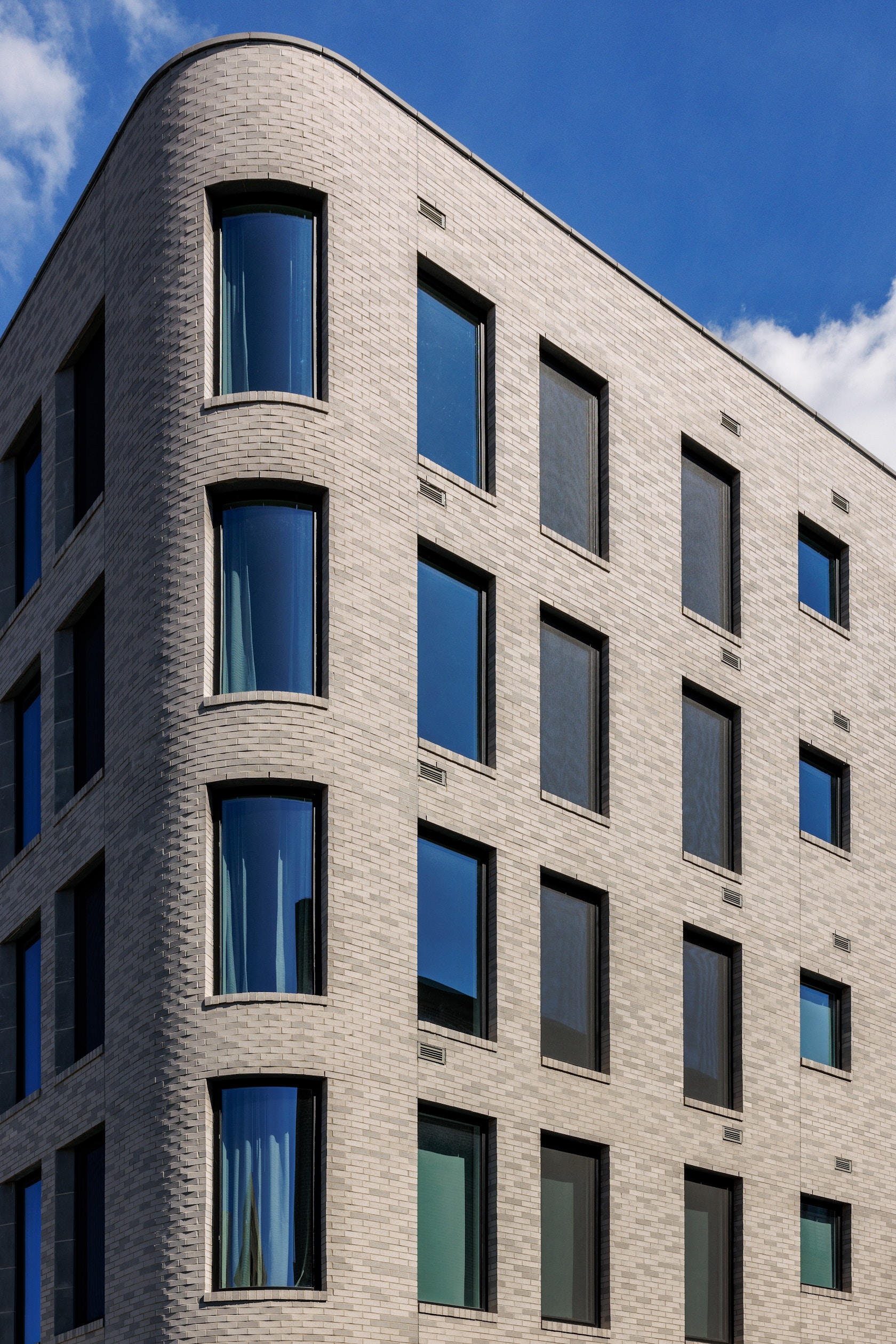
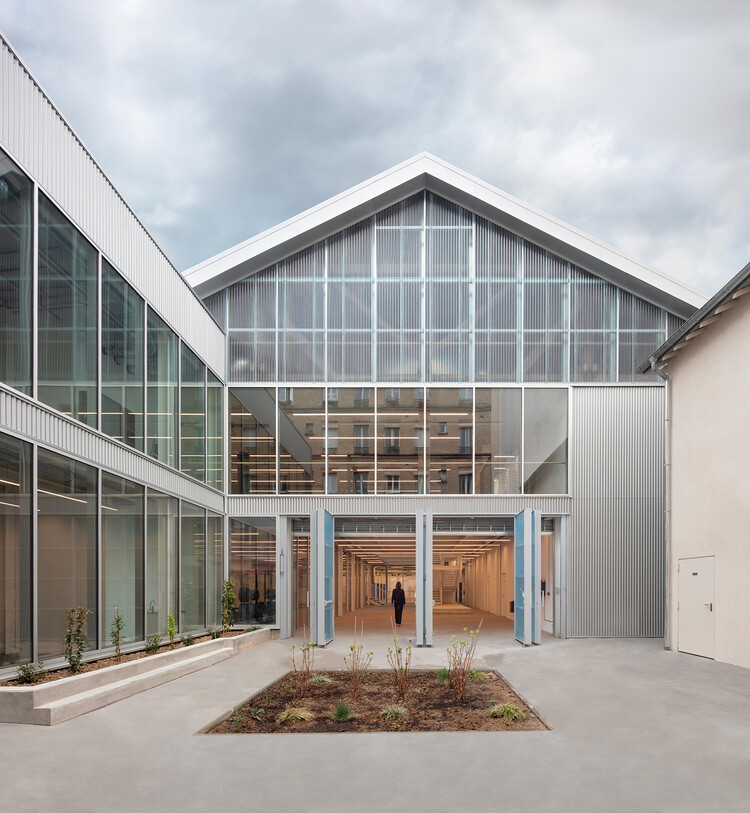
Silver City Smooth & Wirecut by Glen Gery Corp | Jury Winner, Facades & Openings – Building Envelopes, Cladding, Roofing
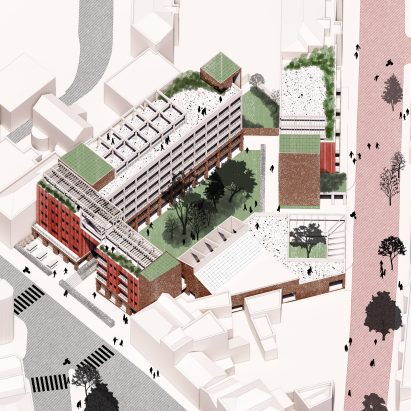
One example is the Silver City Smooth & Wirecut brick collections by Glen Gery Corp that offer a unique set of textures and finishes for façades and interior spaces. Silver City Smooth delivers a sleek, polished finish that effectively pairs with a wide range of materials such as glass, steel and wood. On the other hand, the Silver City Wirecut collection offers a more tactile, artisanal feel, featuring an industrial texture that adds an element of craftsmanship in contemporary projects. In fact, it is often used in heritage sites to complement the existing structures or in wider urban developments that require a level of contextual sensitivity. Albeit highly flexible to use, both brick options are uniform in size to aid the installation process, as well as highly durable, weather-resistant and energy-efficient.
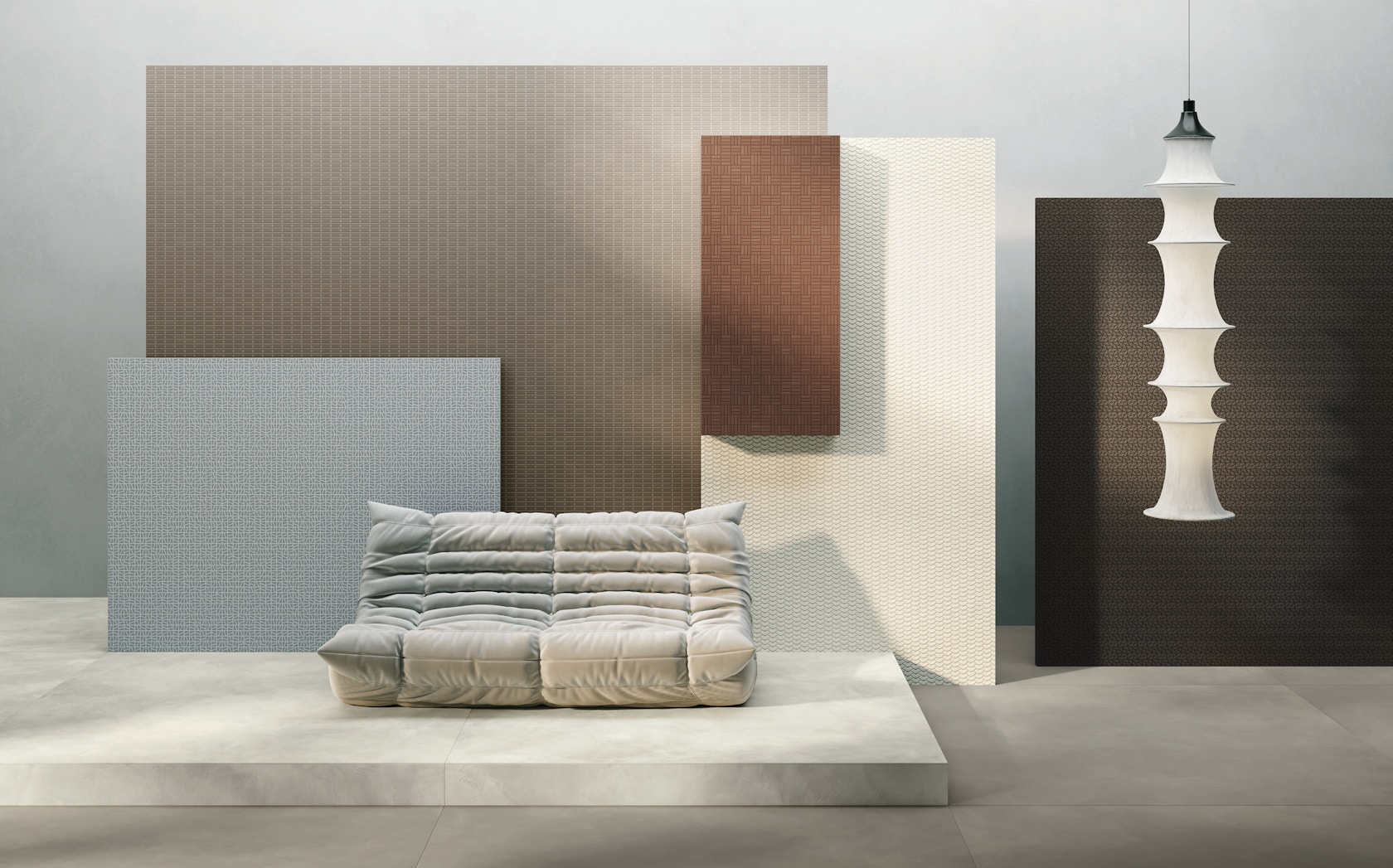
Nagomi collection by Mirage | Jury Winner, Popular Choice Winner, Hard Surfacing, Tiles & Stone, 2025 Product Awards
An equally “regional” material that revolutionizes the way surfaces are finished is ceramic cladding. The Nagomi collection by Mirage, created in collaboration with architect Hadi Teherani, elevates ceramic decoration into a broader cladding application. The material is created using a significant percentage of glass derived from the recycling of cathode ray tubes — found in monitors and television screens — offering an innovative solution in regard to sustainable manufacturing. In addition, Teherani provides an architectural “twist” to a traditional material use. He transforms the mosaic into architectural language, using its precise, fluid form as a means to combine cultural significance with production efficiency.
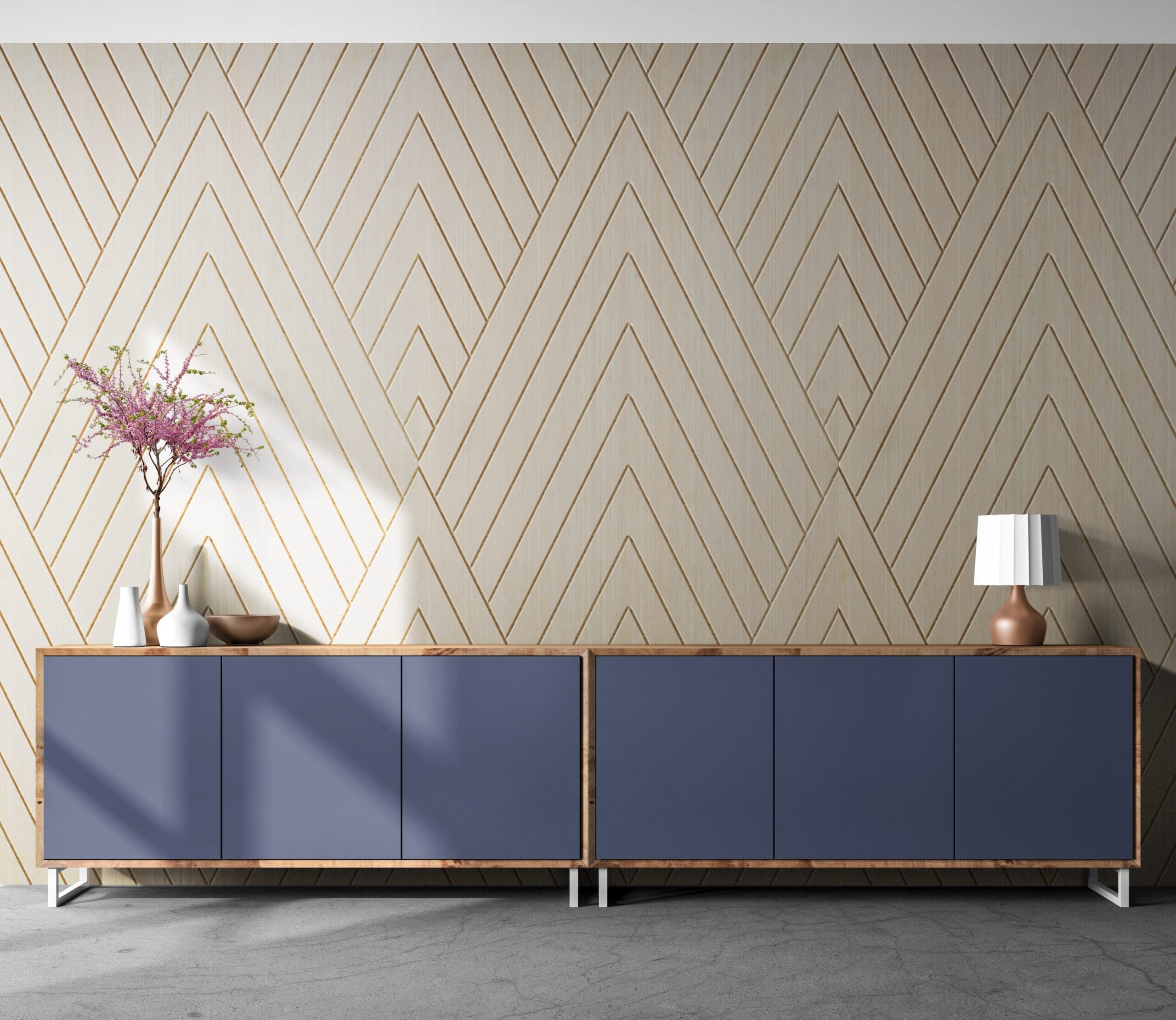
Pleat&Weave collection by Plyboo (Smith & Fong) | Popular Choice Winner, Walls & Wall Coverings, 2025 Product Awards
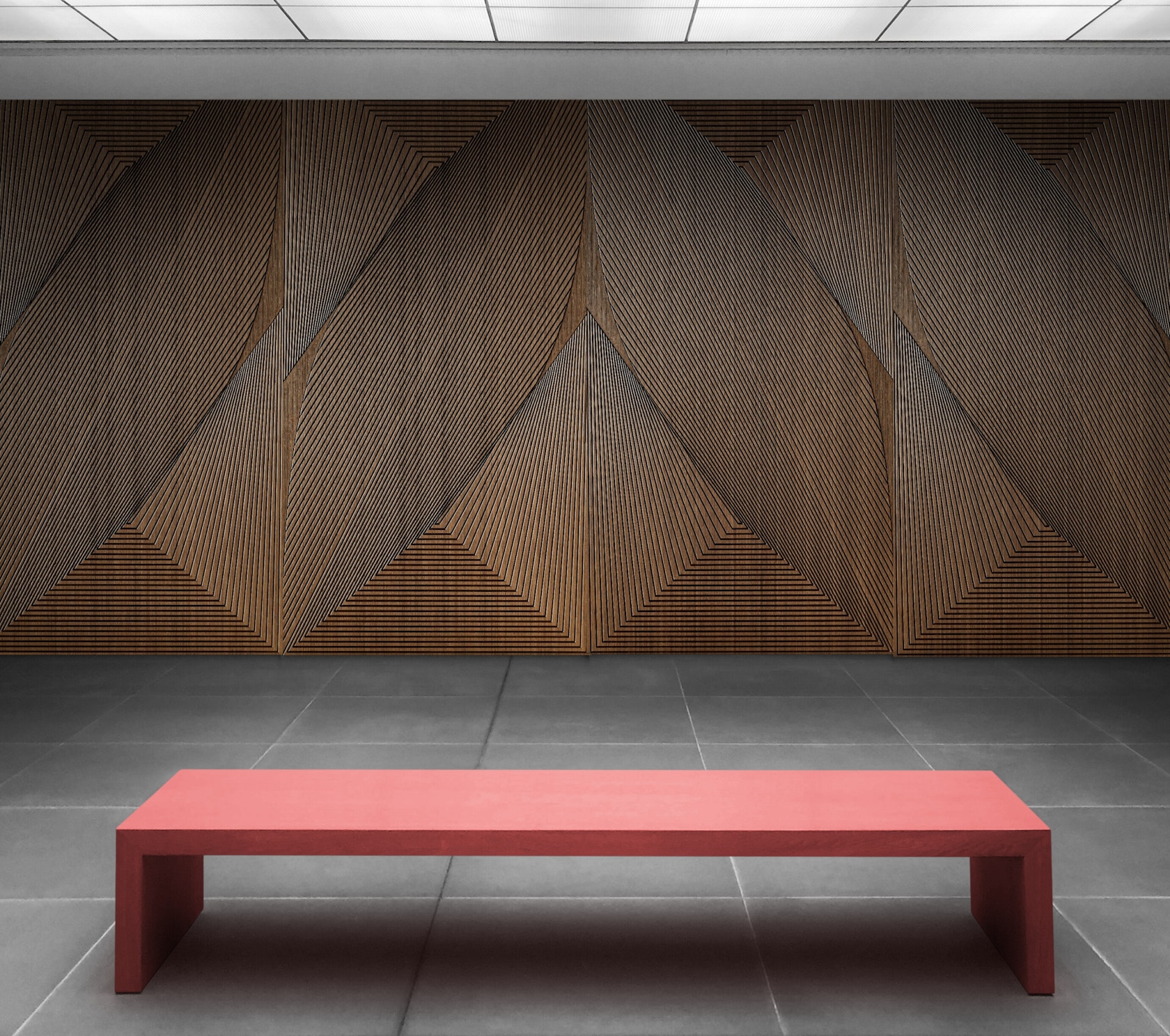
Moving on to perhaps a very recent material application, the Pleat&Weave collection by Plyboo (Smith & Fong), features bamboo products used for wall finishes. These bamboo panels fuse organic materiality with precise geometric design, resulting in forms that closely resemble textiles. Furthermore, since the panels originate from a natural material, they are rapidly renewable with low environmental impact and contribute positively to carbon sequestration.
The panel design is inspired by traditional weaving techniques, chevron motifs, and accordion pleats that establish a unique rhythm in each space. Materials Designer Kelsey Ann Kasom explains: “Pleat reflects movement and repetition, while weave captures structure through the grain, creating a dynamic flow that transforms spaces – where movement is not merely a result of draping but a continuation of the material’s visual rhythm.”
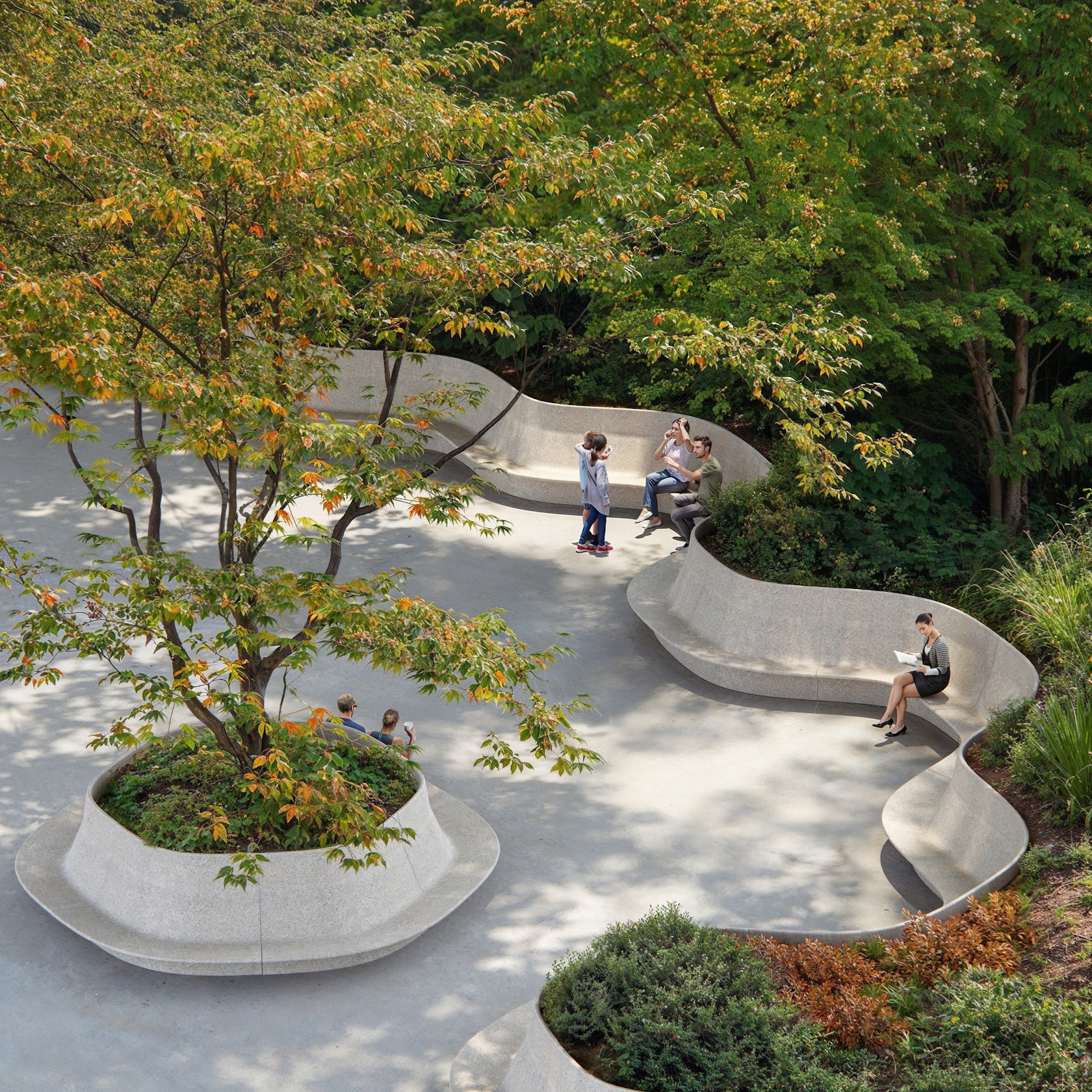
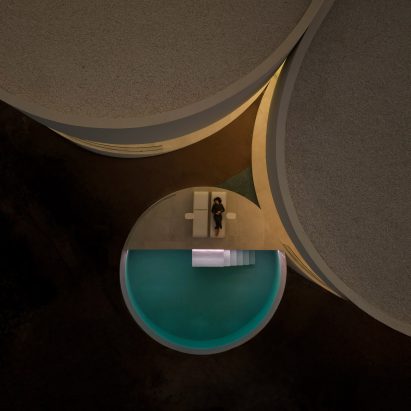
Gather and Tiers by Foster + Partners | Jury Winner, Outdoor Furniture, 2025 Product Awards
Finally, Foster + Partners designed Gather and Tiers, an outdoor furniture collection in collaboration with ESCOFET. In order to successfully perform in public space, the collection had to be durable, weather-resistant and serve as both a seating system and a container for planting. Consequently, the furniture is made from ultra-high-performance concrete (UHPC) that is both resilient and can also be used to create a sleek and thin profile. Notably, a branch-like spine forms a backrest that gradually tapers back to a thickness of just 40 millimeters. Finally, the UHPC’s versatility allowed manufacturers to create a range of linear, concave, convex, and end modules for seating that follow the highest ergonomic standards.
These examples suggest that in a tariff-driven economy, material hierarchy is no longer determined by their effective, low-cost application but rather by their predictability in price and ease of supply, as well as their regional resilience. In parallel, while metal remains a foundational construction material — valued for its durability, light weight, and ease of installation — it is increasingly being reconsidered in applications such as cladding, where alternative systems can deliver comparable performance with greater economic certainty. Consequently, brick, ceramics, bamboo, and concrete are taking central stage in providing solutions for non-structural building components. As these materials become default choices, innovation has turned them into actants that shape architectural performance and expression, instigating a shift in the industry, where material value is measured in stability, craft, and locality.
Only one question remains — is this temporary or permanent? Will these materials retain leverage even if tariffs decrease, or will their influence recede once the market normalizes? Personally, I hope for the former.
Architizer is thrilled to announce that the 2026 A+Product Awards is open for submissions! The clock is ticking — get your products in front of the AEC industry’s most renowned designers by submitting today.
Featured Image: Pleat&Weave collection by Plyboo (Smith & Fong) | Popular Choice Winner, Finishes – Walls & Wall Coverings, 2025 Product Awards
The post Specified by Economics: Which Materials Gain Leverage in a Tariff Economy? appeared first on Journal.