



















OMHU attempts to "outdupe" copiers with its own Teddy sofa dupe

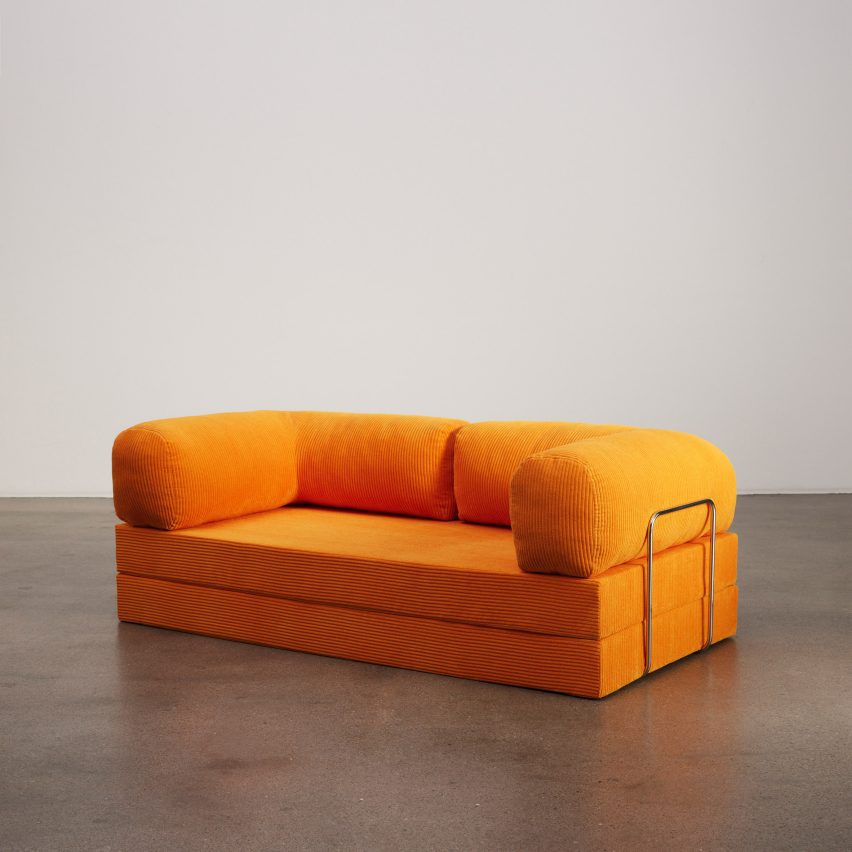
Danish furniture brand OMHU has released a version of its Teddy sofa bed on third-party websites for a fraction of its usual price to draw attention to copy culture and to work as marketing.
Last weekend, the company released its own limited-edition "dupe" of the Teddy sofa. Intentionally misspelling the name and lowering the price, the brand said it wanted to bring awareness to what it views as the problem of dupes.
According to OMHU, the project is based on market research conducted after its original Teddy sofa went viral in 2022. The research established dupes sold online, and not other brands, as its biggest competitors.
"The OMHU Teddy is one of the most duped pieces of furniture out there, which is quite the compliment, but a tiring issue nonetheless," OMHU creative director Christine Smith told Dezeen.
"Normally you'd just report dupes or ignore them, but we spotted a creative opportunity to turn the issue on its head and build some global awareness around the real cost of buying cheap."
"We decided to make fun of the competition by beating them at their own game: misspelt name, selling on dupe retailers and all, while still proving a point that we're the OG of sofas".
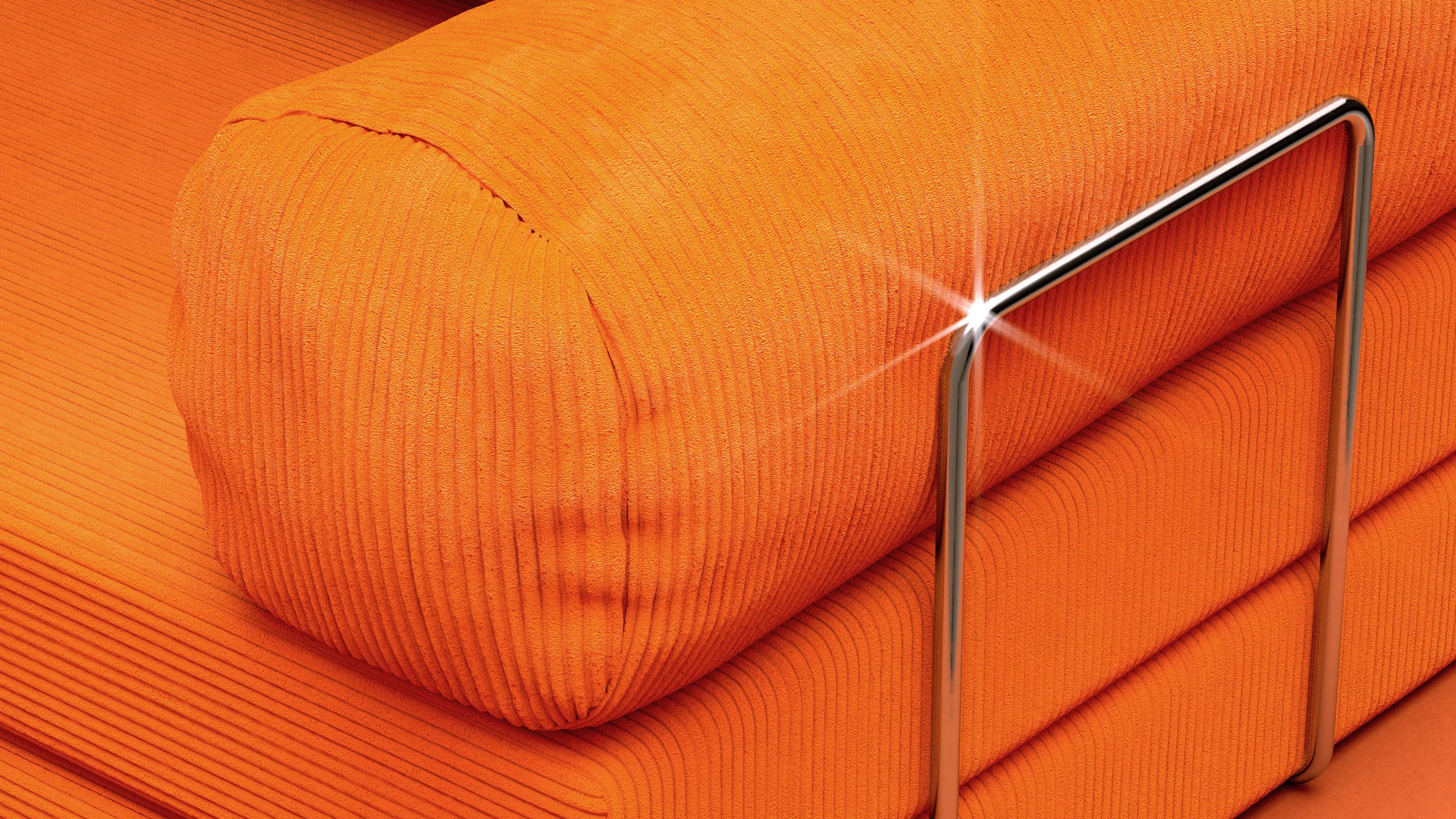
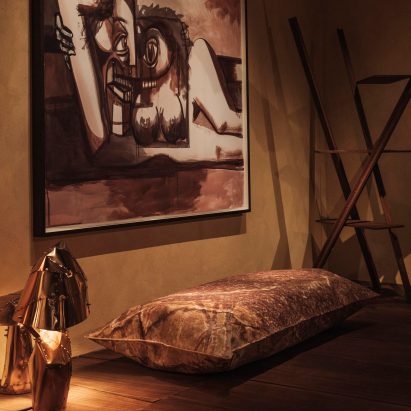
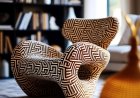
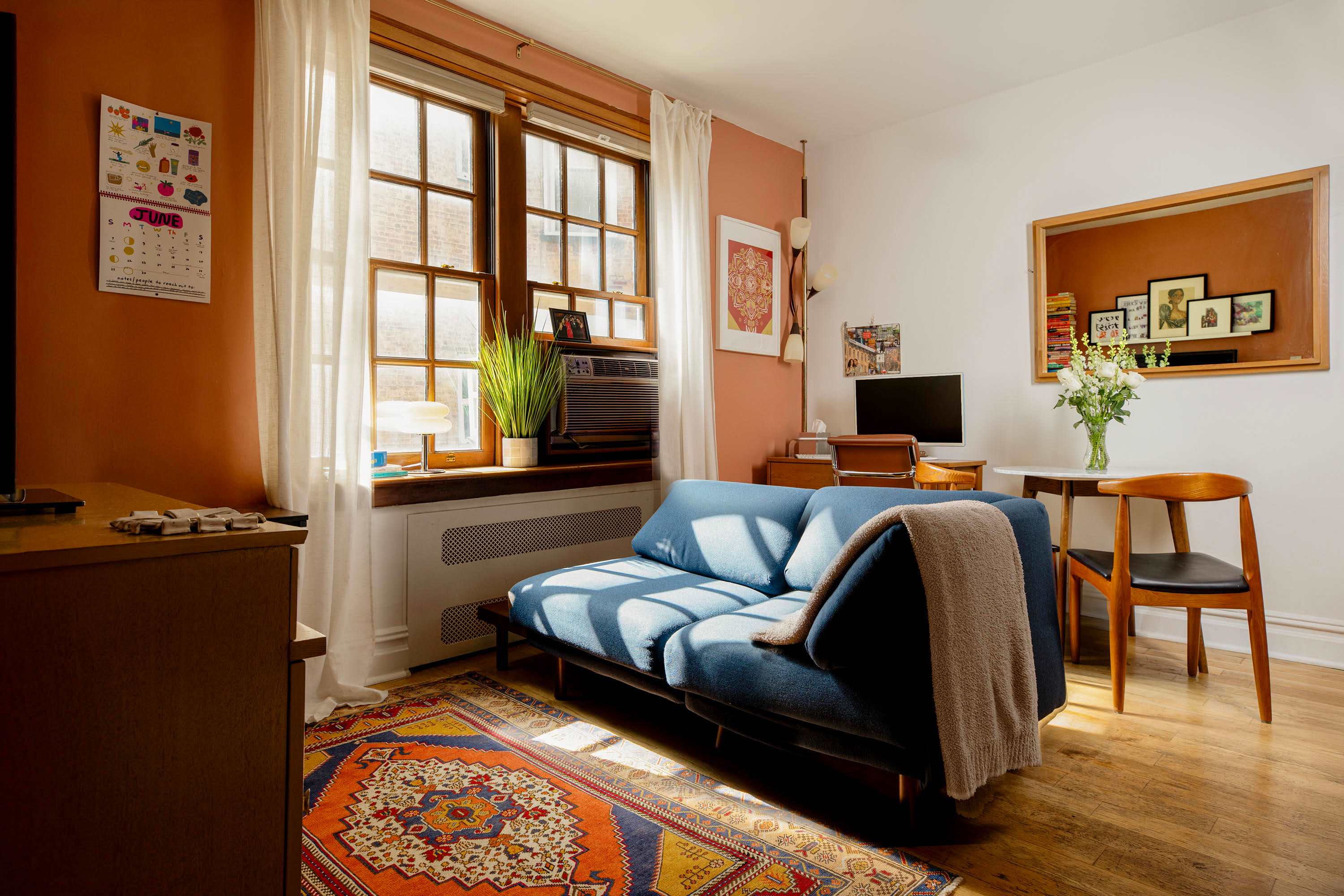
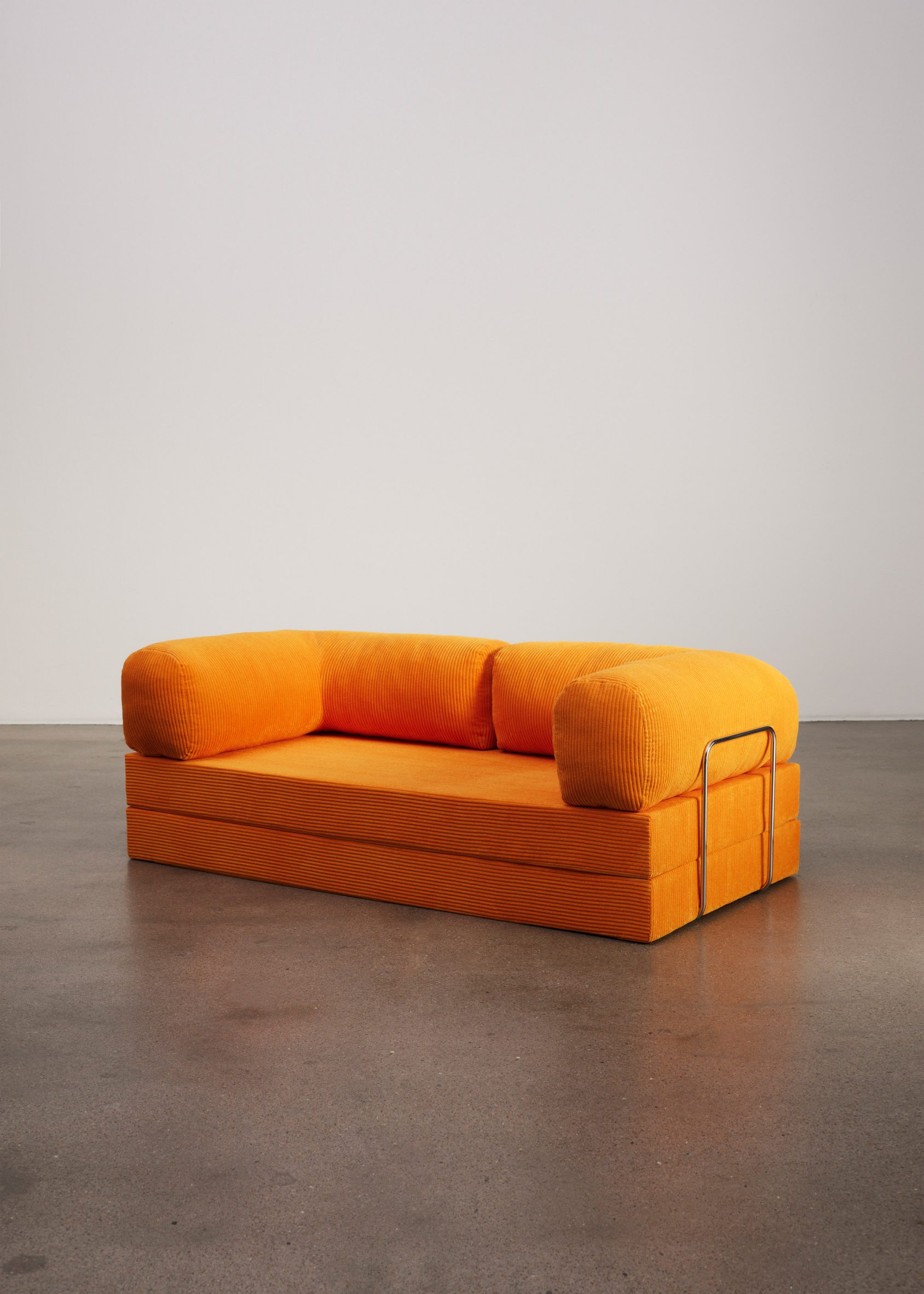
The Tedy is a replica of the original Teddy sofa, a two-seater sofa upholstered in 90 per cent polyester, with a chrome-plated steel frame. The sofa is also modular and expands into a bed or large floor cushion.
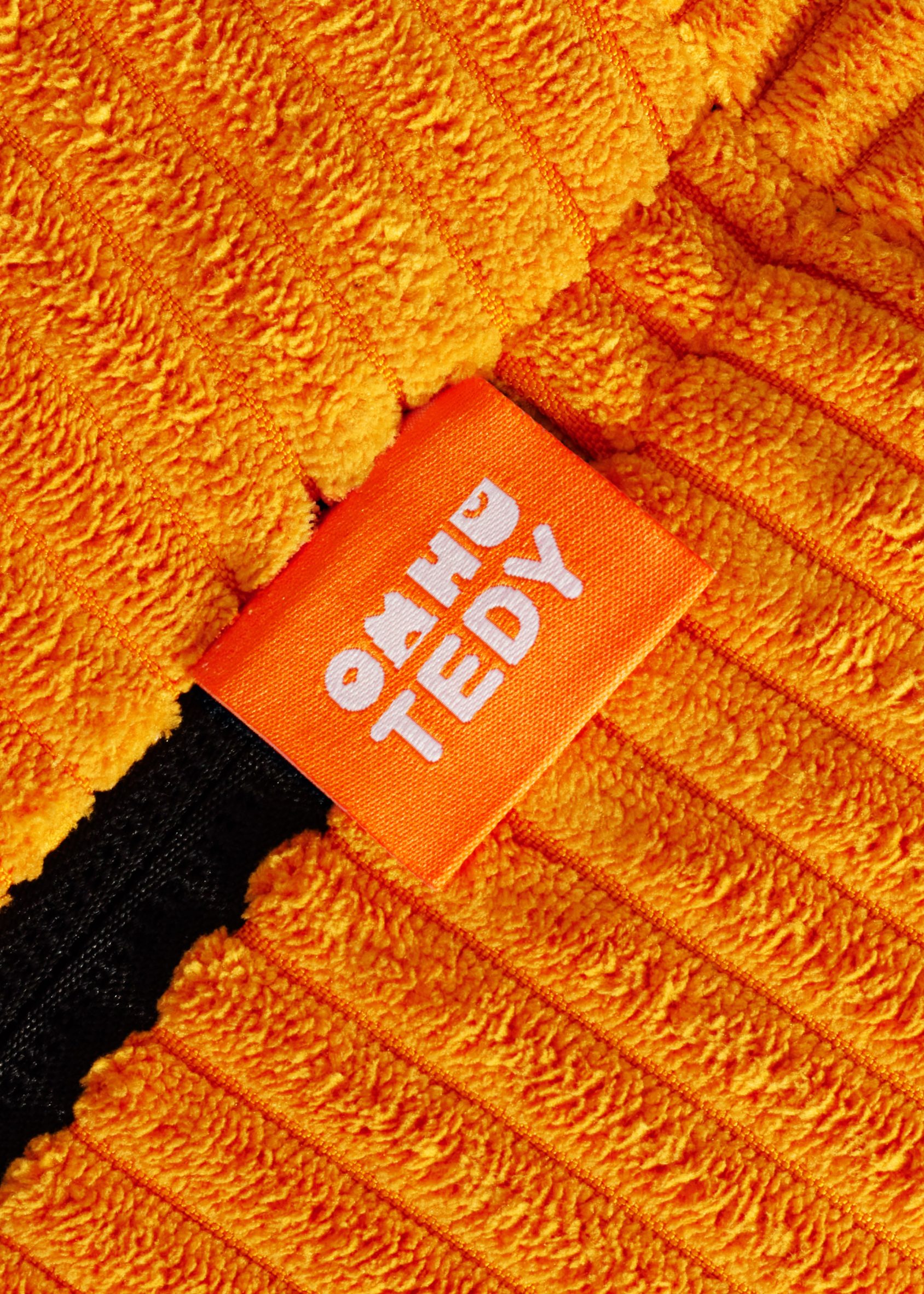
The Tedy is made with the same materials and construction as the Teddy but upholstered in a bright "dupe-orange". It retails for $799.99 as opposed to the Teddy, which retails at $1,995.
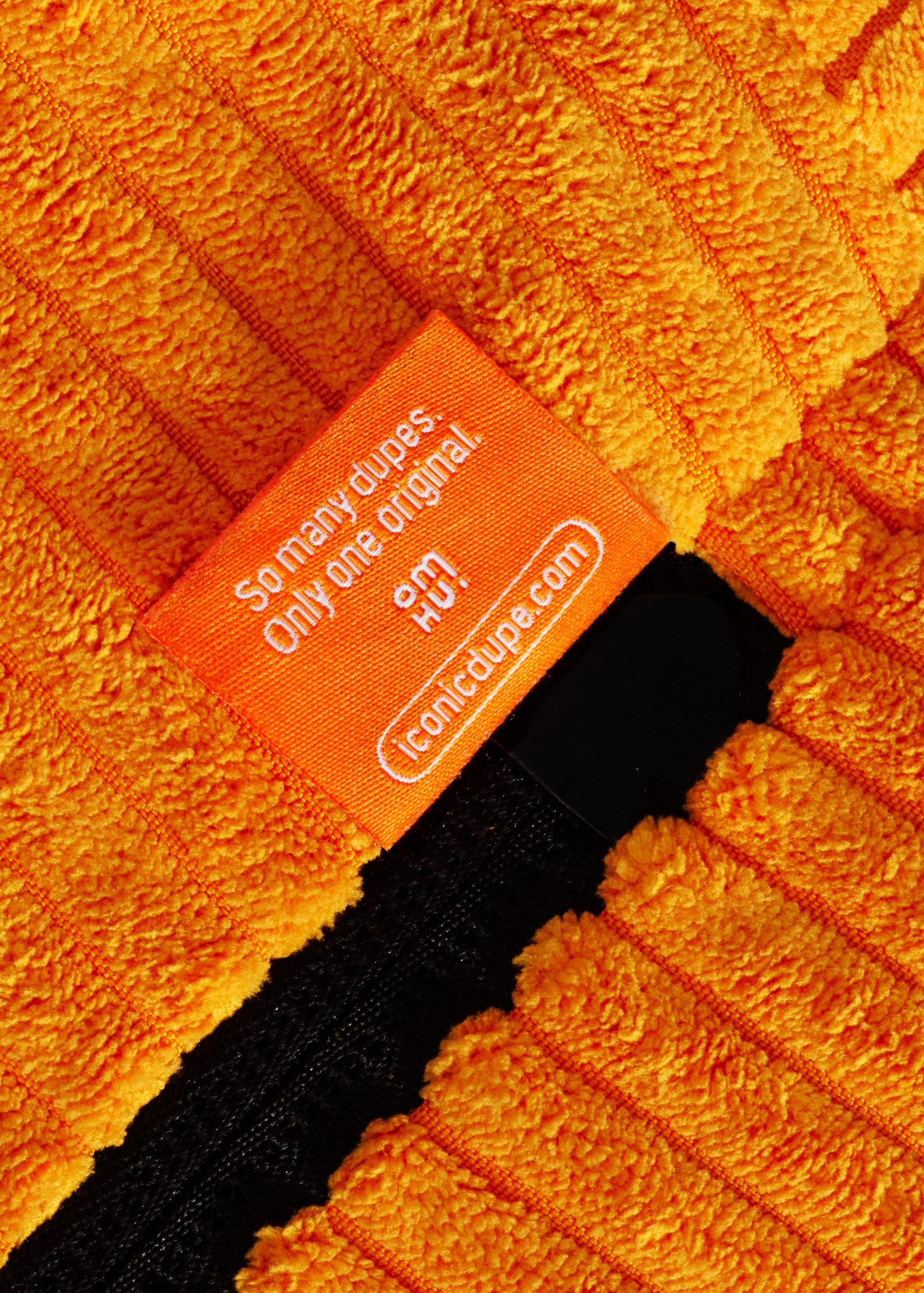
OMHU said it set the cost based on the average price of dupes online, and sold 50 of the limited-edition sofas on websites such as Temu, Etsy and Dupe.com instead of its own website.
Instead of "pointing fingers", OMHU wanted to "outdupe them".
The strategy is to meet audiences where they would normally shop for more affordable versions, according to the brand, though it's unclear how this might affect future business practices or pricing.
The 50 Tedys were released on 5 September and sold out within 10 minutes, according to OMHU.
The brand has spun out a whole marketing campaign on top of the release, including hiring lookalike influencers and hosting look alike competitions.
"The concept didn't stop with the sofa," said the brand.
"OMHU made dupe culture the entire marketing strategy, creating 'dupefluencers' – celebrity lookalike influencers recruited to launch their lookalike sofa."
"OMHU turned the trend into its own spin on influencer marketing."
Though the pattern of knock-offs is not new one, OMHU also pointed out a growth in dupe culture in connection to Gen Z and internet culture, noting the trend's expansion from fashion into furniture and design.
"Every iconic brand goes through this," said OMHU CEO Simon Salomonsson. "This isn't just our fight. We welcome any brand that is tired of being copied to join the conversation."
Dupes and copying are an ongoing issue in the design world. Emeco recently sued Zara Home for allegedly copying and selling a chair designed by Norman Foster and technology company Digby partnered with Heller on a tool that examined the authenticity of physical design products using NFTs in 2023.
The photography is courtesy of OMHU.
The post OMHU attempts to "outdupe" copiers with its own Teddy sofa dupe appeared first on Dezeen.