











HS2 excavations used to create biscuit-like tiles for Old Oak Common station
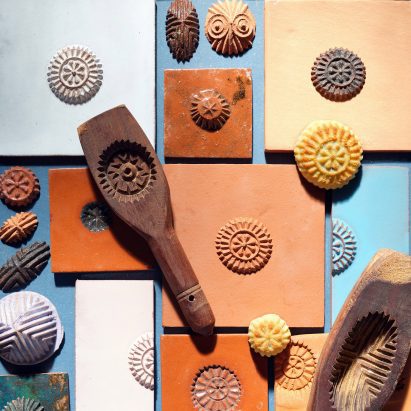
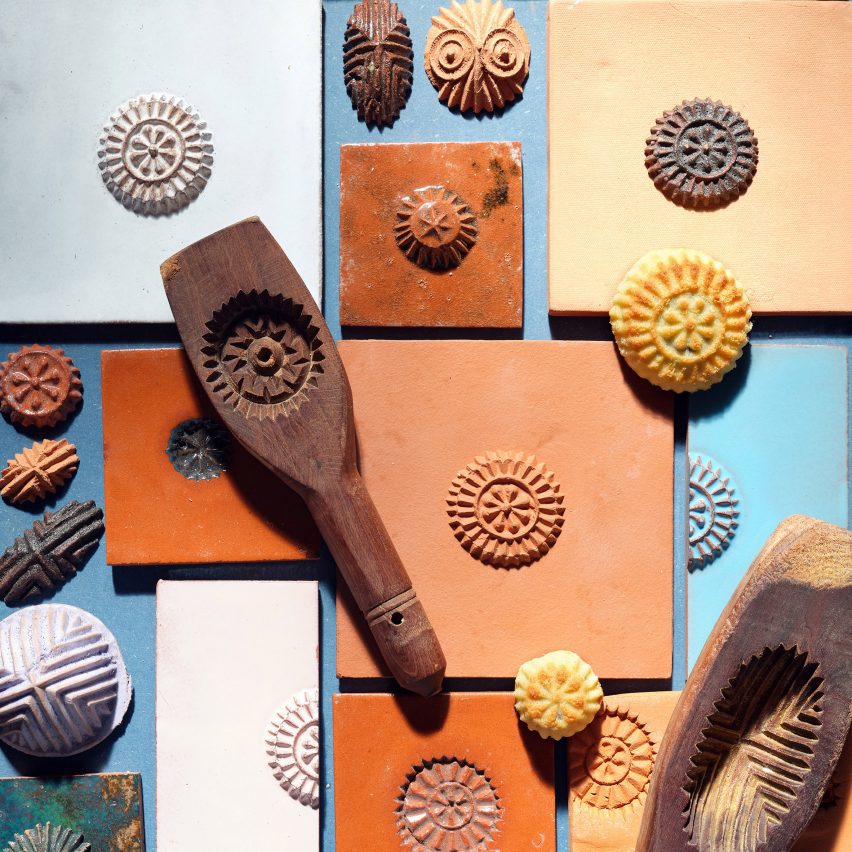
Designers Bahbak Hashemi-Nezhad and Rafael El Baz have used traditional biscuit moulds to create Sweet Terrain, a collection of wall tiles for a HS2 station made from clay excavated during its construction.
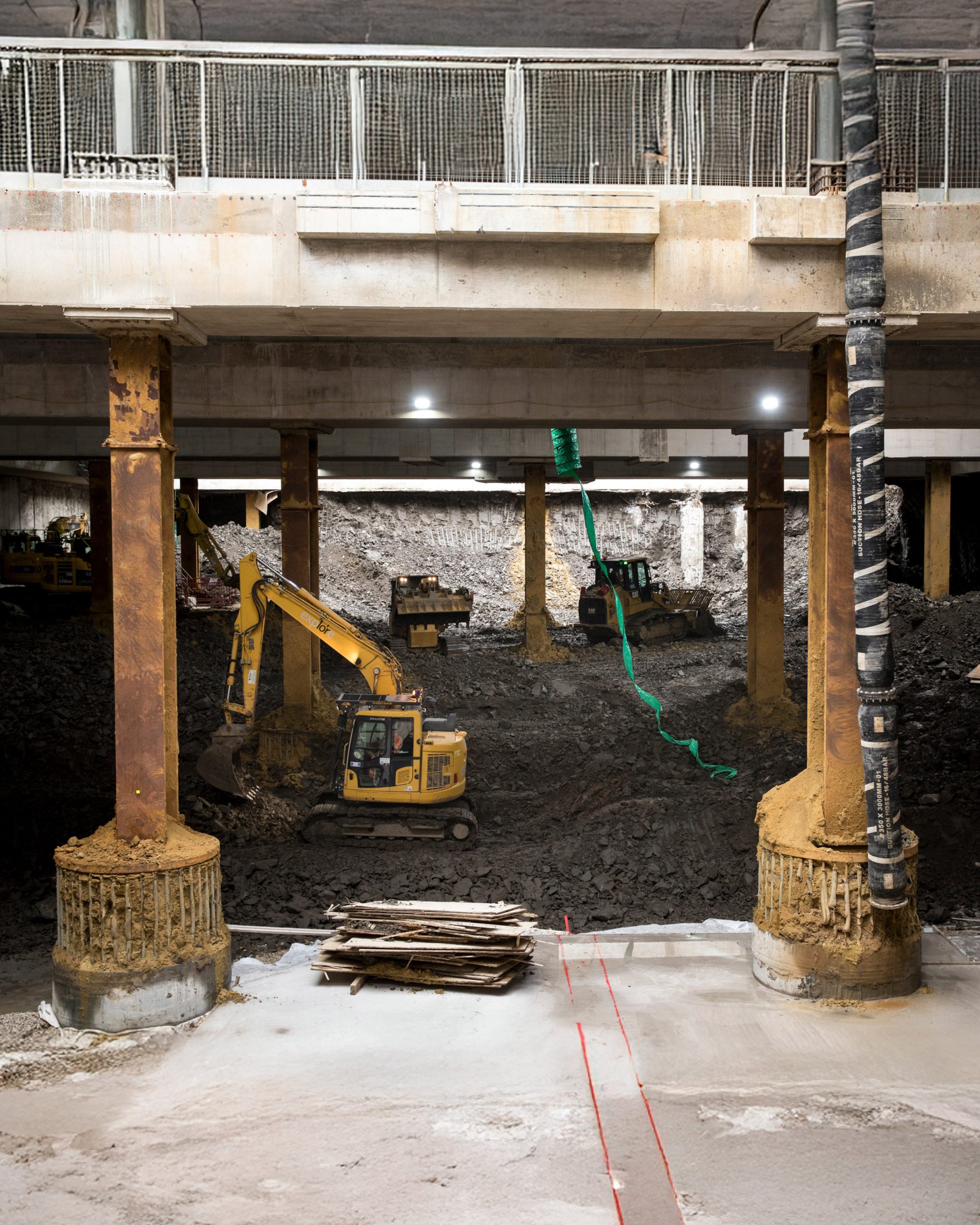
Hashemi-Nezhad and El Baz salvaged 12 tonnes of clay dug up from the site of Old Oak Common, a station under construction in London designed by WilkinsonEyre for the high-speed rail network HS2, to make the playful collection.
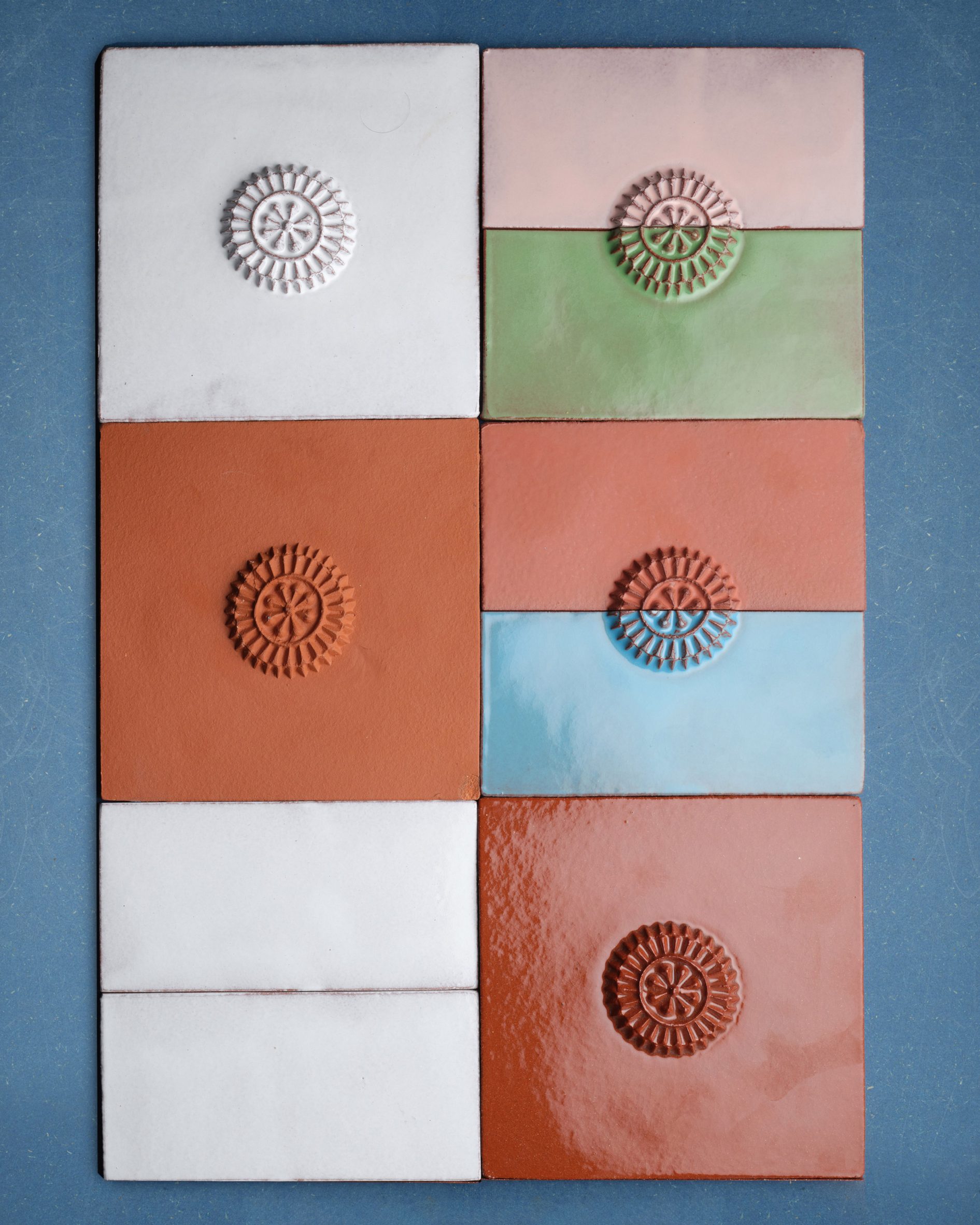
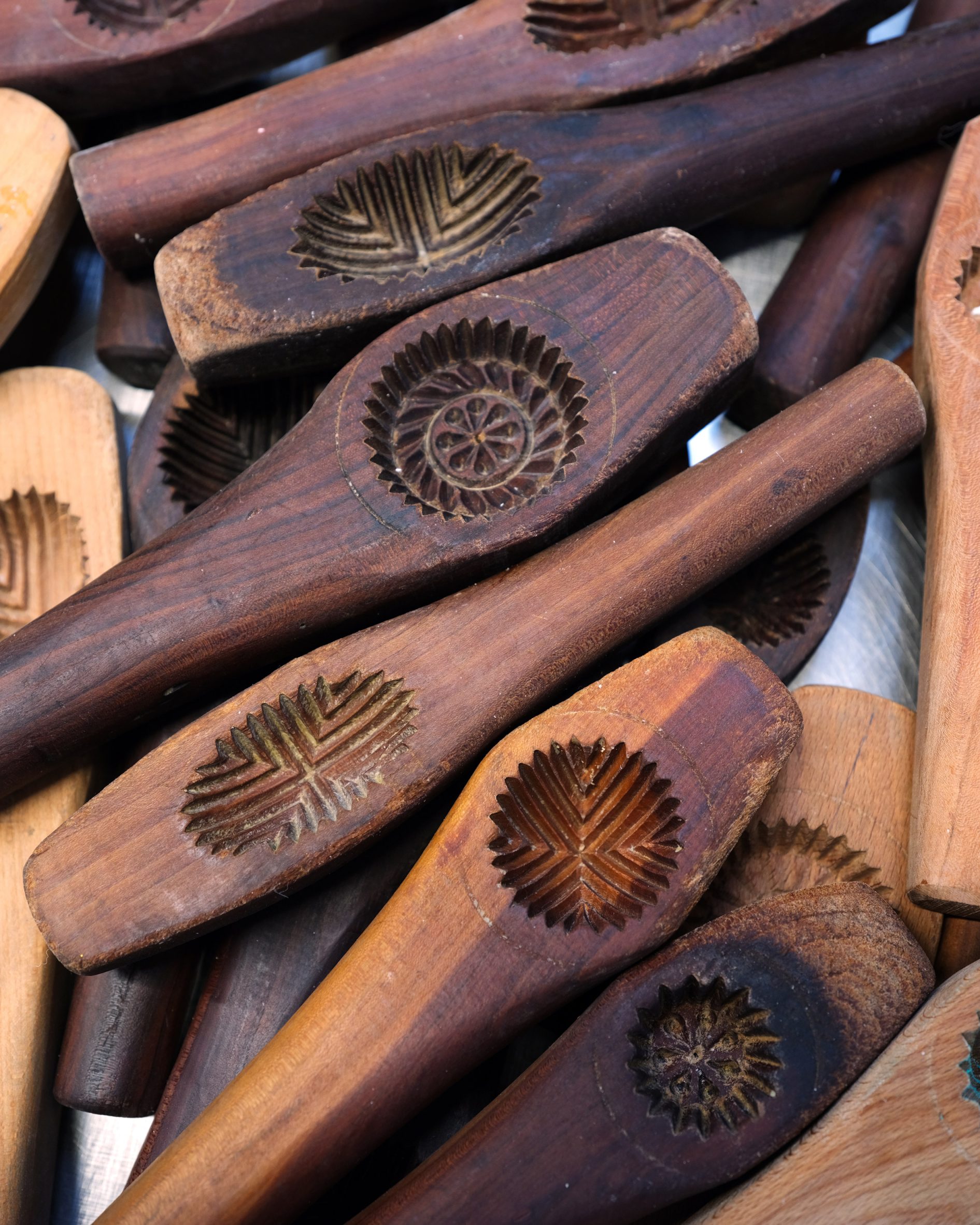
The tiles have distinctive reliefs made with moulds modelled on wooden tools traditionally used to create Ma'amoul – cookies originating in the Arab world. The design draws on the designers' visits to patisseries in west London belonging to Middle Eastern bakers who migrated from Lebanon and Syria.
It is hoped to shine a light on their stories and help bring place-based identity and connections to local communities into the vast and controversial HS2 project.
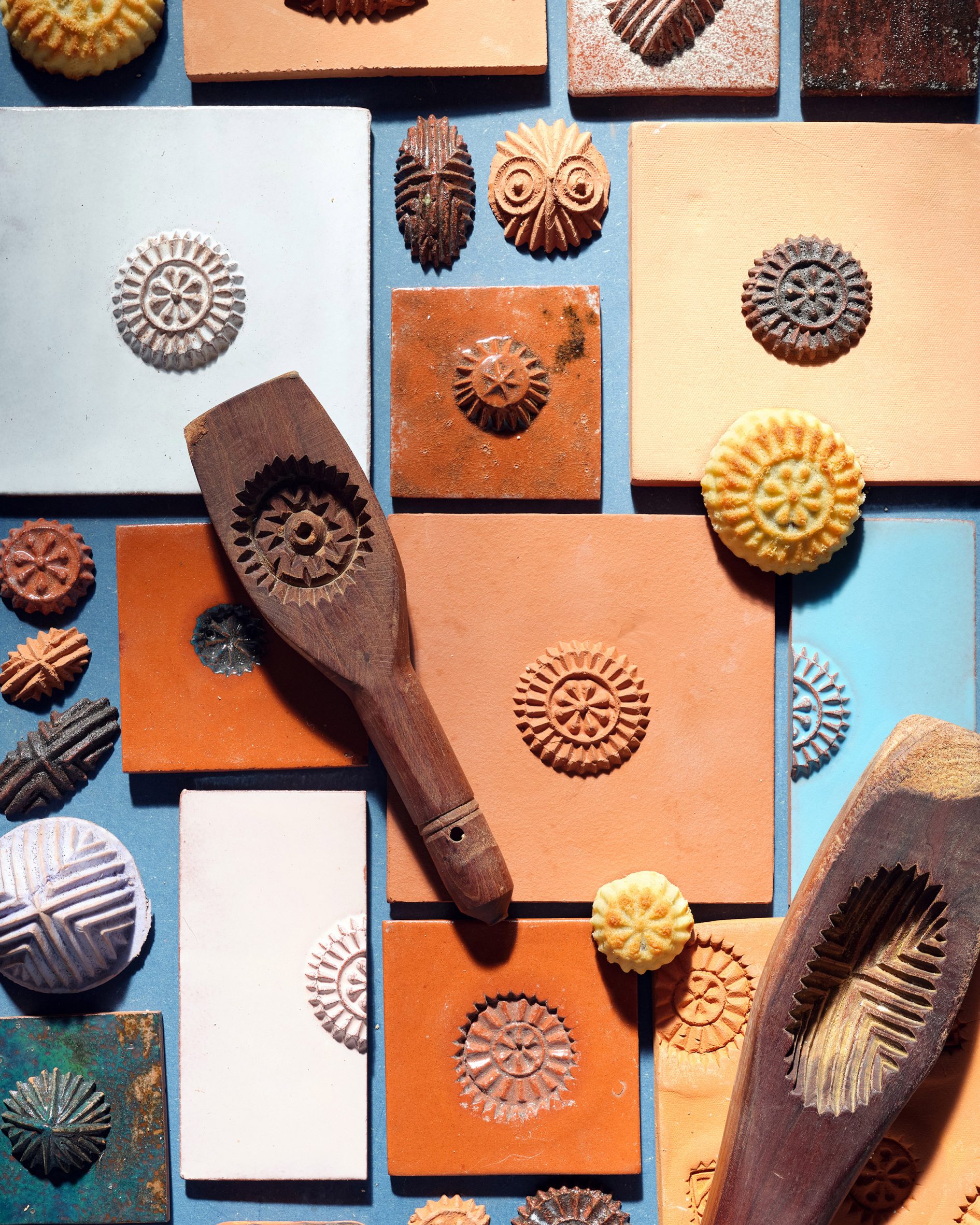
"The goals were to make hyper-local objects that resonate with those who would ultimately see and use them, and in doing so instil a sense of pride and embed narrative that isn't possible with off-the-shelf products," Hashemi-Nezhad told Dezeen.
"Beyond the resourcefulness and circularity of the project, we wanted to create something meaningful, literally from the bottom up, by engaging local communities and embedding the work for the generations that follow them," added El Baz.
"Infrastructure projects, however large or small, can be humanised and made culturally resonant through design."
According to the designers, the Sweet Terrain tiles are set to be used in the station's "quiet spaces", such as multi-faith zones, toilets and corridors.
The exact number of tiles that will be used is yet to be confirmed, but Hashemi-Nezhad said the number will be in the thousands.
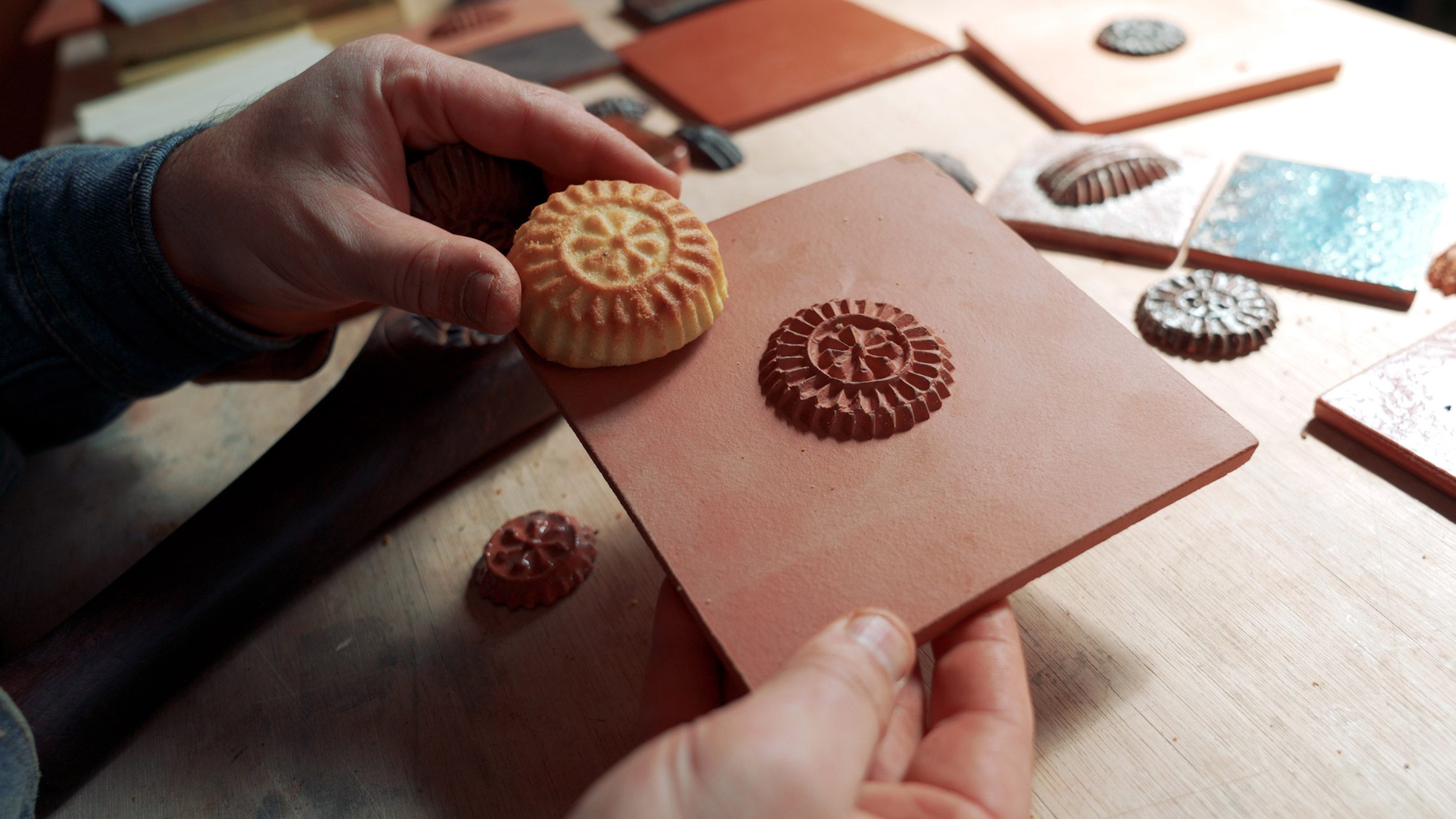
Sweet Terrain's initial design process began by diverting 12 tonnes of construction soil from landfill. It was then smoothed and refined, forming the ideal consistency for tile making.
Production was carried out with Craven Dunnill Jackfield – one of Britain's oldest and last remaining traditional tilemakers, which has previously created tiles for London Underground.
Together with Craven Dunnill Jackfield, the duo developed 3D scans of the biscuit moulds to form the tiles, which have been made in various sizes and depths to ensure optimal style for installation in the public realm.
"Too shallow and it loses its tactility; too proud and it risks chipping and damage due to vandalism," said Hashemi-Nezhad.
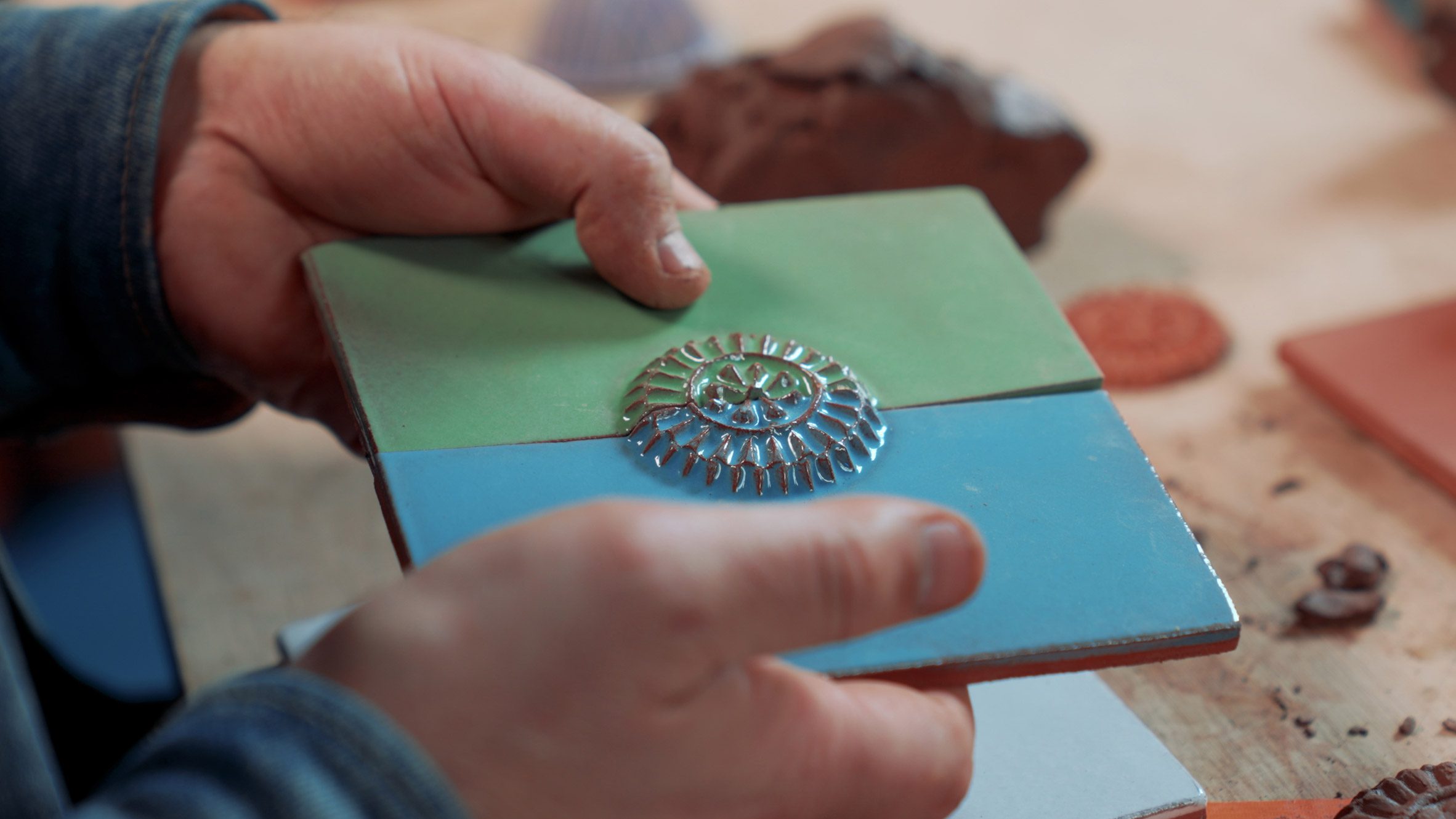
Now the designers are working with the manufacturer's glaze lab to experiment with different colour and texture finishes.
However, they are set on using hand-dipped glazes, which they believe will help add a "human touch" to the wider infrastructure project.
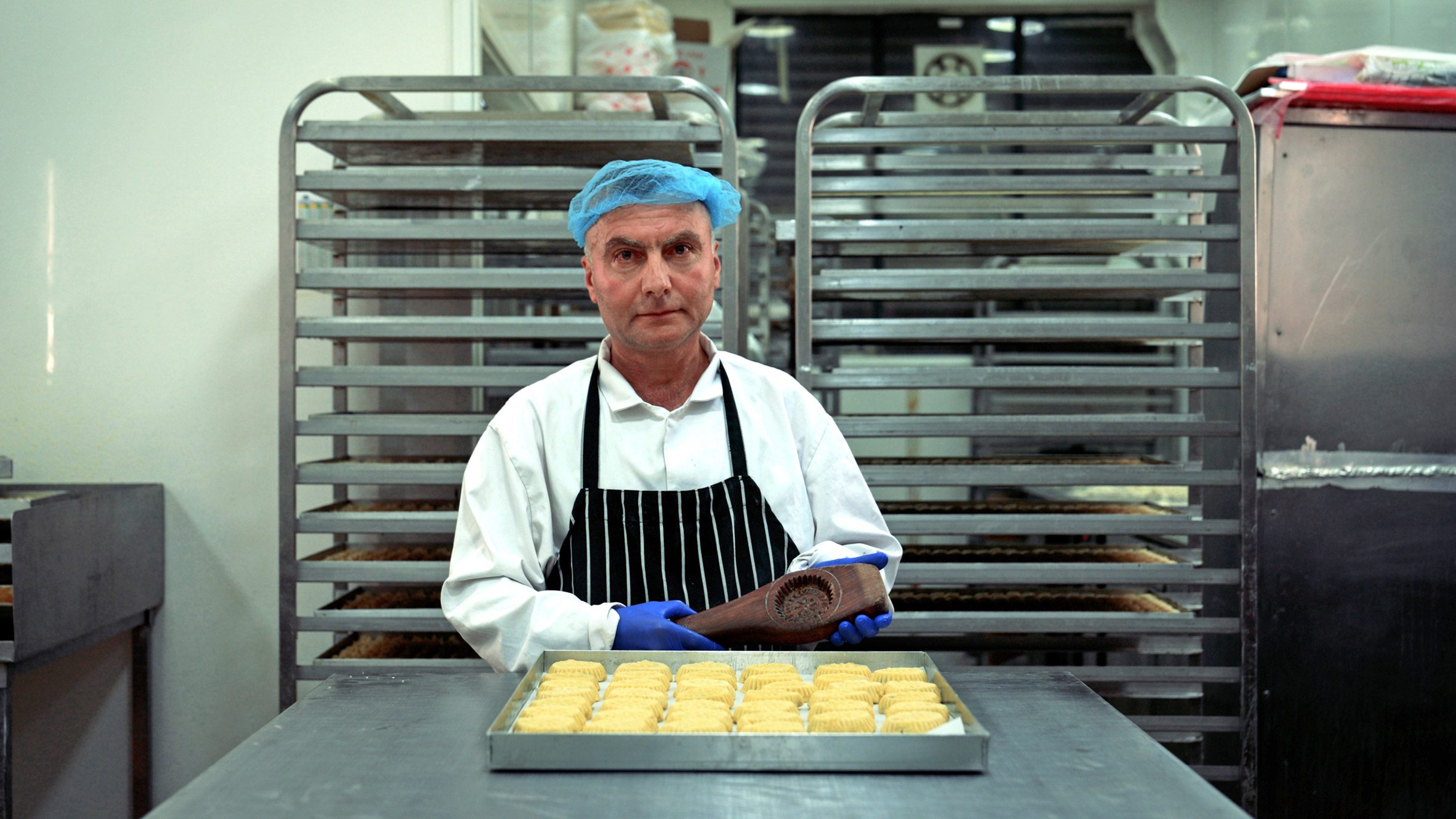
The bakers with whom Hashemi-Nezhad and El Baz have consulted on the project have described the work as "an act of recognition".
"When these tiles enter the public realm in the new station, it will bring so much joy and pride to us bakers, as well as our communities and families," baker Vasken Jermakian of Sweetland Bakery said.
The HS2 network has been highly controversial, for reasons including its environmental impact on the Chilterns – an Area of Outstanding Natural Beauty (AONB) through which it cuts.
Dezeen recently published construction photos of Old Oak Common station, for which the tiles are being made. Once complete, it will be one of the largest transport interchanges in the UK.
Designer Hashemi-Nezhad is currently a designer in residence at CCA Tashkent, which recently opened its hub within a "basilica-like" tram depot overhauled by Studio KO in the Uzbekistan capital.
The post HS2 excavations used to create biscuit-like tiles for Old Oak Common station appeared first on Dezeen.