
















Polestar Formula 2030 concept car "screams performance"
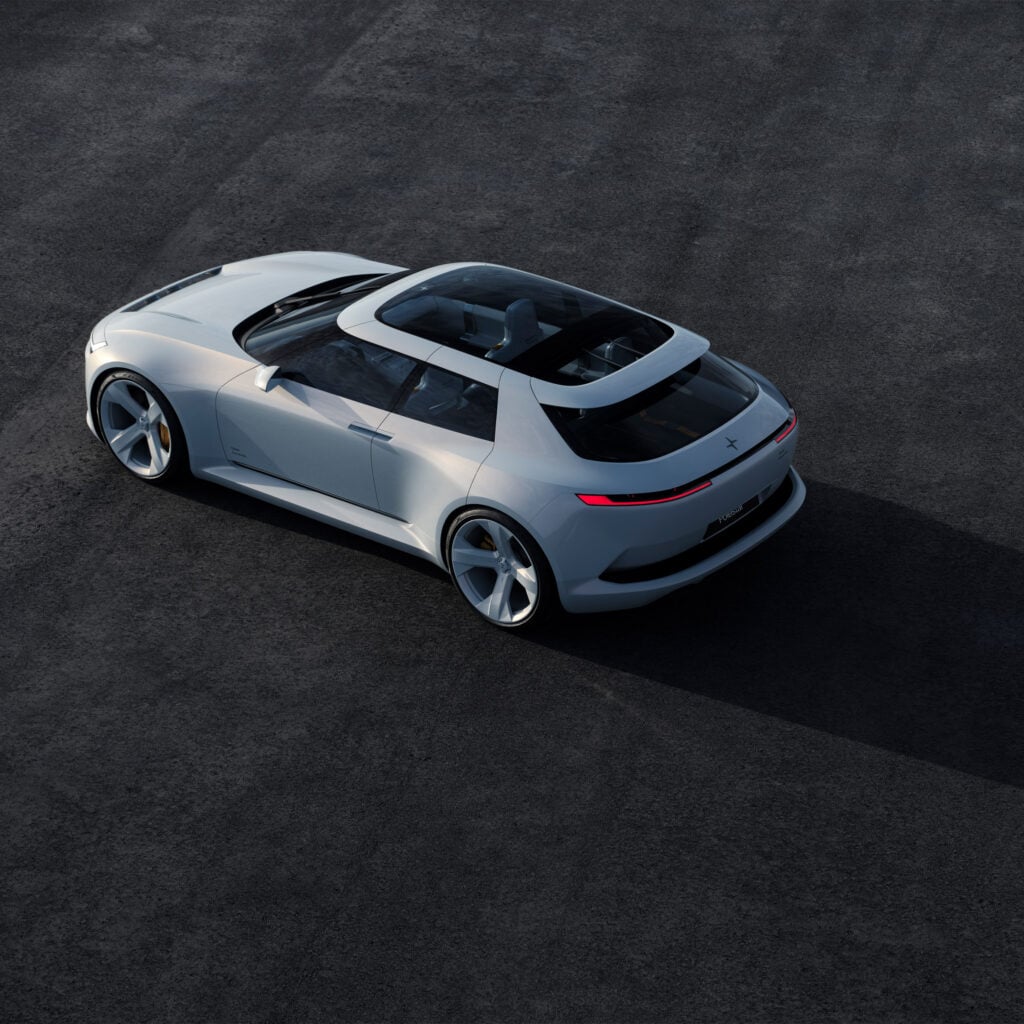

Swedish electric-vehicle brand Polestar has unveiled the Formula 2030 concept car featuring interchangeable, customisable dashboard buttons.
The first Polestar concept created under the direction of head of design Philipp Römers, the Formula 2030 is intended to herald the design direction of the company's production cars in the coming years.
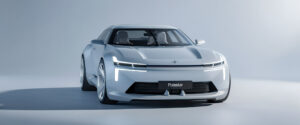
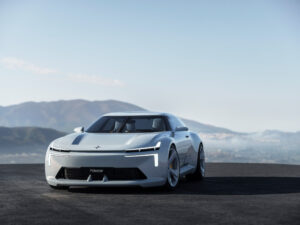
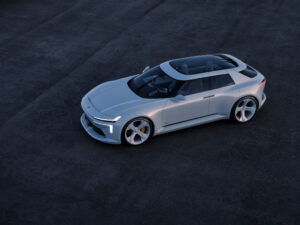
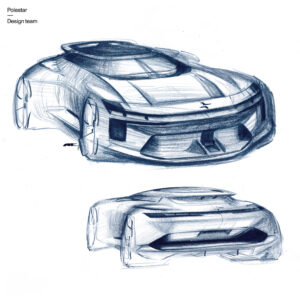
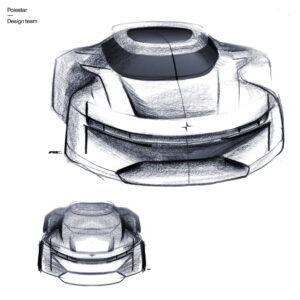
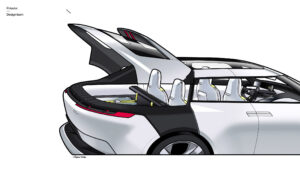
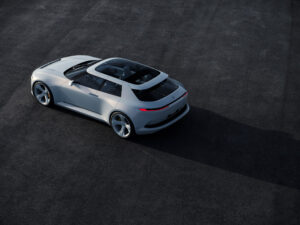
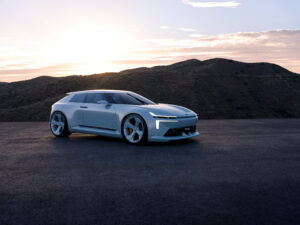
It takes the form of a low-slung sports car with proportions that Römers said "scream performance".
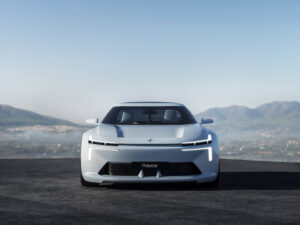
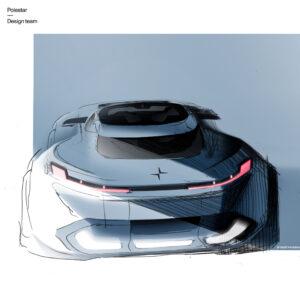
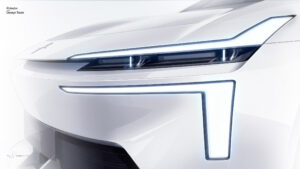
With signature "Dual Blade" headlights, the front of the car previews the face of the next-generation Polestar 2, a saloon scheduled to launch in 2027.
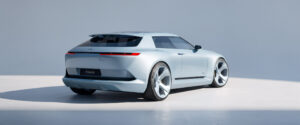
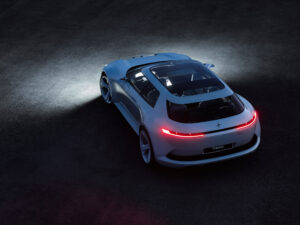
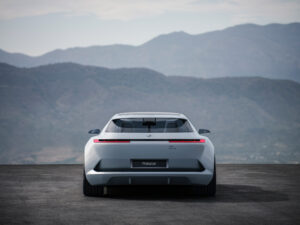
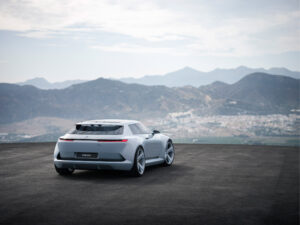
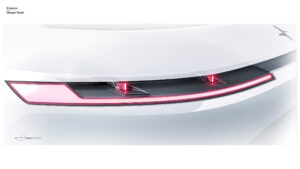
Meanwhile, the tail of the Formula 2030 mirrors the upcoming Polestar 7 crossover SUV, moving away from the continuous rear lightbar that has become widespread among electric cars in favour of separate "Single Blade" lights.
Unlike Polestar's most recently released production vehicles, the Polestar 4 and Polestar 5, the Formula 2030 also has a conventional rear windscreen.





"Design should always reflect the values and mission of a brand and that is exactly what we did with Polestar Formula 2030 concept," said Römers, who joined Polestar from Audi in January 2025.
"It is a physical embodiment of how we apply Polestar's core values of design, performance and sustainability to the next production cars."
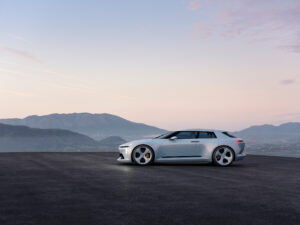
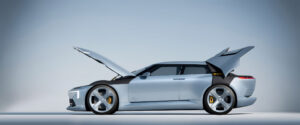
At 1.35 metres tall, 4.68 metres long and 2.02 metres wide, the Formula 2030 has a very low roofline but a broad stance.
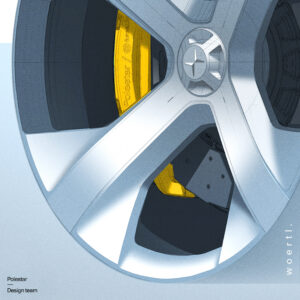
Its styling was intended to project power, with a long bonnet, wraparound windscreen, short overhangs, muscular haunches and substantial 22-inch wheels.
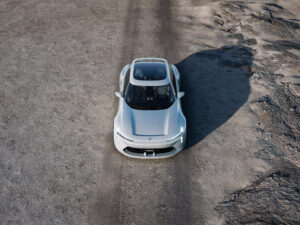
Other sporty design elements include a deep front splitter and a single vertical windscreen wiper.
The Formula 2030 showcases a newly developed paint colour called Nitrogen, with accents of gold dotted throughout the car.
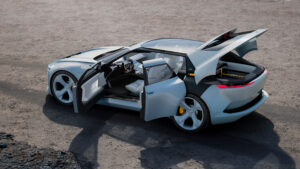
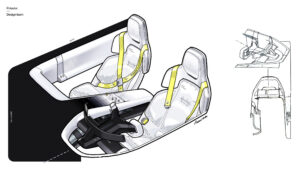
Inside, the design echoes efforts in recent concept cars from other carmakers to emphasise the driving experience.
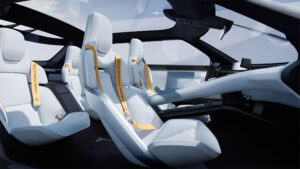
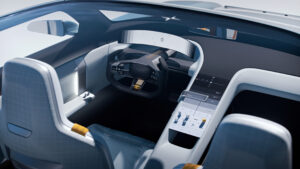
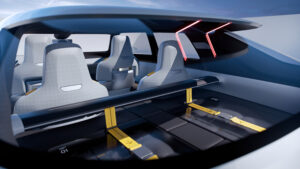
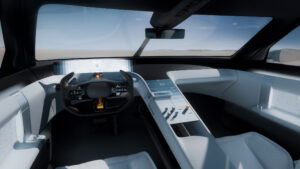
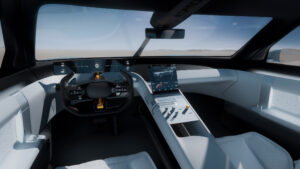
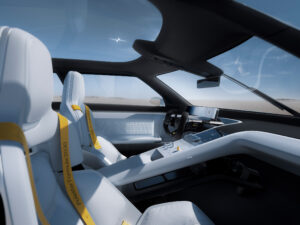
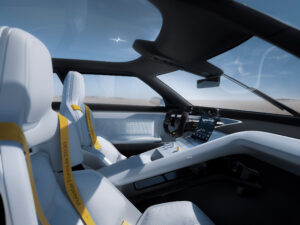
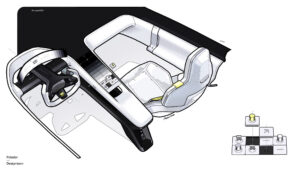
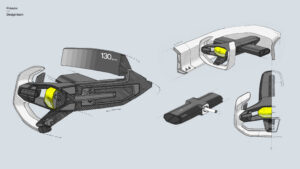
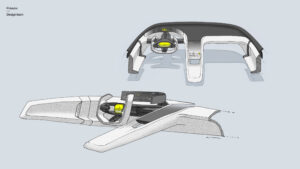
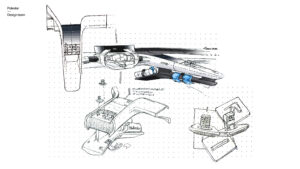
The cockpit features a curved screen band mounted above the steering wheel, presenting information to the driver.
Another screen is integrated into the centre console, which slopes gently up to the dashboard.
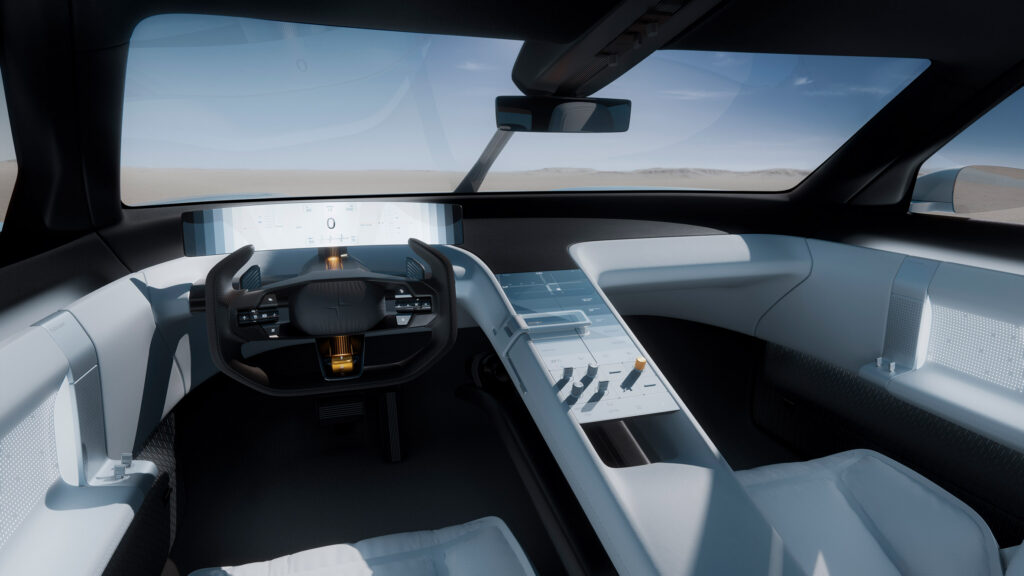
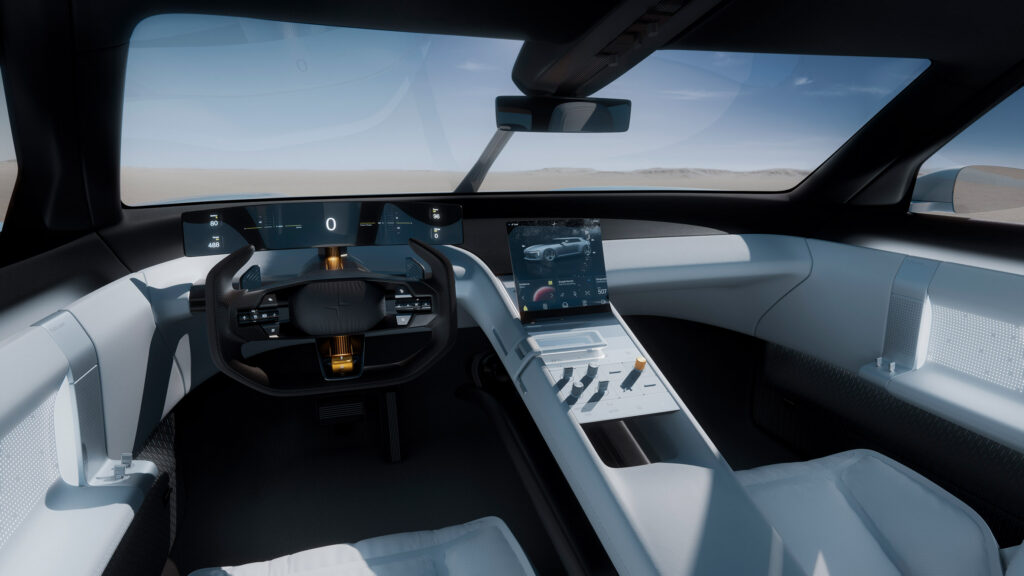
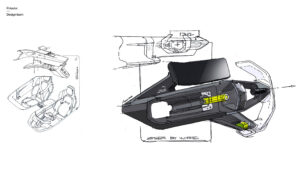
A sliding "drive mode selector" on the centre console would allow the car to alternate between three modes – Performance, Normal and Autonomous – changing the angle of the central screen, seating and steering wheel to allow for a more passive or active driving position.
The Formula 2030 embraces a wider trend in car design back towards incorporating physical buttons, rather than only touchscreens.

Also occupying the central console is an interface of eight large mechanical controls. These can be configured to the user's preferences, with choices between different types of buttons and switches capable of being programmed for specific functions.
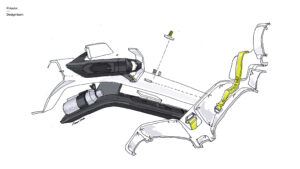
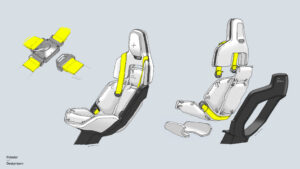
In a modest nod to sustainability, the seat backs are made from a bio-based composite combining European flax and bio-based polypropylene, while the insides of the doors are made from a single material in order to be recyclable.
Headquartered in Gothenburg, Polestar has emphasised design and sustainability since it was spun out of Volvo as a premium EV brand in 2017.
Amid heavy financial losses, it has increased its production of SUVs, which tend to be popular with consumers and deliver higher profit margins. SUVs or SUV-adjacent cars now account for three of the five models in its lineup.
SUVs are often associated with a greater environmental impact than other types of cars, but Polestar denies watering down its ambitions on sustainability.
According to its most recent sustainability report, published in April, the company is ahead of schedule on a target to halve greenhouse-gas emissions per vehicle sold between 2020 and 2030.
It is the only car brand that publishes life-cycle carbon assessments for all its models. Assessments for the upcoming Polestar 2 and Polestar 7 have not yet been calculated.
"Learnings from the cars we have already produced will be channelled into the new cars to bring the CO2e figures in as low as possible," a spokesperson told Dezeen.
In 2021, Polestar announced a project to produce a "truly climate-neutral car" by 2030. Earlier this year, it pushed this target back to 2035 owing to the "scale and complexity of the challenge".
Other concept cars recently covered on Dezeen include the flying Tesla Roadster and a Fiat that transforms from an SUV into a pickup truck.
The post Polestar Formula 2030 concept car "screams performance" appeared first on Dezeen.