







House of Bones proves Gaudí is "very hard to imitate"

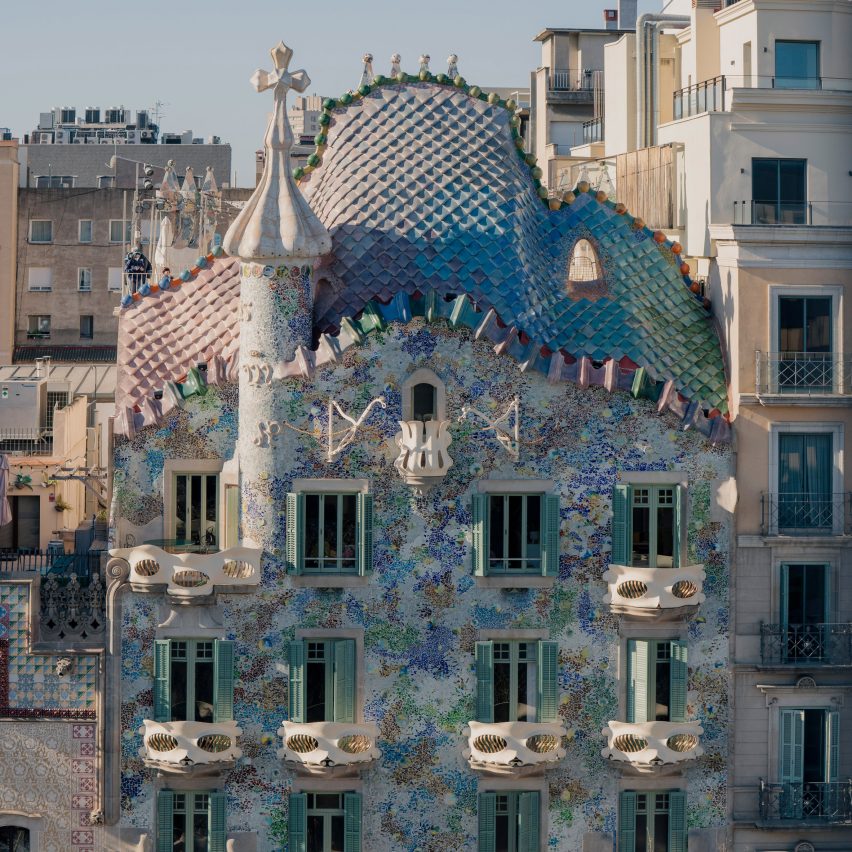
Continuing our Gaudí Centenary series, we look at Barcelona's House of Bones, Casa Batlló, which Antoni Gaudí covered with mosaics, skeletal shapes and topped with a scaly, reptilian roof.
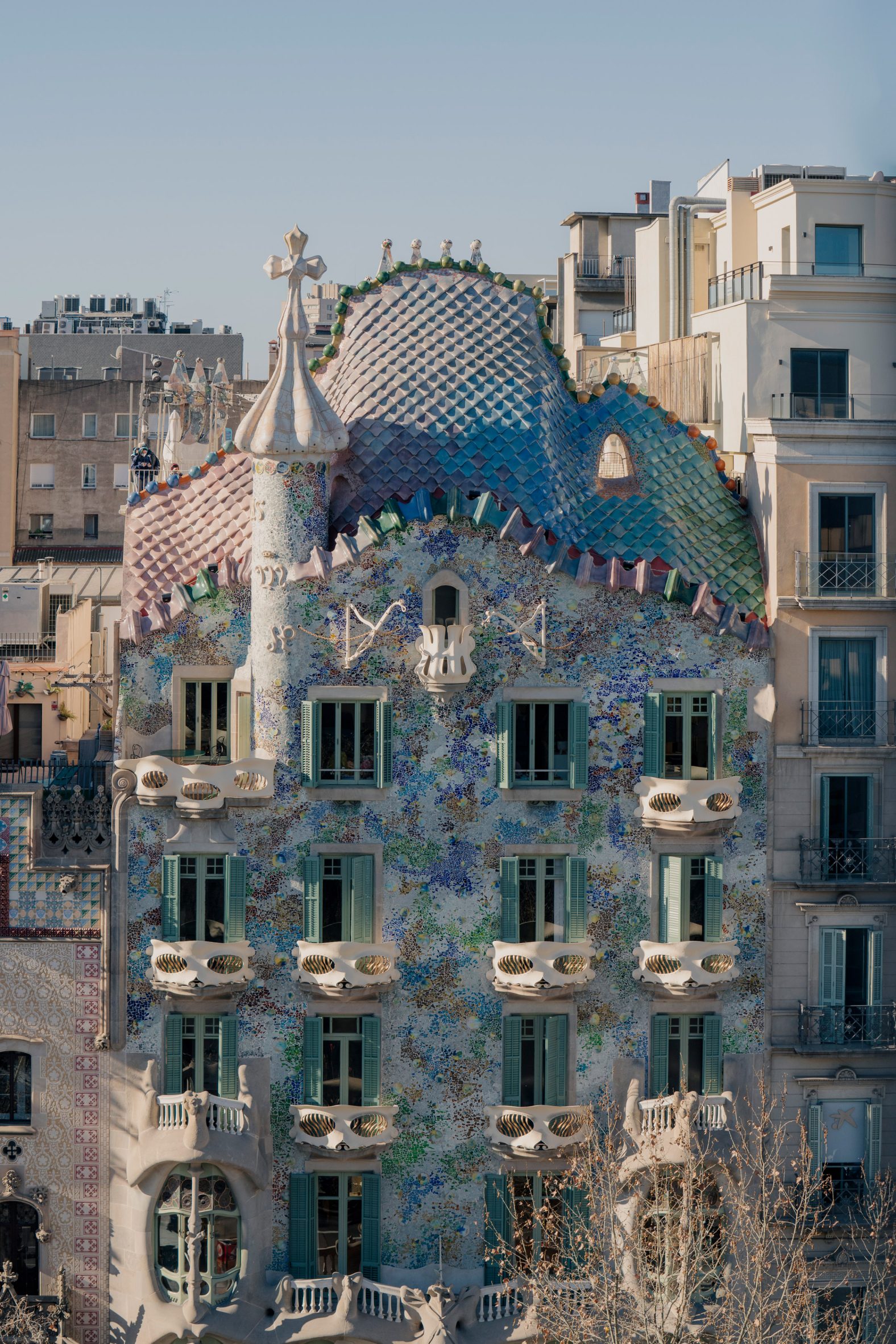
Located on Barcelona's central Passeig de Gràcia boulevard, Casa Batlló is one of Gaudí's best-known and most unique works.
Now a museum, the ceramic and bone-covered house exemplifies the architect's unique take on Catalan modernism, something that the museum's director describes as "very hard to imitate".
"It's very hard to imitate Gaudí," Casa Batlló director general Gary Gautier told Dezeen.
"Gaudí's buildings are more about art than about architecture – or at least not just architecture, but including art in meaningful ways in many places of the building, not just solving the challenges that architecture was facing, but also sometimes ornamentally," he continued.
"And when there's so much richness or art per square meter, the entire building becomes a piece of art, and that is very tough to do."
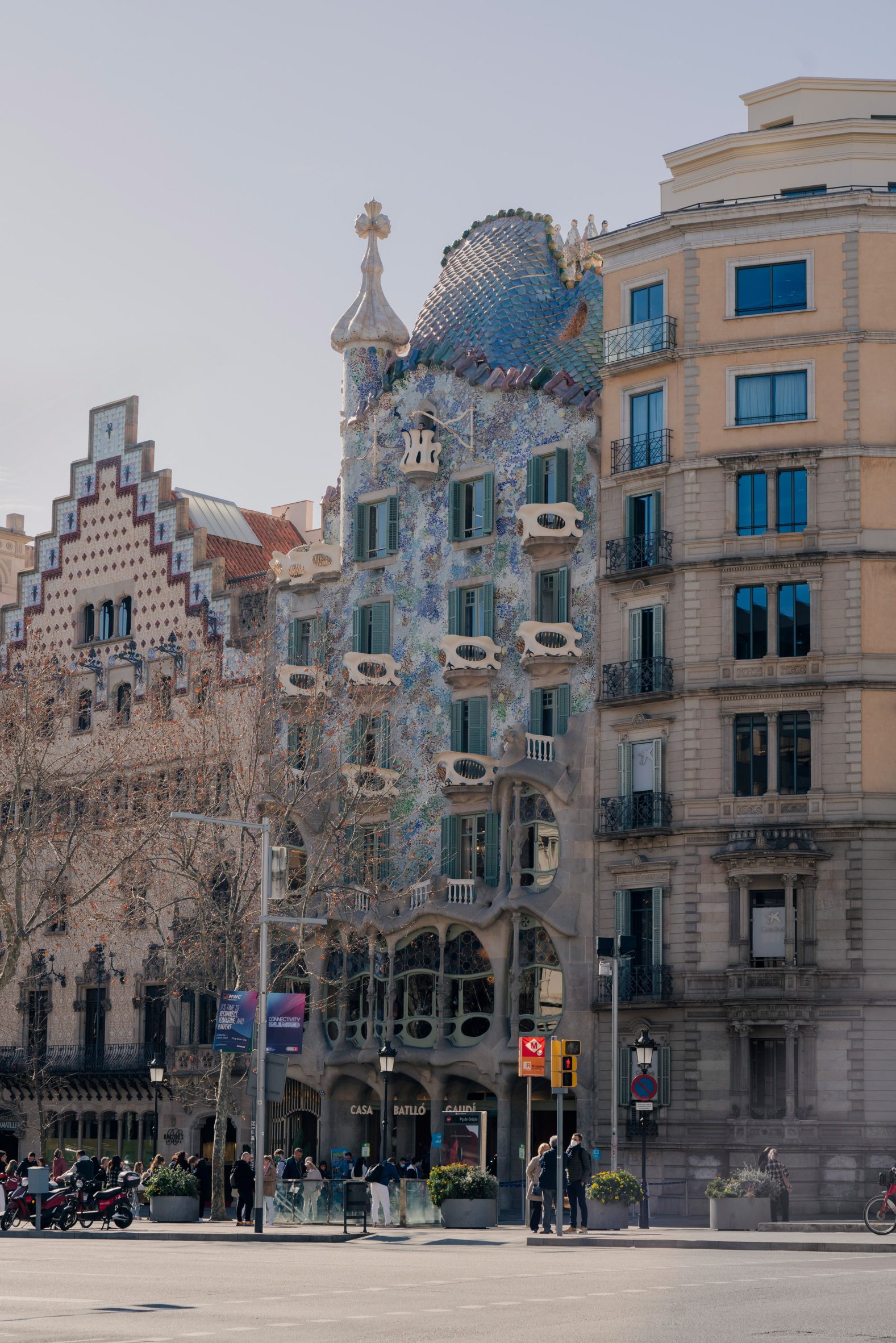
Originally built in 1877 by architect Emili Sala Cortés, one of Gaudí's professors at Escuela Técnica Superior de Arquitectura de Barcelona, the six-storey house was overhauled by Gaudí between 1904 and 1906 for businessman Josep Batlló I Casanovas.
Gaudí extended the house upwards and at its rear, but the most visible alteration was the transformation of the previously sombre facade.
He created a sculptural facade that contrasted with the neighbouring homes through the addition of numerous balconies, some of which were supported by skeletal shapes, leading the building to become known locally as Casa dels Ossos, meaning the House of Bones.
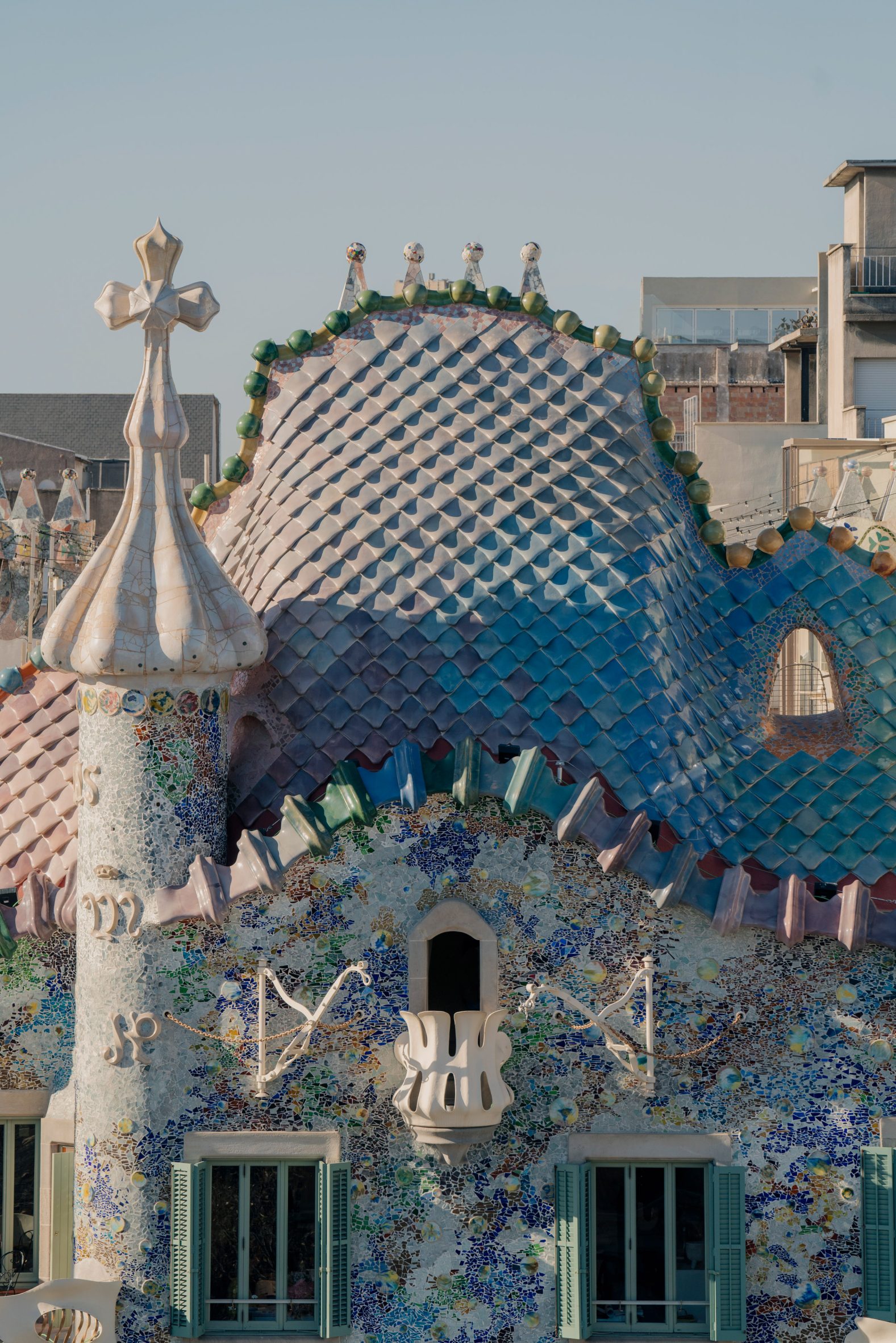
Gaudí wrapped Casa Batlló's facade in ceramic cladding with colourful, broken-glass fragments in predominantly blue and green hues, creating a maritime colour palette.
He topped the house with a roof covered in tiles that resemble scales on the back of a large reptilian creature. This has been said to reference the patron saint of Catalonia, St George, who, according to legend, slew a dragon.
Like Gaudí's famous Sagrada Familia, the roof also features a four-armed cross pointing in the cardinal directions. Gaudí, who was deeply religious and has been called God's architect, often included crosses in his designs.
The building's single tower also has the initials JHS for Jesus, M for Mary and JHP for Joseph on it, another religious allusion that shows how important his faith was to Gaudí's work.
"[In] one of his quotes, Gaudí says something like 'If you're not building or doing something that is eternal, it's not worth doing it,'" Gautier said.
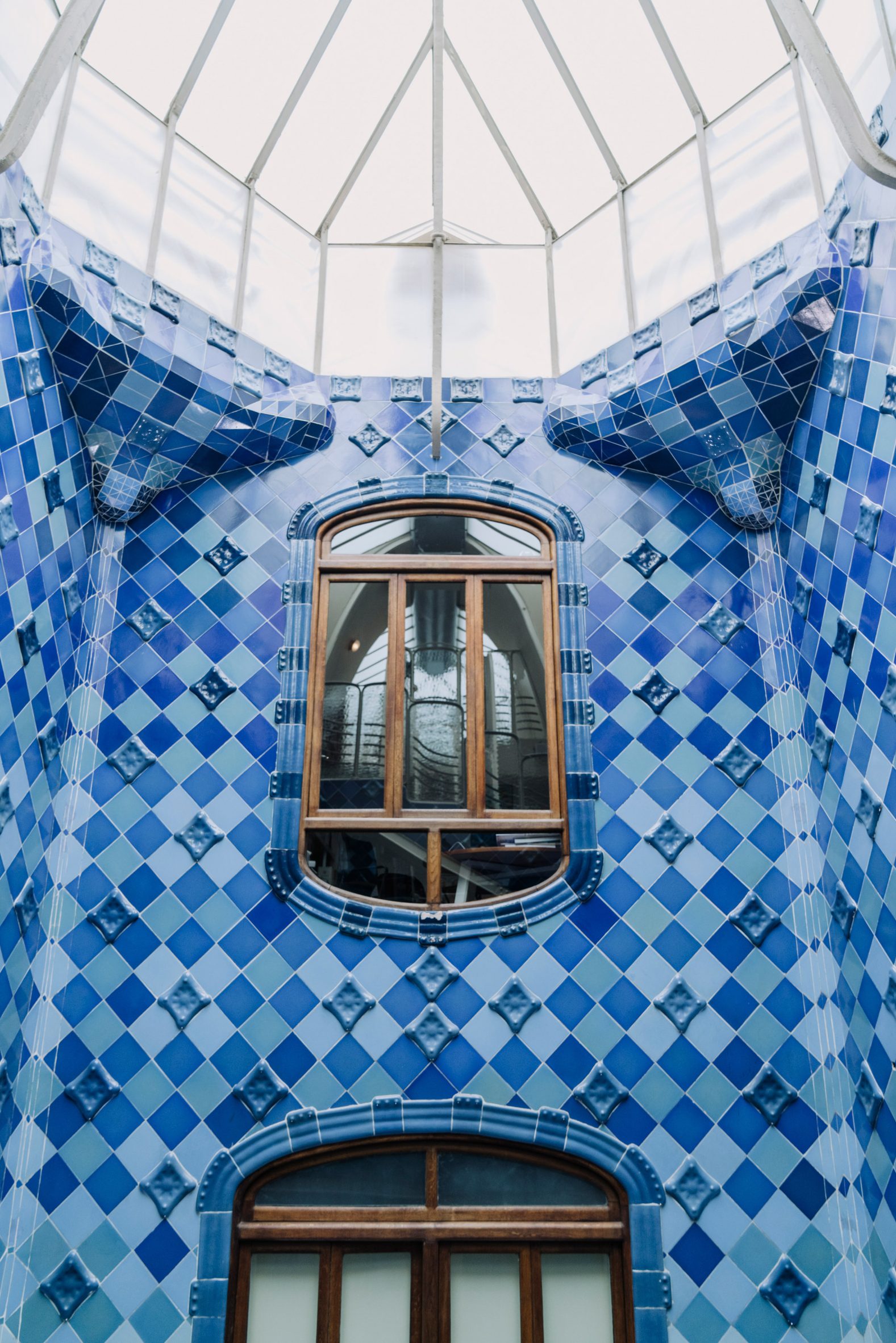
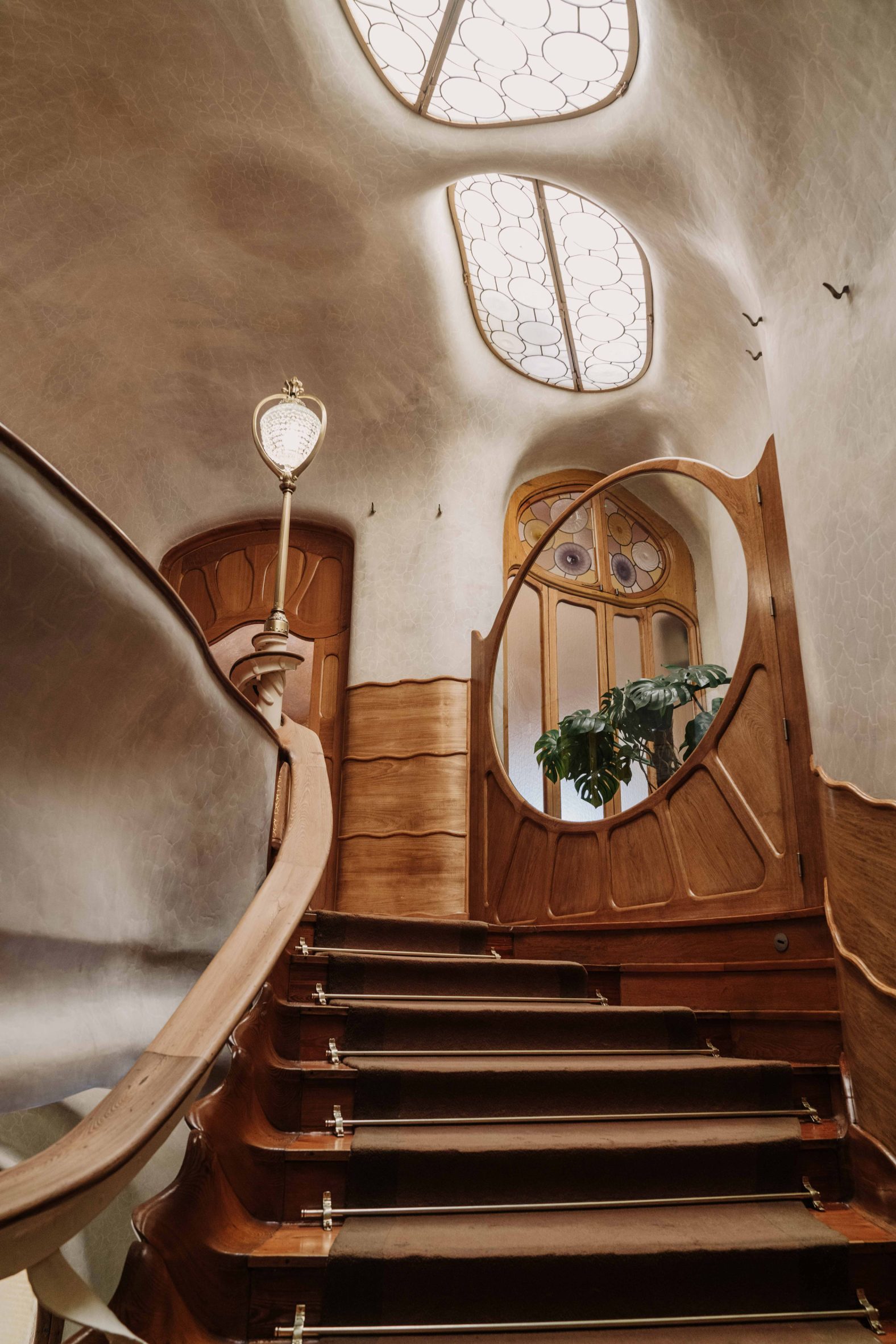
Gaudí also overhauled the interior of the house and added smart solutions to take advantage of natural light and ventilation.
As part of the renovation, he turned one existing lightwell into two to draw light into the entire house, and added adjustable wooden shutters to many of its windows to let the inhabitants control its ventilation. These have carved organic shapes and still function today.
"He came up with innovations that addressed the ventilation challenges that many buildings were facing at the end of the 1800s, and he also created a lot of solutions to light up the rooms where the electricity could not get," Gautier said.
This was also an example of how Gaudí created tailor-made solutions depending on what his buildings needed.
"He approaches it differently in every building," Gautier said. "He did not build that many buildings throughout his career because he put a lot of effort into all of them, and the solutions might vary, although the purpose still remains the same."
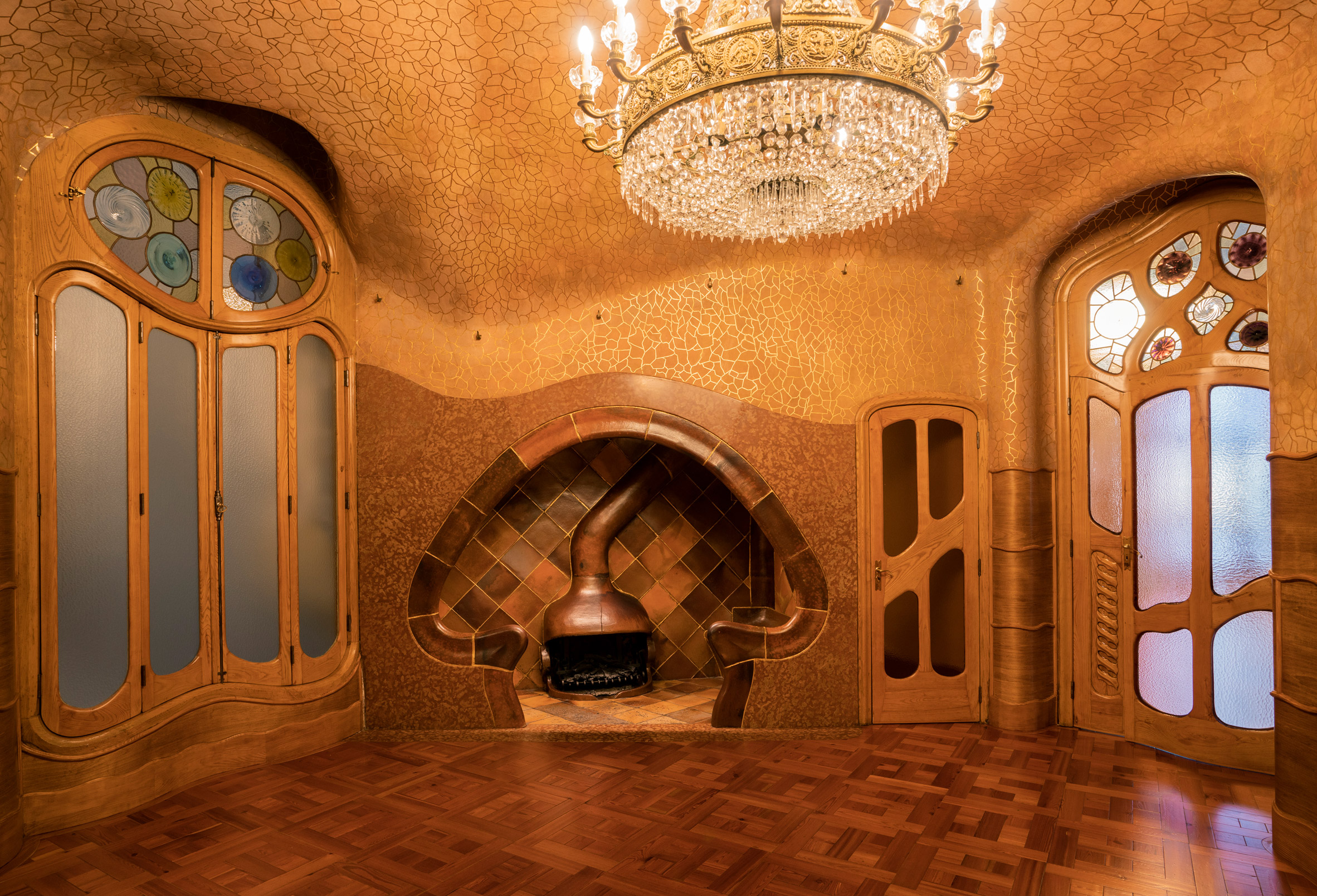
Inside, Casa Batlló is filled with rounded, organic shapes, including a spine-like handrail for the lobby staircase, a mushroom-shaped fireplace and a swirly, undulating ceiling on the main floor in what was once the Batlló family's living room.
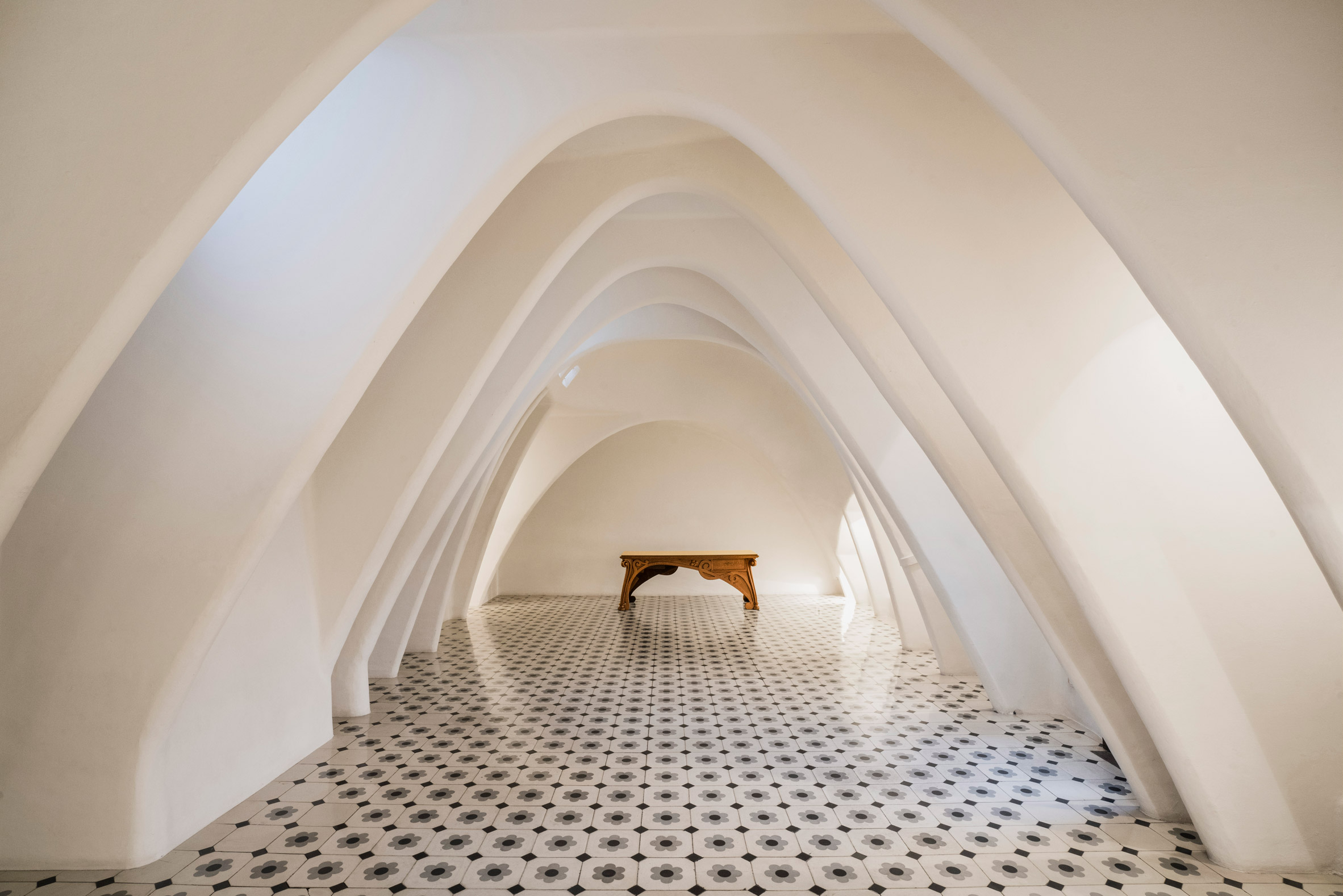
In contrast, the top loft floor, which functioned as a service area with laundry and storage rooms, has a stark, more modernist design. Here, Gaudí designed sixty catenary arches, with organic shapes that make the space look like the ribcage of a giant animal.
After the Batlló family moved out in the 1950s, the house was turned into offices for an insurance company.
In 1993, Casa Batlló was bought by the Bernat family, which started the process of restoring it to Gaudí's original design. The most recent of the many restorations made to the house was a significant overhaul of the back of the building, which was returned to its original dark colour.
The team also restored the courtyard to how it would have looked in Gaudí's time, adding pergolas and creating a pavement mosaic that replicates the original design.
In recent years, a number of modern additions have been made to the building, including a new staircase to connect the ground floor with exhibition spaces created in a former coal bunker in the basement.
To create an art experience in the staircase, Japanese architect Kengo Kuma designed a mesh-curtain installation for the space.
Earlier this year, the second floor of the building was open to the public for the first time. Local studio Mesura turned it into a contemporary art gallery with an undulating metal ceiling that references the Mediterranean Sea.
Next month will see the opening of the third floor, which contains the last original residence designed by Gaudí within the building.
The space, which has remained intact for more than one hundred years, will be unveiled for the first time and is set to be used as a private venue. It will have an interior by Italian designer Paola Navone.
Over a hundred years after Gaudí's renovation of the building, Casa Batlló has become a popular destination for Barcelona visitors, who come to see art exhibitions within the space as well as the artful design of the building itself.
To Gautier, its popularity is evidence of the ongoing fascination with Gaudí, who he believes still has something to teach architects today.
"What architects could learn from Gaudi is to always look for a solution that is not evident, that is not out there, but that can be found," Gautier concluded.
The photography is by Claudia Marino, courtesy of Casa Batlló.
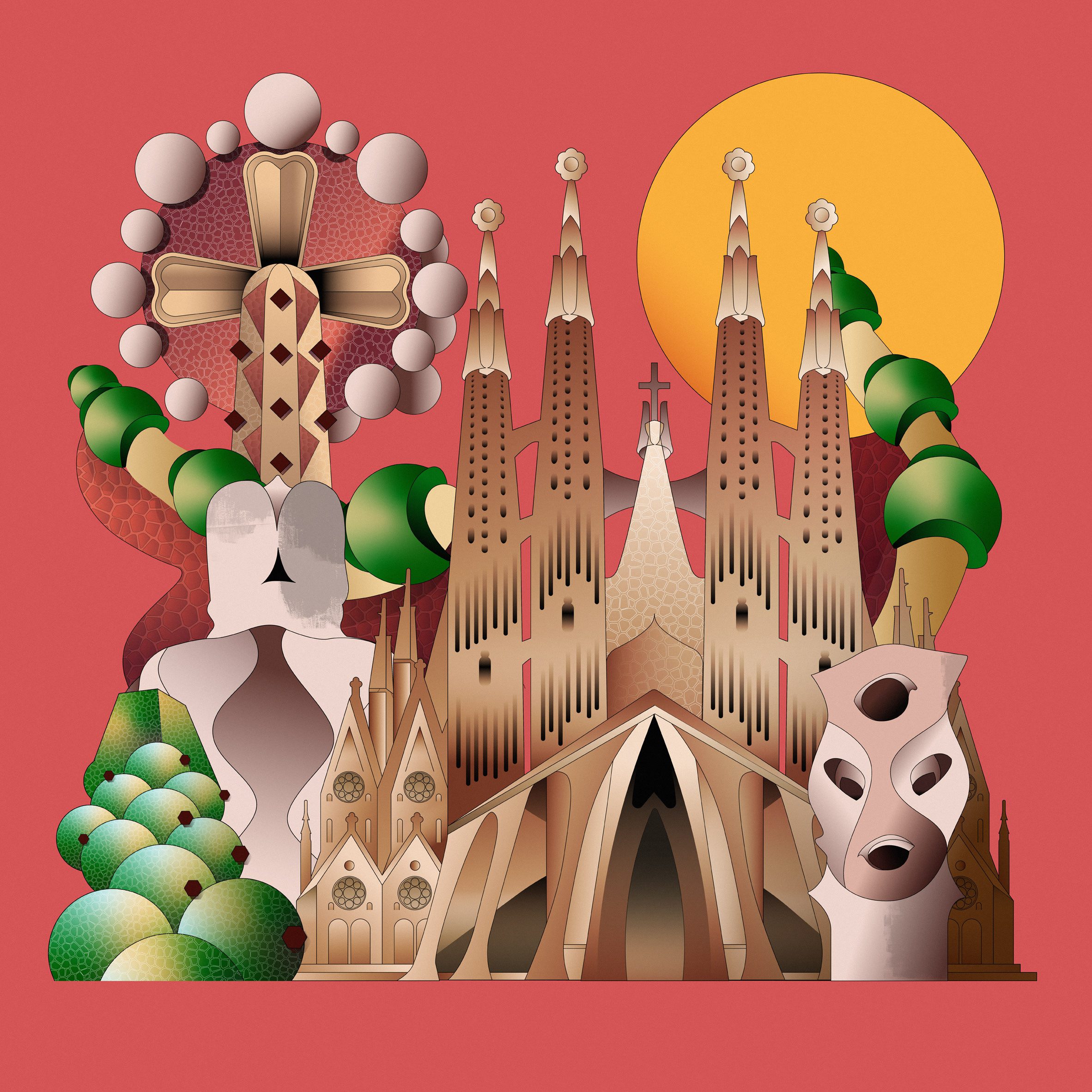
Gaudí Centenary
This article is part of Gaudí Centenary, our editorial series profiling the Catalan architect and designer Antoni Gaudí, marking 100 years since his death.
The post House of Bones proves Gaudí is "very hard to imitate" appeared first on Dezeen.