





Forest foraging kit is among projects from Vilnius Academy of Arts

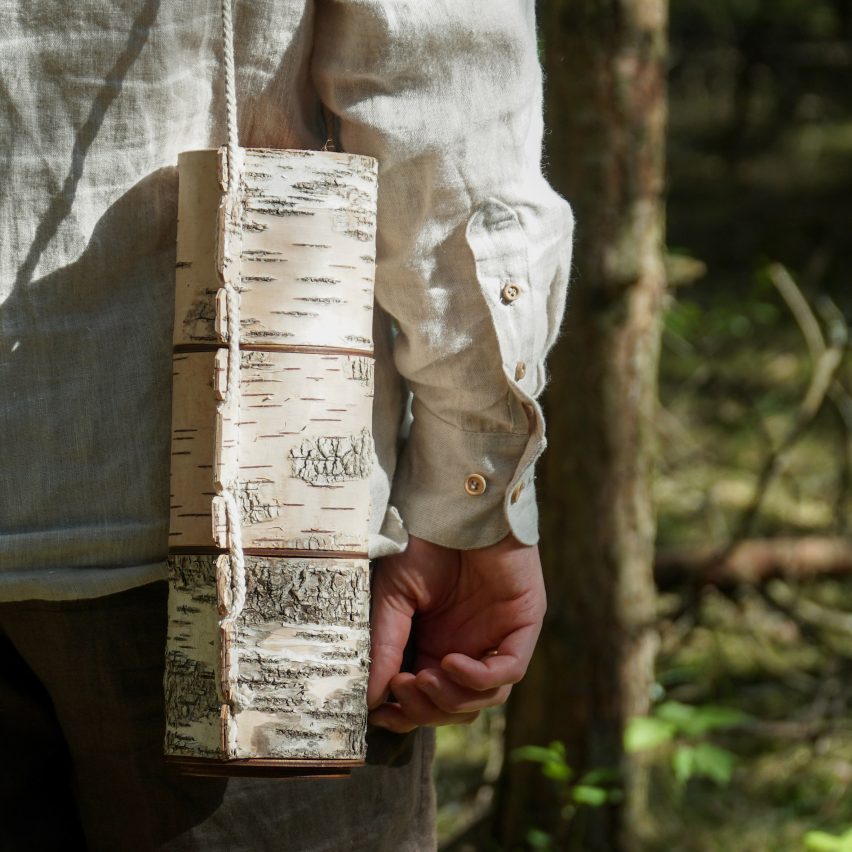
Dezeen School Shows: a modular storage container designed for gathering and storing forest goods is among projects from design students at Vilnius Academy of Arts.
Also featured is a project that revives traditional flax processing techniques in Lithuania and a rotating mirror informed by the aesthetics and emotional expression of Argentine tango.
Vilnius Academy of Arts
Institution: Vilnius Academy of Arts
Courses: Product Design BA, Design MA, Fashion Design BA, Interior Design BA
Tutors: Barbora Adamonytė-Keidūnė, Dainius Bendikas, Vytautas Gečas, Vytautas Kibildis, Mantas Lesauskas, Laura Malcaitė-Survilė, Marija Puipaitė, Egidijus Valentinavičius and Tomas Vaičaitis
School statement:
"Vilnius Academy of Arts (VAA) was founded in 1793 and offers dynamic design programmes across faculties in Vilnius, Kaunas, Klaipėda and Telšiai.
"The academy provides undergraduate and postgraduate courses in design, graphic design, fashion design and interior design.
"Students benefit from a vibrant artistic environment, state of the art facilities and expert faculty guidance.
"The programmes emphasise hands-on projects, interdisciplinary collaboration and industry connections, fostering artistic expression and practical skills.
"Graduates are well prepared to excel in the global design market, contributing to contemporary trends and addressing real world challenges with creativity and vision."
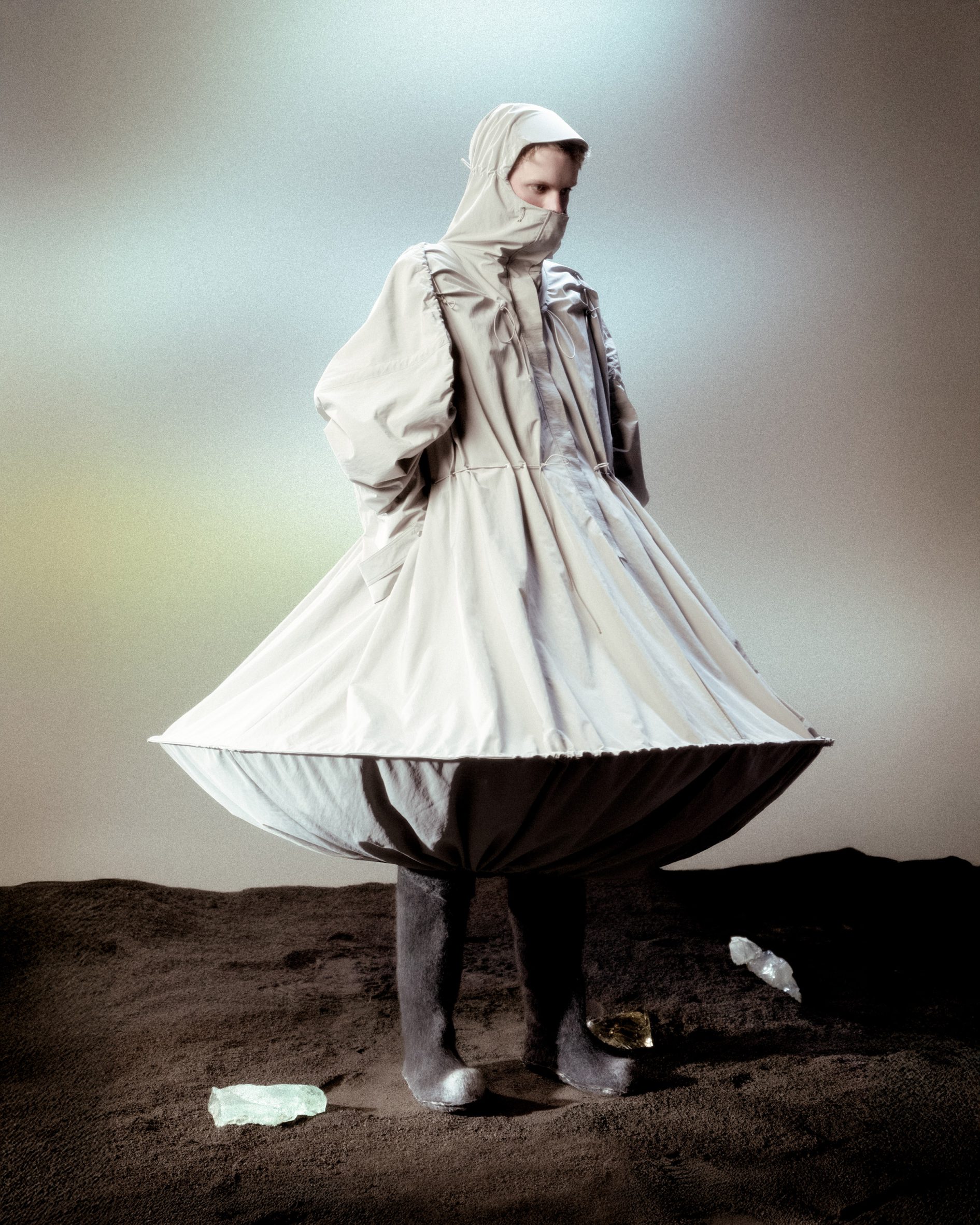
Adapting to an Uncertain Future: An Interpretation through the Experimental Fashion Collection "Tolimė" by Jomilė Uksaitė
"Tolimė is an experimental fashion design collection exploring the adaptation of future humans in a world where empathy is fading.
"The concept emerged from personal observations. Growing up surrounded by technology, I witnessed the glow of screens gradually replace direct eye contact, suggesting that devices intended to connect people have instead created greater emotional distance.
"The collection's silhouettes embody this contradiction – the deeper the digital isolation, the stronger the need for tactile softness, empathy and emotional connection with others and the surrounding environment.
"Smooth, body-enveloping forms function as a kind of sanctuary. Soft, brushed materials and textures intertwine with functional details that encode the search for safety, becoming a physical expression of inner emotional states.
"Tolimė invites reflection not only on human emotional fragility but also on the enduring need for social connection, empathy and feeling."
Student: Jomilė Uksaitė
Course: Fashion Design BA Vilnius Faculty
Tutors: Dainius Bendikas
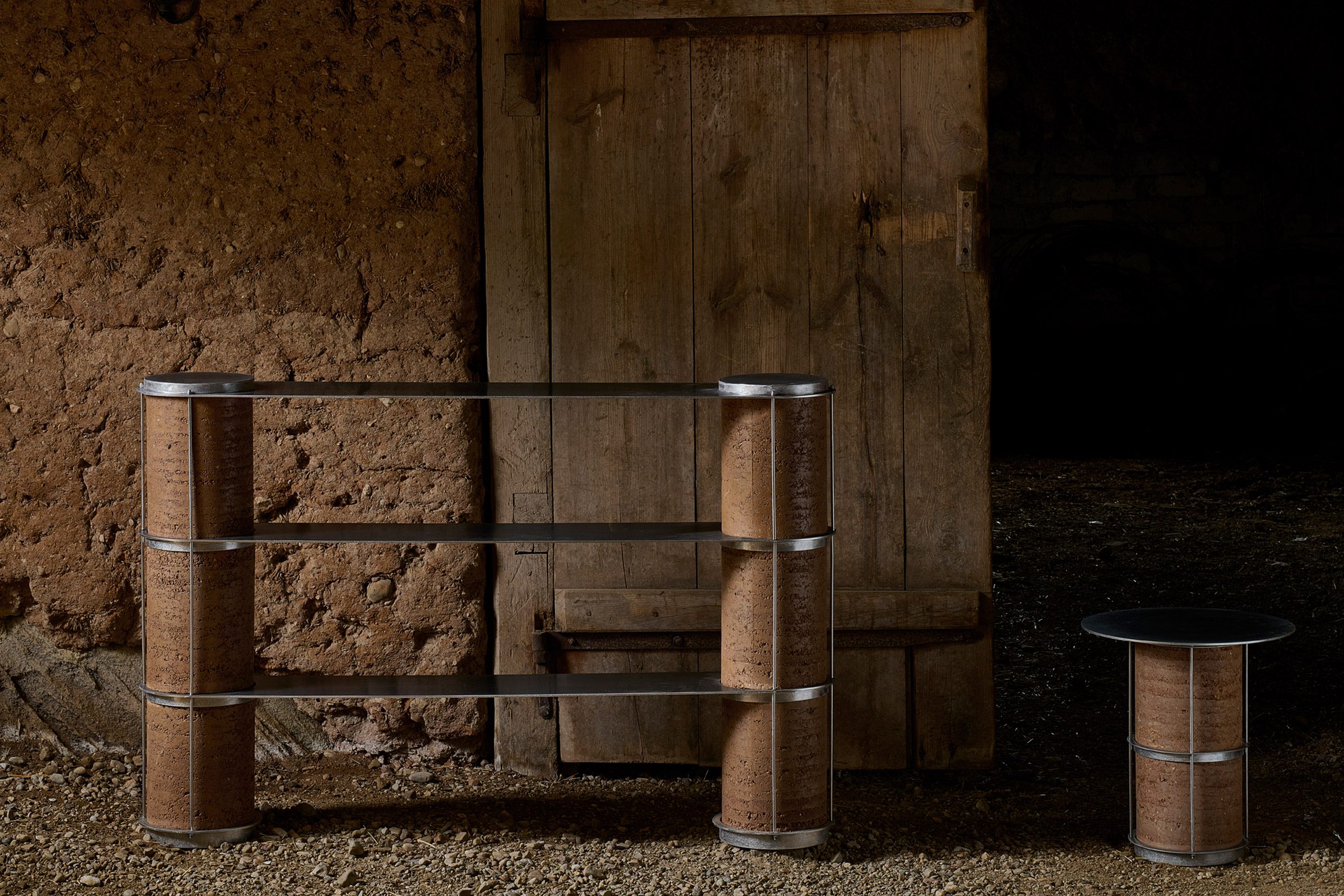
In Situ by Dovilė Paunksnytė Vilkė
"In situ (Latin 'in its original place') is a creative project proposing an approach to interior environments in which not only surface aesthetics and function are considered important, but also the origin of the material, its locality and its previous life cycle.
"In contemporary interior practice, materials are often reduced to finishing layers – surfaces detached from their original context.
"The research explores the possibilities of reactivating local earth mass within contemporary interiors, employing it not as a nostalgic or historical reference, but as an alternative material approach."
Student: Dovilė Paunksnytė Vilkė
Course: Design MA Vilnius Faculty
Tutors: Mantas Lesauskas
Email:
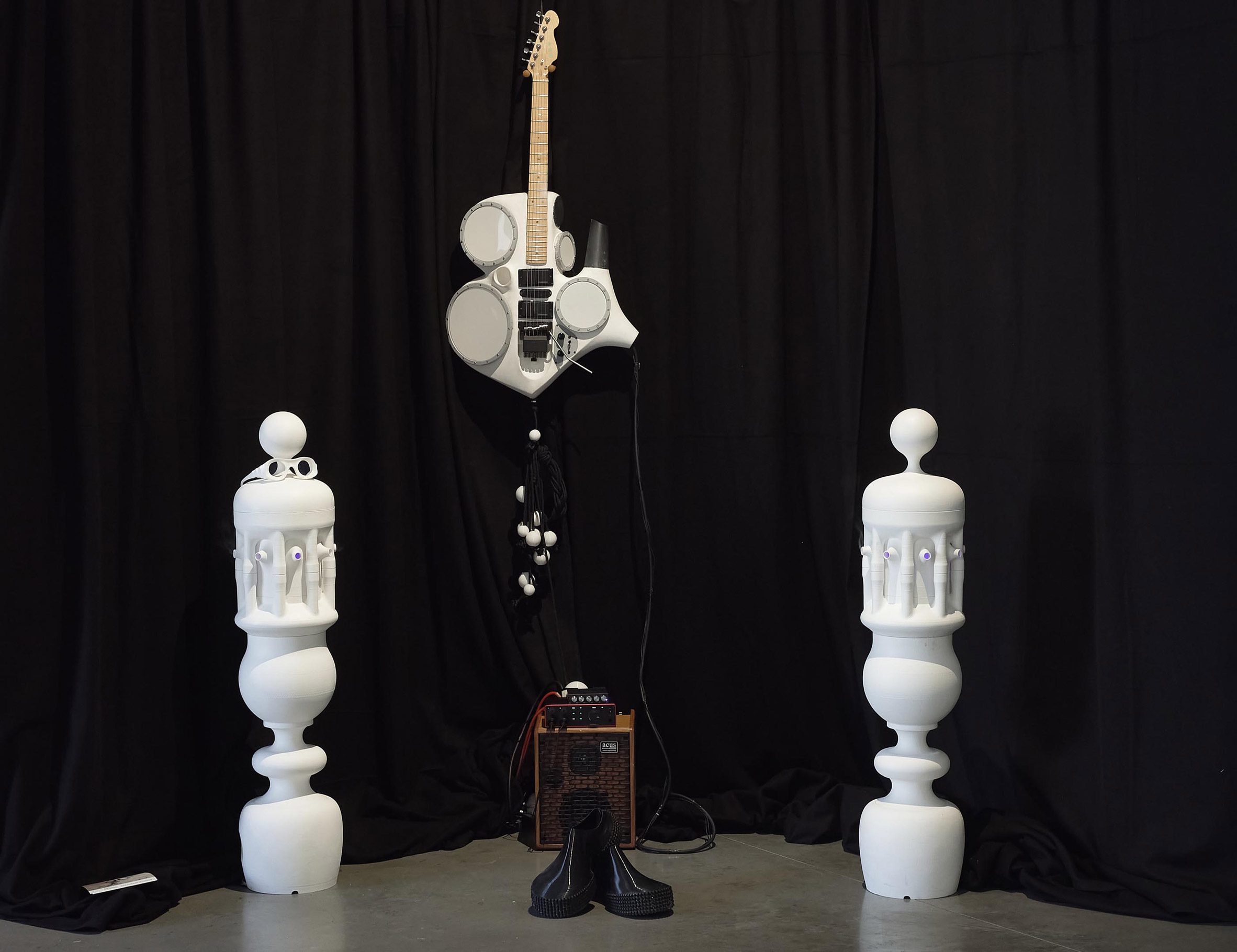
To Draw a Star by Hasan Alp Celikel
"The research project focuses on creating a unique artistic identity through multiple design innovations that converge in a single show.
"The objects created are tailored to the artist's musical style and body proportions, while the edgy, expressive wearables contribute to the formation of a distinctive character.
"The scenographic installation enhances and translates musical expression into visual effects through the use of essential oils and water vapour, resulting in a multi-sensory experience that elevates the performance.
"The installation also highlights the developmental timeline of each item created throughout the study period, showcasing every stage of the design process.
"The project culminates in a final presentation that brings all creations together into a cohesive visual narrative, merging individual innovations into a unified artistic identity."
Student: Hasan Alp Celikel
Course: Design MA
Tutors: Marija Puipaitė
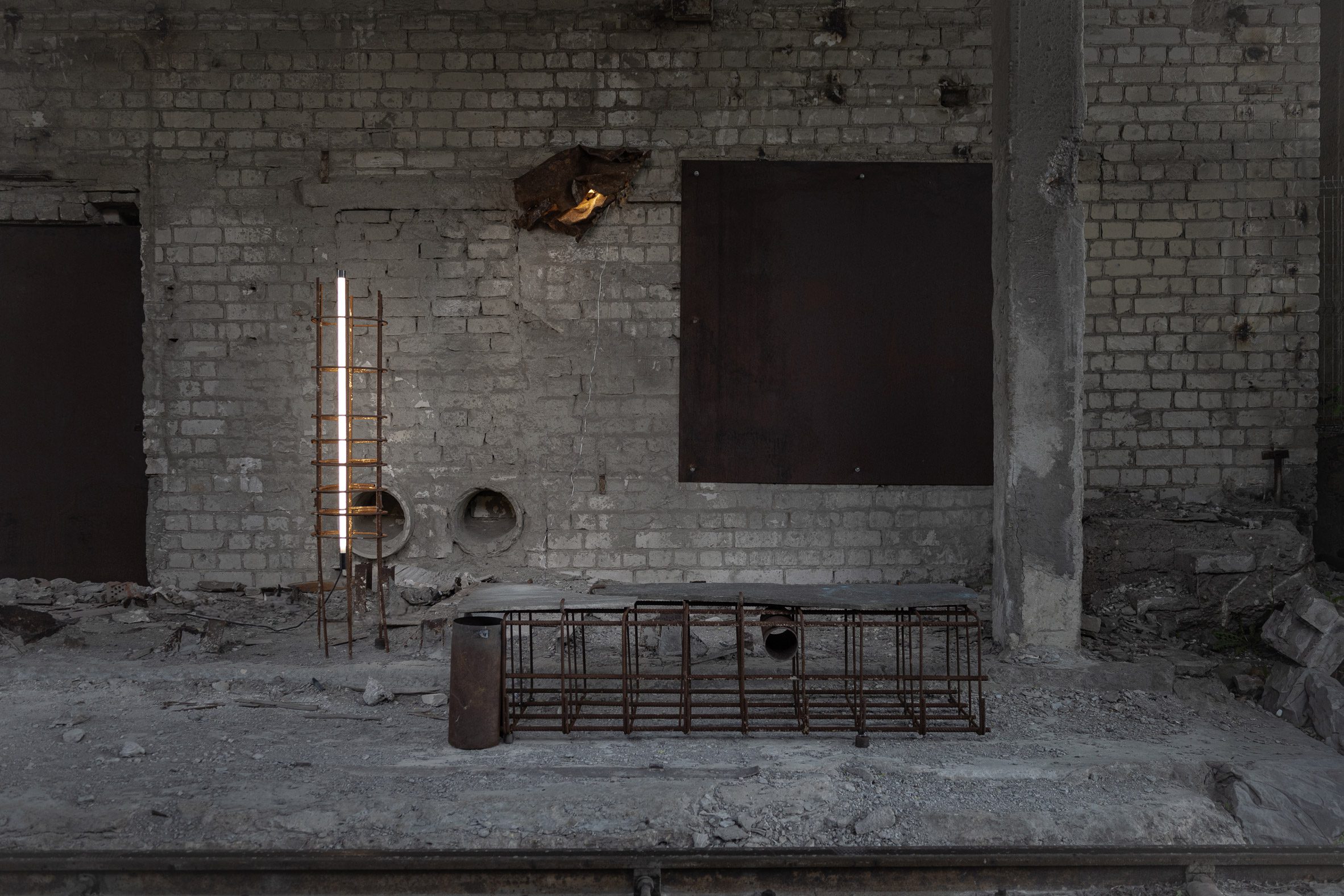
Secondary Use of Waste Materials and Reflection in Art Design Objects by Aronas Balčiūnas
"The project explores the use of industrial materials in the design of interior objects, aiming to reveal the aesthetic and experiential relationship between humans and the industrial environment.
"The objects are created from found industrial materials, preserving traces of their surfaces, the effects of time and their structural openness.
"Throughout the creative process, material serves not only as a functional medium but also as the primary element shaping form and atmosphere.
"Positioned between design and artistic reflection, the project examines the relationship between humans, industrialisation, artificial environments and the longing for naturalness.
"The forms of the objects reflect the rhythm, weight and transformation of industrial structures over time, combining functionality with emotional and visual experience."
Student: Aronas Balčiūnas
Course: Product Design BA Vilnius Faculty
Tutors: Vytautas Kibildis
Email: balciunasaronas[at]gmail.com
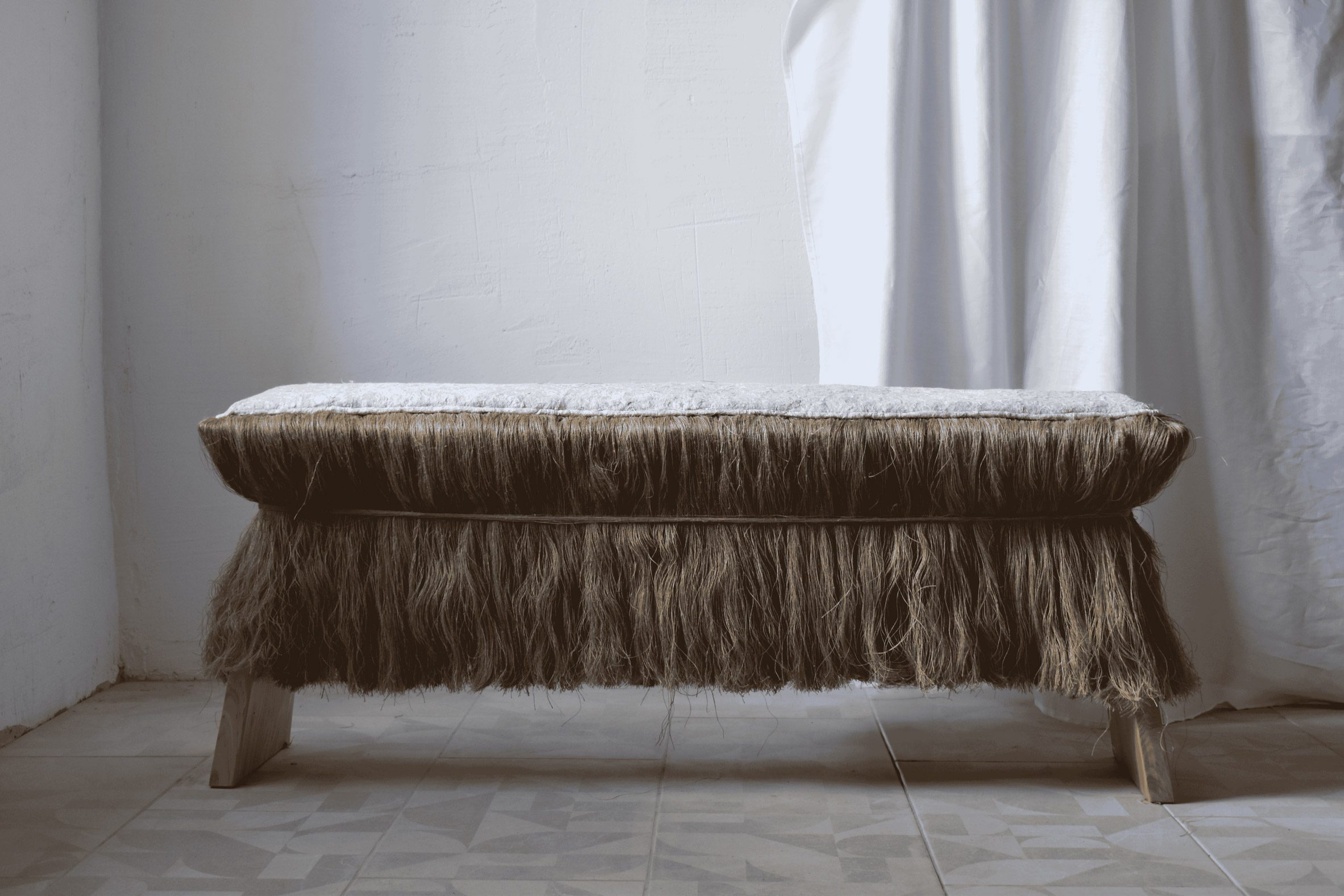
Linen Waste Recycling: Reviving Traditional Craftsmanship by Gustina Maksvytytė
"The project explores the reuse of linen textile waste as a way to revive the traditional craft of flax processing and to foster Lithuanian cultural identity.
"The series of objects consists of a bench and a floor basket, which were created using an experimental technique for recycling linen textile waste.
"The collection draws inspiration from the cultural history of Lithuanian flax, focusing on traditions of communal work, rituals and disappearing craft practices.
"The forms reference different stages of flax processing: stacked bundles, tied sheaves and trampled handfuls of flax. The project combines sustainability, material research, craft interpretation and ethno-design."
Student: Gustina Maksvytytė
Course: Product Design BA Vilnius Faculty
Tutors: Barbora Adamonytė-Keidūnė
Email: gustina.m12[at]gmail.com
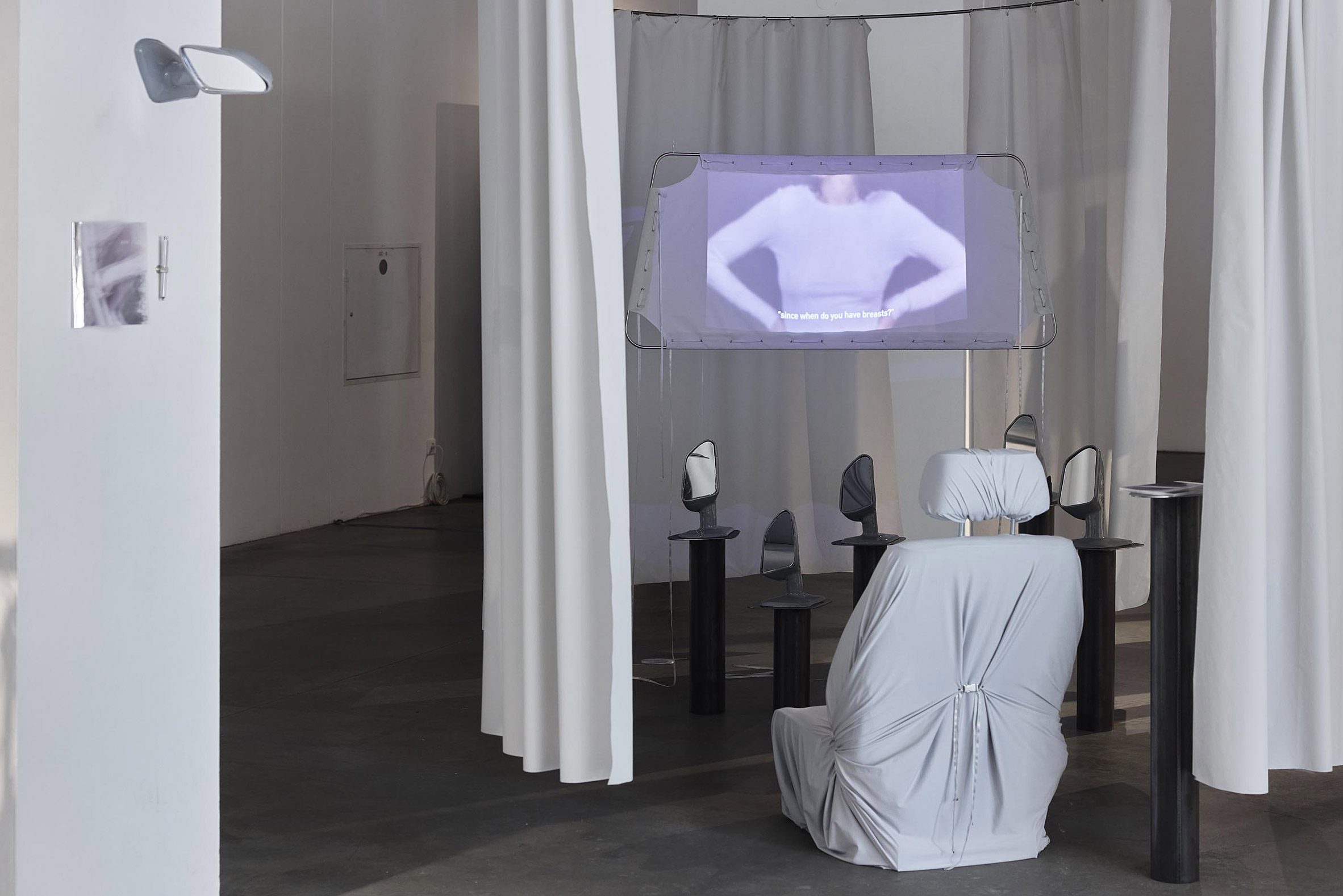
XXX 000 by Ani Gandžiumian
"A car can function as a means of displaying power and social status; it can become a mechanism of authority and control. It is also an object in which masculinity is clearly encoded. The car is a public and private space that enables observation.
"The object of observation may become a young woman, whose bodily autonomy can be invaded almost imperceptibly. Once the body is fragmented into parts, it can easily be turned into an object of consumption – what I want, I take."
Student: Ani Gandžiumian
Course: Design MA Vilnius Faculty
Tutors: Mantas Lesauskas
Email:
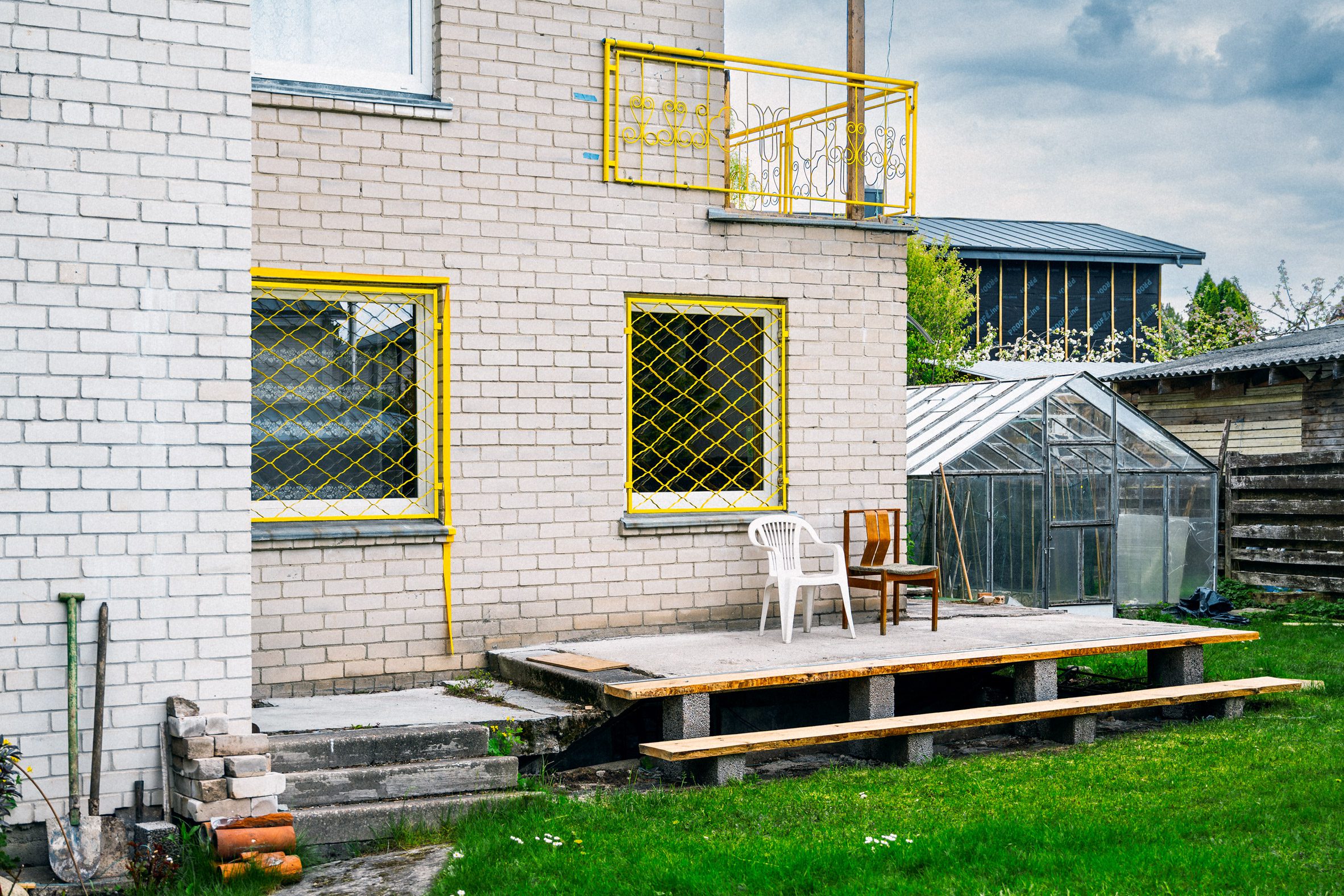
Community Gardens. S-45-27 laboratory by Augustinas Počopka
"Collective gardens in Vilnius are transforming into residential areas, while summer houses are replaced by newly built homes.
"Yet garden houses remain a unique typology of second homes, where generations have accumulated objects and materials. Once shaped by scarcity and now by excess, this garden house has become a storage space.
"Using a hands-on design approach, the project takes materials found within the six-acre plot, and the building's transformed state as a starting point.
"Through minimal interventions, the storage space is reimagined as a place for rest and experimentation, where reuse becomes the central design principle. Reconfiguring and exposing materials reveals the building's layers without demolishing what already exists."
Student: Augustinas Počopka
Course: Interior Design BA Vilnius Faculty
Tutors: Laura Malcaitė-Survilė
Email: a.pocopka[at]gmail.com
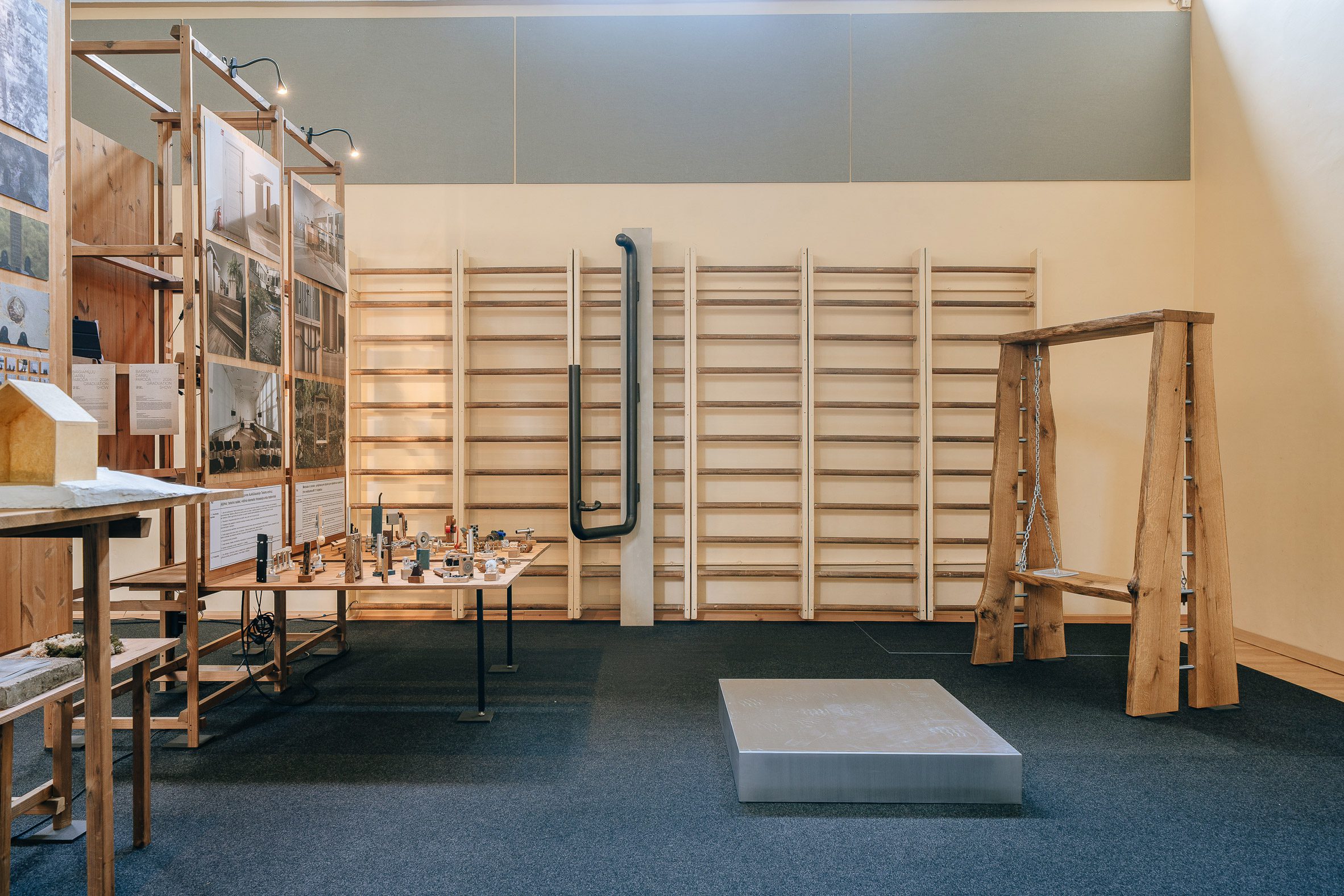
Verdict. Court. Design. by Augustė Tamošiūnaitė
"The Supreme Court of Lithuania in Vilnius is observed, analysed, evaluated and acted upon through design intervention.
"Observation: an in-depth examination of the current condition of the building's spaces, objects and furniture.
"Analysis: the characteristics of the spaces, together with the objects and furniture they contain, are examined to identify those that most accurately represent the court and the judicial processes taking place within it.
"Evaluation: the current design condition is assessed and analysed as an inherited context in order to understand why it has developed in its present form and how it influences future design decisions.
"Implementation: based on the characteristics of the existing design and the material-object environment, the aim is to identify, create and implement a design appropriate for the Supreme Court of Lithuania.
"Project objective: The objective of the project is to investigate, through the design of interior spaces and the handcrafted production of objects, what determines an appropriate and justified design approach for the Supreme Court of Lithuania. The design is grounded in clear and simple criteria."
Student: Augustė Tamošiūnaitė
Course: Interior Design BA Vilnius Faculty
Tutors: Vytautas Gečas
Email: tamosiunaiteauguste[at]gmail.com
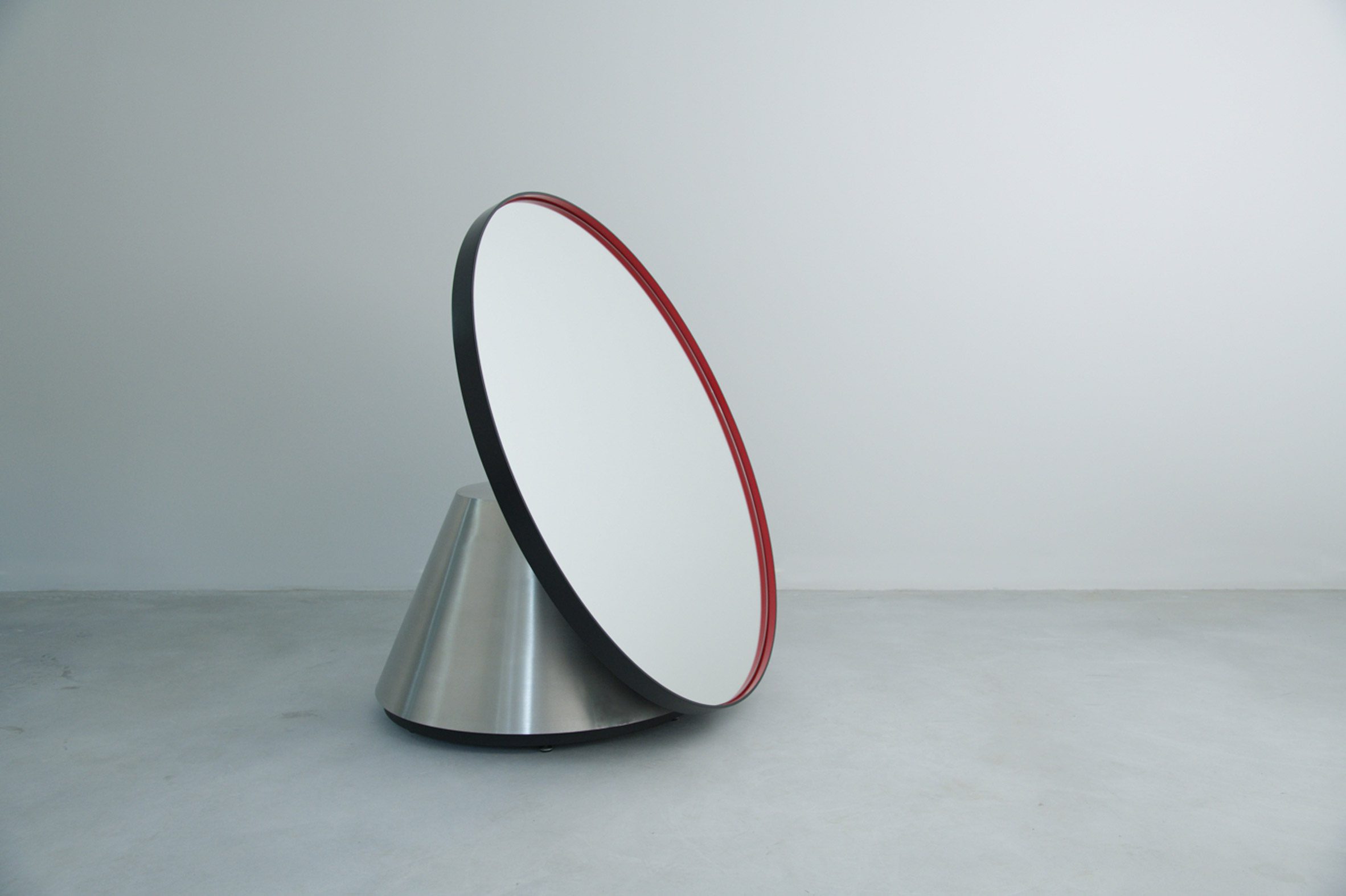
Tango by Aldona Jankauskienė
"Tango is a freestanding mirror with integrated lighting and a rotating function, inspired by the aesthetics and emotional expression of Argentine tango.
"The project explores how movement, body plasticity and the connection between dancers can be transformed into a functional design object.
"The form of the mirror is inspired by the trajectories of tango steps and the dynamics of motion, while the materiality and subtle lighting convey the tension, intimacy and inner reflection characteristic of the dance.
"The object becomes not only a functional piece of furniture, but also an interpretation of emotional experience within a space."
Student: Aldona Jankauskienė
Course: Furniture Design BA Telšiai Faculty
Tutors: Tomas Vaičaitis
Email: aldonageles[at]gmail.com
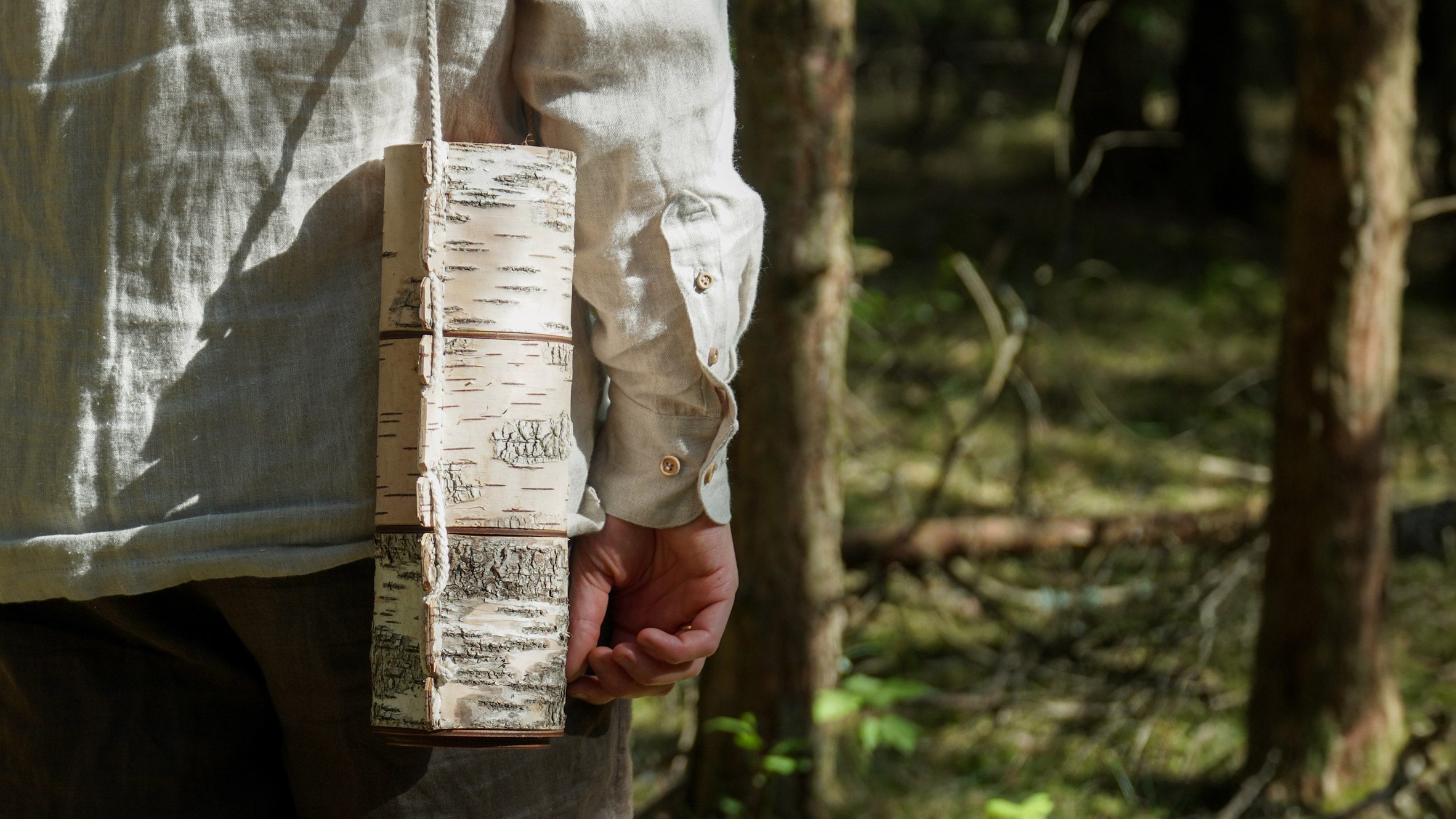
Forest Visitor's Kit "Pamažu" by Tadas Aldakauskas
"Forest Visitor's Kit "Pamažu" is a modular container system designed for gathering and storing forest goods. The project encourages a slower approach to gathering by placing greater value on the experience of being in the forest rather than on the amount collected.
"The system consists of several containers that can be used separately or connected together. Their size and modular arrangement support a more attentive way of gathering, allowing different findings to be collected and explored throughout the walk.
"Made from birch bark, plywood and cotton rope, the project draws on materials closely connected to traditional gathering practices and the forest environment. Birch bark – the primary material – was chosen for its renewable nature, durability and low carbon footprint.
"Designed for use both in the forest and at home, the containers accompany forest goods throughout their journey – from gathering and carrying, to storing and everyday use.
"Pamažu" invites people to slow down, explore the forest and bring part of this experience back into everyday life."
Student: Tadas Aldakauskas
Course: Product Design BA Kaunas Faculty
Tutors: Egidijus Valentinavičius
Email: tadas.aldakauskas[at]gmail.com
Partnership content
This school show is a partnership between Dezeen and Vilnius Academy of Arts. Find out more about Dezeen partnership content here.
Employers, discover more talent like this and post your vacancies on Dezeen Jobs.
The post Forest foraging kit is among projects from Vilnius Academy of Arts appeared first on Dezeen.