















Error 404: Architectural Memory in the Age of Algorithms

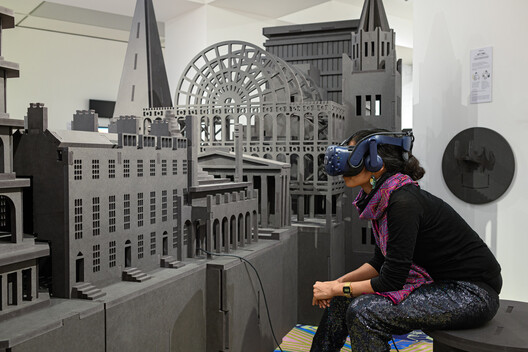
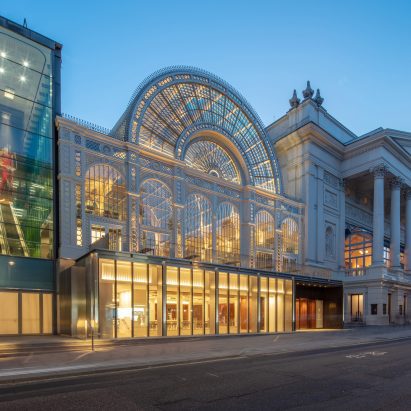
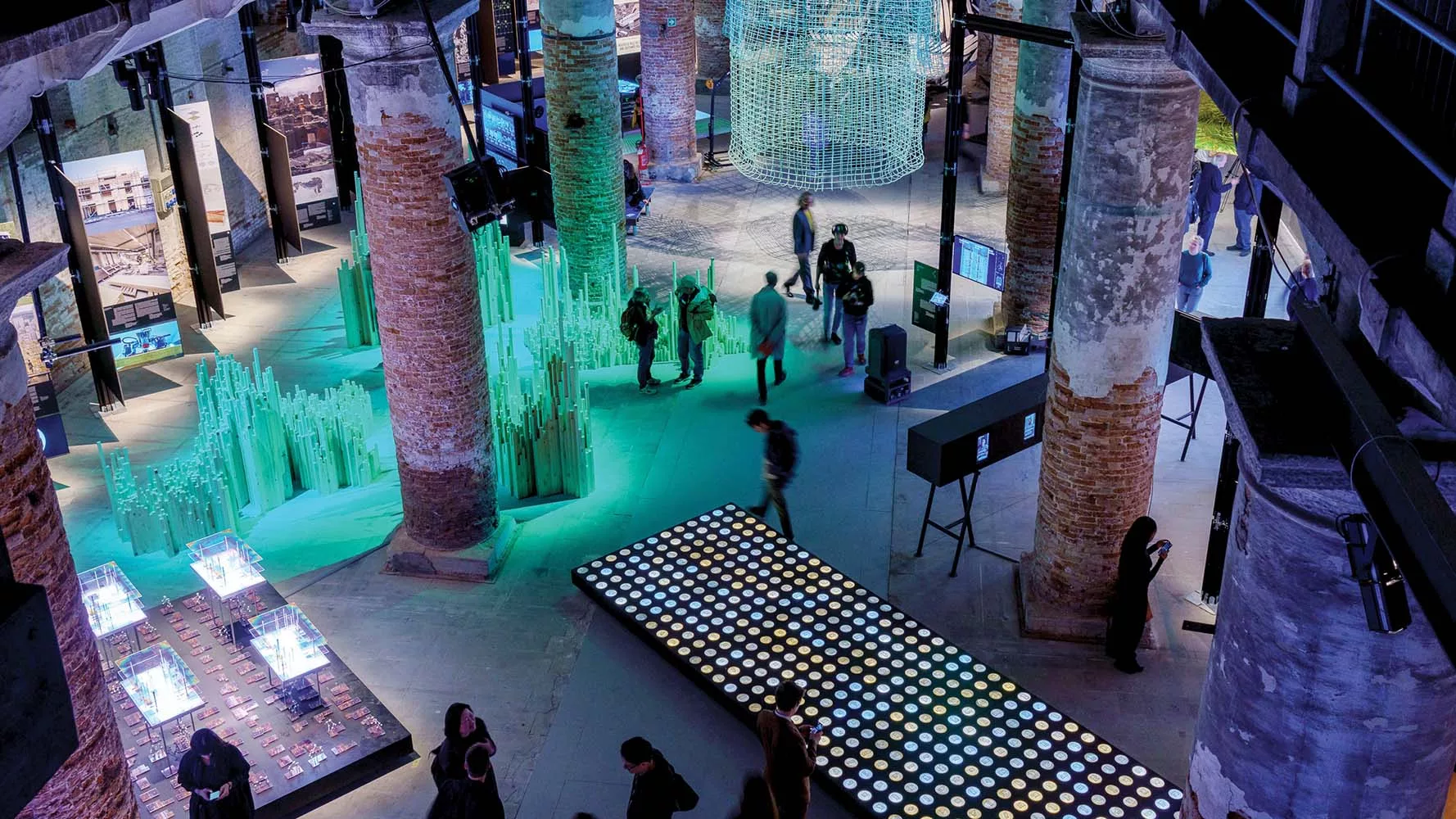
 Freestyle by Space Popular at RIBA Architecture Gallery. Image © Francis Ware
Before the digital turn, architecture's memory was largely tangible. It lived in the weight of drawings, the patina of models, and the thickness of books. To preserve architecture meant to preserve its traces, the documents, sketches, and photographs through which buildings could be remembered long after their material form had changed or disappeared. The modern architectural archive, as it developed in the 20th century, was both a refuge and a device of legitimacy. Institutions such as the Canadian Centre for Architecture, Casa da Arquitectura, or the Deutsches Architekturmuseum were built upon the conviction that to preserve architecture was to preserve its documents.
However, these archives didn't merely store knowledge. They determined what counted as architecture, who belonged to its canon, and how history would be told. To archive is to edit the past — to decide what enters, what is omitted, and how it will be interpreted. The archive, as theorised by Michel Foucault and later by Jacques Derrida, is never neutral; it is an instrument of power, a space that selects and excludes. In architecture, these dynamics are especially evident as they record the visible while silencing what falls outside their categories. The act of collecting has always been, implicitly, an act of judgment.