





















Cultural Heritage Sites in the Middle East Damaged as War Strikes Historic Urban Areas

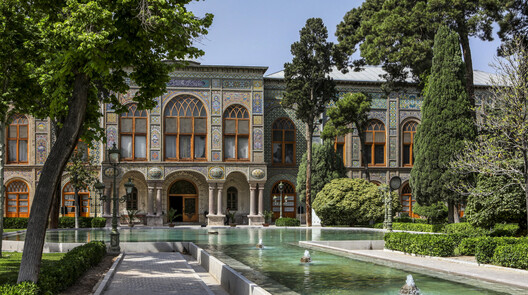
 Golestan Palace in Tehran, 2012. Image © Ninara from Helsinki, Finland via Wikimedia Commons, licensed under the CC BY 2.0 generic license
On February 28th, 2026, the news of the loss of human lives, the operational pattern of military strikes, damage to infrastructure, communication disruptions, and international responses following US-Israeli military attacks on Iran confirmed to the world that there was a new focus of war in the Middle East. This military conflict has also had a human and infrastructural impact on Lebanon, Syria, Iraq, and Jordan, with active combat zones in their territories, and the Gulf States, where damage particularly affected US military bases and energy infrastructure. This adds a new site of armed conflict globally, joining the fifth year of the Russia-Ukraine war, the civil wars in Sudan and Myanmar, persistent conflict in Mali, Burkina Faso, and the Democratic Republic of the Congo, violent armed conflict in Haiti, and the forced overthrow of the former Venezuelan president. All these territories are currently involved in the deliberate destruction of their normality, including essential, everyday, and cultural infrastructure of global value. Although information is currently scattered and partial, it is possible to assess some of the damage to cultural heritage caused by this new outbreak of armed conflict.