


















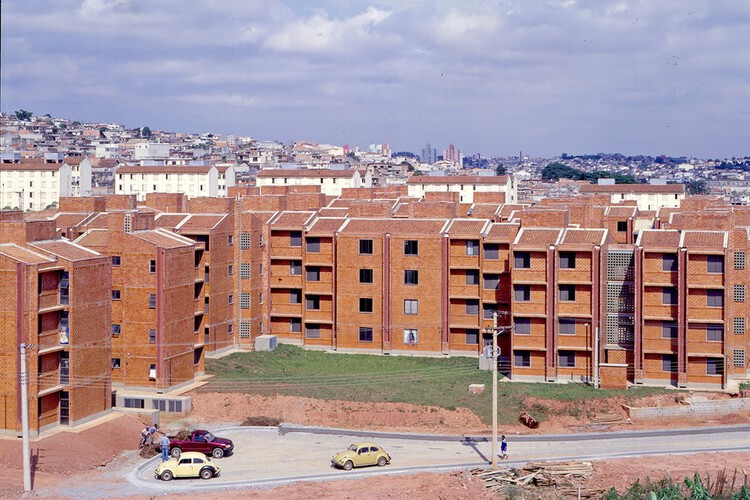
Building as Political Practice: USINA and the Legacy of Collective Construction in Brazil

Filippo Brunelleschi and the dome of Santa Maria del Fiore, completed in 1436 in the Italian city of Florence, represent an important chapter in the history of architecture, often associated with the growing distance between drawing and building. This separation, gradually consolidated over time, finds a decisive turning point in the Renaissance. Drawing becomes an instrument for anticipating and asserting authority over construction. The building site, once a space for invention and decision-making, came to be understood primarily as a place of execution.