


















Beyond Emergency Shelters: Modular and Vernacular Architecture in Post-Earthquake Reconstruction

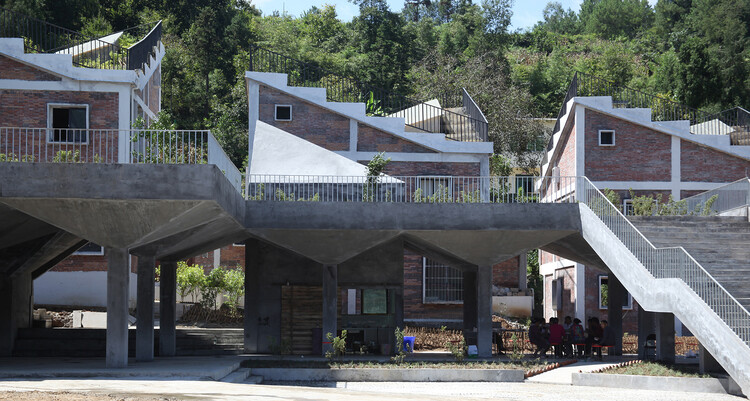
On June 24, 2026, a severe seismic event consisting of two major earthquakes with magnitudes of 7.2 and 7.5 struck north-central Venezuela just 39 seconds apart. The widespread destruction was concentrated along the country's northern coast, heavily impacting the capital city of Caracas and the neighboring state of La Guaira, where fragile urban infrastructure and vulnerable housing stock led to the collapse or severe damage of thousands of residential structures. This disaster mirrors previous devastating events observed during other major seismic events, including the 2008 Wenchuan earthquake and 2011 landslides in Sichuan, the 2014 Ludian earthquake in Yunnan, and the 2017 earthquake across central Mexico. When high-magnitude natural disasters damage entire communities, architects have the opportunity to help by proposing post-disaster architecture with strategic recovery models. Rather than relying on generic, standardized emergency shelters, conscious architectural design can deliver low-cost, rapidly deployable residential infrastructure that preserves human dignity through culturally contextual and dignified spaces.


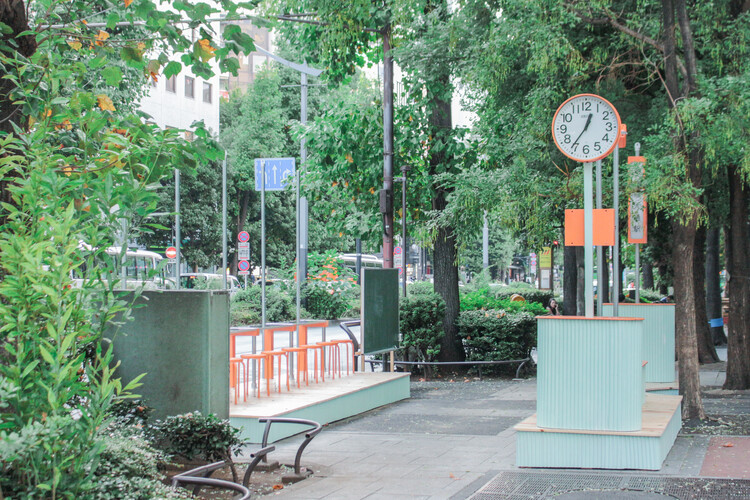
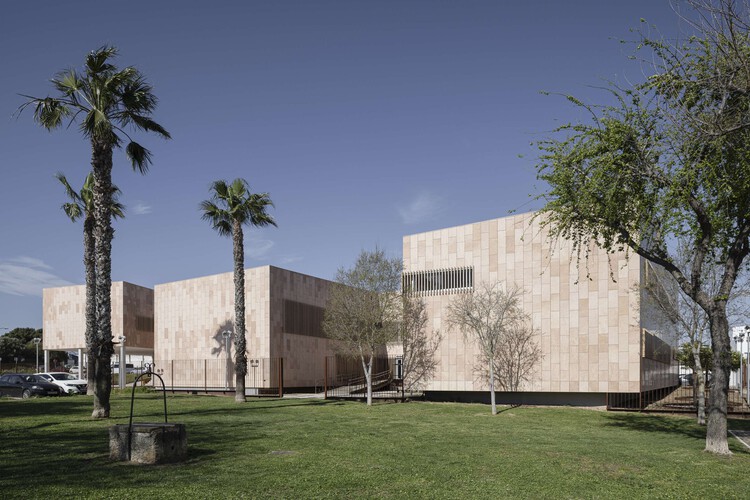
![Bois de Cergy Leisure Centre / PLURIEL[LES] ARCHITECTES](https://images.adsttc.com/media/images/6ad0/fe03/c720/ac12/b4d4/1444/newsletter/bois-de-cergy-leisure-centre-pluriel-les-architectes_2.jpg?1792081424#)