








Visionary Architecture Is Getting Weirder, and That’s a Good Thing
The votes for the 2025 Vision Awards have been counted! Discover this year's cohort of top architectural representations and sign up for the program newsletter for future updates.
For years, visionary architecture tried to predict the future with a straight face. New cities were comprised of tall twisting towers, situated within a breathtaking backdrop and infrastructure projects included flying cars in gravitational pool lanes or underwater traveling. However, in later years, speculative architectural projects were becoming increasingly earnest, looking to resolve contemporary pressures and proposing eco-friendly solutions.
And yet, in the 2025 Vision Awards, a shift has occurred: projects are becoming weirder. Instead of merely imagining a new world, the proposals are interrogating our own, with humor and a delightful exaggeration. Consequently, architecture no longer responds to a “what if” scenario but becomes a form of truth-telling, which, I believe, is not only refreshing but also necessary.
So, without further ado, here are some of the weirdest, most absurd projects we witnessed in this year’s awards and the reasoning behind them.
1. Drawings That Feel Like Dreams (or Sometimes Nightmares)
This speculative architectural drawing reimagines the Rajghat Thermal Power Plant in New Delhi as “The Chamber of Atopian Nomads.” It is a transitory hub for global backpackers that celebrates the wonders of traveling through India and its contradictions. A series of trusses, beams, lopsided chimneys and scaffolding systems redraw the carcass of the plant, creating an immersive, chaotic drawing. The selected medium – hand drawing – blurs infrastructural logic with experiential spontaneity, exploring possibilities of future urban reuse, while celebrating the openness of architectural representation that strays from polished photorealism.
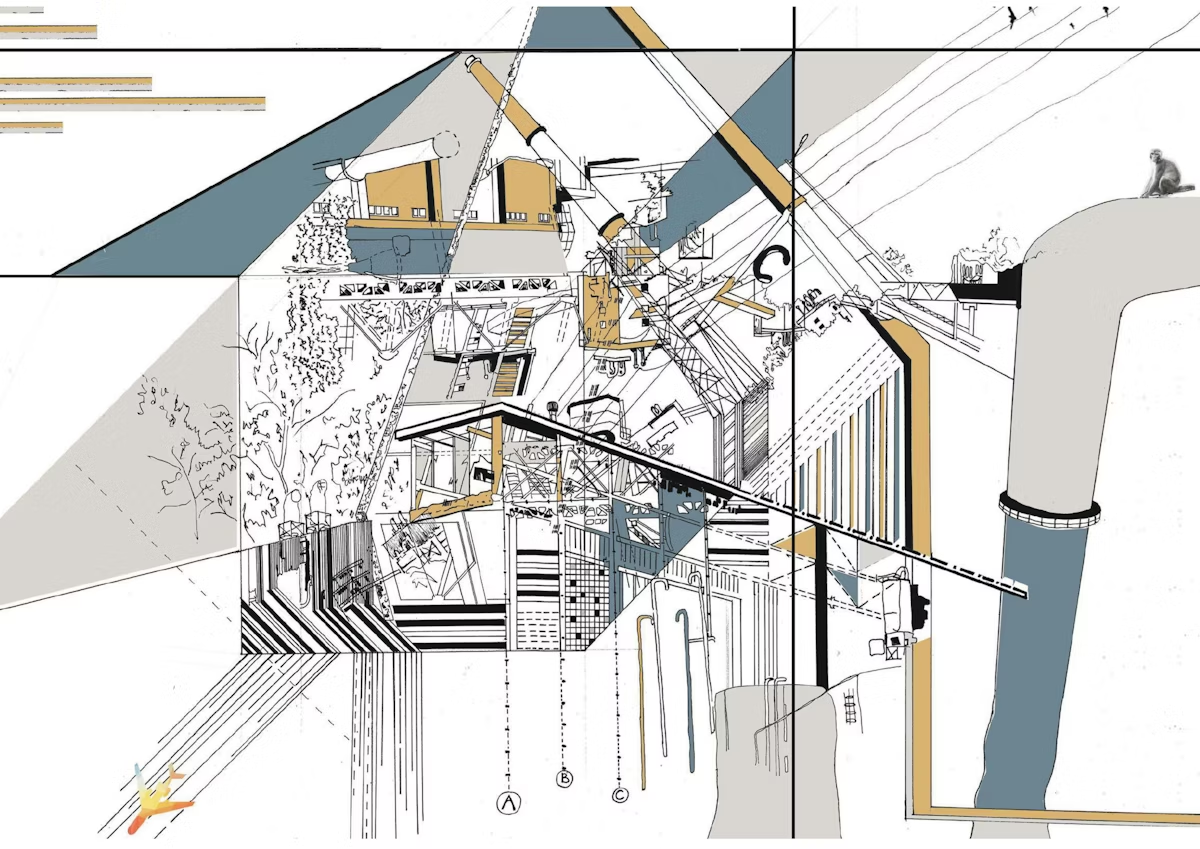
Nomadic Futures: Reclaiming the Industrial Ruin by Maanit Bajaj, 2025 Vision Awards, Finalist, Drawing – Hand
2. Hyper-Specificity as Satire
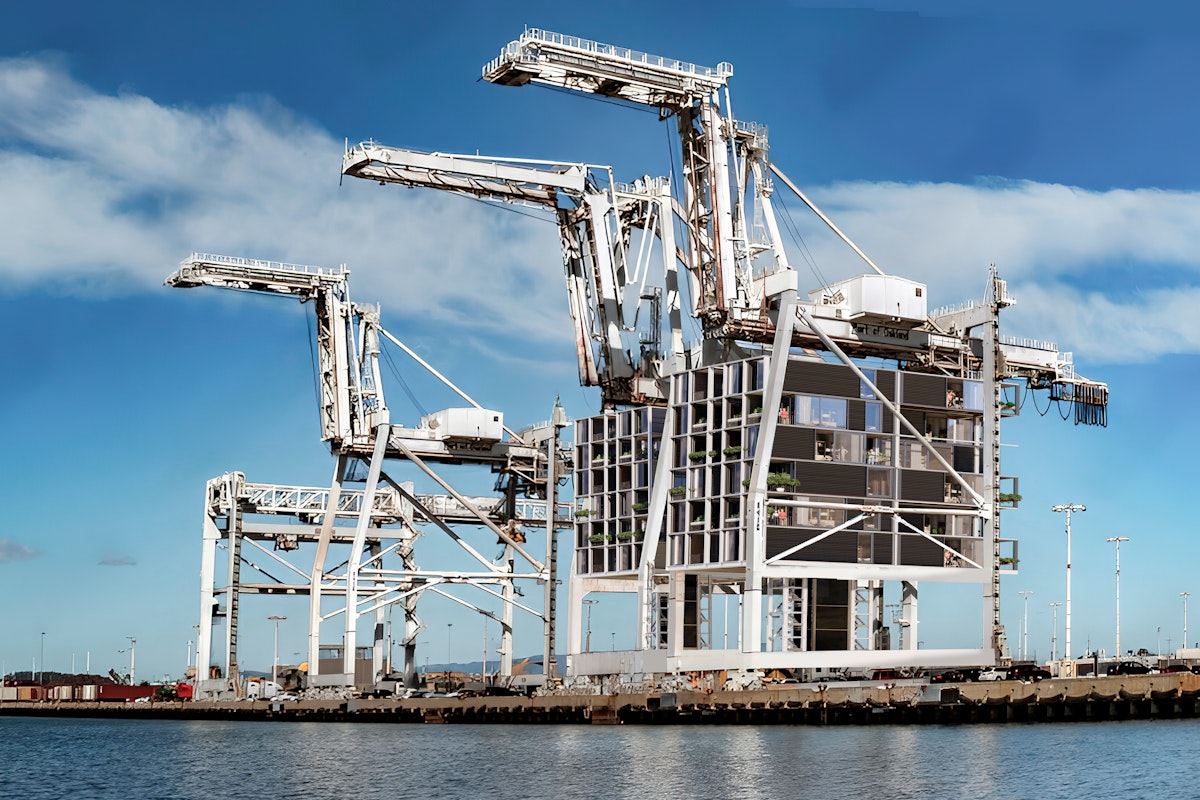
The Sea Port Crane Housing project is situated in West Oakland and addresses the urgent need for affordable housing. Its hyper-realistic representation reveals how underutilized industrial sites and the structures within them can be transformed into affordable live-work housing. Crane-like structures are repurposed, dominating the image and becoming effortlessly integrated into the immediate context. In parallel, they create a grid within which “apartment boxes” are inserted. Ultimately, the project suggests a strategy that preserves existing land resources, reduces carbon emissions and strengthens the areas’ economic fabric.
This feverishly detailed scenario manages to both critique the surreal contortions cities perform to ‘create’ land where plenty already exists, as well as celebrate the strange, adaptive architectures that emerge when we finally take these forgotten structures seriously.
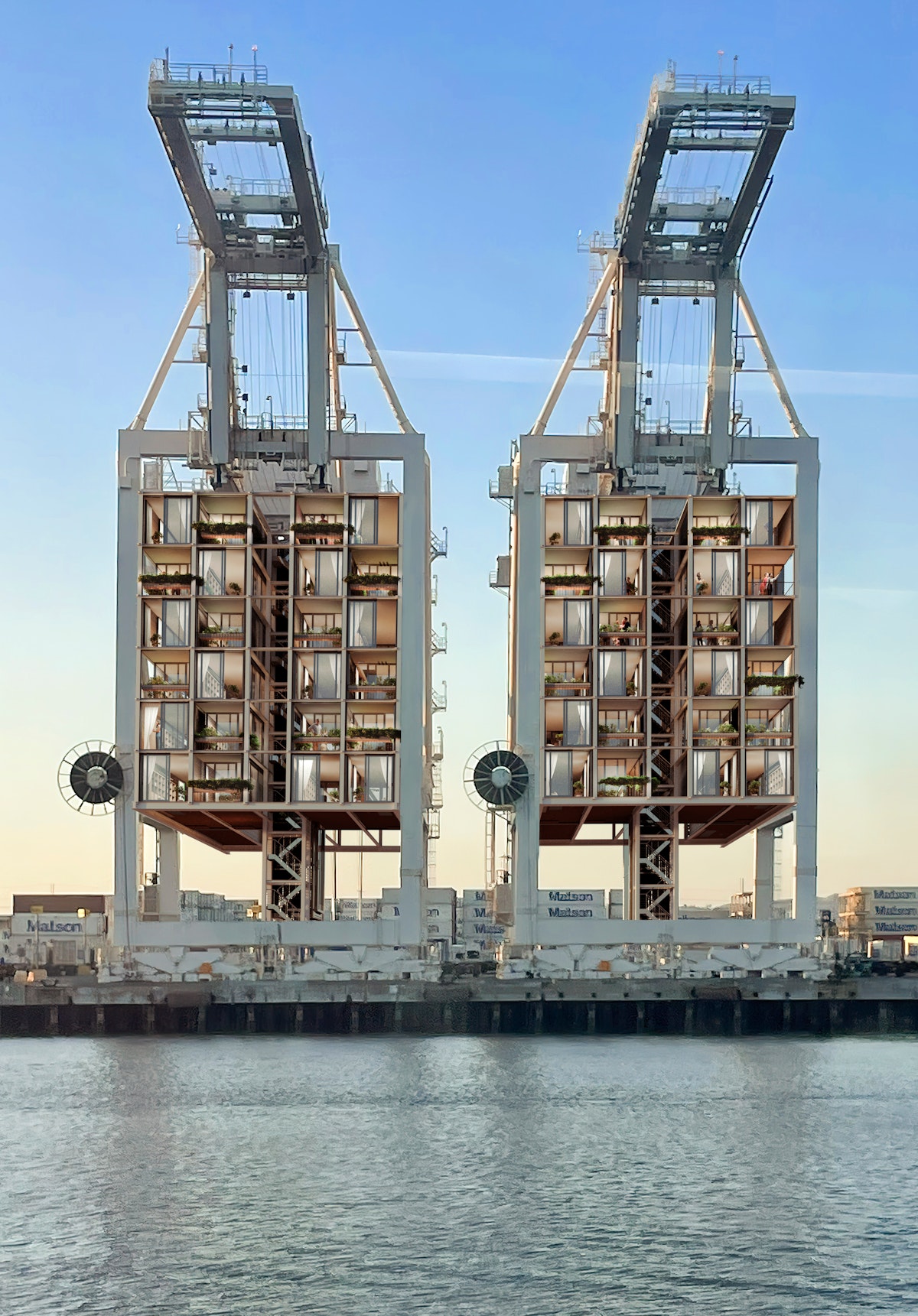
Sea Port Crane Housing by Hafsa Burt, 2025 Vision Awards, Special Mention, Architecture Vision – Housing
3. Infrastructure Absurdism
And of course, what would a weird collection of projects be without a little anthropomorphic infrastructure? The “Echoes of Tradition, Footprints of Progress” project suggests autonomous, mobile modules that are necessary for supply transformation in the region of Limón, after being hit by a devastating flood in 2080. The spider-like mobile is reminiscent of Costa Rican Victorian architecture and moves through banana plantations, preserving the area’s economy, while echoing its cultural identity.
Essentially, the proposal suggests an infrastructure that behaves like performance art, i.e., transit systems that are designed around imaginary rituals or cultural actants instead of commuter logic. Finally, in the case of Limón, the project uses this absurd form to also critique the climate urgencies of flooding, imagining anew a very dysfunctional infrastructure.
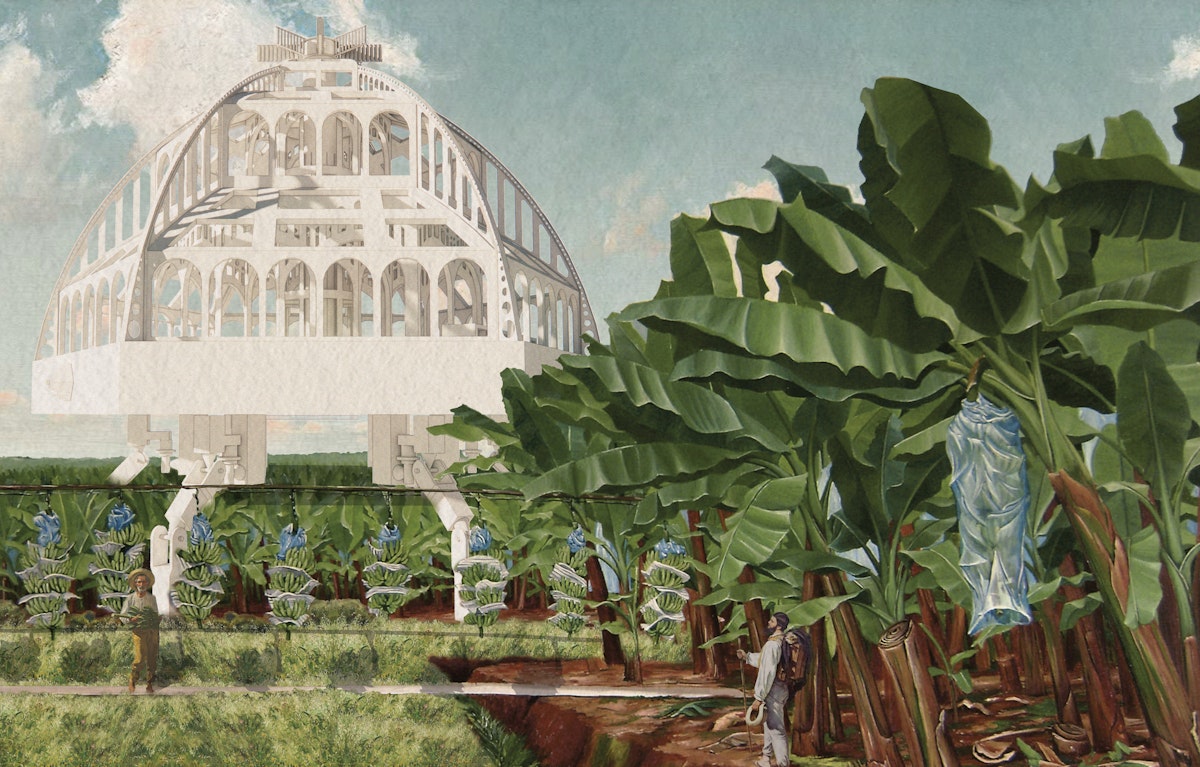
Echoes of Tradition, Footprints of Progress by Jimena Ruiz Sing, 2025 Vision Awards, Editor’s Choice Winner, Rendering – Artistic Rendering
4. The Rise of “Earnest Weirdness”
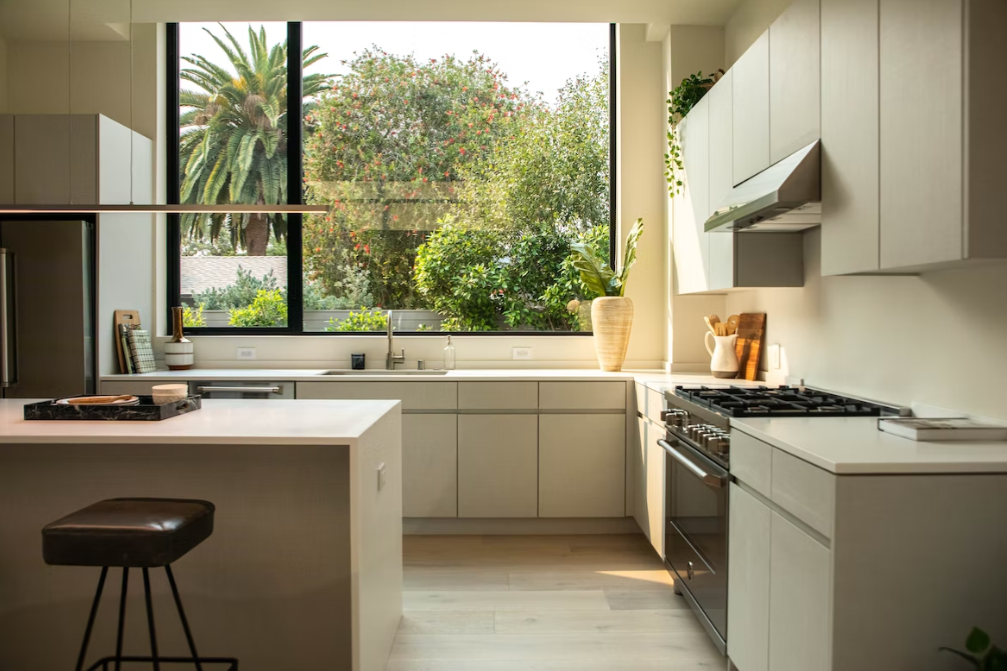
Not all weirdness has to be satirical. The “Everything But [in] The Kitchen Sink” project uses the very familiar and intimate scape of the kitchen sink to discuss ecology and its care. Rather than trying to solve sustainability, the visualization speculates on composting as a design act and the home as a microcosm of convivial care. It invites the audience to consider provocations regarding infrastructures that support acts of mess and meaning, challenging the assumption that sustainability must be seamless, sanitized, or hidden from view.
The project talks about repair, presenting “the home” as a microcosm for convivial care. It tells the story through a very weird and yet very empathetic image that invites us to connect intimate acts of domesticity with broader questions regarding environmental stewardship.
![Everything But [in] The Kitchen Sink - architizer](https://blog.architizer.com/wp-content/uploads/Everything-But-in-The-Kitchen-Sink.png.avif)
Everything But [in] The Kitchen Sink by Eilís Finnegan, 2025 Vision Awards, Jury Winner, Rendering – Artistic Rendering
5. Weirdness as Resistance
A drawing, an image or a render does not have to resolve everything – they can act merely as suggestions. In an era dominated by efficiency metrics and value engineering solutions, perhaps the weirdest proposals hold the key to the most radical breakthroughs. The “Pragmatic in contrast to non-pragmatic” is a project communicated via a concept sketch for the ecologically sustainable timber hybrid building SXB – the headquarters of the energy company Vattenfall in Berlin. The sketch is reminiscent of surreal works of art, twisting and turning, depicting a hard exterior shell that protects the interior living ecosystem from harsh weather conditions. The sketch resists certainty and optimization. It is a weird composition that leaves room for play and speculation – promoting a cultural practice that favors exaggeration over precision.

Pragmatic in contrast to non-pragmatic by Sergei Tchoban, 2025 Vision Awards, Editor’s Choice Winner, Drawing – Sketch
Ultimately, these projects (and strategies) are proof that visionary architecture is not a rehearsal for some ideal future, but a medium through which architects can explore and, above all, unsettle the present. The weirdness is not just for show – it is a mode of inquiry and an opportunity to let imagination lead the way.
The votes for the 2025 Vision Awards have been counted! Discover this year's cohort of top architectural representations and sign up for the program newsletter for future updates.
Featured Image: Sea Port Crane Housing by Hafsa Burt, 2025 Vision Awards, Special Mention, Architecture Vision – Housing
The post Visionary Architecture Is Getting Weirder, and That’s a Good Thing appeared first on Journal.