







Too Bold To Build? 6 Visionary Concepts Pushing the Limits of Architecture
The votes for the 2025 Vision Awards have been counted! Discover this year's cohort of top architectural representations and sign up for the program newsletter for future updates.
Conceptual architecture lives in a rare kind of freedom. It is where ideas can take shape before they are judged by budgets or building codes. While some visions aim far into the future (too bold to build in any literal sense), others stay close to the world we know, offering glimpses of projects that could evolve into real places with time, care and the right circumstances. But both sides matter.
The speculative work expands our sense of possibility, while the more buildable ideas reveal how the discipline might change in the near term. Together, they show how imagination, tools and curiosity let architecture grow in directions that day-to-day practice rarely allows.
Architizer’s Vision Awards honor this spectrum of thinking. This collection highlights six concepts from the 2025 program that capture the full range of what can happen when architects are free to explore without limitation.
Freeway_Carpools
By Greg Tate
Jury Winner, AI-Assisted Rendering, 2025 Vision Awards
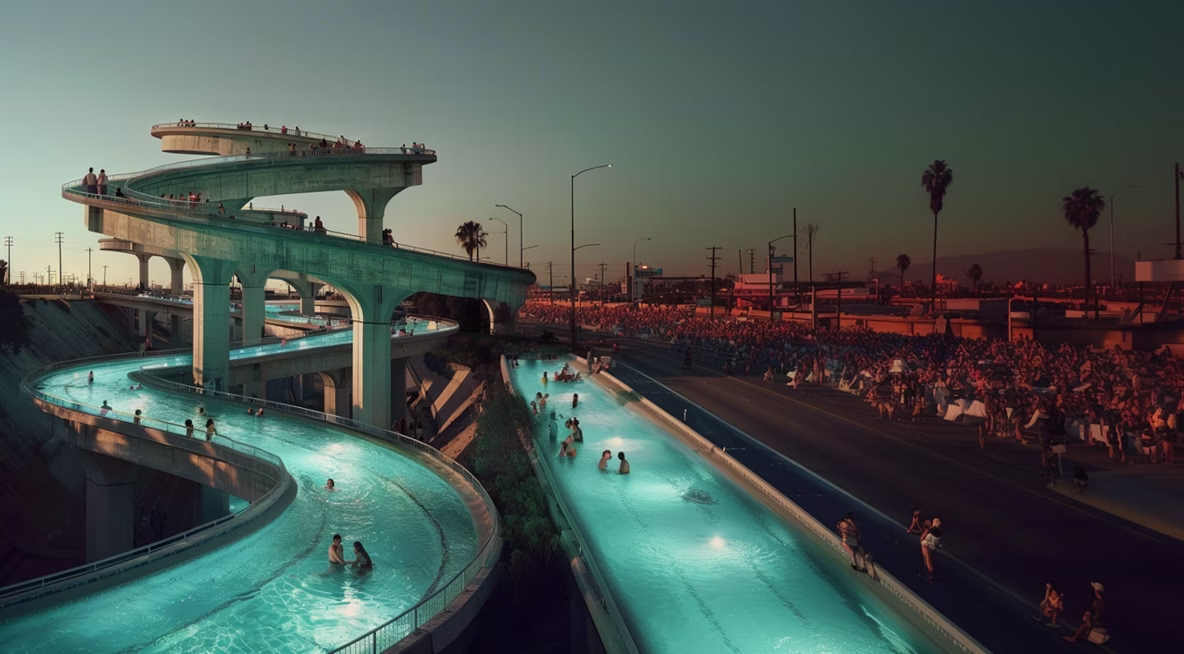 This conceptual visualization explores what the Los Angeles freeway system might look like with an entirely new layer placed above the traffic. The rendering turns the carpool lane into an elevated channel of still water, creating an unexpected counterpart to the movement below. Cars continue their regular routes while a quiet, reflective surface sits overhead, shifting the experience of the commute.
The concept draws from Reyner Banham’s view of LA as a city defined by its freeways and uses the image to question how these structures shape culture and routine.
Symplasma – Inspired by Glass Sea Sponges
By Henriquez Partners Architects
Editor’s Choice Winner, Vision For Sustainability, 2025 Vision Awards
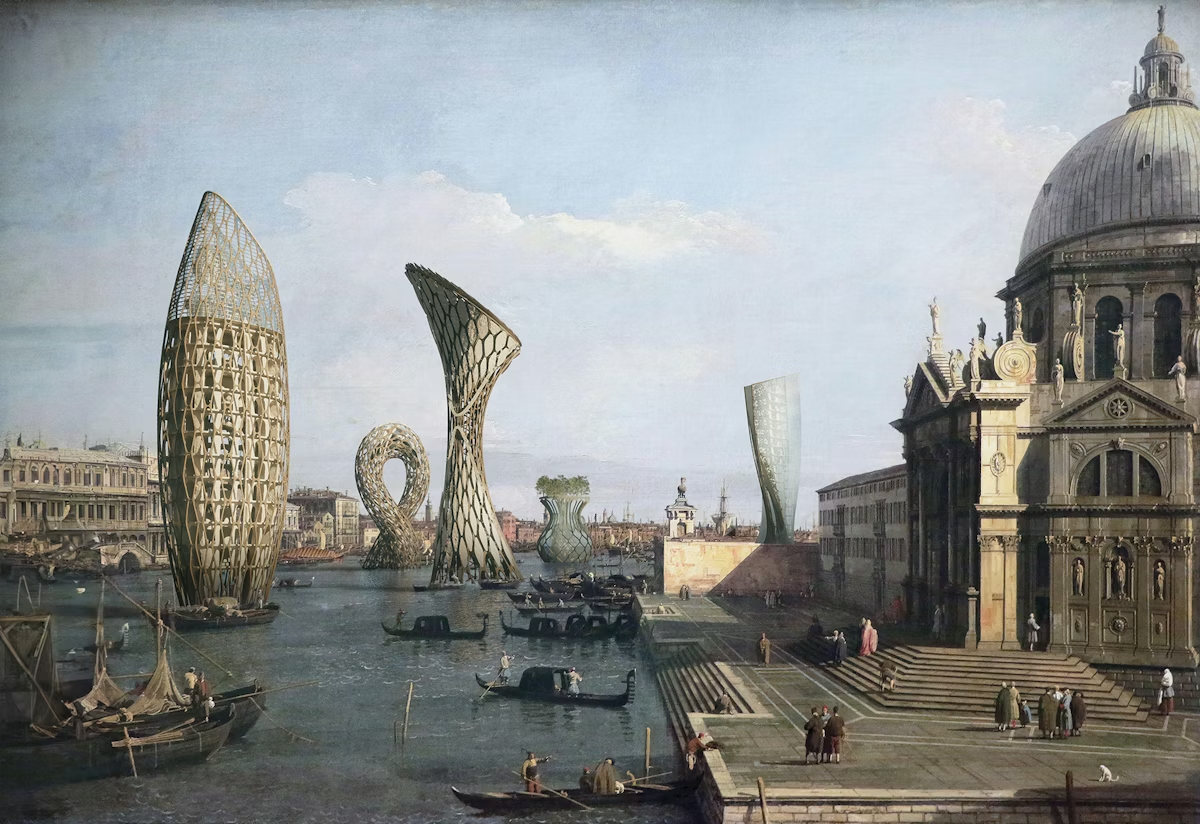
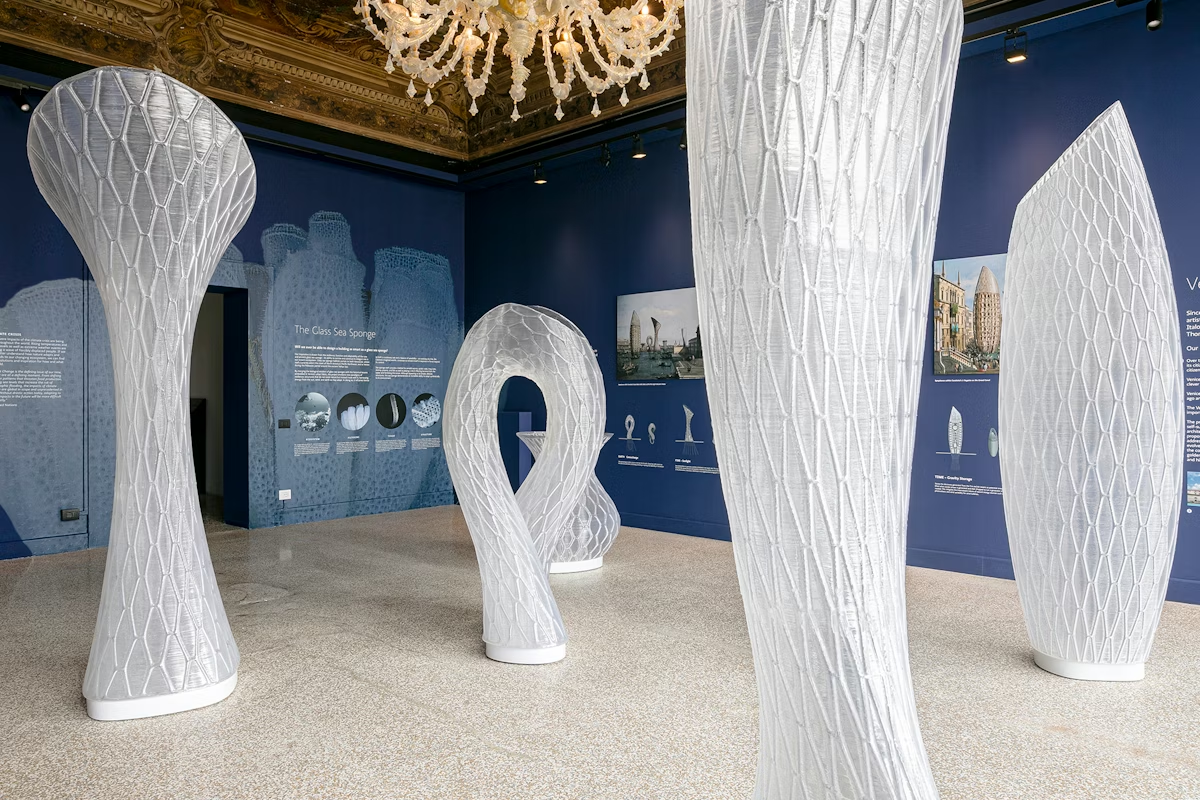
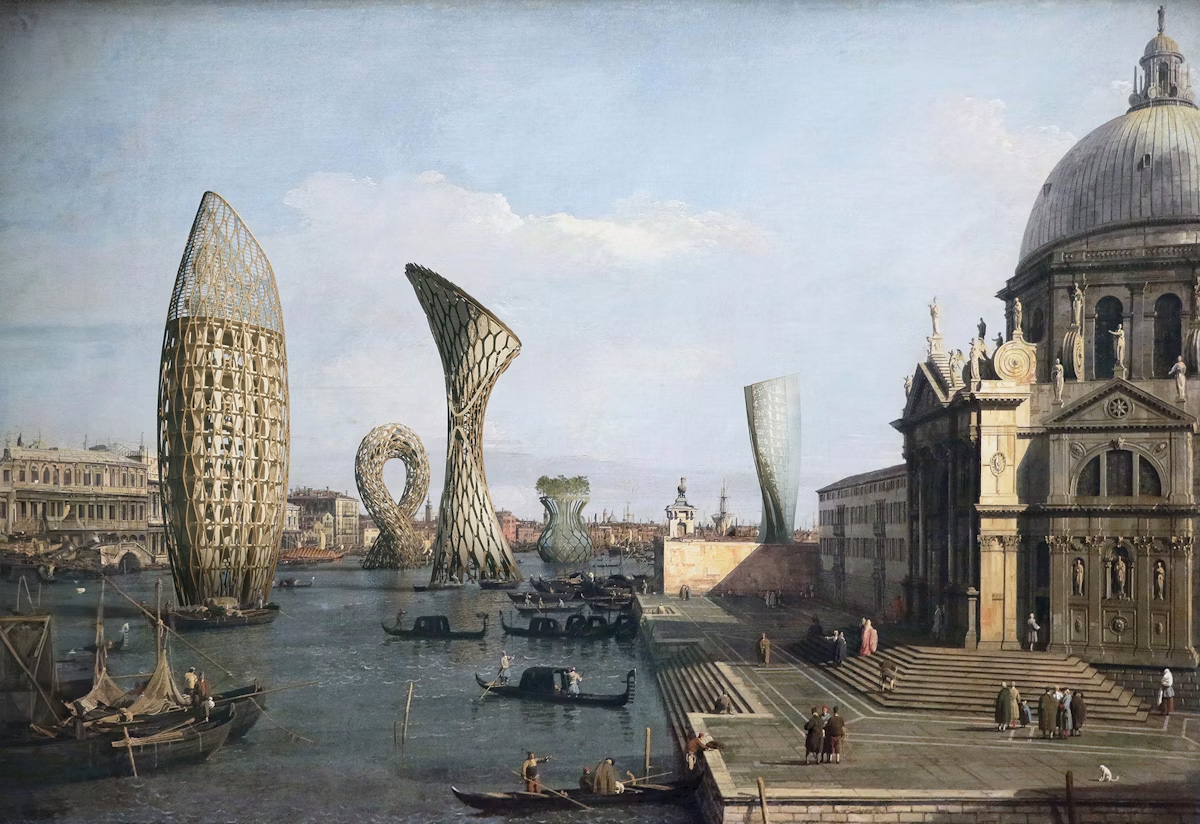
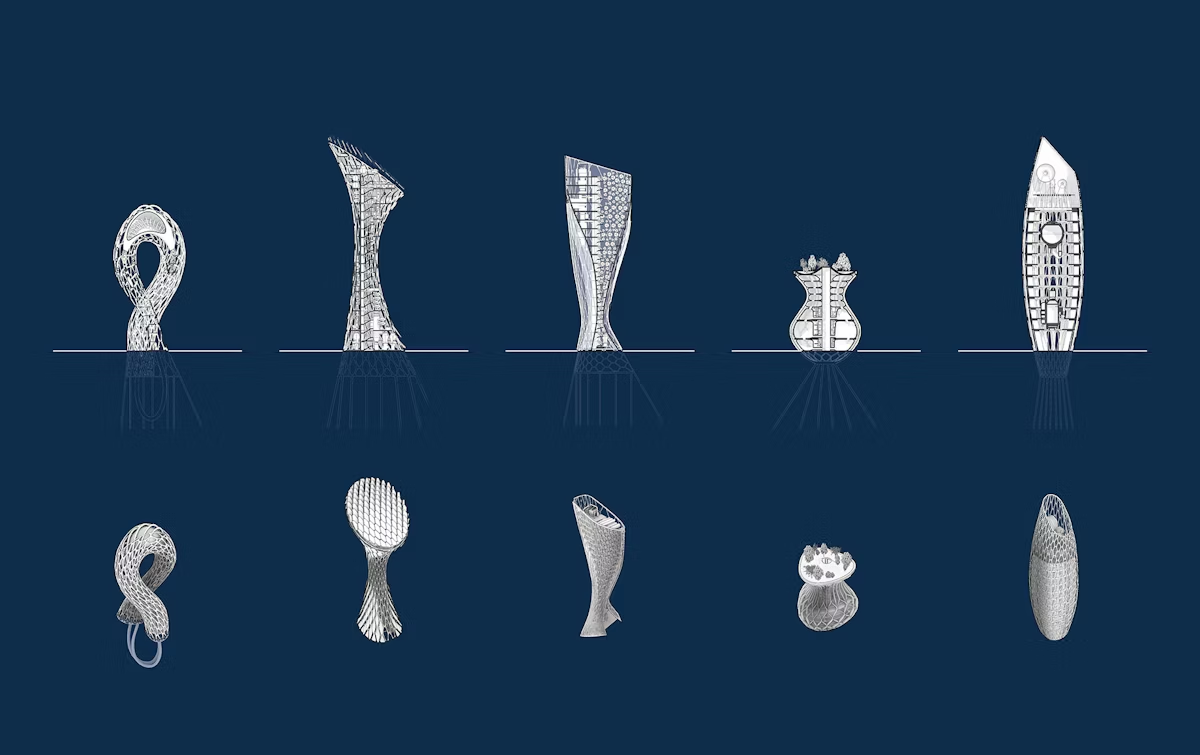 Symplasma begins with an unusual sight: delicate, sponge-like towers rising straight out of Venice’s canals. Their forms take cues from Mediterranean glass sea sponges, whose porous bodies collect and filter resources. Each machine gathers energy from water, wind or sunlight and feeds it back into a self-sufficient system. The project is shown inside Canaletto’s paintings, placing these structures in dialogue with Venice’s historic waterways.
Tall towers and curved vessels appear as part of a future where the city produces its own resources instead of relying on the mainland. Symplasma uses biological intelligence and digital design to explore how Venice might adapt to rising environmental pressure through new infrastructure shaped directly by its waterways.
Al Rabita
By HKS Architects
Jury Winner, Vision For Retail & Hospitality, 2025 Vision Awards
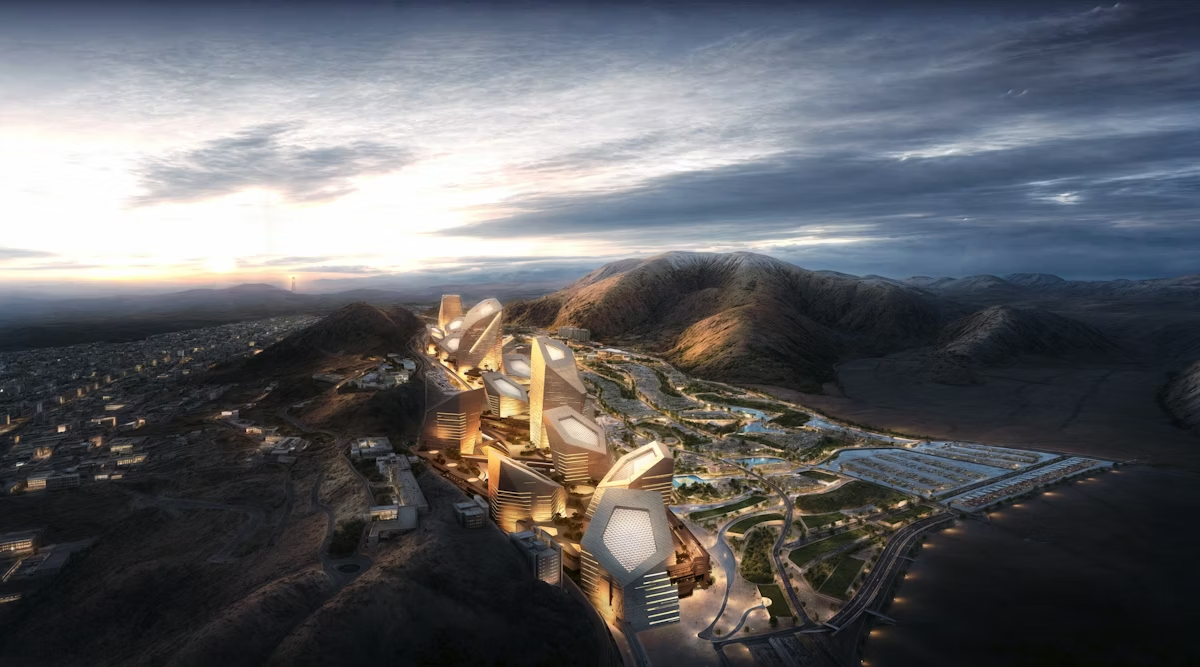
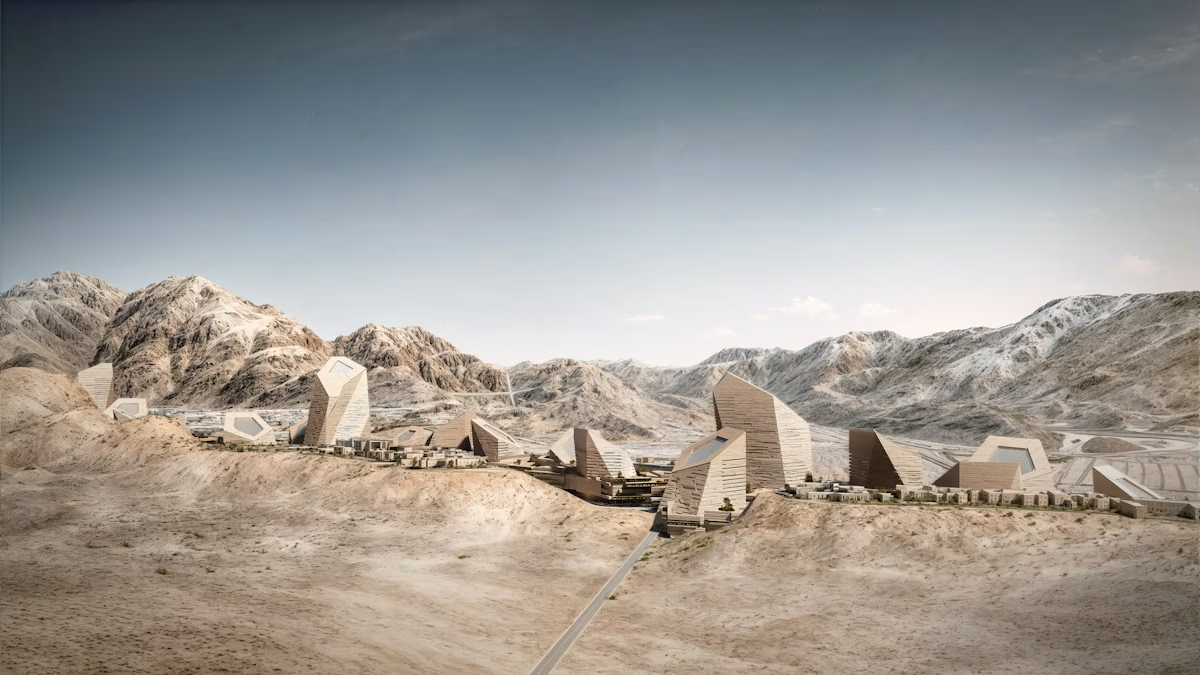
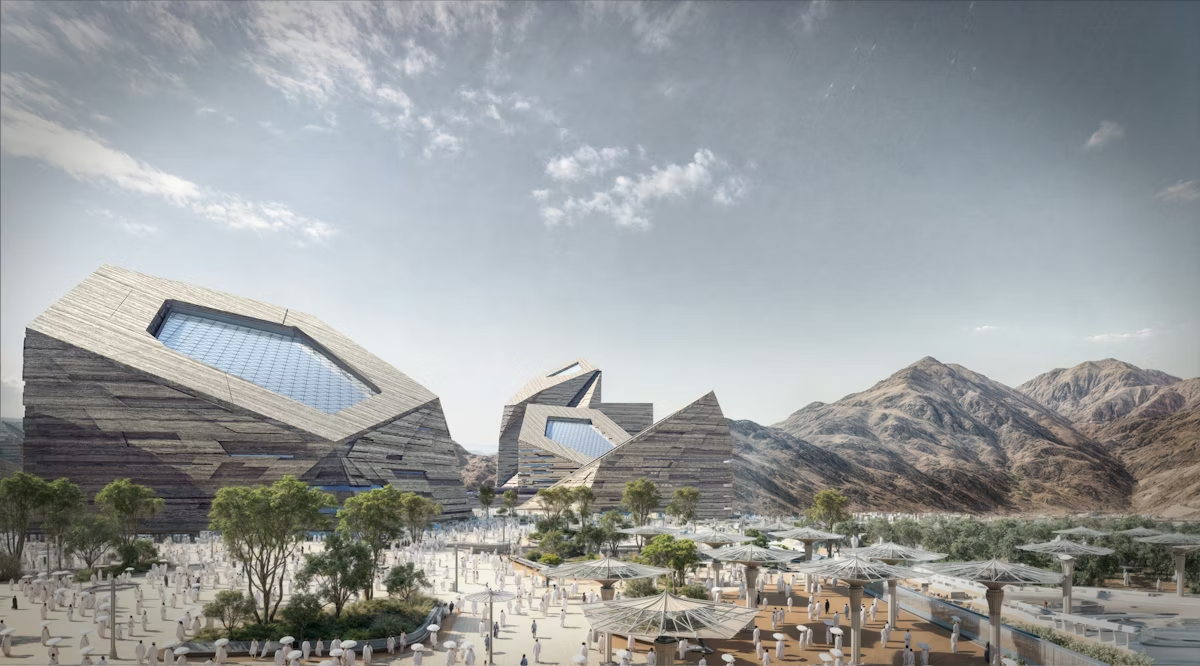 A new vision for Mina’s pilgrimage district, this project explores what a large-scale Hajj environment could look like when movement, clarity and comfort guide the planning. It lays out the valley as a network of prayer halls, gathering areas and circulation routes shaped by the slope and surrounding mountains.
Wide pathways link major ritual points, with shaded spots that let pilgrims pause between long walks. Prayer halls support groups of different sizes while keeping movement steady during peak periods. The buildings use simple forms that echo the terrain and respect Mina’s long religious history. The proposal seeks to support millions of pilgrims while asking how far designers can go when working with a sacred landscape.
KSA MicroLiving Airport, The World’s Smartest Airport
By MC Studios
Finalist, 2025 Vision Awards, Vision For Transport
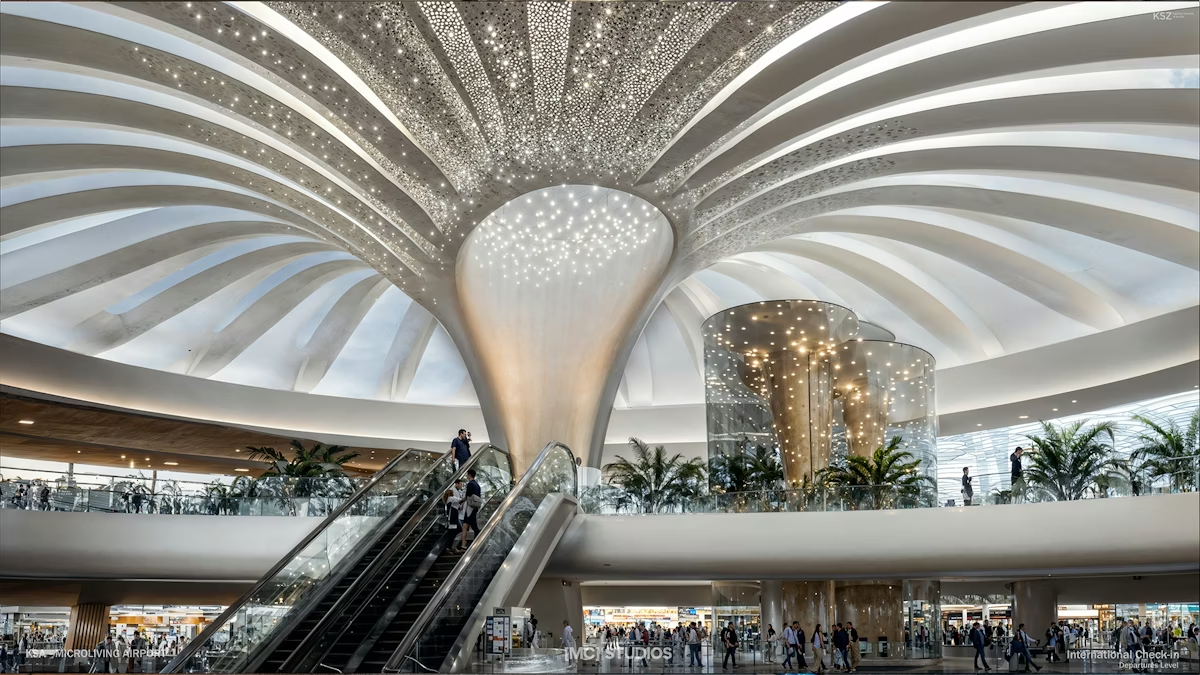
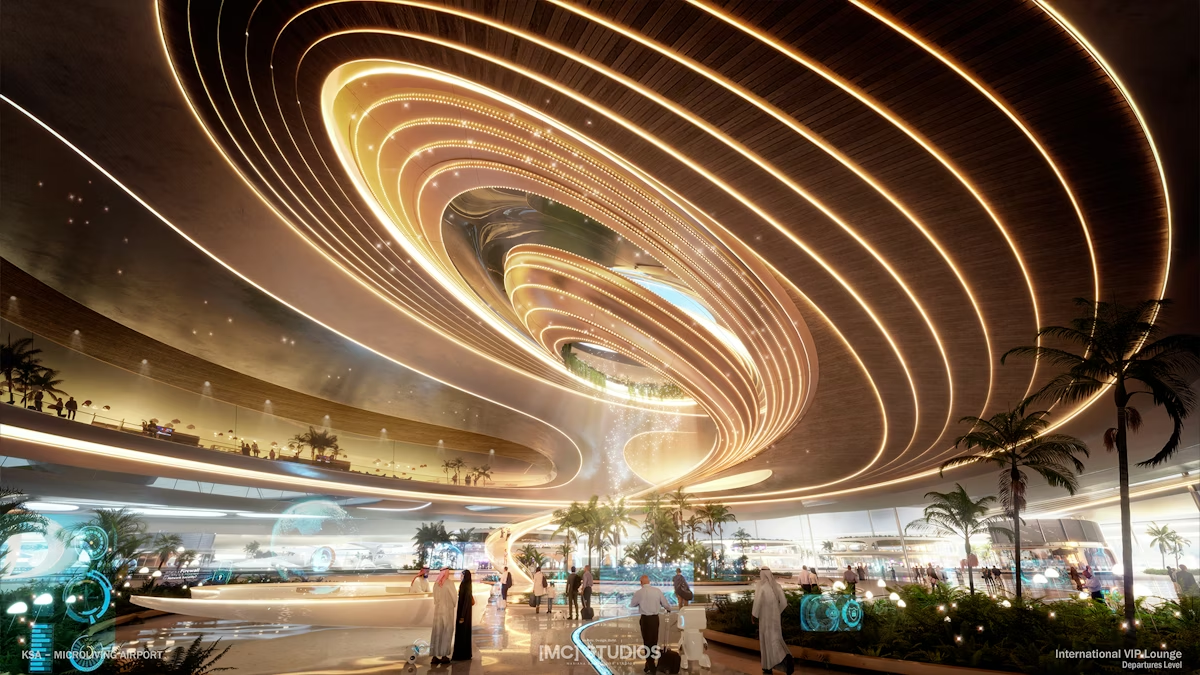 As part of Saudi Arabia’s Vision 2030, MC Studios proposed an airport concept that unites travel, living and digital systems inside one continuous environment. A real-time digital twin reflects everything happening across the terminal, allowing AI to guide passenger movement, baggage routes and aircraft operations. XR tools support navigation and access to services.
The 6 square kilometers (2.3 square miles) terminal includes housing, childcare, workspaces and cultural areas, with four underground satellites connected to the main building. New typologies, including underground villas linked directly to departure gates, shift how passengers rest and prepare for long journeys. Designed with game engines and architectural software, the project explores how large transit spaces could evolve through advanced digital planning.
Bionica – Reimagine Hospital of the Future
By HDR
Finalist, 2025 Vision Awards, Vision For Wellness
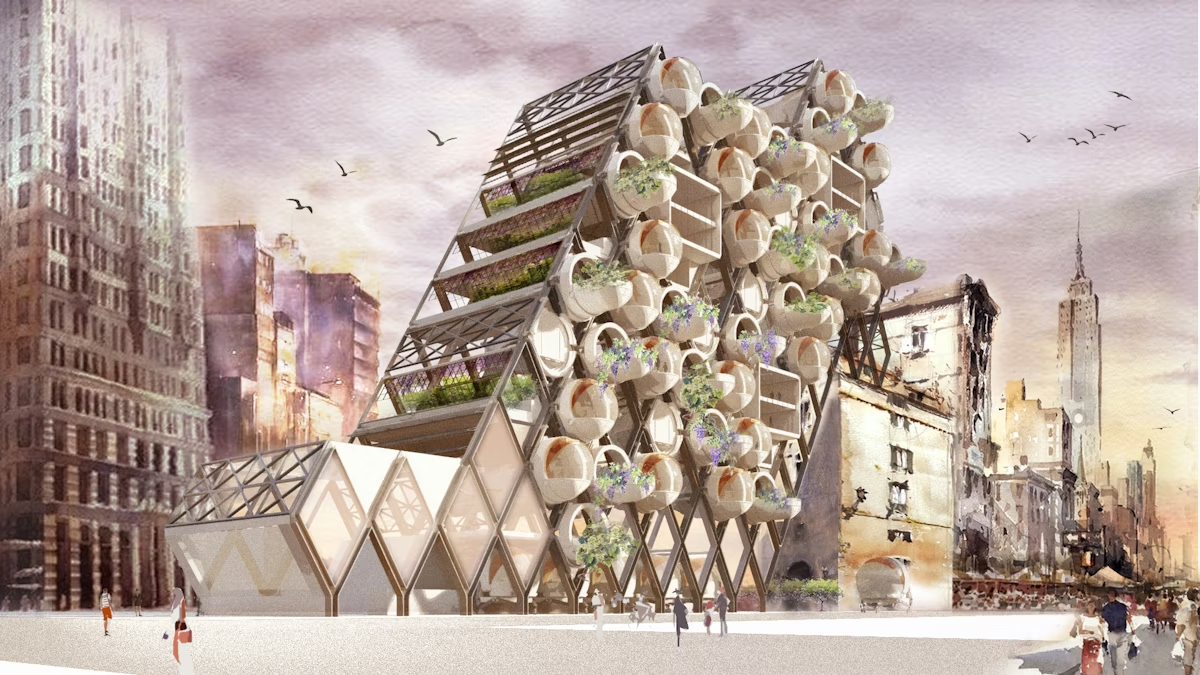
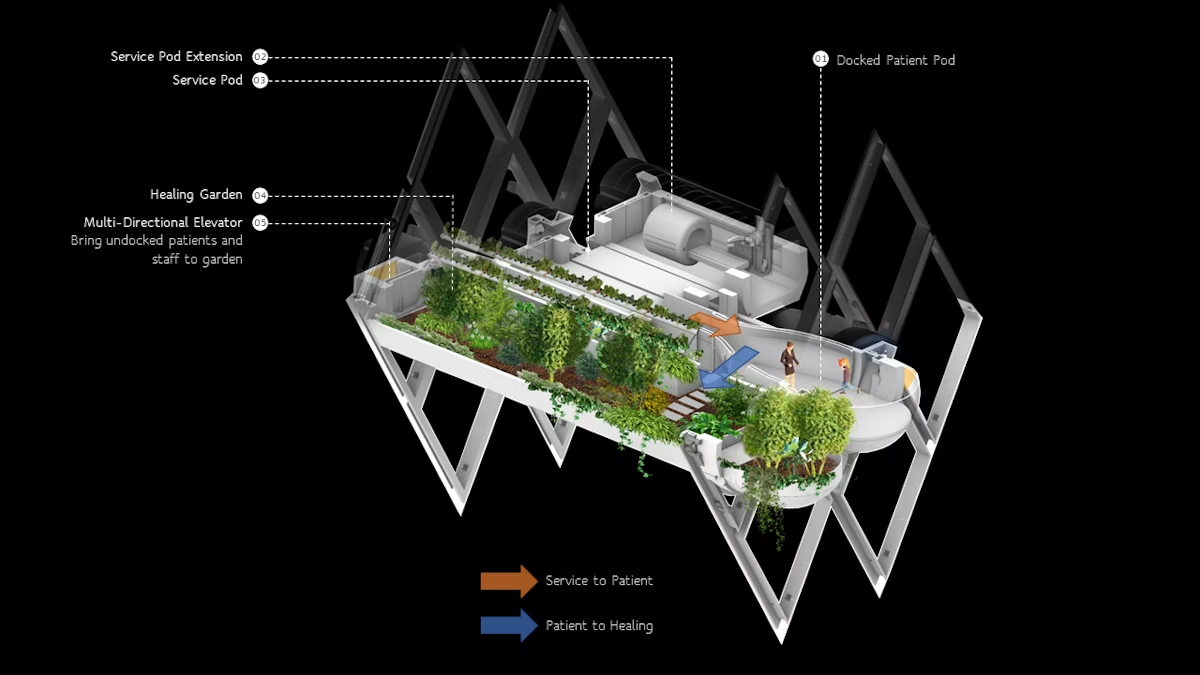
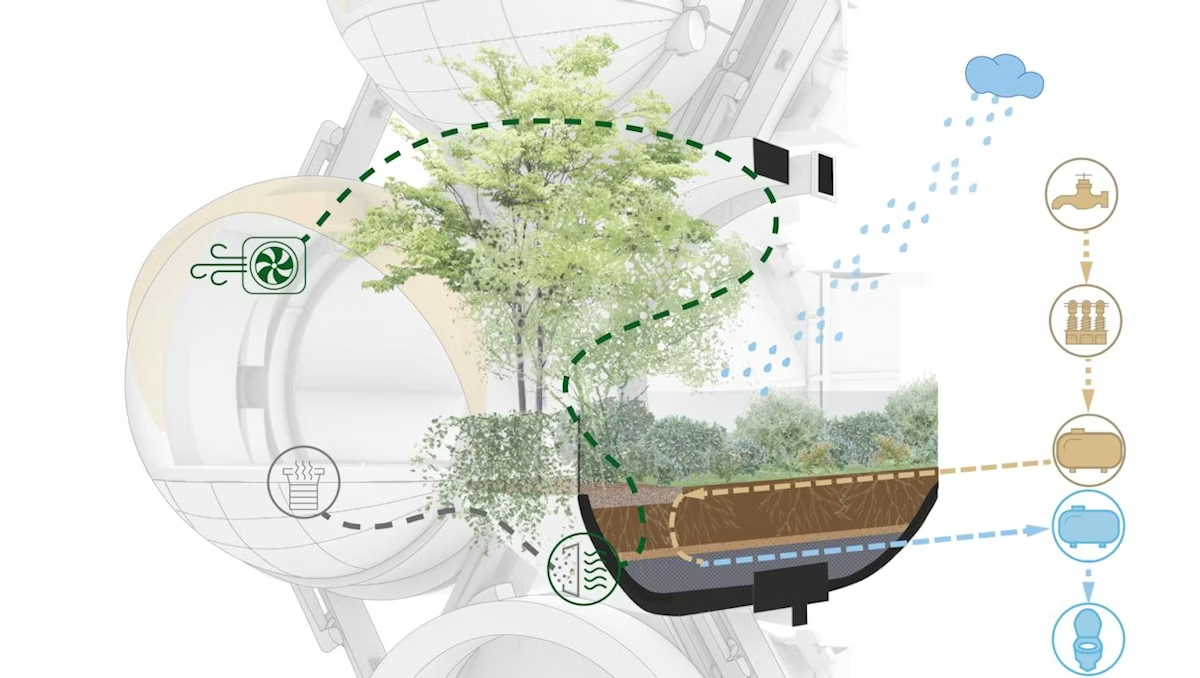 What if hospital care centered on keeping patients in one place while the building itself handled the movement? This project envisions a system where service pods travel directly to the room, each carrying equipment or staff needed for diagnosis or treatment.
The hospital is organized as a series of modular units that detach, relocate and reconnect, allowing the structure to adjust to changing needs or reach other sites such as clinics or emergency zones. This mobility also makes maintenance easier without shutting down major areas. Patients stay in a steady, calm environment while robotics manage back-of-house tasks. The concept explores how healthcare spaces could function when architecture, technology and medical systems are planned as one coordinated framework.
The Icebergs and the Sea
By OPEN Architecture
Finalist, Vision For Culture, 2025 Vision Awards
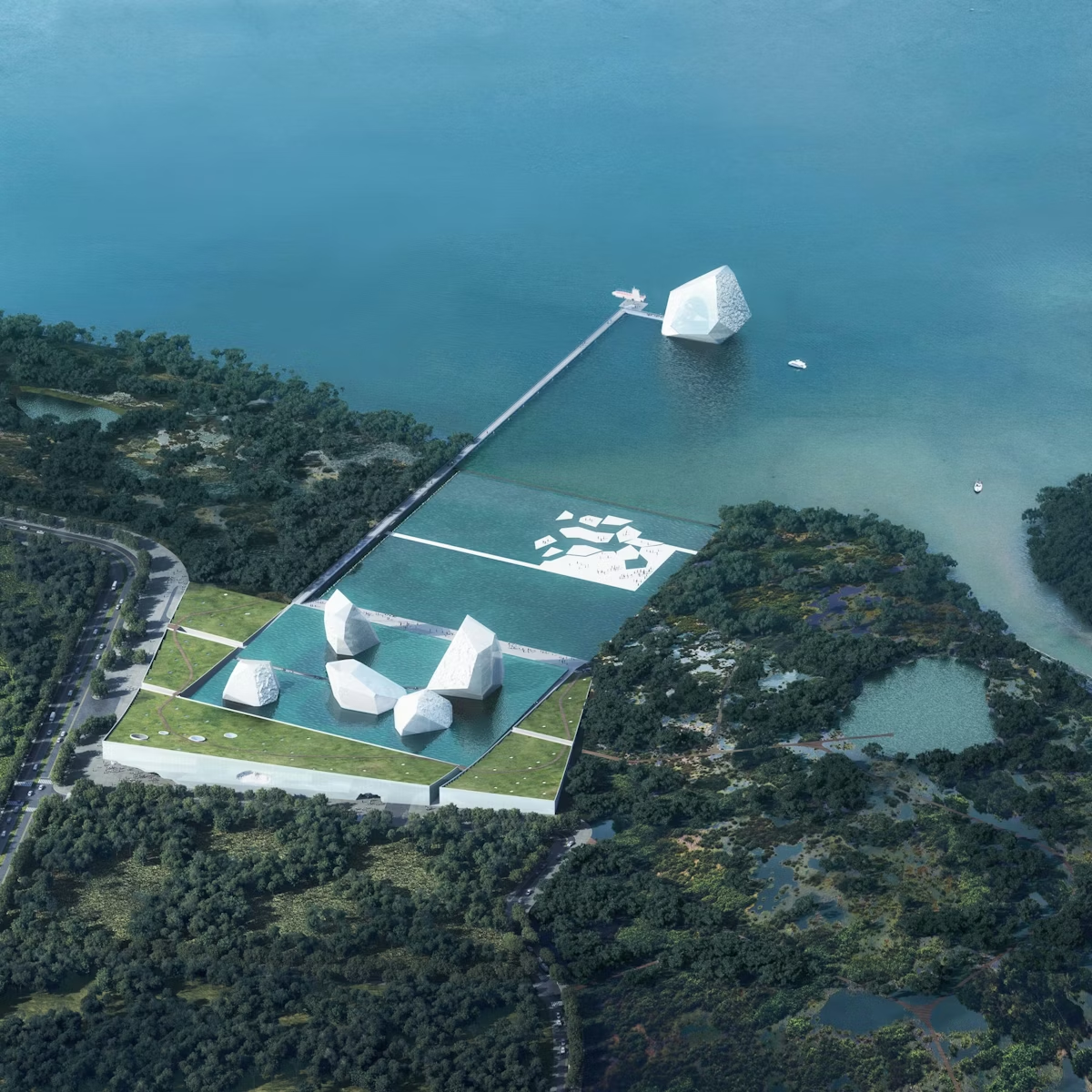
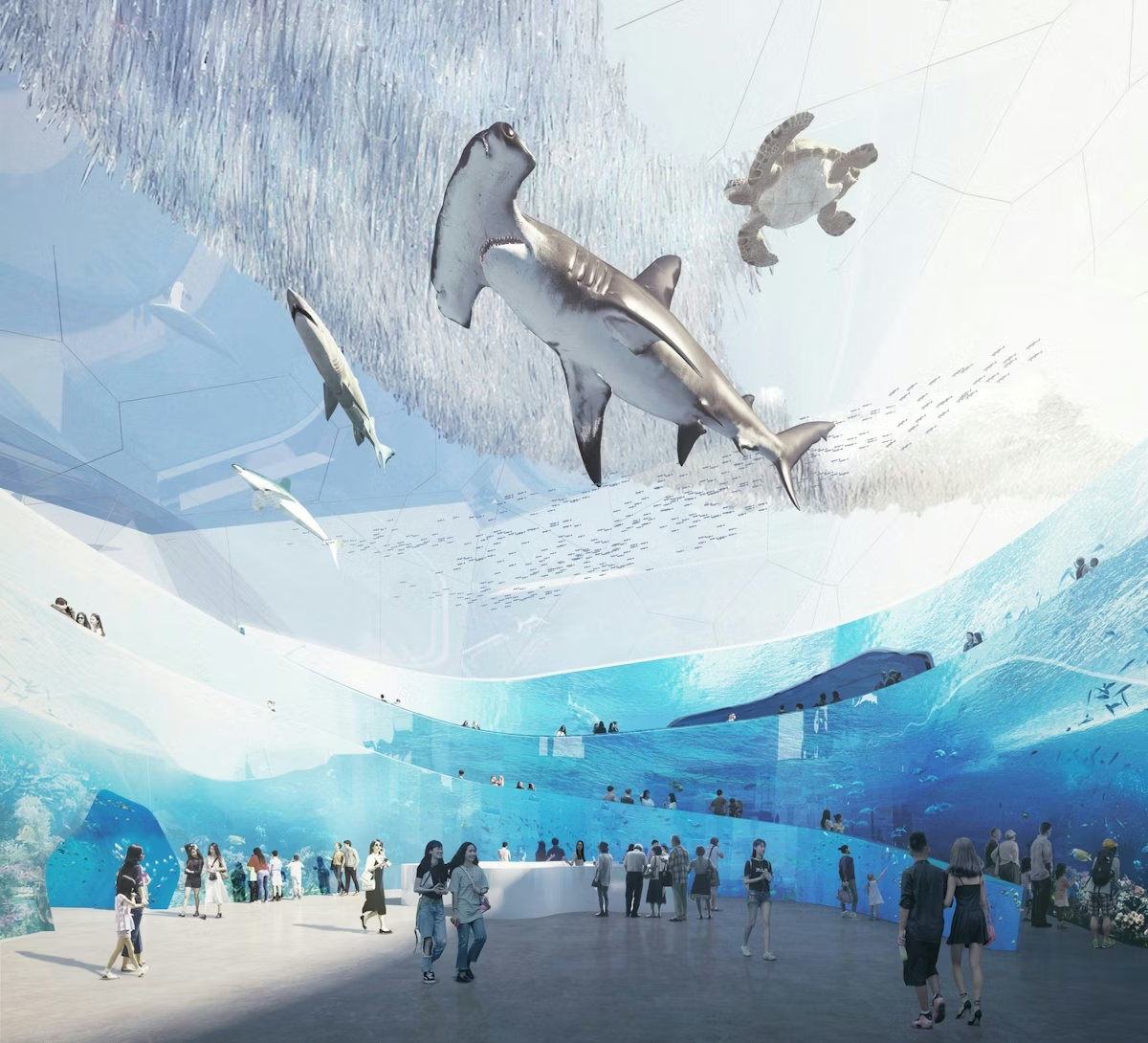
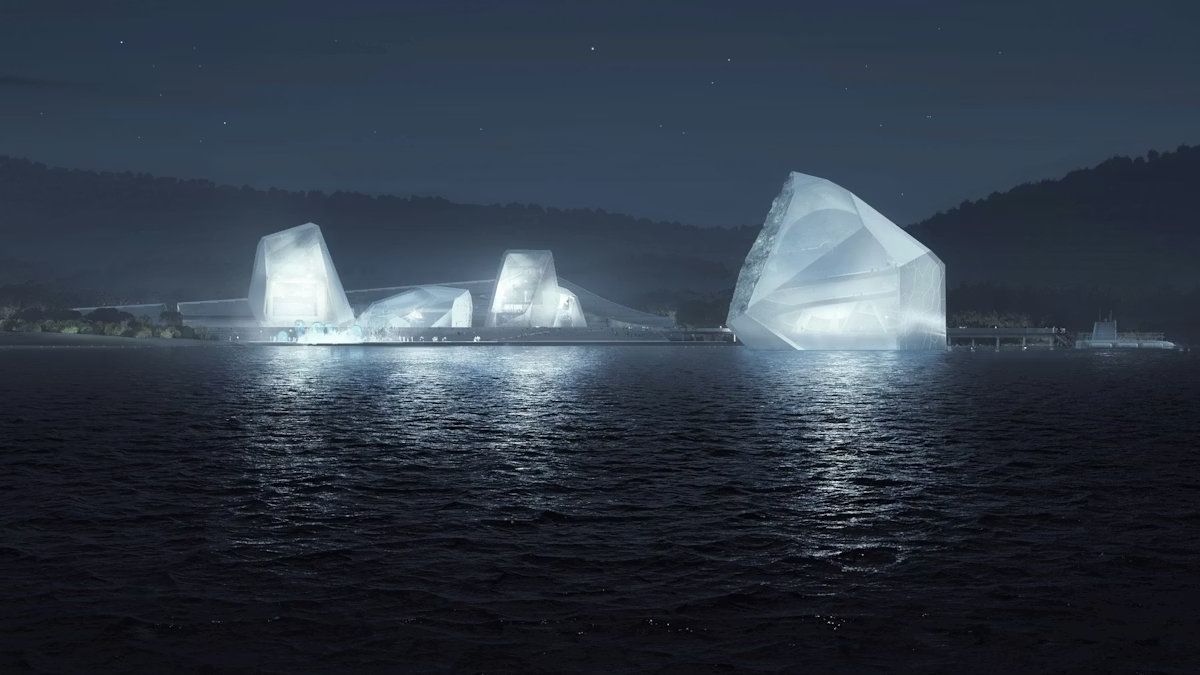 OPEN Architecture’s proposal for the Shenzhen Maritime Museum introduces six glass structures shaped like icebergs rising from a manmade inland sea above the main exhibition hall. These volumes contain the lobby, library, education spaces and a dome theater.
A previously planned solid sea dike is replaced by two seawalls at different heights, forming a buffer zone that absorbs shifting tides and storm conditions. The inland sea links the building to its coastal setting and brings daylight deep into the interior. In this approach, the museum sits as part of the shoreline rather than in opposition to it, showing how coastal buildings might work with natural forces while supporting public and educational programs.
The votes for the 2025 Vision Awards have been counted! Discover this year's cohort of top architectural representations and sign up for the program newsletter for future updates.
The post Too Bold To Build? 6 Visionary Concepts Pushing the Limits of Architecture appeared first on Journal.