














The Anatomy of a Powerful Concept Model
Architizer’s newest print publication is available for pre-order! How to Visualize Architecture is an educational guide designed to help you master the craft of architectural storytelling and visual communication. Secure your copy today.
There are two types of models in architectural practice: the presentation model, which shows the polished, finished design and the concept model that acts as an investigative device for architectural thought. The latter is where all the fun happens.
Concept models sit in the intersection of intuition and instruction, usually trying to physically translate an idea into a spatial gesture. And, although concept models have the freedom to be anything, there are certain practices that can distinguish a glorified lump of foam from a model that conceptually anchors the whole project.
1. Establish a Clear Spine: One Idea, Ruthlessly Protected
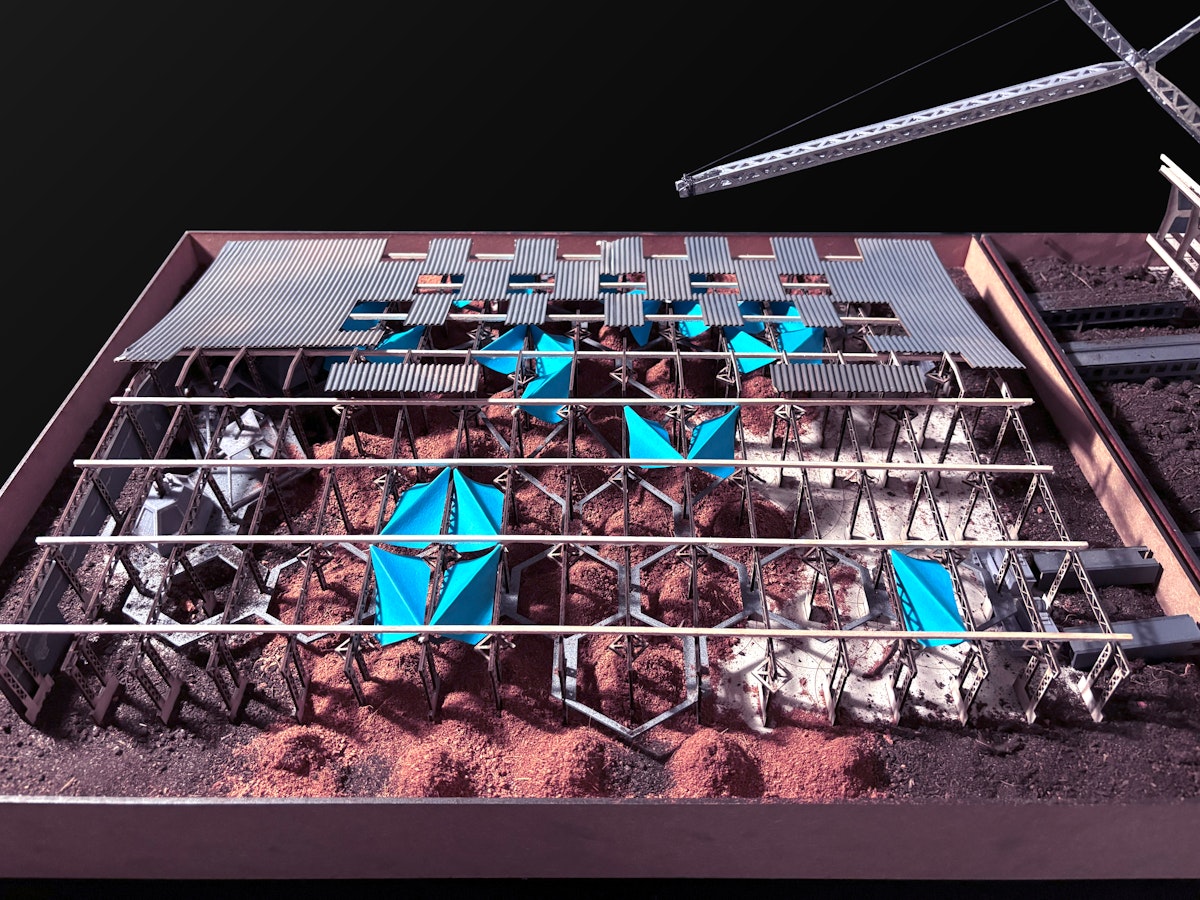
The Death and Life of Ultramafic Soil by Liu Yao | Finalist, Physical Model – Concept Model, 2025 Vision Awards
The Death and Life of Ultramafic Soil is a model that focuses on the nickel-mined territories of the Indonesian Morowali Industrial Park and critiques humanity’s extractive relationship with rare earth elements and its ecological devastation. The model is constructed upon a curated ground of soil, made from a series of laser-cut beams that support a punctured warehouse roof. In parallel, a mechanical crane becomes a dominant element in the overall composition, depositing soil and guided by a retractable blue canvas, a catwalk system and water collection channels, essentially choreographing an encounter between soil and industrial machinery. Lastly, it becomes a testing device for exploring how environmental conditions such as humidity, airflow, odor and color interact with the structure and embrace the aesthetics of rot, rust and regrowth as active agents of architecture.
Best practice: Build the model around one decisive relationship and let every component exist only to intensify it.
2. Material as Language, Not Decoration
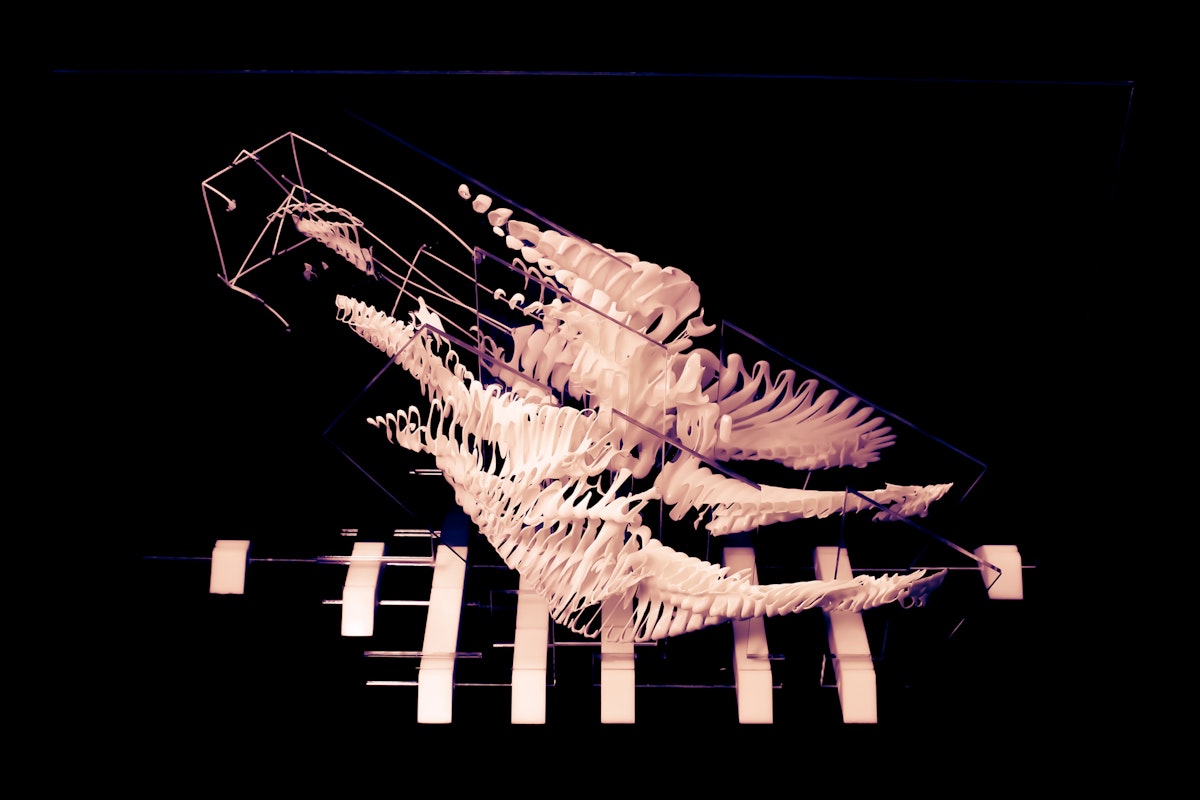
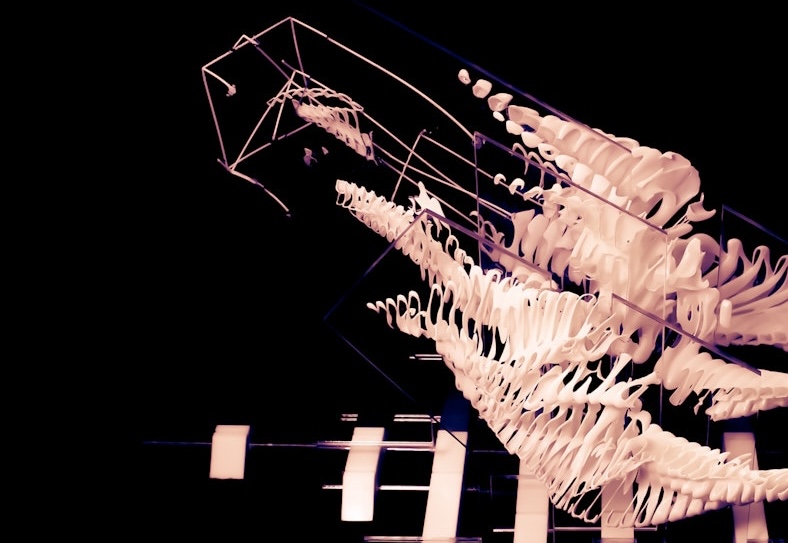
Embodied Carbon by Masataka Yoshikawa – Lawrence Technological University | Jury Winner, Physical Model – Concept Model, 2025 Vision Awards
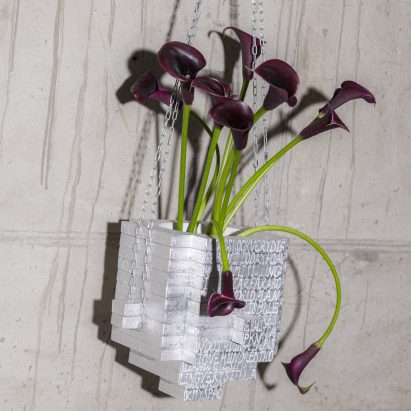
Embodied Carbon investigates the loss in data between the architect’s design intent – drawn through digital means – and its transfer to conventional construction documents. The model attempts to recapture the dimensionality of architectural thought by using potent material articulation. Using light metallic rods as a structure to support thicker, complicated geometry, the model concretizes this abstract idea and makes it legible through matter. It becomes a translational instrument that uses the properties of specific materials to extend – rather than merely represent – the process of design.
Best practice: Use material smartly by allowing its physical properties to inform the design further, rather than merely visualizing a form drawn digitally.
3. Be Comfortable With Productive Incompleteness
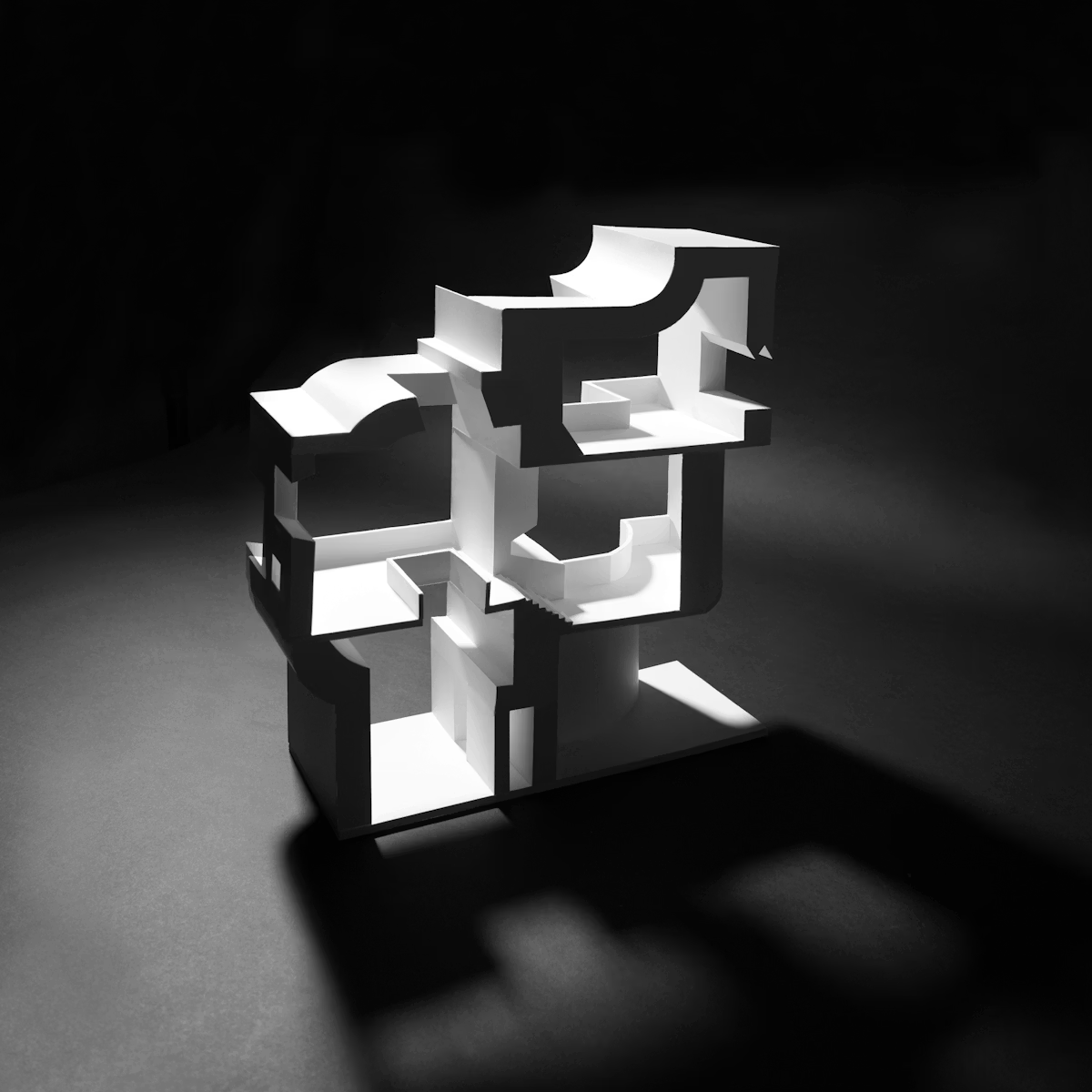
Poché, Revisited by Fergal Tse | Editor’s Choice Winner, Physical Model – Concept Model, 2025 Vision Awards
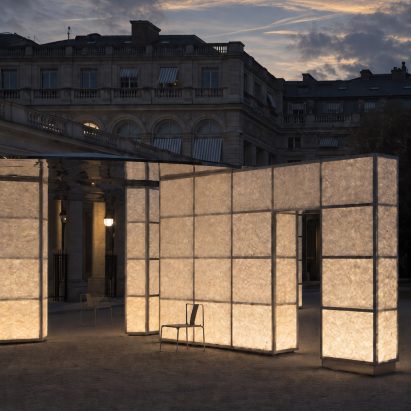
Poché, Revisited (i.e., poché, the solid, filled-in areas of a floor plan) is a model that examines the properties of the “thickened wall”. The model is made from Bristol paper and uses light to study the physicality of the form. It plays with solids and voids, apertures and circulation, thresholds and shadows. Its incomplete nature, or rather the focus on selective moments instead of an overall design resolution, makes it an analytical instrument. Specifically, the model lacks program, definitive form or material specificity, thus exaggerating spatial relationships that would otherwise be lost and flattened by completion.
Best practice: Create models that are deliberately unresolved – that way, omission becomes a strategy for insight and focus instead of a negative constraint.
4. Use Scale to Match the Question
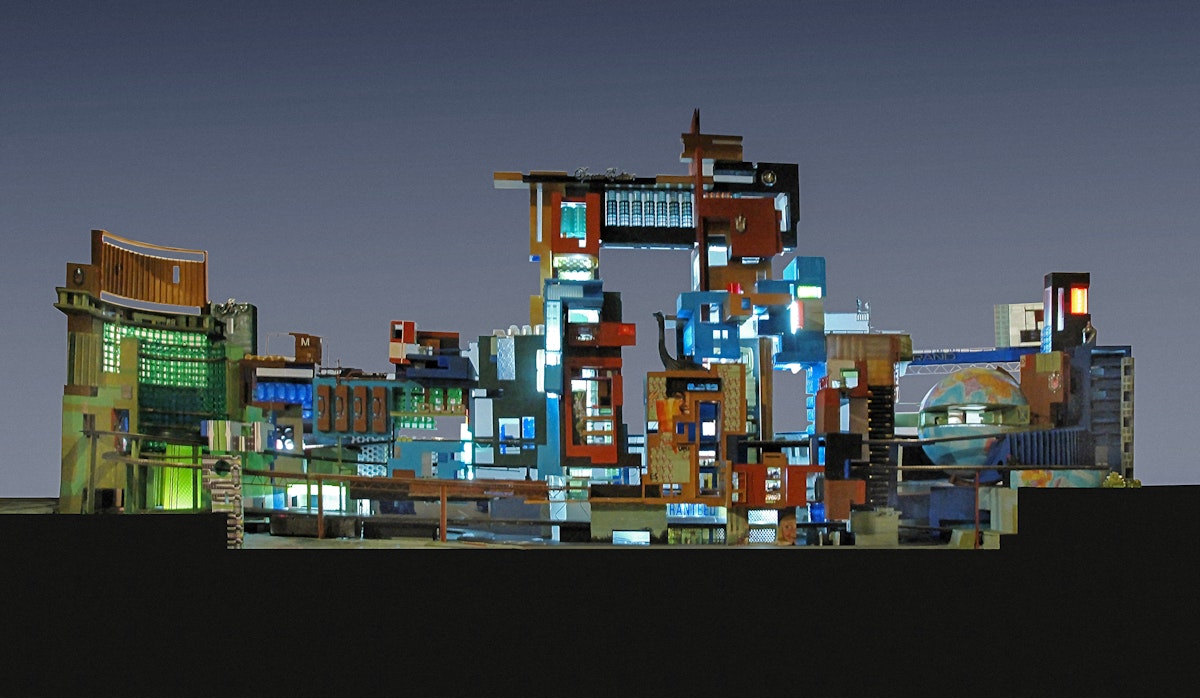
Regal Dynasty Deluxe – The El Presidente Collection by Scott Specht | Finalist, Physical Model – Concept Model, 2025 Vision Awards
Regal Dynasty Deluxe – The El Presidente Collection is a model that explores the concept of palimpsest, i.e., something reused or altered through superimposition. It uses bits of debris such as shotgun shells, hair curlers, automobile nameplates, etc., as well as carefully curated lighting to explore questions of density and formal accumulation through excessive detailing. Crucially, the scale of the model is not tethered to any program or site and instead focuses on being intimate and object-centric to effectively explore atmosphere and intention. It is a miniature, hyper-detailed megastructure that explores texture and light, regardless of the project narrative.
Best practice: When thinking about concept models, scale should serve the question rather than the brief.
5. A Concept Model is Designed to Be Taken Apart

Data Democracy: The Memory Centre by Leo Wing Lok Lui | Finalist, Physical Model – Concept Model, 2025 Vision Awards
Concept models are not meant to be precious. In fact, sometimes they operate best when being dismantled. Data Democracy: The Memory Centre rethinks the concept of “storage” through deliberate disassembly. By physically taking apart hard disk drives, the project approaches storage not as abstract but as an actual, tangible structure. It uses physical relics as a means to explore hierarchy, sorting, separation and assembly to tackle a sociopolitical problem, where reliable knowledge is limited in this digital age. Consequently, the model becomes a pedagogical device, promoting an open redistribution of information and a museum for displaying digitized reserves of physical relics.
Best practice: Dismantling concept models will lead to more understanding and fewer false resolutions.
Ultimately, a concept model should be treated as a temporal condition. It captures a moment in time that the architect wishes to physically manifest an idea, not to conclude but to open up more avenues for investigation. Especially now that fast production is the dominant tendency, concept models are able to retrain architects to look for the dialogue, the disagreement and the imprecision in their process. These five practices not only resist the pressures of polished designs but also elevate modelmaking into a practice of reflection.
Featured Image: Embodied Carbon by Masataka Yoshikawa – Lawrence Technological University, 2025 Vision Awards, Jury Winner, Physical Model – Concept Model
Architects, designers and creators: We want to see your boldest ideas and imagery in next season's Architizer’s Vision Awards! To be among the first to receive program updates, sign up for the Vision Awards newsletter.
The post The Anatomy of a Powerful Concept Model appeared first on Journal.