



.jpg)









Ten monumental brutalist buildings in Asia
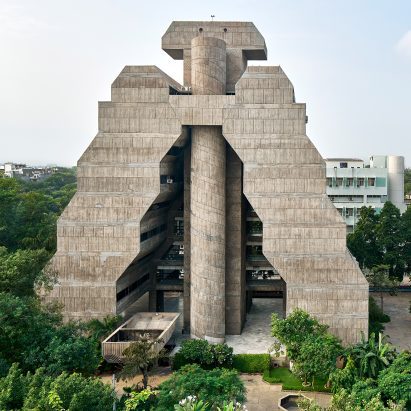
From a modernist church in South Korea to a geometric post office in Qatar, editor Bob Pang selects 10 of his favourite projects from the recently released Brutalist Asia book.
Edited by Pang with Blue Crow Media founder Derek Lamberton, Brutalist Asia contains photographs and essays of 140 buildings in 28 Asian countries.
It aims to shine a light on the continent's contribution to the brutalist movement and offer insight into the varying ways local and international architects interpreted the architectural style.
Read on for Pang's top picks of buildings in Brutalist Asia:
Inter-University Seminar House, Japan, by Takamasa Yoshizaka, 1965
"Alongside Kunio Maekawa and Junzo Sakakura, Takamasa Yoshizaka was one of the three key Japanese architects who trained directly under the modernist master Le Corbusier in his Paris Rue de Sèvres studio.
"Takamasa was a main figure in importing modern architecture theory to his own country by translating key Le Corbusier texts into Japanese, including Towards an Architecture and The Modulor.
"Inter-University Seminar House is a radical academic complex in Hachioji, Tokyo, featuring an inverted pyramid main hall and scattered student pavilions embedded in the hillside. It remains in use today."
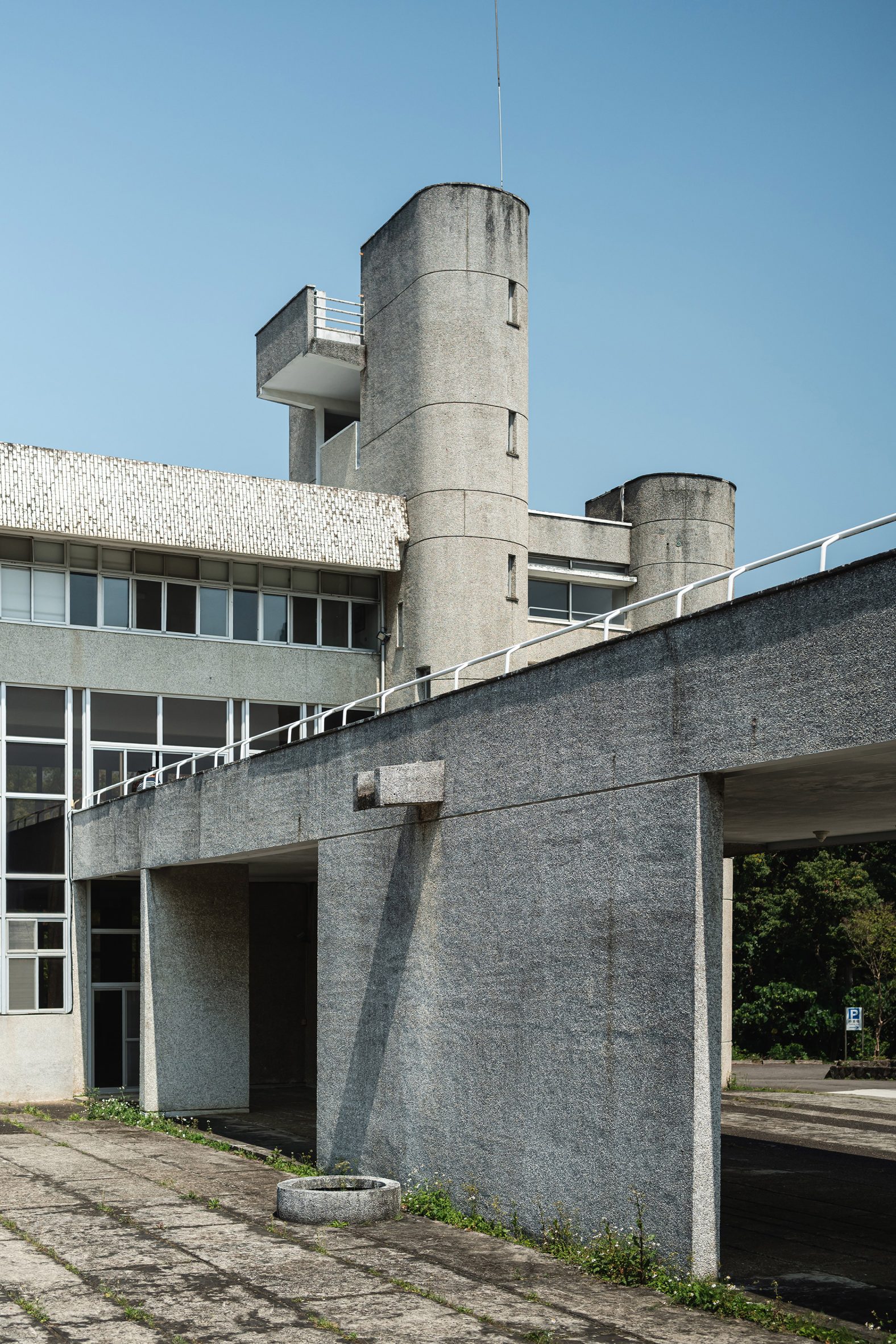
Sacred Heart High School for Girls, Taiwan, by Kenzo Tange, 1967
"Kenzo Tange's first architectural design outside of Japan was the Sacred Heart Girls' High School located in the Bali District of New Taipei City, Taiwan.
"It is also the only surviving work in Taiwan by this master of modern Japanese architecture."
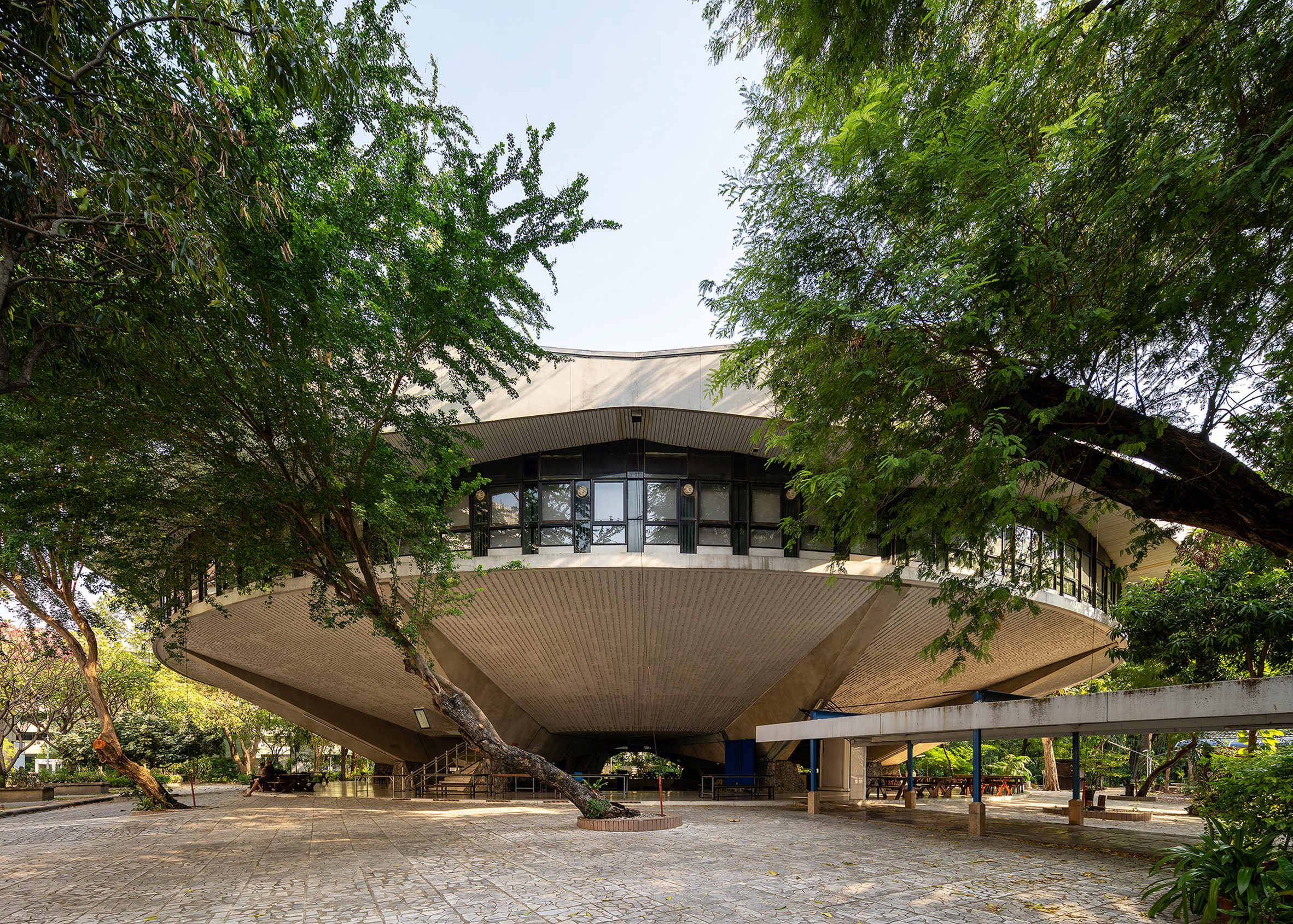
Round Building at the Faculty of Science, Mahidol University, Thailand, by Amorn Srivong, 1968
"Amorn Srivong grew up in a Chinese merchant family but ventured out on his own to work as a general labourer on construction sites, which eventually led him to a job as a draftsman at structural engineer Veekorn Veeranuvat's firm.
"Having received no formal architectural training whatsoever, Amorn began designing small-scale projects for clients in the 1950s. By the 1960s and 1970s, as universities were being established across Thailand, Chiang Mai University, Khon Kaen University, and Thammasat University became his architectural testing grounds.
"This round building fully demonstrates his architectural talent with challenging cantilevered structures and organic geometry."
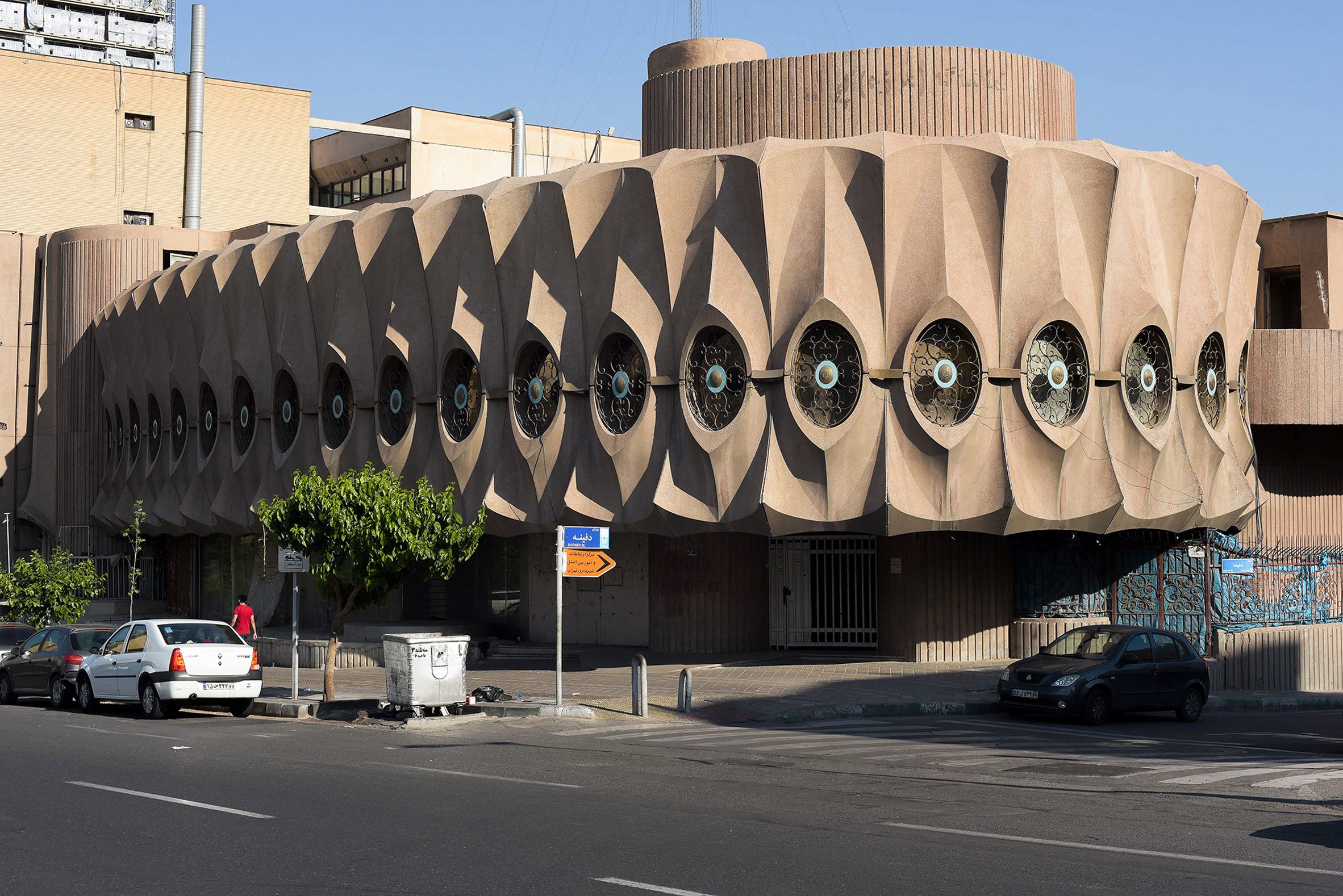
Dafineh Museum, Iran, by Nezam Ameri, Kamal Kamooneh and Hormozdyar Khosravi, 1978
"Iranian architect Kamal Kamooneh established his firm in the 1960s alongside Nezam Ameri, a former student of Frank Lloyd Wright.
"At the time, their designs were heavily influenced by Wright's work. The Dafineh Museum, located in Tehran, is their masterpiece."
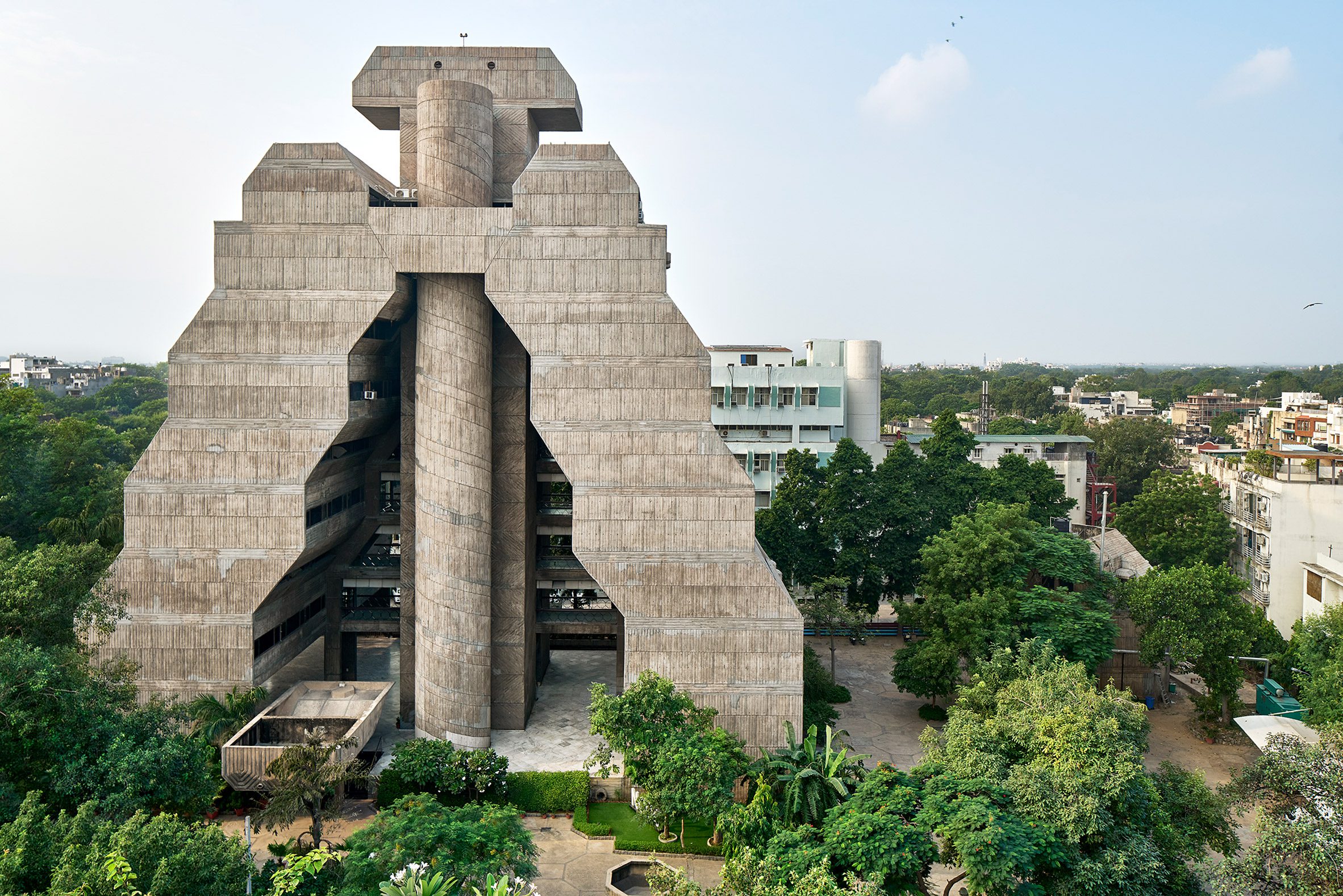
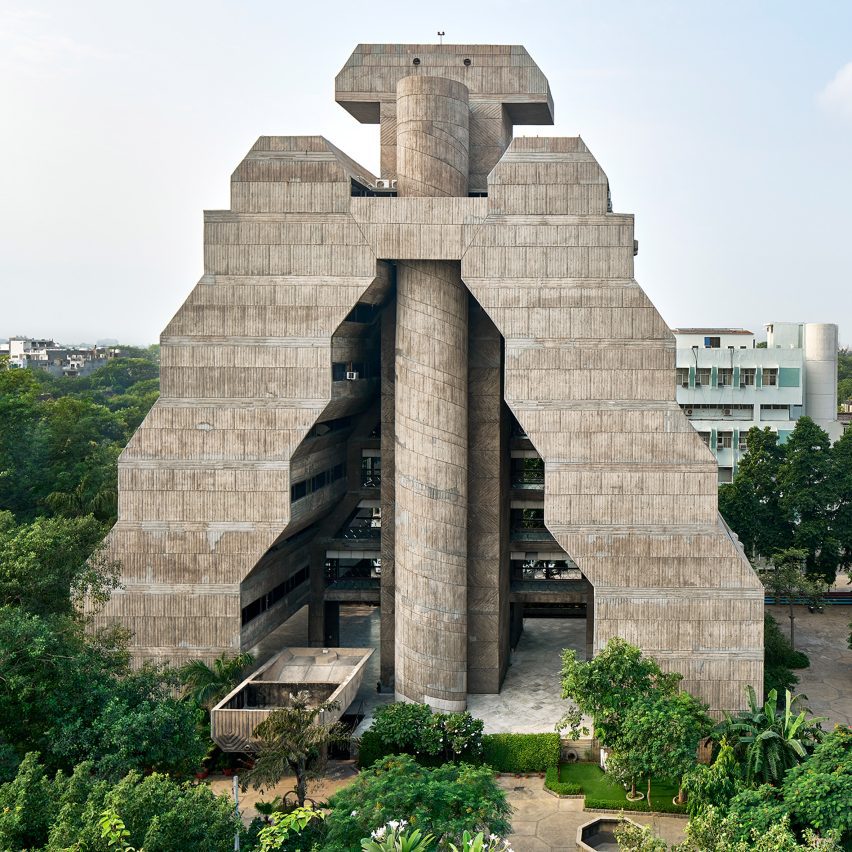
National Cooperative Development Corporation, India, by Kuldip Singh, 1980
"Educated both in New Delhi and at UCL in London, Kuldip Singh's architecture is highly stylised with bold forms, geometry and challenging structures.
"His collaboration with the legendary Indian structural engineer Mahendra Raj, who worked on Le Corbusier's Chandigarh project, pushed the boundaries of modern Indian architecture."
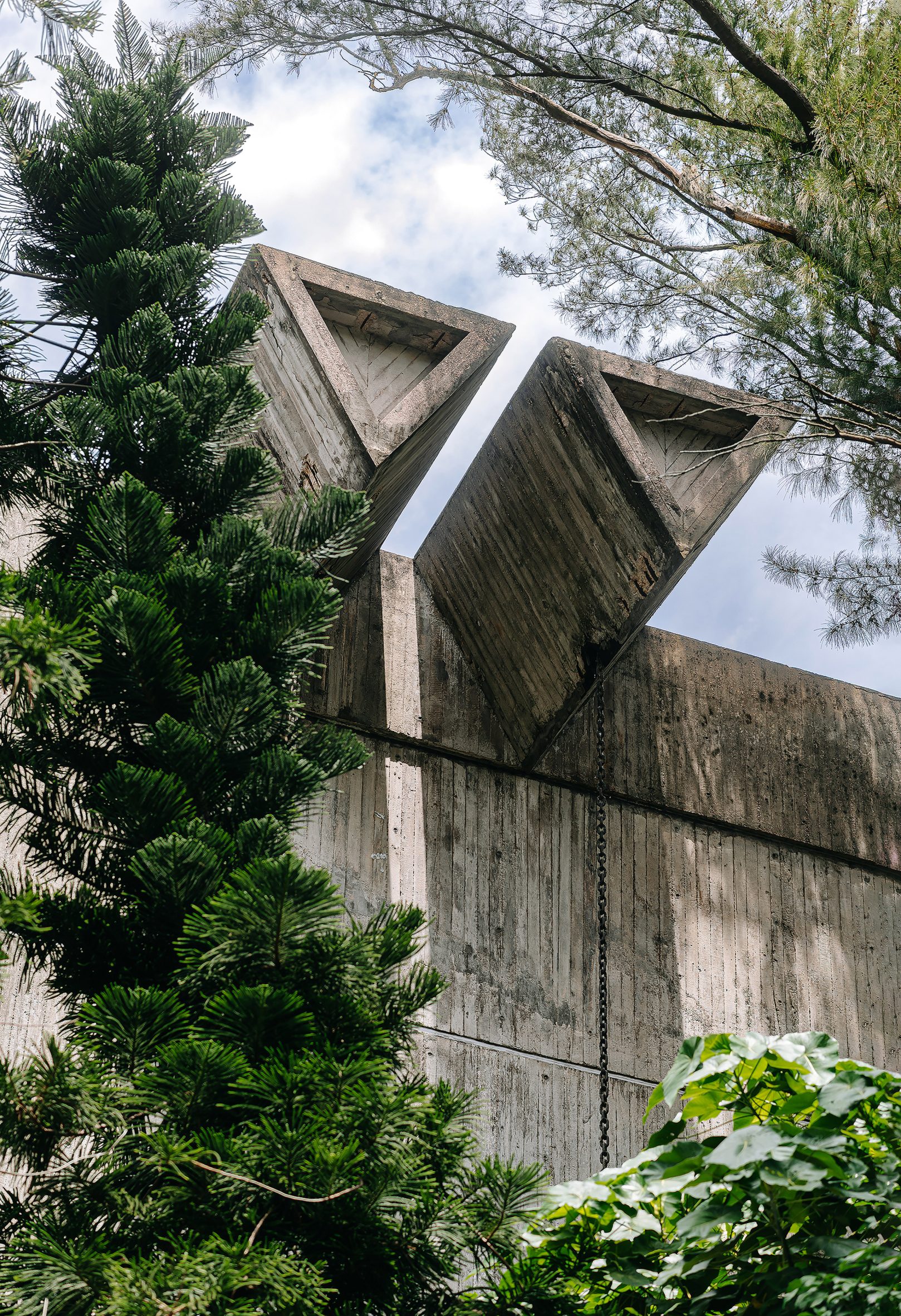
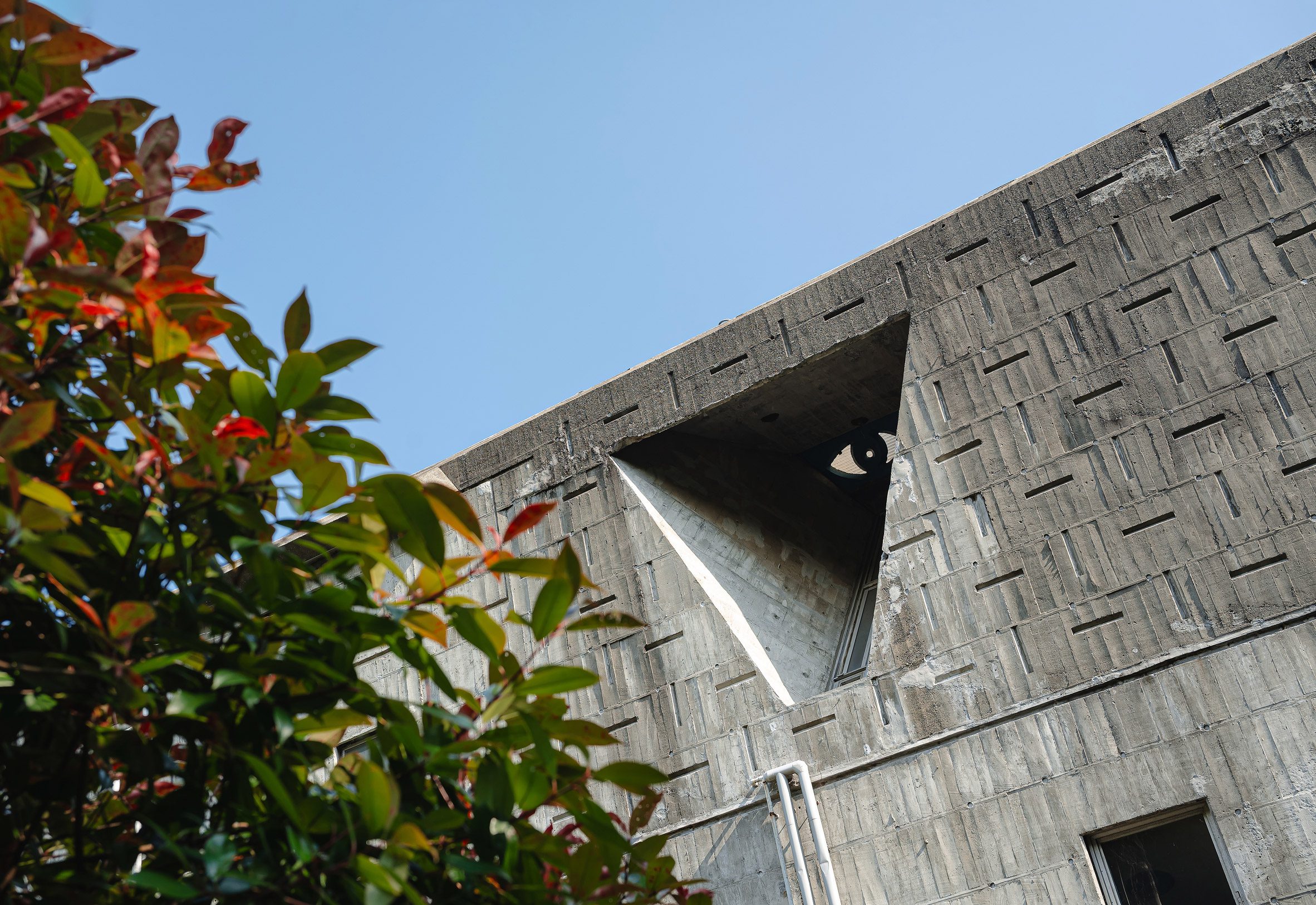
St Stephen's College Special Room Block and Tang Shiu Kin Hall, Hong Kong, by Tao Ho, 1981
"Founded in 1903, St Stephen's College is a prestigious British-style institution with a long history. Designed by Tao Ho, the Special Room Block and Tang Shiu Kin Hall brutalist additions to the school were completed in 1981.
"Upon taking on the project, Ho noted the scattered and unstructured layout of the campus and proposed positioning the new addition as a focal point.
"After careful planning, the site was finalised in front of the historic School House. Ho's project included three classroom blocks and a standalone indoor sports hall connected by three arched staircases and elevated walkways."
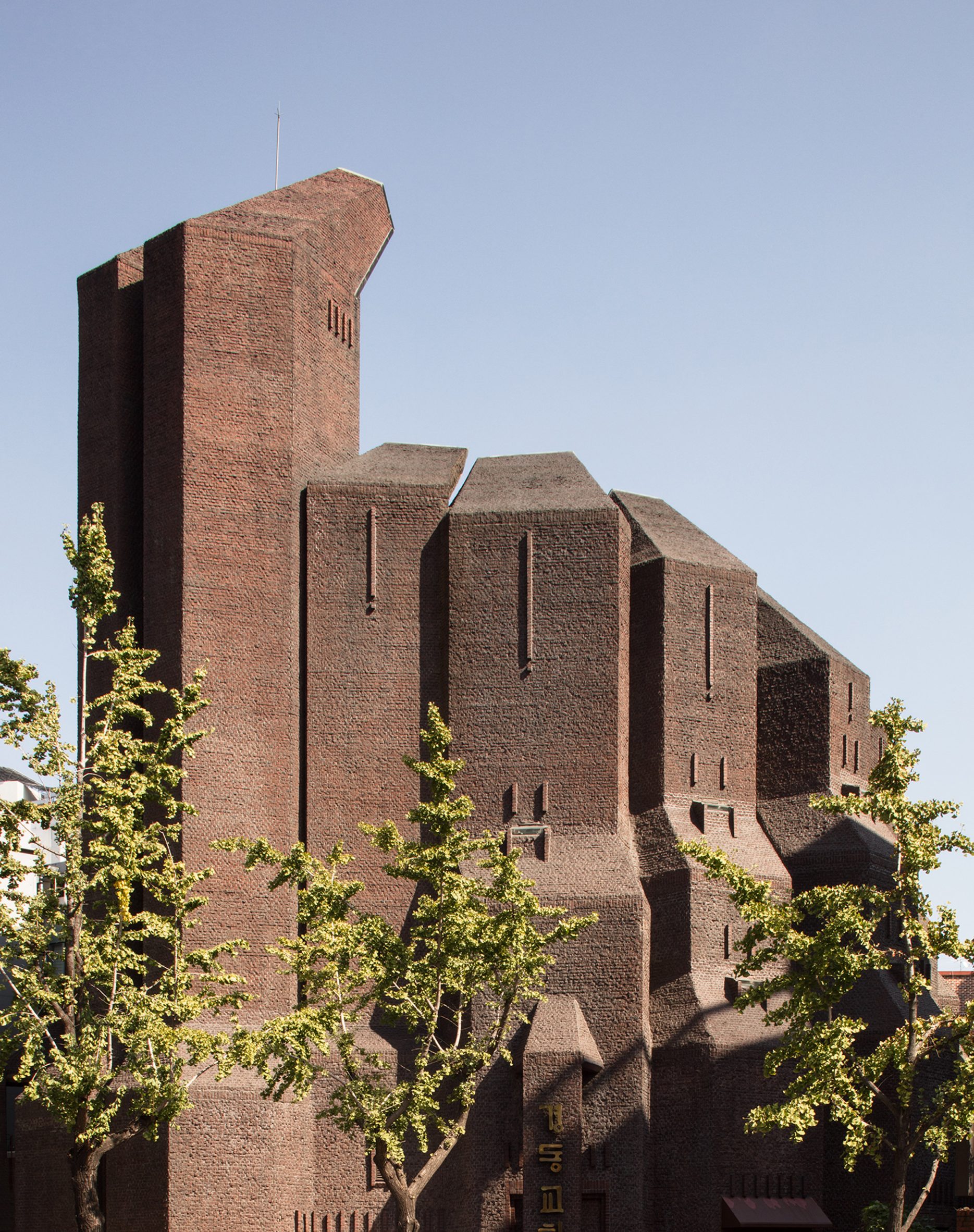
Kyungdong Presbyterian Church, South Korea, by Kim Swoo-geun, 1981
"Kim Swoo-geun was the first modernist architect in Korea, and was dubbed the 'Lorenzo de' Medici' of South Korea by Time magazine.
"The Kyungdong Presbyterian Church concept was inspired by the Korean and Asian gesture of praying with two hands.
"The vertical volumes of the church are an abstraction of fingers, while the interior resembles a whale's belly."
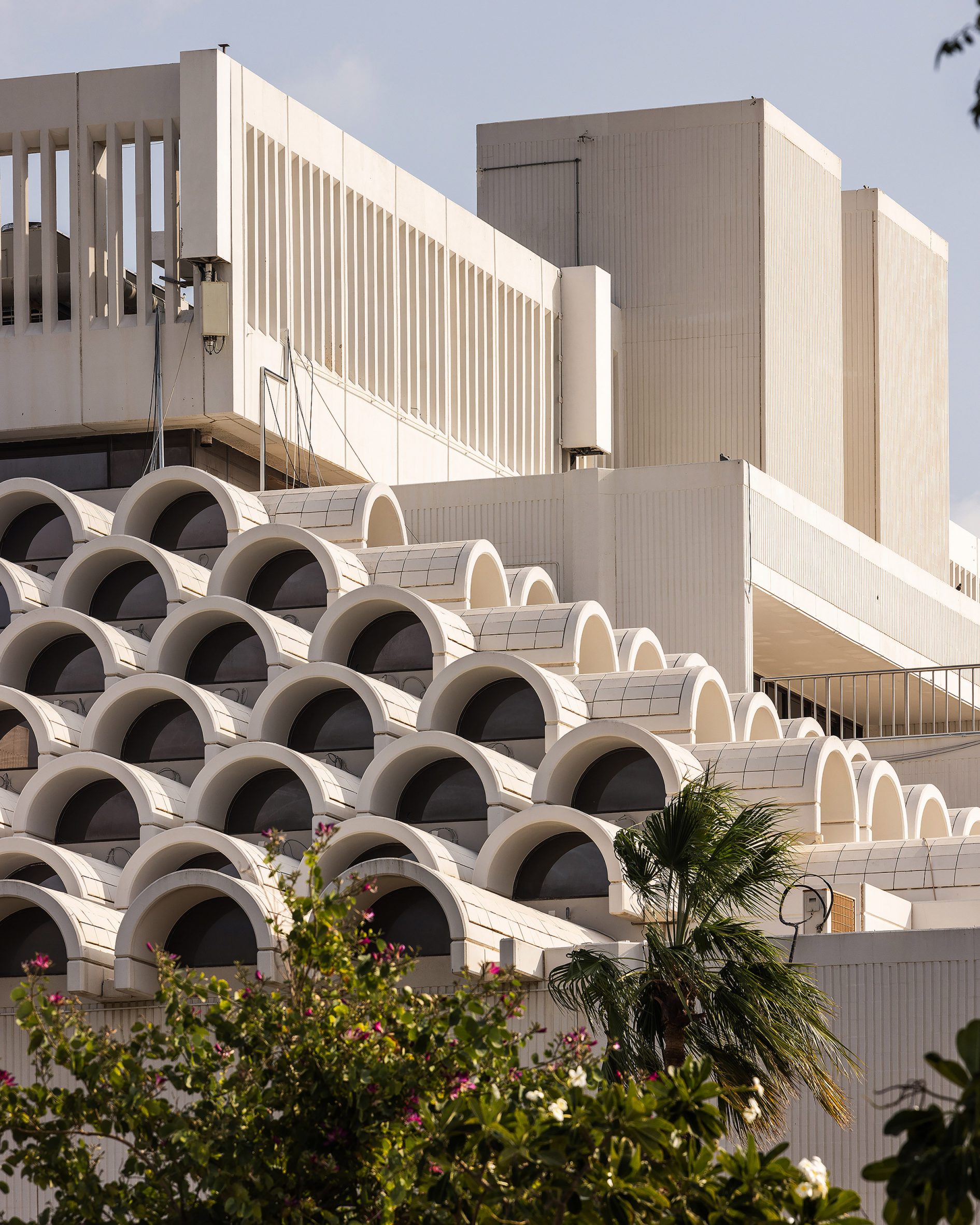
General Post Office, Qatar, by Twist and Whitley Architects, 1985
"The General Post Office was designed by British architects Twist and Whitley, whose work includes the Arts and Social Sciences Library at the University of Bristol and the Science Library at Queen's University Belfast.
"The building is a refined example of how foreign architects adapted the brutalist style to local climates and evolved a brand of brutalism which blends with the domestic language of traditional Gulf and Qatari architecture."
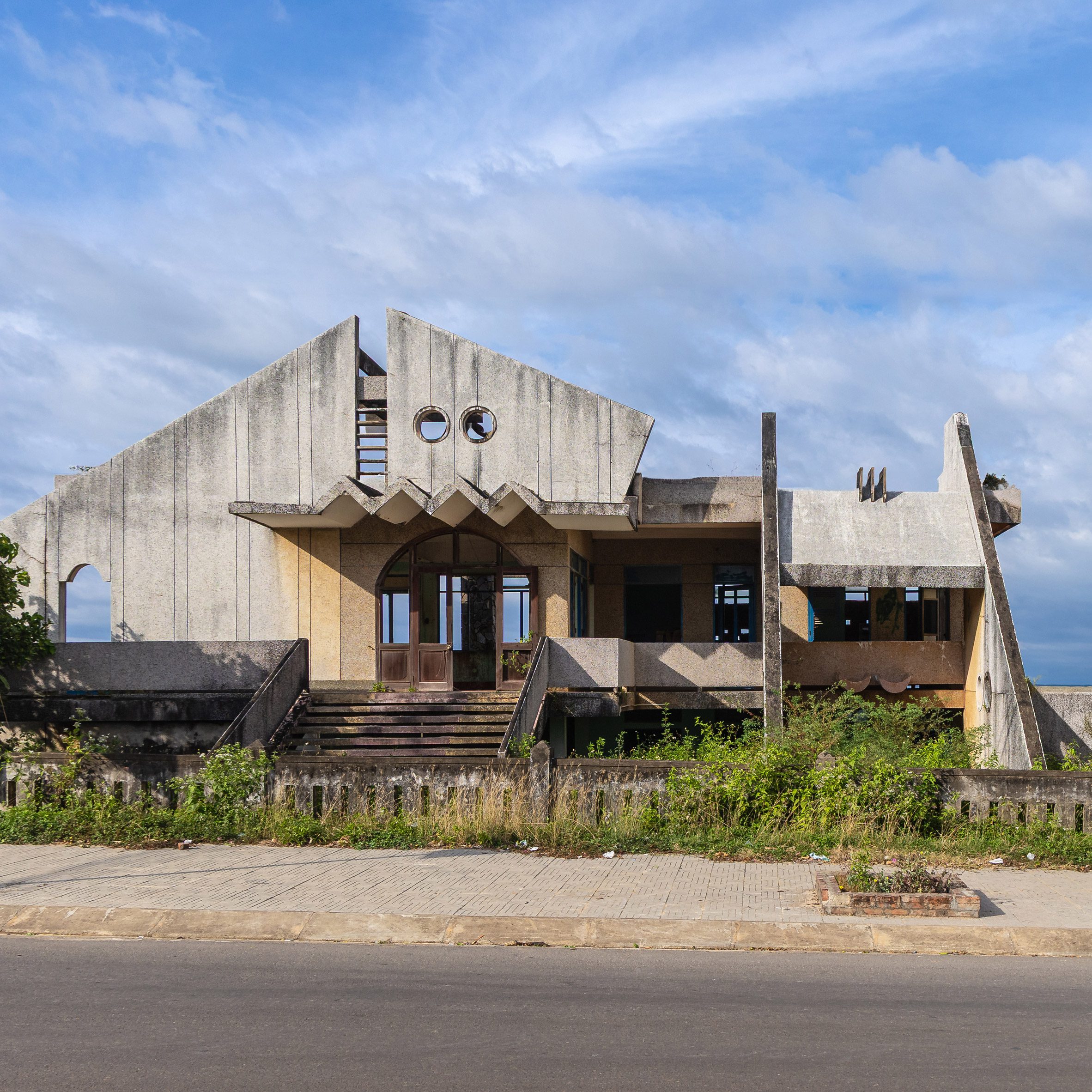
Cua Tung Writers' House, Vietnam, by Le Huu Thang, 1992
"The house was sponsored by the regional Literature and Arts Association, Hội Văn học Nghệ thuật, during the early post-Đổi Mới transition era.
"Le Huu Thang approached the design as a sculpture rather than a conventional architectural form."
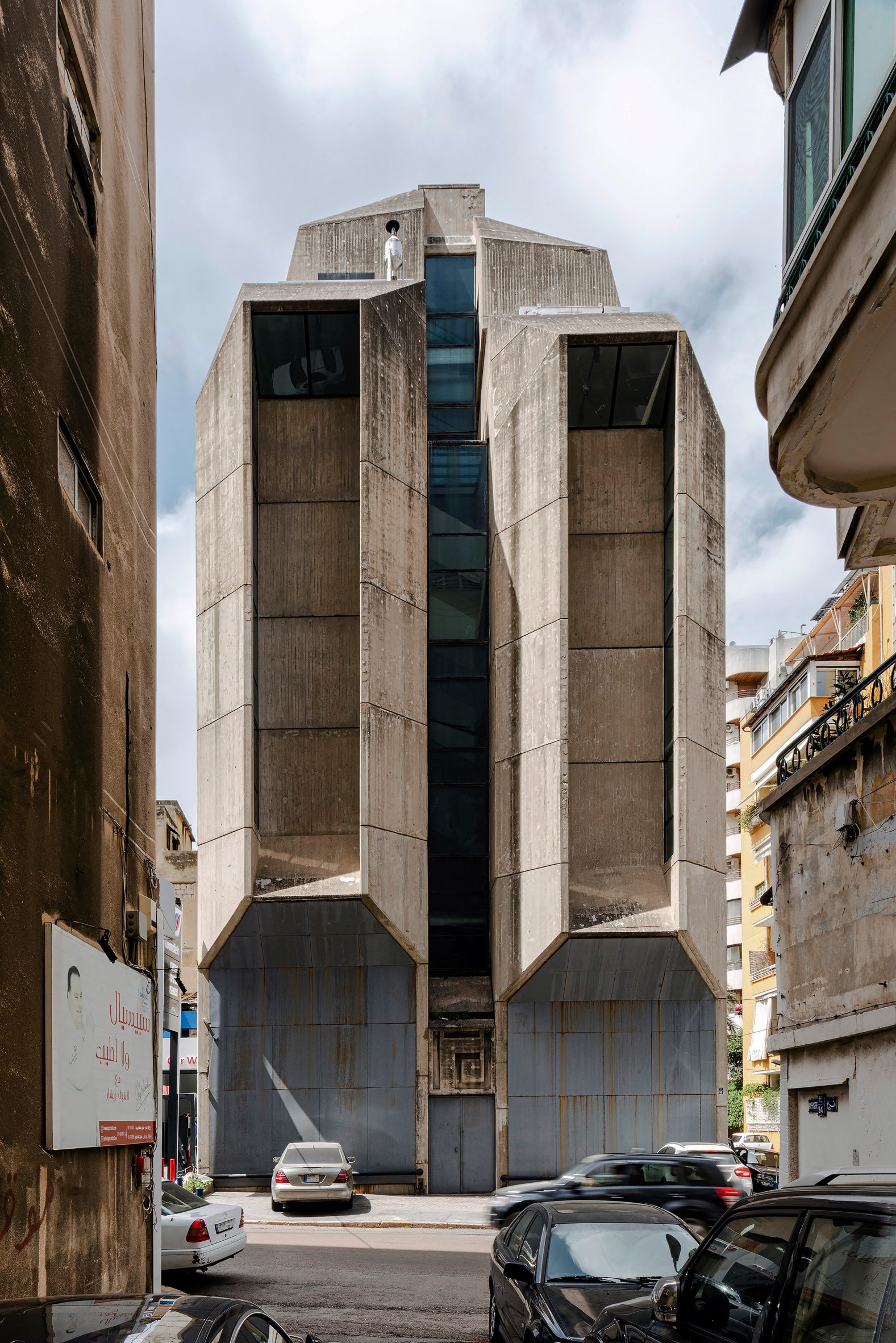
Interdesign Building, Lebanon, by Khalil Khoury, 1973–97
"The building took 23 years to complete due to the outbreak of civil war in the country, and it has never been in full use.
"However, it is widely regarded as one of the most remarkable brutalist and modernist structures in the Middle East."
The post Ten monumental brutalist buildings in Asia appeared first on Dezeen.