






Site-Specific Housing: A Mallorcan Prototype Building Affordable Housing From the Ground Up
Call for entries: The 14th Architizer A+Awards celebrates architecture's new era of craft. For early bird pricing, submit by October 31st.
In his nostalgia-hued book, The Package Holiday 1968-1985, artist and lecturer Jay Clarke compiles photography by his father, Trevor, a British expat who relocated to one of Spain’s most beautiful islands in the final decade of Francisco Franco’s dictatorship.
The archive not only documents a Balearic transition from regime state to democracy, but also the arrival, establishment and exponential growth of mass tourism to a previously relatively untouched corner of the Mediterranean. The imagery is evocative, whether or not you remember the ‘glory days’ of travel agents and charter airlines, holiday reps and excursion brochures. What stands out the most, though, is the air of naïveté.
An industry delivering fun and happy memories, in response to the northern European desire to escape unpredictable and often disappointing weather systems and find endless sunshine. Warm seas and cheap sangria on the other side of a short-haul flight. At that time, guilt-free escapism.
As awareness so often does, waking up to the realities of what happens when tourism is allowed to expand without restrictions is to acknowledge that destinations such as Mallorca, where Clarke worked, have been economically ravaged by our ‘need’ to get away. As of 2021, the island relied on overseas visitors for 45% of its total GDP and 35% of jobs.
While this means it’s a richer place than it may otherwise have been, supporting the huge number of temporary arrivals throughout the year has led to a massive housing shortage. The town of Pollença, for example, has beds for more than 16,800 holidaymakers at any one time. Its actual population is only marginally more, with around 17,300 permanent residents.
Housing costs across Spain’s Balearic Islands — which also include Ibiza, Formentera, and Menorca — have rocketed by 80% in the past decade, leaving many locals unable to afford to stay in their hometowns. Putting aside the enormous environmental implications of mass tourism on a tiny island with limited water and food supplies, Mallorca is in desperate need of innovative solutions to this pricing issue. Hence, widespread protests against visitors and incremental steps by the local government to limit capacity and discourage the ‘wrong’ types of tourists. Architects, too, are now weighing in.
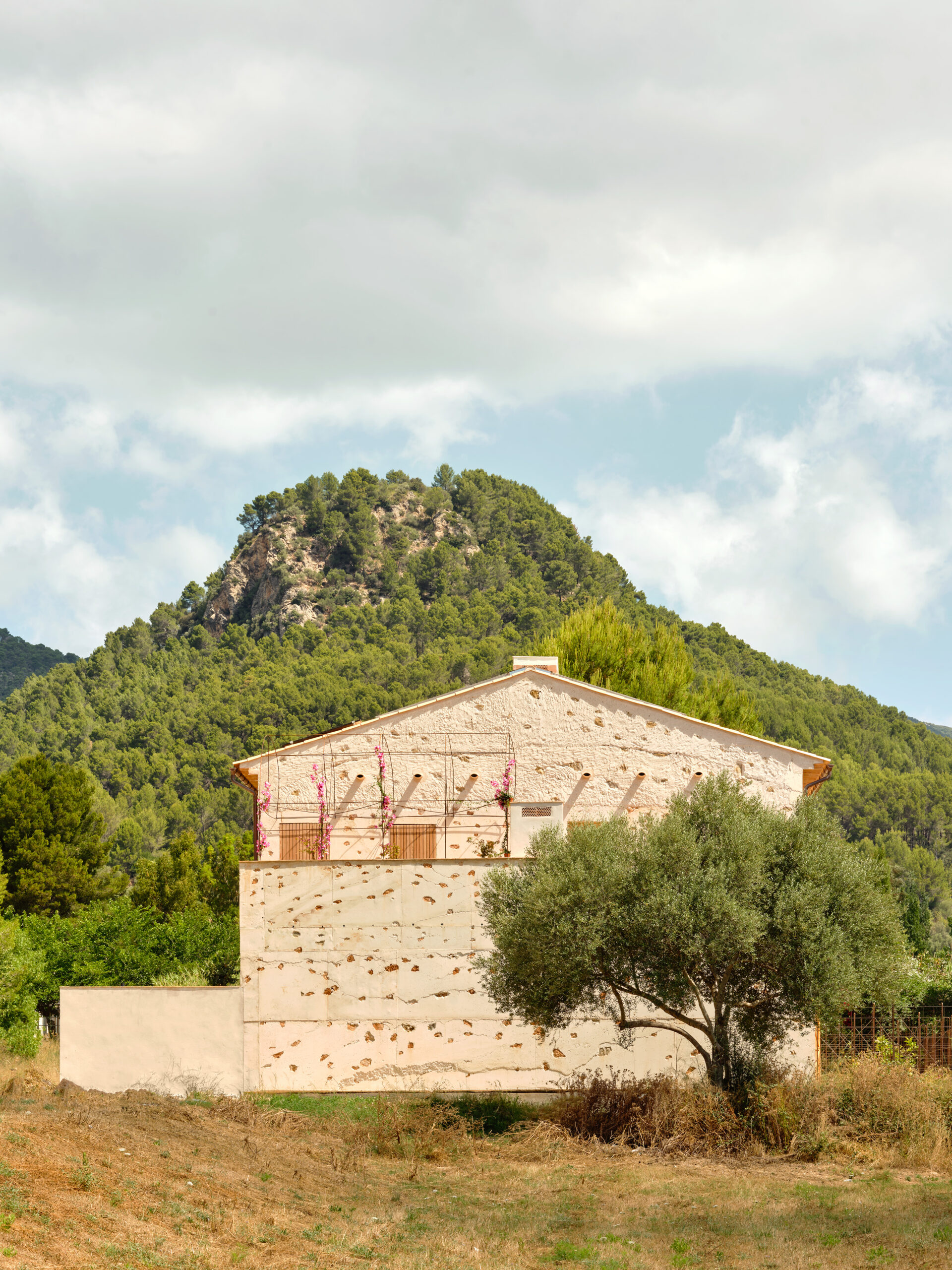
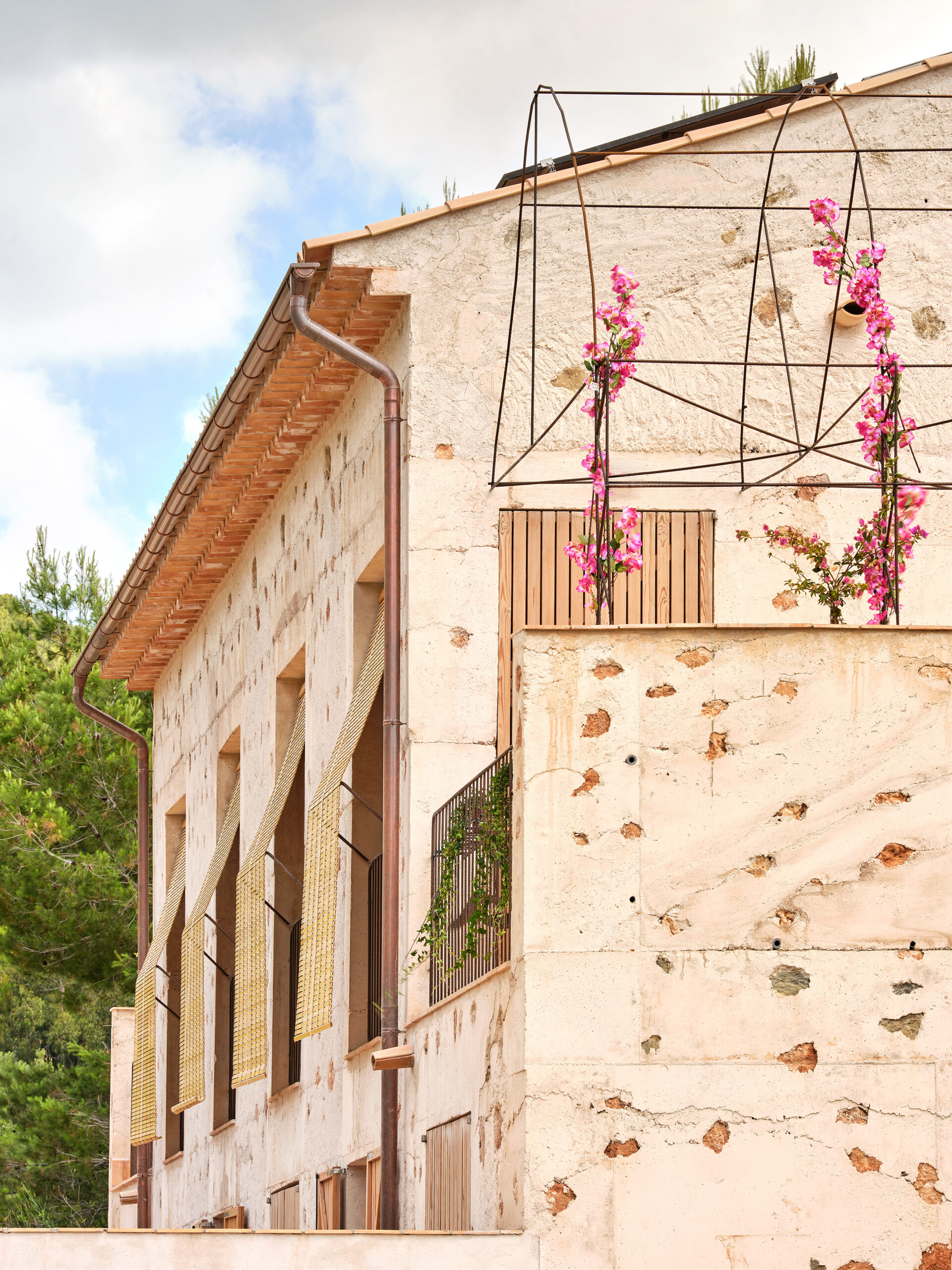
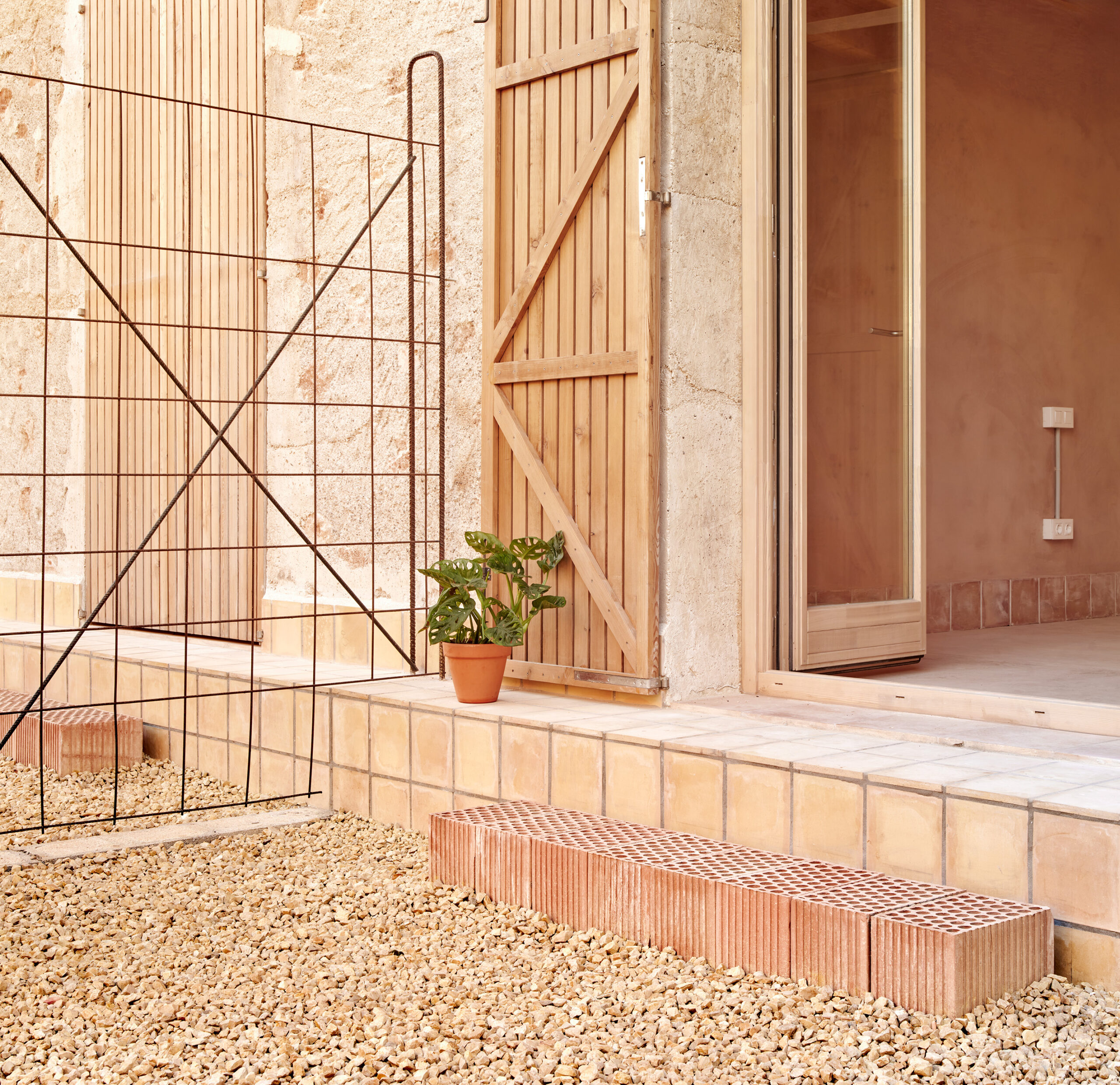
6 HPP Ses Veles Puigpunyent by Fortuny-Alventosa Morell Arquitectes, Mallorca, Spain | Jury Winner, Sustainable Residential Building, 13th Architizer A+Awards \ Photo by José Hevia
Developed by Fortuny-Alventosa Morell Arquitectes, 6 HPP Ses Veles Puigpunyent sets a new benchmark for delivering affordable housing to Mallorcans while also addressing the need to protect, or at least limit damage to, the environment. Located in the municipality of Puigpunyent, overlooked by the Tramuntana Mountains, the project comprises six homes spread across two floors. This remarkable project not only took home the Jury Prize in the Sustainable Residential Building category of the 13th Architizer A+Awards — it was also recently highlighted as a Project of the Year at Architizer’s regional celebration in Paris.
The ground floor units have access to a private outdoor area, and those above boast a second bedroom opening onto a terrace. Importantly, while the units have been designed uniformly, the studio makes a point of highlighting their flexible nature and the ability to adapt to suit individual style, requirements and tastes.
Seen from the outside, the site is a striking example of a contemporary development which is aesthetically sympathetic to the traditions of regional architecture. On an island that has, in some corners, been spoiled by the high-rise and resort-scale demands of hotel giants, this point is particularly important. Not least given many 20th and 21st century approaches to low-cost multi-occupancy buildings have, through intent or necessity, looked to bland or even brutalist modernity for their blueprint.
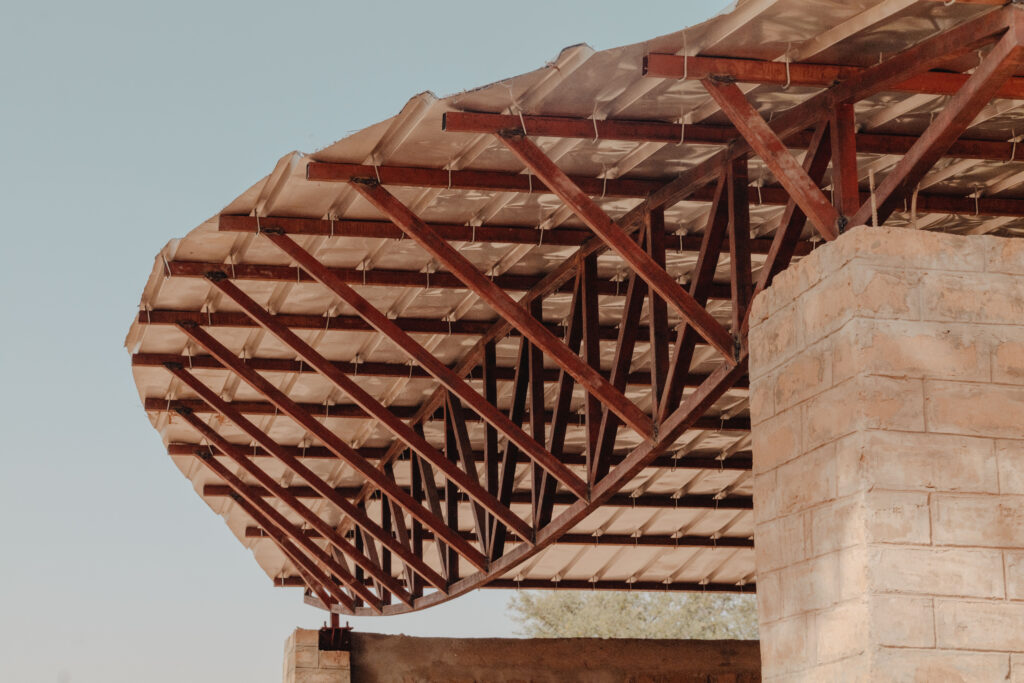
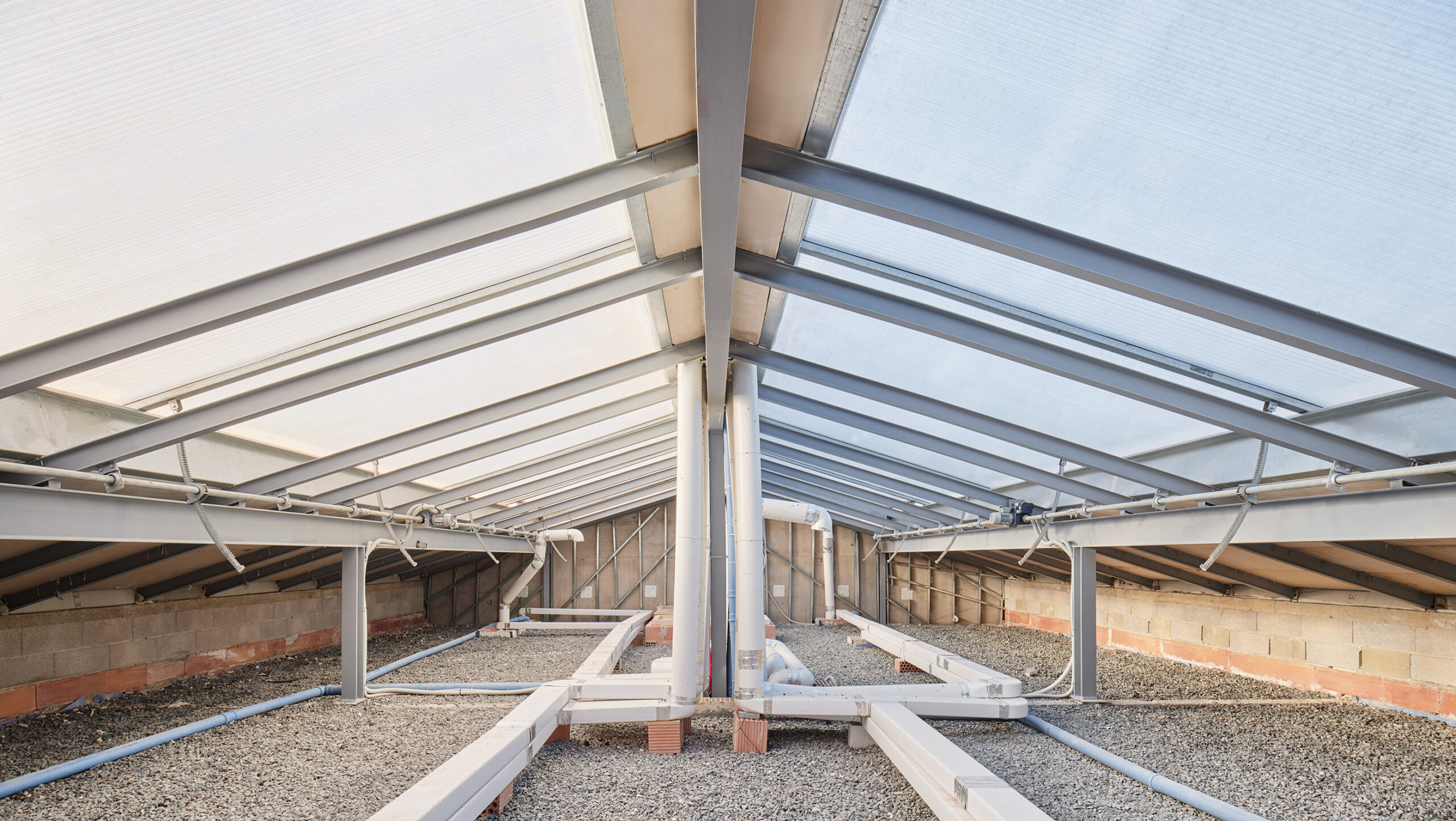
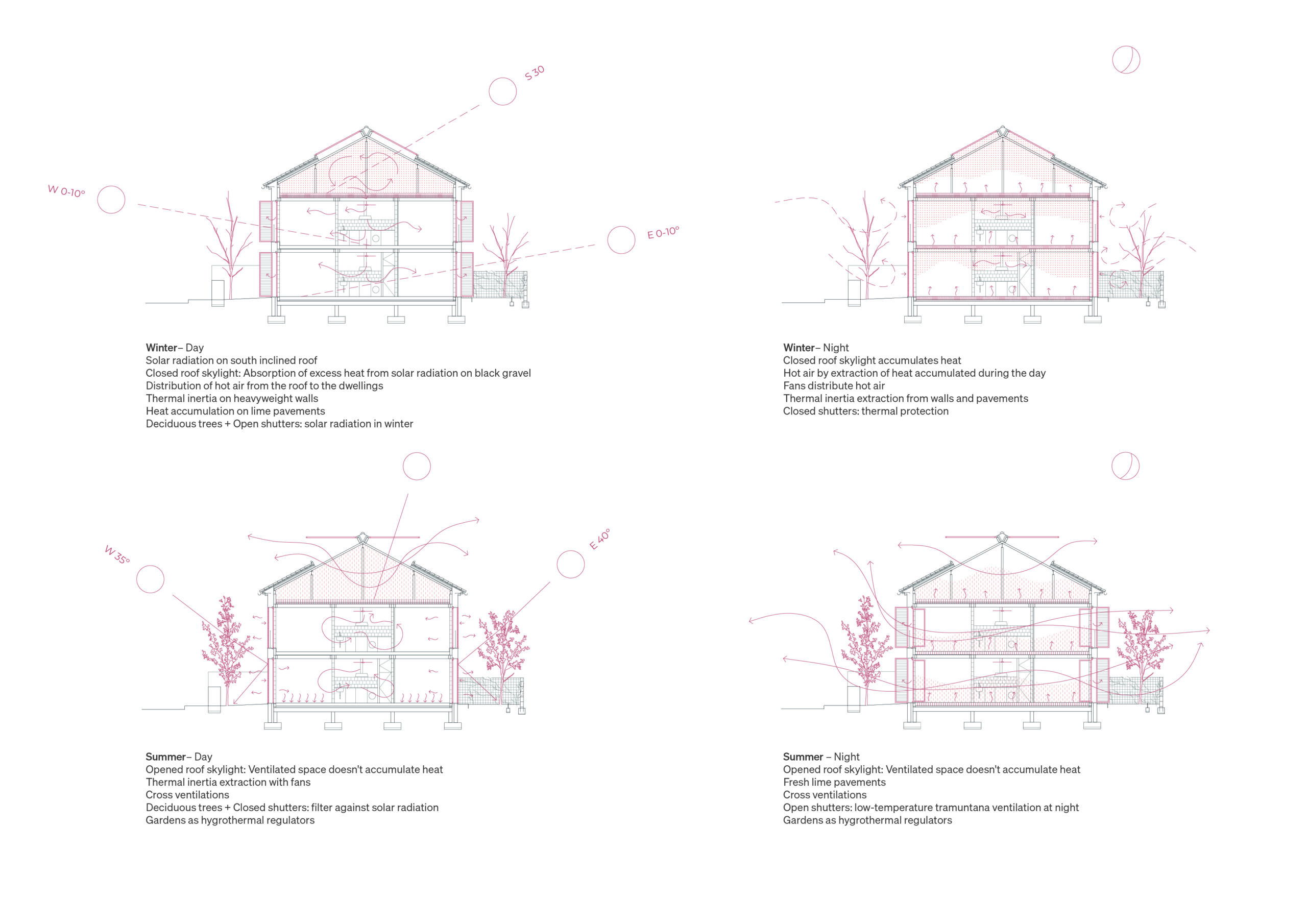
Trombe roof in 6 HPP Ses Veles Puigpunyent by Fortuny-Alventosa Morell Arquitectes, Mallorca, Spain | Jury Winner, Sustainable Residential Building, 13th Architizer A+Awards \ Photo by José Hevia
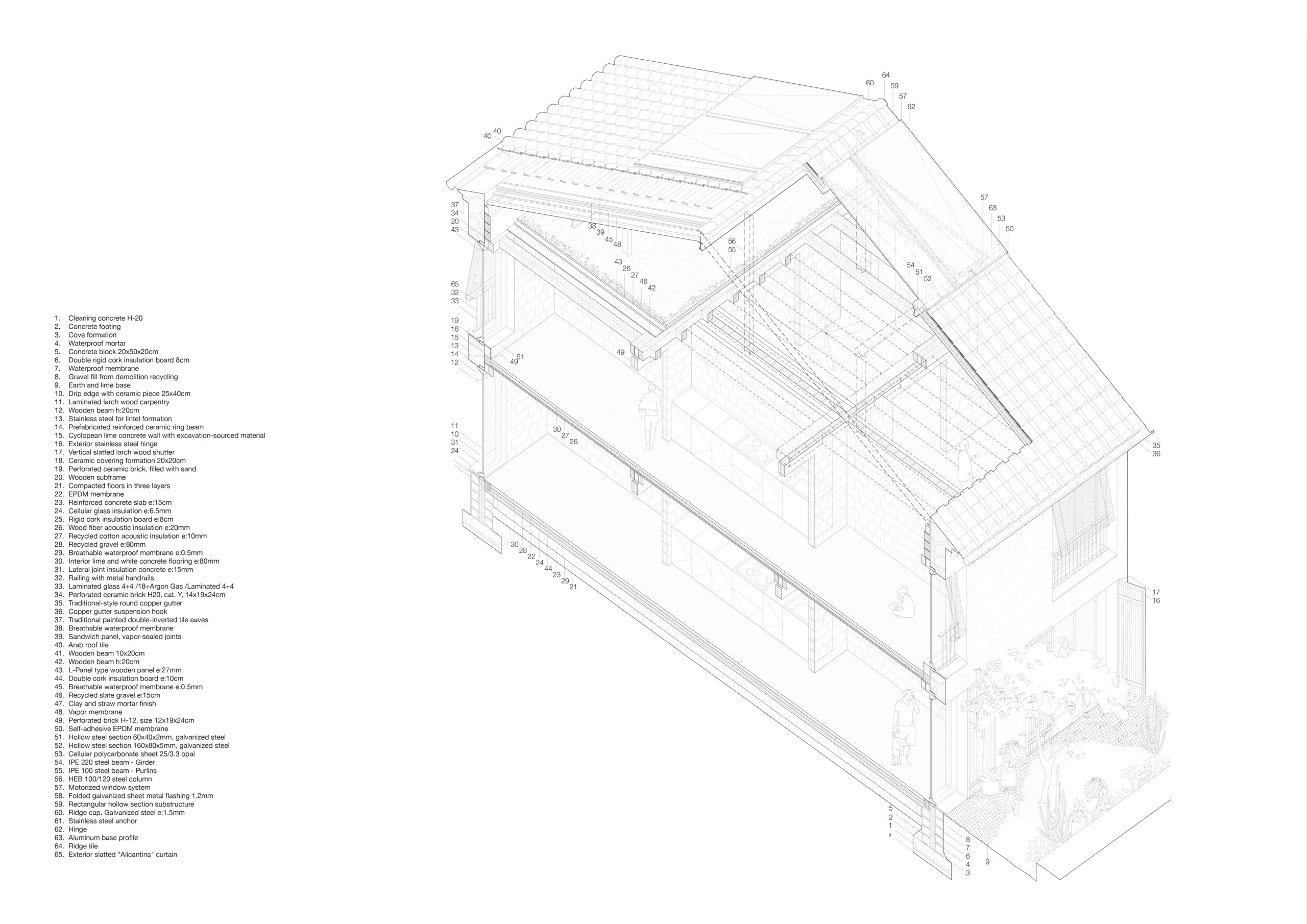
6 HPP Ses Veles Puigpunyent by Fortuny-Alventosa Morell Arquitectes, Mallorca, Spain | Jury Winner, Sustainable Residential Building, 13th Architizer A+Awards
The exterior expression is a direct result of the material choices that have driven the design. Façades are made from limestone sourced nearby, using cyclopean masonry techniques and including the stone and earth dug up when the site itself was excavated, while recycled cork shavings are used as an insulating element. Inside, partitions are a product of ceramics made on the island, filled with residual sand from local quarries, then finished with clay and straw. Beyond the visual, these elements maximize wintertime solar gain and keep interiors as cool as possible in the searing summers.
Combined with solar shading, high thermal inertia floors and walls and humidity-regulating hygroscopy, electricity use is incredibly low – 1.7 kWh/m²-year. Key to regulating the temperature, and thereby limiting the need for energy-intensive active systems, is the intelligent addition of a Trombe roof, which aids in heat retention during the winter yet allows for crucial ventilation through sticky summer months.
On top of being environmentally sustainable (the building is certified zero energy (NZEB), these design decisions also amount to a form of social sustainability. As heating and cooling bills continue to rise, access to temperate housing also becomes less affordable. Passive design measures can make all the difference to an inhabitant’s bottom line each month.
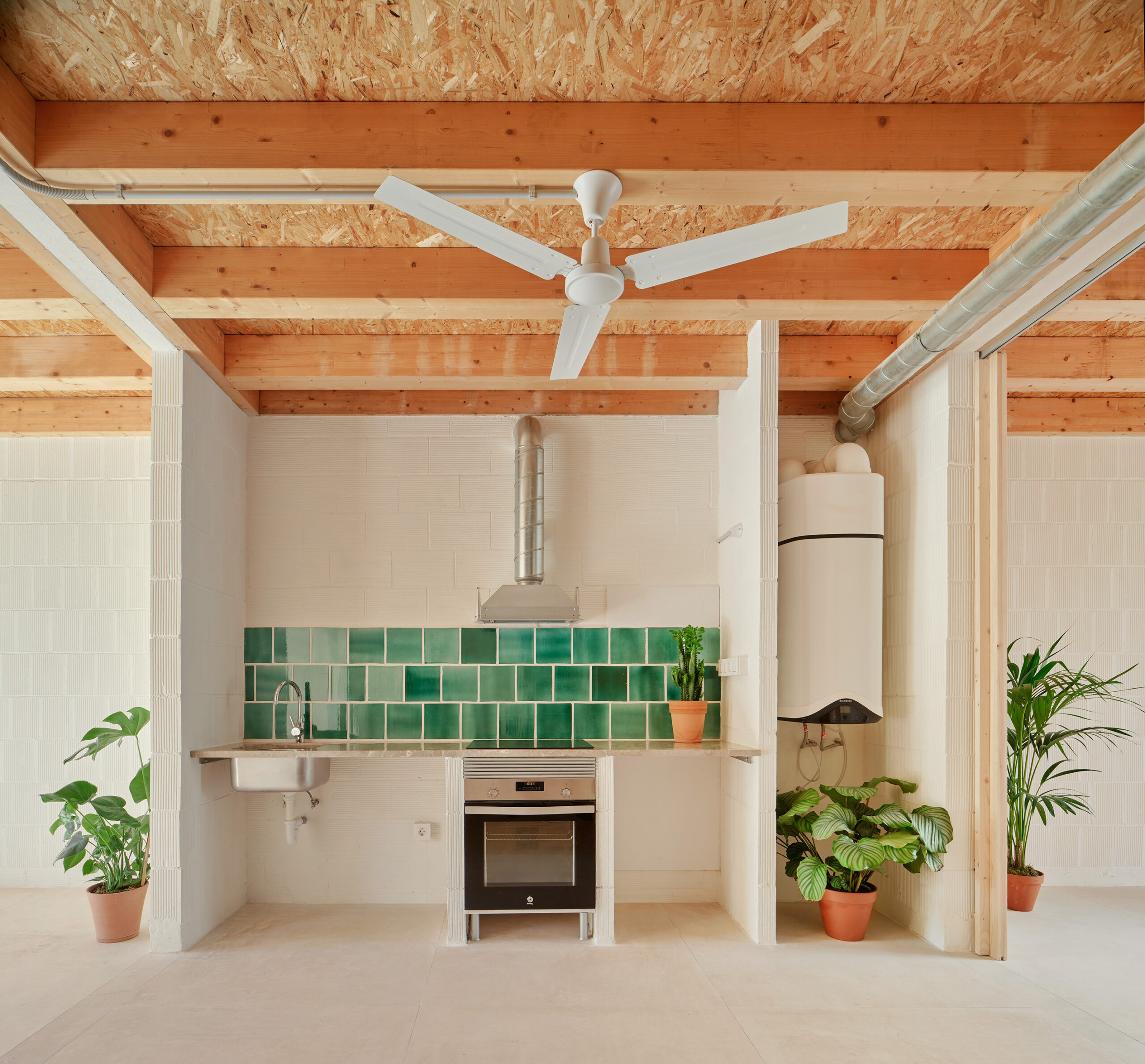
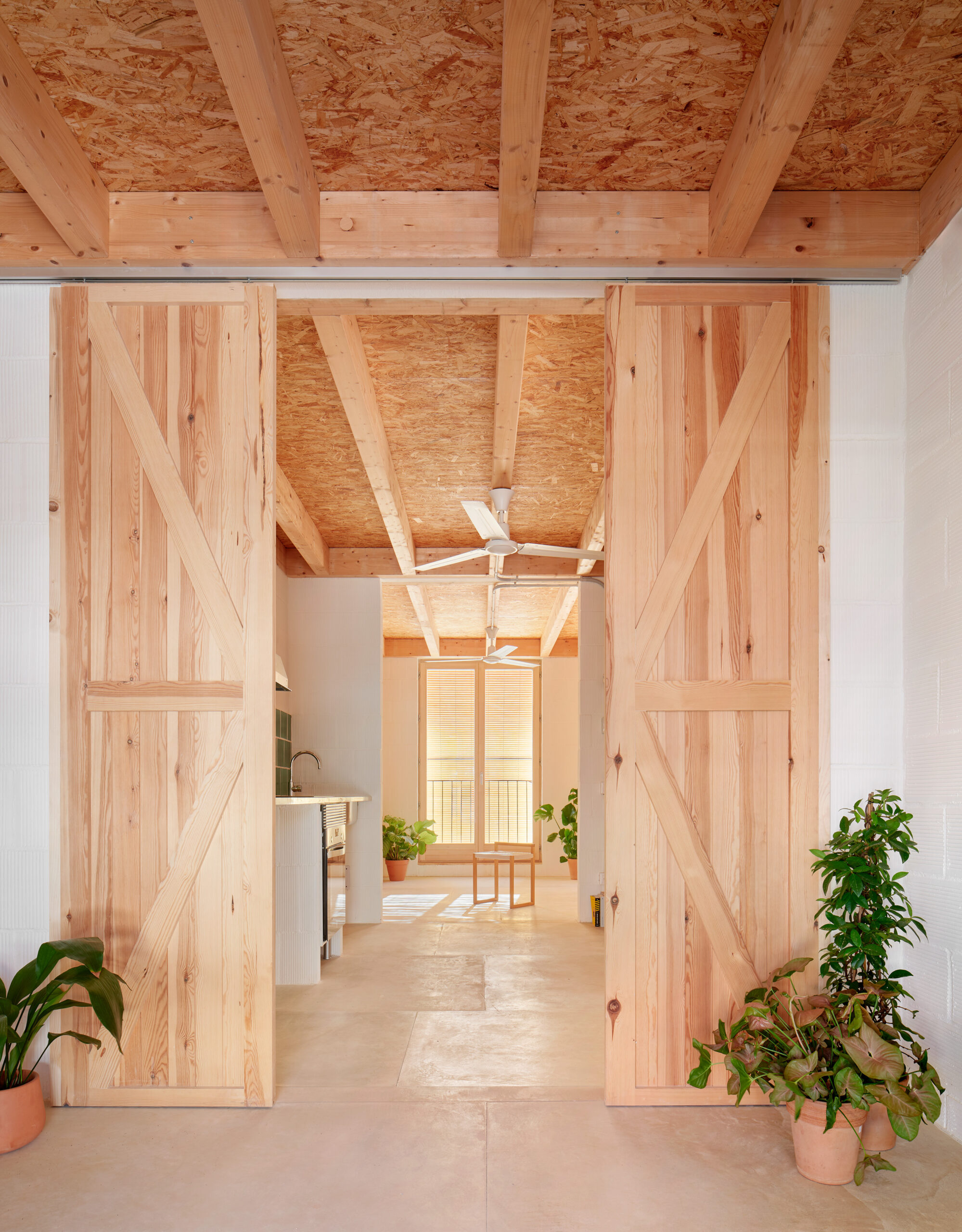
6 HPP Ses Veles Puigpunyent by Fortuny-Alventosa Morell Arquitectes, Mallorca, Spain | Jury Winner, Sustainable Residential Building, 13th Architizer A+Awards | Photo by José Hevia
Given all this, it’s hard to think of a more relevant or significant example of affordable housing done properly. Fortuny-Alventosa Morell and Alventosa Morell have taken everything from local identity to practicality, energy to passivity into consideration, and produced something which also happens to be truly beautiful.
A rare example of contemporary rendered timeless, while also setting a precedent for others to follow — though not directly replicable off the island, this way of locally minded design thinking indeed can be borrowed elsewhere. By its very nature, 6 HPP Ses Veles is Mallorcan, but the principles behind it can and should be adopted by architects and planners in any location where demand for homes is outstripping supply.
Call for entries: The 14th Architizer A+Awards celebrates architecture's new era of craft. For early bird pricing, submit by October 31st.
The post Site-Specific Housing: A Mallorcan Prototype Building Affordable Housing From the Ground Up appeared first on Journal.