











Meet Kiki Goti, Kelly Wearstler's pick for the most influential designer of the next 20 years
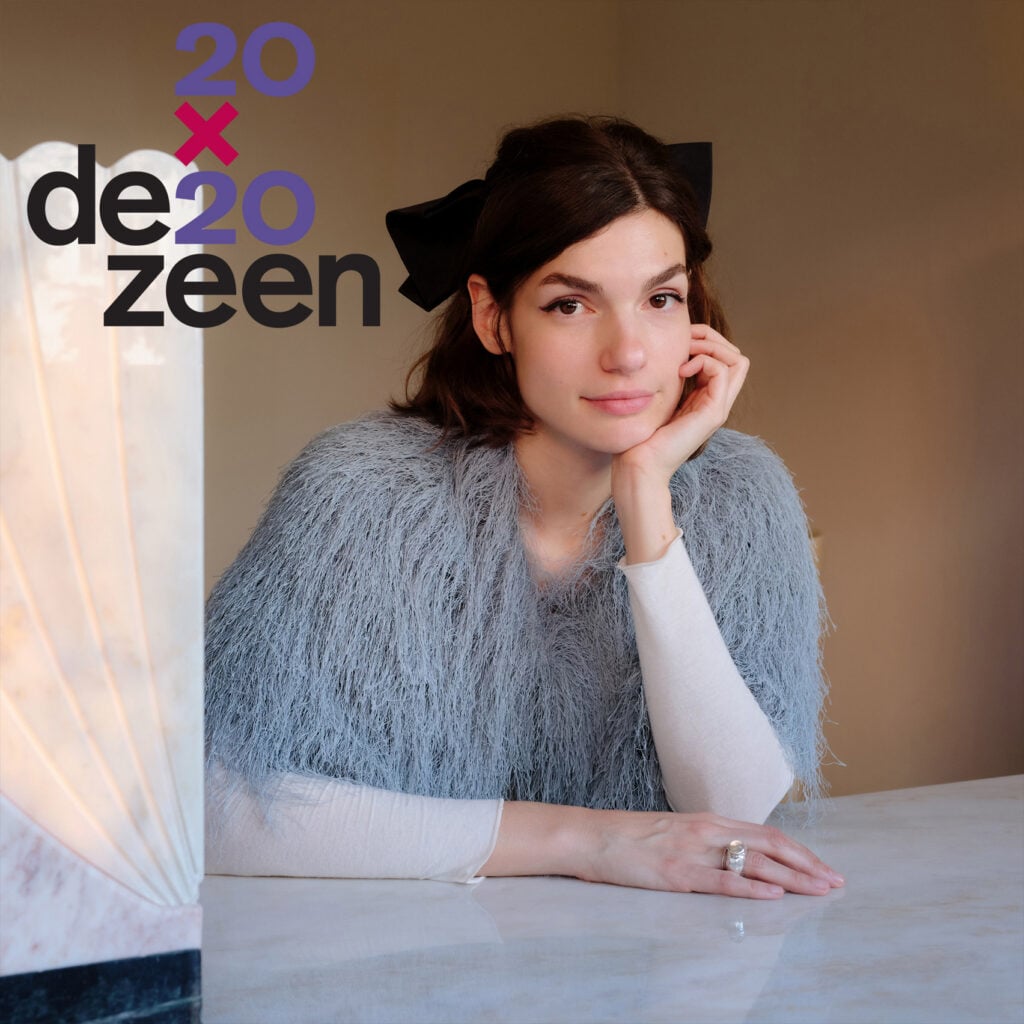

Next up in Dezeen's 20x20 project in partnership with Kohler, which marks 20 years of Dezeen, is Greek designer Kiki Goti, who was nominated by Kelly Wearstler for her innovative approach to ornament and artisanship.
Goti has experienced a remarkable rise since presenting a furniture collection made from salvaged foam insulation during the 2023 edition of Milan design week.
Her conceptual, research-led work typically explores heritage, identity and craftsmanship, resulting in playful objects and spaces that reexamine the cultural codes embedded in design.
Goti was nominated as an emerging talent to watch by American designer Wearstler, who praised how Goti “approaches ornament with the precision of an engineer and the instincts of a sculptor”.
“That refusal to treat craft and technology as opposites is going to matter more over the next 20 years,” Wearstler added.

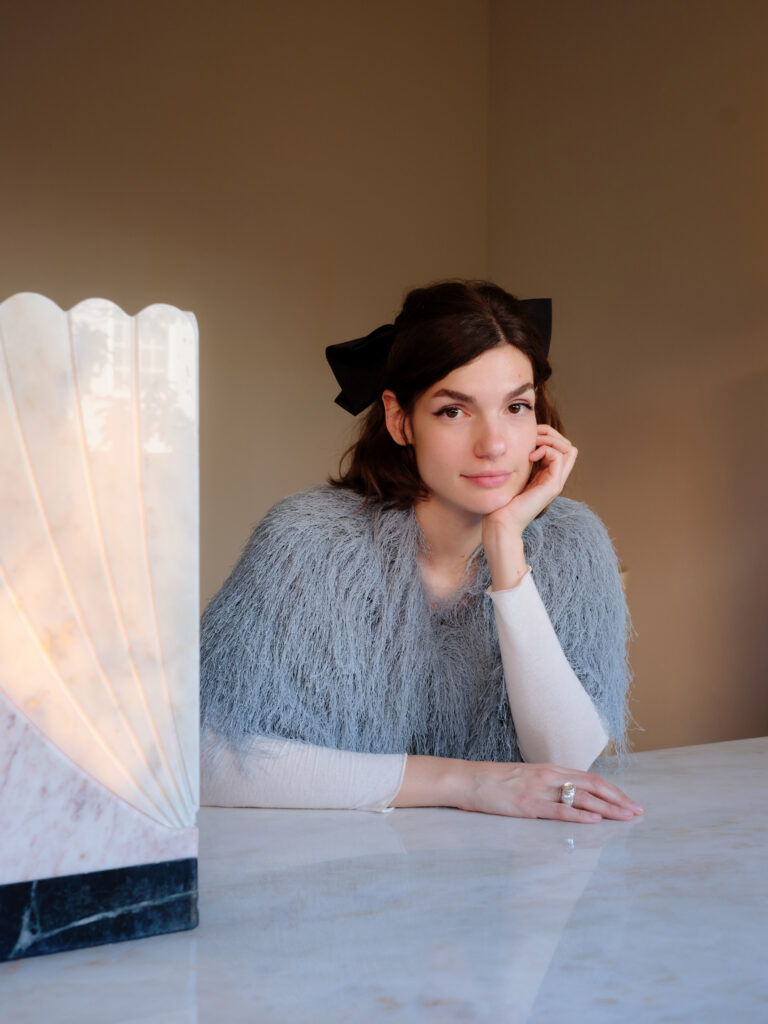
As well as a shared love of ornament and the decorative arts, Wearstler also picked up on how Goti's practice is informed by her background in robotics and machine learning.
“It's amazing to be nominated by such a big designer, and also someone who shares my passion for craft and attention to detail,” Goti told Dezeen.
It's amazing to be nominated by such a big designer, and also someone who shares my passion for craft and attention to detail
Goti added that she was pleased to be recognised by a leading female designer, as her creative muses are mostly women and femininity plays a major role in her own practice.
“My work is very personal so of course there are a lot of references to being a woman,” she said, adding that she draws inspiration from well-known artists and designers such as Louise Bourgeois and Faye Toogood.
Goti spoke to Dezeen from Paris, where she currently lives with her partner, French filmmaker Vincent Staropoli, having recently relocated there from New York.
She was raised in Thessaloniki and received a diploma in architecture from the local AUTh university before completing a masters degree in Integrative Technologies and Architectural Design Research at Stuttgart’s Institute of Computational Design.
The move to New York came after accepting a research position at Pratt Institute, but during the Covid pandemic Goti realised that she missed making her own work, so began experimenting with found materials.
“I really didn’t know what I wanted to do,” she recalled. “But through my research at the university and the New York design community I realised there were other people working in a similar way, which encouraged me to stick with it.”
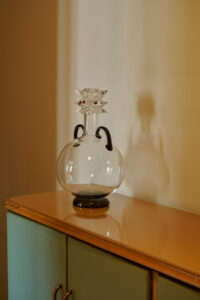
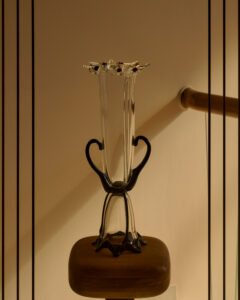
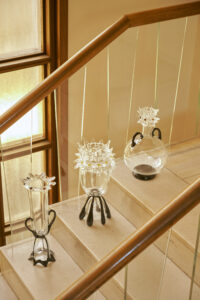
The initial collection was followed by projects made with glass, marble and, most recently, a series of furniture pieces featuring lacquered wooden surfaces that contrast with bell-like aluminium elements.
The outcomes are very unpredictable. Because the collections all look different there isn’t anything people can point to and say ‘that’s clearly made by Kiki’
Goti explained that her work usually starts with research into a specific technique or a material that interests her, before she then applies her findings to the design of an object.
She said she finds this approach creatively fulfilling as it offers endless opportunities, though as someone early in her career it means there is no identifiable style associated with her work.
“I don't usually have a form or a shape in mind when I start,” she said. “So the outcomes are very unpredictable. Because the collections all look different there isn’t anything people can point to and say ‘that’s clearly made by Kiki’.”
“In the long term I hope people will recognise my work because of its research-led approach,” she continued. “We need to take more time to understand other artists’ work and not judge everything based on a few images on social media.”
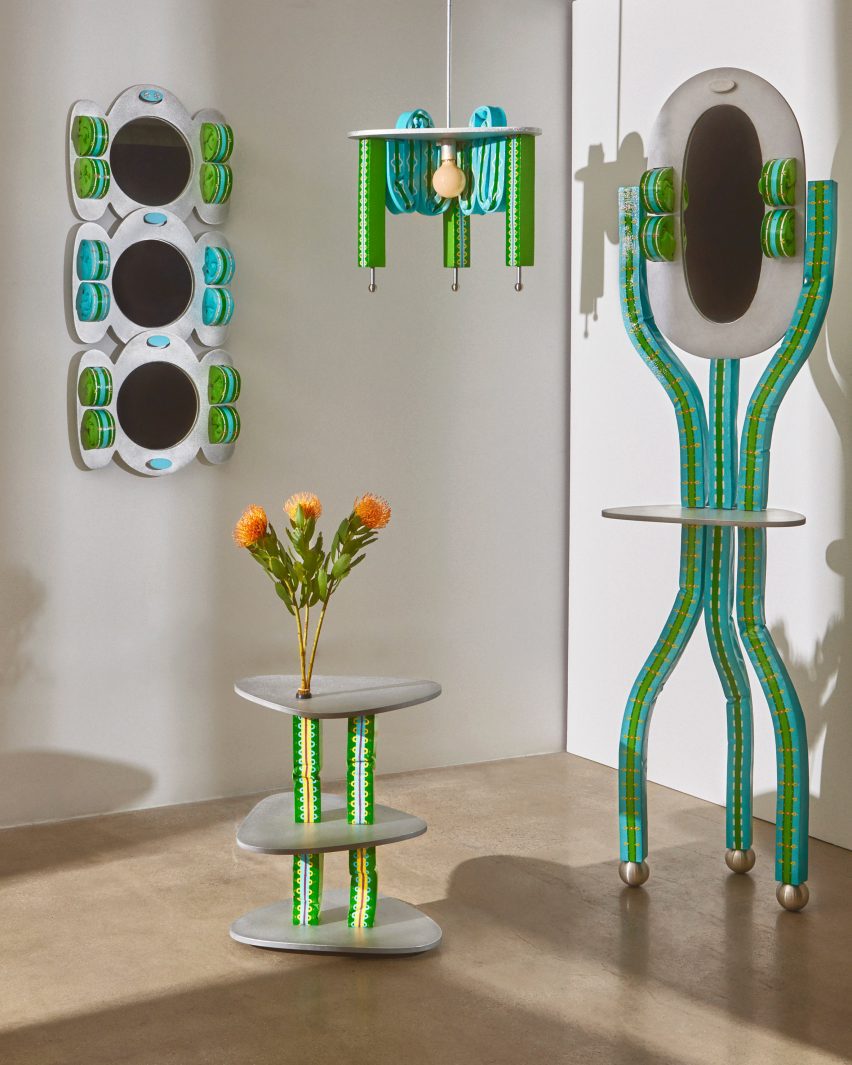
Decoration and ornamentation are recurring elements within Goti’s oeuvre, although she doesn’t want to be labelled as a maximalist.
“My work is sometimes very ornamental and sometimes it’s more minimal,” she added. “So there’s a gradient and the outcome is really determined by the process.”
Like many contemporary designers, Goti does not produce all of her own work, instead utilising a network of expert artisans to help bring her whimsical and deeply personal creations to life.
“I’m a very collaborative person and I think we can create better outcomes when we put our minds together with other people,” she said.
“My architecture background really helped me develop this collaborative mindset and I think one of the key things you learn as you get older is to be selective about who you work with.”
I’m a very collaborative person and I think we can create better outcomes when we put our minds together with other people
The collection she developed with Marble Sachanas (top) exemplifies this collaborative approach, applying Goti’s visionary and playful style to an ancient material sourced from a quarry close to her home town.
Goti met the company’s representatives during 2025’s Milan design week and struck up a conversation that led to them returning this year to exhibit the outcomes as part of the Alcova event.
Projects such as the marble pieces and the furniture she developed for Mexican gallery Toro Manifesto fall into the category of collectible design, which Goti pointed out is a consequence of their artisanal production rather than a conscious decision to make high-end, limited-edition objects.
“Everything nowadays is so expensive to make,” she explained. “If you want to make something that’s well-crafted you have to pay for the materials, the shipping, the labour and that causes the price to be high – it’s not the designer’s fault.”
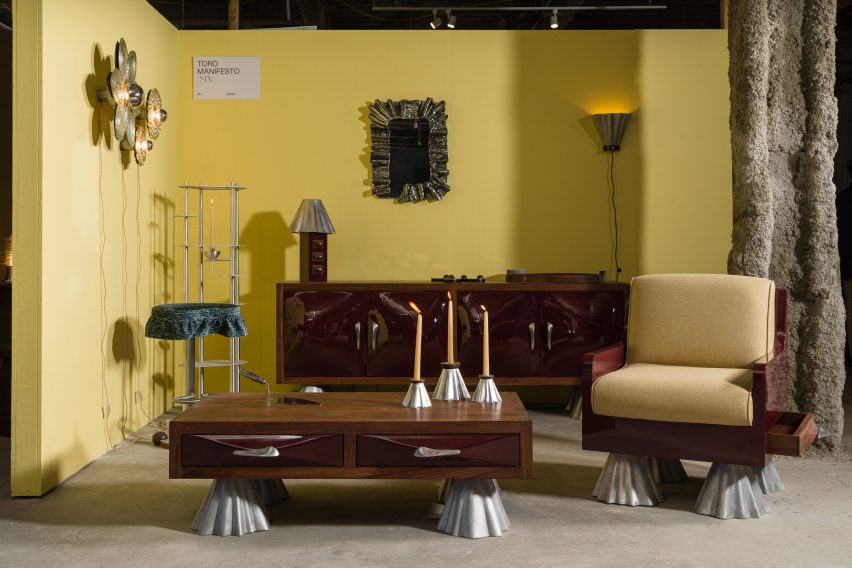
The armchair, coffee table and sideboard were shown at the Collectible design fair in New York, but Goti said she would also be interested in working on designs that could be licensed and produced by a brand.
She is currently developing a collection of glass objects that will be smaller and more affordable than her large-scale Graces vessels, while retaining their exuberant aesthetic.
Alongside her personal projects, Goti also runs an interior design practice together with Staropoli called The House Special Studio, which combines her distinctive aesthetic approach with his cinematic vision.
The studio’s first completed project was the renovation of a compact Paris apartment, which reflects their desire to create spaces that feel fun, personal and lived-in.
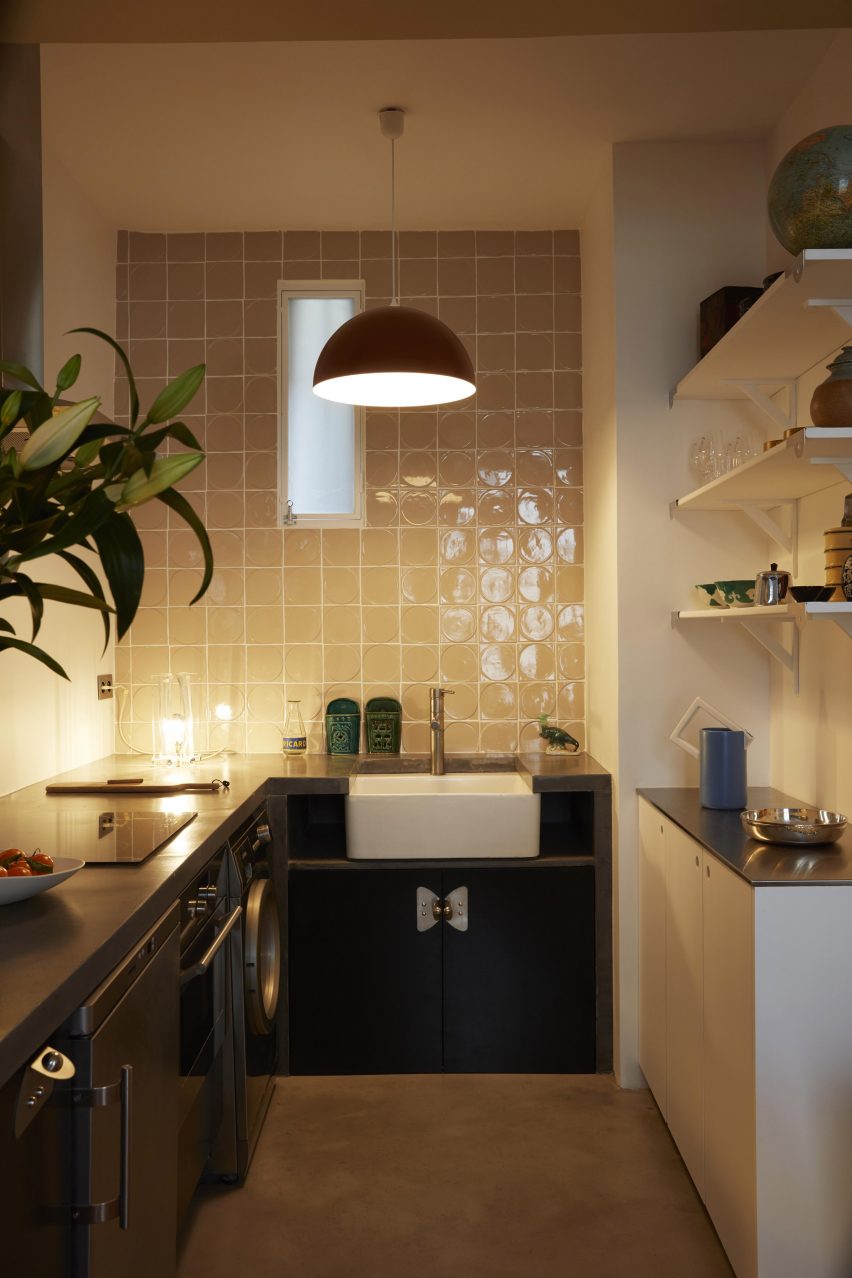
Looking ahead to what the next 20 years might hold, Goti intends to continue experimenting with different materials and techniques, while attempting to document her design process in a more detailed and consistent manner.
She believes some designers, herself included, have reacted to the isolated experience of Covid lockdowns by working more with their hands and exploring new ways of collaborating, which she hopes will continue over the coming years.
“I feel we’re all craving crafts and handmade objects more than ever,” she said. “The more digital content we are fed, the more we are drawn back towards analogue experiences.”
“I think we all want more physical interaction with materials and with each other, as well as more intimate settings where we can come together and make things. That’s the kind of future I want to see.”
To celebrate Dezeen's 20th birthday, we asked 20 of the most influential architects and designers of the last 20 years to identify someone they think will have a major impact in the next 20 years. Over the next four weeks, we'll reveal their picks in a series of profile interviews.

20x20
The series is presented in partnership with Kohler.
The post Meet Kiki Goti, Kelly Wearstler's pick for the most influential designer of the next 20 years appeared first on Dezeen.