




Meet AMAA, Neri&Hu’s pick for the most influential architect of the next 20 years
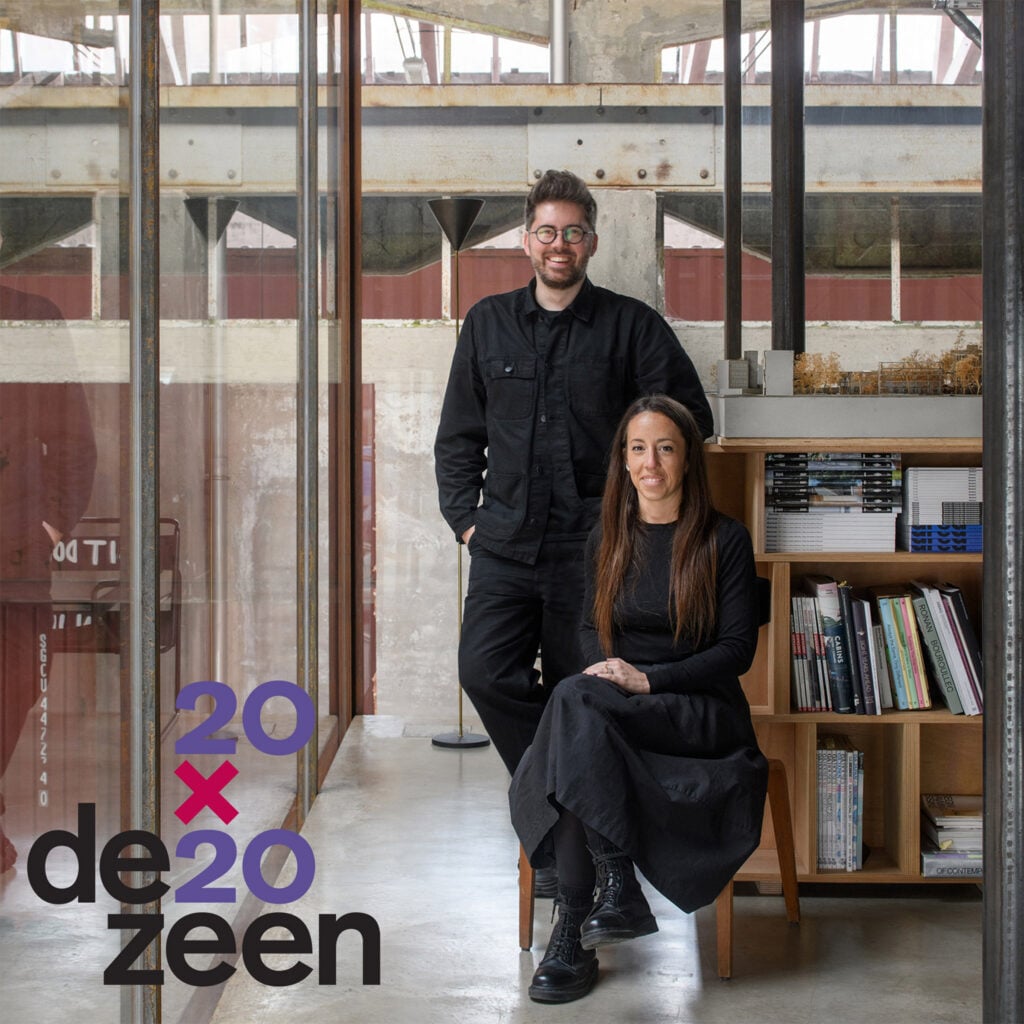

An innovative approach to the reuse of existing buildings defines the output of Italian architecture office AMAA, which Neri&Hu has selected as one of 20 names to watch in architecture and design as part of Dezeen's 20×20 project, sponsored by Kohler.
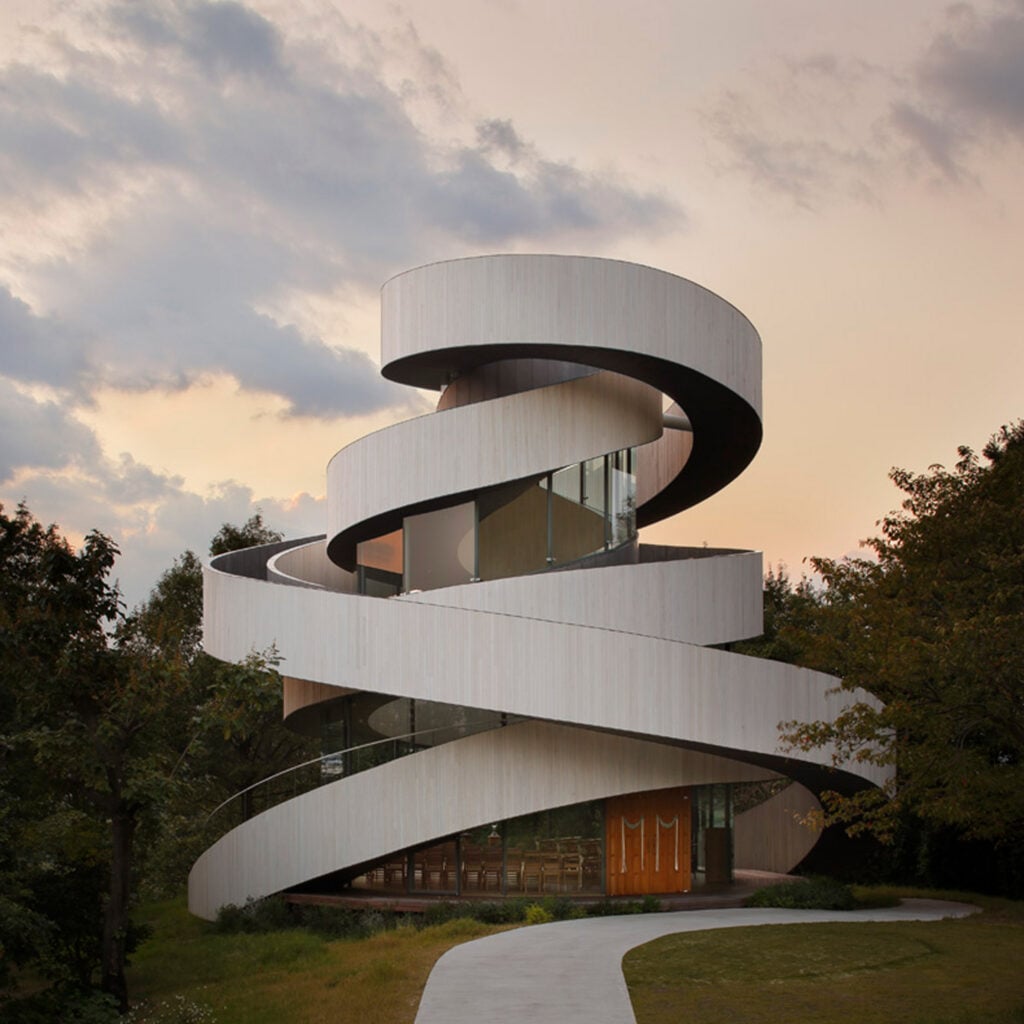
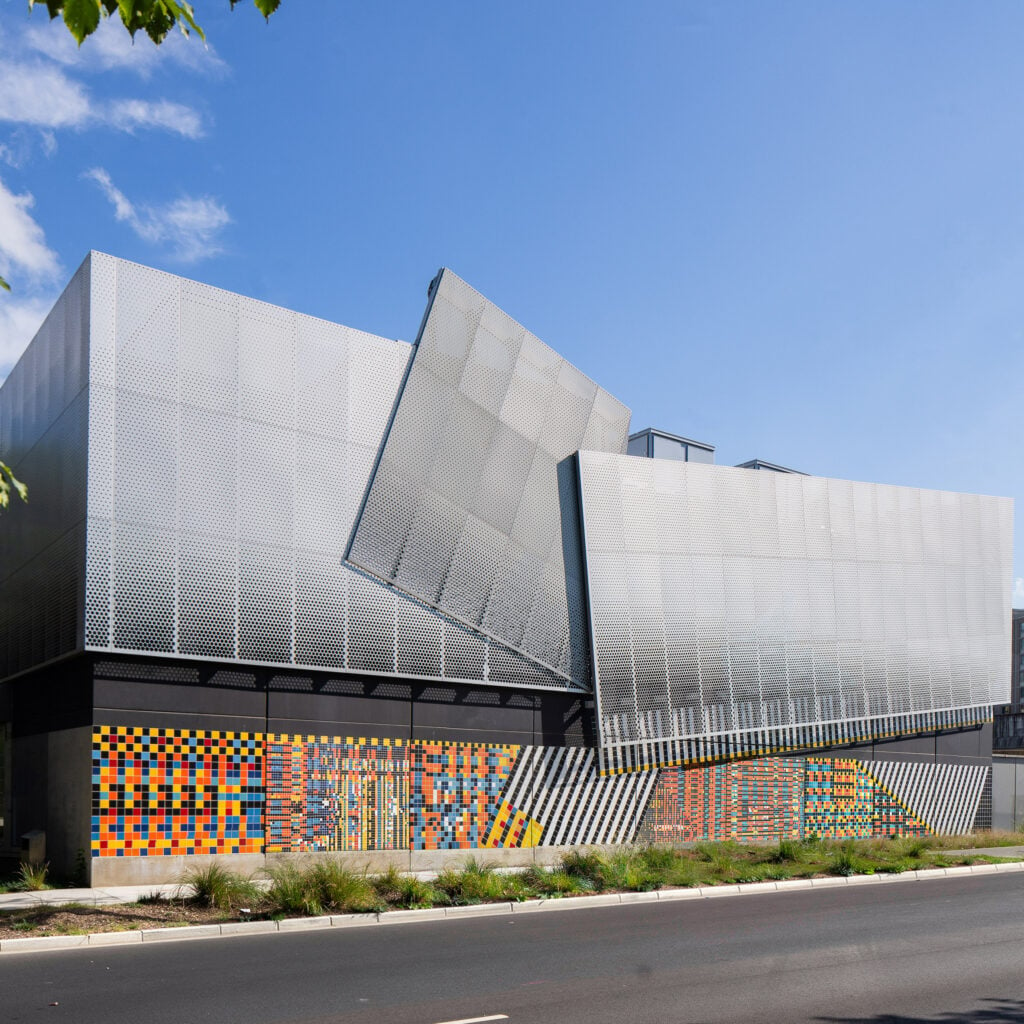
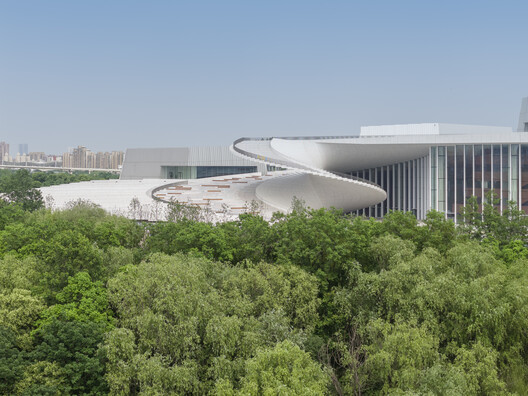
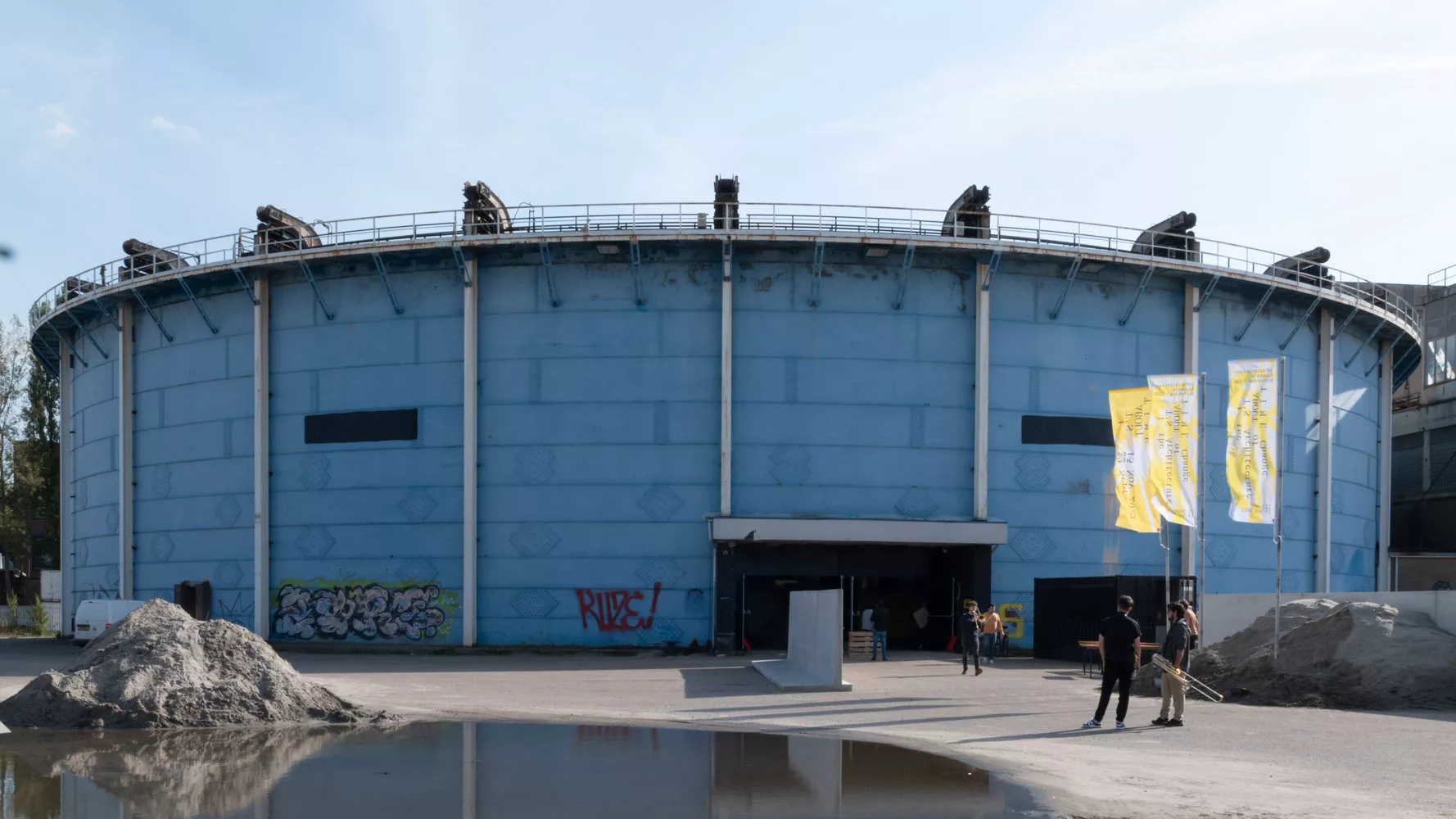
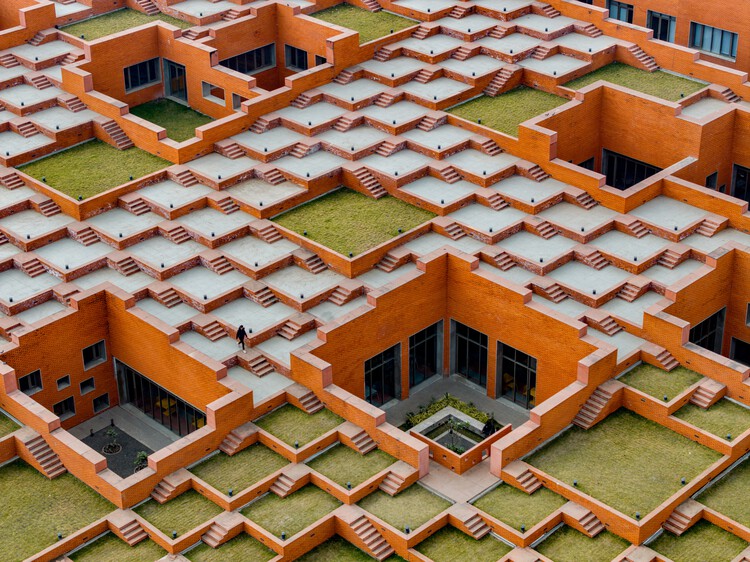
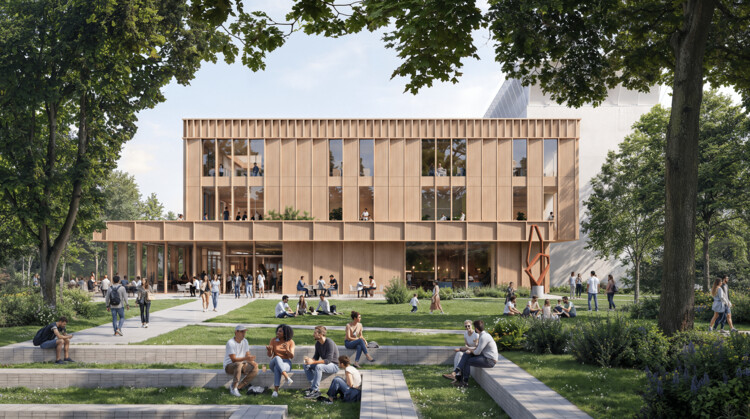
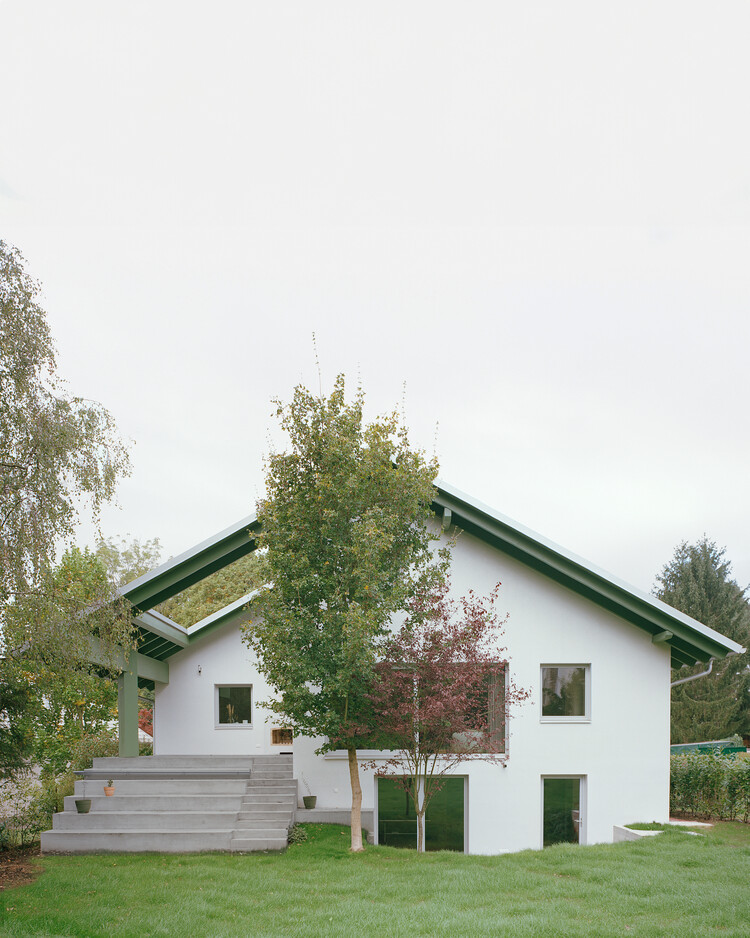
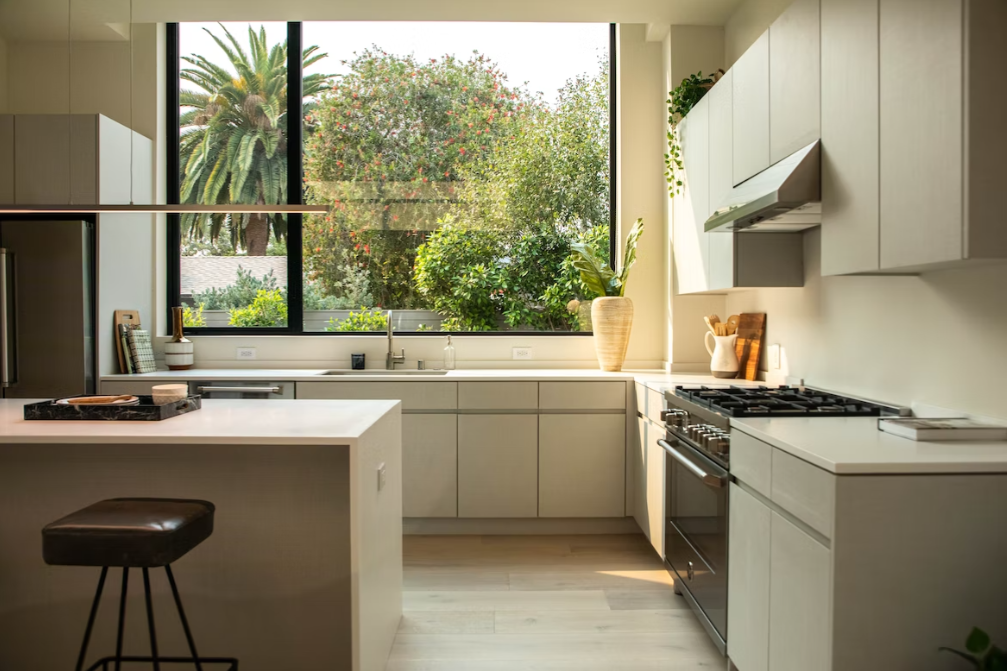
Led by Marcello Galiotto and Alessandra Rampazzo, over the past 14 years AMAA has become known for its approach to the reuse of post-industrial structures in northern Italy, with the transformation of a former factory building into its own studio, a typical example of its approach.
According to Galiotto, these buildings are a taste of what the studio wants to achieve.
“What we have done in the past 10 years is really just a sketch of what we can do in the future,” he told Dezeen.
“Our research is still growing, and it can be applied to various programmes and contexts,” he continued, “but in 20 years we will both be 60 so we want the studio to be able to evolve and grow in new directions.”
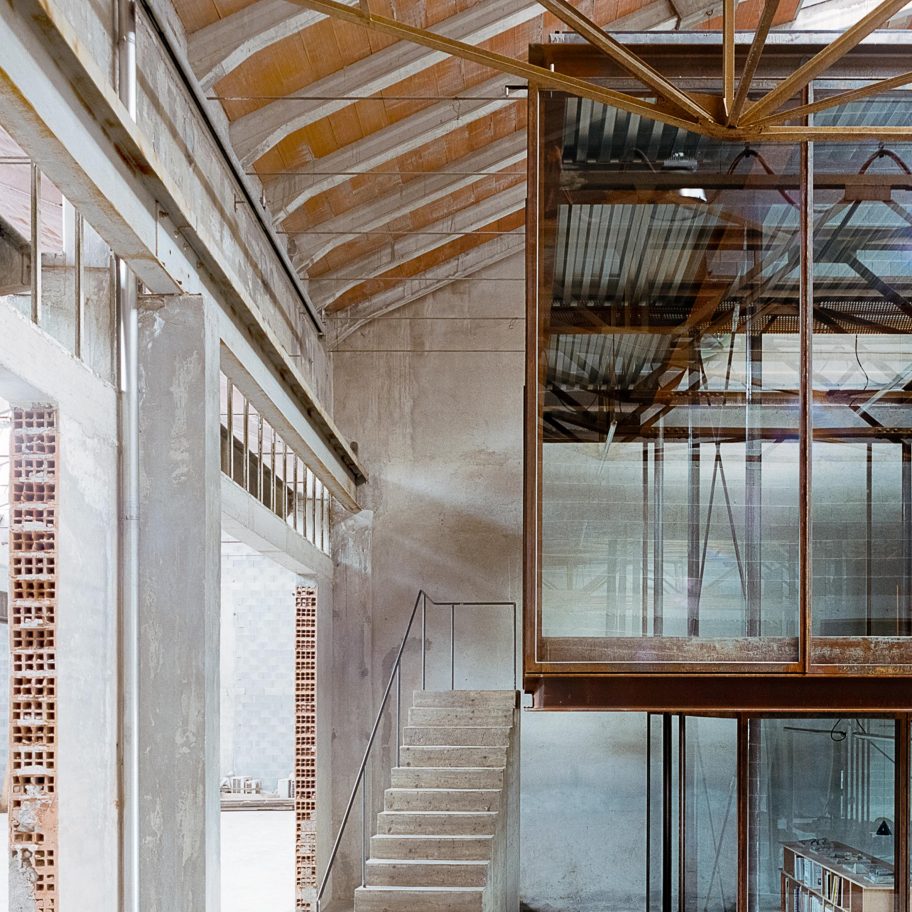
The preservation and adaptation of existing buildings, which is central to AMAA’s practice, is a key reason why architects Lyndon Neri and Rossana Hu selected the studio for Dezeen’s 20x20 series.
"AMAA is significant for its fierce commitment to adaptive reuse," said the duo, adding that the studio’s ability to repurpose historic structures "positions them as leaders in circular, life-cycle thinking in contemporary Italian architecture".
AMAA is significant for its fierce commitment to adaptive reuse, [which] positions them as leaders in circular, life-cycle thinking in contemporary Italian architecture
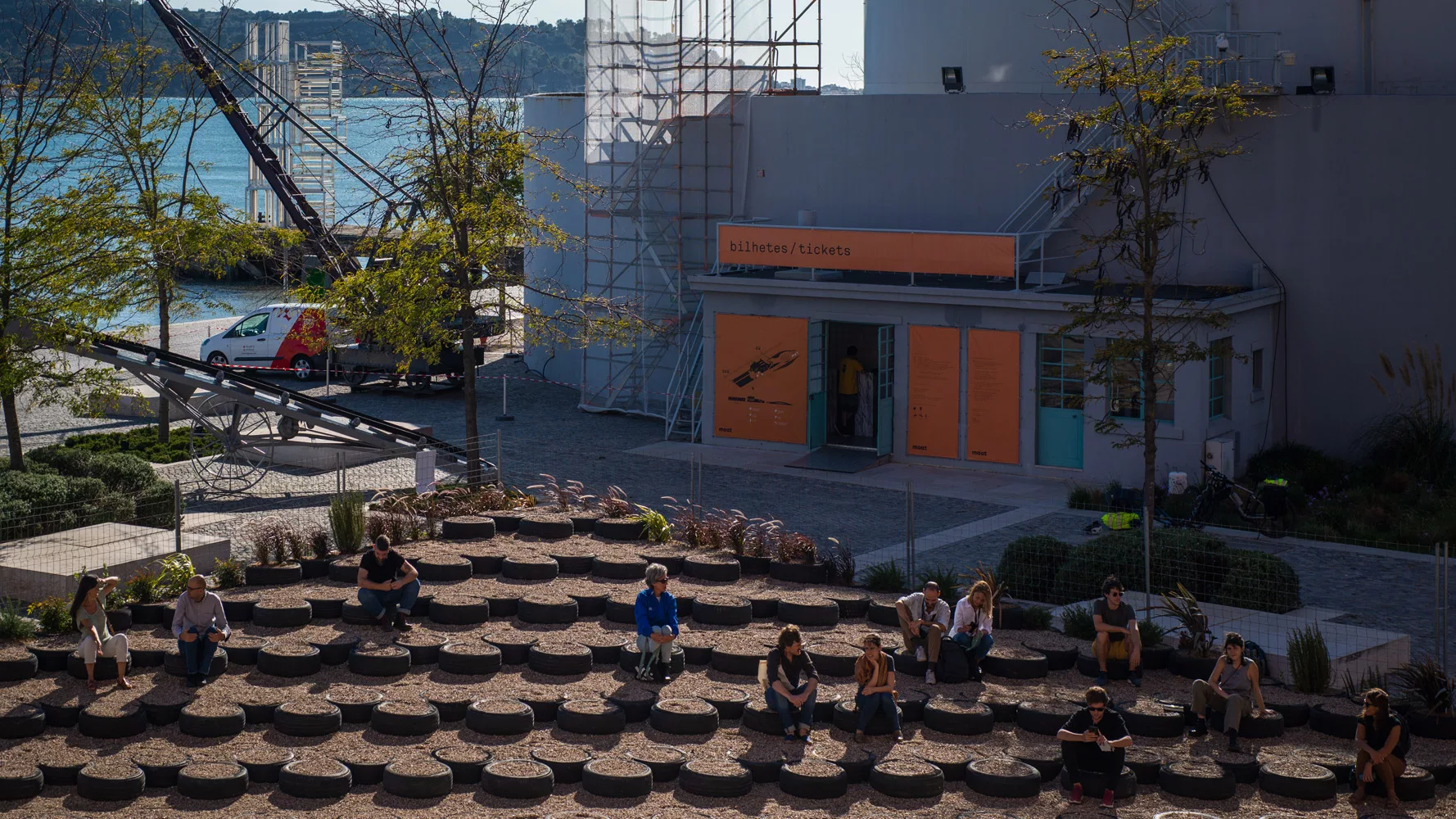
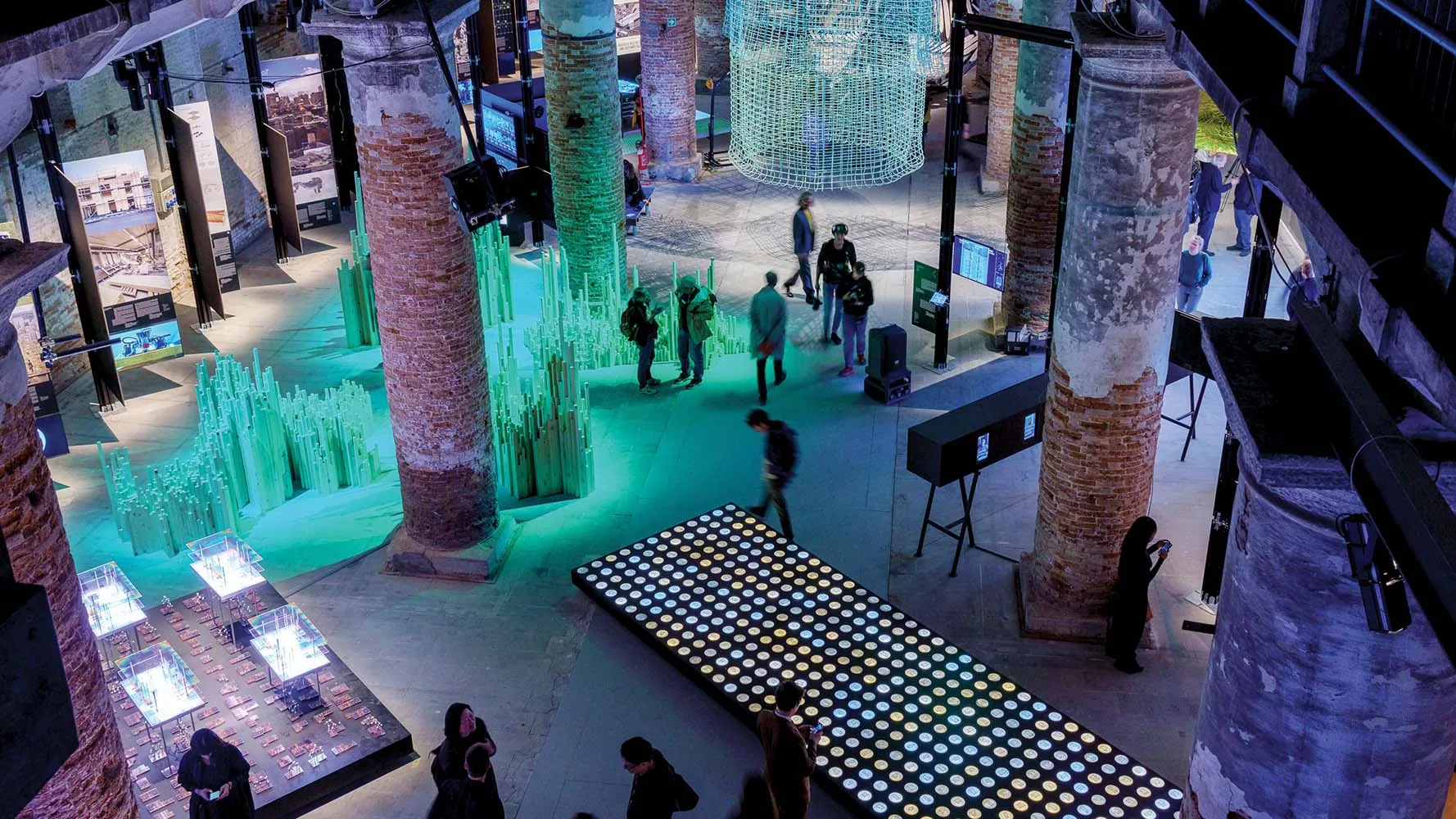
Galiotto and Rampazzo met Neri and Hu when they participated in the 2023 Venice Biennale and have since been invited to host lectures at the University of Pennsylvania, where Hu is chair of the architecture department.
“We have a long relationship with Lyndon and Rossana who we consider to be both amazing people and great architects so it’s truly an honour to be selected by them,” said Galiotto.
Rampazzo added that he saw a clear overlap between Shanghai-based Neri&Hu's work, which also has a focus on adaptive reuse approach, and their approach at AMAA.
“I’m a fan of their work and I see similarities in the way we do architecture and also the way we teach, despite our different cultural backgrounds,” she said. “I also love how they really support students and young architects by sharing their knowledge. We have a lot to learn from them but I hope we can have the same kind of legacy.”
Rampazzo and Galiotto have known each other for more than 20 years after meeting while studying architecture at the Iuav University of Venice.
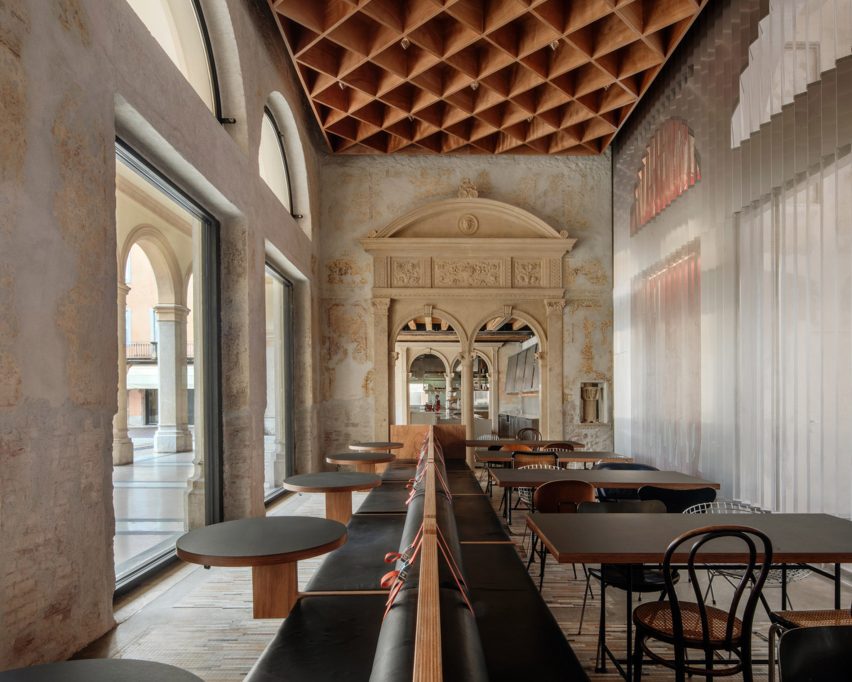
The studio now has offices in Venice and in the industrial town of Arzignano, and has gradually established themselves among Italy’s most respected architecture firms thanks to projects such as their own office and a cafe housed within a 19th-century town hall.
We felt our education hadn’t provide us with knowledge of how to run a medium or large-scale practice, so my experience with Sou Fujimoto was about closing the gap between the present and future of our studio
The pair studied together at Iuav under the professorship of Massimo Carmassi, who they cite as an important influence on their approach to restoration and reuse.
After graduating in 2010, they assisted Carmassi and briefly set up a studio with friends to work on competitions. Then Galiotto went to Japan to work for Sou Fujimoto, while Rampazzo travelled to India for her PhD studies.
“We felt our education hadn’t provide us with knowledge of how to run a medium or large-scale practice,” said Galiotto, “so my experience with Sou Fujimoto was about closing the gap between the present and future of our studio.”
This global travel and work experience helped open their minds to alternative approaches and opportunities, as well as giving them the confidence to set up their own studio back in Venice.
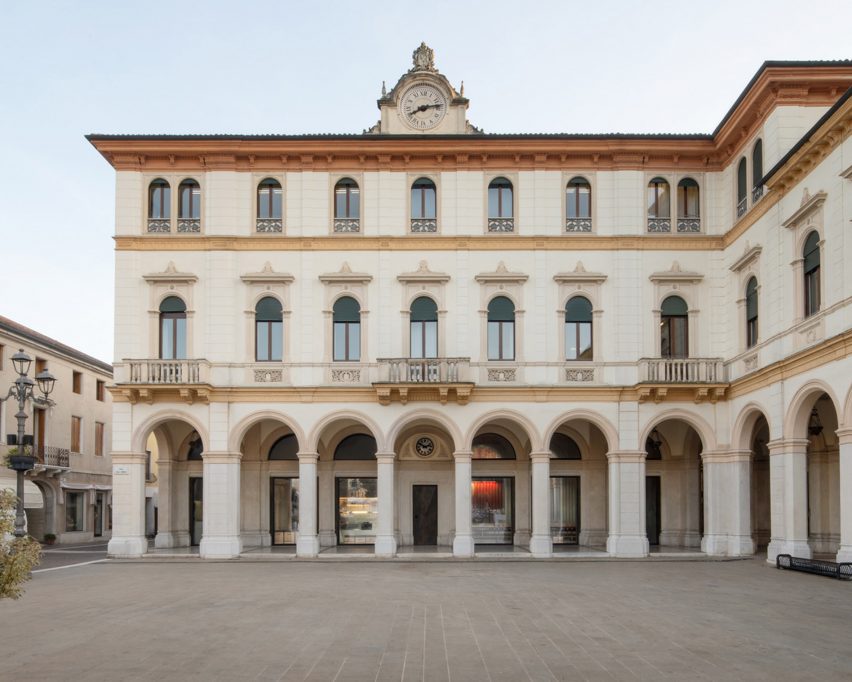
In 2015, they opened a branch office in Galiotto’s hometown of Arzignano, which has been described as an “AMAA playground” due to the number of projects the practice has completed there.
Galiotto pointed out that their work in the town is part of an ongoing research into how architecture can blur the line between private and public spaces, with the Caffe Nazionale project providing a good example.
“Although the cafe is privately owned, it also forms the edge of a plaza so we wanted to give the space back to the people,” the architect explained, adding that the studio has coined the term “super public” to describe this aspect of their practice.
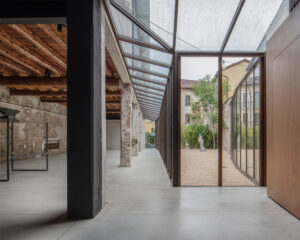
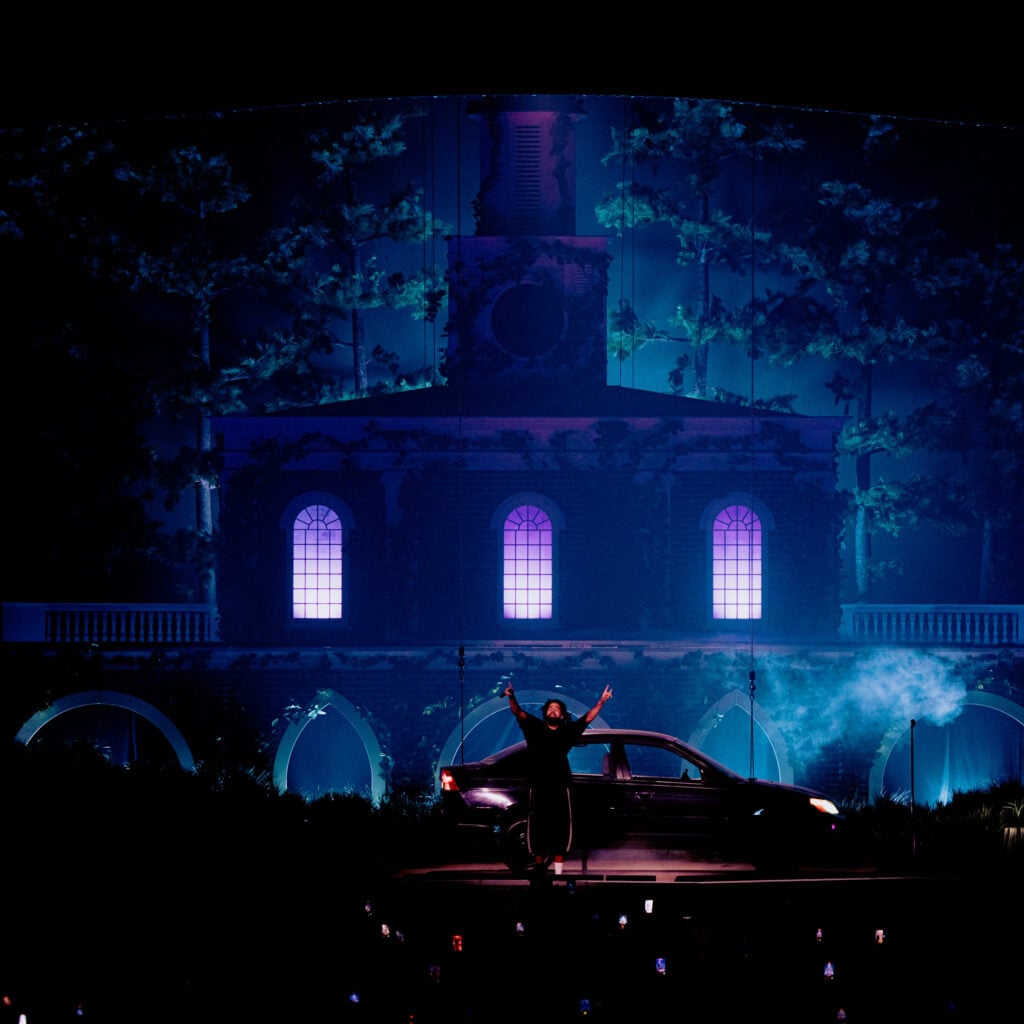
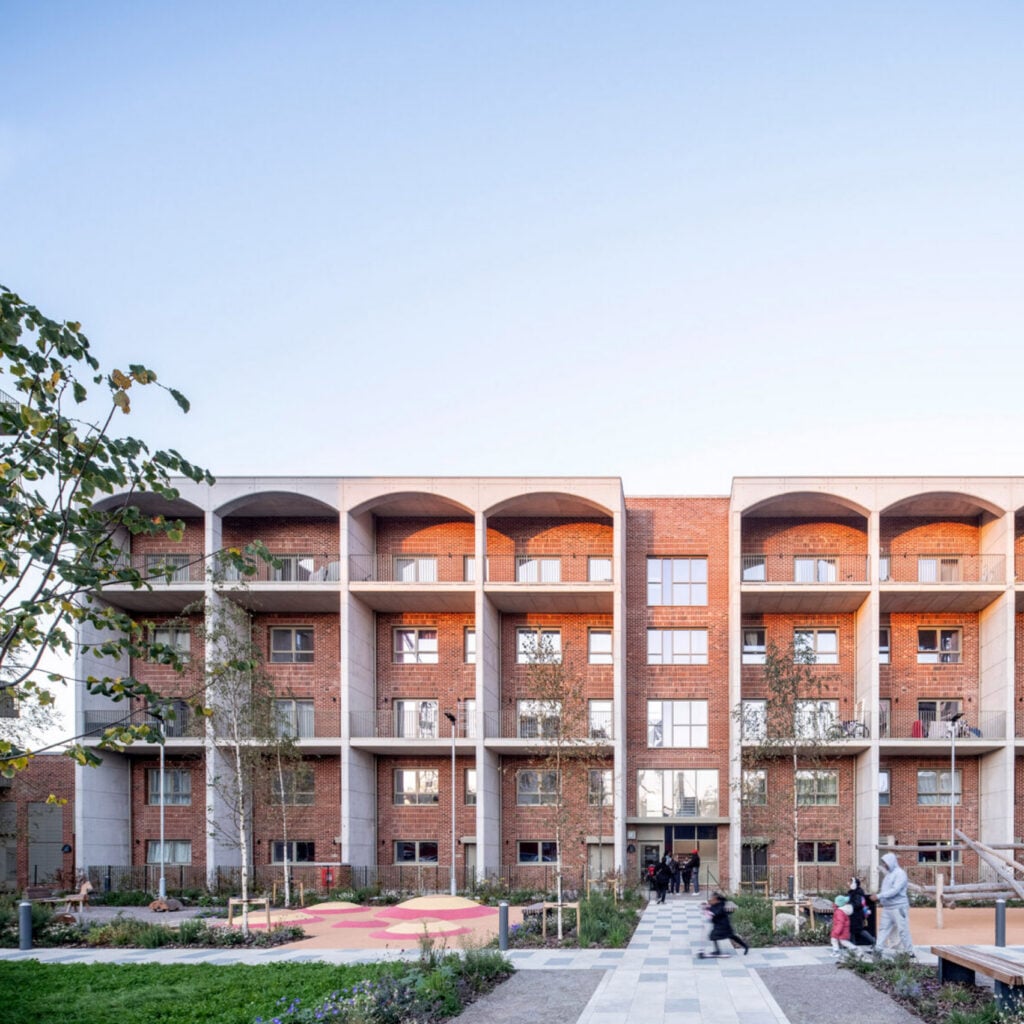
Alongside their work in Arzignano and Venice, AMAA now has commissions across Italy, including hospitality and residential projects, as well as schools and a theatre.
The studio’s expanding list of projects has caused it to swell is size to approximately 30 members of staff, which Galiotto suggested is necessary to facilitate their detailed, research-led approach.
We often collaborate closely with other architects, but we are also influenced by painting, sculpture and photography which enhances the eclecticism of our projects
Looking ahead, the architects said their main objective is to continue developing their team and consolidating their approach so that others can carry it on in the coming decades
One concern they have is maintaining the same quality of output as demand for their services grows and they take on an increasing number of projects.
In just the past year they have completed 10 projects – as many as they delivered during the first decade of their practice – with public commissions now joining their work for private clients.
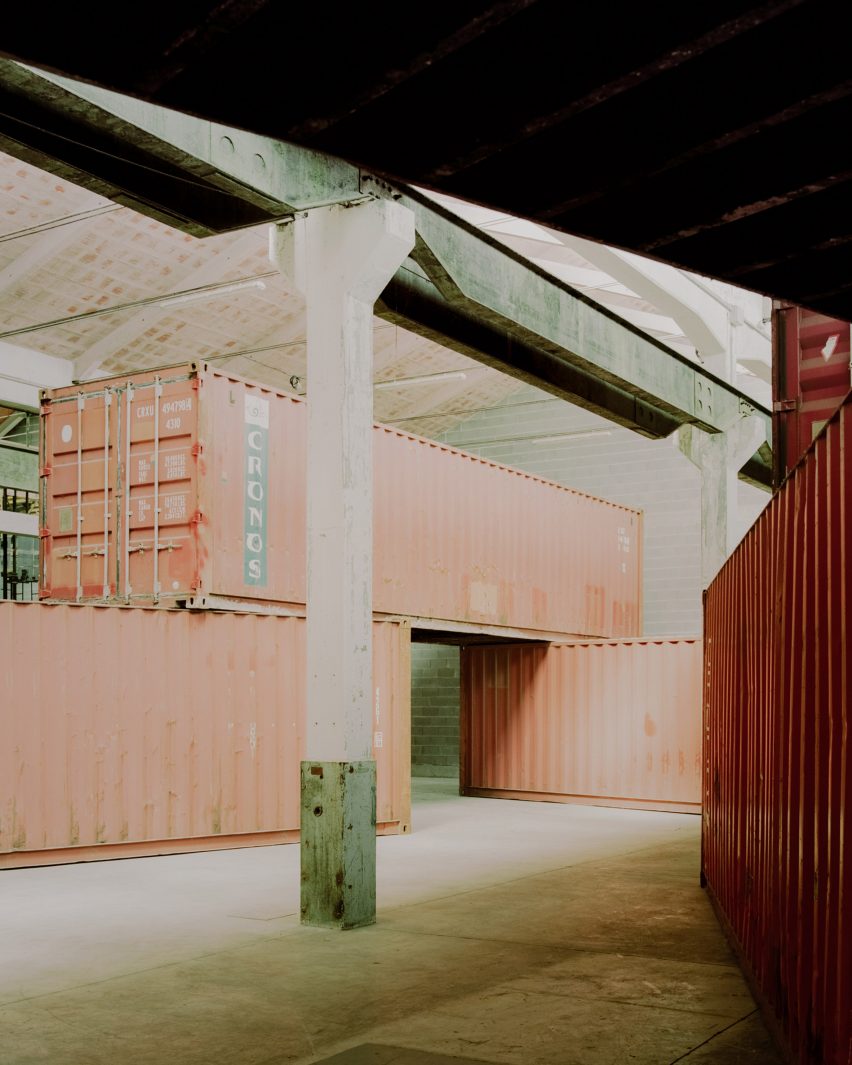
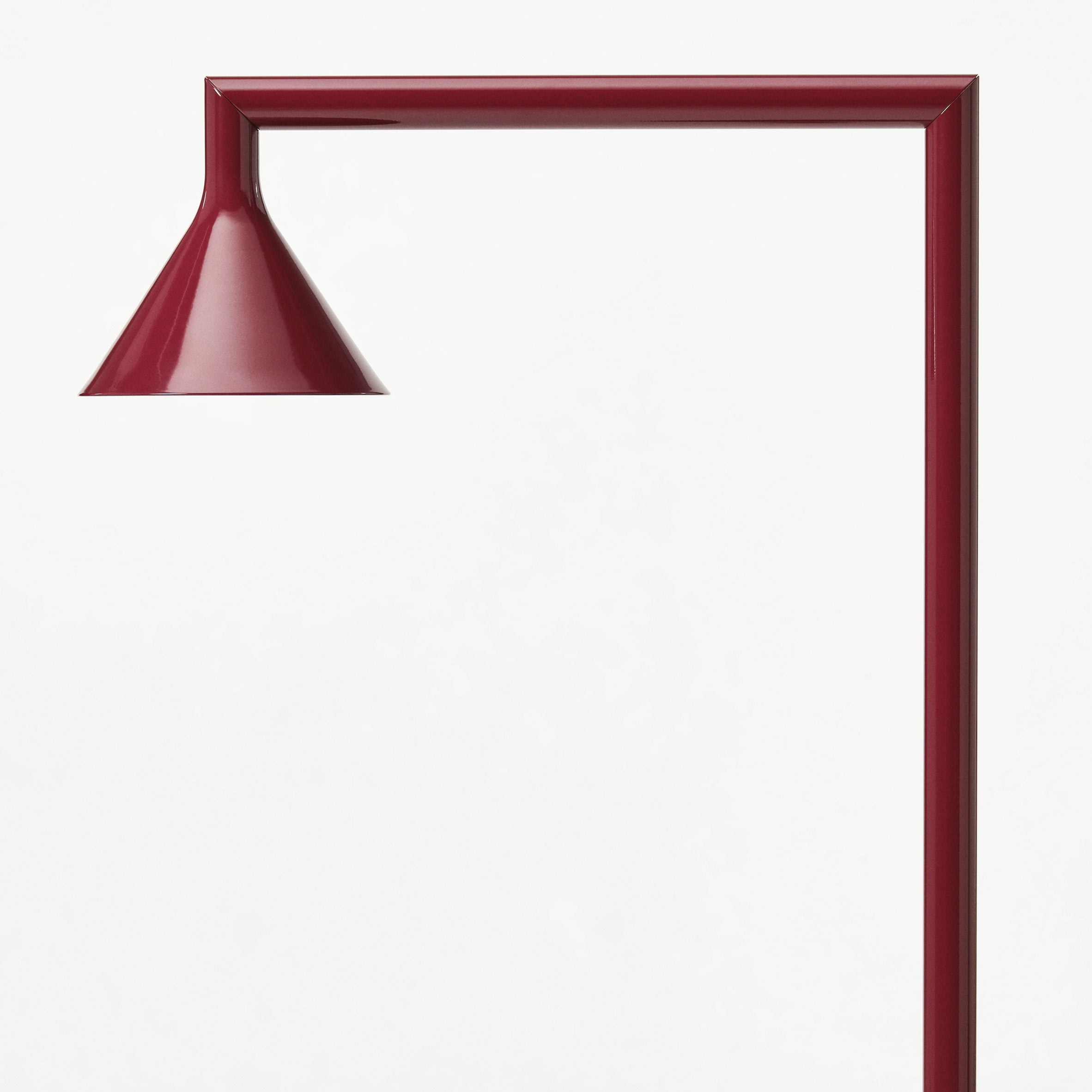
Despite the rapid growth, Galiotto and Rampazzo insisted their approach remains consistent whatever scale of project they are working on, whether it’s a chair, a public plaza or a museum, which they both agree would be a dream next project.
Asked for her view on the future of architecture over the coming decades, Rampazzo said there is a trend in Italy towards involving other creatives in the design process which represents an alternative to the more autocratic approach of the past.
“Sharing ideas and opinions leads to more interesting outcomes,” she claimed. “We often collaborate closely with other architects, but we are also influenced by painting, sculpture and photography which enhances the eclecticism of our projects.”
In their teaching roles at institutions including Kent State University and Universidade do Minho in Portugal, Galiotto and Rampazzo are responsible for helping to shape the attitudes of the next generation of architects, who they recognise are entering the workplace in challenging times.
Galiotto said if there is one thing he tries to pass on to his students and the staff in his studio it is to “have passion and to keep pushing for what you believe in.”
“If you are humble, passionate and curious then you can find success,” he added. “Sometimes it can be tough, but when you love what you do you can live your life feeling like you never worked for a single day.”
To celebrate Dezeen's 20th birthday, we asked 20 of the most influential architects and designers of the last 20 years to identify someone they think will have a major impact in the next 20 years. Over the next four weeks, we'll reveal their picks in a series of profile interviews.

20x20
The post Meet AMAA, Neri&Hu’s pick for the most influential architect of the next 20 years appeared first on Dezeen.