





"Industry in Germany is no longer open to what design can do" say Currents Berlin organisers

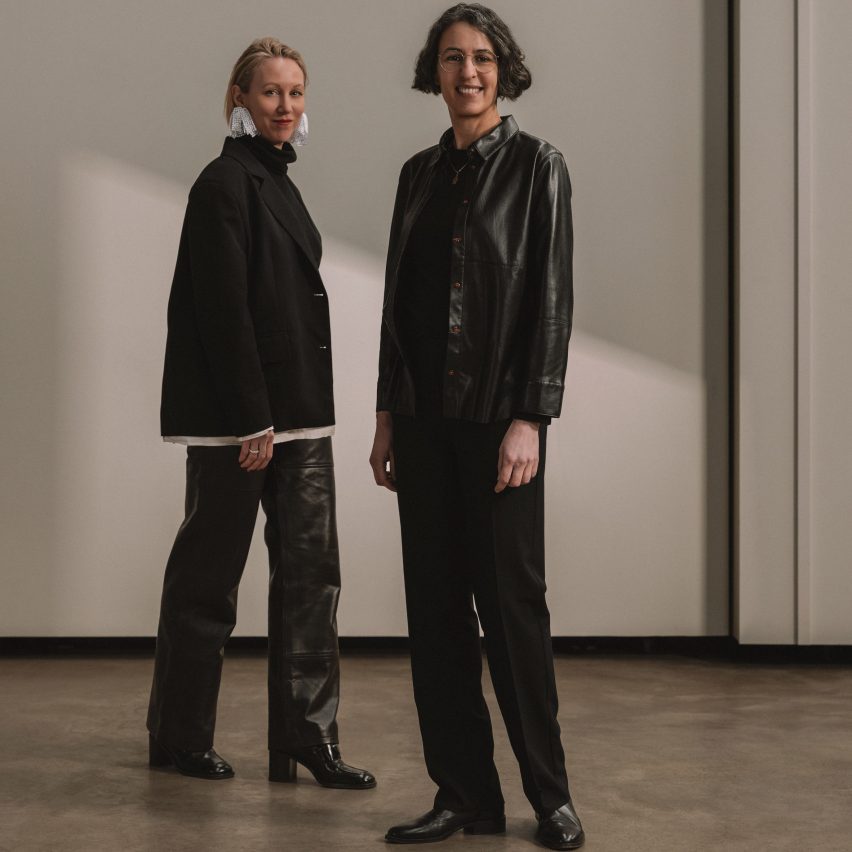
As Currents festival kicks off in Berlin, founders Laura Ewert and Jasmin Jouhar tell Dezeen why they hope the event will finally bring the local design community the recognition it deserves.
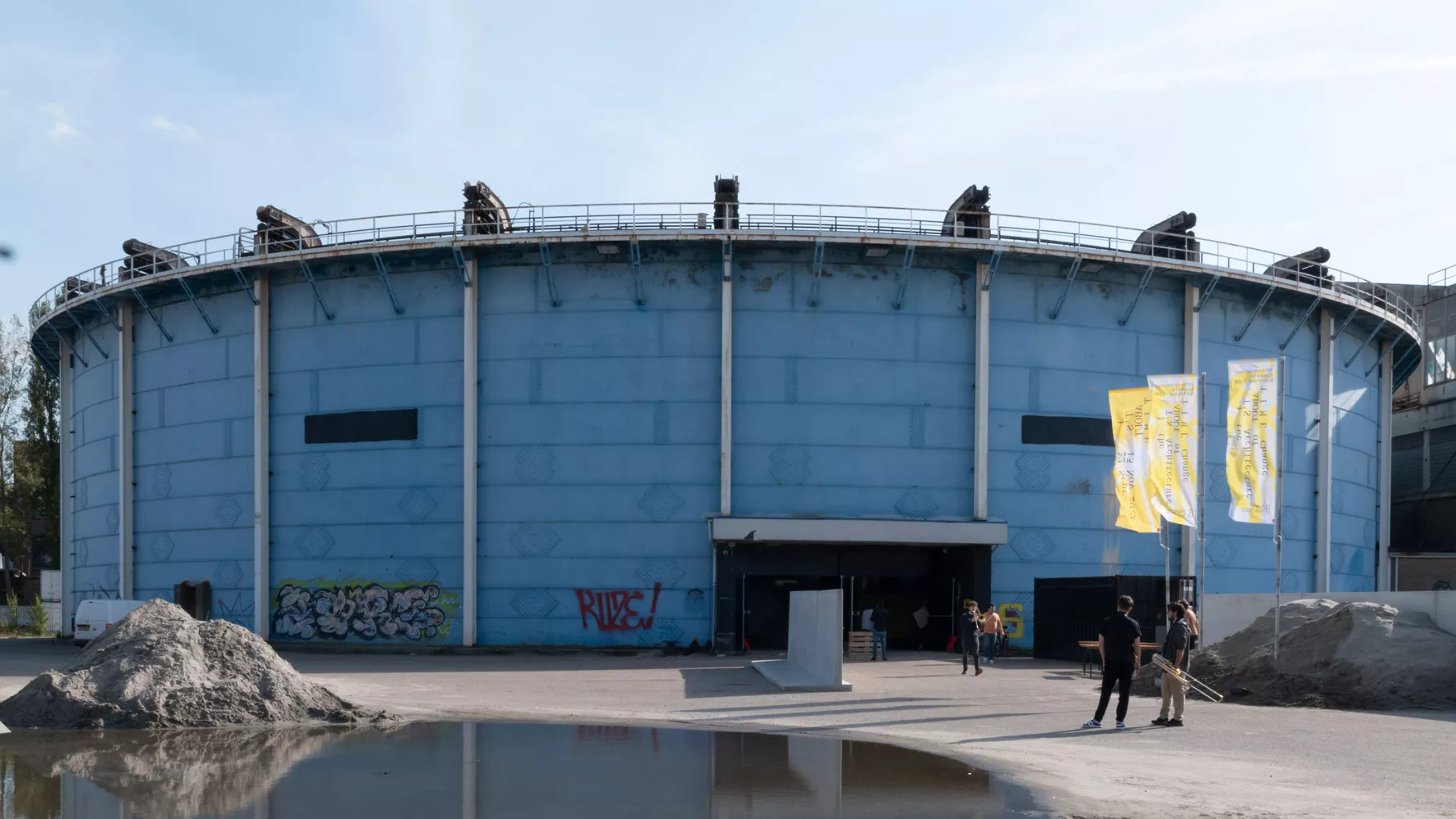
Running from today until 12 September, Currents was conceived as a "very Berlin" event – decentralised and community-curated, with minimal corporate sponsorship.
Much like Copenhagen's 3 Days of Design, it is funded almost entirely bottom-up by the brands and studios taking part.
"The concept is not really new, but it's also very Berlin," Ewert said. "We are used to creating something out of nothing. There is an empty room, then 10 people come together, and two weeks later there is a proper exhibition without much money."
"It's basically this spirit of DIYing," Jouhar added. "People in Berlin are not waiting for someone else to come and tell them: let's go do this now."
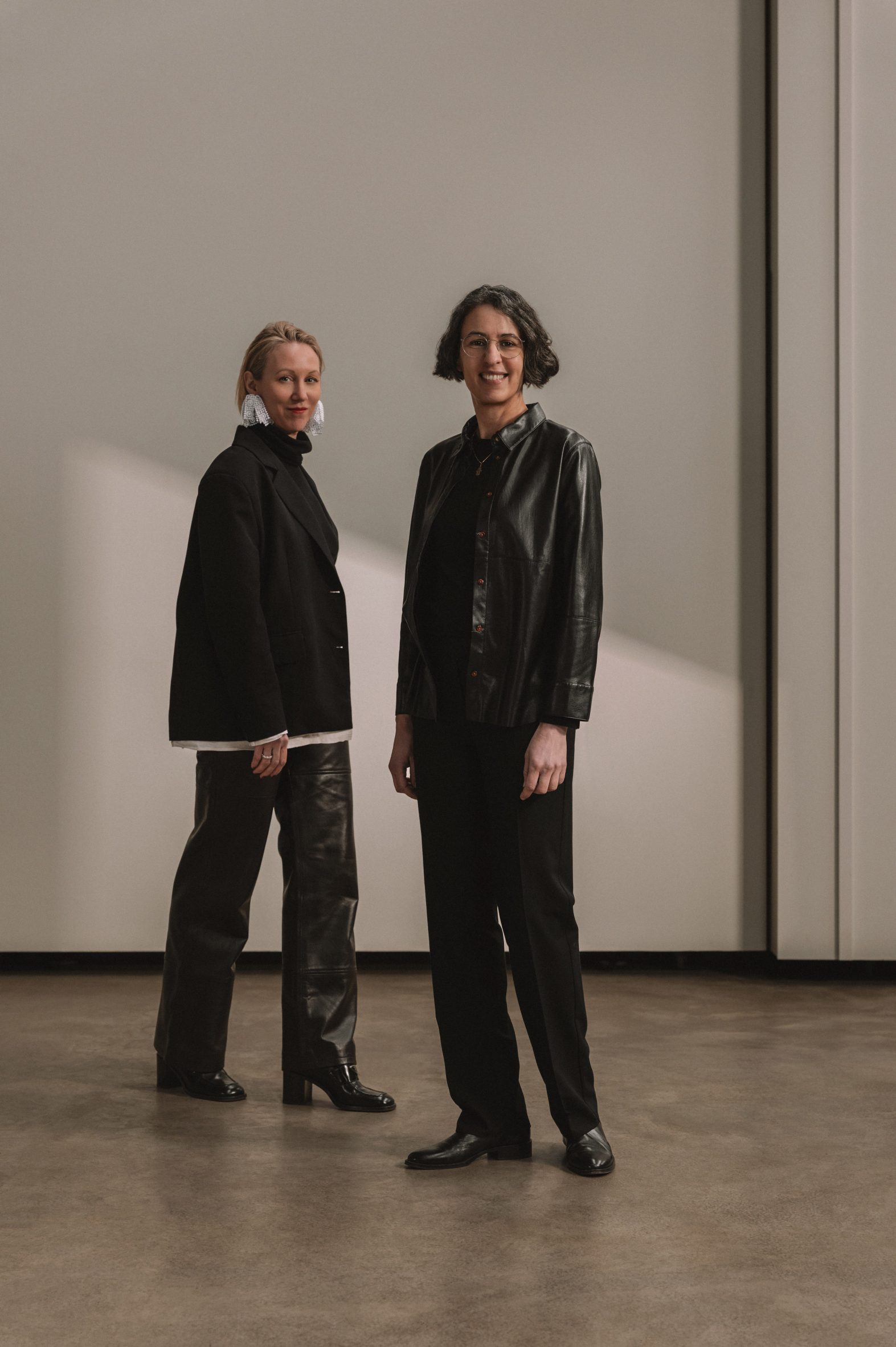
For the two journalists-turned-event organisers, the launch comes at a crucial time when there are more exciting studios and brands coming out of Berlin than ever, but scarce platforms and basically no funding for them to show off their work – either at home or abroad.
Several design festivals have attempted to represent the city over the years, most notably Berlin Design Week, which has been organised by branding studio State of Design since 2017. But the duo say these events have largely been shunned by the local community.
"Designers from Berlin never attended design week," Ewert explained. "We cannot say why, because we don't know. We just heard that they don't feel comfortable with the brand. So they needed the right environment to feel confident to show together as a group."
Outside of Berlin, the picture doesn't look much rosier. Like many furniture fairs, Germany's longstanding IMM Cologne has struggled for attendance, cancelling its 2025 edition due to falling market demand, although it returned this year.
And while other major European economies are investing in spotlighting their talent on an international stage, the Currents organisers say German designers are largely left to fend for themselves.
"If you go to Milan [design week], you see Switzerland, you see Austria, and you see the effort and money they're putting in – we don't understand why Germany is not doing this," Ewert said. "We definitely want to change that."
Currents, too, was unable to procure public funding for the event, although not for lack of trying.
The duo suspect this largely comes down to the fact that, despite Germany's pedigreed design history, from the Bauhaus to Dieter Rams, appreciation for the discipline on a political and economic level is now largely a thing of the past.
"There was a crucial moment in post-war history where the German industry really was open to design," Jouhar said. "It was Braun with Dieter Rams and Erco with Otl Aicher. But this is over. The industry in Germany is no longer really open to what design can do for them, for their processes, for their products."
"In Germany, it's more about function than about design," Ewert agreed.
As a result, local designers are caught in a Catch-22 situation, where their work is undervalued by industry, yet ineligible for traditional arts or culture funding due to its commercial applications.
"The values of design that are cultural, social, political – they are not recognised," Ewert said. "And this is part of the problem, I would say. And that's one reason why funding is so tough."
In spite of all this, Berlin's design scene continues to flourish.
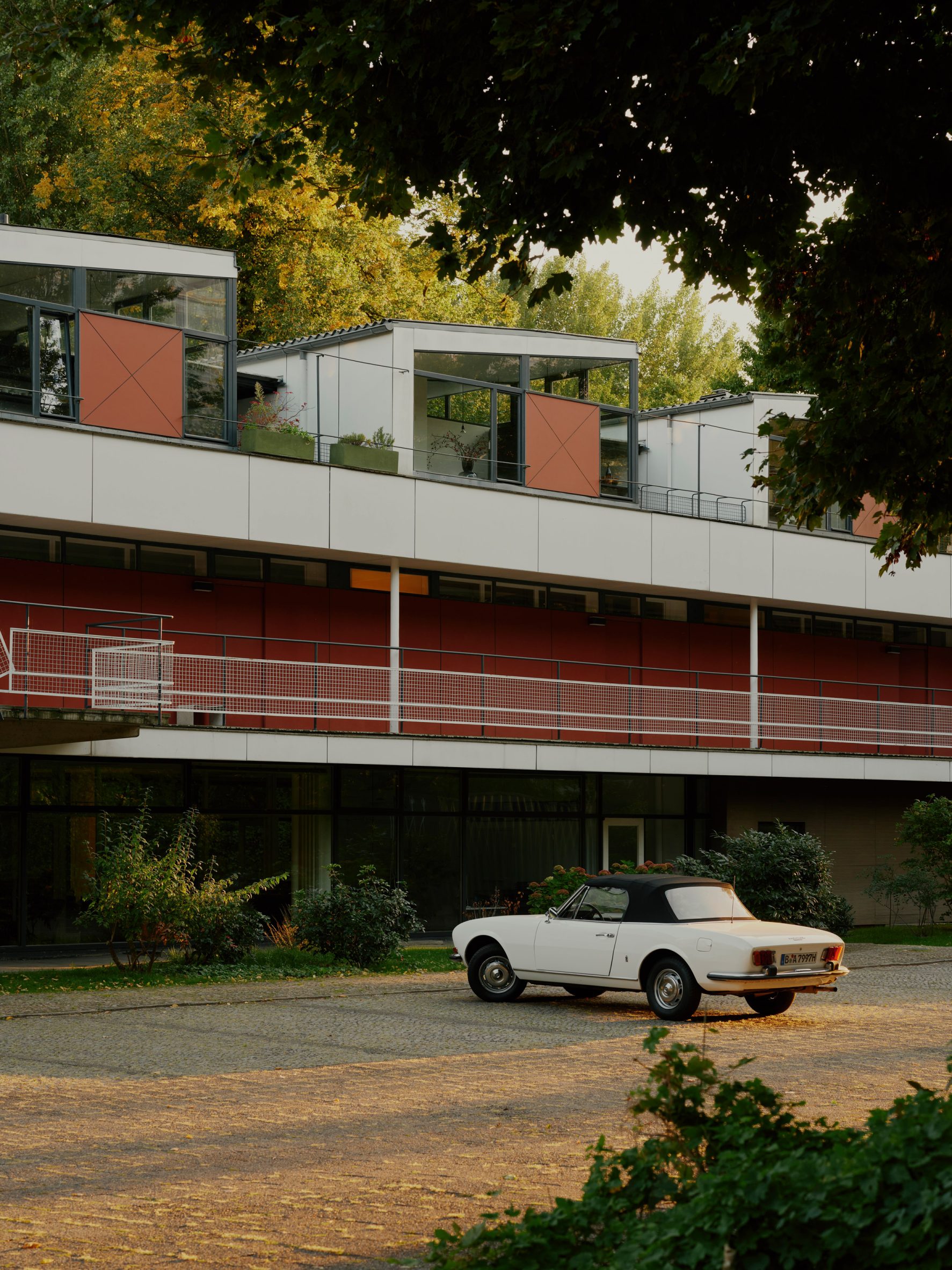
The city is now home to not just the odd household name like Konstantin Gricic or the Royal Porcelain Factory KPM, which dates back to 1763, but also to a growing cohort of exciting young studios and brands.
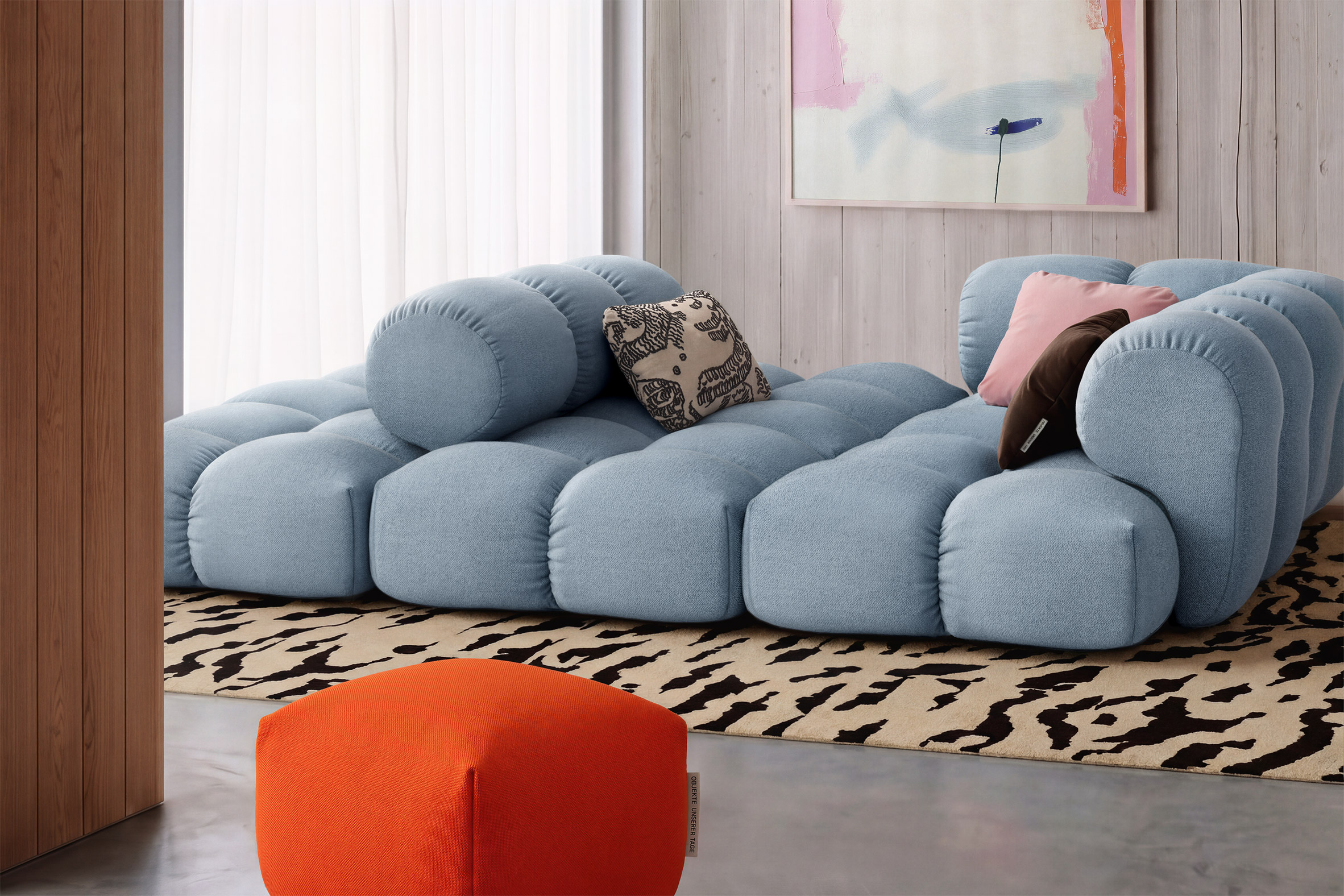
There's furnituremaker Objekte Unserer Tage, which is launching its Linde collection during Currents, and glass brand Moonarij, which works with local glass artisans, alongside buzzy independent firms like Daftar and Hahn & Wolf.
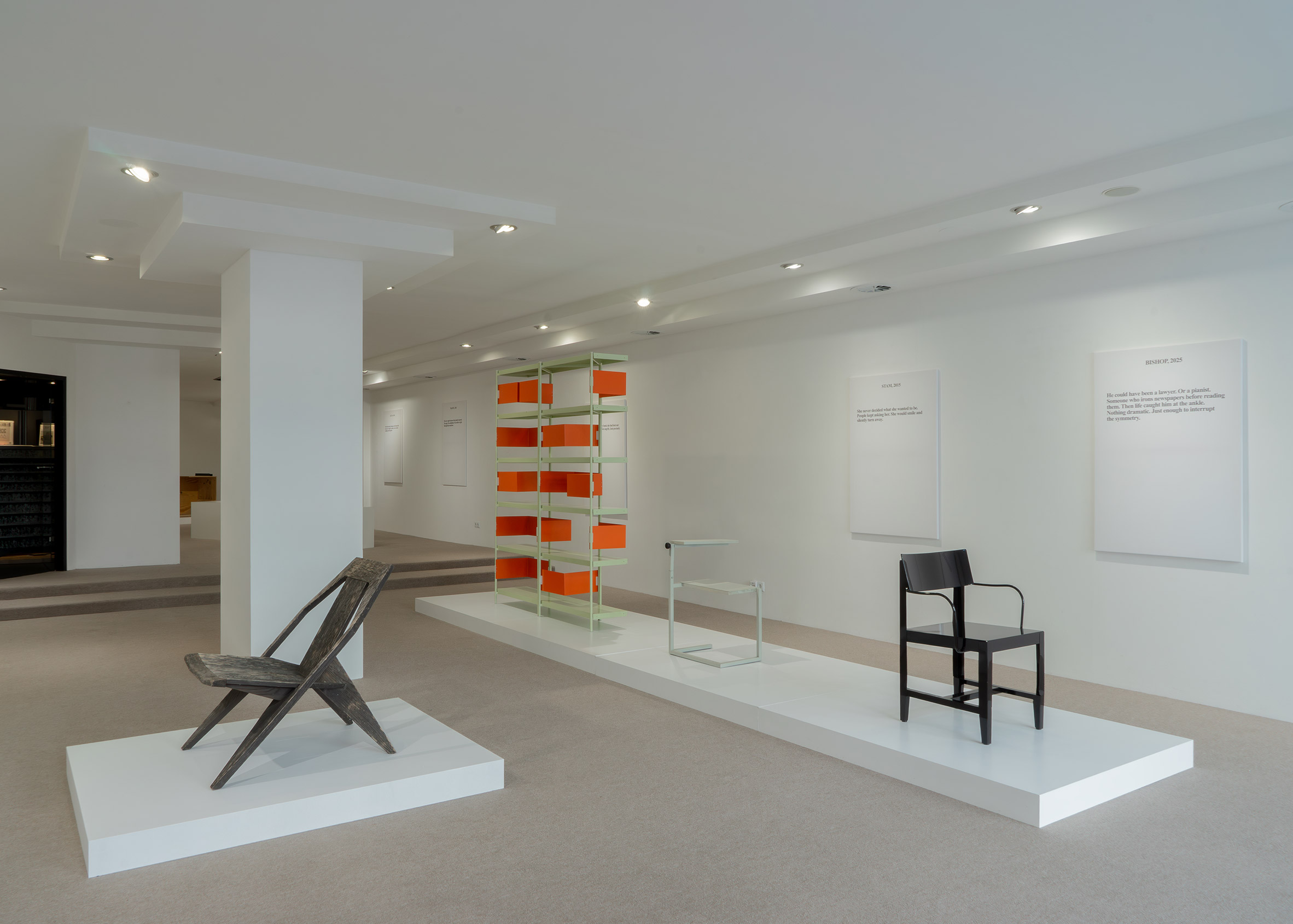
In total, Currents will feature work from 80 brands and studios across 60 locations. And although some are from further afield, like German bathroom brand Kaldewei and Swedish flooring manufacturer Bolon, which just opened its first showroom in the city, the majority of the programme is dedicated to local Berliners.
The hope is that the event will finally drum up some much-needed recognition for a design scene that, Ewert says, has long been undervalued and underfunded.
"People are always asking, what has changed in the past few years," she explained. "When other events have failed, why are you doing this now?"
"I think one very important thing is that Berlin still has this DIY energy, but the stuff doesn't look DIY anymore. It's all on an international level. It's quality."
"When I compare it to what came out of Berlin like 15 years ago, it is much more professional," Jouhar agreed.
This is especially impressive, she argued, given that the city is so far removed from any large-scale manufacturing, following its deindustrialisation after the second world war.
"We don't have any industry in Berlin anymore," Jouhar explained. "All industry, but also the financial sector, all the real economy left for West Germany or other parts of Europe. So there is not this close connection to industry and production, like we have in Copenhagen or Milan."
As a result, the duo argue that Germany will always be slightly more decentralised than other European countries, with events like Munich Design Days and Cologne's Interior Design Days vying for international attention.
But despite its lack of industry connections, Ewert reckons Berlin has a real shot at establishing itself as Germany's new design capital. "We are getting there," she said.
"Let's start with Berlin," she added. "Our goal is to highlight the community and the good work that they are doing. And after we have done that and everyone sees that Berlin is still a very creative city and we have an extraordinary design scene, then we can think about all the other cities and countries."
Currents 2026 takes place from 10 to 12 September 2026 at various locations across Berlin, Germany. For other design events around the world, visit Dezeen Events Guide.
The post "Industry in Germany is no longer open to what design can do" say Currents Berlin organisers appeared first on Dezeen.