













How Labor Shortages Are Reshaping Architecture

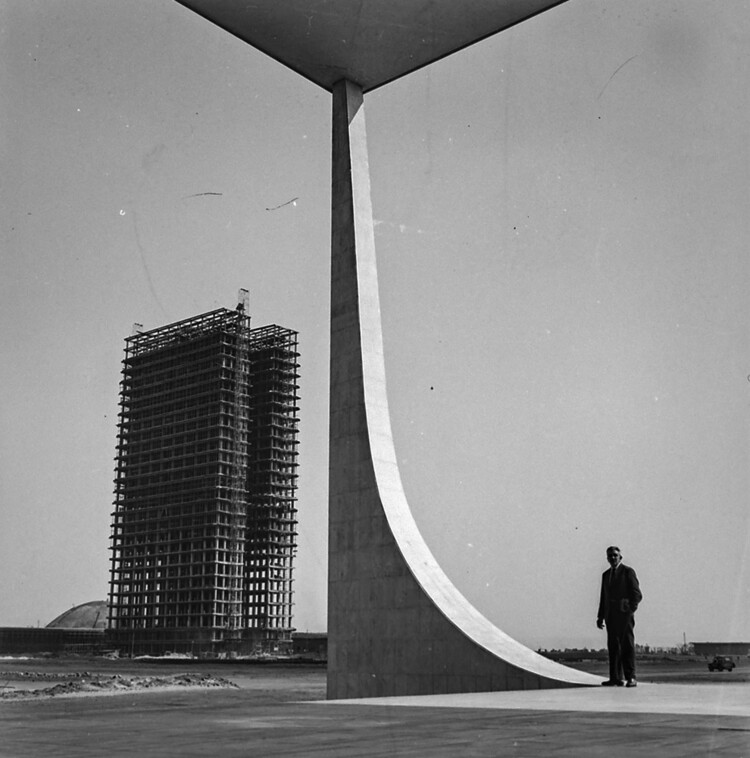
Building a city from scratch is no easy task. It never has been, and it never will be. The very idea of creating something that would otherwise develop and grow gradually demands resources, organization, and, above all, labor. This was the case in 1958, when Brazil's Central Plateau became one of the largest construction sites of the 20th century for the building of Brasília. Tens of thousands of candangos (migrants coming predominantly from northeastern Brazil, many without prior technical training) arrived to build an entire capital in just over three years, under then-president Juscelino Kubitschek's motto of achieving "fifty years of progress in five." Oscar Niemeyer's architecture and Lúcio Costa's plan would not have been possible without the assumption that enough workers were available and willing to endure low wages and extremely harsh conditions to transform concrete and curves into a national symbol.