



.jpg)

























Himalayan Glacier Collapse Triggers Flash Floods and Infrastructure Destruction in Nepal

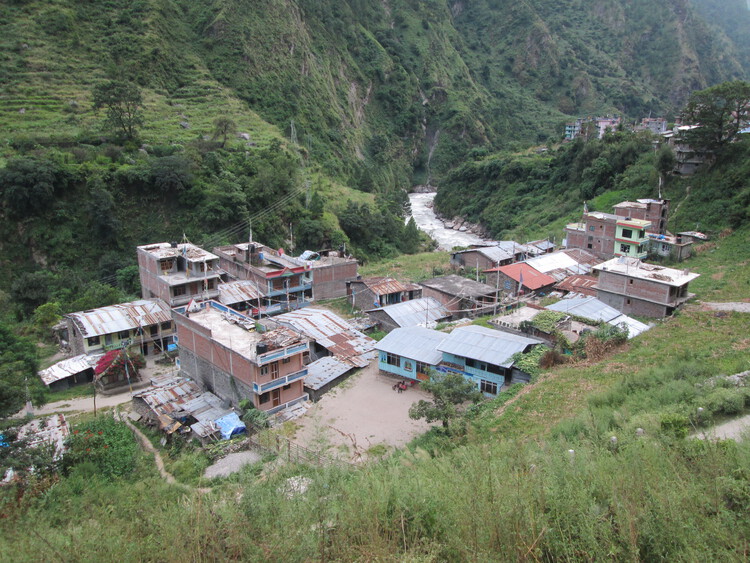
A lower section of a Himalayan glacier collapsed on Wednesday, August 26, creating an ice and rock avalanche down the Lhende River valley that triggered severe flash floods on the Nepal-Tibet border. The floods destroyed entire villages, with at least 350 confirmed dead and more than 1,300 people still missing. Characterized by their sudden and violent nature, flash floods occur within the first six hours after heavy rainfall or another floodwater source. In this case, the event has been attributed to a glacier collapse higher in the Himalayas, linked, in some scenarios, to a heat wave in the area. The speed of the movement is also distinctive of this type of flood, whose path of destruction in this case follows the Trishuli River basin in Nepal. According to the International Federation of Red Cross, the most affected areas are the Nepalese Rasuwa and Nuwakot districts. A more detailed assessment is expected in the coming days as floodwaters recede; in the meantime, it is already possible to outline some of the evidence from a territorial point of view.