
.jpg)



















Expanding the Meaning of Accessibility: Designing for Assisted Care in Public

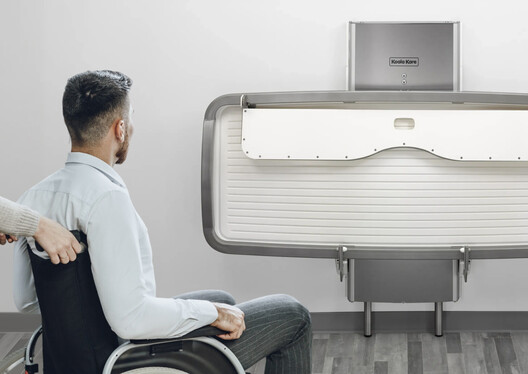
 Courtesy of Koala Kare
As a fundamental human right, inclusion requires that all people—regardless of their backgrounds, abilities, or circumstances—are recognized and respected, with equal access to the same resources and opportunities. For many people with disabilities and their caregivers, accessible washrooms still fail to provide what is most essential: a safe, private, and dignified place for assisted changing. While many facilities comply with ADA and ICC accessibility standards, conventional washroom layouts often do not accommodate users who require additional space, time, and support from caregivers. This gap has contributed to the growing adoption of adult changing facilities, which extend accessibility beyond conventional washroom requirements and respond to needs that standard fixtures cannot address.